
Discusses
Black Spring
Orwell recalls initially judging Black Spring weaker than Tropic of Cancer, then finding that its atmosphere and details remained in his memory too.

George Orwell's first book of essays: Charles Dickens, the twopenny school-story papers, and Henry Miller's Paris.
George Orwell's first collection, published by Victor Gollancz in March 1940 and made up of three long essays. "Charles Dickens" asks what a novelist who attacked every English institution and was adopted by all of them actually believed, and finds a moralist rather than a revolutionary. "Boys' Weeklies" reads the twopenny story-papers sold in every poor newsagent's shop and works out what politics a boy absorbs along with the death-rays and the football matches. "Inside the Whale" is about Henry Miller and Tropic of Cancer, and uses them to explain what happened to English writing between the expatriate twenties and the political thirties. All three were written as the war began.
Victor Gollancz published the book in London on 11 March 1940, in a first printing of 1,100 copies, and it was out of print before the year ended. There was no American edition. The three essays appear in the order "Charles Dickens", "Boys' Weeklies", "Inside the Whale", so the title piece comes last. This was George Orwell's first collection of criticism; the novels and the books of reportage had come first, and the essays are what most readers now go to him for.[1]
The title essay is largely about Henry Miller, whose Tropic of Cancer had appeared in Paris in 1935 and Black Spring a year later. Orwell reads them as the last good books of the American Paris: the swarm of artists and idlers who filled Montparnasse while the dollar was strong, and the smaller fringe that stayed on after the slump. He is not writing a review. Miller's refusal to take any political position at all is the exhibit; the essay is about what that refusal means at the end of a decade in which nearly every young English writer had taken one.[1]
Orwell had met Miller once, in Paris at the end of 1936, on his way to the war in Spain, and says so in the essay. Miller told him that going to Spain out of a sense of obligation was sheer stupidity and that his ideas about combating Fascism were baloney. Accounts of that meeting, including the Orwell Society's, add that Miller gave him a corduroy jacket for the Spanish winter. The essay records only the argument.[1]
"Boys' Weeklies" is the odd one, and the one that has aged least. Orwell counted ten twopenny boys' papers on sale, read them closely, quoted their prose, tabulated how each nationality was drawn, and printed readers' letters from the correspondence columns. He was wrong about one thing, and the mistake produced the exchange the piece is now remembered for.[1]
"Charles Dickens" runs longest. Orwell begins from the fact that Marxists, Catholics and Conservatives have all claimed Dickens, and asks what there is in him to steal. He works through the novels for evidence: Dickens writes almost nothing about the proletariat, has no constructive politics, distrusts Parliament and trade unions, and treats revolution in Barnaby Rudge and A Tale of Two Cities as a nightmare. Against that he sets what Dickens does have: an unmatched grasp of childhood, a hatred of tyranny, an absence of the vulgar nationalism that runs through Thackeray, and a fertility of unnecessary detail that no imitator has ever managed. The essay ends with the face Orwell sees behind the page.[1]
"Boys' Weeklies" starts in a poor newsagent's shop and works out from the twopenny papers on sale there. Orwell takes the Gem and the Magnet first, the two oldest, and shows how their public-school world was frozen in about 1910 and kept there: the same fourth-formers never ageing, the slang thirty years out of date, sex and religion absent, foreigners sorted into fixed comic types. Then he turns to the newer papers, the Wizard, Hotspur, Skipper and the rest, which are better written and more violent and politically identical. He ends on the question of who owns them and why no left-wing equivalent exists.[1]
"Inside the Whale" is in three parts. The first is on Henry Miller and Tropic of Cancer: what the book is, why its obscenity is not the point, and why a novel about penniless Americans in Paris felt more alive in 1935 than anything the political writers were producing. The second is a history of English literature from about 1918 to 1939. Housman and the nature poets, then the Joyce-Eliot generation, then Auden and Spender and the pull of the Communist Party, and what that orthodoxy did to prose. The third returns to Miller and to the image of Jonah, who was swallowed and did not mind.[1]
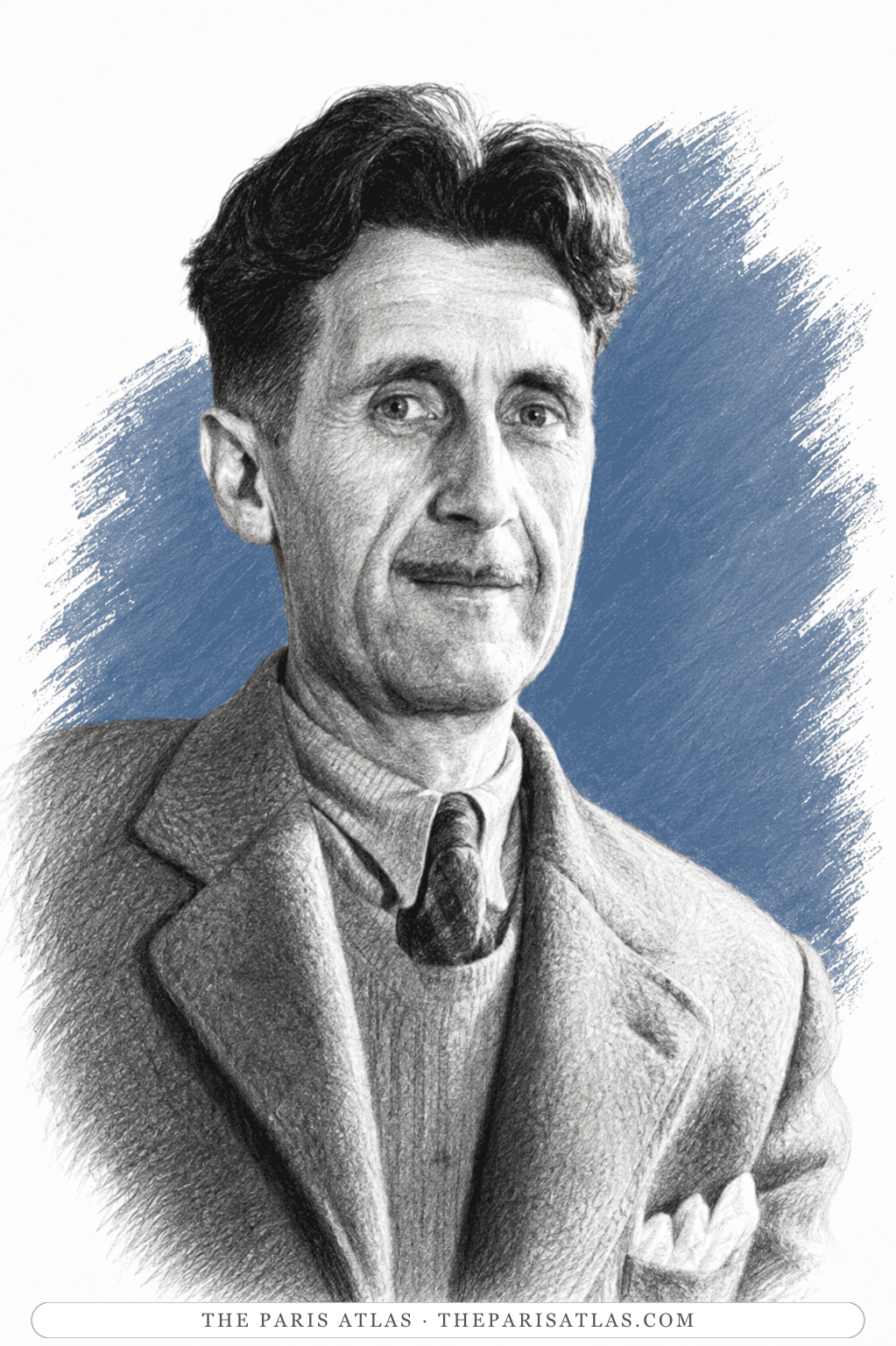
"Charles Dickens" ends by admitting that Orwell cannot pin Dickens to any remedy, and deciding that this is the point. His radicalism is vague, and the vagueness is what makes it last: what he is against is not an institution but, in Chesterton's phrase, an expression on the human face. Orwell then describes the face he sees behind the books, a man of about forty with a small beard and a high colour, laughing with a touch of anger in the laughter, and calls it the face of a nineteenth-century liberal, hated by all the smelly little orthodoxies contending for our souls.
"Boys' Weeklies" ends on ownership. Seven of the twelve papers Orwell discusses belonged to the Amalgamated Press, which also owned the Daily Telegraph and the Financial Times, and he concludes that the politics in them are not accidental. A boy who wants Martians and grizzly bears can only get them, he says, by delivering himself over mentally to people like Lord Camrose.
"Inside the Whale" ends by accepting Miller's position without recommending it. Orwell expects an age of totalitarian dictatorships in which literature as he knows it must suffer at least a temporary death, and he thinks the passive attitude will come back because progress and reaction have both turned out to be swindles. His advice to the novelist is to admit you are inside the whale and record what happens. His verdict on Miller himself is cooler than the essay's reputation suggests: a man of one book, a passive acceptor of evil, whose importance is symptomatic.
The whale's transparency matters: Orwell's Miller can see events without believing he can direct them. This is shelter from responsibility, not simple ignorance of the world outside. The image therefore carries a moral discomfort even as Orwell uses it to defend a literary possibility. A writer's honest record of helplessness may preserve experience more faithfully than a confident political formula. The essay does not make passivity heroic or declare Miller beyond criticism. It asks what truthful imaginative writing can still sound like when demands for useful, correct opinions threaten to replace an individual voice.
The newsagent's shop becomes an archive of desires that prestigious literature can overlook. Orwell moves from the variety of cheap publications to the repetitive social world offered by particular boys' papers. Readers can find characters resembling themselves, yet that imaginative invitation need not disturb the stories' assumptions about class, empire or foreigners. Their apparent timelessness is itself political: institutions and hierarchies remain secure while adventures supply excitement. This is Orwell's critical interpretation of the papers, not a survey proving what every child believed. The ordinary counter reveals how amusement can carry an argument without announcing one.
Dickens is one of those writers who are well worth stealing.
If men would behave decently the world would be decent.
All art is propaganda. Neither Dickens himself nor the majority of Victorian novelists would have thought of denying this. On the other hand, not all propaganda is art.
Discusses
Orwell recalls initially judging Black Spring weaker than Tropic of Cancer, then finding that its atmosphere and details remained in his memory too.

Discusses
The essay contrasts Céline's cry of disgust with Miller's acceptance of the world, using the difference to define what Orwell finds distinctive in Tropic of Cancer.

Discusses
Orwell takes the essay's governing image from Miller's comparison of Anaïs Nin to Jonah in the whale's belly and develops it into a figure for protected passivity.

Discusses
Orwell makes Miller's Paris novel the central exhibit of the title essay, asking why its passive acceptance of experience felt more alive than the politically committed writing around it.

Discusses
Orwell names Miller's newest book and explains that police and customs seizures had prevented him from obtaining a copy, a practical example of the censorship surrounding Miller's work.

Discusses
Orwell uses Joyce's novel as an artistic benchmark, judging Tropic of Cancer far inferior as a novel while arguing that Miller is pursuing a fundamentally different kind of writing.
"Inside the Whale" is the standard account of what happened to English writing between Ulysses and the Spanish war, written by someone who was in Spain and had watched the orthodoxy form.
"Boys' Weeklies" treats twopenny school-story papers with the same attention as a novel, and largely invented the habit of taking popular fiction seriously.
Orwell reads the novels for what they say about power, work, class and childhood, and concludes that a moral criticism of society can be as radical as a political one.
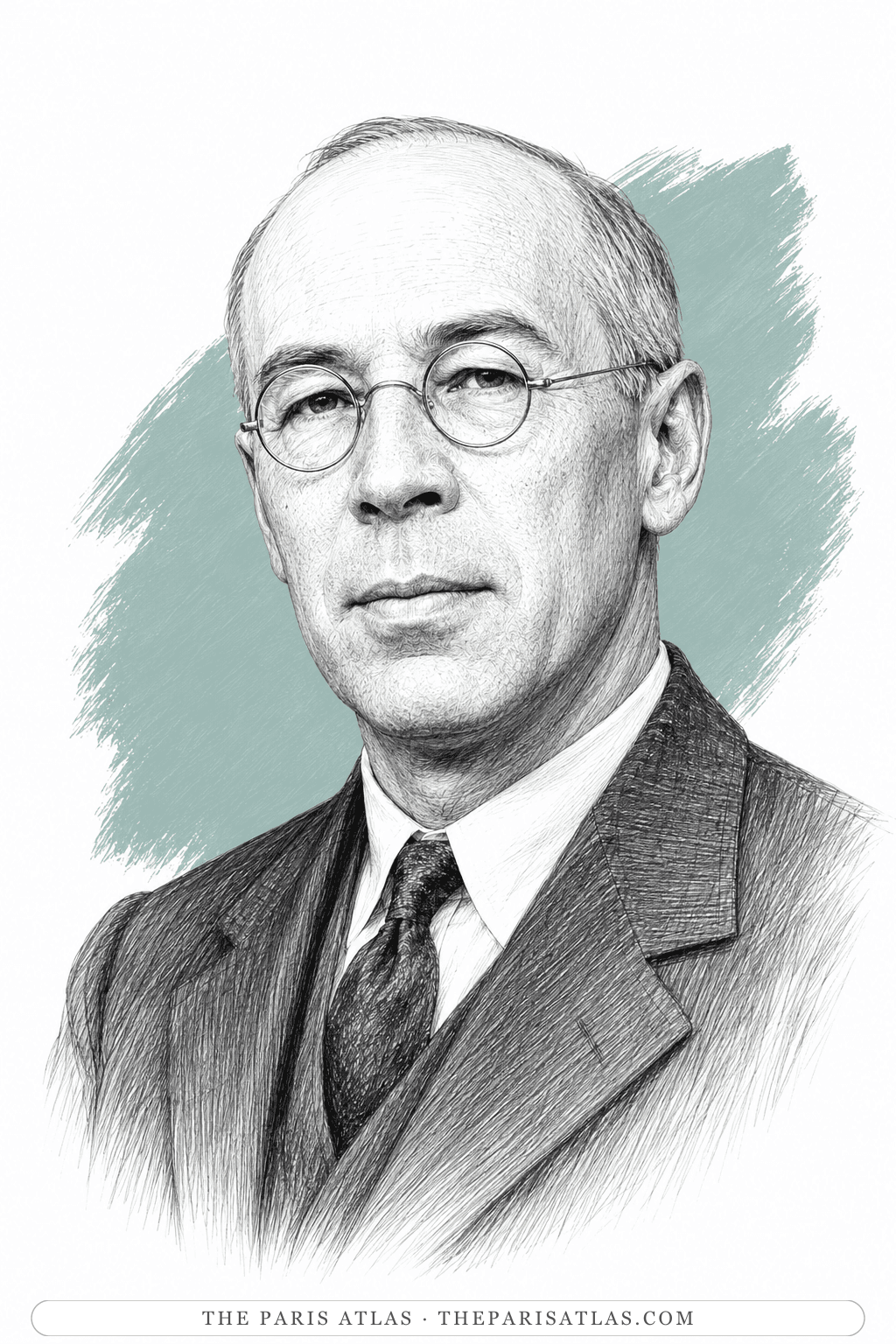
The American novelist the title essay is about. George Orwell calls him the only imaginative prose writer of the slightest value to have appeared in English for some years, and treats his total lack of interest in politics as the most interesting thing about him.
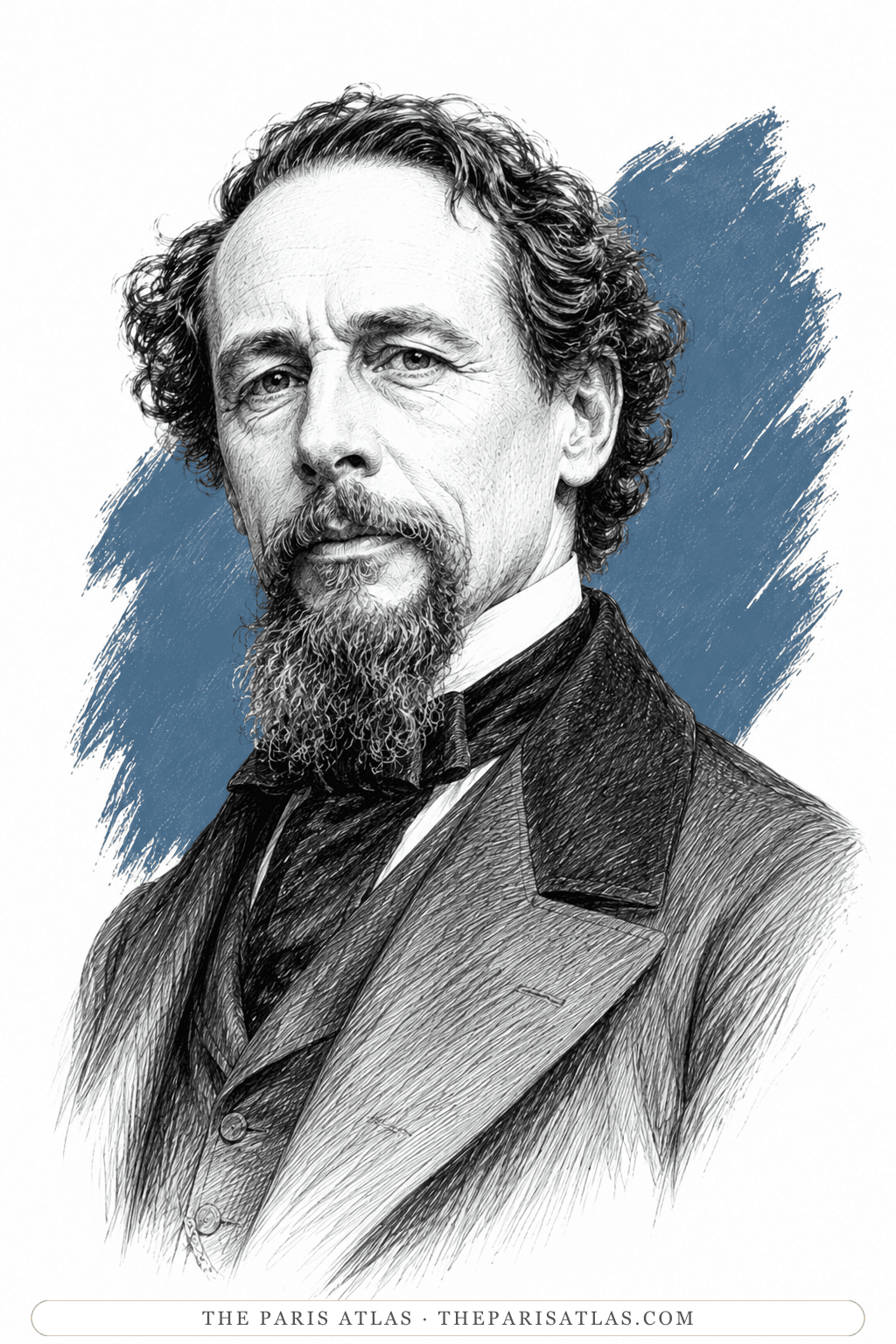
The subject of the first and longest essay. George Orwell sets out to work out what a novelist claimed by Marxists, Catholics and Conservatives alike actually believed, and finds a moralist who attacked everybody and antagonised nobody.
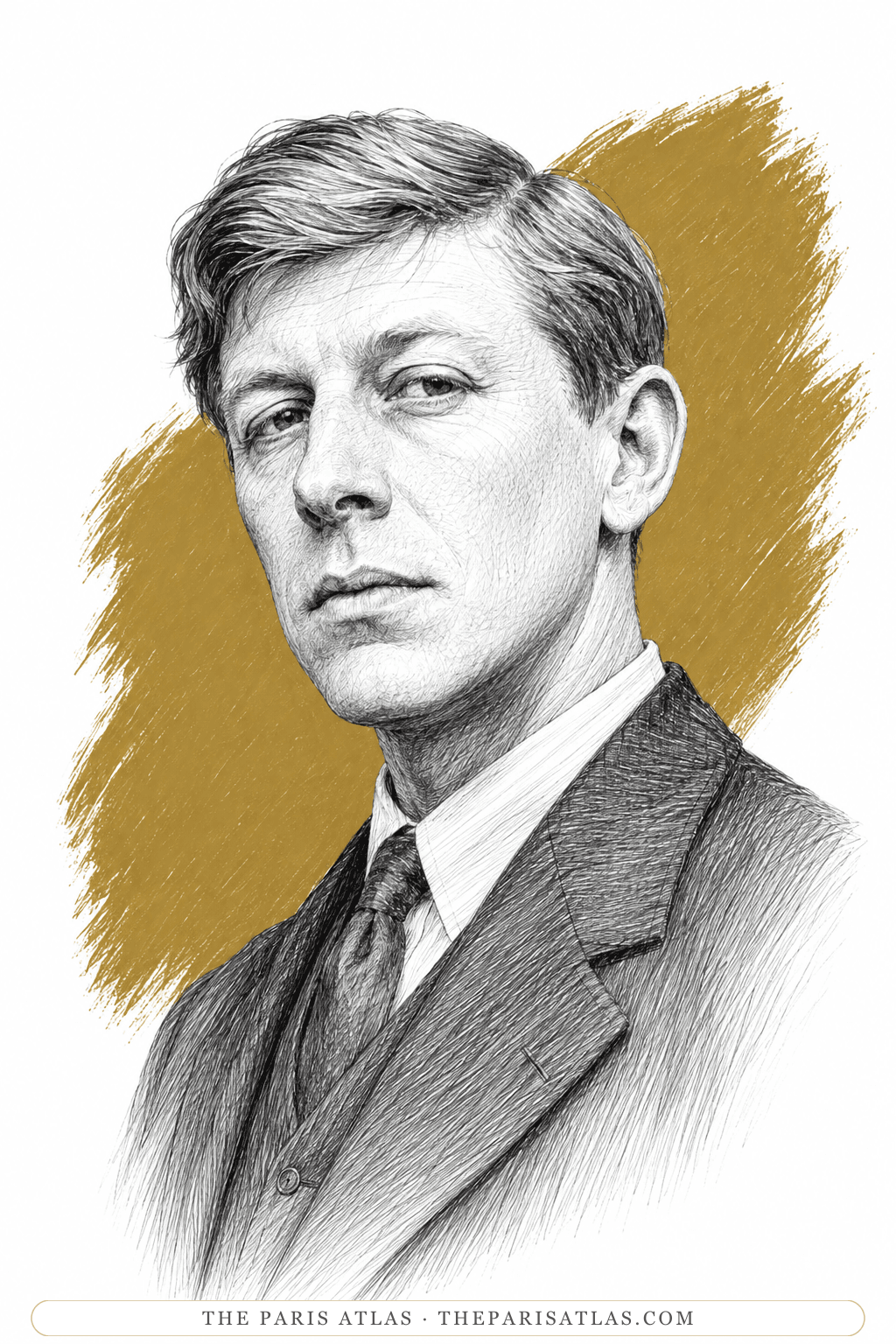
The leading poet of the thirties group, and the target of the sharpest paragraph in "Inside the Whale". George Orwell quotes the phrase "the necessary murder" from Auden's poem "Spain" and says it could only be written by someone to whom murder is at most a word, while also calling the poem one of the few decent things written about the Spanish war, and admitting that his own earlier jibe about Auden was a spiteful remark.
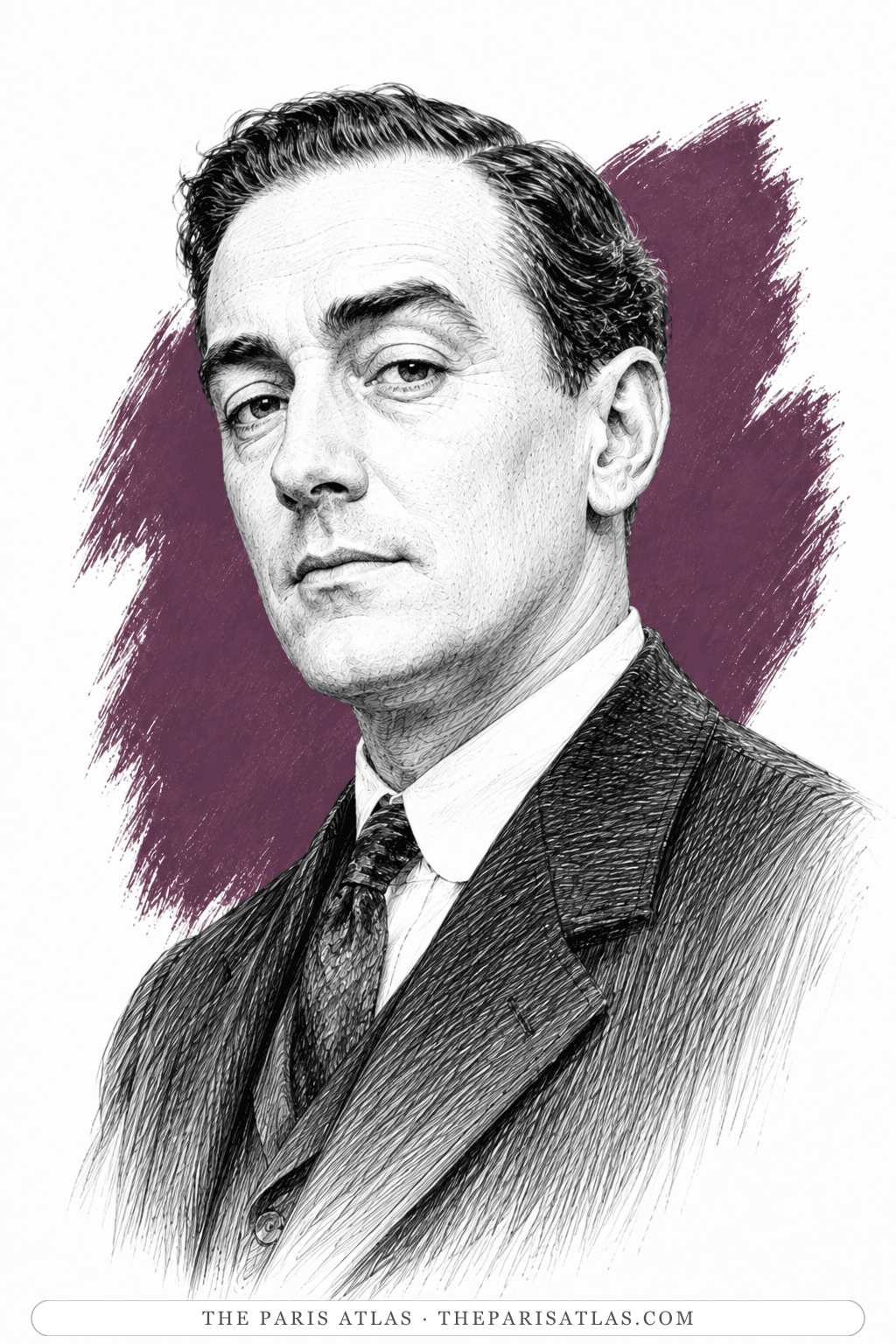
Critic and editor of Horizon, quoted in "Inside the Whale" for the theory of permanent adolescence, the idea that a public-school education is so intense that it arrests the development of the men who go through it. George Orwell takes the sentence at face value and turns it into his case that the writers of the thirties had lived through almost nothing.
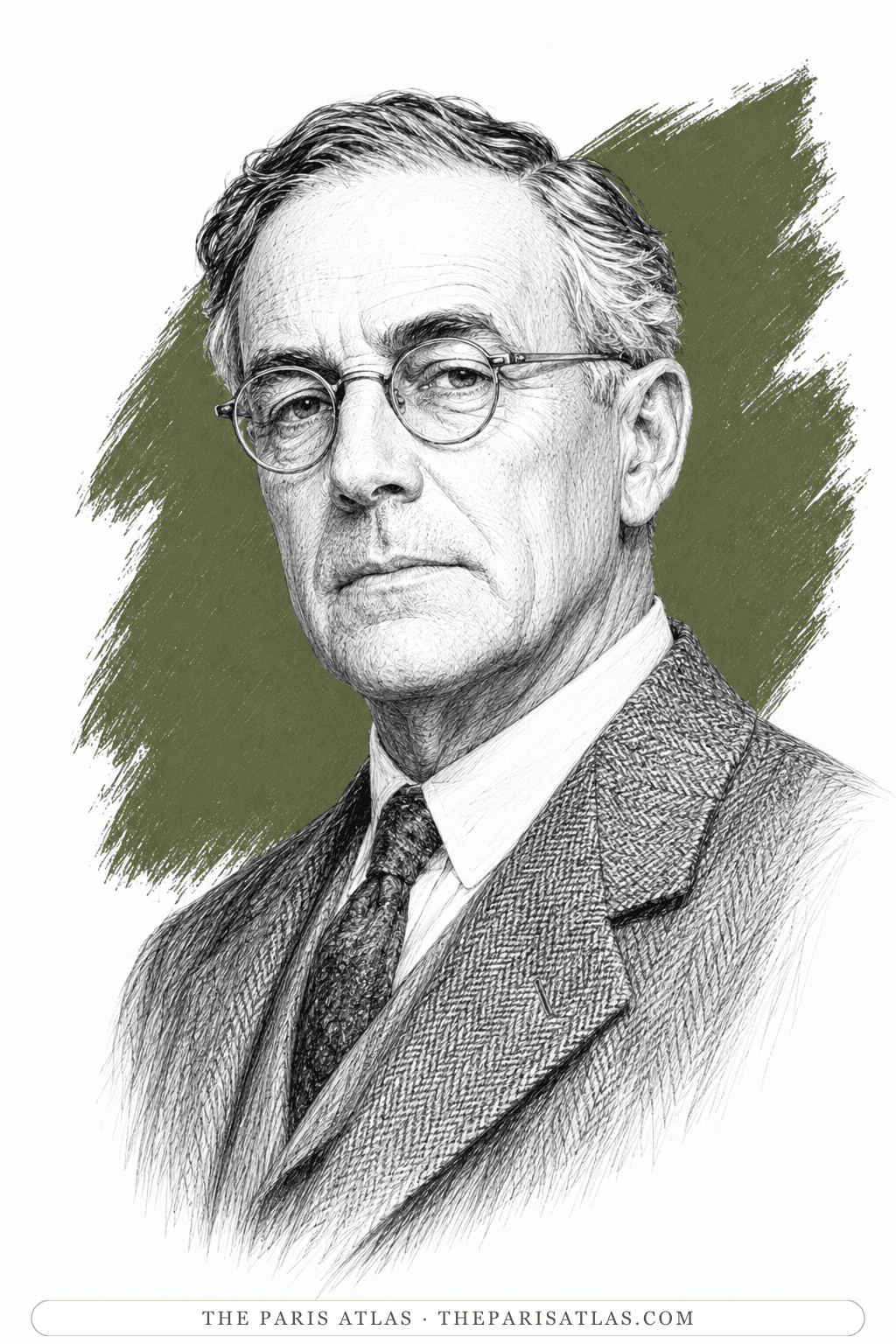
The name signed to the Greyfriars stories in the Magnet. George Orwell assumed it was a house pseudonym covering a team of writers, which is the one substantial thing he got wrong in "Boys' Weeklies".
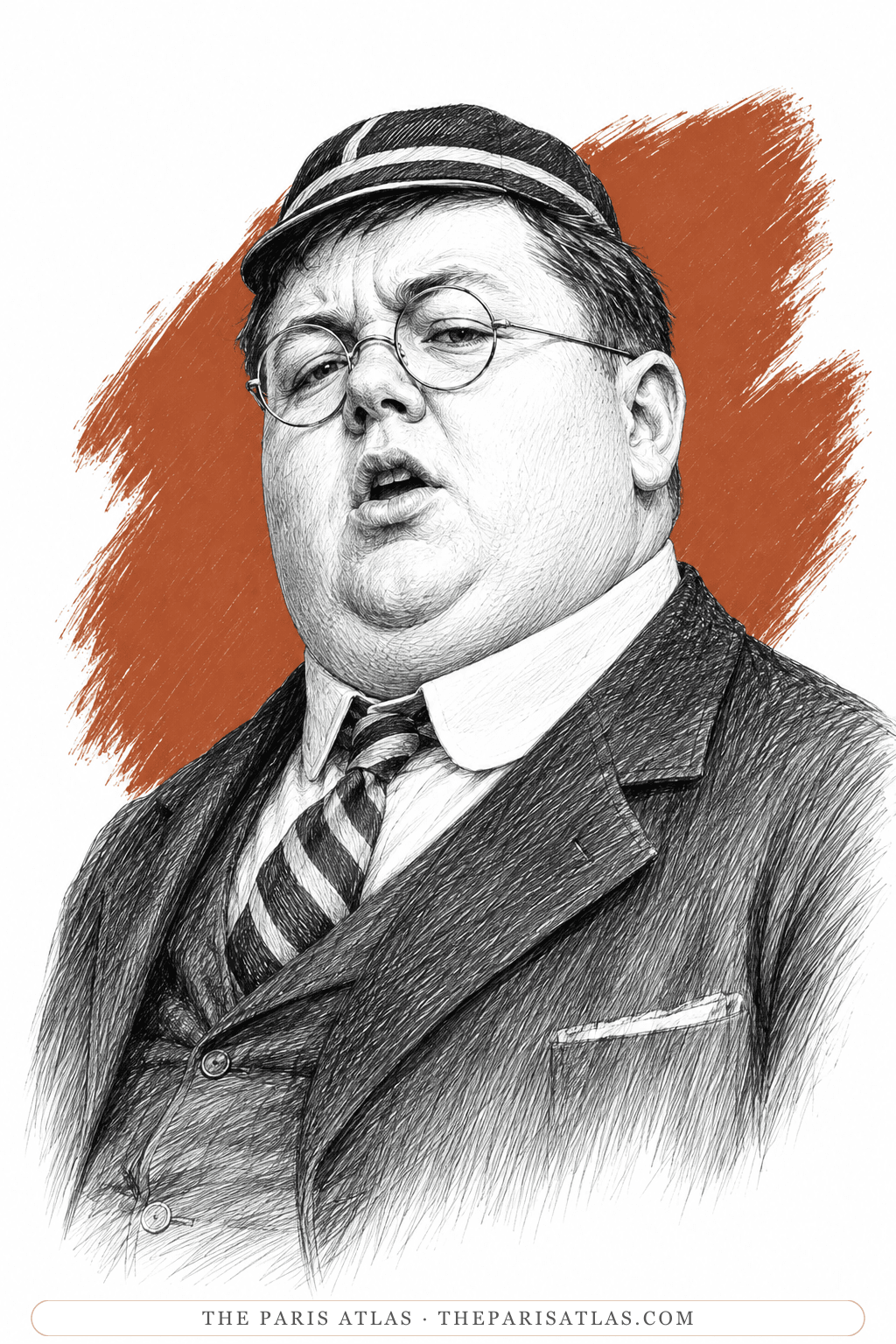
The fat schoolboy of the Magnet's Greyfriars stories, and a fictional character rather than a real one. George Orwell rates him one of the best-known figures in English fiction and the single thing that makes the paper worth reading.
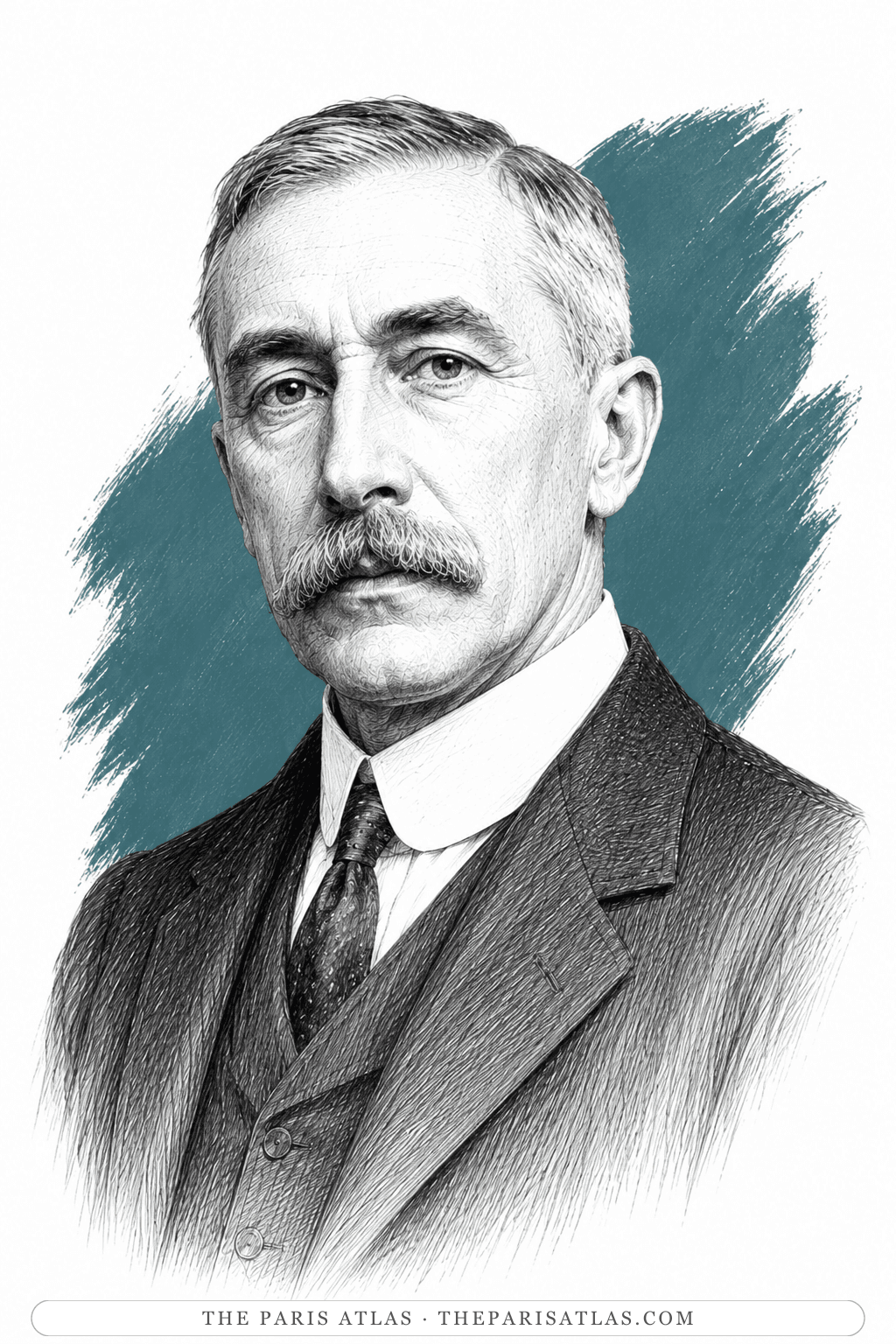
The poet who held the deepest grip on the young when George Orwell was seventeen, and the starting point of the literary history in "Inside the Whale". Orwell uses him to ask why a writer's hold on a generation collapses.
1935
Henry Miller's Tropic of Cancer is published in Paris by the Obelisk Press, and banned in Britain.
December 1936
George Orwell meets Miller in Paris on his way to Spain. Miller tells him that going out of a sense of obligation is stupidity.
September 1939
War is declared while "Inside the Whale" is being written; Orwell records the fact in the last pages of the essay.
March 1940
"Boys' Weeklies" appears in Cyril Connolly's magazine Horizon.
11 March 1940
Victor Gollancz publishes the collection in London in 1,100 copies. It is out of print within the year, and no American edition follows.
May 1940
Horizon prints Frank Richards's reply, in which Charles Hamilton acknowledges for the first time in public that he wrote the stories in both papers.
1957
Penguin issues a different nine-essay selection under the same title, which is the book most readers now find with this name.

Three, in this order: "Charles Dickens", "Boys' Weeklies" and "Inside the Whale". Victor Gollancz published them together in London on 11 March 1940, and the catalogue title of that first edition lists all three.
No. Penguin's Inside the Whale and Other Essays is a selection made in 1957 and holds nine essays. It carries the title essay and "Boys' Weeklies" but not "Charles Dickens".
It is George Orwell's image for accepting the world instead of trying to change it. He takes it from the American novelist Henry Miller, who compared a wholly inward writer to Jonah in the whale, and argues that the whale's belly is a place of total irresponsibility, and that Miller is a willing Jonah.
Because Miller's Tropic of Cancer struck him as the only imaginative prose of any value written in English for some years, and because Miller had no politics at all in a decade when nearly every young English writer did. Orwell had met him once, in Paris at the end of 1936, on his way to fight in Spain.
W. H. Auden's poem "Spain" contains the phrase "the necessary murder", and Orwell says it could only be written by a person to whom murder is at most a word. He had seen the bodies of murdered men in Spain. He also calls the poem one of the few decent things written about that war.
Yes. Orwell had assumed that thirty years of Greyfriars stories must be the work of a syndicate; Charles Hamilton, who wrote them as Frank Richards and wrote the Gem's stories as Martin Clifford, answered in Horizon in May 1940. That was two months after this book appeared, so the reply is not in it, though later printings of the essay often carry the two together.
Explore authors with a similar voice, perspective, and influence.

The Brooklyn dropout who arrived in Paris broke at thirty-eight and wrote the exuberant, banned books that ended American censorship.
View author
The doctor of the Paris slums who wrote the century's blackest, funniest novel — and changed the sound of French prose.
View author
French writer and philosopher whose novels, memoirs, and social analysis examined freedom, gender, responsibility, aging, and the material conditions that shape a life.
View authorThe sources below include the primary text, editions, scholarship, archival materials, and other records that informed this page. They document Inside the Whale and Other Essays, its publication, and its place in literary history.


Later public transcription used for Inside the Whale, section III, and selected opening, reader-identification and political-assumption passages in Boys' Weeklies. Not the complete 1940 collection or a first-edition collation; Frank Richards's separate reply is not treated as Orwell's voice.
Confirms that both analyzed essays belong to the original 1940 three-essay collection; not used as primary passage evidence.
Used to place Inside the Whale and Other Essays within George Orwell's published work and verify its bibliographic context.

Used for independent biographical, archival, or historical context surrounding George Orwell's career and the period in which Inside the Whale and Other Essays appeared.
Used to cross-check authorship, chronology, and the work's place in George Orwell's wider catalogue.
Used to verify George Orwell's bibliography and place Inside the Whale and Other Essays within the broader chronology of George Orwell's career.
The primary text is the baseline reference for every book page. Additional references document publication history, interpretation, and historical context where that evidence is available.
 Explore more resources