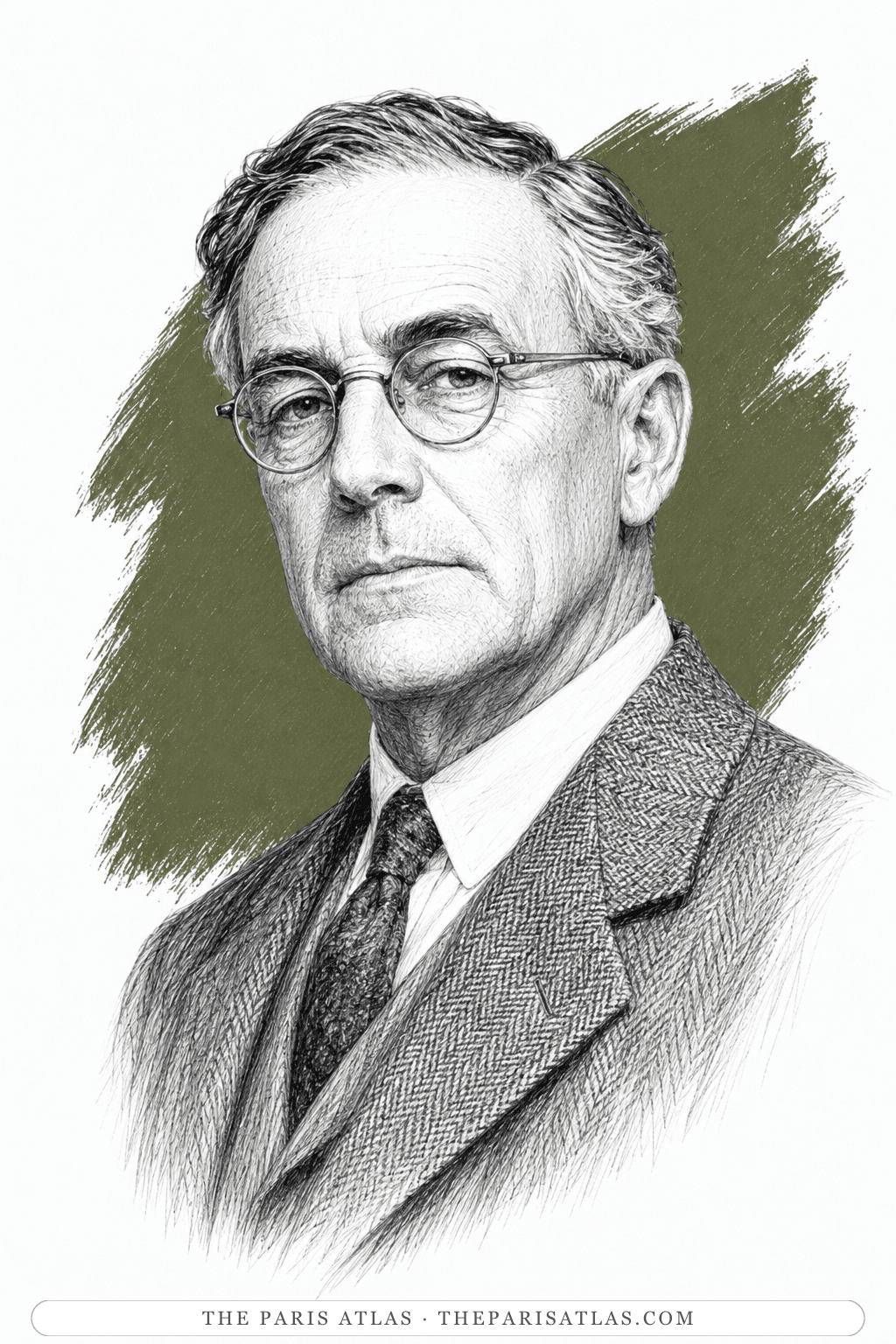
Frank Richards
The name signed to the Greyfriars stories in the Magnet. George Orwell assumed it was a house pseudonym covering a team of writers, which is the one substantial thing he got wrong in "Boys' Weeklies".
The book

At a glance
- Discussed throughout "Boys' Weeklies", the second essay
- The Magnet, published by the Amalgamated Press
- Martin Clifford, who signed the Gem's St Jim's stories
- That no one writer could have produced thirty years of weekly stories
- Charles Hamilton wrote both, and said so in Horizon in May 1940
Who they are in the book
Spoiler-freeFrank Richards is the byline on the weekly Greyfriars school story in the Magnet, and Martin Clifford is the byline on the matching St Jim's story in the Gem. George Orwell treats both as trade names rather than people. A series running for thirty years, he reasons, could hardly be the work of the same person every week, so the stories have to be written in a style that is easily imitated, and that requirement explains the papers' extraordinary prose.
Both names in fact belonged to one man, Charles Hamilton, who had written the overwhelming majority of the stories himself. He asked Cyril Connolly, the editor of Horizon, for space to answer, and the reply appeared in May 1940, two months after this book was published. It is the first place he acknowledged in public that Frank Richards and Martin Clifford were the same writer. The reply is not part of the 1940 collection; later editions of the essay often print the two together.
How Frank Richards Is Portrayed
- A style built to be copiedOrwell's explanation of the papers' tautology, repeated catchphrases and stylised cries of pain: an artificial manner that a stable of writers could all reproduce, keeping the atmosphere identical from week to week and decade to decade.
- Thirty years without ageingUnder this byline Harry Wharton, Bob Cherry, Johnny Bull and the rest were at Greyfriars before the Great War and are exactly the same age in 1940, using slang already out of date when the papers started.
- The one real creationOrwell rates Billy Bunter, the fat boy of the Magnet, one of the best-known figures in English fiction and the reason the Magnet outsold its sister paper.
- Borrowed, and Orwell says soThe manner descends from Kipling's Stalky & Co., down to the name of a Greyfriars master and much of the slang, with a debasement of the Dickens technique behind the stock characters. The name Greyfriars, he thinks, comes from Thackeray.
If you like Inside the Whale and Other Essays


If you like George Orwell
Explore authors with a similar voice, perspective, and influence.
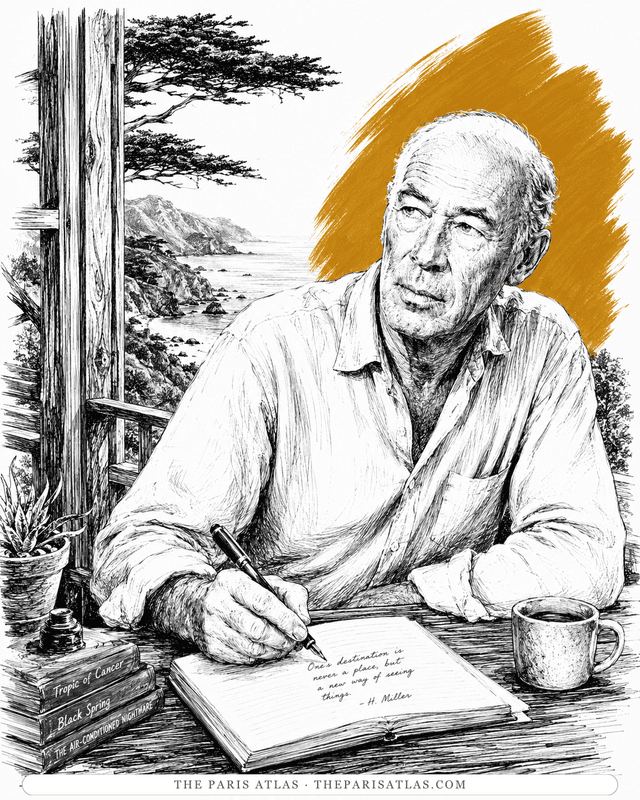
Henry Miller
The Brooklyn dropout who arrived in Paris broke at thirty-eight and wrote the exuberant, banned books that ended American censorship.
View author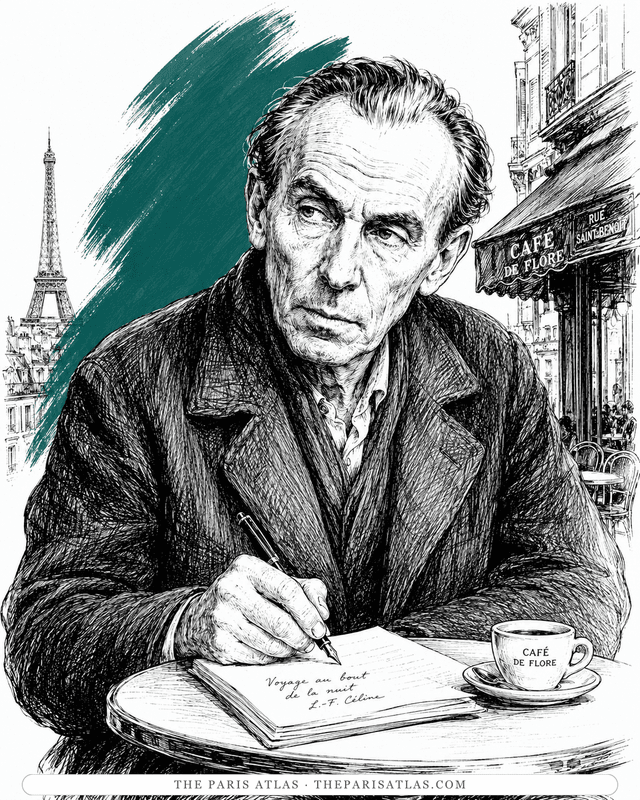
Louis-Ferdinand Céline
The doctor of the Paris slums who wrote the century's blackest, funniest novel — and changed the sound of French prose.
View author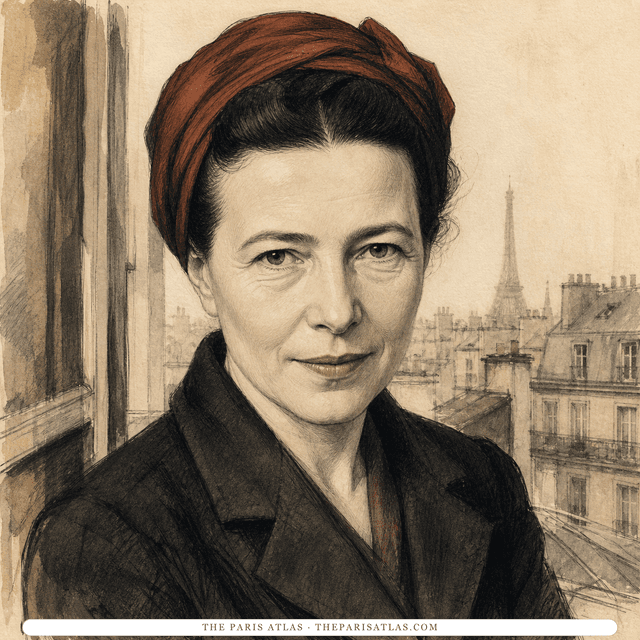
Simone de Beauvoir
French writer and philosopher whose novels, memoirs, and social analysis examined freedom, gender, responsibility, aging, and the material conditions that shape a life.
View author