
Depicted in its pages
Tropic of Cancer
Part of the hungry man's circuit — down the street looking for Eugene, which is to say for dinner and a floor.
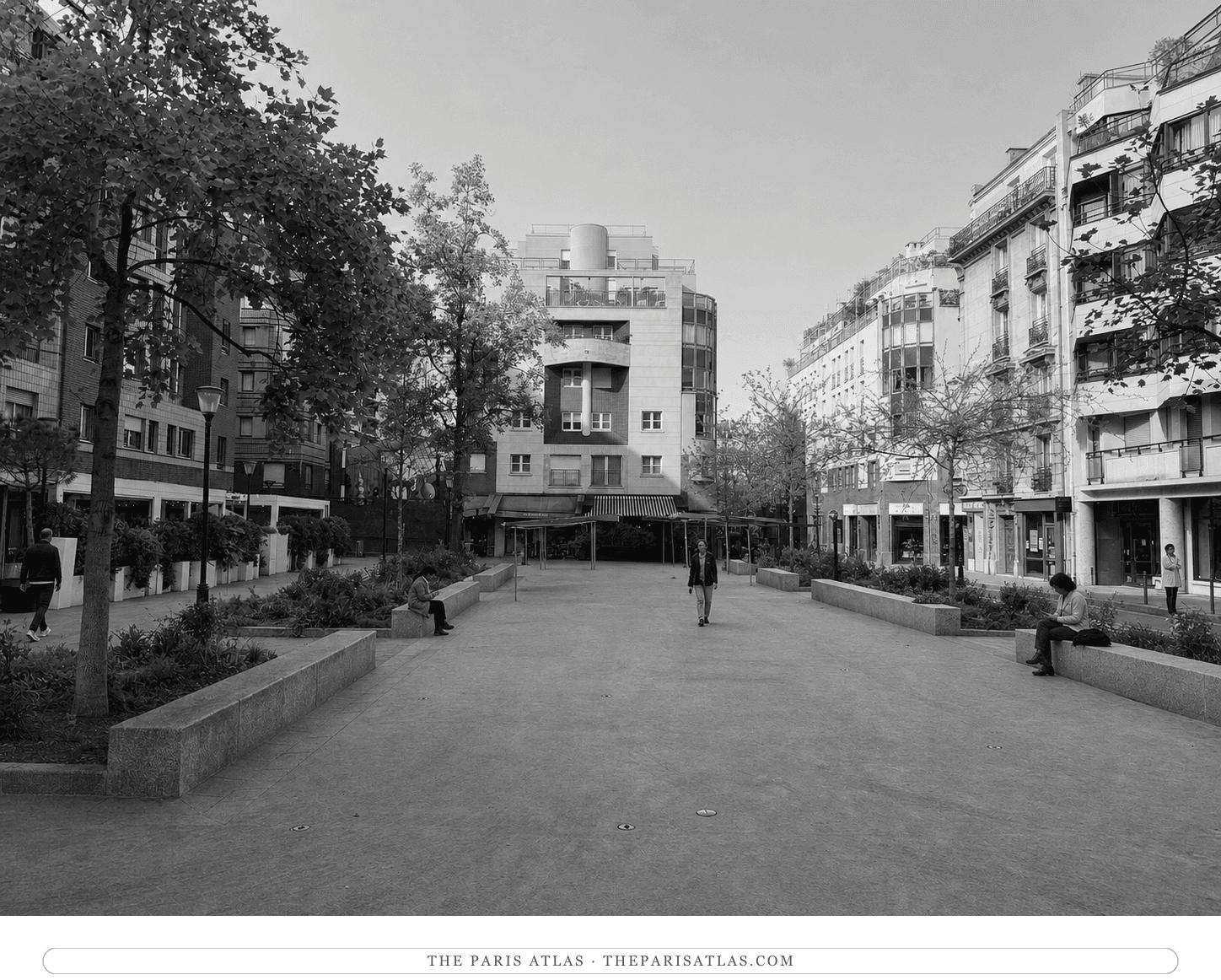
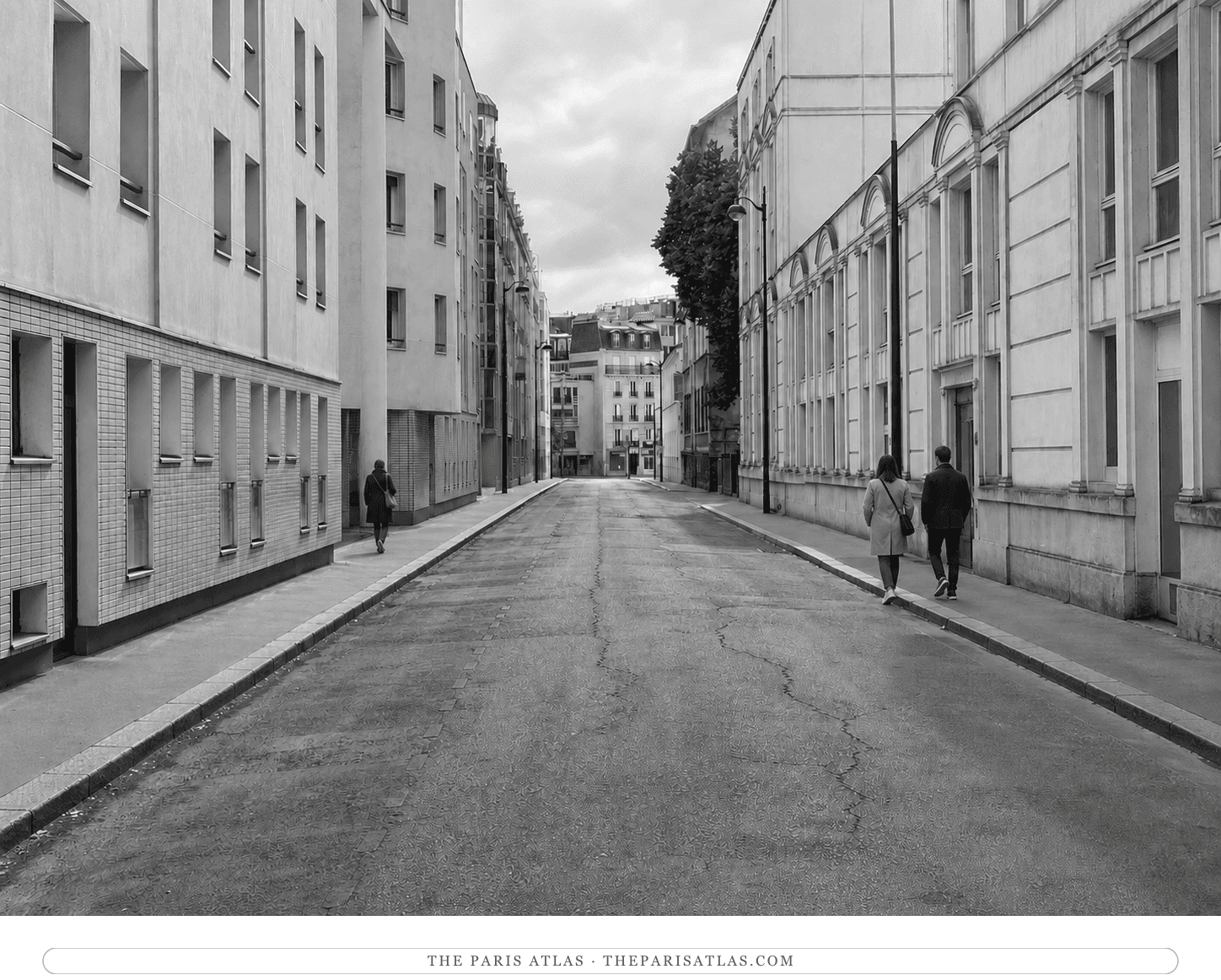
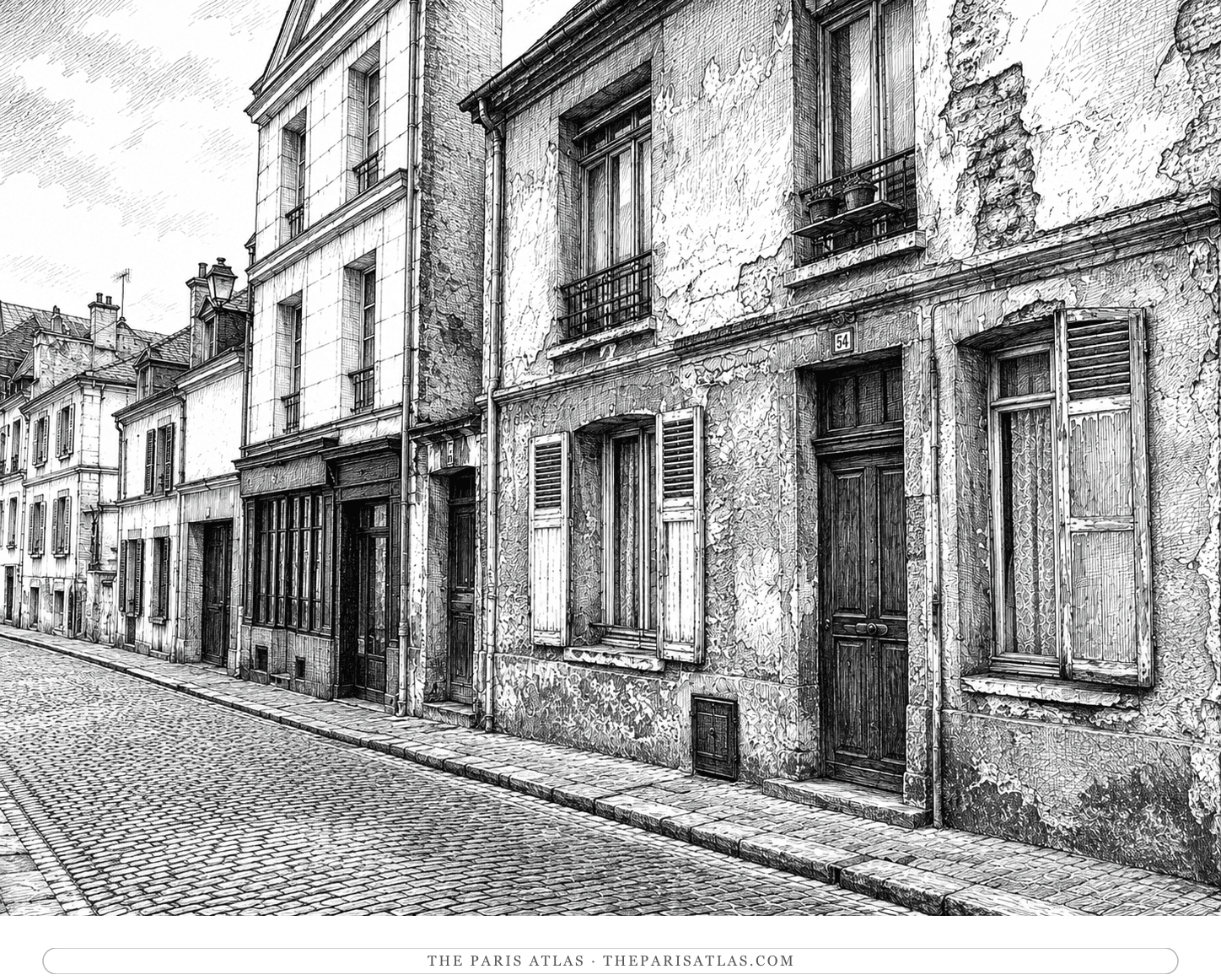
A workers' street behind the Montparnasse yards with two literary lives — the surrealists' communal house at No. 54, and Henry Miller's broke wanderings looking for a friend and a meal.
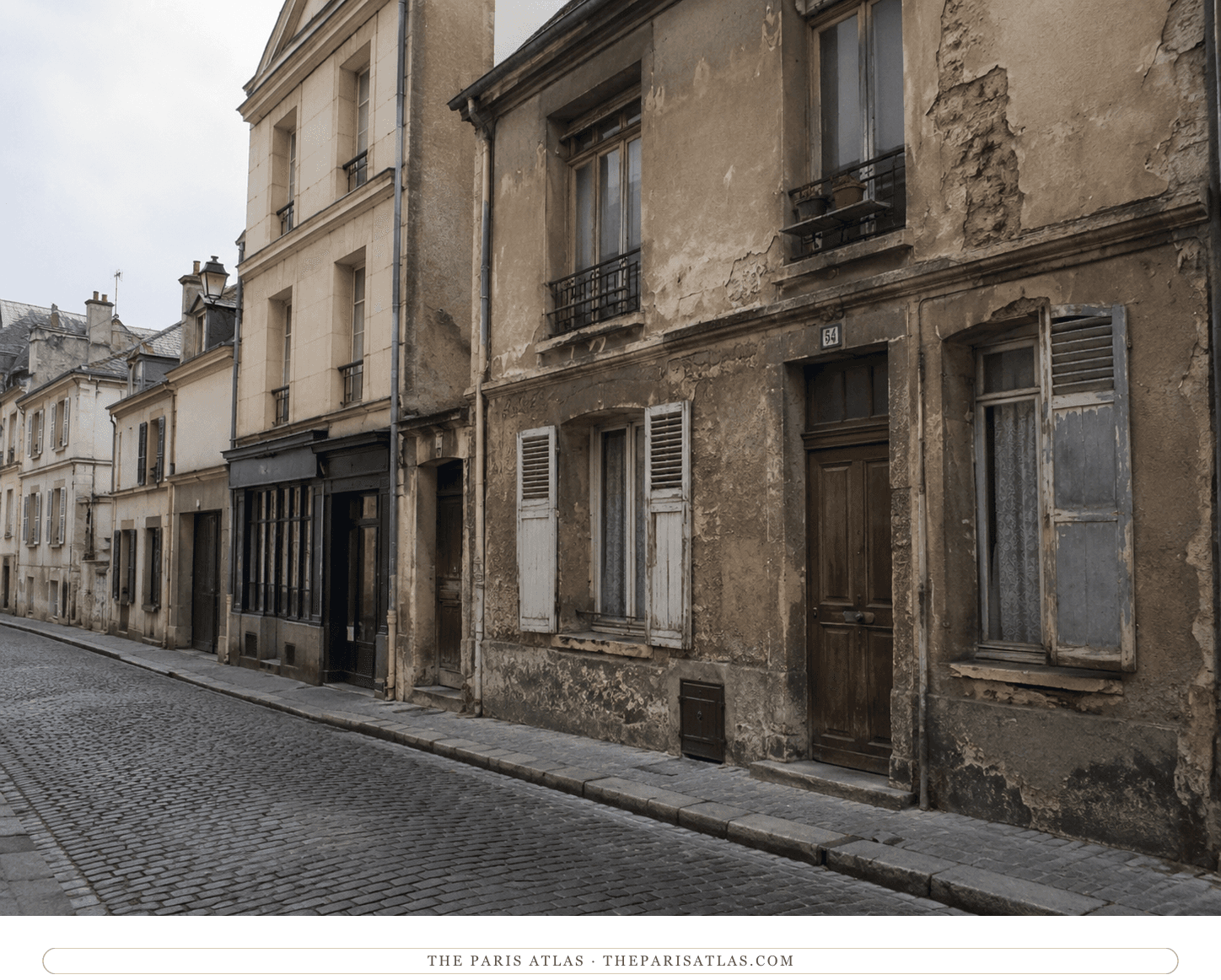
Rue du Château belonged to the other Montparnasse — not the boulevard of terraces but the working quarter of Plaisance behind the railway yards, cheap enough for artists who were poor in earnest. That cheapness gave it its first literary life: from 1924 the tumbledown house at No. 54 was the surrealists' commune — Yves Tanguy, Jacques Prévert, Marcel Duhamel — where the game of folded-paper collaboration got its name from a sentence the house produced: the exquisite corpse.
Its second life is Miller's. In Tropic of Cancer the street is part of the hungry man's circuit — walking down the Rue du Château to find Eugene, which is to say to find dinner, a floor, an evening's refuge. Where the surrealists chose the street for its cheapness, Miller's narrator is assigned to it by his; the two literary generations pass each other on the same pavement without meeting.
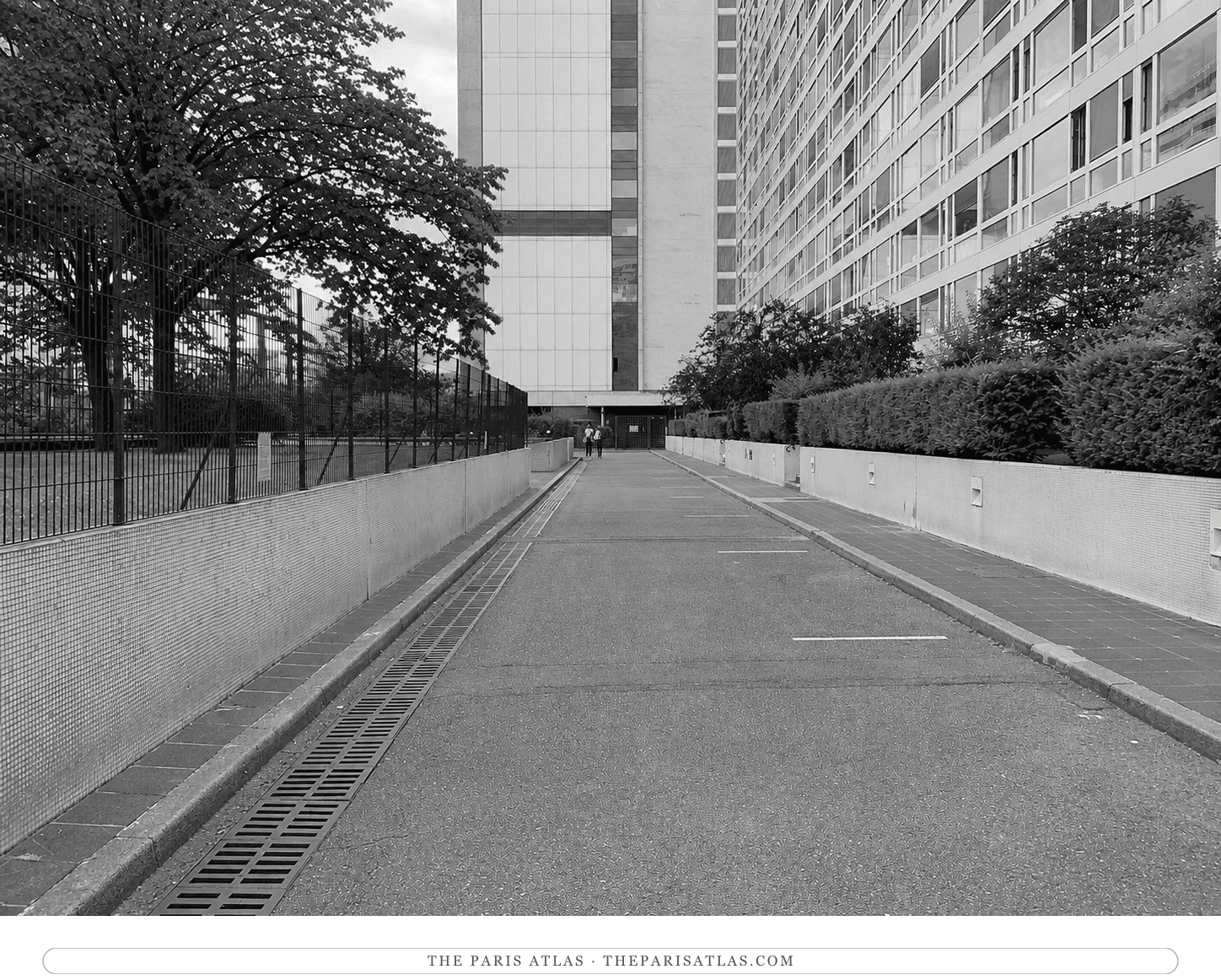
The quarter was heavily rebuilt in the tower-block decades and No. 54 is gone, but the street keeps its name and its length — and now, in these pages, both of its lives.
We walk down the Rue du Chateau, looking for Eugene.
Tanguy, Prévert, and Duhamel take the house at No. 54; the surrealist commune begins.
A folded-paper sentence at No. 54 names the exquisite corpse.
Miller's narrator walks the street looking for Eugene in Tropic of Cancer.
Plaisance is rebuilt; the house goes, the street name stays.
Depicted in its pages
Part of the hungry man's circuit — down the street looking for Eugene, which is to say for dinner and a floor.
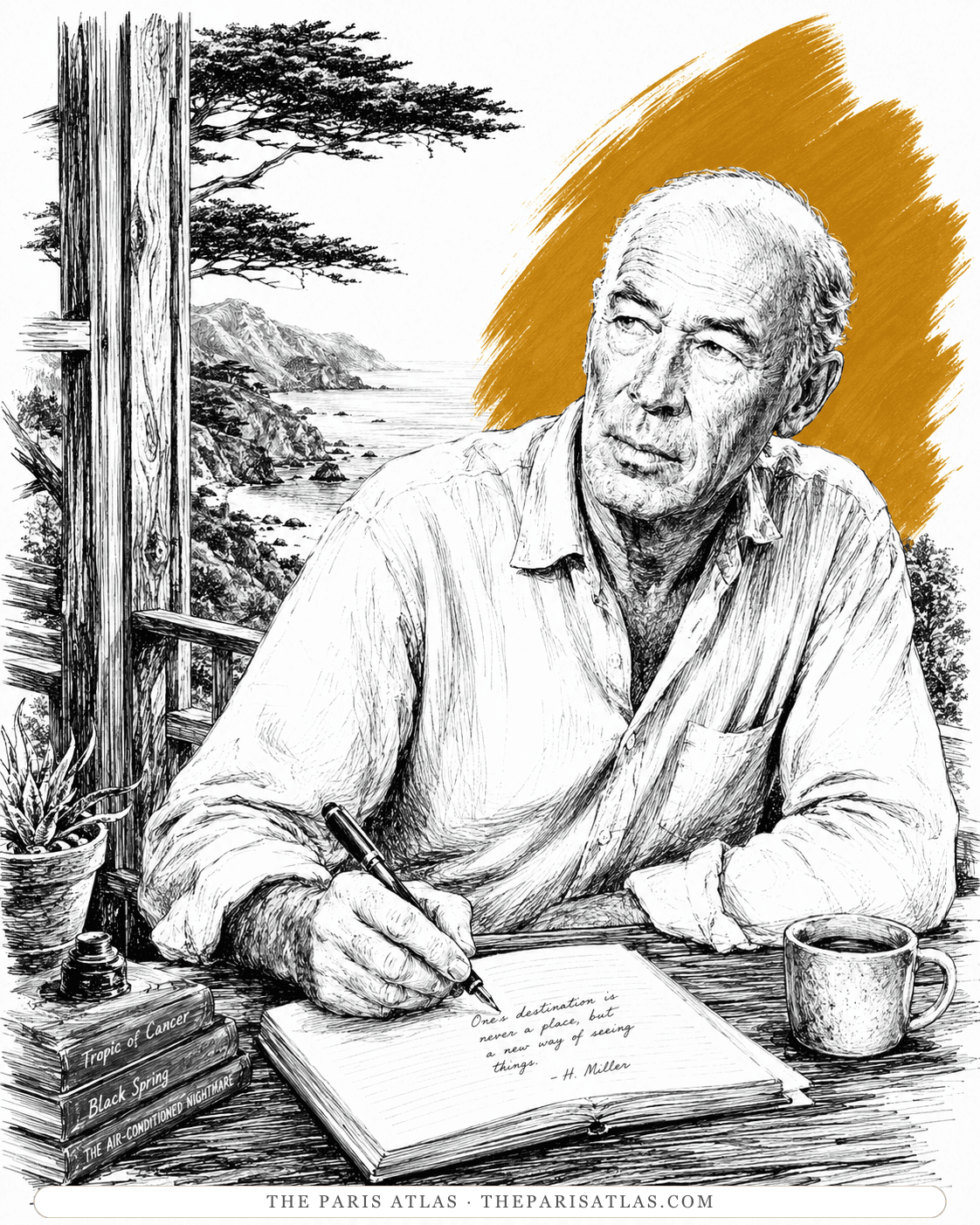
Henry Miller wrote about Rue du Château in Tropic of Cancer.
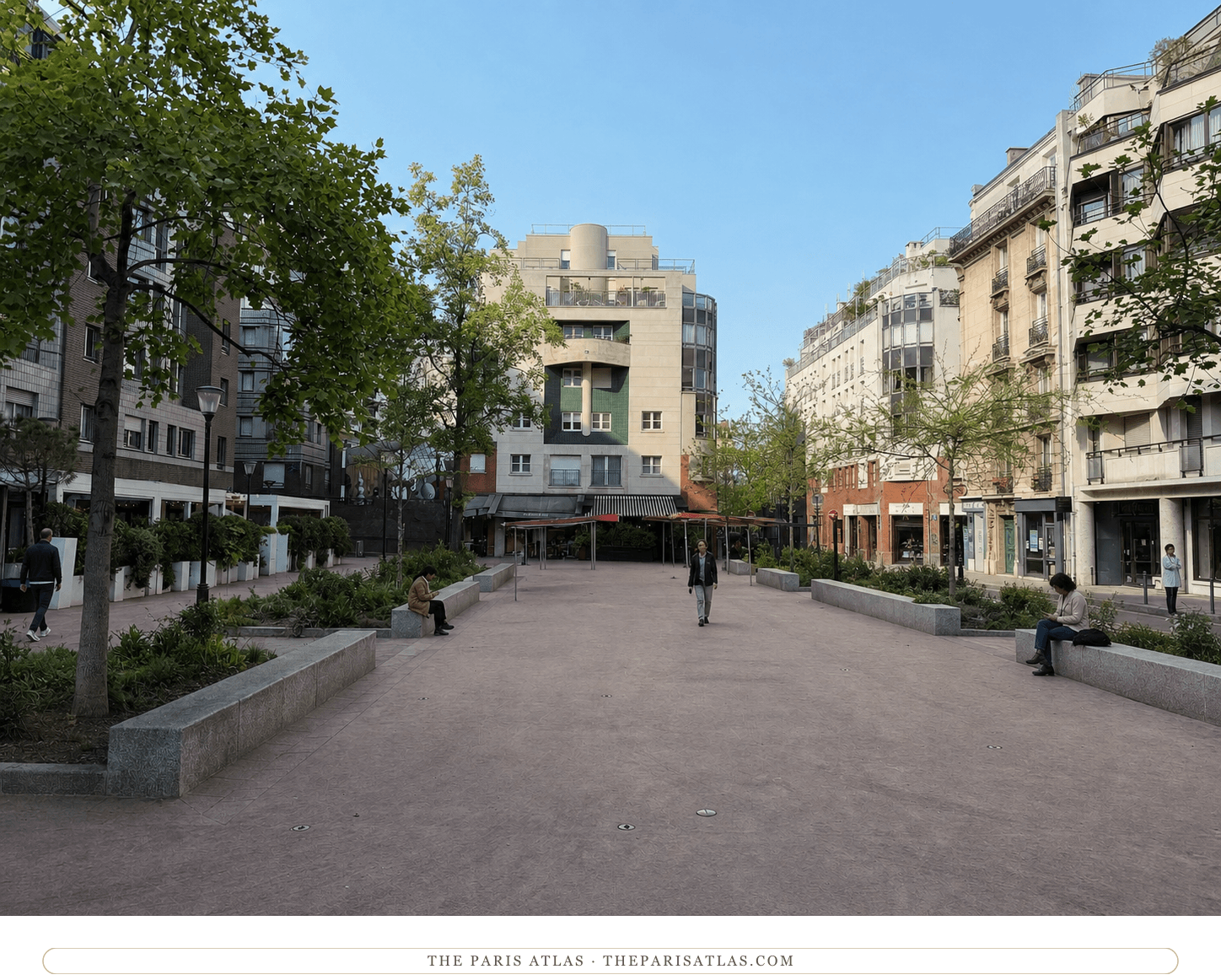
The second of Paul Cézanne's two apartments on the rue de l'Ouest, taken in April 1880 — the address he was using while Émile Zola was writing the novel that ended their friendship.
Visit the place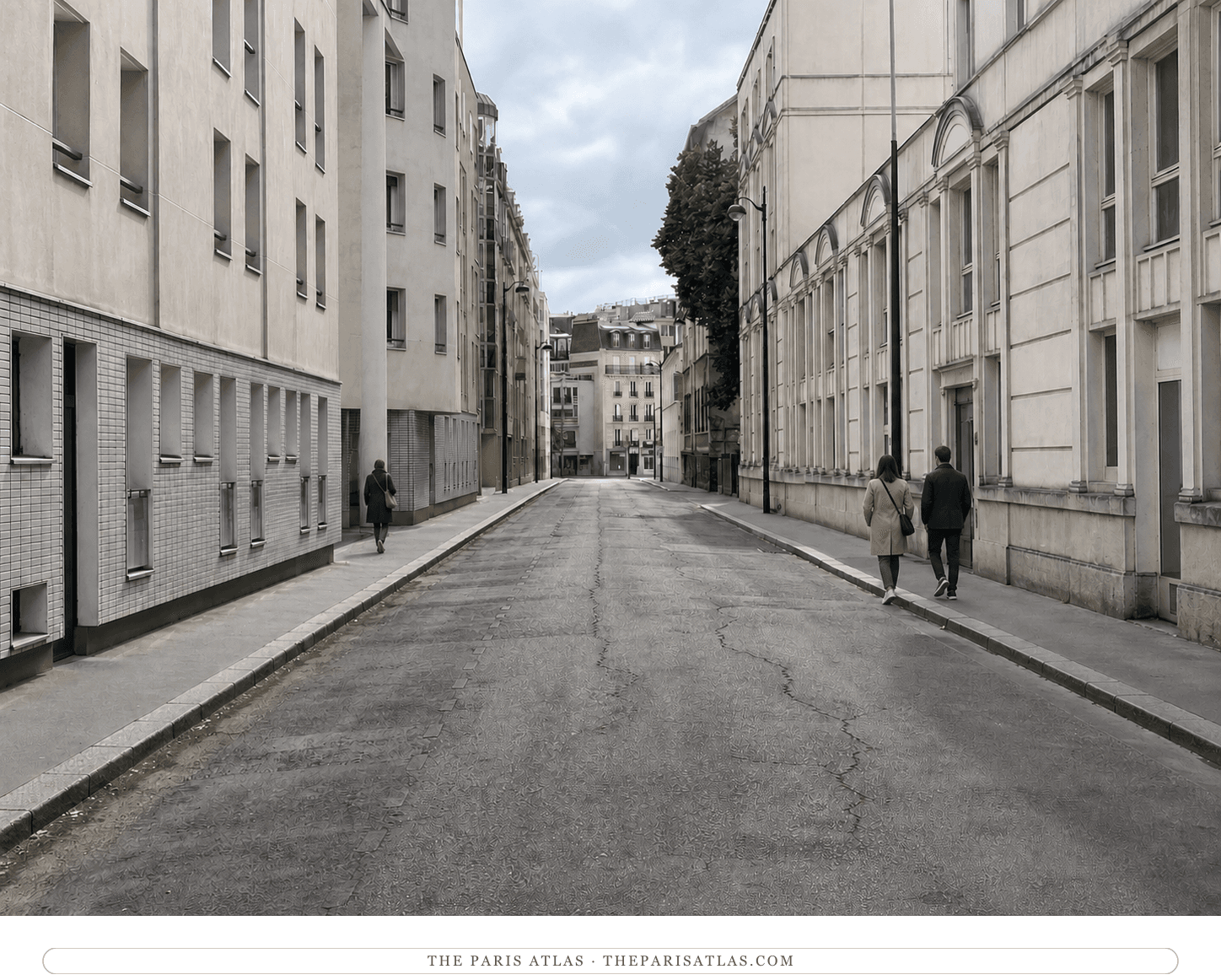
The fourth-floor Montparnasse apartment Paul Cézanne took in 1877, whose patterned wallpaper appears behind Hortense Fiquet in several of the portraits and stands in for a landscape in the still lifes.
Visit the place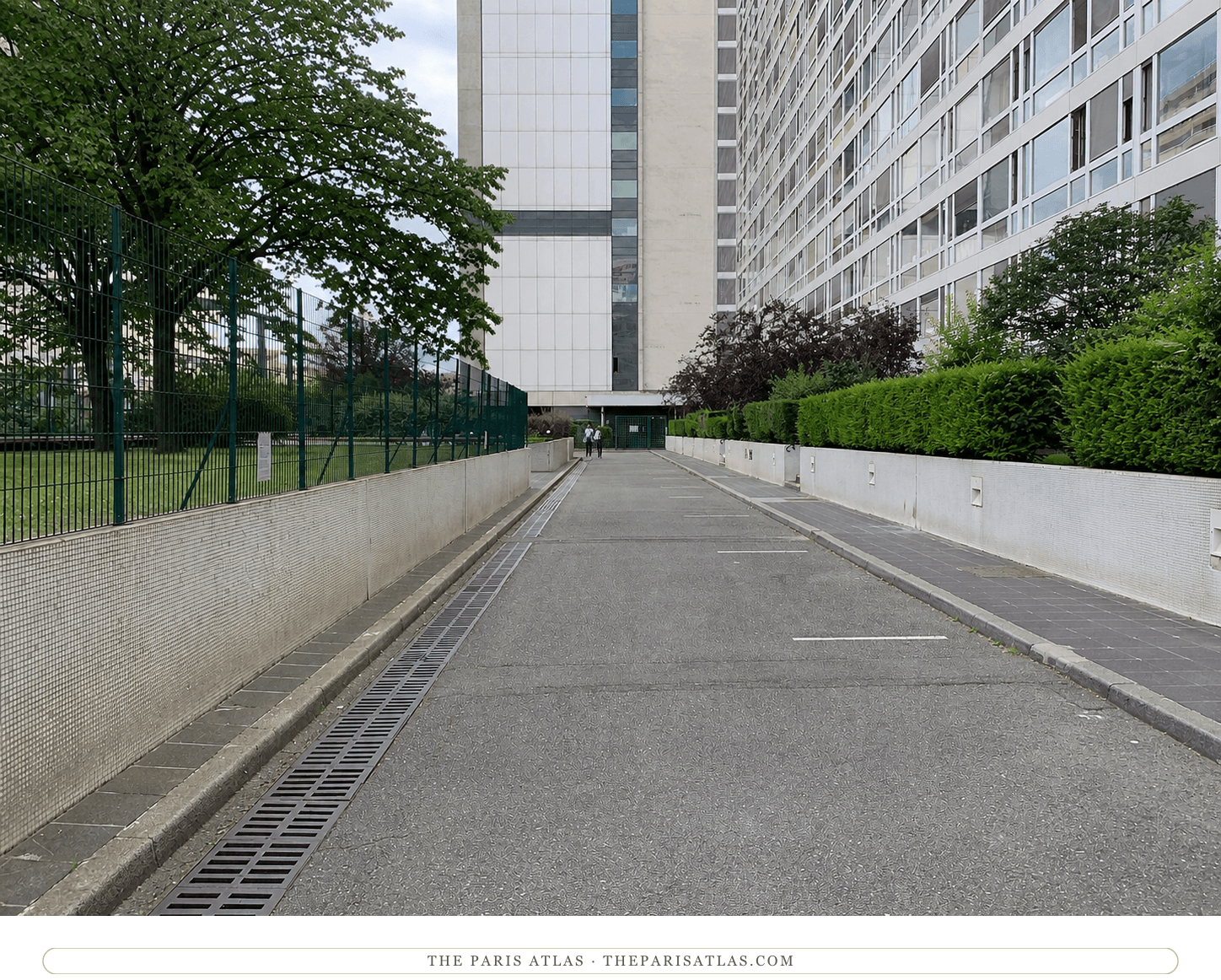
The studio Paul Gauguin took on returning from his first Tahitian voyage in 1893, painted chrome yellow and hung with Polynesian objects — a piece of theatre staged to sell a version of himself to Paris.
Visit the place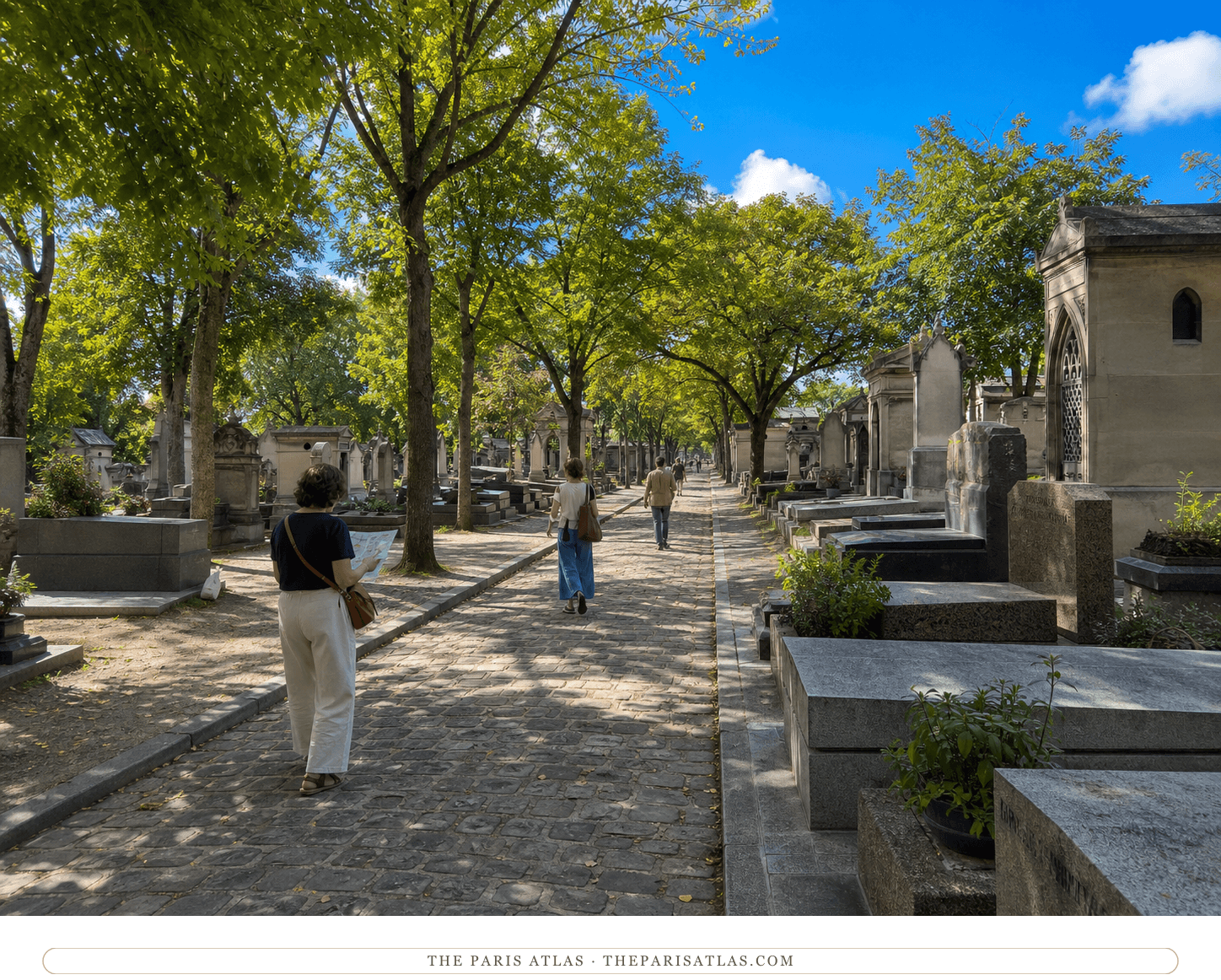
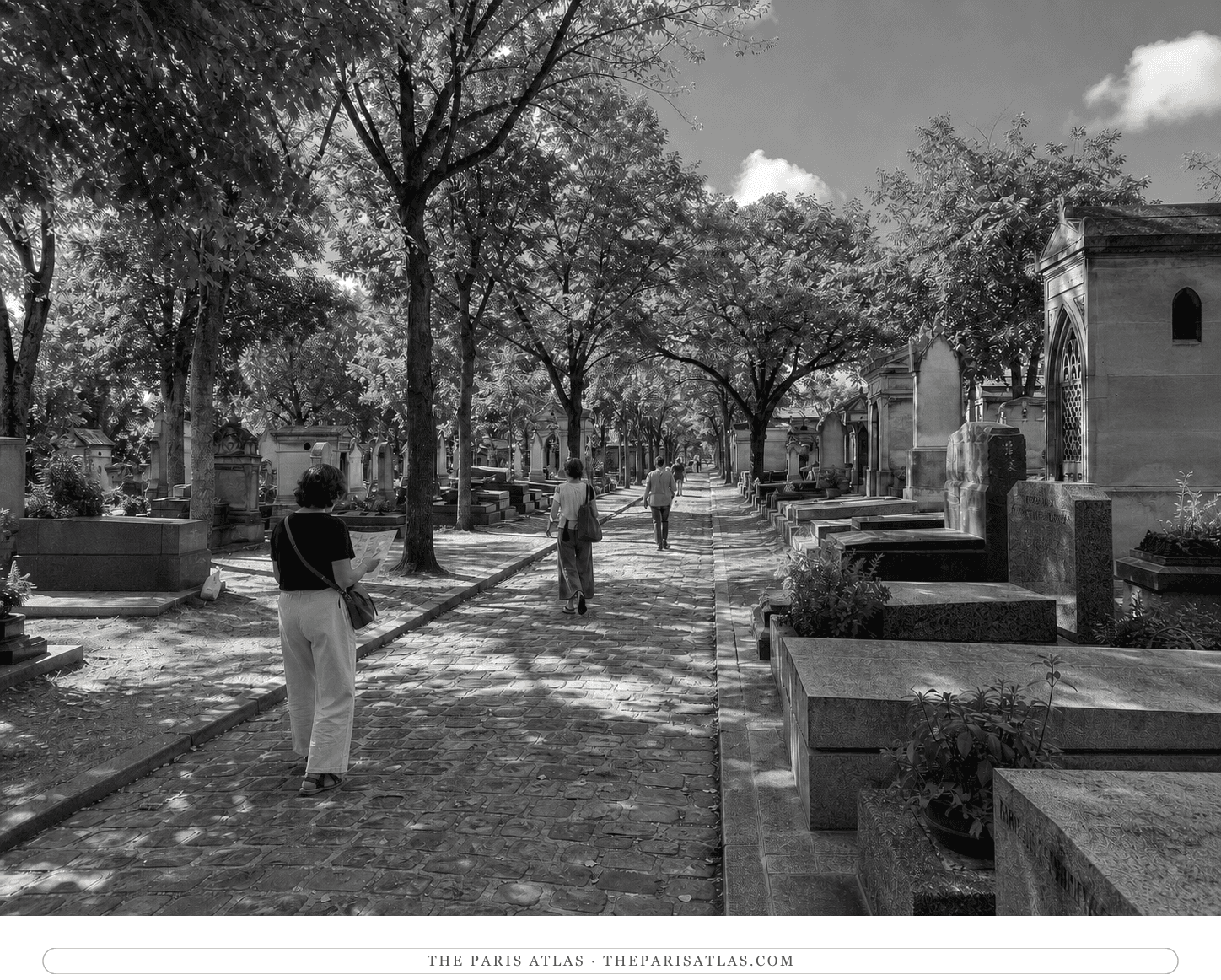
The second-largest cemetery inside Paris — nineteen flat, gridded hectares south of the boulevard du Montparnasse, holding the graves of Charles Baudelaire, Samuel Beckett, Jean-Paul Sartre and Simone de Beauvoir, Serge Gainsbourg, Man Ray, Guy de Maupassant, Constantin Brancusi and Marguerite Duras.
Visit the placeThe sources below include histories, archival materials, scholarly research, and official records that informed this page. They document Rue du Château, the people connected to it, and its place in Paris.


Primary text included as part of the documented record for Rue du Château.

Map data used to verify addresses, geographic coordinates, and the placement associated with Rue du Château.
Biographical evidence used to verify chronology, relationships, and historical context connected to Rue du Château.
Biographical evidence used to verify chronology, relationships, and historical context connected to Rue du Château.
These references provide the documented foundation for this page's history and context. Claim-level citations remain attached to the specific claims they support.
 Explore more resources
Newsletter
The cafés, studios, and walk-up flats where the work was made — one story from the map in every letter.