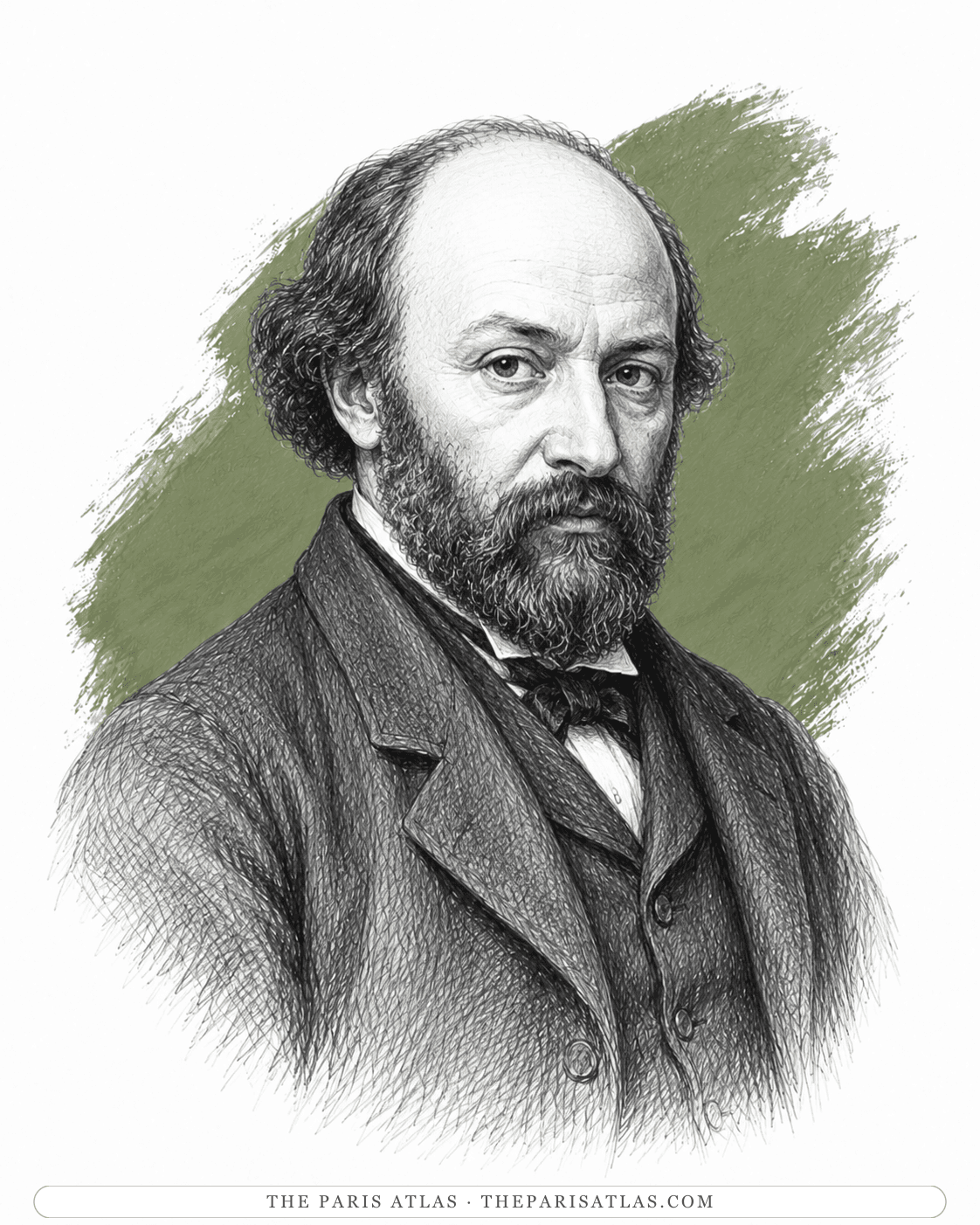
Paul Cézanne
Cezanne took a fourth-floor apartment in Plaisance in 1877. Its patterned wallpaper appears behind Hortense Fiquet in several portraits and in a number of still lifes.
The fourth-floor Montparnasse apartment Paul Cézanne took in 1877, whose patterned wallpaper appears behind Hortense Fiquet in several of the portraits and stands in for a landscape in the still lifes.
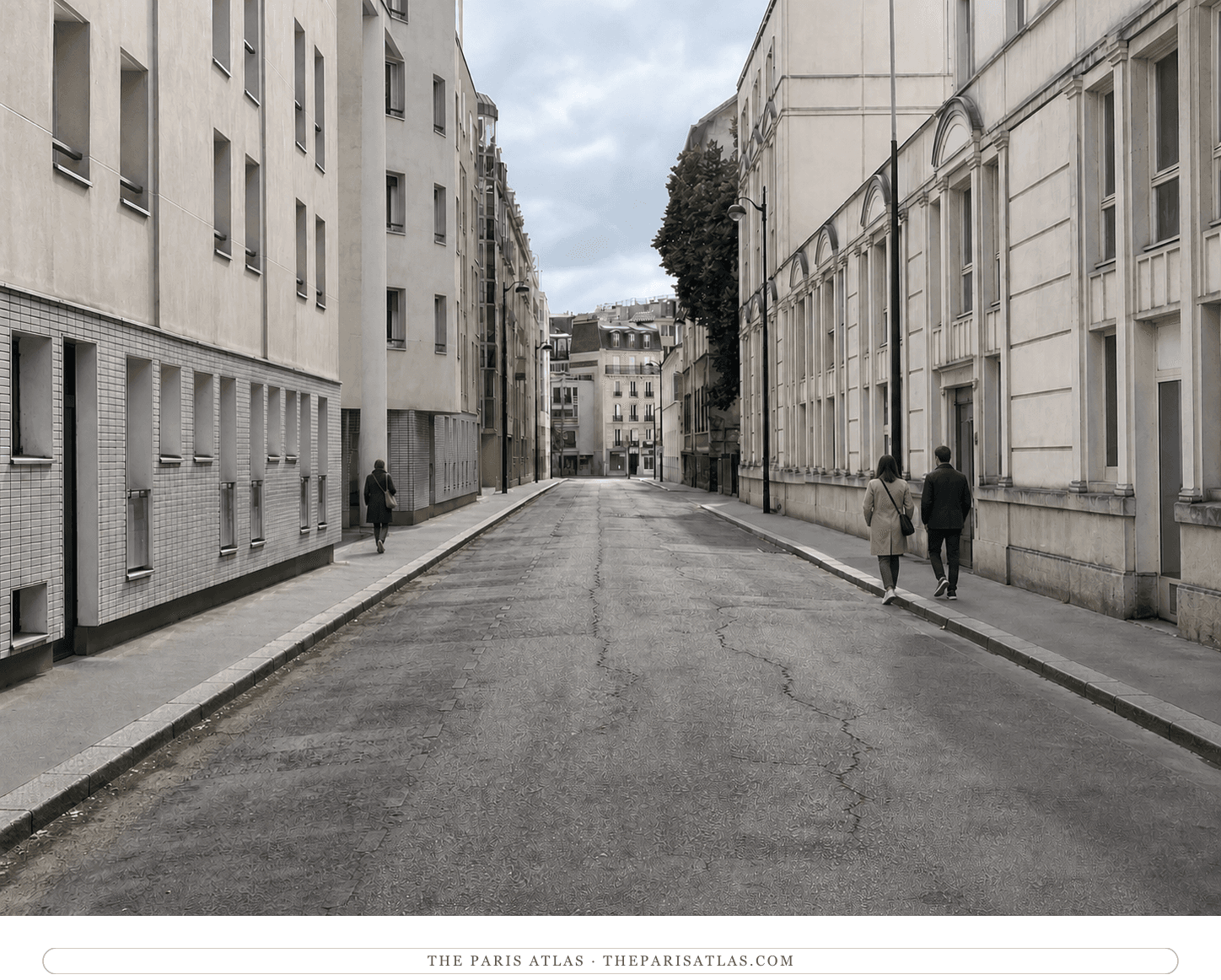
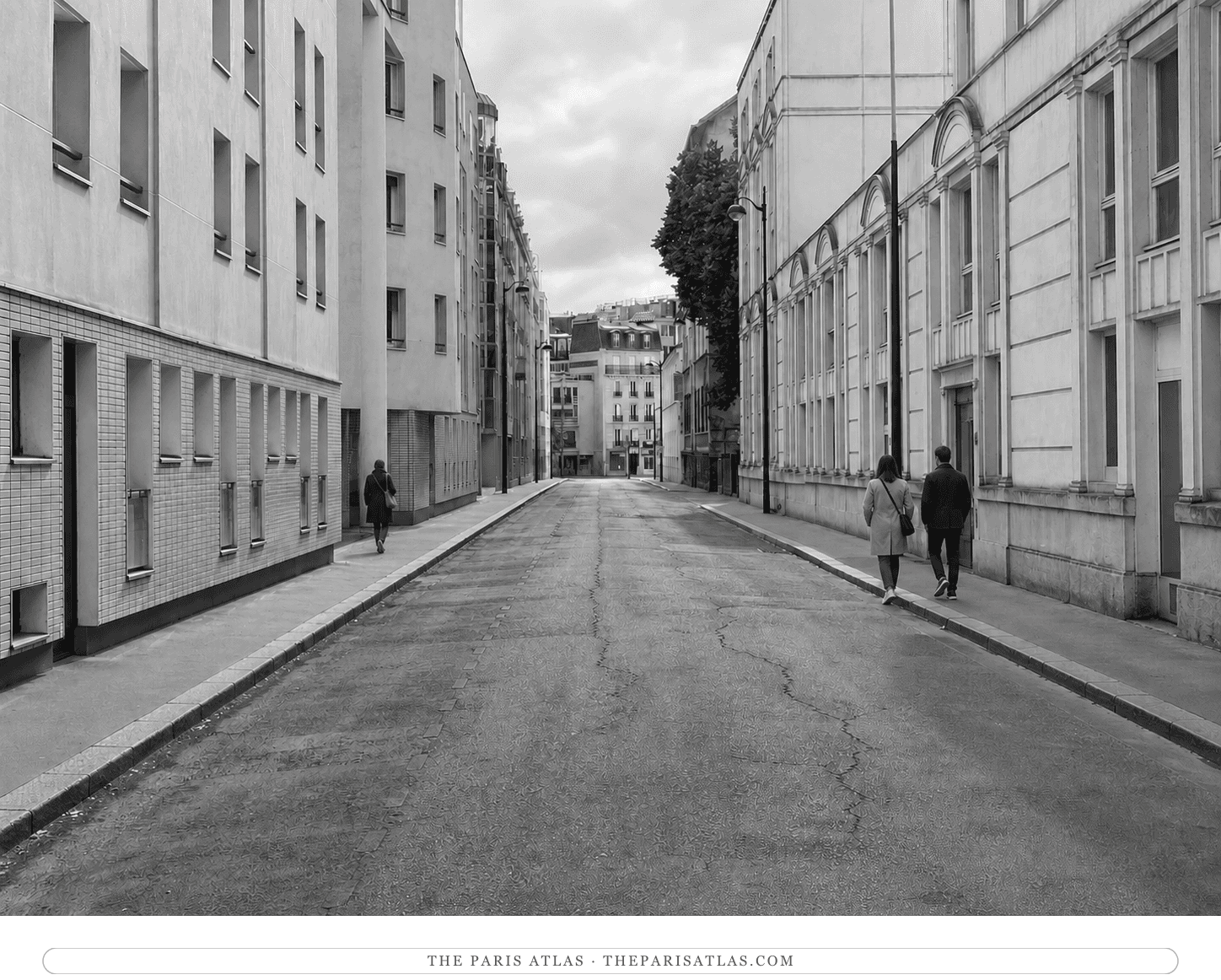
Paul Cézanne rented a small apartment on the fourth floor here from 1877, in Plaisance — then a poor, half-industrial quarter on the southern edge of the city.[1]
It is identifiable in the paintings, which is unusual. The distinctive patterned wallpaper of these rooms appears behind Hortense Fiquet in portraits and forms the background of several still lifes, where its repeating motif does the work a landscape would do in another painter's picture — a flat decorative field against which the solid objects sit.[2]
1877 was also the year he showed sixteen works at the third Impressionist exhibition and was attacked more savagely than anyone else in the group. He did not exhibit with them again. From this point his withdrawal to Aix accelerates, and Paris becomes somewhere he passes through rather than lives.[3]
He took a second apartment on the same street, at number 32, in 1880.[1]
The wallpaper gives historians a rare way to connect portable paintings to a specific domestic interior. A repeated pattern behind Hortense or a table can be compared across canvases, confirming that apparently neutral backgrounds belonged to rooms the family actually occupied. This is material evidence rather than a general association with a neighbourhood.
Cézanne did not treat pattern as passive decoration. Its flat repetition presses forward while fruit, cloth and crockery build weight through colour. The tension makes viewers aware that a still life is both a set of objects in space and pigment arranged on a surface. Ordinary rented wallpaper became an active participant in the structural problem that later painters studied.[4]
The fourth-floor location also describes economic and physical conditions. Carrying canvases and materials upstairs, working within modest rooms and sharing domestic space placed limits on scale and light. Plaisance offered affordability outside the most prestigious centre, while still keeping academies, peers and exhibitions within the city. The apartment was neither romantic garret nor prosperous studio complex; it was practical housing used for work.
Hostile response at the 1877 exhibition deepened Cézanne's distance from group display. Critics often described his work as crude or incompetent because the pictures refused conventional finish and stable perspective. Withdrawing did not end exchange with other painters, but it reduced public opportunities to see a large body of work until Vollard's 1895 exhibition.
Hortense's image links this address to the family's concealed status and to Cézanne's sustained portrait practice. She was not simply another object placed against the wallpaper. Repeated sittings required cooperation across years in which housing, income and recognition remained uncertain. The domestic setting is therefore evidence of both formal experiment and family labour.
Moving to number 32 kept Cézanne within the same street and poor southern quarter while changing rooms. That continuity suggests the district served an ongoing practical need rather than one picturesque episode. Paris remained necessary for relationships and exhibitions even as increasing stretches of work occurred in Provence.
The historic apartment is private and no interior is presented to the public. Rue de l'Ouest was later absorbed into rue d'Assas, so old and current street names must be matched carefully when locating the record. What physically stands is a building on a public street; the wallpaper survives through paintings, not as accessible décor inside.
The 1877 exhibition itself was a test of belonging. Cézanne submitted sixteen works beside artists who were already provoking official taste, yet even sympathetic viewers could find his construction abrasive. The attacks reinforced his sense that Parisian display distorted attention, but withdrawal also delayed the broader comparison that would eventually make his work legible. The apartment belongs to the moment just before privacy became the dominant condition of production.
Still life was well suited to that privacy. Objects could remain in place across repeated sessions, allowing Cézanne to revise contours and colour relationships slowly. Fruit changed, but crockery, cloth and furniture could be rearranged within reach of the easel. A modest apartment thus supplied a laboratory for questions that did not require travel or a paid model.
Apparent inconsistencies in perspective emerge from that sustained looking. Table edges shift, plates tilt and wallpaper refuses to recede uniformly because Cézanne adjusted parts of the picture across time rather than submitting everything to one fixed optical instant. Younger painters later recognised these disruptions as productive. The rented room helped generate an approach with consequences far beyond its walls.
Hortense's portraits share the same environment and should not be separated from the still lifes as if figure and object belonged to unrelated projects. Pattern, chair, clothing and body are organised through colour together. The address makes that continuity visible: domestic resources became repeated motifs through which Cézanne tested how a painted world holds.
A visitor can compare reproductions of those works while standing on the public street, but cannot enter the former apartment. The exterior is an anchor, not an exhibit.
Cézanne takes the fourth-floor apartment and shows at the third Impressionist exhibition.
He takes a second address further along the rue de l'Ouest.
Its patterned wallpaper is the background of several portraits of Hortense Fiquet and of a number of still lifes, where the repeating pattern functions almost as a landscape would.
The 1877 exhibition, his third and last with the group, drew unusually hostile criticism directed at him in particular. He withdrew and increasingly worked alone in Aix.
Cezanne took a fourth-floor apartment in Plaisance in 1877. Its patterned wallpaper appears behind Hortense Fiquet in several portraits and in a number of still lifes.

The second of Paul Cézanne's two apartments on the rue de l'Ouest, taken in April 1880 — the address he was using while Émile Zola was writing the novel that ended their friendship.
Visit the place
The studio Paul Gauguin took on returning from his first Tahitian voyage in 1893, painted chrome yellow and hung with Polynesian objects — a piece of theatre staged to sell a version of himself to Paris.
Visit the place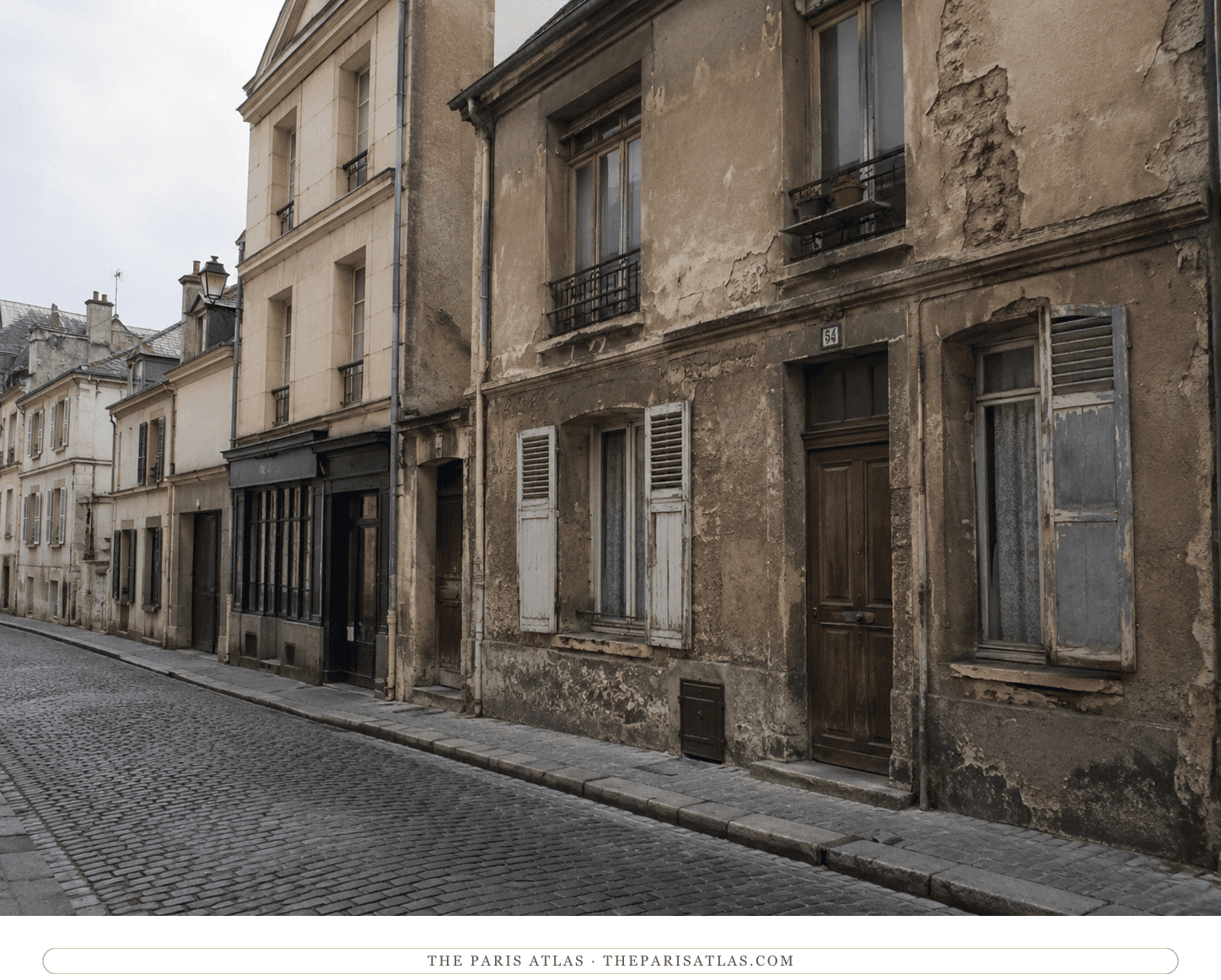
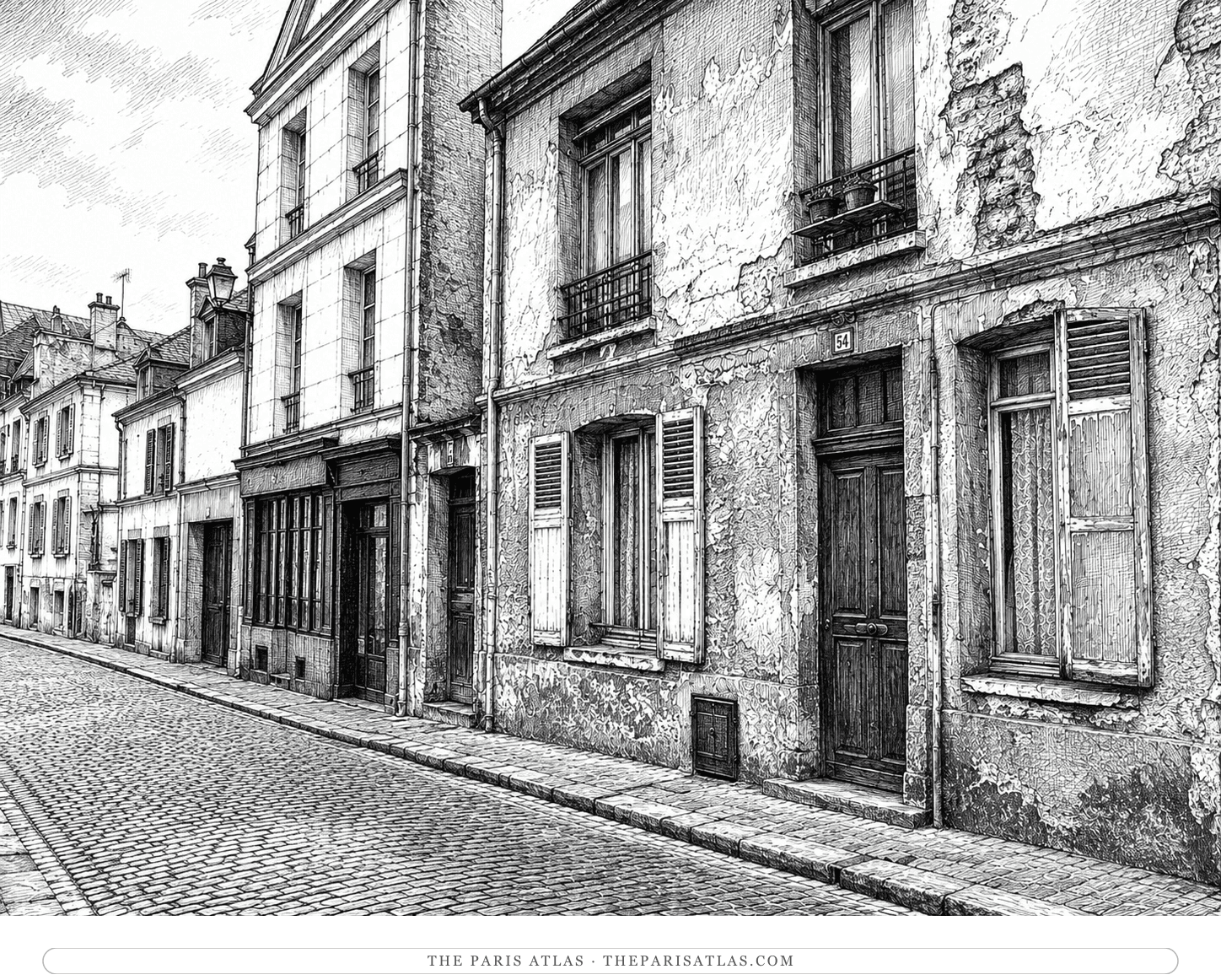
A workers' street behind the Montparnasse yards with two literary lives — the surrealists' communal house at No. 54, and Henry Miller's broke wanderings looking for a friend and a meal.
Visit the place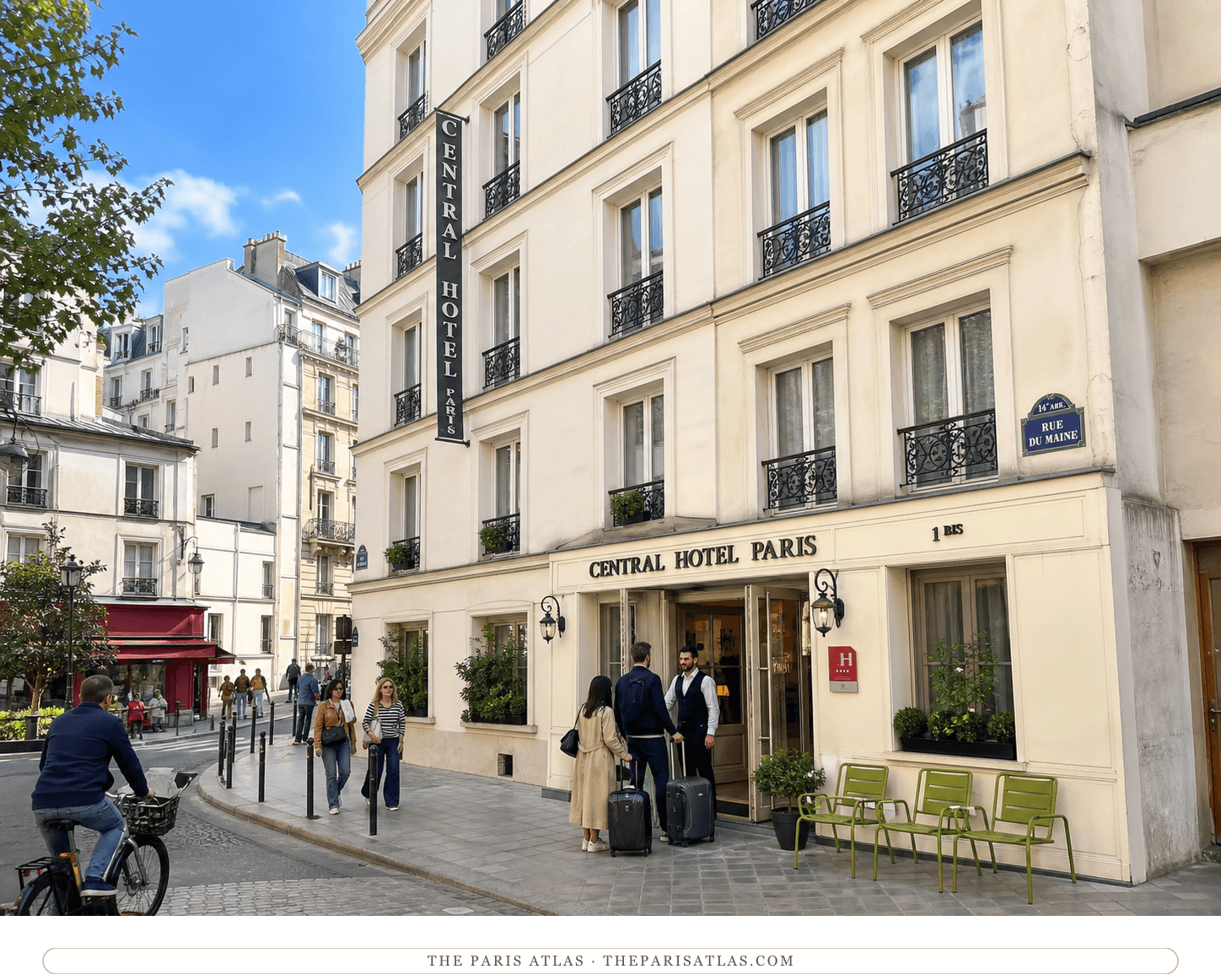
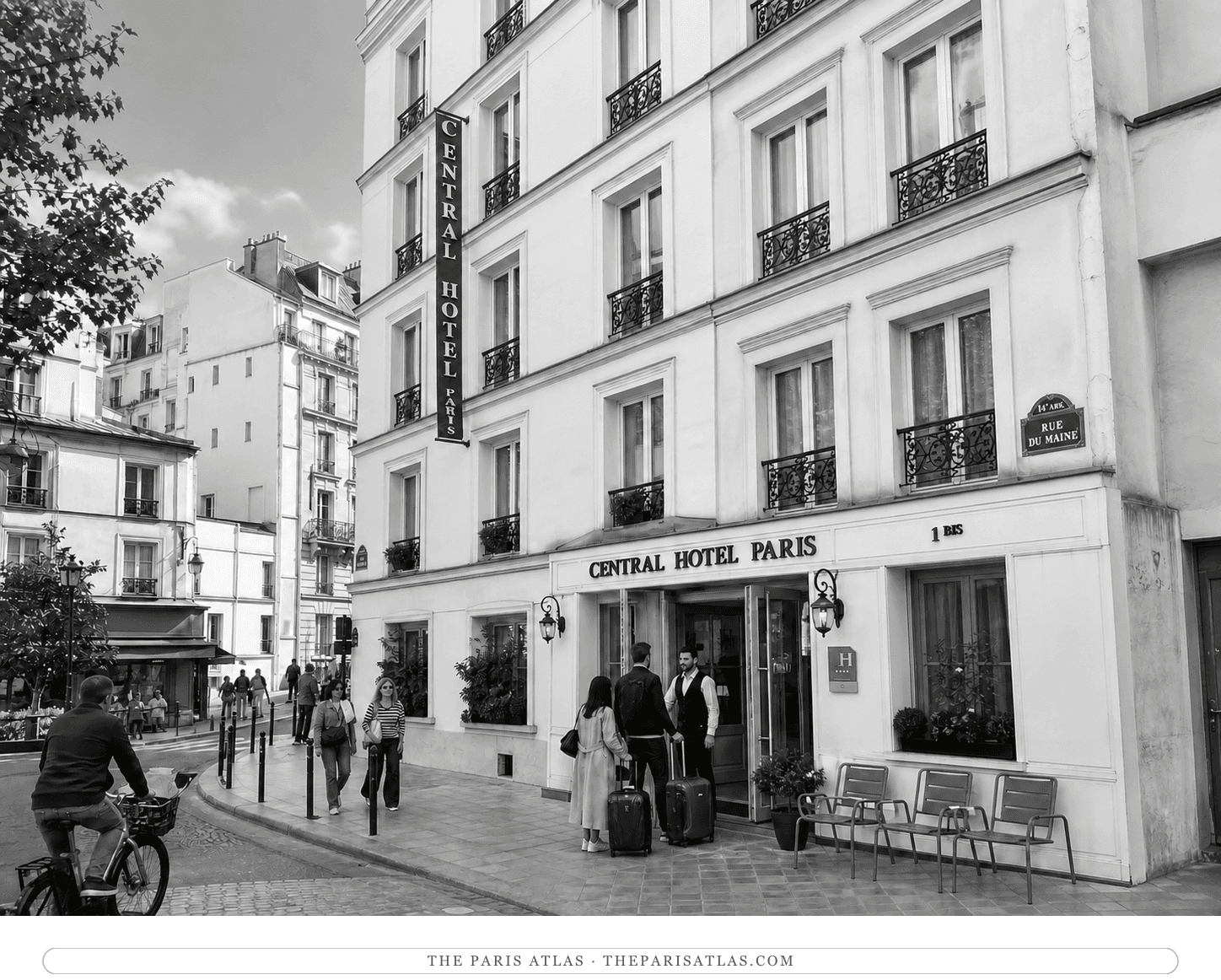
A small Montparnasse hotel where Henry Miller lodged during several stretches of 1931 and 1932, sharing a room with Alfred Perlès in the leanest part of his Paris decade. Still trading under the same name at the same address.
Visit the placeThe sources below include histories, archival materials, scholarly research, and official records that informed this page. They document 67 rue de l'Ouest, the people connected to it, and its place in Paris.


Web source consulted for documented facts and historical context presented on the 67 rue de l'Ouest page.
Web source consulted for documented facts and historical context presented on the 67 rue de l'Ouest page.
Web source consulted for documented facts and historical context presented on the 67 rue de l'Ouest page.
These references provide the documented foundation for this page's history and context. Claim-level citations remain attached to the specific claims they support.
 Explore more resources
Newsletter
The cafés, studios, and walk-up flats where the work was made — one story from the map in every letter.