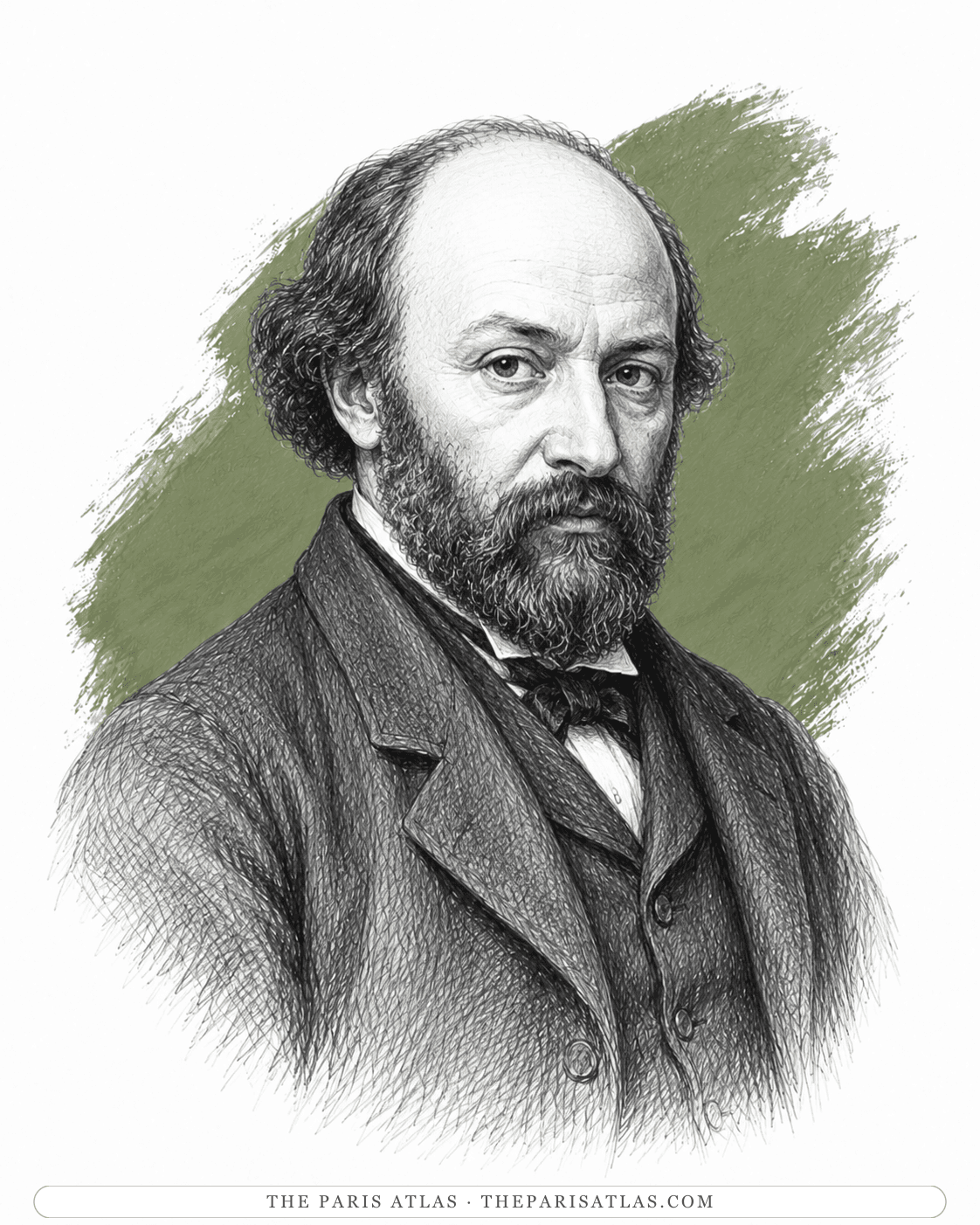
Paul Cézanne
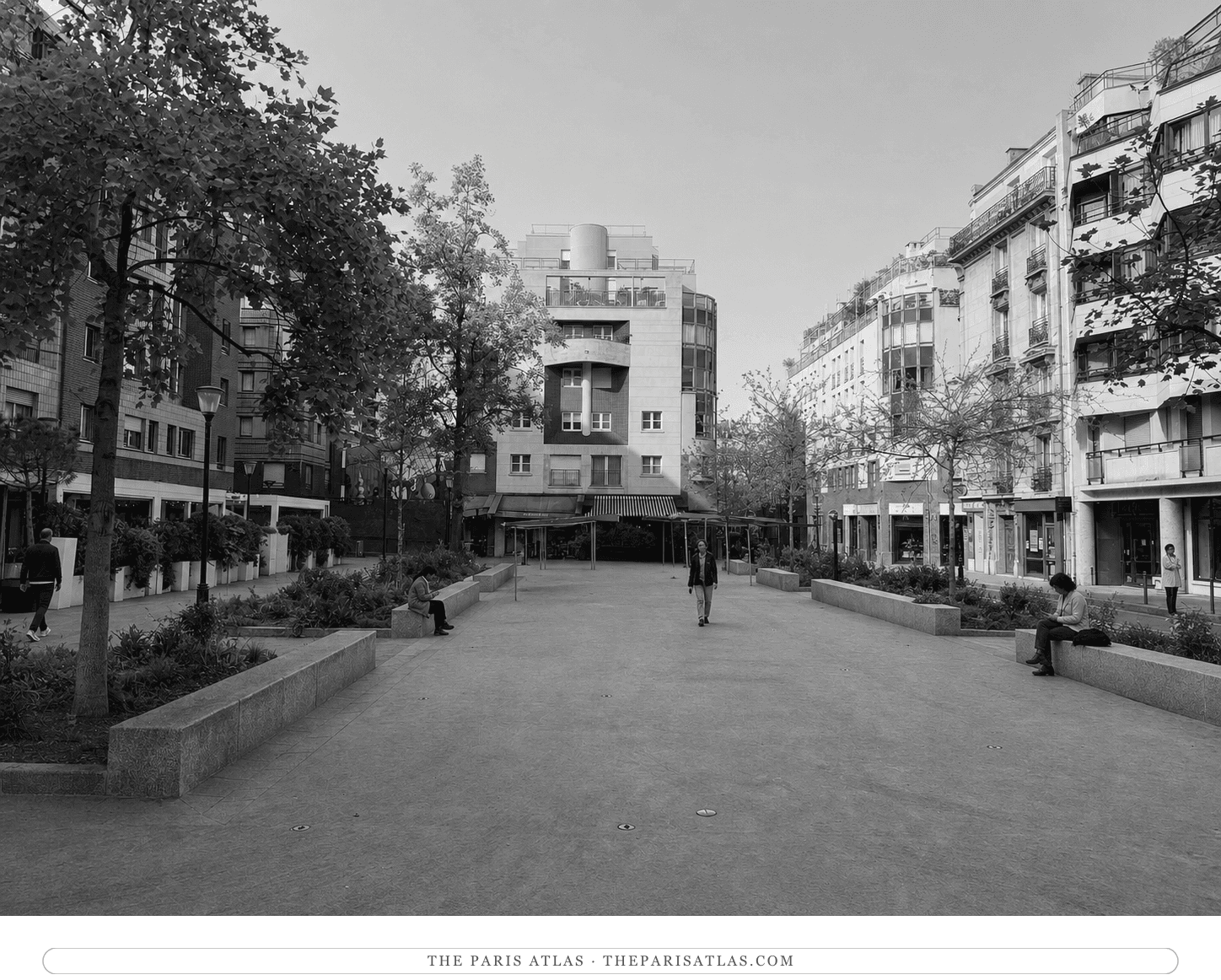
Cezanne moved along the rue de l'Ouest to number 32 in April 1880, staying in the same poor Plaisance quarter.
The second of Paul Cézanne's two apartments on the rue de l'Ouest, taken in April 1880 — the address he was using while Émile Zola was writing the novel that ended their friendship.

Paul Cézanne moved along the rue de l'Ouest to number 32 in April 1880, staying in the same poor Plaisance quarter. He was forty-one and had effectively stopped trying to exhibit.
The 1880s are the decisive decade, and most of what matters in them happened in Provence rather than here. But Paris kept the friendship that defined his early life, and Paris ended it: in 1886 Émile Zola published L'Œuvre, whose central character is a painter of enormous ambition who fails and kills himself. Cézanne wrote a short, courteous letter of thanks and, so far as the record shows, never spoke to him again after nearly forty years.
That was also the year his father died, leaving him financially independent for the first time at forty-seven, and the year he married Hortense Fiquet.
The building is private.
Cézanne takes 32 rue de l'Ouest in April.
Zola publishes L'Œuvre; the two men appear never to have spoken again.
Cézanne's father dies, leaving him independent; he marries Hortense Fiquet.
Zola's 1886 novel L'Œuvre, whose central figure is a painter of great ambition who fails and takes his own life. Cézanne sent a brief letter of thanks and the correspondence appears to have stopped there, after almost forty years.
Cezanne moved along the rue de l'Ouest to number 32 in April 1880, staying in the same poor Plaisance quarter.

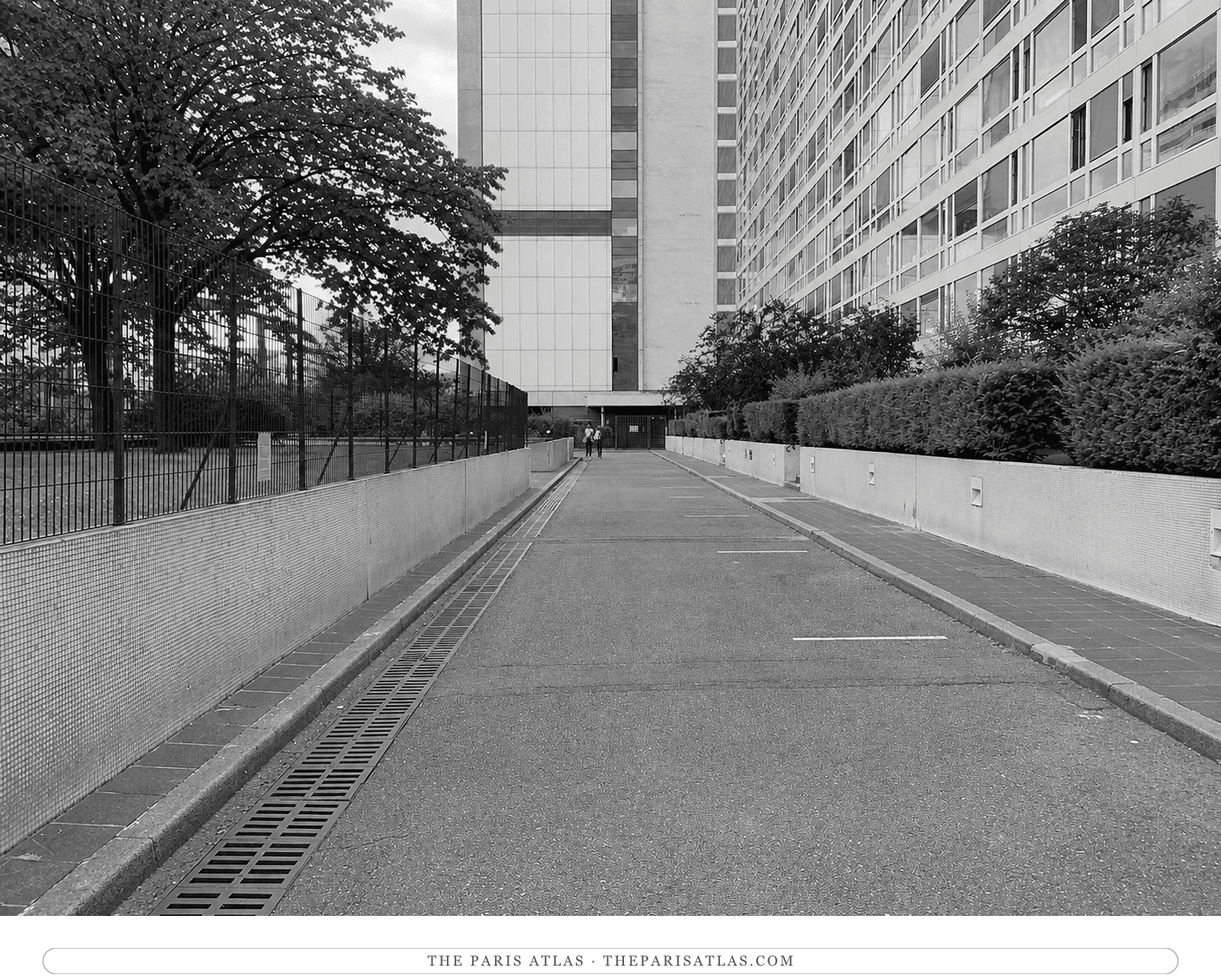
The studio Paul Gauguin took on returning from his first Tahitian voyage in 1893, painted chrome yellow and hung with Polynesian objects — a piece of theatre staged to sell a version of himself to Paris.
Visit the place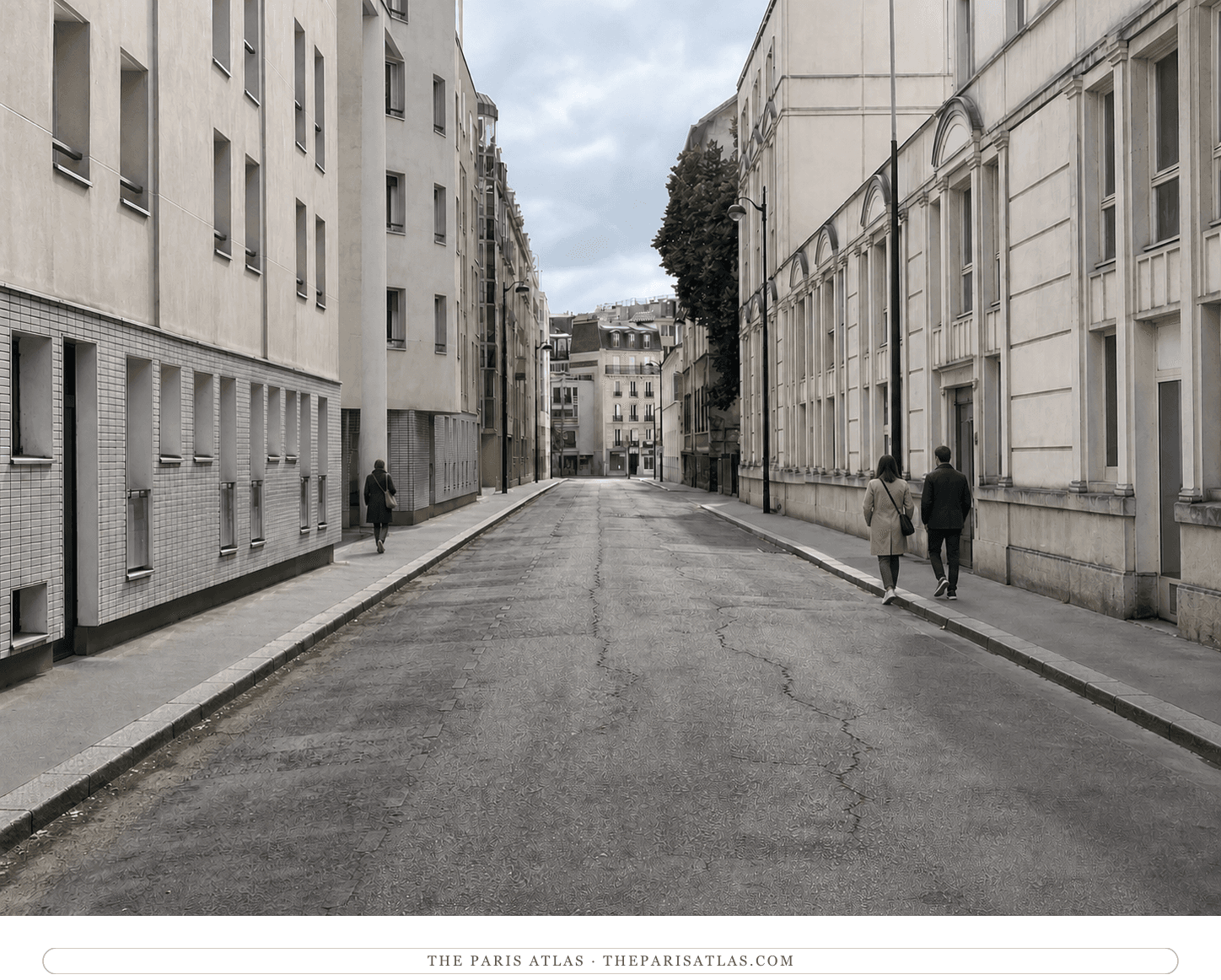
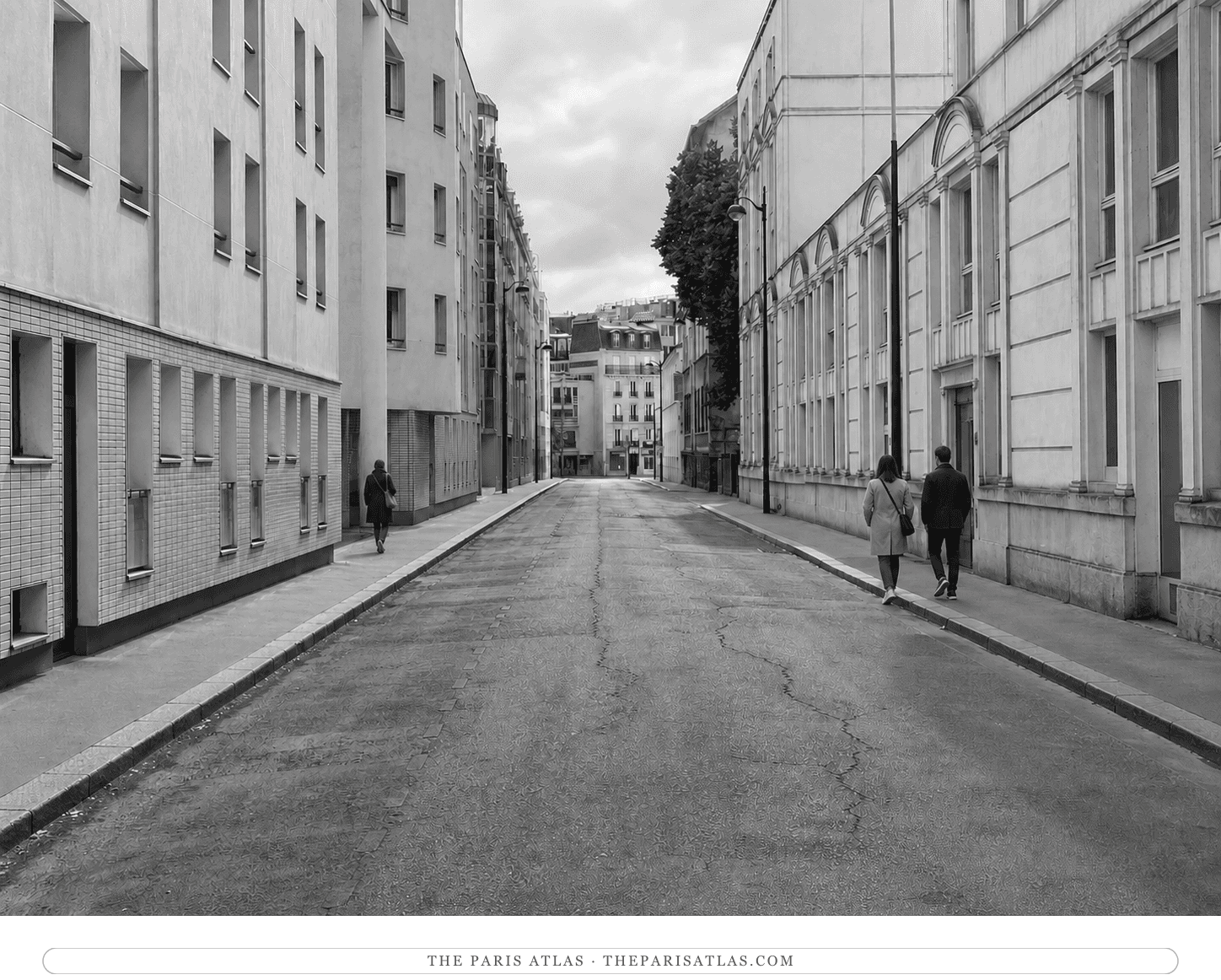
The fourth-floor Montparnasse apartment Paul Cézanne took in 1877, whose patterned wallpaper appears behind Hortense Fiquet in several of the portraits and stands in for a landscape in the still lifes.
Visit the place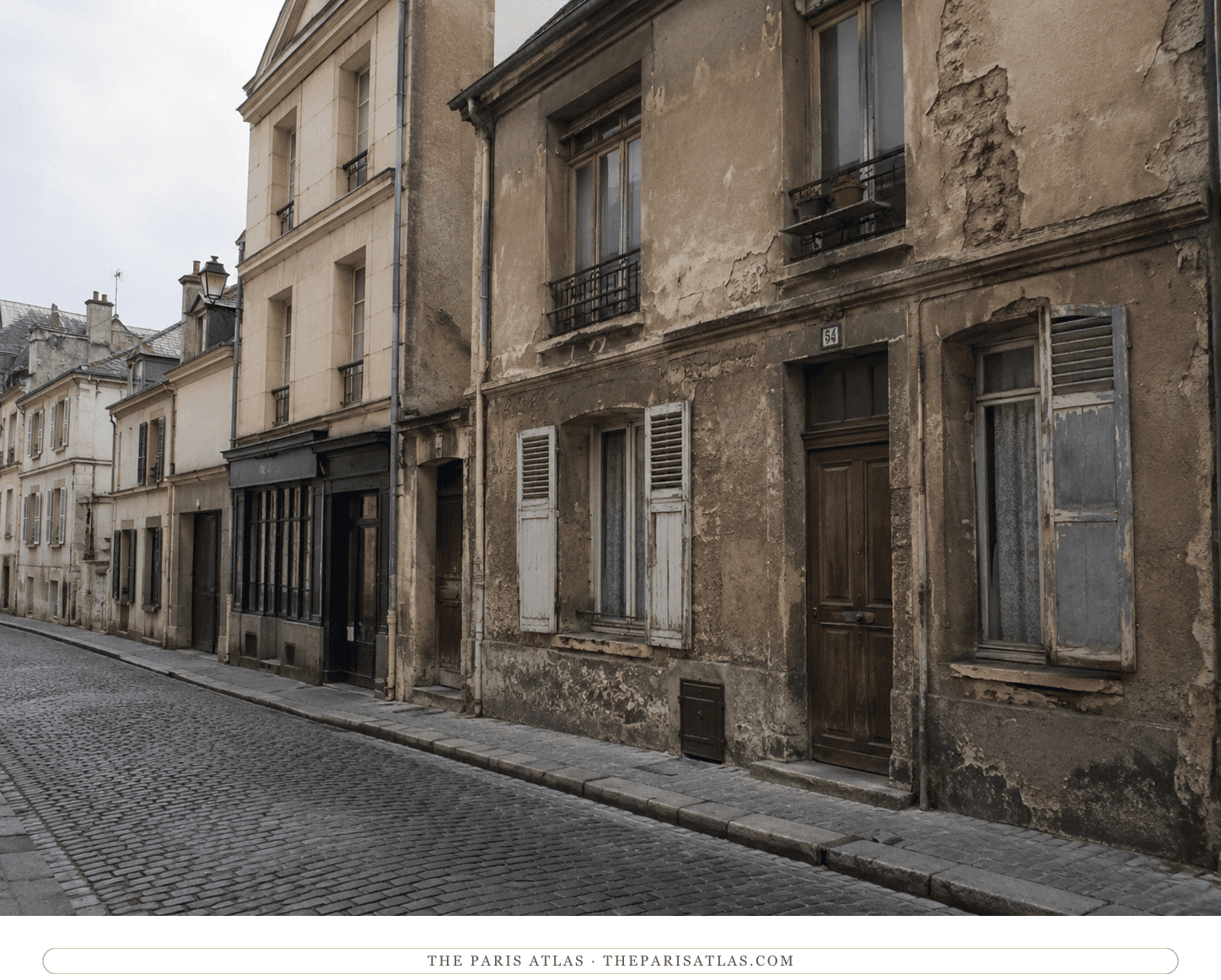
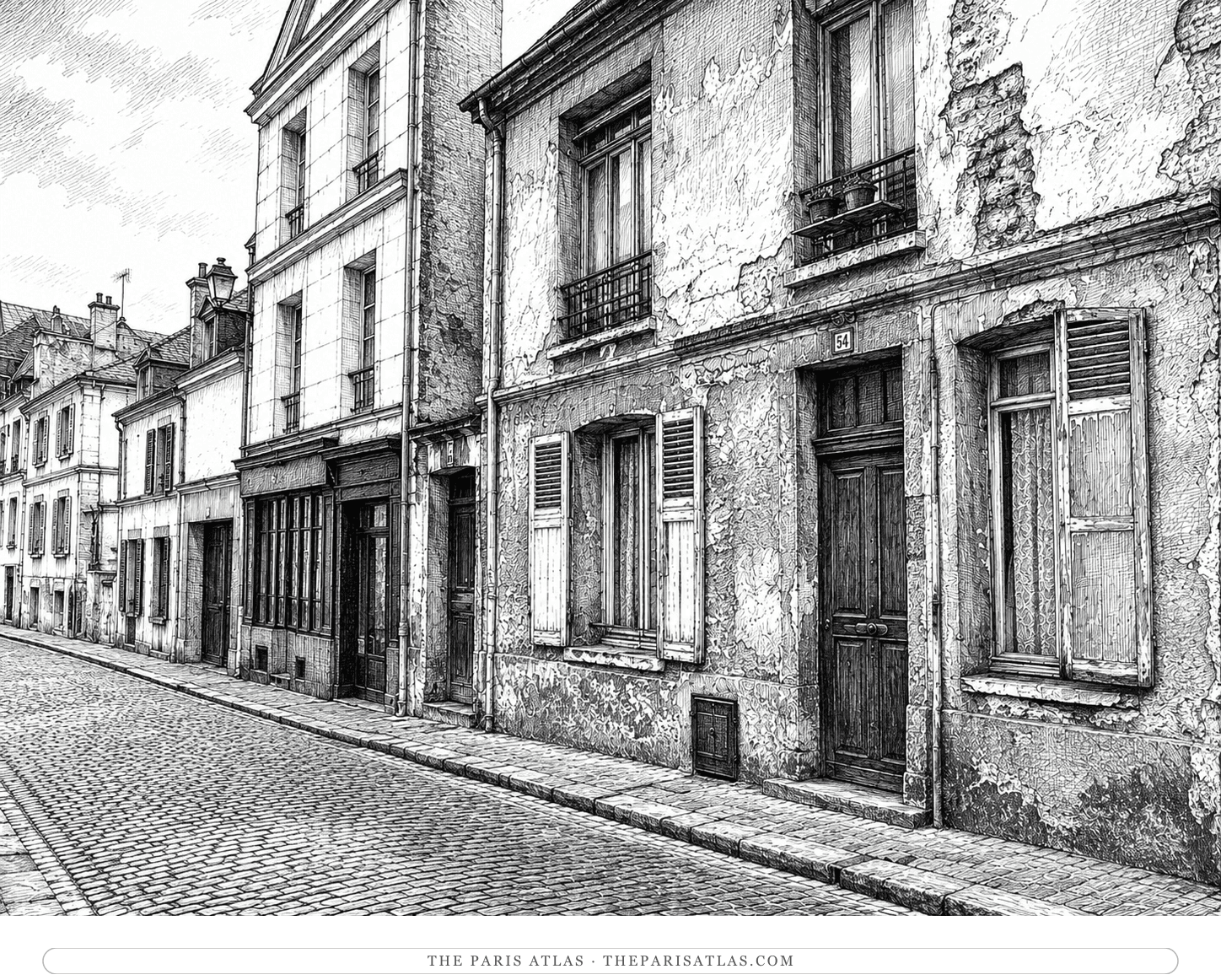
A workers' street behind the Montparnasse yards with two literary lives — the surrealists' communal house at No. 54, and Henry Miller's broke wanderings looking for a friend and a meal.
Visit the place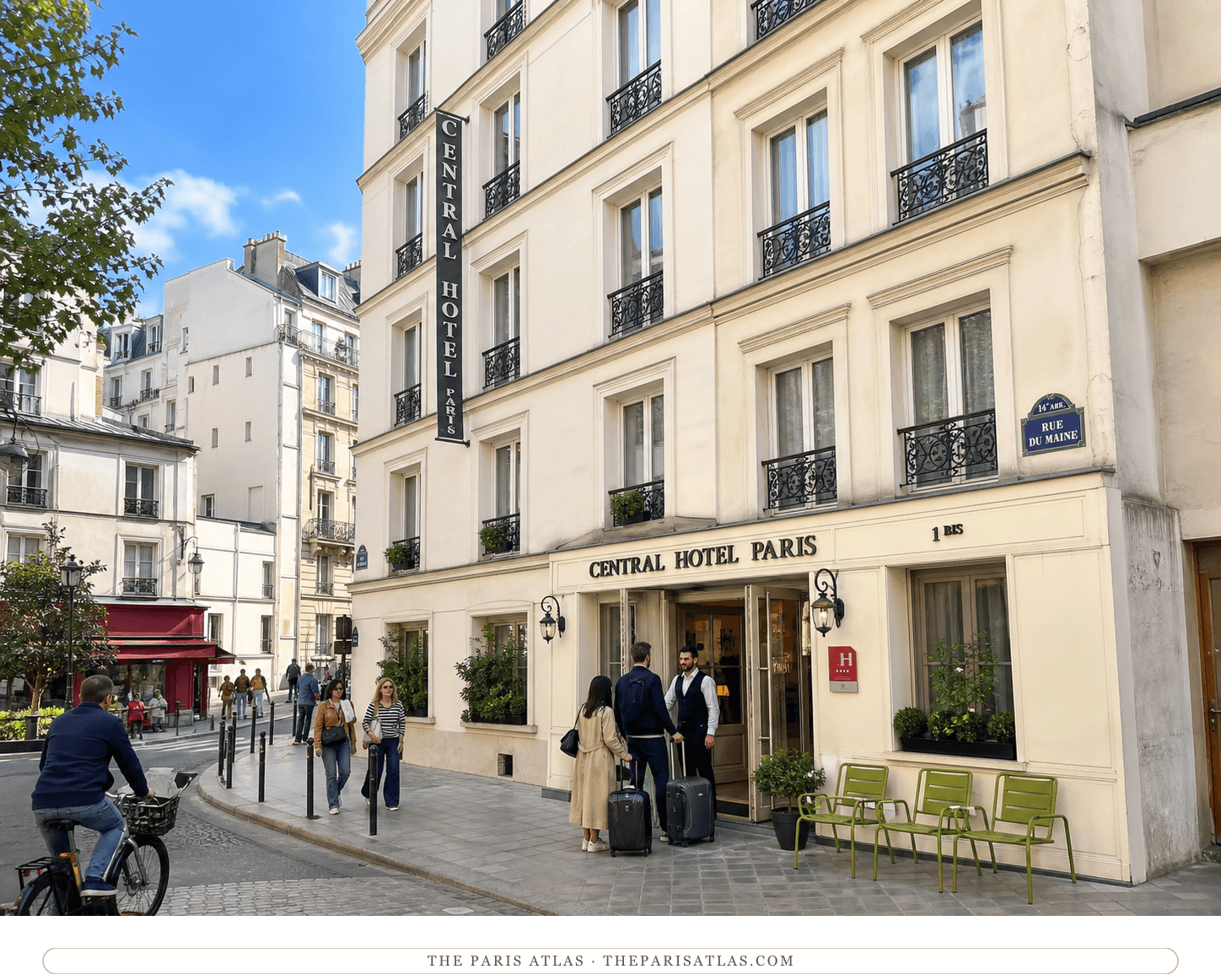
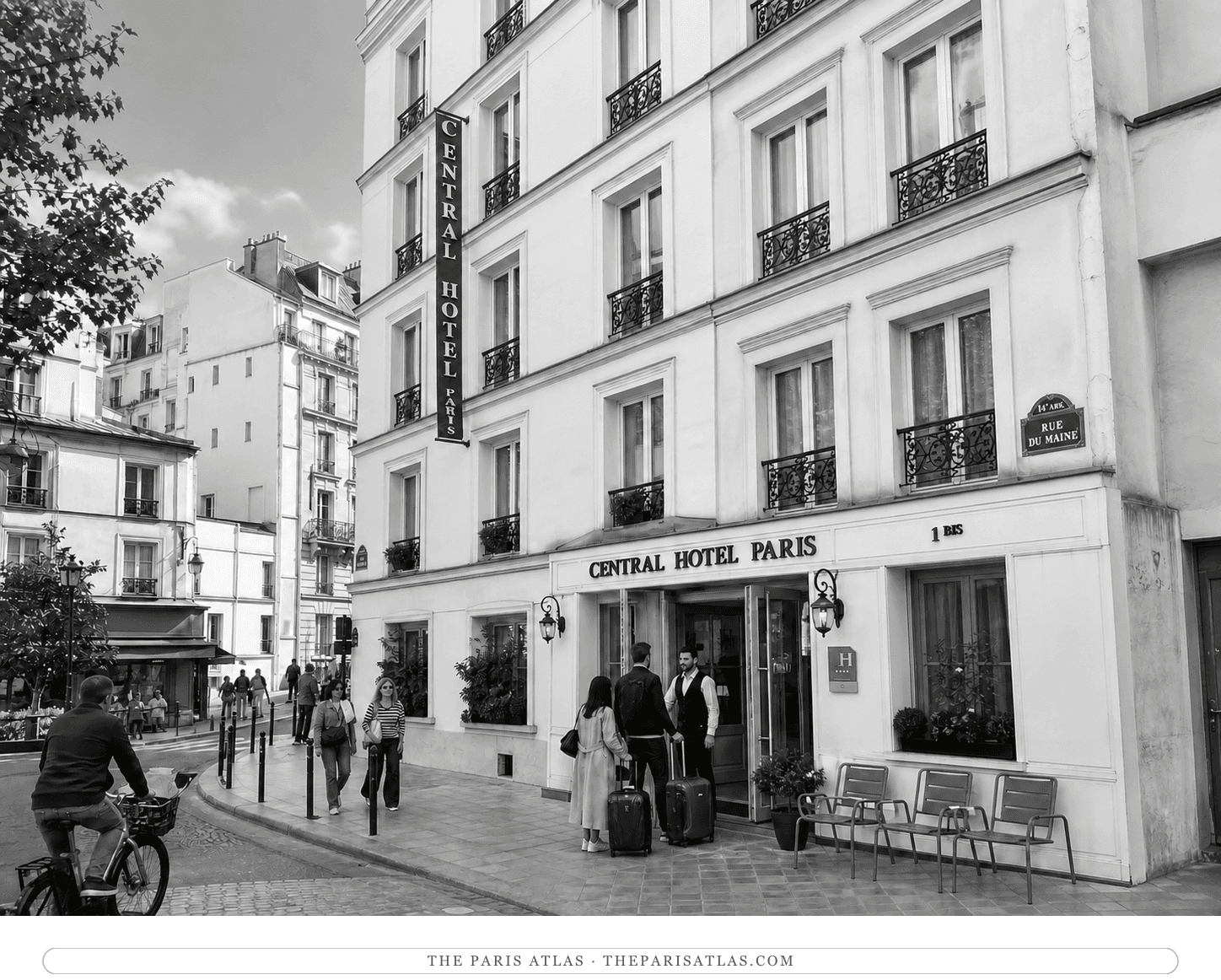
A small Montparnasse hotel where Henry Miller lodged during several stretches of 1931 and 1932, sharing a room with Alfred Perlès in the leanest part of his Paris decade. Still trading under the same name at the same address.
Visit the placeThe sources below include histories, archival materials, scholarly research, and official records that informed this page. They document 32 rue de l'Ouest, the people connected to it, and its place in Paris.


Web source consulted for documented facts and historical context presented on the 32 rue de l'Ouest page.
Web source consulted for documented facts and historical context presented on the 32 rue de l'Ouest page.
Web source consulted for documented facts and historical context presented on the 32 rue de l'Ouest page.
Web source consulted for documented facts and historical context presented on the 32 rue de l'Ouest page.
These references provide the documented foundation for this page's history and context. Claim-level citations remain attached to the specific claims they support.
 Explore more resources
Newsletter
The cafés, studios, and walk-up flats where the work was made — one story from the map in every letter.