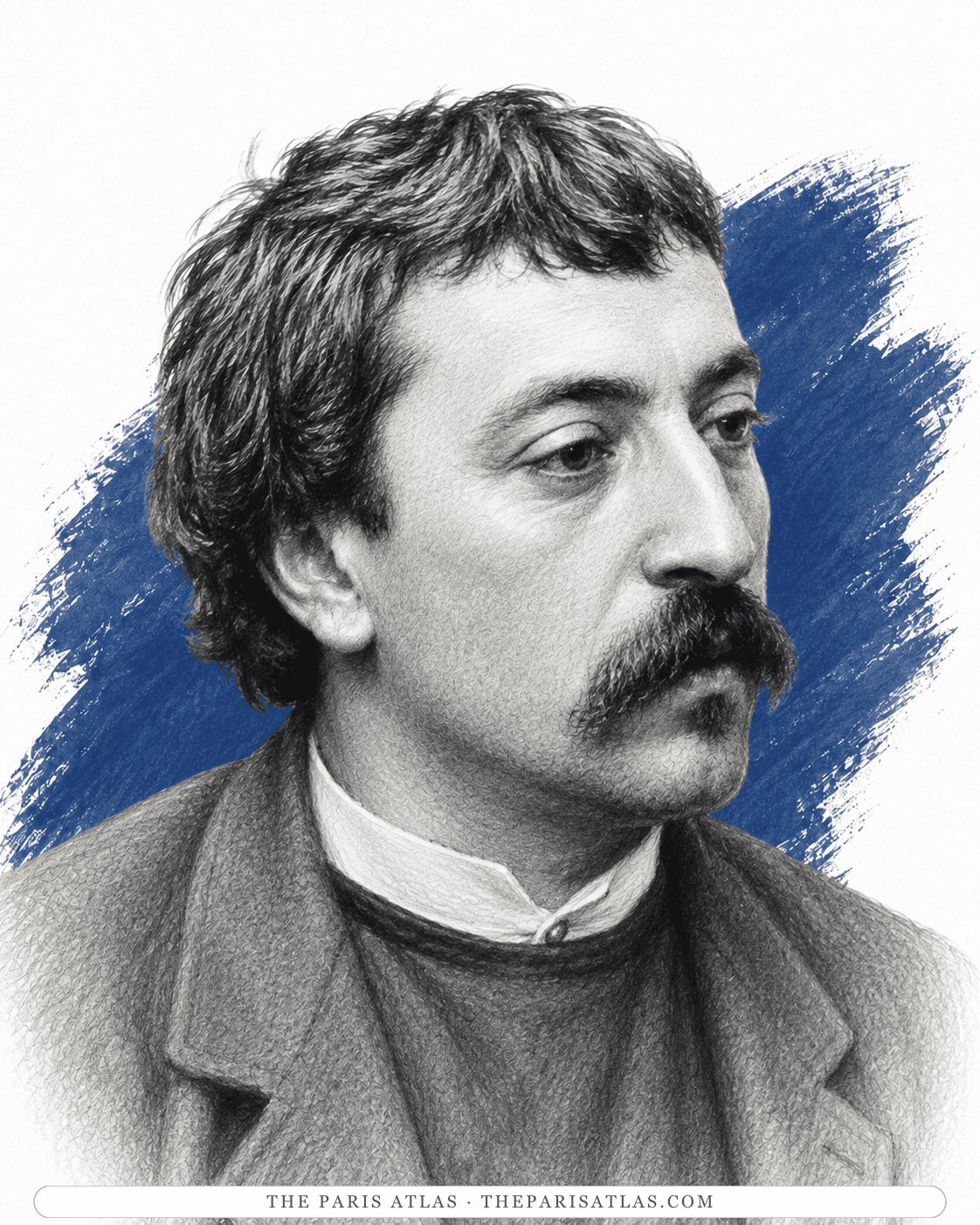
Paul Gauguin
The studio Paul Gauguin took on returning from his first Tahitian voyage - yellow walls, Polynesian carvings, a weekly open house - before leaving France for good in 1895.
The studio Paul Gauguin took on returning from his first Tahitian voyage in 1893, painted chrome yellow and hung with Polynesian objects — a piece of theatre staged to sell a version of himself to Paris.

Paul Gauguin came back from Tahiti in 1893 with a body of work Paris did not know what to do with, and set about explaining it. The studio he took on the rue Vercingétorix was part of the explanation.[1]
Returning did not mean abandoning the identity he had constructed through departure. Gauguin needed Parisian dealers, critics and buyers, but he wanted the pictures to arrive carrying the authority of distance from Paris. The studio became the stage on which those demands could be reconciled: it was a metropolitan address made to look like evidence of another world.[1]
He painted the walls a strong yellow, hung the rooms with Polynesian carvings, weapons and his own canvases, dressed the part, and held a weekly open house. His companion in this period was a young woman known as Annah la Javanaise, who appears in the paintings and who eventually left, taking most of the contents of the studio with her.[1]
The installation placed art, collected objects and the artist's body inside one display. Visitors were not only asked to assess canvases; they encountered an authored environment and a host performing the role of traveller and outsider. Gauguin had learned that a coherent legend might achieve what an ordinary exhibition had not. The yellow room was an early form of personal branding, but one built from colonial objects and stereotypes with histories of their own.
During this Paris return he also worked on Noa Noa, the text and woodcuts intended to explain and extend the Tahitian paintings. The prints simplified forms and used rough textures to produce an effect Gauguin presented as deliberately elemental. Like the studio, the book did not merely document an experience; it shaped how a European audience was supposed to interpret it.[2]
The performance did not entirely work. The 1893 exhibition at Durand-Ruel sold poorly and the critics were divided, and by 1895 Gauguin had given up on Europe. He sailed for Tahiti again that year and never returned — he died in the Marquesas in 1903.[3]
The failure was commercial rather than a lack of activity. Gauguin was writing, printing, exhibiting, receiving visitors and maintaining contacts, all while trying to turn the first voyage into a durable artistic position. Rue Vercingétorix records the labour of promoting the Tahitian work, not a quiet interval between more important periods elsewhere.[4]
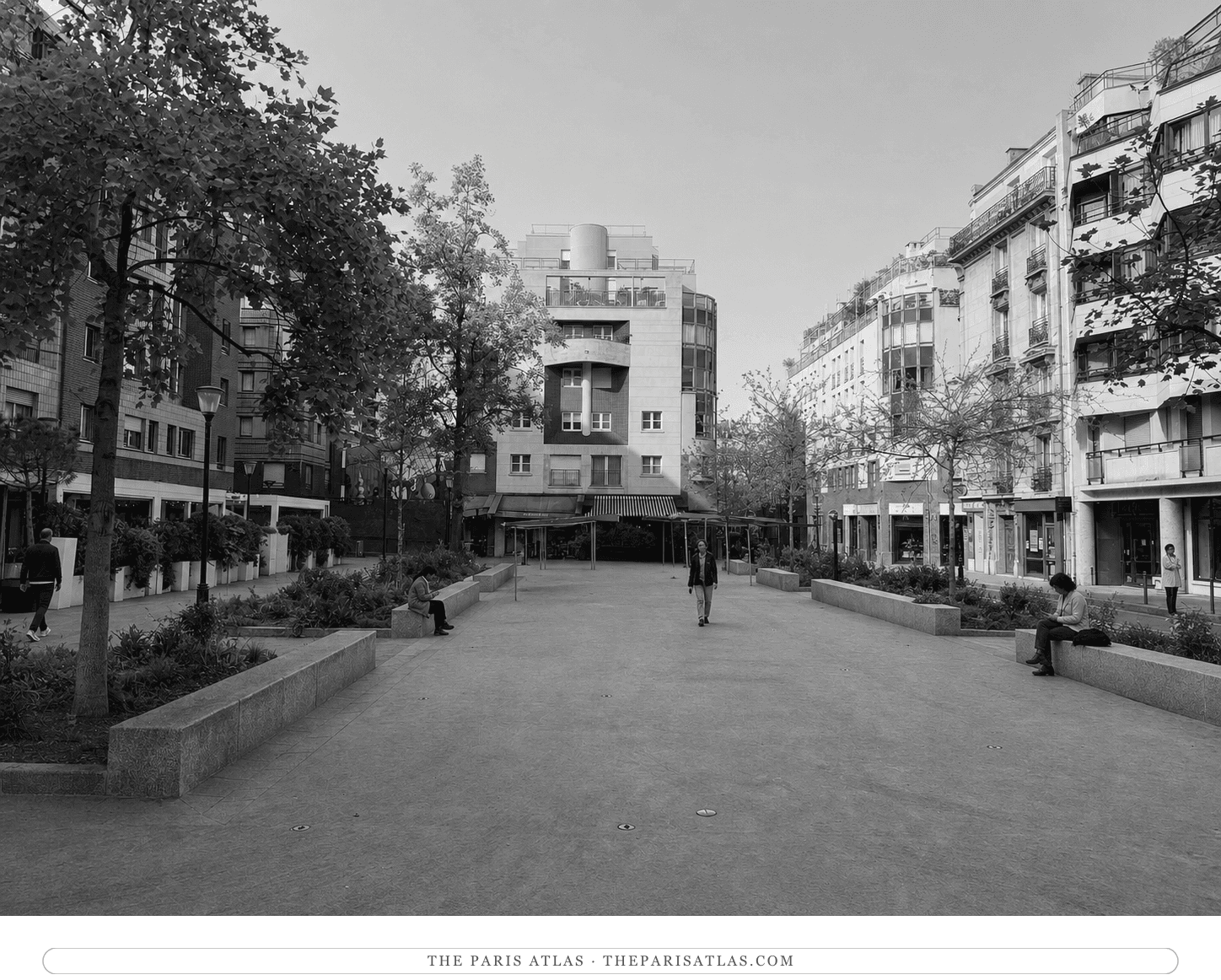
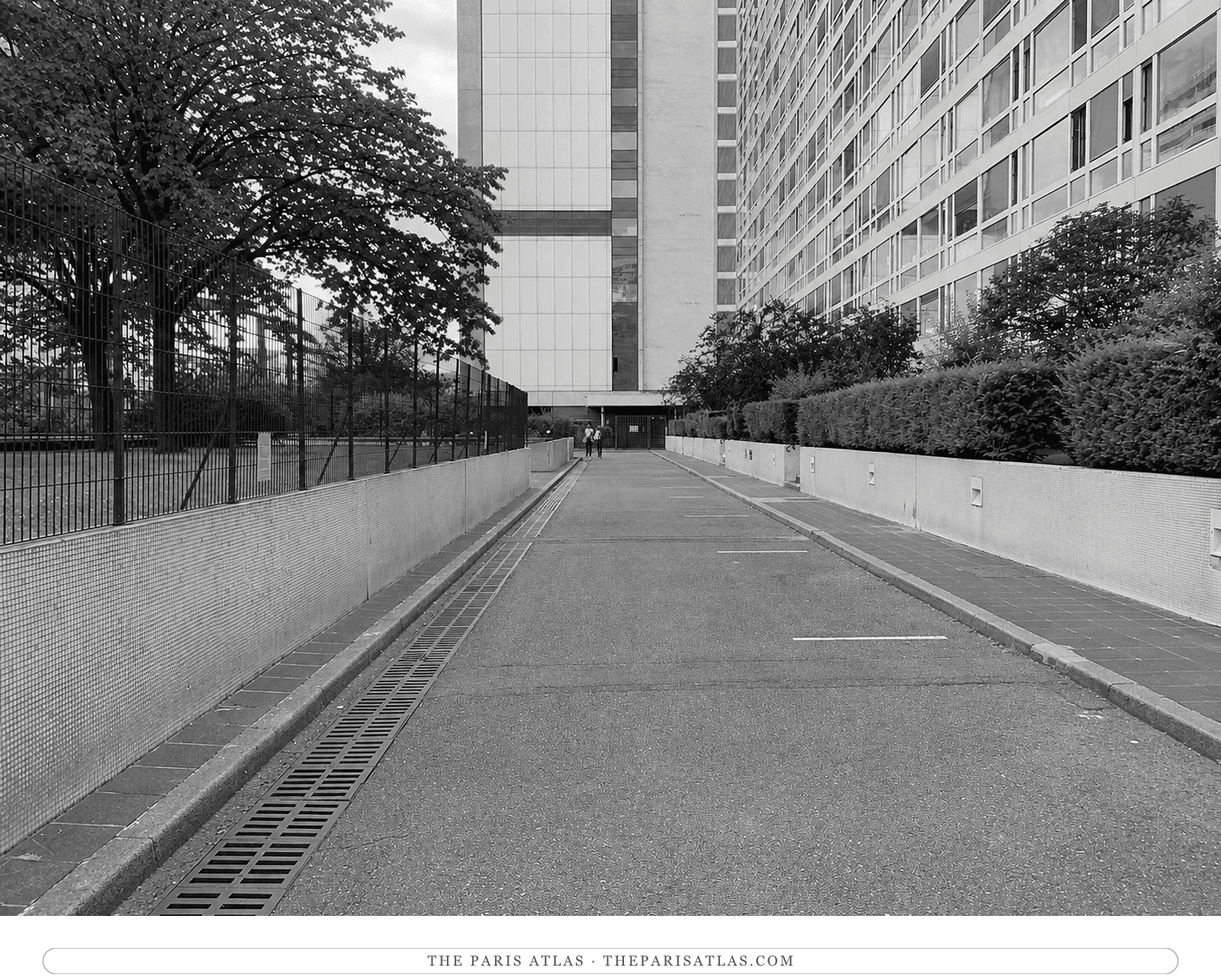
The quarter was rebuilt during the Montparnasse station development and the studio is gone. The record marks the street.
Because redevelopment erased the building, the site cannot support an exterior pilgrimage like the rue Lepic or rue Notre-Dame-de-Lorette addresses. Later structures occupy the street and the coordinate is approximate. The honest visit is to understand the changed urban setting; no façade, room or yellow wall survives to be identified.
The room's decoration should be read critically as well as vividly. Objects brought from Polynesia entered a Paris interior detached from the people and uses that had given them meaning. Gauguin arranged them to certify his own experience and difference. Viewers were encouraged to see possession as authenticity, an equation that served the artist's market position while reducing living cultures to atmosphere and props.
Annah's presence exposes another imbalance in the performance. Often identified through a name that marked her as foreign, she was represented by Gauguin and folded into accounts of his exotic household, while far less of her own voice survives. Her eventual departure with studio contents is usually told as a colourful betrayal. It can also be read as action by a young woman in a precarious arrangement with an older artist who controlled the public narrative.
Noa Noa extended the studio beyond visitors who could attend the weekly gathering. Text and image offered a guided interpretation of Tahiti, blending recollection, invention and strategic self-presentation. Gauguin understood that pictures alone had not produced the response he wanted in 1893. The book project and yellow room were parallel attempts to frame the audience before it judged the work.
The second departure in 1895 was not the clean rejection the legend suggests. Gauguin continued to write toward Europe, seek recognition and depend on the sale and shipment of work. Paris remained the imagined audience even when he refused to return. Rue Vercingétorix was the laboratory in which he tested how a remote identity could be produced within the capital.
Urban redevelopment has replaced that physical laboratory with a public street and later buildings. Stating that present condition is more informative than labelling it vaguely as occupied by someone else. The historic studio is gone; the address survives as geography; the yellow installation exists only through documents, works and recollection.
This lost interior still matters because it makes reception part of artistic production. Gauguin did not finish a Tahitian canvas and simply deliver it to a neutral public. He built rooms, texts and performances around the pictures, anticipating doubt and directing interpretation. Modern exhibitions still confront that frame: they must distinguish the work from the colonial fantasy the artist deliberately supplied, while showing how inseparable the two became in the career he constructed.
Gauguin returns from Tahiti and takes the rue Vercingétorix studio.
He leaves France for Tahiti for the second and final time.
He dies in the Marquesas.
No. The area was rebuilt during the Montparnasse station development and nothing of the studio survives.
Self-presentation. Back from Tahiti with unsellable pictures, Gauguin staged the studio — yellow walls, Polynesian objects, weekly receptions — to sell Paris a version of the artist who had made them.
The studio Paul Gauguin took on returning from his first Tahitian voyage - yellow walls, Polynesian carvings, a weekly open house - before leaving France for good in 1895.

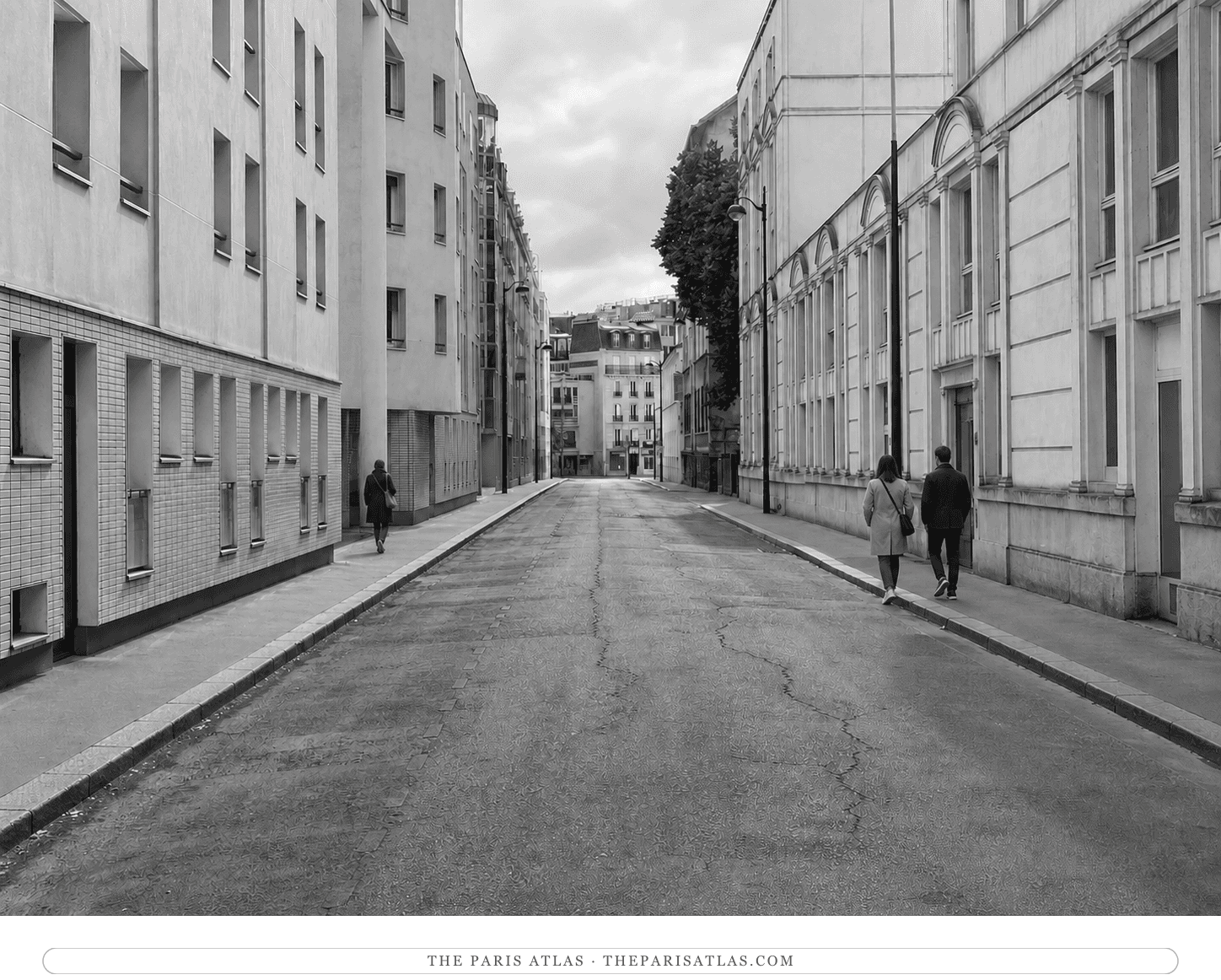
The second of Paul Cézanne's two apartments on the rue de l'Ouest, taken in April 1880 — the address he was using while Émile Zola was writing the novel that ended their friendship.
Visit the place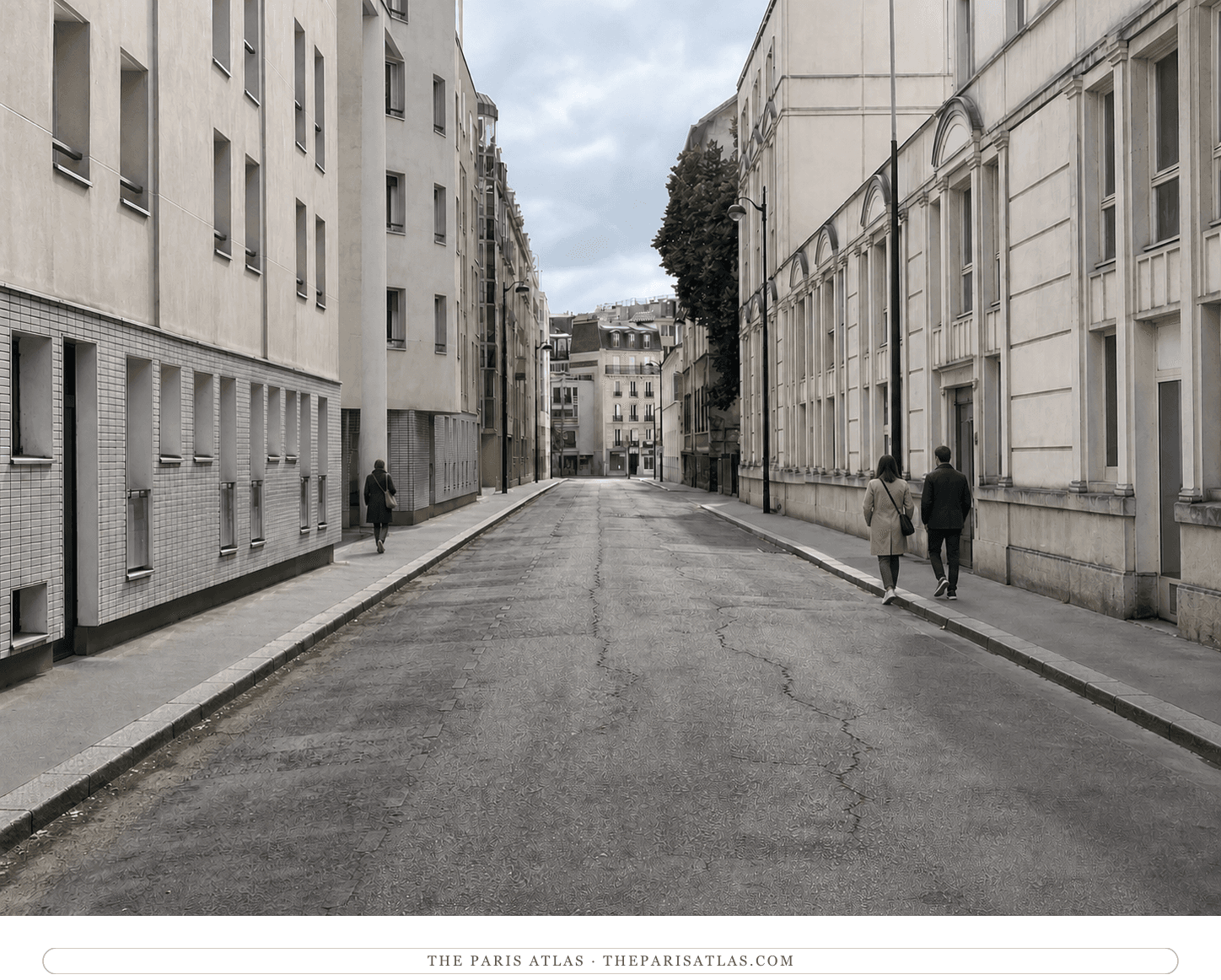
The fourth-floor Montparnasse apartment Paul Cézanne took in 1877, whose patterned wallpaper appears behind Hortense Fiquet in several of the portraits and stands in for a landscape in the still lifes.
Visit the place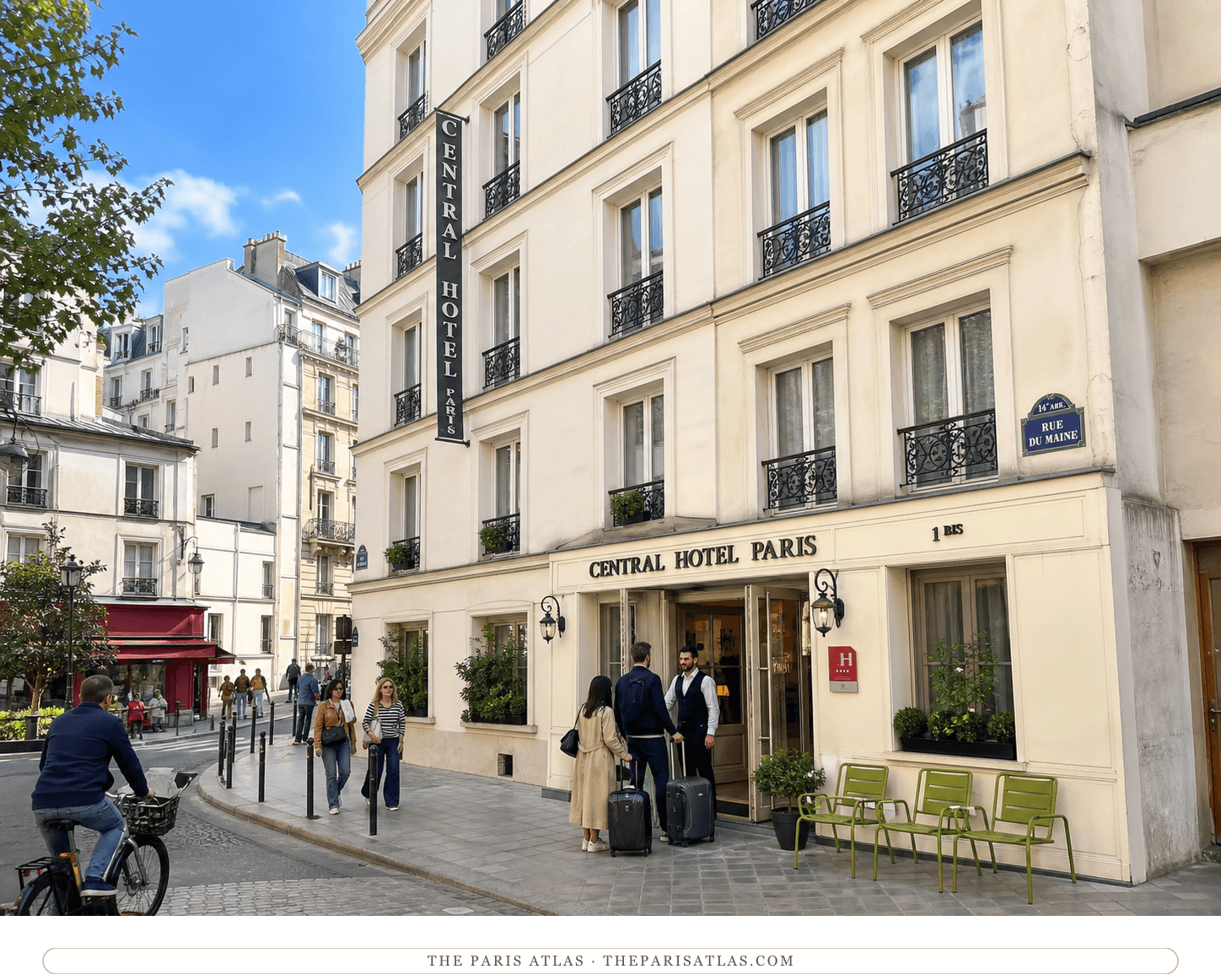
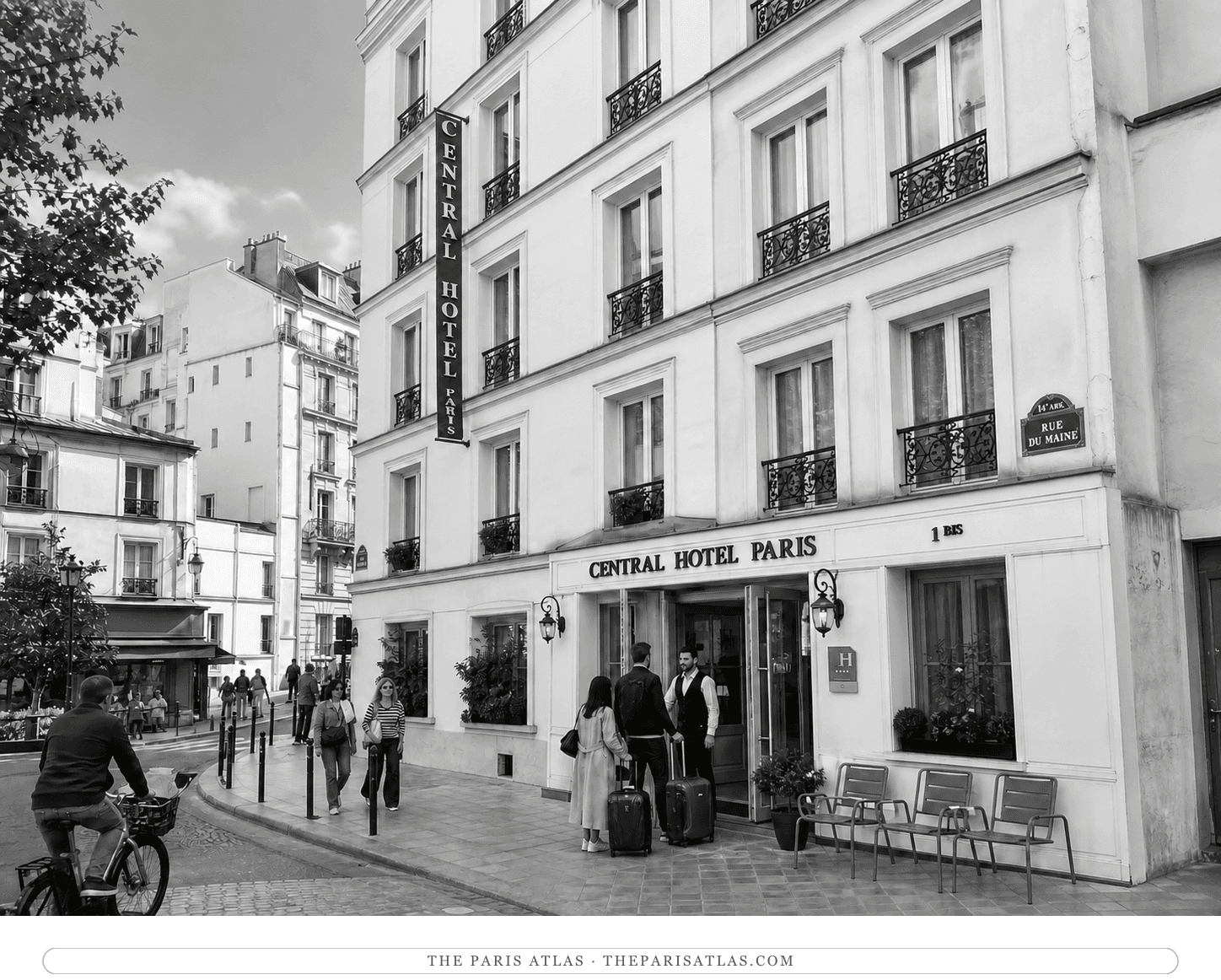
A small Montparnasse hotel where Henry Miller lodged during several stretches of 1931 and 1932, sharing a room with Alfred Perlès in the leanest part of his Paris decade. Still trading under the same name at the same address.
Visit the place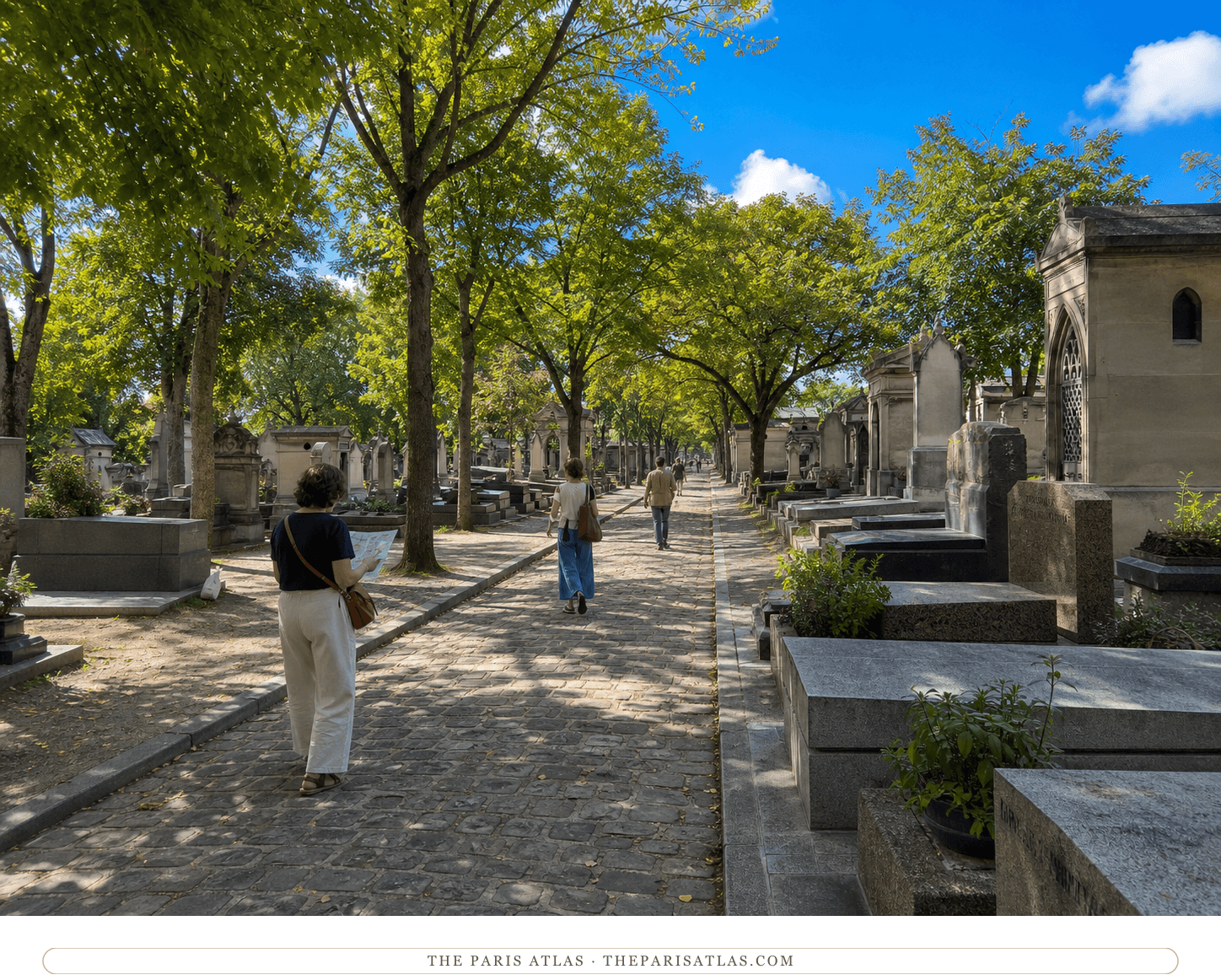
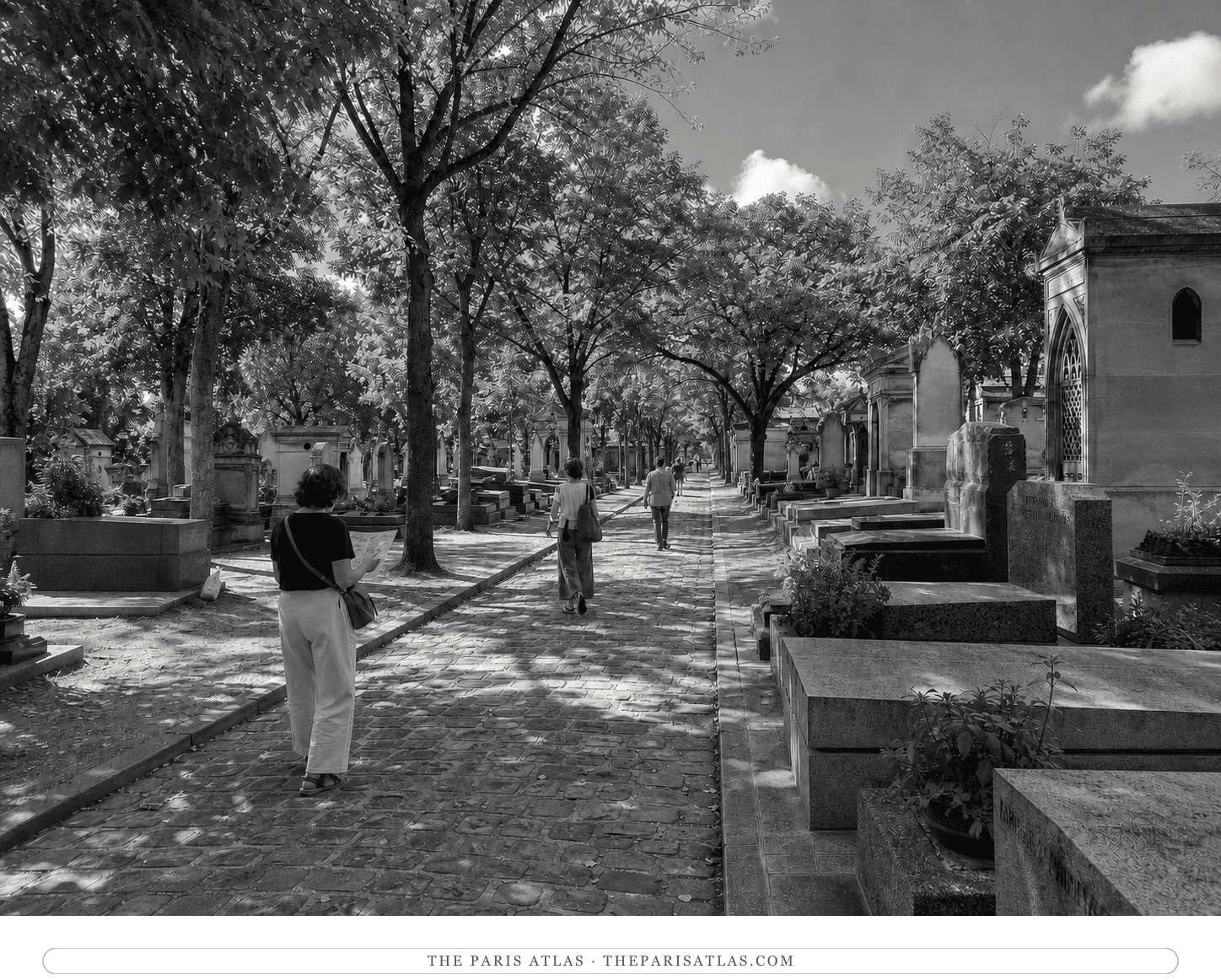
The second-largest cemetery inside Paris — nineteen flat, gridded hectares south of the boulevard du Montparnasse, holding the graves of Charles Baudelaire, Samuel Beckett, Jean-Paul Sartre and Simone de Beauvoir, Serge Gainsbourg, Man Ray, Guy de Maupassant, Constantin Brancusi and Marguerite Duras.
Visit the placeThe sources below include histories, archival materials, scholarly research, and official records that informed this page. They document 6 rue Vercingétorix, the people connected to it, and its place in Paris.


Web source consulted for documented facts and historical context presented on the 6 rue Vercingétorix page.
Web source consulted for documented facts and historical context presented on the 6 rue Vercingétorix page.
Web source consulted for documented facts and historical context presented on the 6 rue Vercingétorix page.
These references provide the documented foundation for this page's history and context. Claim-level citations remain attached to the specific claims they support.
 Explore more resources
Newsletter
The cafés, studios, and walk-up flats where the work was made — one story from the map in every letter.