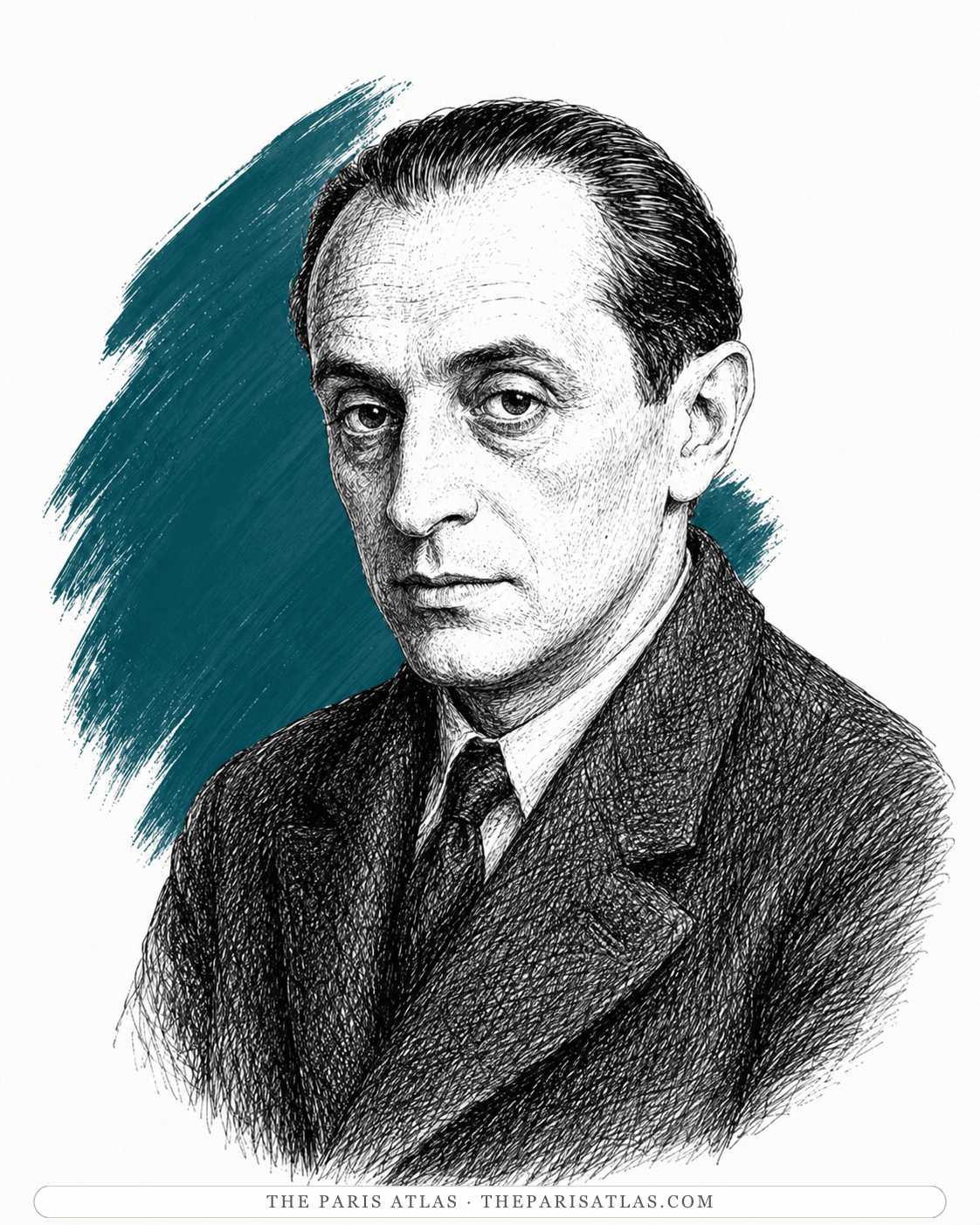
Brassaï
Buried here · 1984
Buried in division 2 after his death on 8 July 1984.
The second-largest cemetery inside Paris — nineteen flat, gridded hectares south of the boulevard du Montparnasse, holding the graves of Charles Baudelaire, Samuel Beckett, Jean-Paul Sartre and Simone de Beauvoir, Serge Gainsbourg, Man Ray, Guy de Maupassant, Constantin Brancusi and Marguerite Duras.
The cemetery opened on 25 July 1824 under a name the city still uses in its own paperwork: the cimetière du Sud, the southern cemetery. Paris had run out of room to bury people inside its walls, and the answer was four new burial grounds laid out beyond the boundary of the day — Père-Lachaise to the east, Montmartre to the north, Passy to the west, and this one on the farmland to the south. Something of the farmland is still standing. A round stone tower rises among the graves in the western half, the surviving tower of the moulin de la Charité, a windmill the Musée Carnavalet photographed here in the second half of the nineteenth century and which the city's plan still labels the Tour du Moulin.
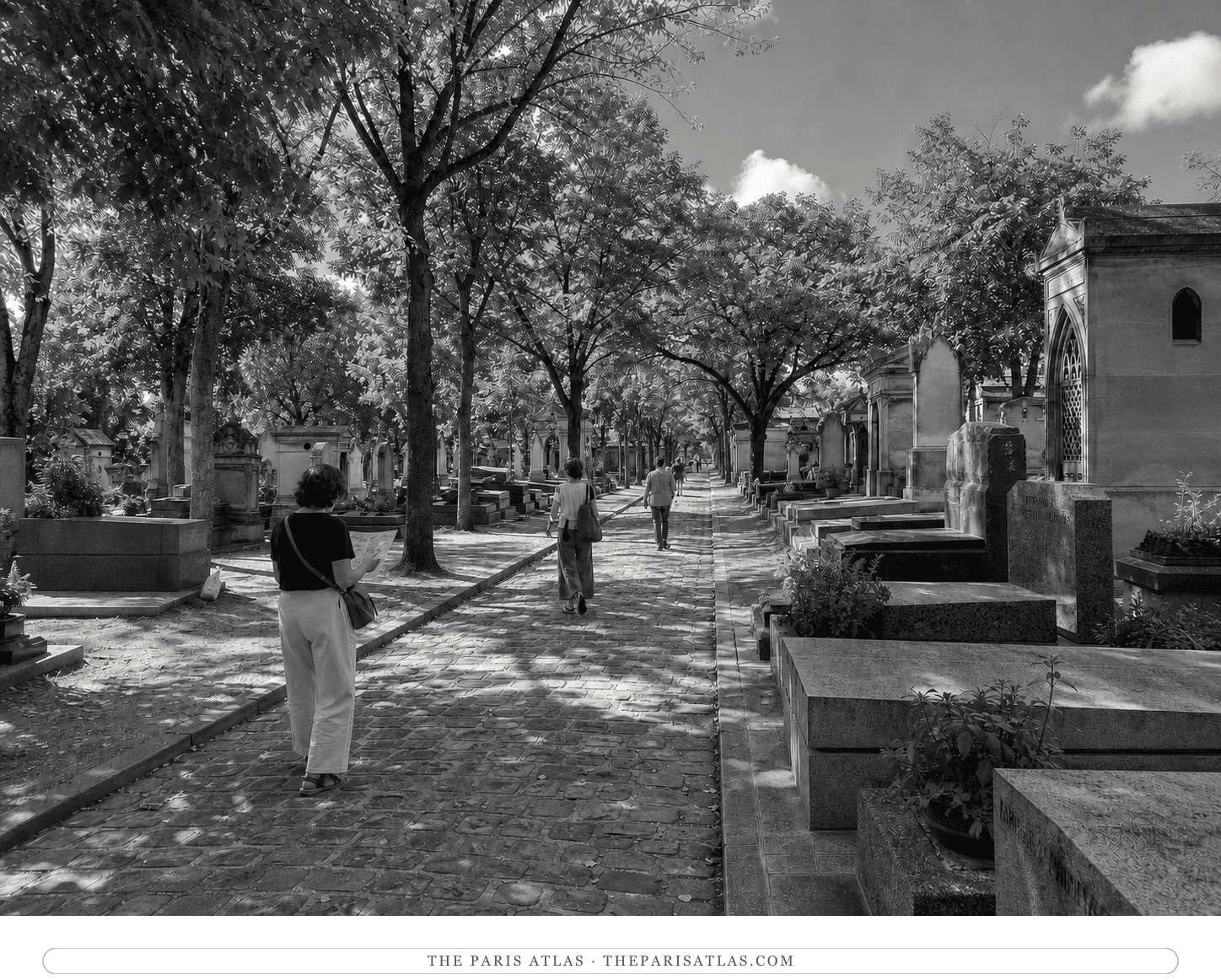
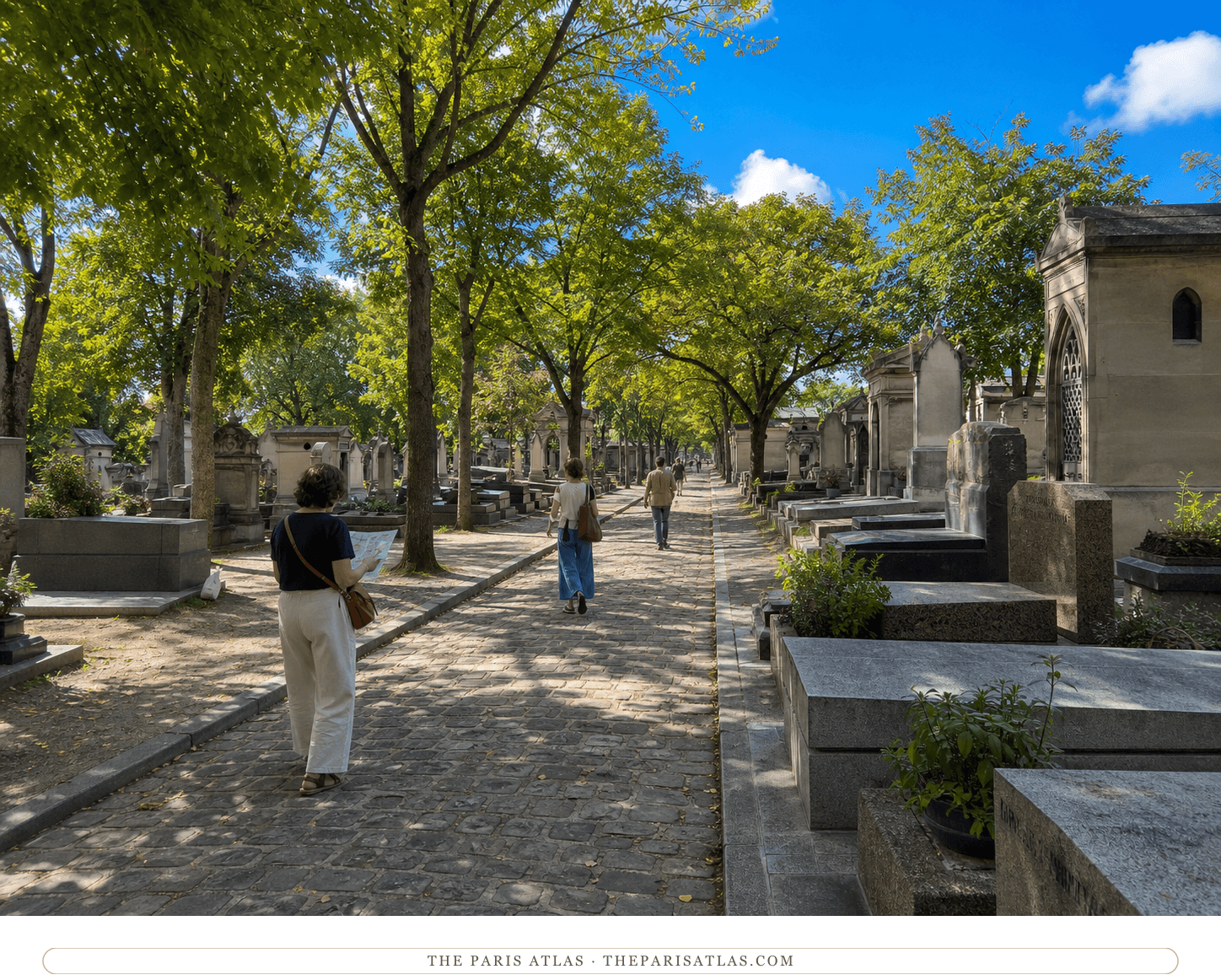
Two centuries on it covers nineteen hectares, which makes it the second-largest cemetery within the city after Père-Lachaise, and it is one of the largest green spaces in Paris as well: 1,200 trees of forty species, mostly limes, sophoras, thujas, maples, ashes and conifers. The ground is flat and laid out on a grid, so nothing here works the way Père-Lachaise does. There is no hill, no getting pleasantly lost, and no cobbled lane winding uphill between chapel tombs. There are straight avenues and thirty numbered divisions, split into two unequal blocks by the rue Émile-Richard, which runs through the middle of the cemetery with a blank wall on either side. Divisions 1 to 21 fill the larger block; the rest are in the smaller one across the street.
What the flatness buys is that the graves are easy to find, and the graves are the reason most people come. Charles Baudelaire, who published Les Fleurs du mal in 1857 and died in Paris ten years later, lies in division 6 in his family's plot; a separate monument to him stands elsewhere in the cemetery, a cenotaph, which is a tomb with nobody in it. Samuel Beckett, the Irish writer who wrote Waiting for Godot in French and won the Nobel Prize in 1969, is in division 12. Jean-Paul Sartre and Simone de Beauvoir, whose partnership began in 1929 and who never married, lie under one stone in division 20, a few steps inside the main gate. Guy de Maupassant is in division 26 across the rue Émile-Richard, and the composer Camille Saint-Saëns in division 13.
A good deal of Montparnasse itself ended up here, which is what you would expect of a cemetery that sits underneath the quarter where the studios were. Man Ray, the American photographer and painter, is in division 7, under the epitaph he chose for himself: 'Unconcerned, but not indifferent.' Chaïm Soutine is in division 15. He had spent the Occupation hiding in the Touraine countryside, where a stomach ulcer he had suffered from for years went untreated until it perforated, and the drive back into Paris for surgery came too late. Brassaï, who photographed Paris at night, is in division 2. Constantin Brancusi is in division 18, and one of his sculptures is here too: Le Baiser, a squared-off stone couple holding each other, carved in 1909 and set on a grave — Brancusi photographed it standing in this cemetery, and left the photograph to the French state along with everything else in his studio. Robert Desnos, the Surrealist poet who died of typhus at Terezín on 8 June 1945, weeks after the camp was liberated, has a grave in division 15. Serge Gainsbourg is in division 1, a short walk from the boulevard Edgar-Quinet gate, which surprises people who go looking for him at Père-Lachaise.
Two things are worth knowing before you go. The first is that the city gives its plan away: paris.fr publishes a free map of the cemetery marking the most-asked-for graves by division, in French, English and Spanish, and printing it before you arrive will save you an hour. The second is that this is not a park. Funerals are held here most days, and the municipal rules that hold everywhere in Paris cemeteries are posted at the gate — no picnics, no alcohol, no music, no jogging, no bicycles, no dogs.
Poet of Les Fleurs du mal
Division 6
Irish playwright and novelist; Waiting for Godot, and the Nobel Prize in 1969
Division 12
Writer and philosopher, and the central figure of French existentialism
Division 20
Writer and philosopher; The Second Sex
Division 20
Short-story writer; Boule de Suif, Bel-Ami
Division 26
Novelist and screenwriter; The Lover, Hiroshima mon amour
Division 21
American critic and essayist; On Photography
Division 2
Argentine novelist; Hopscotch
Division 3
Playwright; The Bald Soprano, Rhinoceros
Division 6
Romanian-born philosopher who wrote in French
Division 13
Poet, and the founder of Dada
Division 8
Surrealist poet, radio writer and Resistance member
Division 15
Novelist and reporter; Belle de Jour, and the words of Le Chant des partisans
Division 28
Sculptor; Bird in Space, The Endless Column
Division 18
Photographer and painter; Le Violon d'Ingres
Division 7
Painter of the Paris school; carcasses, pastry cooks, bellboys
Division 15
Photographer of Paris de nuit
Division 2
Sculptor; the reliefs on the Théâtre des Champs-Élysées
Division 15
Sculptor; The Destroyed City in Rotterdam
Division 8
Sculptor of the Statue of Liberty
Division 28
Sculptor; the Triumph of the Republic at the place de la Nation
Division 4
Sculptor of the Marseillaise relief on the Arc de Triomphe
Division 1
Swiss-French painter and woodcut artist
Division 28
Songwriter and singer; Je t'aime… moi non plus, Histoire de Melody Nelson
Division 1
Composer; The Carnival of the Animals, the Organ Symphony
Division 13
Composer and organist
Division 26
American actor; Breathless, Saint Joan
Division 13
Director of The Umbrellas of Cherbourg
Division 9
Director of the Six Moral Tales
Division 13
Co-founder of the Cinémathèque française, who hid films from the occupiers
Division 6
Actor; Cinema Paradiso, The Old Gun
Division 3
The army officer at the centre of the Dreyfus affair
Division 28
Architect of the Paris Opera
Division 11
Philosopher and political writer
Division 2
Astronomer who found Neptune by calculation before anyone saw it
Division 11
Engineer and car manufacturer
Division 28
Philosopher and sociologist
Division 24
Publisher, and the maker of the dictionaries that still carry his name
Division 14
The cimetière du Sud opens on 25 July, one of four burial grounds laid out beyond the city limits to relieve the parish graveyards inside them.
Charles Baudelaire is buried in division 6, in the family grave, having died in Paris on 31 August at forty-six.
Guy de Maupassant is buried in division 26, dead at forty-two.
Brancusi carves Le Baiser for a grave here; his own photograph of it standing in the cemetery dates from after December 1910.
Camille Saint-Saëns is buried in division 13.
Chaïm Soutine dies in Paris on 9 August, after emergency surgery for an ulcer that went untreated while he hid from the Occupation; he is buried in division 15.
Robert Desnos dies of typhus at Terezín on 8 June; his grave is in division 15.
Man Ray is buried in division 7 under the epitaph he chose, 'Unconcerned, but not indifferent.'
Jean-Paul Sartre is buried in division 20; Simone de Beauvoir, who died on 14 April 1986, is buried with him under a stone carrying both names.
Samuel Beckett is buried in division 12.
Serge Gainsbourg is buried in division 1 after his death at 5 bis rue de Verneuil on 2 March.
Marguerite Duras is buried in division 21.
Start at the north gate, opposite the market square. The free plan of the most-asked-for graves is worth printing before you come; the conservation office is inside the gate on the left.
A short walk from the gate: one low stone carrying both names.
Head west along the avenue de l'Ouest. The poet is buried in the family grave, under the name of the stepfather he spent his life quarrelling with.
A short way south, a plain stone reading 'Unconcerned, but not indifferent' — the epitaph he chose — with 'Together again' added for Juliet Man Ray.
Back east for the man who co-founded the Cinémathèque française and hid its prints from the occupiers, and, a few rows on, the publisher whose dictionaries still carry his name.
A block of limestone with two figures cut into it, arms around each other, carved in 1909 and set over a grave. Constantin Brancusi is buried in the same division.
The composer of The Carnival of the Animals, and, a few divisions west, the author of Hopscotch, whose wife Carol Dunlop lies in the next grave.
The American essayist who wrote On Photography, and, in the same division, the Proudhon family grave.
One of the graves the city marks on its own plan, a few steps from the sculptor who carved the Marseillaise onto the Arc de Triomphe.
West again for the sculptor of the Triumph of the Republic, then the director of The Umbrellas of Cherbourg.
The round stone tower in the western corner is what is left of the moulin de la Charité, a windmill that stood on this ground and was photographed here in the nineteenth century. It is closed to visitors.
The astronomer who worked out where Neptune had to be before anyone had seen it, and wrote to the Berlin observatory asking someone to look.
The city's plan marks a Baudelaire cenotaph here: a cenotaph is a monument with no body under it, and the poet himself is back in division 6.
Leave by the eastern gate and cross the street into the smaller block. Alfred Dreyfus, the officer wrongly convicted of treason in 1894, lies a few rows from André Citroën and the painter Félix Vallotton.
End at the far end of the small cemetery with the philosopher and sociologist Raymond Aron, buried a few hundred metres from Sartre, whom he argued with for most of their lives.
Charles Baudelaire, Samuel Beckett, Jean-Paul Sartre and Simone de Beauvoir, Serge Gainsbourg, Man Ray, Guy de Maupassant, Constantin Brancusi, Marguerite Duras, Camille Saint-Saëns, Susan Sontag, Chaïm Soutine, Tristan Tzara, Eugène Ionesco, Alfred Dreyfus and Frédéric Auguste Bartholdi, among many others. The directory above gives the division number for each, taken from the city's own plan.
In division 1, a short walk from the boulevard Edgar-Quinet gate and marked on the free plan the city hands out. Visitors often look for him at Père-Lachaise, where he is not: he died at 5 bis rue de Verneuil on 2 March 1991 and was buried here, a little south of the quarter he lived in.
Yes. Jean-Paul Sartre and Simone de Beauvoir lie together in division 20, a few steps inside the main gate, under a single stone carrying both names. Sartre died in 1980, Beauvoir on 14 April 1986. Their partnership began in 1929 and they never married.
Yes, in division 6, in the grave of his mother and his stepfather General Aupick. The larger monument to him elsewhere in the cemetery is a cenotaph — a memorial with no body under it — showing a wrapped figure lying beneath a hooded watcher. Both are marked on the city's plan, which is why visitors often find one and miss the other.
No. It is a public municipal cemetery. Entry is free and no booking is needed; you can walk in through any of its gates during opening hours.
Every day of the year. From 16 March to 5 November: 8:00–18:00 Monday to Friday, 8:30–18:00 on Saturdays, 9:00–18:00 on Sundays and public holidays. From 6 November to 15 March it closes at 17:30 instead. Nobody is admitted in the last fifteen minutes before closing. (Hours per the Ville de Paris, verified August 2026.)
Two hours is enough for the well-known graves, because the ground is flat and laid out on a grid rather than climbing a hill like Père-Lachaise. Print the city's plan before you come: paris.fr publishes a free map marking the most-asked-for graves by division, in French, English and Spanish. The conservation office inside the main gate can also look up a grave for you.
The main gate is at 3 boulevard Edgar-Quinet, closest to Métro Edgar Quinet on line 6. There are further gates on the boulevard Raspail, the rue Froidevaux and the rue Émile-Richard, the street that runs through the middle of the cemetery and divides it into two blocks. Raspail station is on lines 4 and 6.
More so than most Paris cemeteries. The ground is flat, the main avenues are paved, and the city lists the cemetery as accessible to visitors with reduced mobility; it also publishes a plan of a step-free route past the best-known graves. The narrow gravel paths between older tombs are still hard going. It is a working cemetery, so funerals take priority and quiet is expected: no picnics, alcohol, music, jogging, bicycles or dogs.
Buried here · 1984
Buried in division 2 after his death on 8 July 1984.
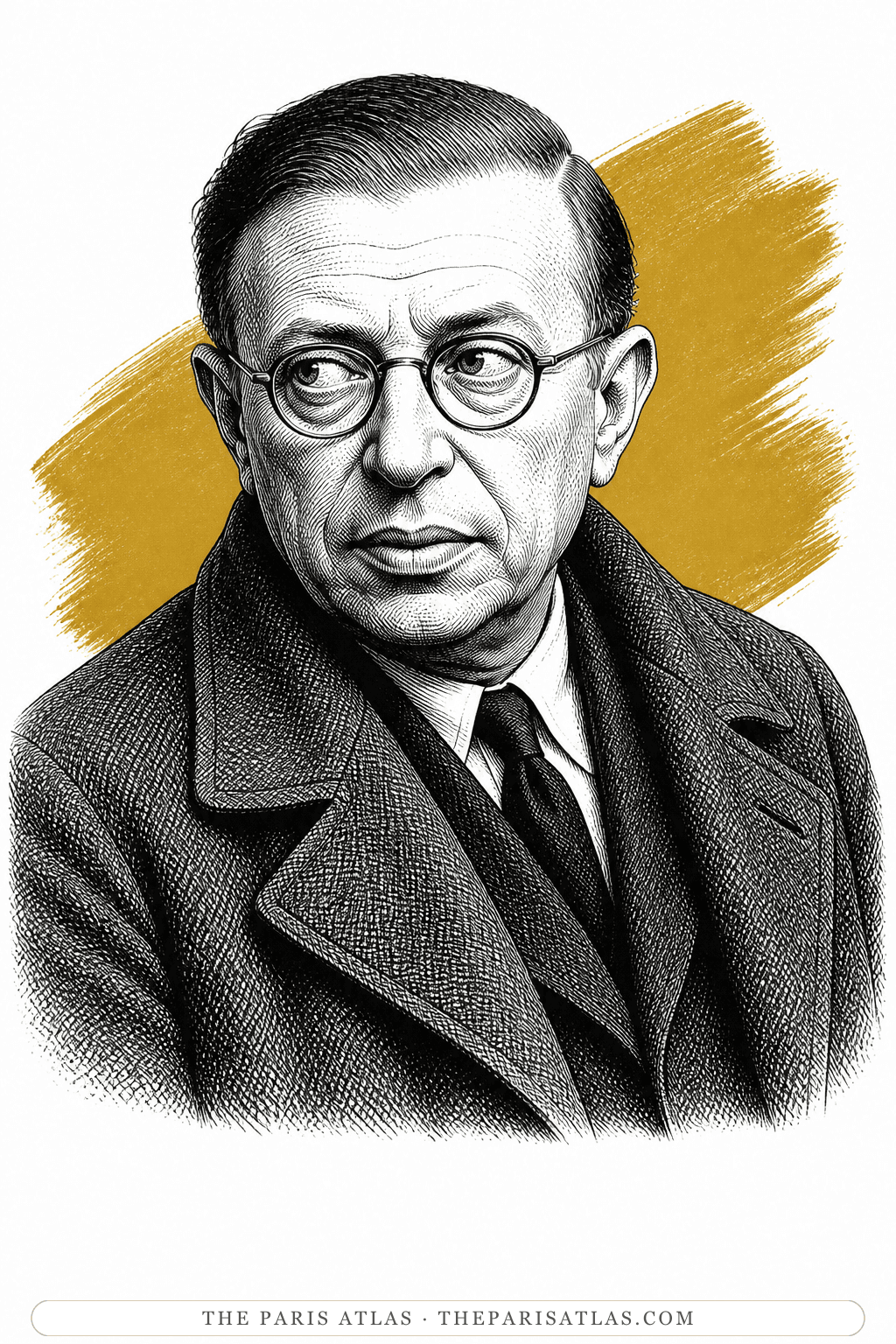
Buried here · 1980
Sartre was buried in Montparnasse cemetery in 1980; Beauvoir was buried in the same grave six years later.
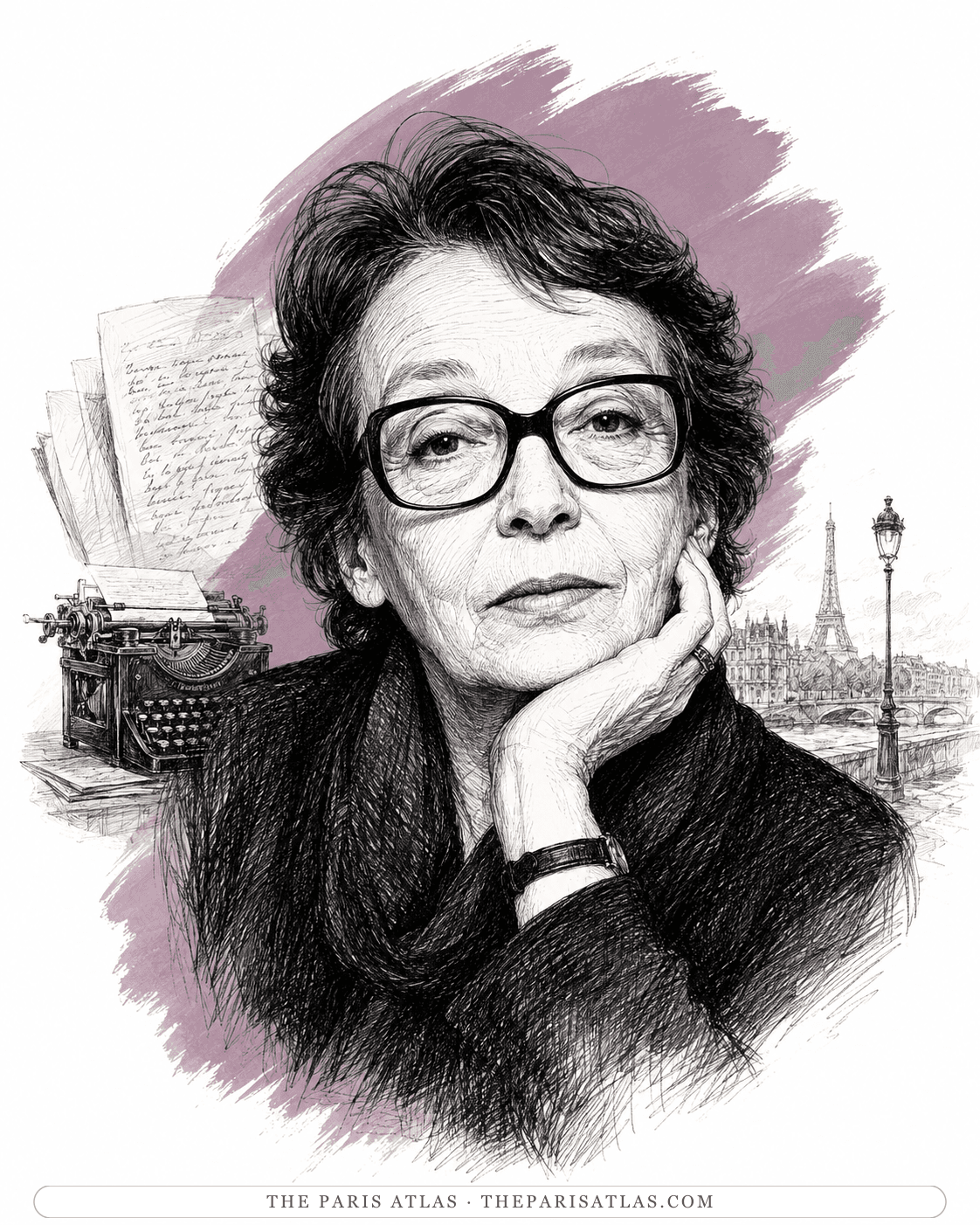
Buried here · 1996
Buried in division 21 after her death in Paris on 3 March 1996.
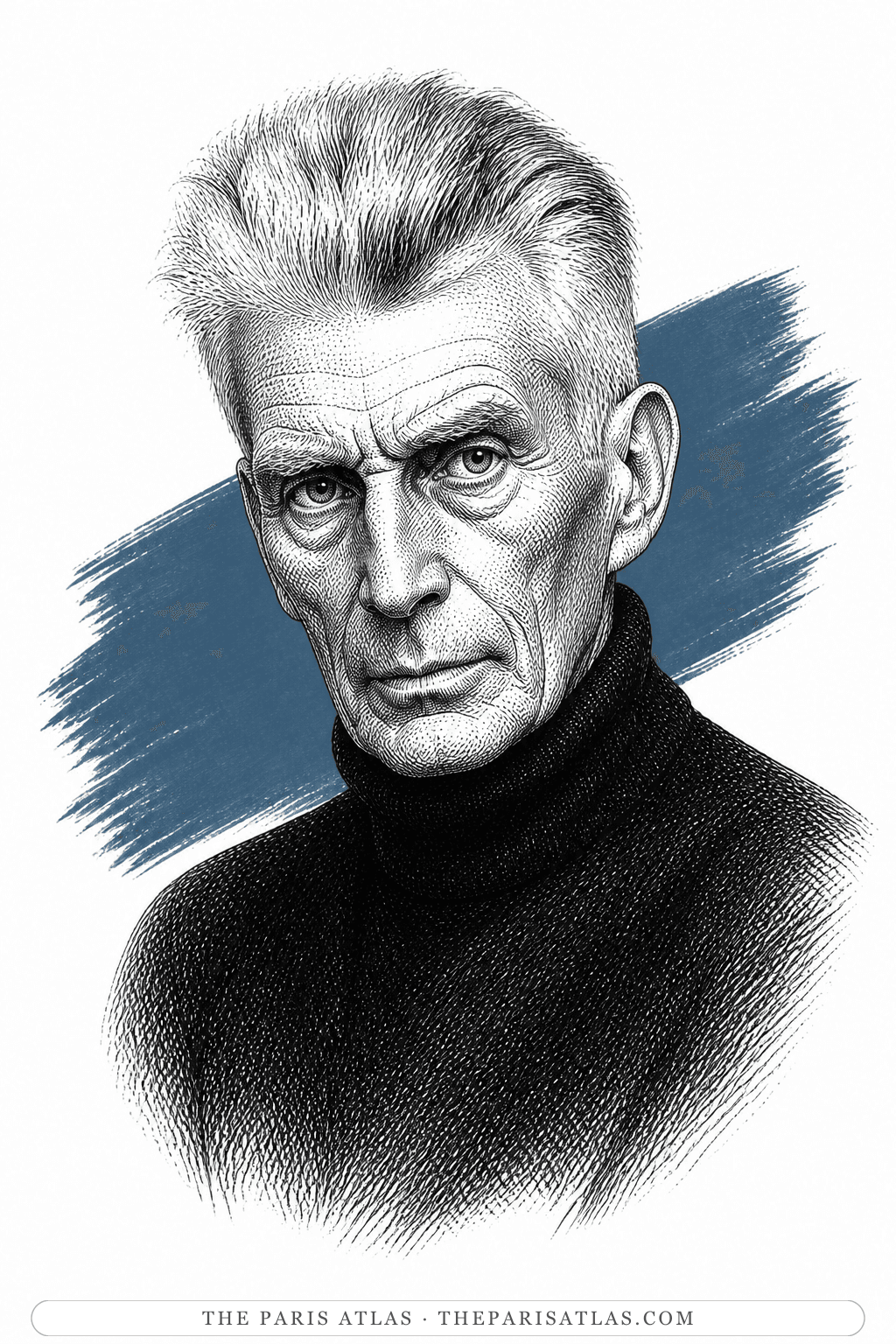
Buried here · 1989
Beckett is buried in Montparnasse cemetery, the burial ground of the quarter he settled in permanently from 1938 — a short walk from the cafés and from the graves of Sartre and Beauvoir.
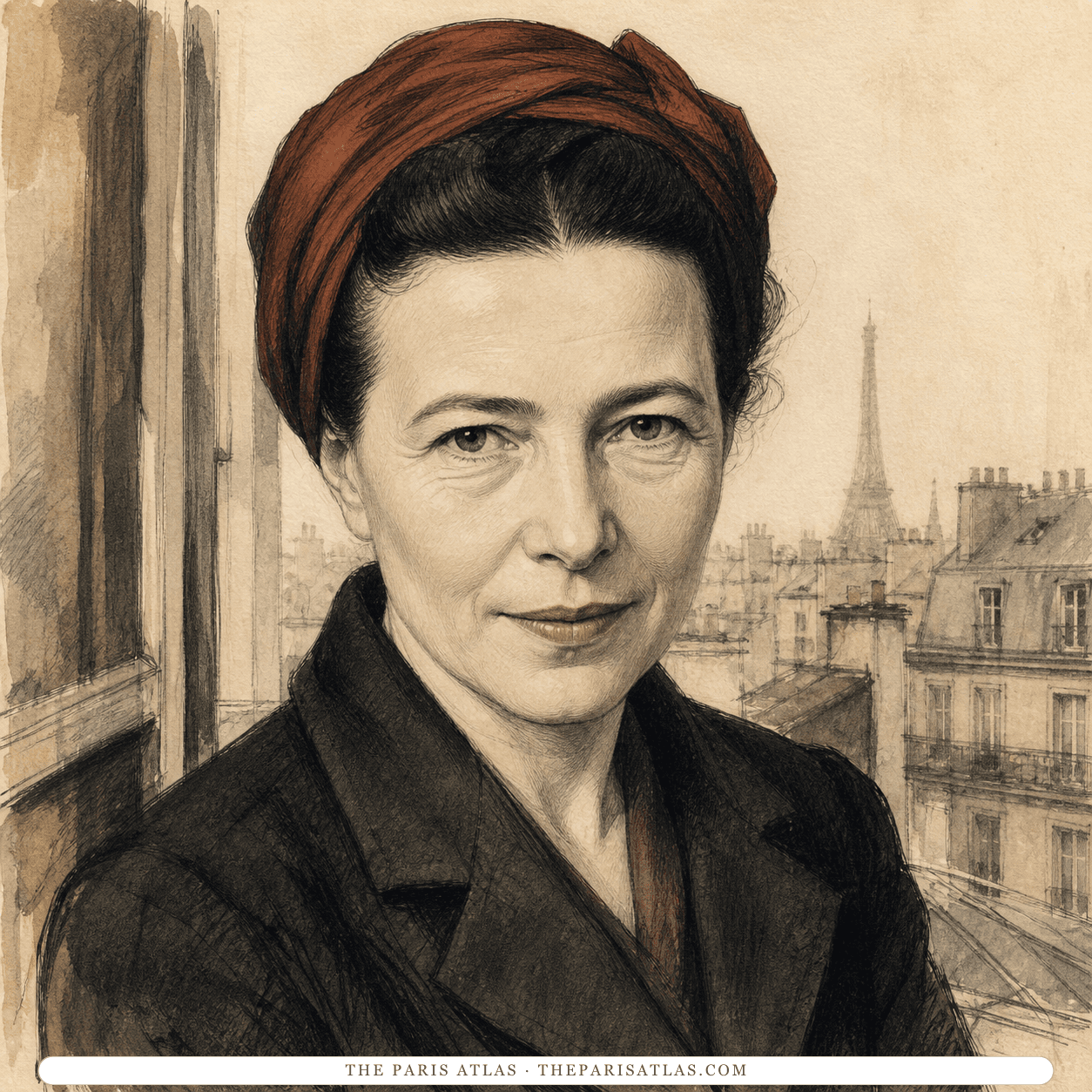
Buried here · 1986
Beauvoir was buried in Montparnasse cemetery in 1986, in the grave she shares with Sartre — across the road from the flat she had lived in for thirty years.
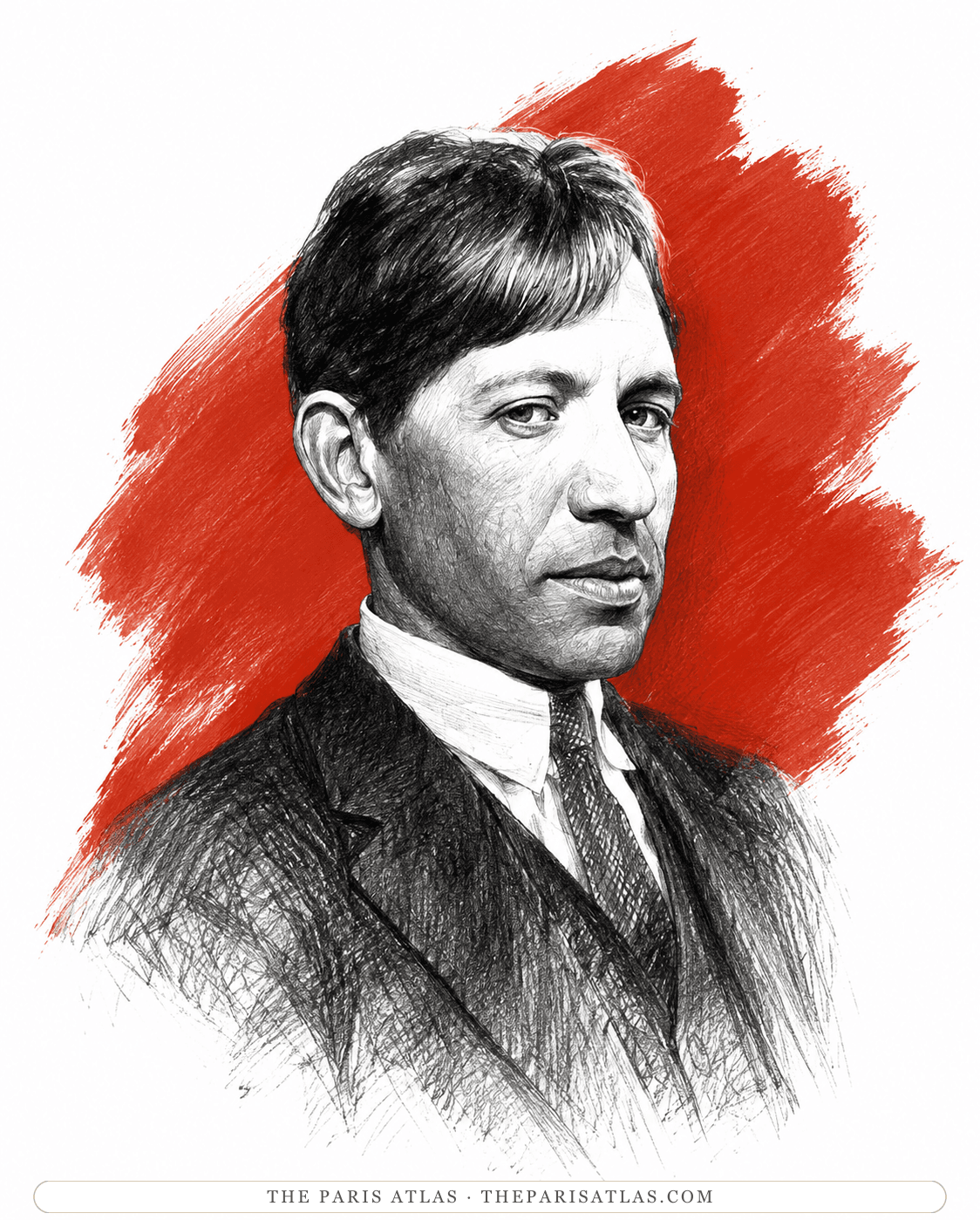
Buried in division 15 after his death in Paris on 9 August 1943, following emergency surgery for a perforated ulcer that had gone untreated while he hid from the Occupation in the Touraine countryside.
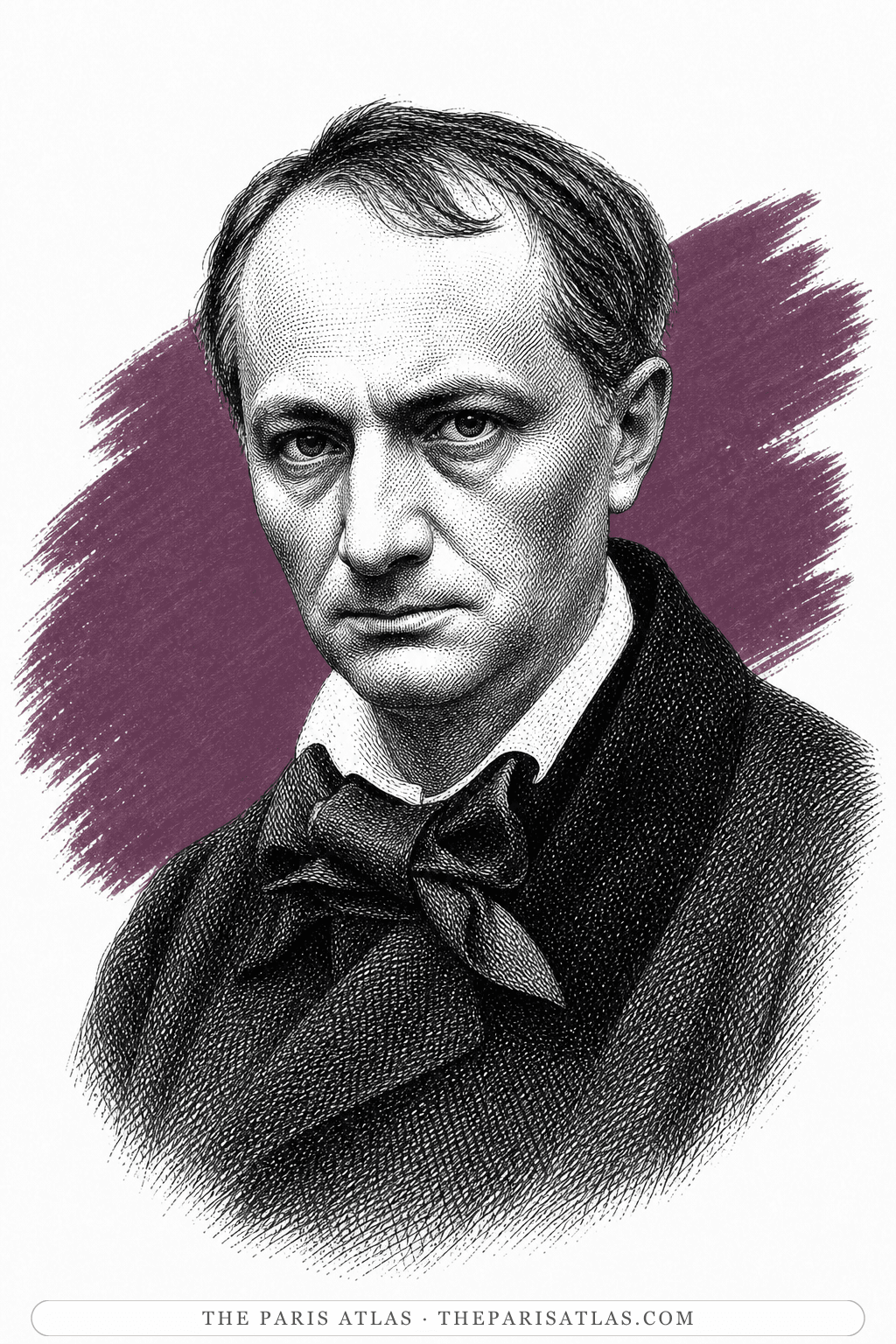
Buried in division 6 after his death in Paris on 31 August 1867, in the family grave of his mother Caroline and his stepfather, General Jacques Aupick. A separate monument to him, a cenotaph with no body under it, stands elsewhere in the same cemetery.
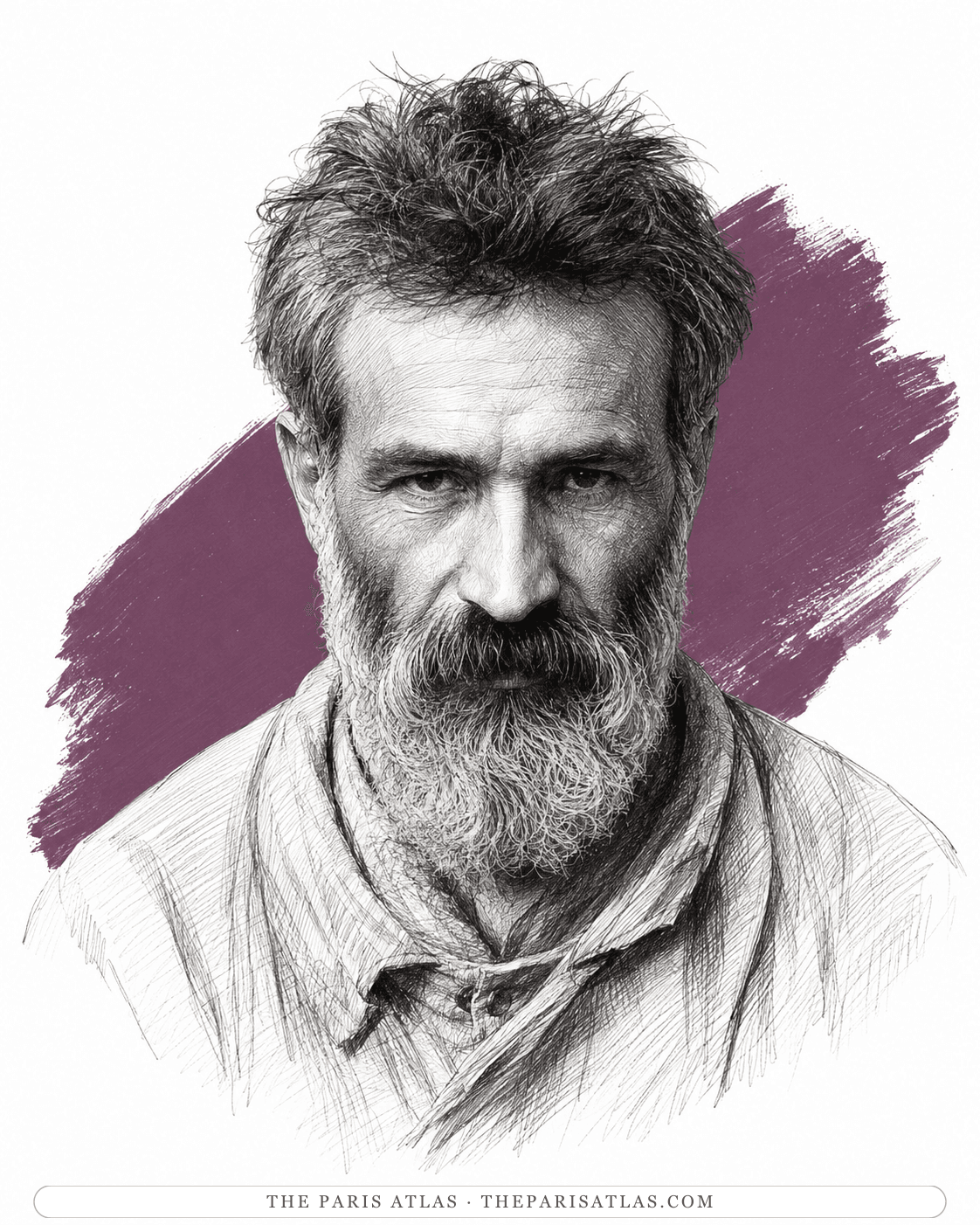
Buried in division 18 after his death in Paris in March 1957. His 1909 sculpture Le Baiser stands on a grave in the same cemetery; Brancusi photographed it there and left the photograph to the French state with the rest of his studio.
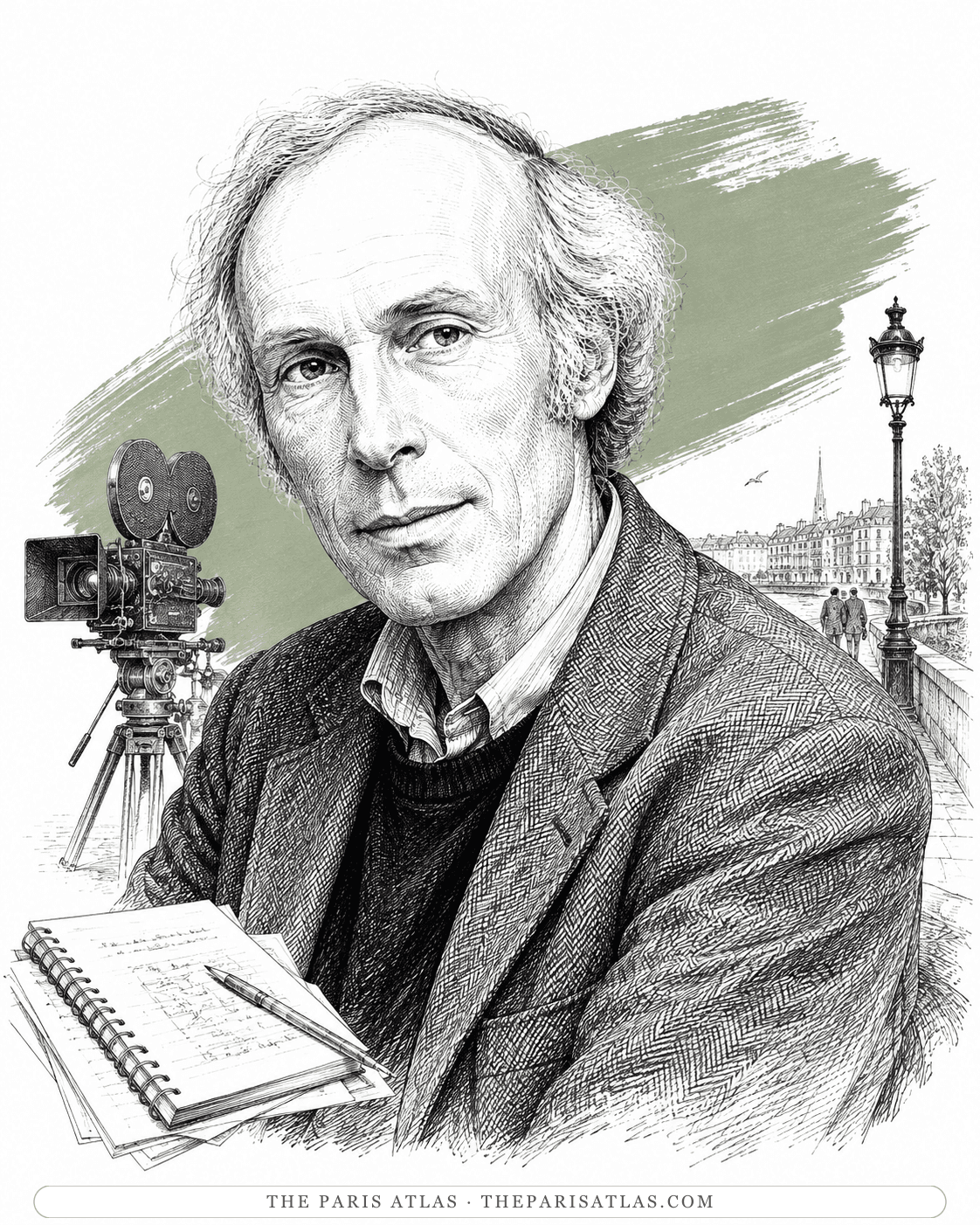
Buried in division 13 after his death in Paris on 11 January 2010.
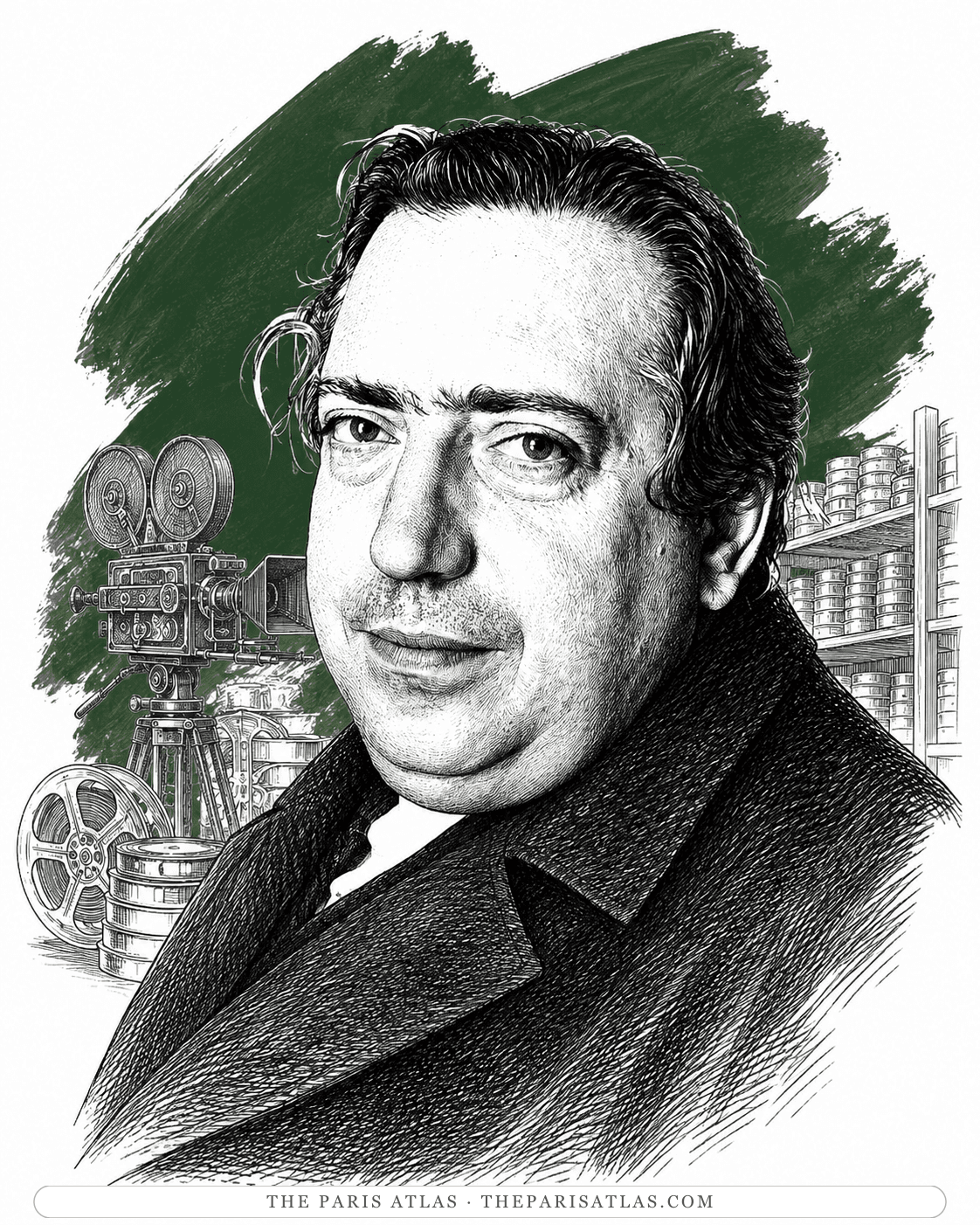
Buried in division 6 after his death on 13 January 1977. The city's map identifies him simply as the founder of the Cinémathèque française.
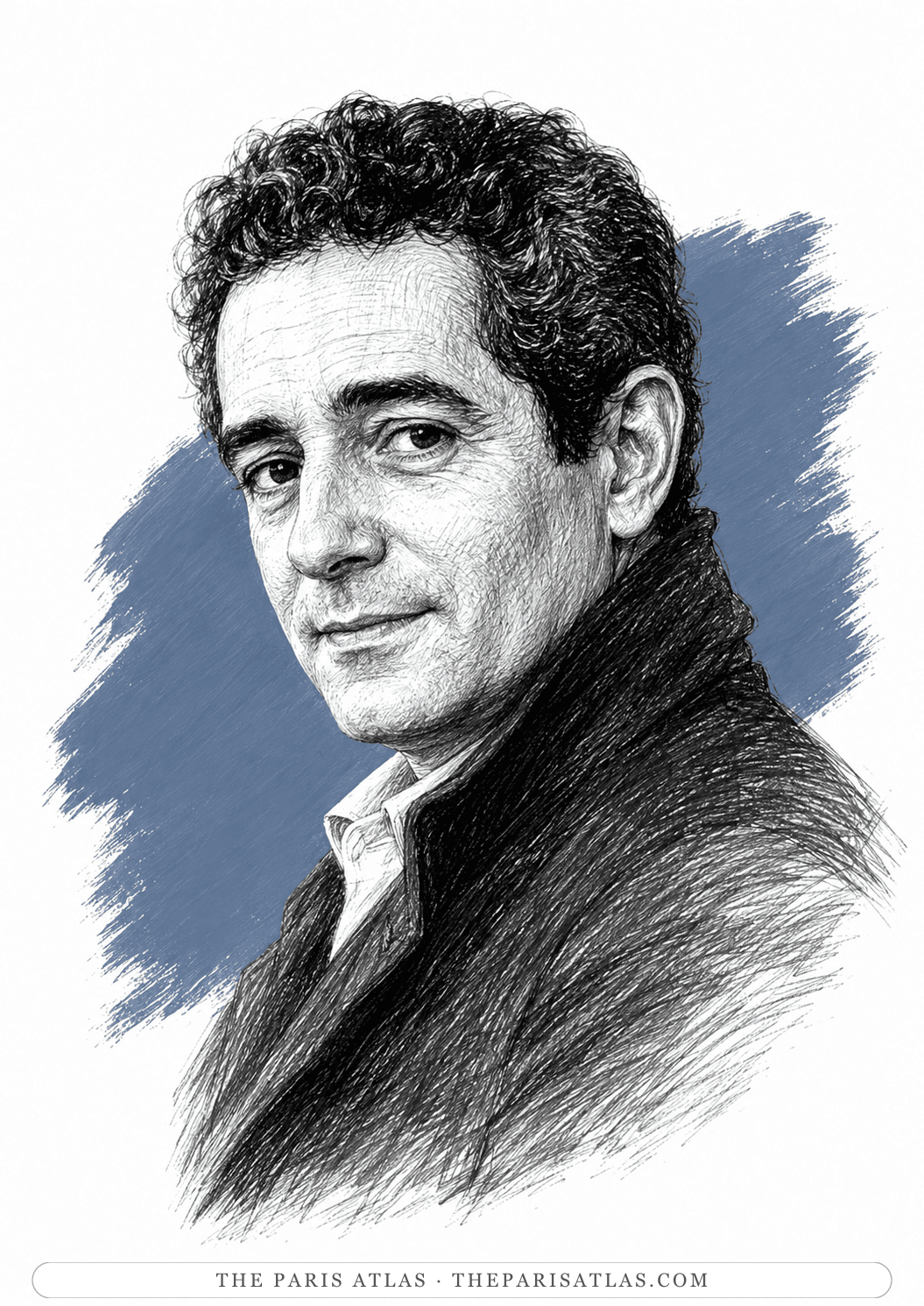
Buried in division 9 after his death in Paris on 27 October 1990.
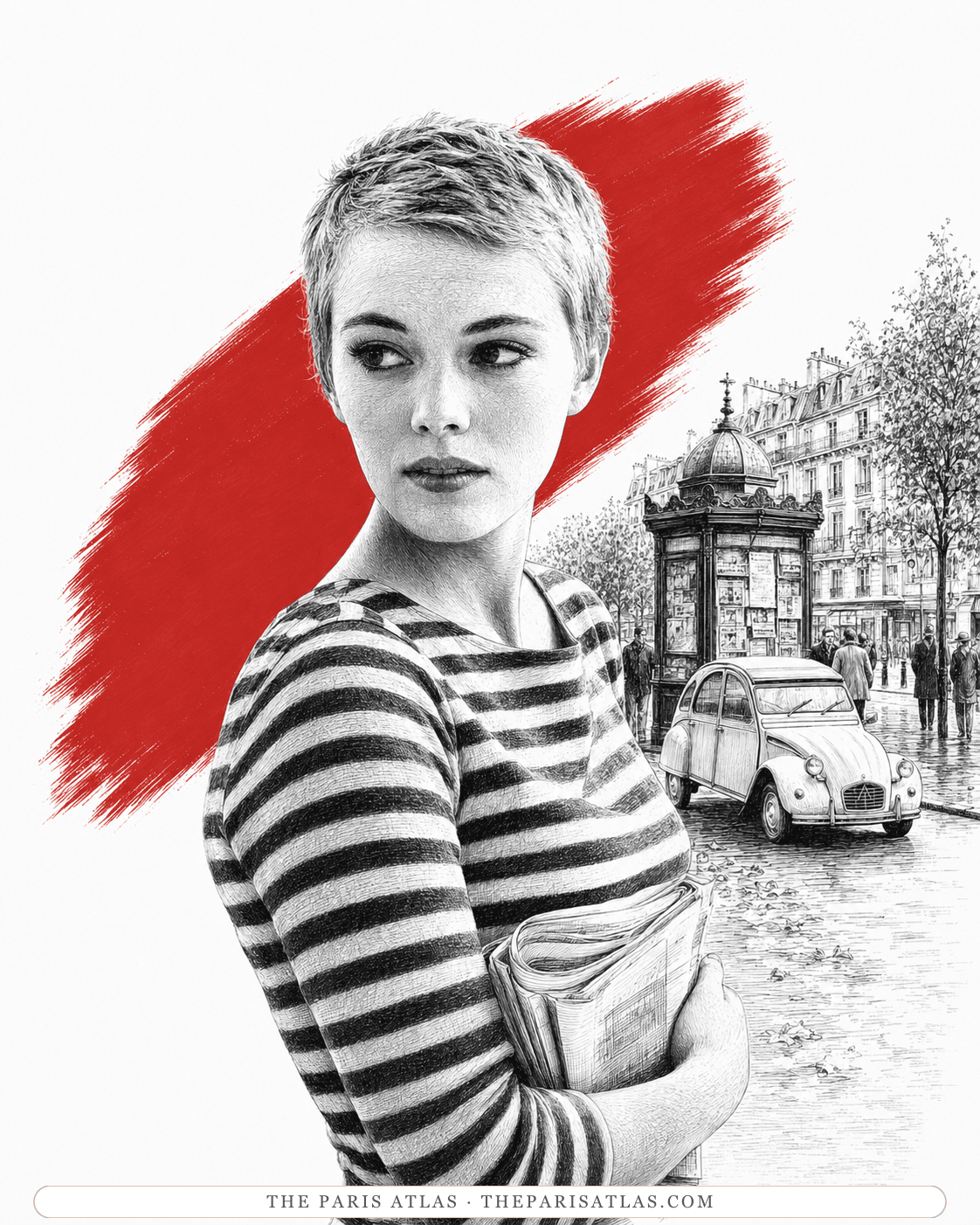
Buried in division 13 after her death in Paris at the end of August 1979.
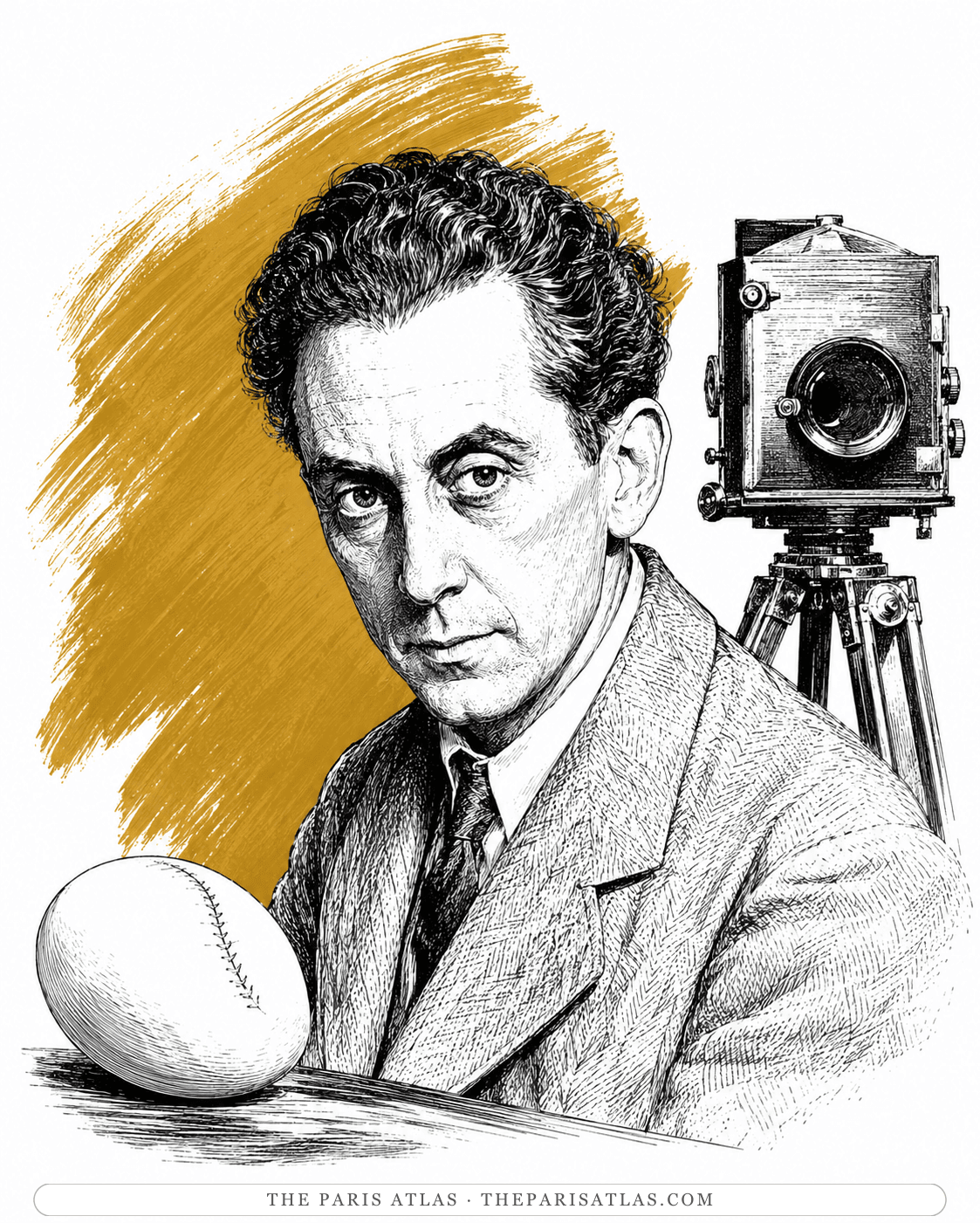
Buried in division 7 after his death in Paris on 18 November 1976, under the epitaph he chose: Unconcerned, but not indifferent. His wife Juliet was later buried with him.
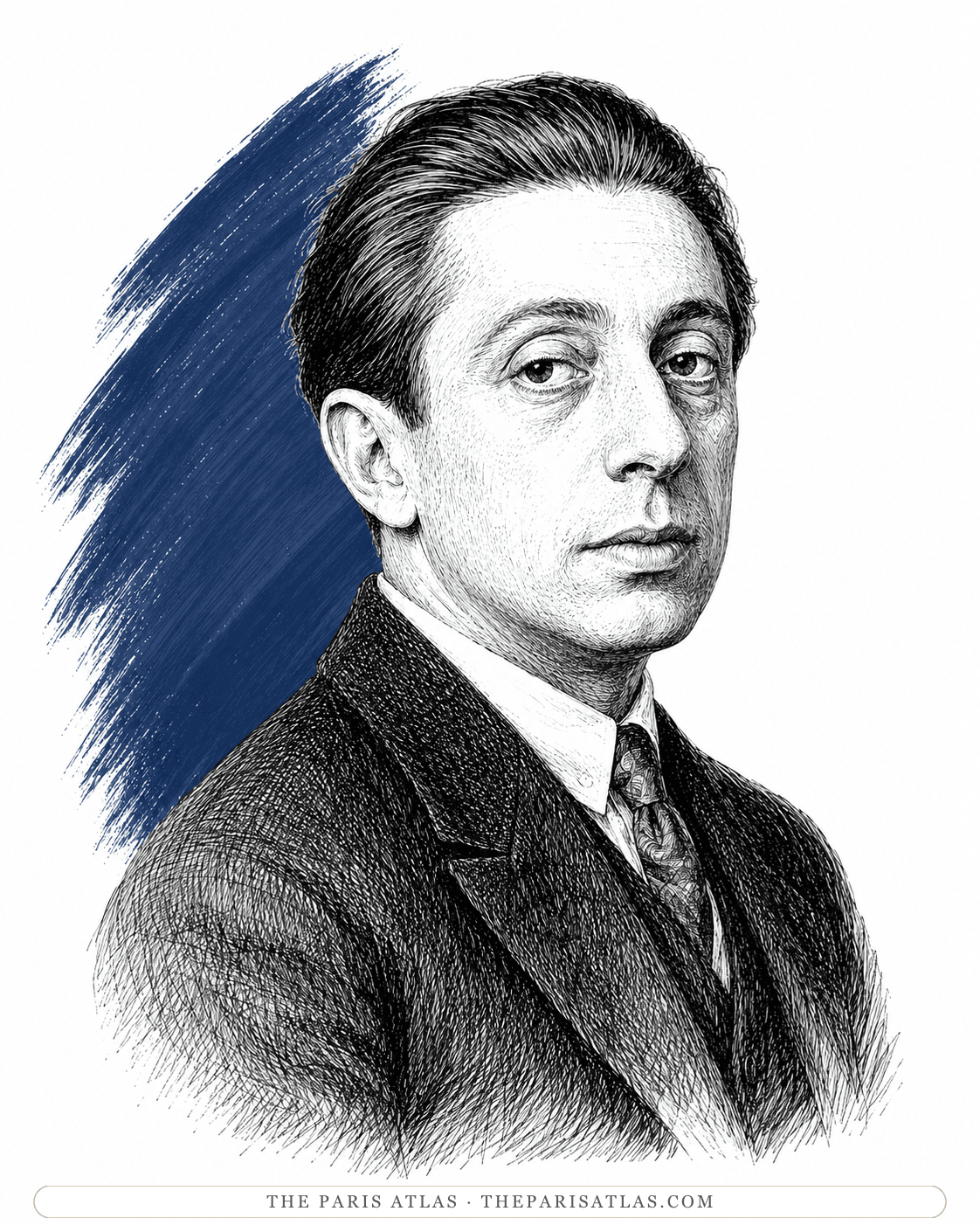
The Ville de Paris map of the cemetery's graves places him in division 15. He died of typhus at Terezín on 8 June 1945, weeks after the camp was liberated; the date his remains reached Paris is not given in the city's record.
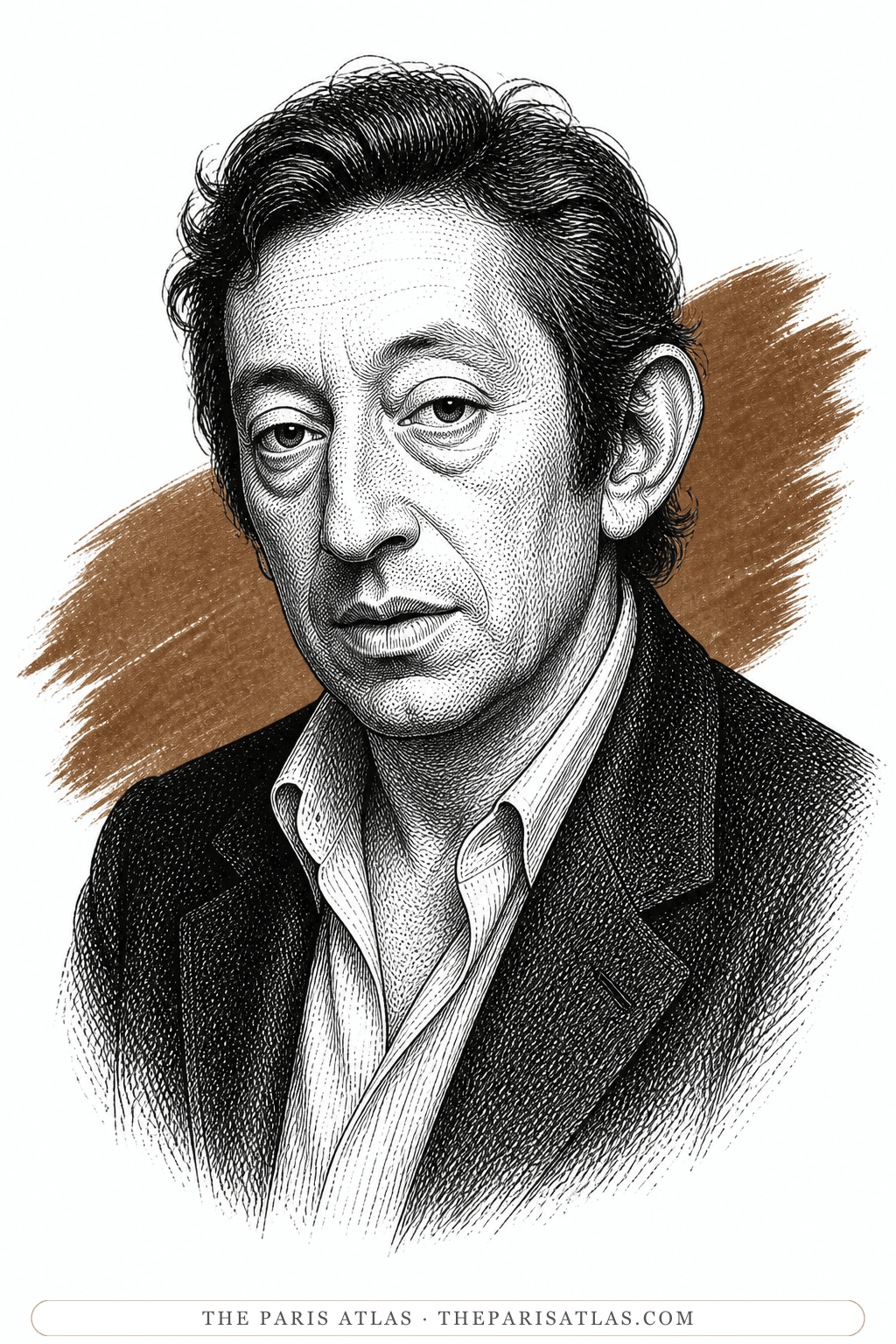
Buried in division 1 after his death at 5 bis rue de Verneuil on 2 March 1991 — not at Père-Lachaise, where visitors most often look for him.

Bartholdi died in Paris on 4 October 1904, aged seventy, and was buried in Montparnasse Cemetery, in the district where his later studio at 82 rue d'Assas stood.

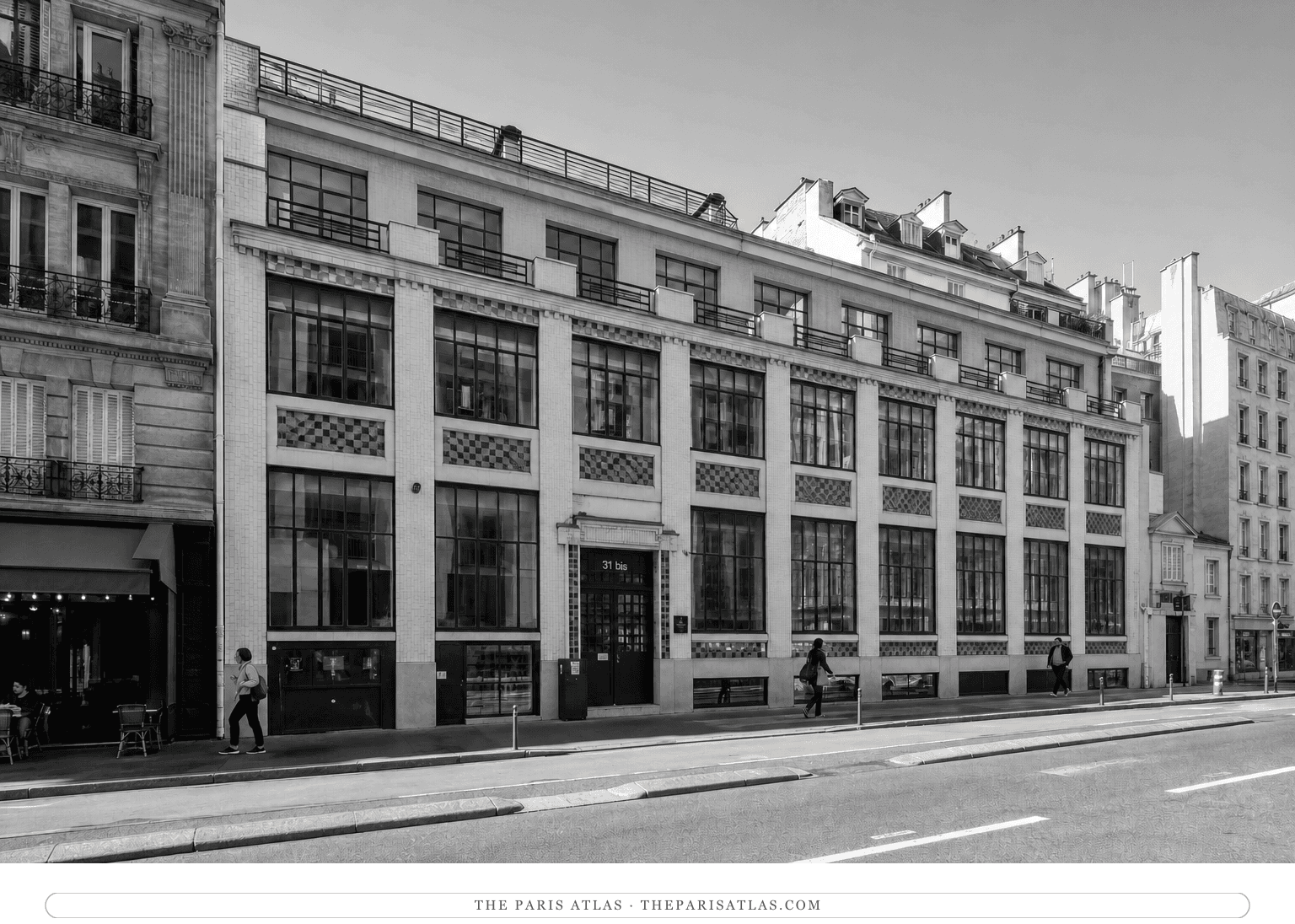
Man Ray's Montparnasse studio, where Berenice Abbott was working as his darkroom assistant in 1925 when she photographed Djuna Barnes.
Visit the place
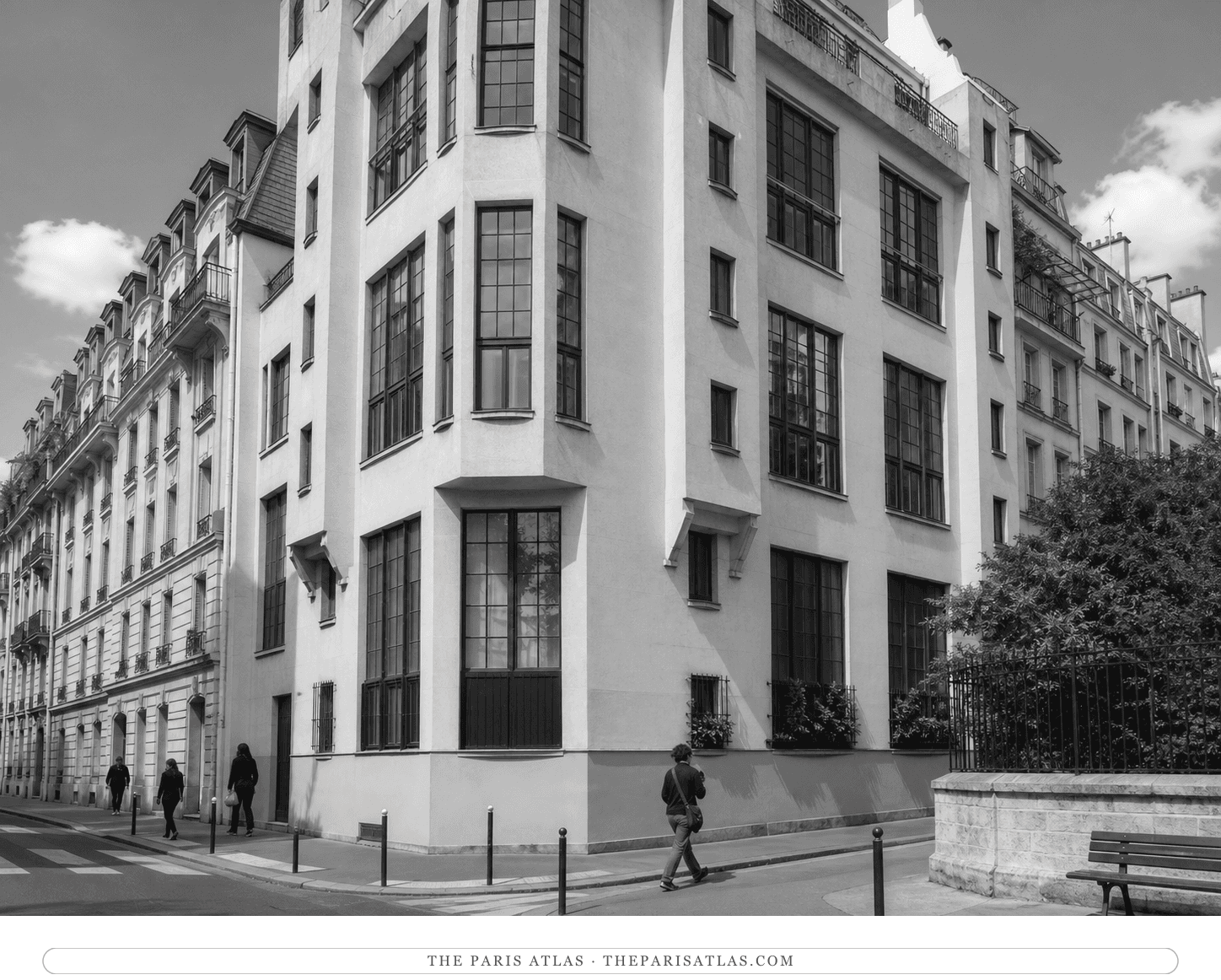
The first apartment Simone de Beauvoir could buy with her own money, after the Goncourt Prize of 1954. It became the gathering place for the Les Temps modernes circle, and it looks directly onto the Montparnasse cemetery where she is buried.
Visit the place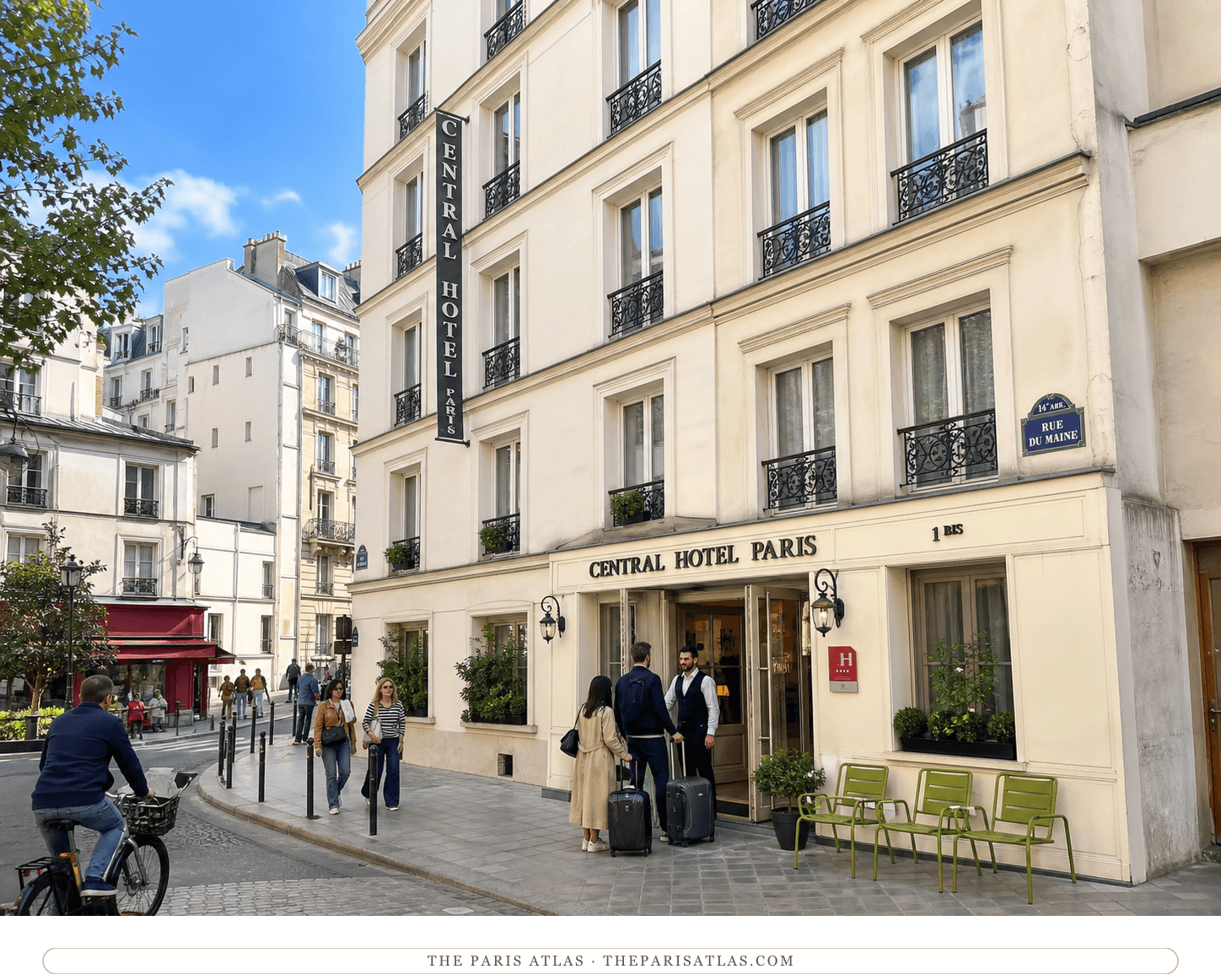
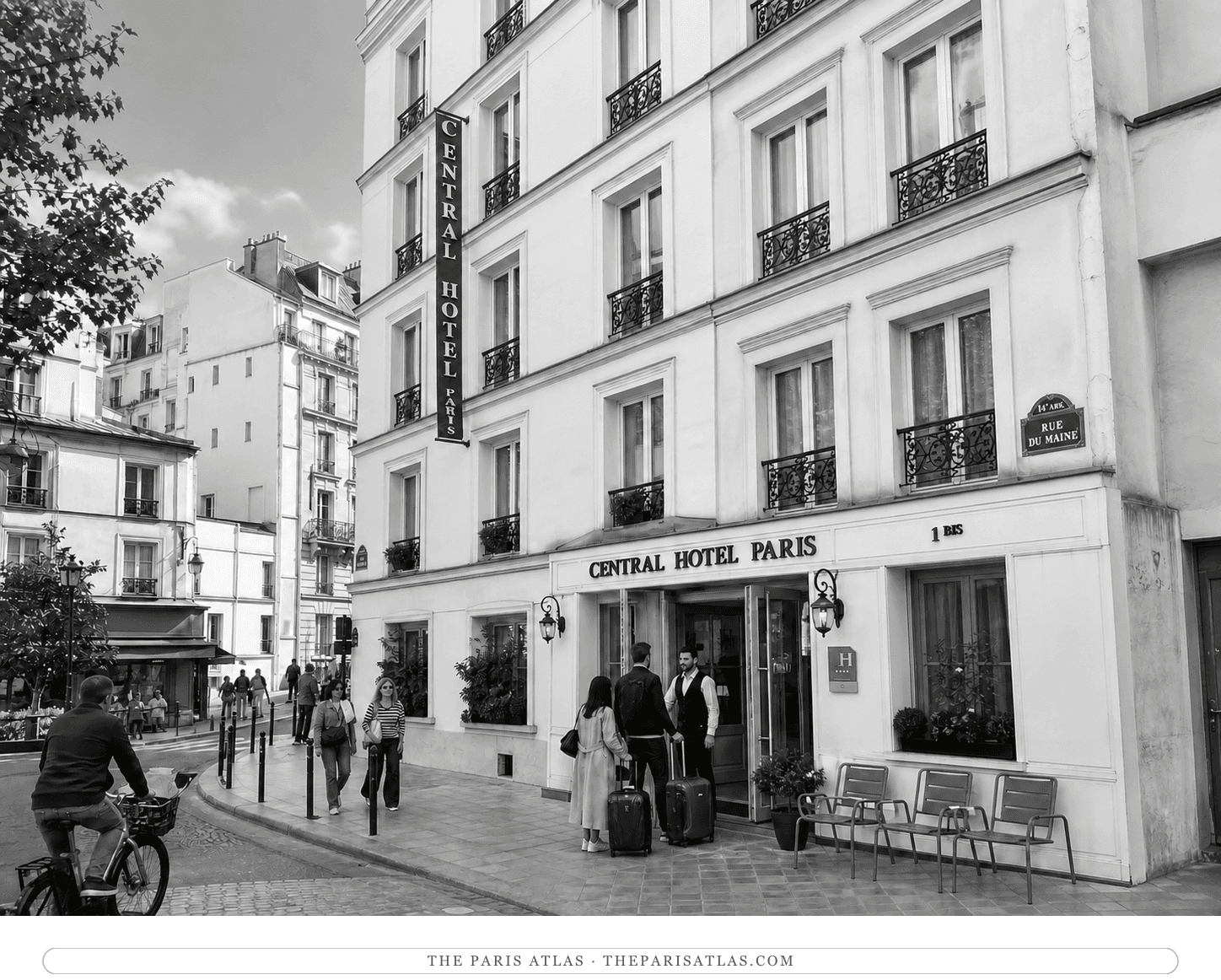
A small Montparnasse hotel where Henry Miller lodged during several stretches of 1931 and 1932, sharing a room with Alfred Perlès in the leanest part of his Paris decade. Still trading under the same name at the same address.
Visit the place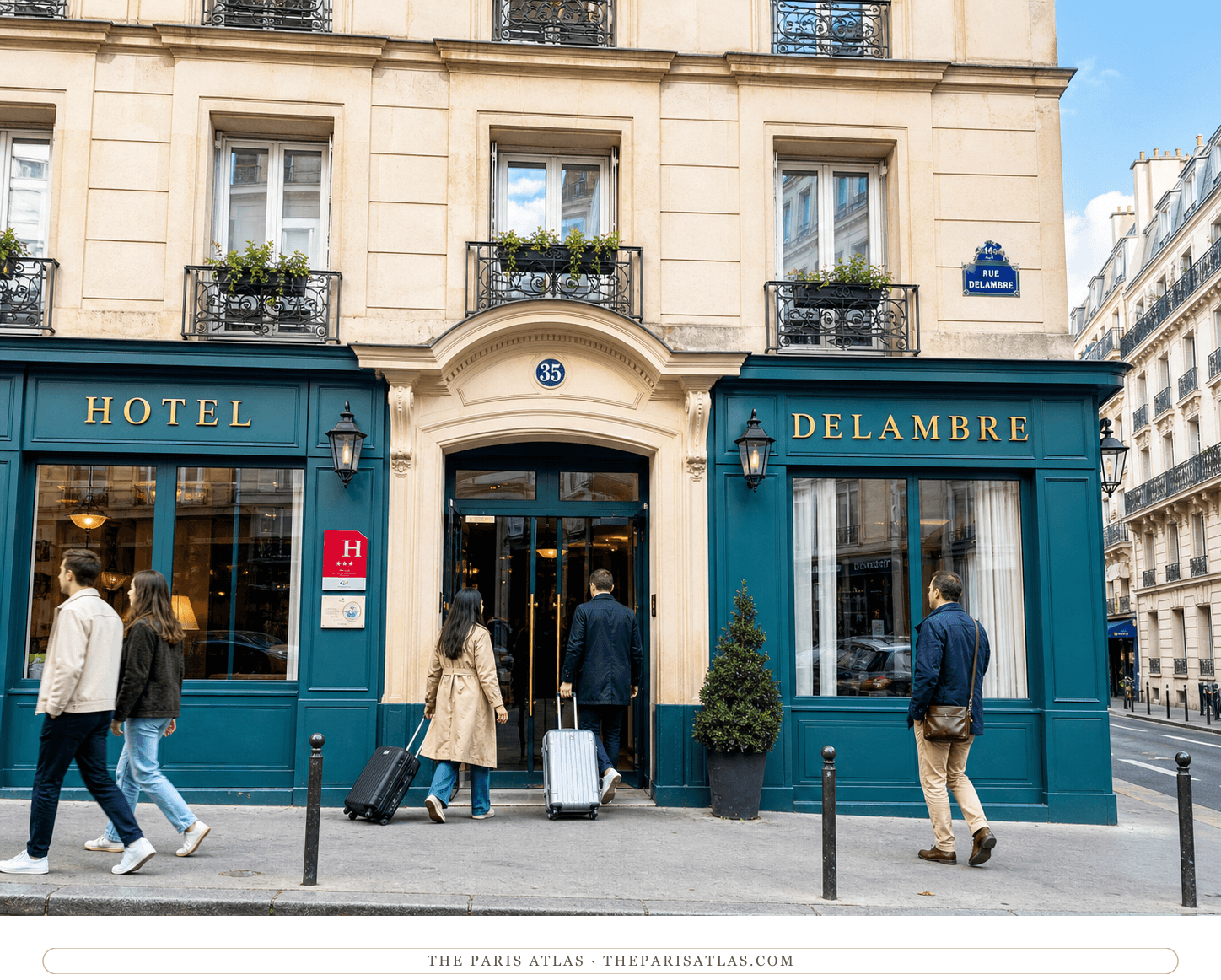
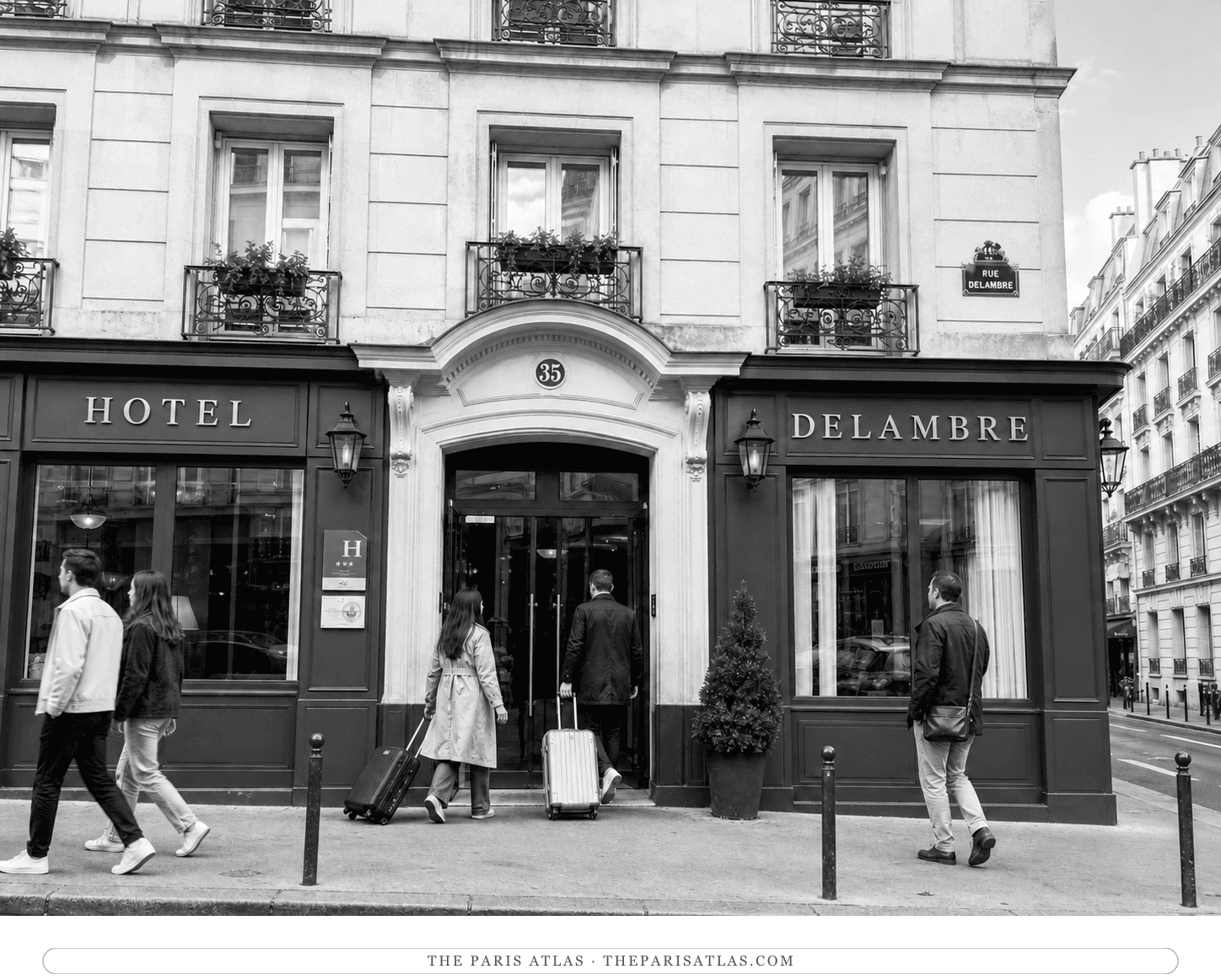
The Montparnasse hotel where Paul Gauguin stayed in 1891 in the weeks before he sailed for Tahiti — still trading, with a plaque inside the entrance recording it.
Visit the placeThe sources below include histories, archival materials, scholarly research, and official records that informed this page. They document Montparnasse Cemetery, the people connected to it, and its place in Paris.


The city's own page: opening date, surface area, tree count, hours, entrances and downloadable plans.

The Ville de Paris map of the most searched-for graves, which supplies every division number in the directory above.
The full cemetery plan, showing the thirty divisions and the monuments marked on the ground.
Summer and winter opening hours, and the rules posted at the gate.
The city's open register of green spaces: the cemetery's official name, its 1824 opening and its measured area, in two enclosures.
A Musée Carnavalet photograph of the windmill tower standing inside the cemetery.
Brancusi's own photograph of Le Baiser in the cemetery, left to the French state in his 1957 bequest.
Map data used to verify addresses, geographic coordinates, and the placement associated with Montparnasse Cemetery.
These references provide the documented foundation for this page's history and context. Claim-level citations remain attached to the specific claims they support.
 Explore more resources
Newsletter
The cafés, studios, and walk-up flats where the work was made — one story from the map in every letter.