The Paris AtlasCharting the artists, works, and places worth returning to.
  • Author
  • Playwright
  • Poet
  • Translator
· Irish · 1906–1989

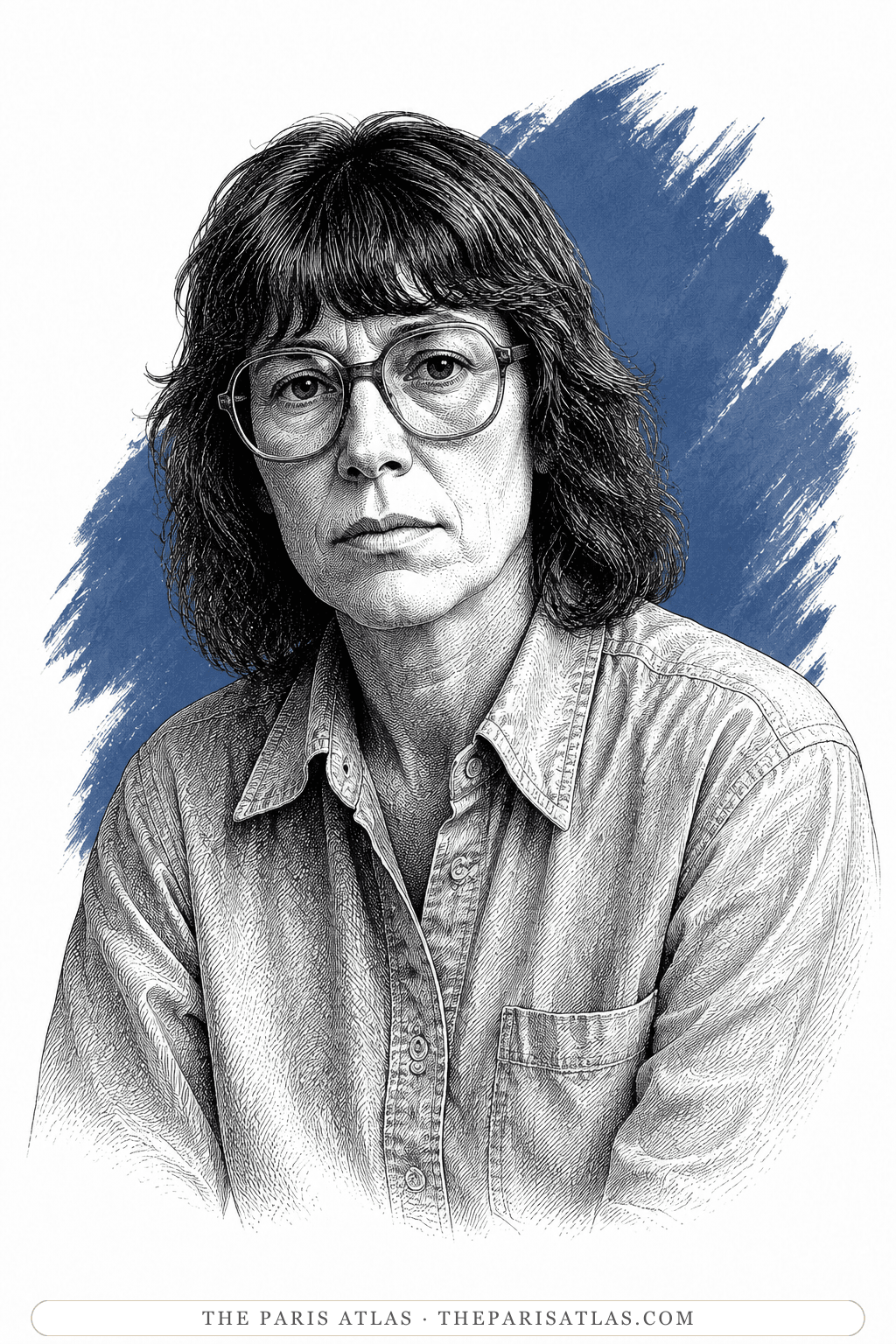
Samuel Beckett

The Dublin-born writer who settled in Paris in 1937, was stabbed in the street by a stranger a few months later, translated and typed intelligence reports for a Resistance cell during the German occupation of the city, and then did the strangest thing of all — began writing in French, a language not his own, and produced Waiting for Godot, which opened at a small Left Bank theatre in January 1953 and changed what a play could be.

Details

Lived
1906–1989
Born
13 April 1906
Birthplace
Foxrock, Dublin, Ireland
Died
22 December 1989 · aged 83
Place of death
Paris, France
Nationality
Irish
Profession
Novelist, playwright and poet, in two languages
Major works
Waiting for Godot, Endgame, Molloy, Malone Dies, The Unnamable, Happy Days, Krapp's Last Tape
Married
Suzanne Deschevaux-Dumesnil · 1961–1989
Roles
AuthorPlaywrightPoetTranslator

About Samuel Beckett

Samuel Beckett was born at Foxrock, on the southern edge of Dublin, on 13 April 1906, and died in Paris on 22 December 1989. He is the rarest kind of literary figure: a major writer in two languages, who chose the second one on purpose. After 1945 he wrote first in French and then translated himself into English, and the Bibliothèque nationale de France, the French national library, files him plainly as a novelist, playwright and poet working in "anglais, français" — English, French.

Paris is not a backdrop to that story; it is the story. He first came in October 1928 as a young exchange lecturer at the École Normale Supérieure, France's most selective teachers' college, on the rue d'Ulm, and fell in with James Joyce, the Irish novelist who had written Ulysses and was then labouring on Finnegans Wake — a friendship that generated the most persistent myth about him, that he was Joyce's secretary, which he was not. He settled in Paris for good in 1937, was stabbed by a stranger on the street in January 1938, joined a Resistance network under German occupation, fled south when it was betrayed, and came back to write the novels and the play that made him famous. Waiting for Godot opened on 5 January 1953 at the Théâtre de Babylone, a small theatre on the boulevard Raspail, and made a bewildered success of two tramps waiting on an empty road. In 1969 he was given the Nobel Prize in Literature — the Swedish award that is the highest honour in world writing — and refused to go and collect it.

Dublin to the rue d'Ulm

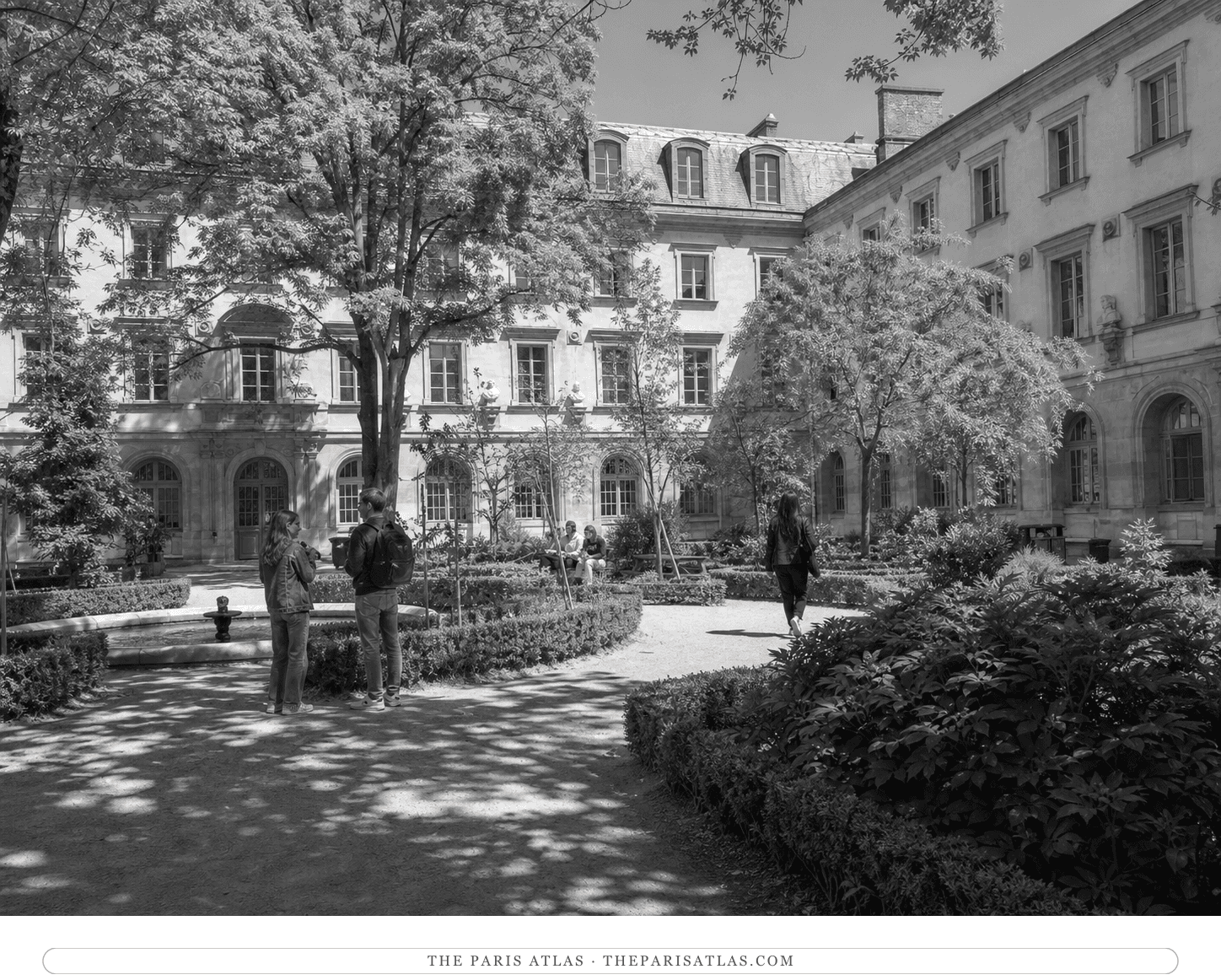
Beckett grew up comfortably Protestant in Catholic Ireland — his father was a quantity surveyor, the professional who prices building work — and was schooled at Portora Royal, a Protestant boarding school in Enniskillen, before entering Trinity College Dublin — Ireland's oldest university — in 1923 to read French and Italian. He was a genuine athlete as well as a scholar: he is the only winner of the Nobel Prize in Literature who also appears in the cricket record books as a first-class player, the game's top competitive grade. In October 1928 Trinity sent him to Paris on an exchange as lecteur d'anglais, the visiting English tutor, at the École Normale Supérieure on the rue d'Ulm in the 5th arrondissement.

The exchange lasted two years and decided everything. He returned to Trinity in 1930 as a lecturer in French, took his master's degree in 1931 and published a short book on Marcel Proust — the French novelist of À la recherche du temps perdu ("In Search of Lost Time") — the same year — and in 1932 abandoned academic life altogether, to his family's dismay. There followed six restless years between Dublin, London and Germany: a first collection of stories, More Pricks Than Kicks (1934), a first novel, Murphy (1938), and a long poem, Whoroscope, which had won a prize offered by Nancy Cunard, the English heiress who ran the Hours Press in Paris and printed it in 1930. It was his first published book, and it was published in Paris.

Joyce's circle — and the secretary myth

In Paris the young Beckett was taken into the circle around James Joyce, the Irish novelist then twenty-four years his senior and at work on the enormous, multilingual book that would become Finnegans Wake. Beckett wrote the opening essay for the 1929 volume of tributes to that work-in-progress, "Dante… Bruno. Vico.. Joyce", and as Joyce's eyesight failed he read aloud to him, ran errands, took down passages and helped with the research the book devoured.

That is the whole basis of the claim, repeated in a thousand articles, that Beckett was "James Joyce's secretary". He never was. He held no post, took no wage and had no title; he was one of several young admirers who helped an almost-blind writer, and he said so himself. The friendship was also not smooth: Joyce's daughter Lucia fell in love with Beckett, he told her plainly that he came to the house for her father, and the Joyces cut him off for a period as a result. What he took from Joyce mattered more than any job would have. Joyce, he came to think, worked by knowing and adding — omniscience, omnipotence, more words — and his own way had to be the opposite: subtraction, impoverishment, less and less until what remains cannot be removed.

The knife, January 1938

Beckett moved to Paris permanently in the summer of 1937, and in January 1938, walking home at night, he was accosted by a stranger — a pimp, as it turned out — who stabbed him in the chest. The blade narrowly missed his heart and punctured a lung. He was carried to hospital, where Joyce arranged and paid for a private room. Asked at the trial why he had done it, his assailant answered that he did not know: "Je ne sais pas, Monsieur" — "I don't know, sir" — a line so exactly like the dialogue Beckett would later write that biographers have never let it go.

Among the visitors to his hospital bed was Suzanne Deschevaux-Dumesnil, a pianist he knew slightly from a Paris tennis club. She stayed. They lived together through the war and its aftermath, she carried his manuscripts around Paris publishers when nobody would take them, and they married in 1961; she died five months before he did. The attack has become the shorthand story about Beckett's Paris — a random assault by a man with no reason, on a street he had chosen to live on — because it sits so close to the shape of everything he wrote after it.

The Resistance cell, and the flight to Roussillon

Beckett was in Ireland visiting his mother when war broke out in 1939, and went straight back to France. As a citizen of neutral Ireland he could have sat the war out in Dublin in complete safety; he said he preferred France at war to Ireland at peace. In 1941 he joined Gloria SMH, a Franco-British intelligence network in Paris, translating and collating agents' reports on German troop movements and typing them up for transmission to London — dangerous clerical work, done in his own flat.

The network was betrayed in August 1942 and its members arrested in numbers; Beckett and Suzanne left their apartment within hours and went south on foot and by train, eventually reaching Roussillon, a small red-ochre village in the Vaucluse in Provence. They spent the rest of the Occupation there under false papers, Beckett working as an agricultural labourer for local farmers and writing the novel Watt at night. France awarded him the Croix de Guerre — the war cross, the country's decoration for bravery under fire — for the Gloria work; he called it all "boy scout stuff" and rarely spoke of it. In 1945 he went back north to Saint-Lô in Normandy, a town flattened in the fighting that followed the Allied landings of June 1944, as storekeeper and interpreter for an Irish Red Cross hospital.

Writing in French, and Godot at the Babylone

After the war he made the decision his whole reputation rests on: he began writing in French. His stated reason was simple, and it is worth taking literally — in French it was easier to write without style. English was his instrument, and he played it too well; the borrowed language forced plainness, stripped the ornament he distrusted in himself, and put a useful distance between the writer and the words. He then translated the results back into English himself, so that the English versions are neither originals nor ordinary translations.

The French years produced an extraordinary run: the three novels Molloy (1951), Malone meurt ("Malone Dies", 1951) and L'Innommable ("The Unnamable", 1953), all issued by Les Éditions de Minuit ("Midnight Editions"), the small Left Bank publisher founded in secret under the Occupation to print writers the Germans had banned, which became his house for life. In the middle of writing them, as a relief from the novels, he wrote a two-act play about two tramps on a country road waiting for a man who does not come.

En attendant Godot ("Waiting for Godot") was published by Minuit in 1952 and first performed on 5 January 1953 at the Théâtre de Babylone, a tiny house on the boulevard Raspail in Montparnasse run by Jean-Marie Serreau, in a staging by the actor-director Roger Blin — who also played Pozzo, the bullying landowner who passes along the road, with Lucien Raimbourg and Pierre Latour as Vladimir and Estragon, the two tramps who wait, and Jean Martin as Lucky, the servant Pozzo drives on a rope. Nothing about it should have worked: no plot, no scenery beyond a tree, no arriving Godot. Audiences argued in the aisles, and the play ran, and within three years it had been staged across Europe and America. The English Waiting for Godot is Beckett's own.

The prize he would not collect

Fame did not change the routine: a flat in the 14th arrondissement, work in the mornings, a country retreat at Ussy-sur-Marne, and a stream of plays that got shorter and stranger — Fin de partie ("Endgame", 1957), Krapp's Last Tape (1958), Happy Days (1961). His Paris friendships were with artists as much as writers: he knew the Swiss sculptor Alberto Giacometti, whose spindly plaster tree was made for the 1961 Paris revival of Godot, and the French artist Marcel Duchamp, who had once exhibited a factory-made urinal as sculpture, with whom he played chess.

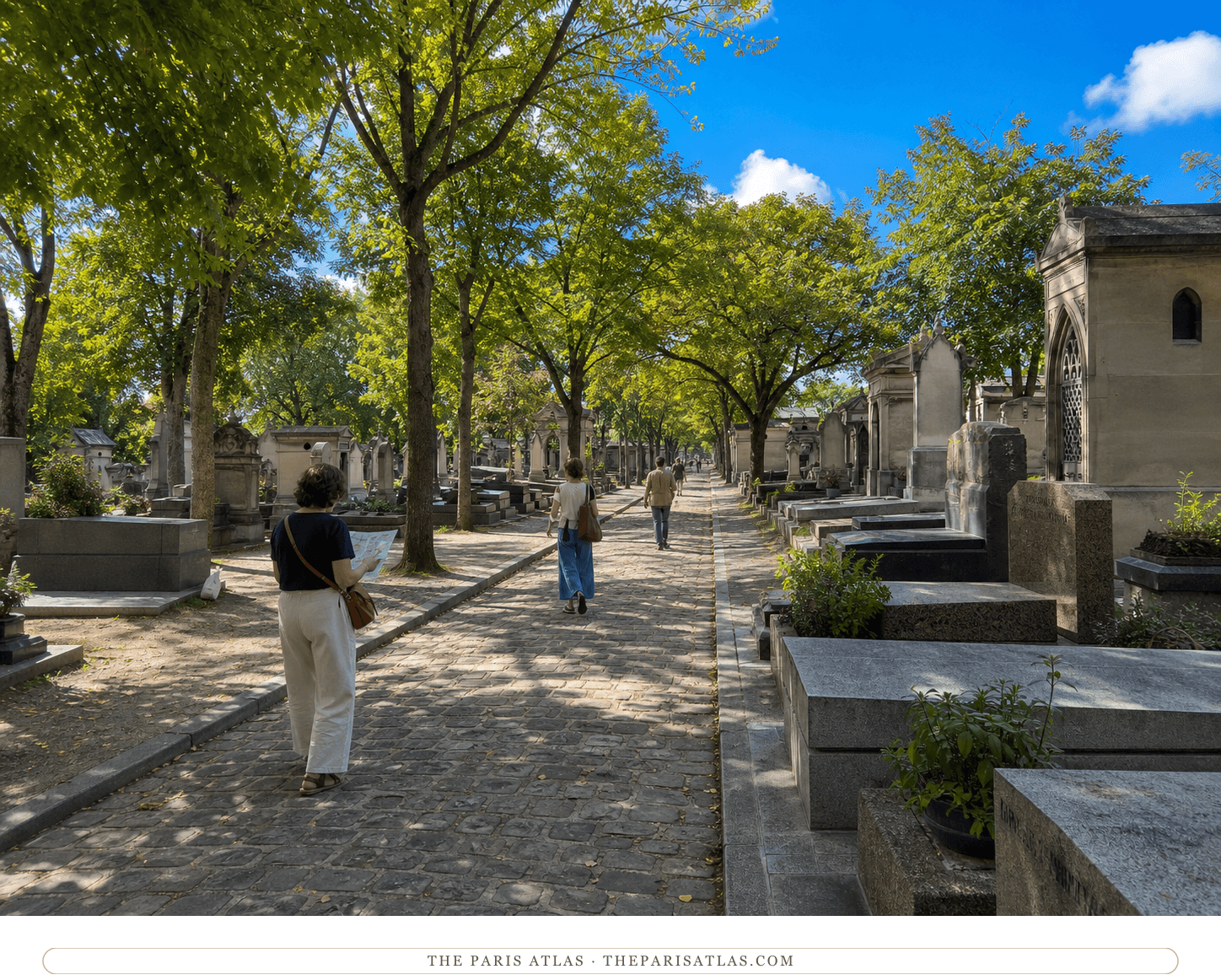
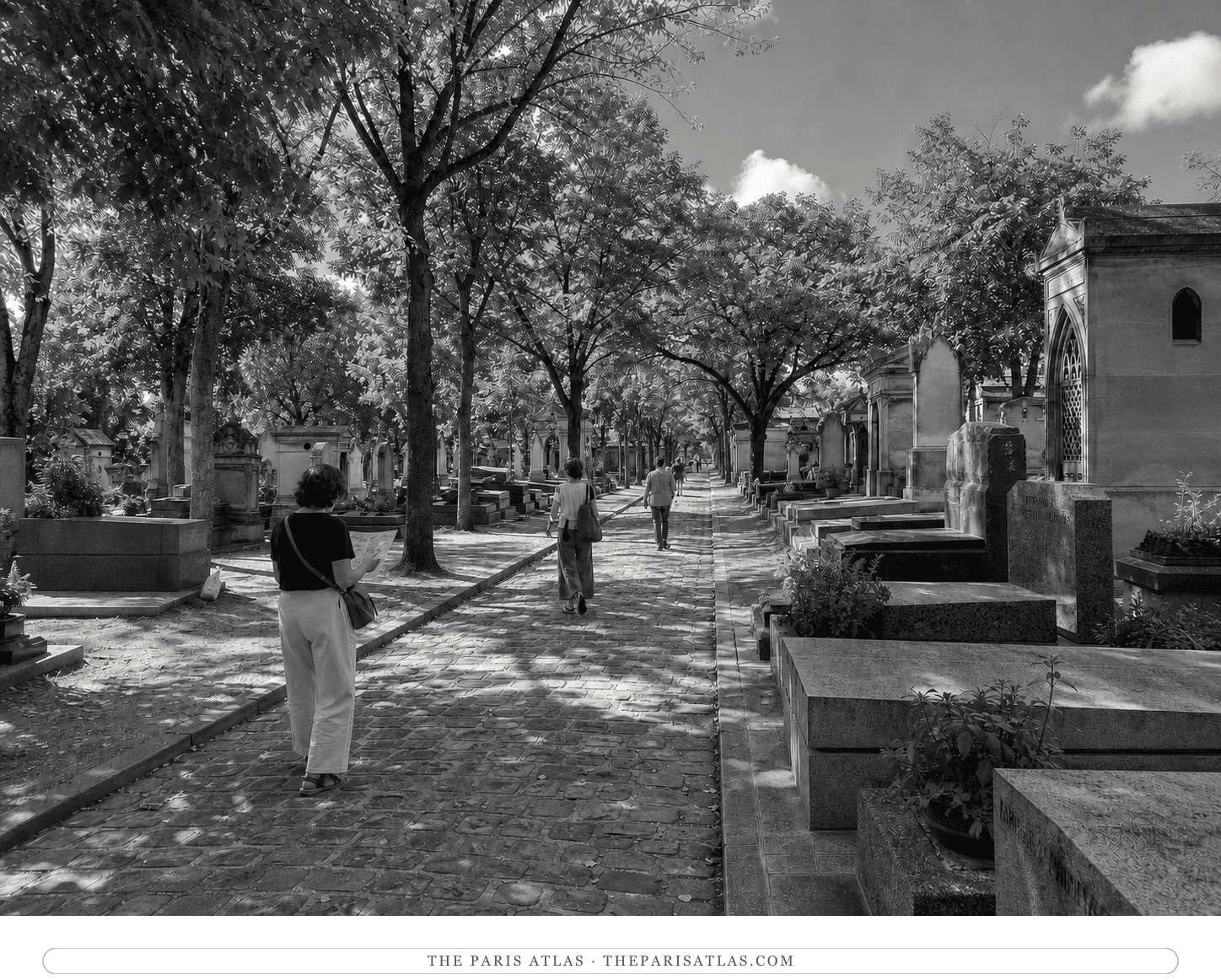
In October 1969 the Swedish Academy in Stockholm, which chooses the Nobel Prize in Literature each year, gave him the prize. Beckett, on holiday in Tunisia, did not go to Stockholm; his publisher Jérôme Lindon of Minuit collected the prize on his behalf, and Beckett gave the money away, largely to writers and to the Trinity College library. He kept working into his eighties, in prose that shrank towards silence, and died on 22 December 1989 in Paris, five months after Suzanne. They are buried together in Montparnasse Cemetery under a plain granite slab: his one instruction about the stone was that it could be any colour anybody liked, so long as it was grey.

Life events

  1. 1906

    Born on 13 April at Foxrock, on the southern edge of Dublin.

    Beckett, Samuel (1906-1989); Samuel Beckett

  2. 1923

    Enters Trinity College Dublin to read French and Italian, after schooling at Portora Royal, Enniskillen.

    Samuel Beckett

  3. 1928

    Arrives in Paris in October as exchange lecturer in English at the École Normale Supérieure, France's most selective teachers' college, on the rue d'Ulm, and enters the circle of the Irish novelist James Joyce.

    Samuel Beckett; James Knowlson, Damned to Fame: The Life of Samuel Beckett (1996)

  4. 1930

    Wins the poetry competition run by the English heiress Nancy Cunard with the long poem Whoroscope, printed in Paris by her Hours Press — his first published book.

    Samuel Beckett; James Knowlson, Damned to Fame: The Life of Samuel Beckett (1996)

  5. 1937

    Having taken his master's degree, published his study Proust (1931) and abandoned university teaching in 1932, he settles in Paris for good in the summer — among the painters, the Dutch brothers Bram and Geer van Velde, the sculptor Alberto Giacometti and the artist Marcel Duchamp, as much as the writers.

    Samuel Beckett

  6. 1938

    Stabbed in the chest on a Paris street in January by a stranger; the blade misses his heart. Suzanne Deschevaux-Dumesnil visits him in hospital, and stays for the rest of his life. Murphy is published in London.

    James Knowlson, Damned to Fame: The Life of Samuel Beckett (1996); Samuel Beckett

  7. 1941

    Joins the Franco-British Resistance network Gloria SMH in occupied Paris, translating and typing agents' reports for London.

    Samuel Beckett; James Knowlson, Damned to Fame: The Life of Samuel Beckett (1996)

  8. 1942

    The network is betrayed in August; Beckett and Suzanne flee Paris within hours for Roussillon in the Vaucluse, where he labours on farms and writes Watt at night.

    Samuel Beckett; James Knowlson, Damned to Fame: The Life of Samuel Beckett (1996)

  9. 1945

    Serves at the Irish Red Cross hospital in the bombed-out town of Saint-Lô in Normandy, and afterwards decides to write in French.

    Samuel Beckett

  10. 1951

    Molloy and Malone meurt ("Malone Dies") are published by Les Éditions de Minuit, the small Left Bank house that publishes him for the rest of his life; L'Innommable ("The Unnamable") follows in 1953.

    Samuel Beckett

  11. 1953

    En attendant Godot ("Waiting for Godot"), published by Minuit in 1952, has its première on 5 January at the Théâtre de Babylone, a tiny theatre on the boulevard Raspail, staged by the actor-director Roger Blin, who also plays Pozzo.

    Samuel Beckett, En attendant Godot — the publisher's record of the 1953 création (1952); En attendant Godot

  12. 1961

    Marries Suzanne Deschevaux-Dumesnil after more than twenty years together.

    Samuel Beckett

  13. 1969

    Awarded the Nobel Prize in Literature. He does not attend; his publisher Jérôme Lindon accepts it for him, and Beckett gives the money away.

    Samuel Beckett; Samuel Beckett

  14. 1989

    Dies in Paris on 22 December, five months after Suzanne; both are buried in Montparnasse Cemetery.

    Beckett, Samuel (1906-1989); Samuel Beckett

People they knew

Documented connections — every one carries its source.

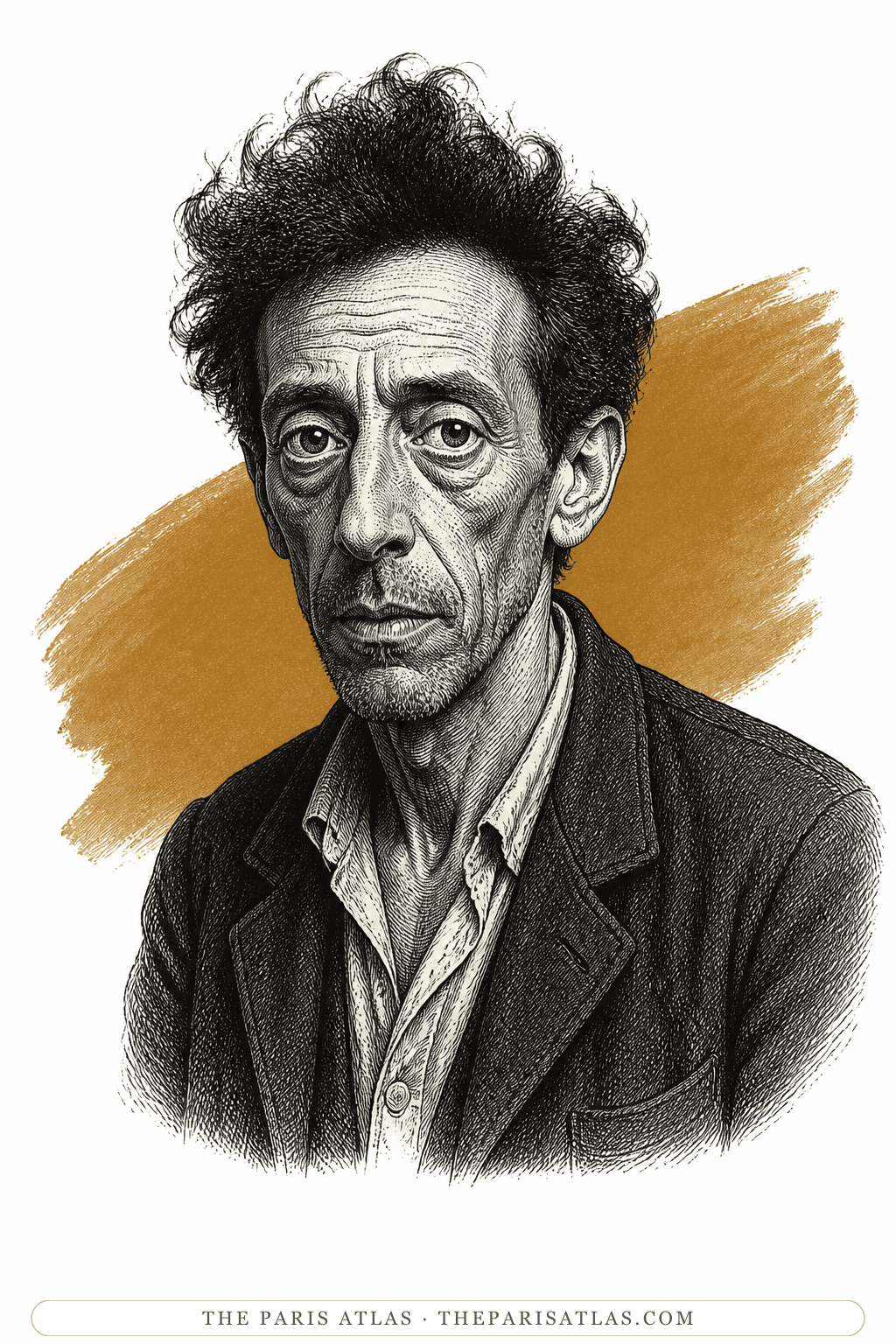
Illustrated portrait of Alberto Giacometti

Alberto Giacometti

  • Sculptor
  • Painter

Met · 1937

When Beckett settled in Paris in the summer of 1937 his closest company was among painters and sculptors rather than writers — the van Velde brothers, Marcel Duchamp, and Giacometti, whose plaster-caked Montparnasse studio was a short walk away. The friendship left one visible object: for the 1961 Paris revival of En attendant Godot at the Odéon, Giacometti made the spindly white tree that is the play's only scenery, the two of them reworking it late into the night.
Samuel Beckett; James Knowlson, Damned to Fame: The Life of Samuel Beckett (1996)

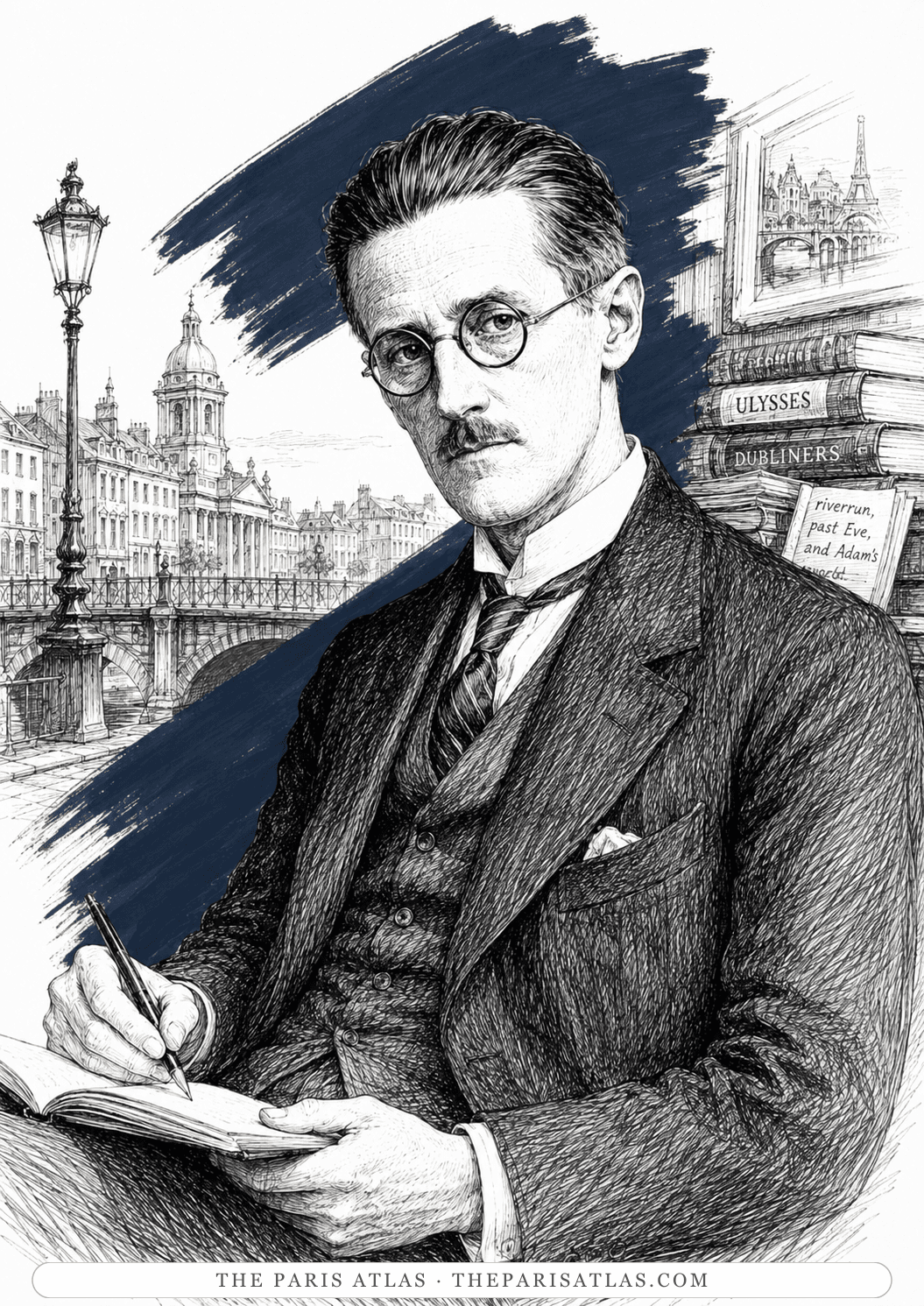
Illustrated portrait of James Joyce

James Joyce

  • Author
  • Poet

Met · 1928

Beckett arrived in Paris in October 1928 as exchange lecturer at the École Normale Supérieure and was taken into the circle around Joyce, twenty-four years his senior and at work on the book that became Finnegans Wake. He wrote the opening essay of the 1929 tribute volume to that work-in-progress and, as Joyce's sight failed, read aloud to him and helped with the research — the whole basis of the persistent claim that he was Joyce's secretary. He was not: he held no post, was never paid, and said so plainly whenever the title was put to him.

Samuel Beckett; James Knowlson, Damned to Fame: The Life of Samuel Beckett (1996)

Illustrated portrait of Marcel Duchamp

Marcel Duchamp

  • Painter
  • Sculptor
  • Filmmaker

Met · 1937

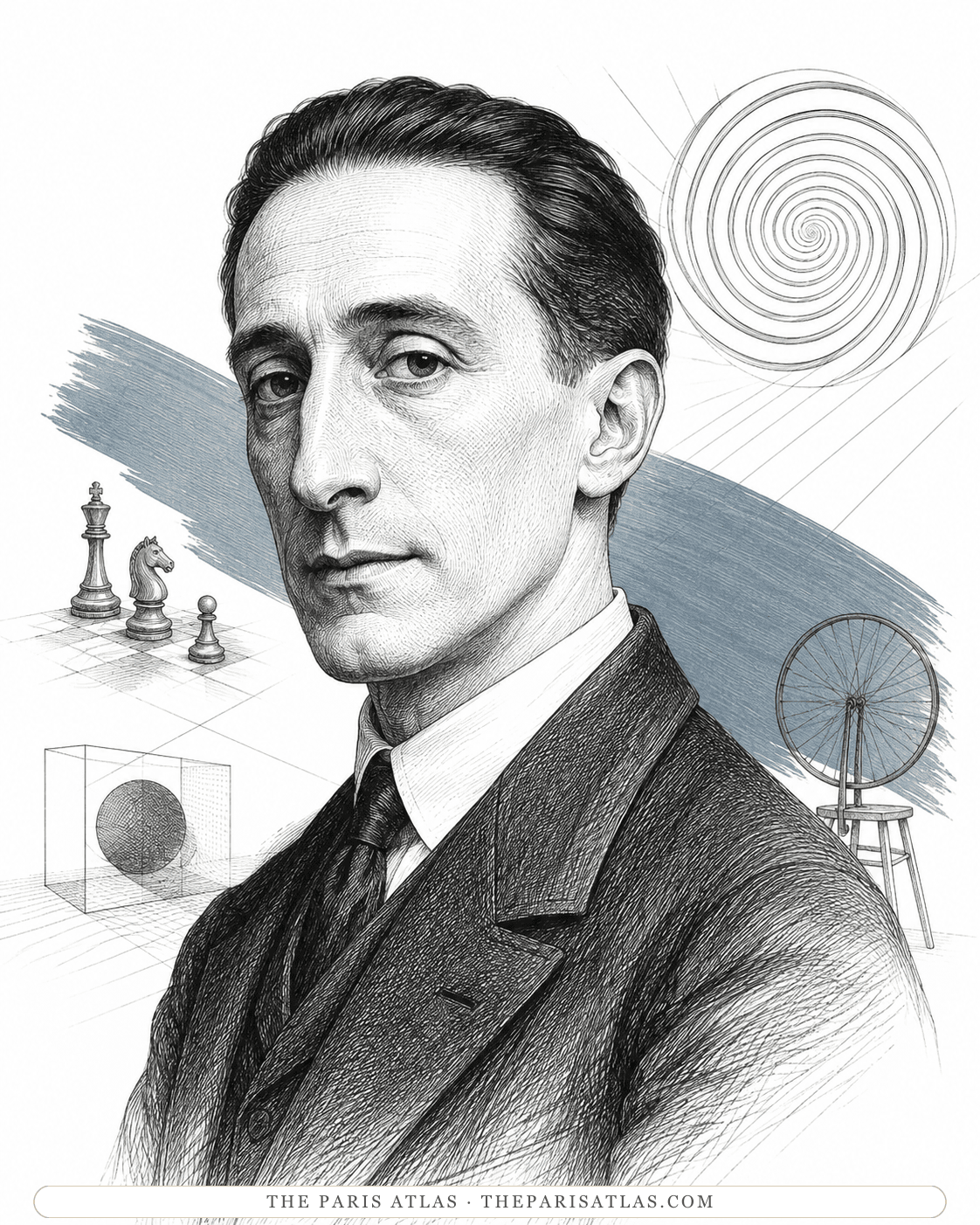
Among the artists Beckett fell in with on settling in Paris in 1937. They were chess partners before they were anything else — Duchamp had largely abandoned art for competitive chess — and they played in Paris and again at Arcachon in 1940, where both had gone ahead of the German advance. Chess as a game of dwindling pieces and forced moves became a structure Beckett used, most openly in Fin de partie ("Endgame"), whose title is the chess term for a game's closing phase.

Samuel Beckett; James Knowlson, Damned to Fame: The Life of Samuel Beckett (1996)

Illustrated portrait of Nancy Cunard

Nancy Cunard

  • Poet
  • Publisher
  • Printer
  • +4

Met · 1930

Cunard, the English shipping heiress who ran the Hours Press in Paris, set a competition in 1930 for the best poem on time. Beckett — twenty-four, and with no book of his own — wrote Whoroscope overnight, won it, and had his first separately published work printed by her press. The friendship lasted: she later put translation work his way, and he contributed translations to her Negro anthology of 1934.

Samuel Beckett; James Knowlson, Damned to Fame: The Life of Samuel Beckett (1996)

Who they drew from

Influence running inward — the writers and artists whose work fed theirs. Admiration is not acquaintance; these edges claim neither a meeting nor a friendship.

Illustrated portrait of James Joyce

James Joyce

The influence ran first as apprenticeship and then as deliberate opposition. Beckett's first published essay (1929) defended Joyce's work-in-progress, and his early fiction carries the debt plainly; but he concluded that Joyce worked by addition — more knowledge, more languages, more words — and that his own way had to be subtraction, towards impoverishment and silence. Larousse sets the two writers side by side as "si proches et si différents": so close and so different.

Samuel Beckett; James Knowlson, Damned to Fame: The Life of Samuel Beckett (1996)

Who drew from them

Influence running outward — the writers and artists who built on their work.

Susan Sontag

In July 1993 Sontag went into besieged Sarajevo and directed Beckett's Waiting for Godot at the Youth Theatre, rehearsing by candle and flashlight in a city whose electricity had been cut off. She staged Act I only, with three pairs of Vladimir and Estragon, and wrote her own account of it for The New York Review of Books that October. The play was her answer to the question of what a writer could usefully do in a city under fire.

Susan Sontag, Godot Comes to Sarajevo (1993); Susan Sontag obituary (2004)

Samuel Beckett’s Places

The cataloged places connected to Samuel Beckett — through the books, and through the documented record.

Places you can enter today appear first, followed by addresses to see from outside and sites that have vanished.

Questions about Samuel Beckett

Was Samuel Beckett James Joyce's secretary?

No — and it is the most repeated false fact about him. Beckett met James Joyce in Paris in 1928 and became a friend and helper of the household: as Joyce's sight failed he read aloud to him, ran errands, did research and took down passages of the book that became Finnegans Wake. He was never employed, never paid, and never held the post; several young admirers helped in the same way. He denied the title whenever it was put to him.

Why did Beckett write in French?

Because it made ornament impossible. After 1945 he wrote first in French — a language he had learned rather than grown up in — and his own explanation was that in French it was easier to write without style. English was his mother tongue and he was too fluent in it; the second language forced plainness and put distance between him and his own eloquence. He then translated his French work into English himself, which is why the English texts read as originals rather than translations.

Where and when did Waiting for Godot premiere?

On 5 January 1953, at the Théâtre de Babylone, a small theatre on the boulevard Raspail in Paris run by Jean-Marie Serreau. The staging was by Roger Blin, who also played Pozzo, with Lucien Raimbourg as Vladimir, Pierre Latour as Estragon and Jean Martin as Lucky. The text had been published in French by Les Éditions de Minuit the year before, in 1952. Beckett's own English version followed, and the play was being performed around the world within three years.

Was Beckett in the French Resistance?

Yes. As a citizen of neutral Ireland he was free to sit out the war in Dublin, and chose not to — he said he preferred France at war to Ireland at peace. From 1941 he worked for Gloria SMH, a Franco-British intelligence network in Paris, translating and typing agents' reports on German troop movements for transmission to London. When the network was betrayed in August 1942 he and Suzanne Deschevaux-Dumesnil fled Paris within hours for the village of Roussillon in Provence, where he worked on farms and wrote the novel Watt. France later awarded him the Croix de Guerre, the war cross given for bravery under fire.

Was Samuel Beckett stabbed in Paris?

Yes, in January 1938, a few months after he settled in the city. Walking home at night, he was accosted by a stranger — a pimp — who stabbed him in the chest, narrowly missing his heart and puncturing a lung. James Joyce arranged a private hospital room for him. Asked in court why he had done it, the man said he did not know. Suzanne Deschevaux-Dumesnil, who visited Beckett in hospital, became his lifelong companion and, in 1961, his wife.

Did Beckett accept the Nobel Prize?

He accepted the prize but refused the occasion. When the Swedish Academy announced the 1969 award he was on holiday in Tunisia and did not travel to Stockholm; his French publisher, Jérôme Lindon of Les Éditions de Minuit, went in his place and collected it for him. Beckett gave most of the money away, to struggling writers and to the library at Trinity College Dublin. He gave no interviews about it.

Where is Samuel Beckett buried?

In Montparnasse Cemetery in Paris, with his wife Suzanne, who died five months before him in 1989. The grave is a plain granite slab bearing only their names and dates — he had specified that the stone could be any colour, provided it was grey.

Was Beckett Irish or French?

Irish by birth and citizenship, French by everything else. He was born at Foxrock outside Dublin in 1906 and never took French nationality, but he lived in Paris from 1937 until his death in 1989, served France in the Resistance, wrote his major work in French first, and published it with a French house, Les Éditions de Minuit. The Bibliothèque nationale de France simply records the two languages side by side: anglais, français.

Sourced claims

Every connection the graph holds for Samuel, with the evidence behind it.

Met · 1937

Alberto Giacometti

When Beckett settled in Paris in the summer of 1937 his closest company was among painters and sculptors rather than writers — the van Velde brothers, Marcel Duchamp, and Giacometti, whose plaster-caked Montparnasse studio was a short walk away. The friendship left one visible object: for the 1961 Paris revival of En attendant Godot at the Odéon, Giacometti made the spindly white tree that is the play's only scenery, the two of them reworking it late into the night.
Samuel Beckett; James Knowlson, Damned to Fame: The Life of Samuel Beckett (1996)

Met · 1928

James Joyce

Beckett arrived in Paris in October 1928 as exchange lecturer at the École Normale Supérieure and was taken into the circle around Joyce, twenty-four years his senior and at work on the book that became Finnegans Wake. He wrote the opening essay of the 1929 tribute volume to that work-in-progress and, as Joyce's sight failed, read aloud to him and helped with the research — the whole basis of the persistent claim that he was Joyce's secretary. He was not: he held no post, was never paid, and said so plainly whenever the title was put to him.

Samuel Beckett; James Knowlson, Damned to Fame: The Life of Samuel Beckett (1996)

Met · 1937

Marcel Duchamp

Among the artists Beckett fell in with on settling in Paris in 1937. They were chess partners before they were anything else — Duchamp had largely abandoned art for competitive chess — and they played in Paris and again at Arcachon in 1940, where both had gone ahead of the German advance. Chess as a game of dwindling pieces and forced moves became a structure Beckett used, most openly in Fin de partie ("Endgame"), whose title is the chess term for a game's closing phase.

Samuel Beckett; James Knowlson, Damned to Fame: The Life of Samuel Beckett (1996)

Met · 1930

Nancy Cunard

Cunard, the English shipping heiress who ran the Hours Press in Paris, set a competition in 1930 for the best poem on time. Beckett — twenty-four, and with no book of his own — wrote Whoroscope overnight, won it, and had his first separately published work printed by her press. The friendship lasted: she later put translation work his way, and he contributed translations to her Negro anthology of 1934.

Samuel Beckett; James Knowlson, Damned to Fame: The Life of Samuel Beckett (1996)

Influenced · 1993

Susan Sontag

In July 1993 Sontag went into besieged Sarajevo and directed Beckett's Waiting for Godot at the Youth Theatre, rehearsing by candle and flashlight in a city whose electricity had been cut off. She staged Act I only, with three pairs of Vladimir and Estragon, and wrote her own account of it for The New York Review of Books that October. The play was her answer to the question of what a writer could usefully do in a city under fire.

Susan Sontag, Godot Comes to Sarajevo (1993); Susan Sontag obituary (2004)

Buried at · 1989

Montparnasse Cemetery

Beckett is buried in Montparnasse cemetery, the burial ground of the quarter he settled in permanently from 1938 — a short walk from the cafés and from the graves of Sartre and Beauvoir.

Sam Slote, Samuel Beckett — Trinity Writers

Exhibited at · 1953

Théâtre de Babylone

En attendant Godot was performed for the first time here on 5 January 1953, directed by Roger Blin, who also played Pozzo. Beckett was forty-six, writing in French as a second language, and almost unknown; his international reputation begins with this run.

En attendant Godot — publisher's record (1952); Théâtre de Babylone, Paris (1952) — authority record

Worked at · 1928

École normale supérieure

Beckett arrived from Trinity College Dublin in 1928 as lecteur d'anglais, an exchange post teaching English, aged twenty-two. The two years on the rue d'Ulm are where he fell in with the circle around James Joyce and became a Paris writer.

Sam Slote, Samuel Beckett — Trinity Writers; Dans les pas de Simone de Beauvoir, rive gauche

Influenced by · 1928

James Joyce

The influence ran first as apprenticeship and then as deliberate opposition. Beckett's first published essay (1929) defended Joyce's work-in-progress, and his early fiction carries the debt plainly; but he concluded that Joyce worked by addition — more knowledge, more languages, more words — and that his own way had to be subtraction, towards impoverishment and silence. Larousse sets the two writers side by side as "si proches et si différents": so close and so different.

Samuel Beckett; James Knowlson, Damned to Fame: The Life of Samuel Beckett (1996)

References

References

The sources below include biographies, scholarly essays, interviews, and primary materials that informed this page. They reflect both the historical record and ongoing critical conversations about Samuel Beckett and their work.

  1. 1Samuel Beckett

    Encyclopédie Larousse

    The standard French encyclopedia life, used throughout for dates, the Gloria network, Roussillon and the Nobel.

    View source
  2. 2Beckett, Samuel (1906-1989)

    Bibliothèque nationale de France

    The Bibliothèque nationale de France authority record: Dublin 1906, Paris 1989, and a career in two languages.

    View source
  3. 3Samuel Beckett

    Academy of American Poets (poets.org)

    The Academy of American Poets biography, in English; the source for the Montparnasse burial.

    View source
  1. 4En attendant Godot — the publisher's record of the 1953 création

    Les Éditions de Minuit, 1952

    His French publisher's record of the play — the 1952 edition and the January 1953 première at the Théâtre de Babylone, with its cast.

    View source
  2. 5Damned to Fame: The Life of Samuel Beckett

    Bloomsbury, 1996

    James Knowlson's authorised biography, the standard life, for the Joyce years, the 1938 stabbing and the Resistance.

i
Why these sources are here

These references anchor the page in the documented record and in the scholarly conversations around Samuel Beckett. Every claim on this page traces back to one or more of the works listed here.

Explore more resources
Browse all authors