The Paris AtlasCharting the artists, works, and places worth returning to.
  • Archivist
· French · 1914–1977

Henri Langlois

The collector who built the Cinémathèque française and programmed film history as one continuous argument — the education the New Wave named as its own, defended in the streets when the government tried to remove him in 1968.

In images

Details

Lived
1914–1977
Born
13 November 1914
Birthplace
Smyrna, Ottoman Empire (now İzmir, Turkey)
Died
13 January 1977 · aged 62
Place of death
Paris, France
Nationality
French
Roles
Archivist

About Henri Langlois

Henri Langlois built the Cinémathèque française, the Paris institution that is both a film archive and a cinema, out of a private collecting habit. He began obsessively acquiring prints in the 1930s, when a film that had finished its commercial run was routinely melted down for its silver, kept the collection out of occupying hands during the war, and programmed what he saved — silent cinema, Hollywood genre pictures, and new work — side by side and out of chronological order. The regulars of those screenings, François Truffaut, Jean-Luc Godard, and the rest of the Cahiers du cinéma circle, became the French New Wave, and when the government tried to remove him in February 1968, they were the ones who put his name on the barricades.

The collector

Langlois was born on 13 November 1914 in Smyrna, the Ottoman port city now called İzmir, and the family later settled in Paris. In the mid-1930s he met Georges Franju, and the two ran a film club, Le Cercle du cinéma, on five hundred francs borrowed from Langlois's parents; they also directed a short together, Le Métro. In 1936 the club grew into the Cinémathèque française, founded with Franju and with the film historian Jean Mitry among the co-founders, to collect and preserve the films the industry treated as scrap.

Among the early rescues was Georges Méliès, the pioneer of the trick film, whom the industry had left selling toys in a railway station. At the old Méliès factory Langlois recovered props and prints that were sitting in decay.

The Occupation

When Germany occupied France, the authorities ordered the destruction of films made before 1937. Langlois and his colleagues hid prints, bought others before they could be seized, and smuggled some out of occupied territory. FIAF, the international federation of film archives he had helped found in 1938, credits his network of contacts with helping the collections survive the war.

The screening rooms and the New Wave

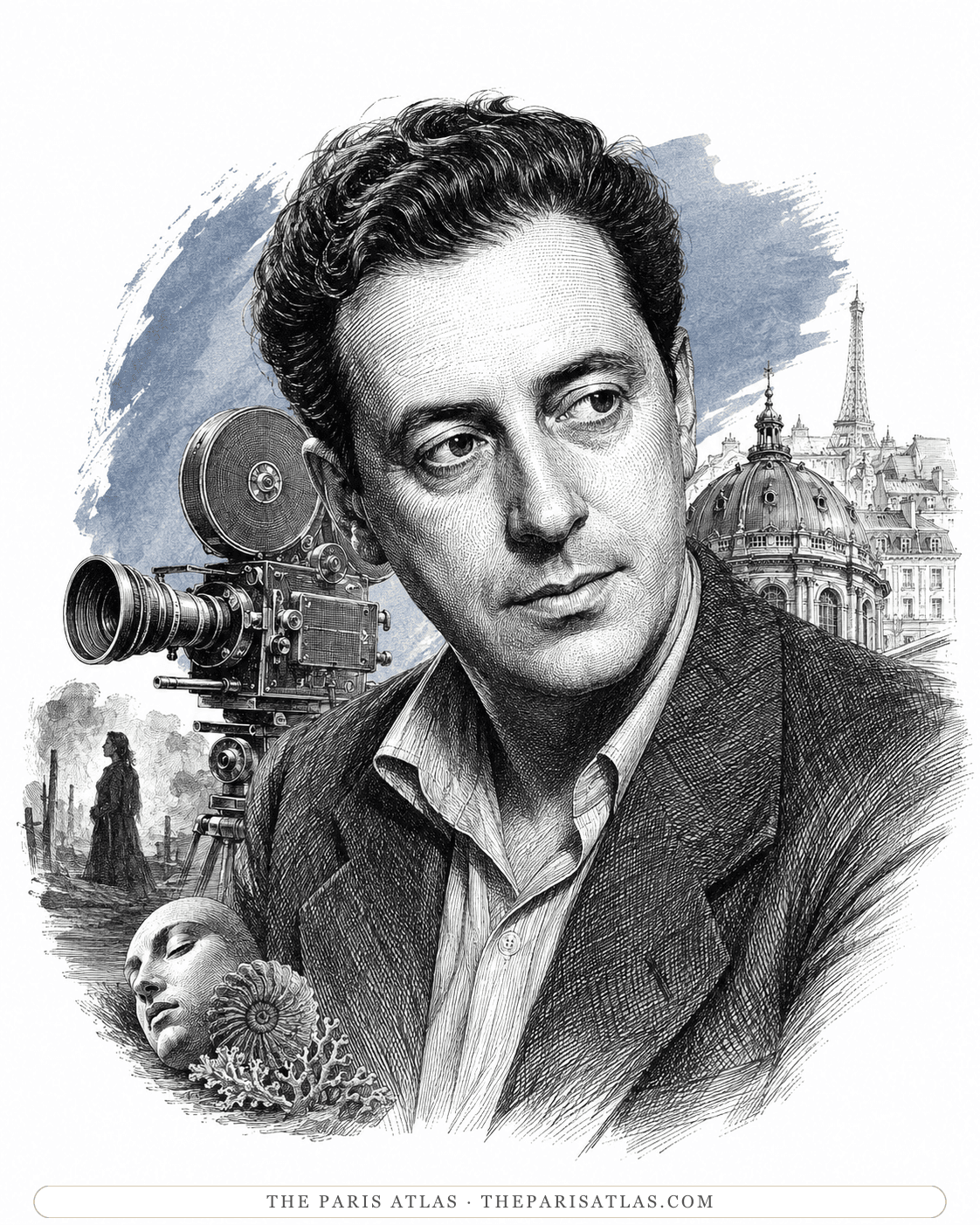
Henri Langlois in the Japanese film journal Eiga Hyōron, May 1966. The dot pattern is the magazine reproduction. Public domain in Japan, reproduced at reduced size under fair use in the US. (Unknown photographer — Eiga Hyōron, via Wikimedia Commons · Fair use)

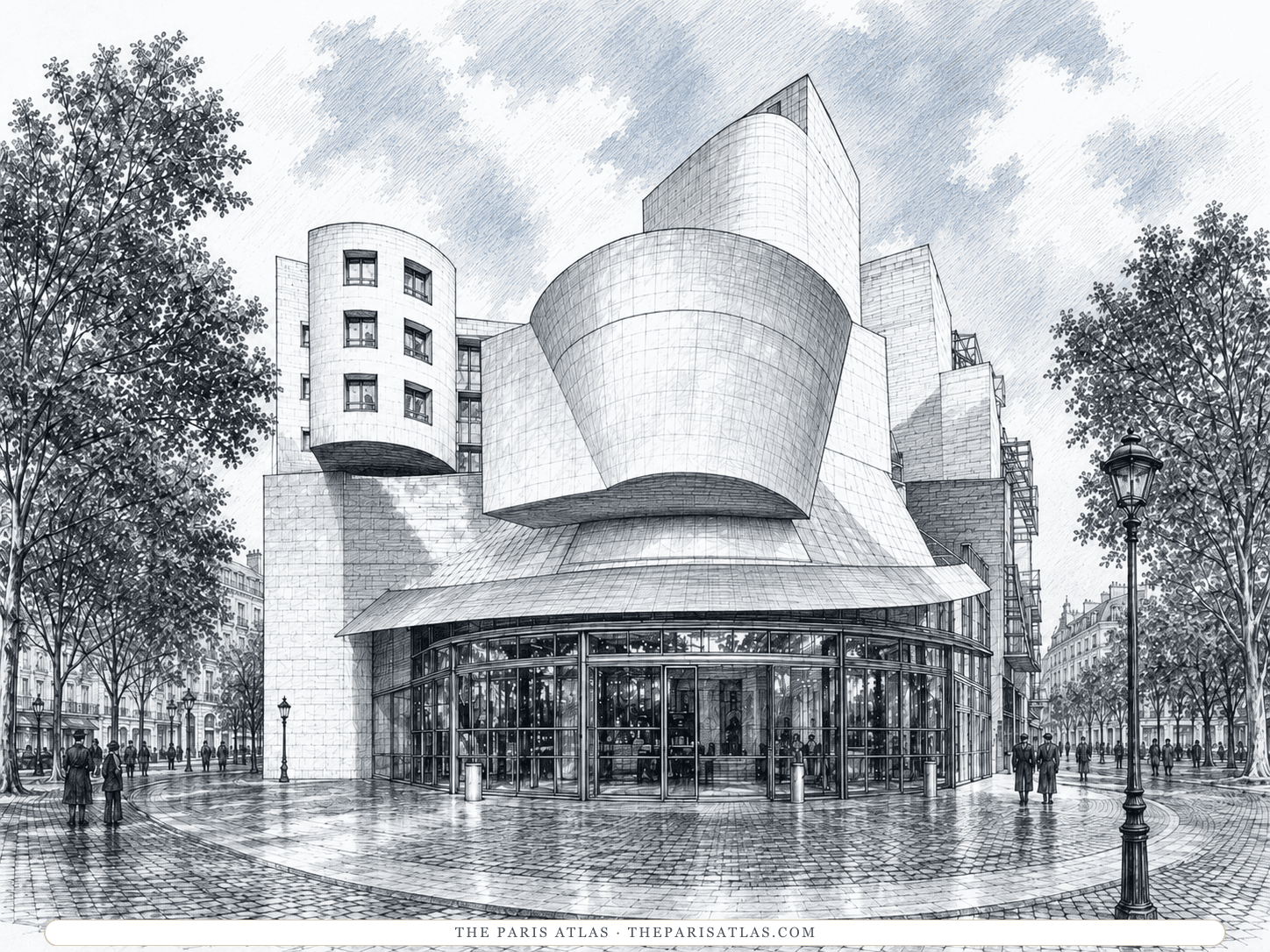
In October 1948 the Cinémathèque opened a small screening room at 7 avenue de Messine in the 8th arrondissement, with exhibition floors above it — the first version of the film museum Langlois would assemble for the rest of his life. The archive's cinema moved to the rue d'Ulm in 1955 and, in June 1963, into the Palais de Chaillot with money from the culture minister André Malraux.

The screenings drew a generation. Truffaut, Godard, Claude Chabrol, Jacques Rivette, and Éric Rohmer — the young critics of Cahiers du cinéma — became known as les enfants de la Cinémathèque, the children of the Cinémathèque, and the film history they absorbed in Langlois's programmes was the education the New Wave later claimed as its own.

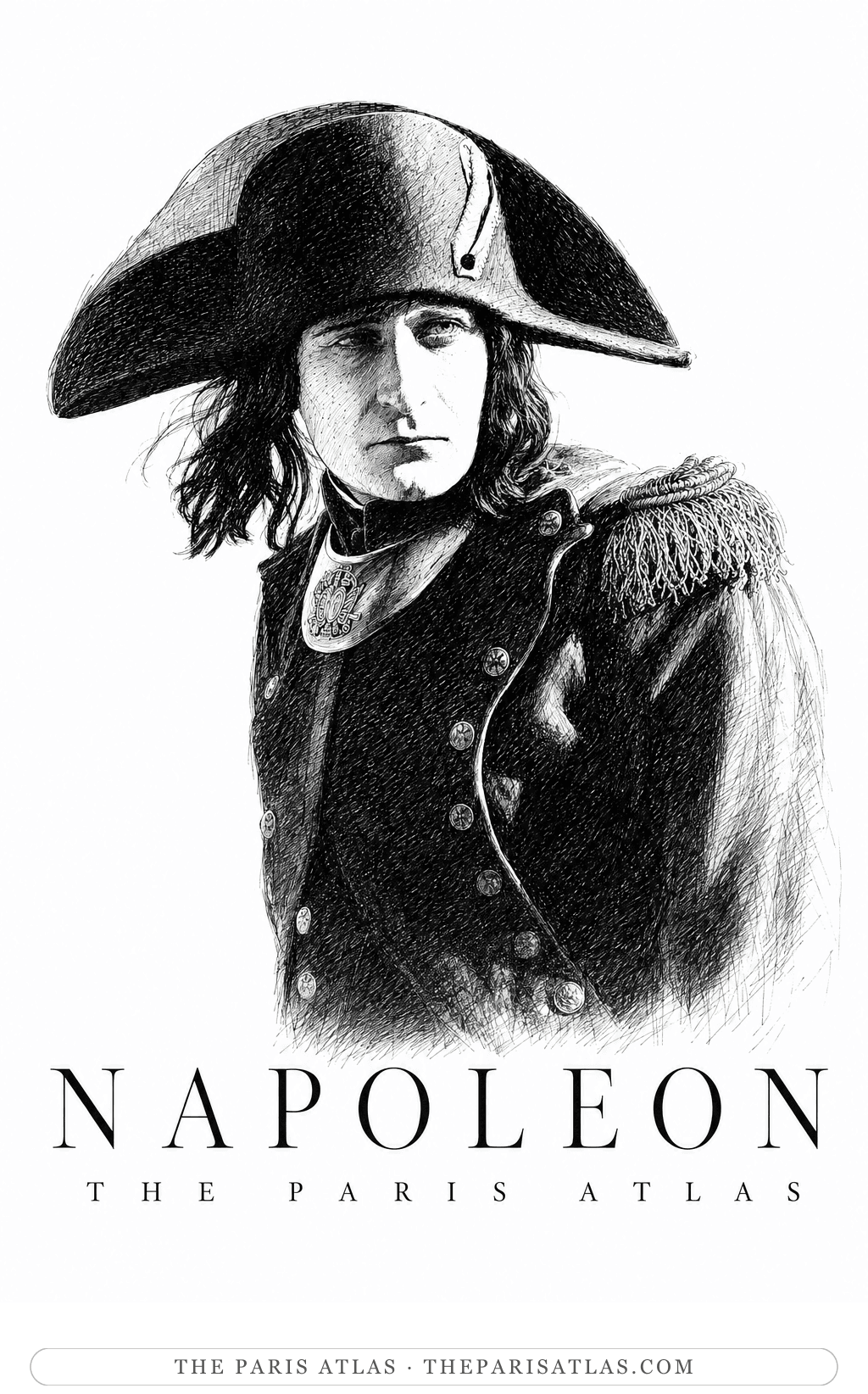
The archive restored as well as showed. Between 1953 and 1959 Langlois and the filmmaker Marie Epstein assembled the Cinémathèque's nineteen-reel "Museum Copy" of Abel Gance's Napoléon, the reference reconstruction that later restorations built on. Musidora, the serial star of the 1910s, ran its historical research section from 1944, gathering the records of early cinema. Mary Meerson, the widow of the set designer Lazare Meerson, became Langlois's companion and closest collaborator at the archive, and remained his partner until his death.

The Langlois affair

On 7 February 1968 the Cinémathèque's board, under pressure from André Malraux's culture ministry, removed Langlois and installed Pierre Barbin in his place, citing mismanagement. A defence committee formed within days, more than 1,500 filmmakers and filmgoers demonstrated in the streets with Truffaut and Godard among the leaders, and telegrams of support arrived from directors including Alfred Hitchcock, Akira Kurosawa, and Federico Fellini.

Malraux reinstated Langlois on 22 April 1968, and the state then cut the archive's subsidy, leaving it to run on less money than before. The affaire Langlois was later read as a prelude to the May 1968 uprising. Truffaut dedicated Stolen Kisses, released that year, to Langlois; the film opens on the locked gates of the shuttered Cinémathèque.

The museum and the Oscar

The Musée du Cinéma, the permanent display of the objects and documents Langlois had collected alongside the films, opened at the Palais de Chaillot on 14 June 1972. In April 1974 the Academy of Motion Picture Arts and Sciences gave him an honorary Academy Award at the 46th ceremony, citing his devotion to the art of film and his work preserving its past. He died of a heart attack in Paris on 13 January 1977, at sixty-two, and is buried in the Montparnasse cemetery. The Cinémathèque he founded still operates in Paris, and the collection he refused to let become scrap remains its core.

Life events

  1. 1914

    Born in Smyrna, the Ottoman port now called İzmir, on 13 November.

  2. 1936

    Founds the Cinémathèque française with Georges Franju, grown from Le Cercle du cinéma, the film club the two ran on money borrowed from Langlois's parents; Jean Mitry is among the co-founders.

  3. 1940–44

    Under the Occupation, hides and smuggles films to keep them from destruction after the German authorities order pre-1937 prints destroyed.

  4. 1948

    Opens a screening room and the first museum displays at 7 avenue de Messine in October.

  5. 1953

    Begins the nineteen-reel "Museum Copy" of Abel Gance's Napoléon with Marie Epstein, completed in 1959.

  6. 1963

    The Cinémathèque moves into the Palais de Chaillot in June, with funds from André Malraux.

  7. 1968

    Removed from the Cinémathèque on 7 February; reinstated on 22 April after protests led by the New Wave directors. The state cuts the subsidy.

  8. 1972

    The Musée du Cinéma opens at the Palais de Chaillot on 14 June.

  9. 1974

    Receives an honorary Academy Award in April.

  10. 1977

    Dies of a heart attack in Paris on 13 January; buried in the Montparnasse cemetery.

People they knew

Documented connections — every one carries its source.

Illustrated portrait of Georges Franju

Georges Franju

  • Filmmaker
  • Archivist

Collaborated with · 1935

Franju and Langlois met in the mid-1930s, ran the film club Le Cercle du cinéma together on money borrowed from Langlois's parents, directed the short Le Métro, and in 1936 founded the Cinémathèque française.
The Kitchen Sisters — Archive Fever: Henri Langlois and the Cinémathèque française; FIAF (International Federation of Film Archives) — Henri Langlois, chronology entry

Movements

The artistic and literary currents this life ran through.

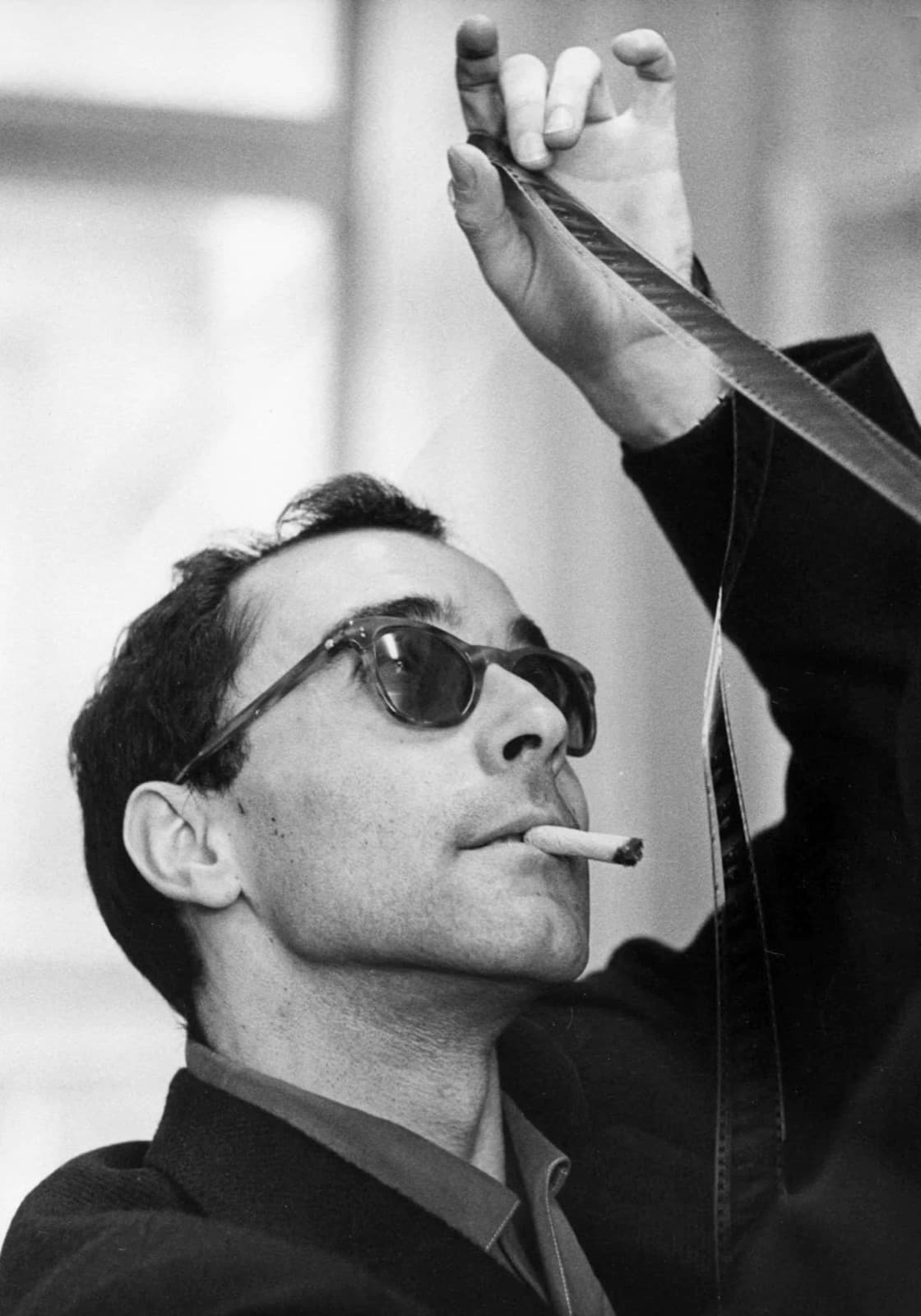
Young Jean-Luc Godard in dark glasses, cigarette in his mouth, holding a strip of film up to the light with both hands

Film movement · c. 1958–1968

The French New Wave

Langlois was not a filmmaker, but the Cinémathèque's screenings were the film education the New Wave claimed as its own. When the state removed him in 1968, its directors led the protests that reversed the decision — the Langlois Affair.

FIAF (International Federation of Film Archives) — Henri Langlois, chronology entry; The Kitchen Sisters — Archive Fever: Henri Langlois and the Cinémathèque française

Organizations

Founded · 1936

Cinémathèque française

The film society Langlois started with Georges Franju among the co-founders; FIAF dates the founding to 1936. He collected prints when studios still melted them for silver, and recovered what remained of Georges Méliès's props and films.

FIAF (International Federation of Film Archives) — Henri Langlois, chronology entry; The Kitchen Sisters — Archive Fever: Henri Langlois and the Cinémathèque française

Questions about Henri Langlois

Who was Henri Langlois?

A French film archivist, born in Smyrna in 1914, who founded the Cinémathèque française in 1936 and ran it for four decades. He built one of the world's great film collections at a time when old prints were routinely destroyed, and his screenings educated the directors of the French New Wave. He died in Paris in 1977.

Who founded the Cinémathèque française?

Henri Langlois and Georges Franju founded it in 1936, with the film historian Jean Mitry among the co-founders. It grew out of Le Cercle du cinéma, a film club Langlois and Franju ran on money borrowed from Langlois's parents, and its purpose was to collect and show films that the industry otherwise scrapped.

What was the Langlois affair of 1968?

The removal and reinstatement of Henri Langlois as head of the Cinémathèque française. On 7 February 1968 the archive's board, under pressure from André Malraux's culture ministry, replaced him with Pierre Barbin; filmmakers led by François Truffaut and Jean-Luc Godard protested in the streets, directors from Alfred Hitchcock to Akira Kurosawa sent telegrams of support, and Malraux reinstated him on 22 April 1968. The state cut the archive's subsidy afterward, and the episode is often read as a prelude to the May 1968 uprising.

Did Henri Langlois win an Oscar?

Yes, an honorary Academy Award, presented at the 46th ceremony in April 1974 for his work preserving film. He never directed a feature himself; the award recognized the Cinémathèque française's collection and his decades of rescue work.

What did Henri Langlois do during the German occupation of Paris?

He hid and smuggled films to keep them from destruction. The occupation authorities ordered films made before 1937 destroyed; Langlois and his colleagues concealed prints, bought others before they could be seized, and moved some out of occupied territory, and the collection survived the war.

How did Henri Langlois die?

Of a heart attack, in Paris on 13 January 1977, at sixty-two. He is buried in the Montparnasse cemetery in Paris.

Sourced claims

Every connection the graph holds for Henri, with the evidence behind it.

Founded · 1936

Cinémathèque française

The film society Langlois started with Georges Franju among the co-founders; FIAF dates the founding to 1936. He collected prints when studios still melted them for silver, and recovered what remained of Georges Méliès's props and films.

FIAF (International Federation of Film Archives) — Henri Langlois, chronology entry; The Kitchen Sisters — Archive Fever: Henri Langlois and the Cinémathèque française

Associated with

The French New Wave

Langlois was not a filmmaker, but the Cinémathèque's screenings were the film education the New Wave claimed as its own. When the state removed him in 1968, its directors led the protests that reversed the decision — the Langlois Affair.

FIAF (International Federation of Film Archives) — Henri Langlois, chronology entry; The Kitchen Sisters — Archive Fever: Henri Langlois and the Cinémathèque française

Reconstructed · 1953–1959

Napoléon

With Marie Epstein, Langlois built the Cinémathèque française's 19-reel “Museum Copy” of Napoléon between 1953 and 1959, the archive's first reference reconstruction of Gance's fragmented film.

La Cinémathèque française — The “Napoléon” Comet: The Expert Appraisal of a Collection

Collaborated with · 1935

Georges Franju

Franju and Langlois met in the mid-1930s, ran the film club Le Cercle du cinéma together on money borrowed from Langlois's parents, directed the short Le Métro, and in 1936 founded the Cinémathèque française.
The Kitchen Sisters — Archive Fever: Henri Langlois and the Cinémathèque française; FIAF (International Federation of Film Archives) — Henri Langlois, chronology entry