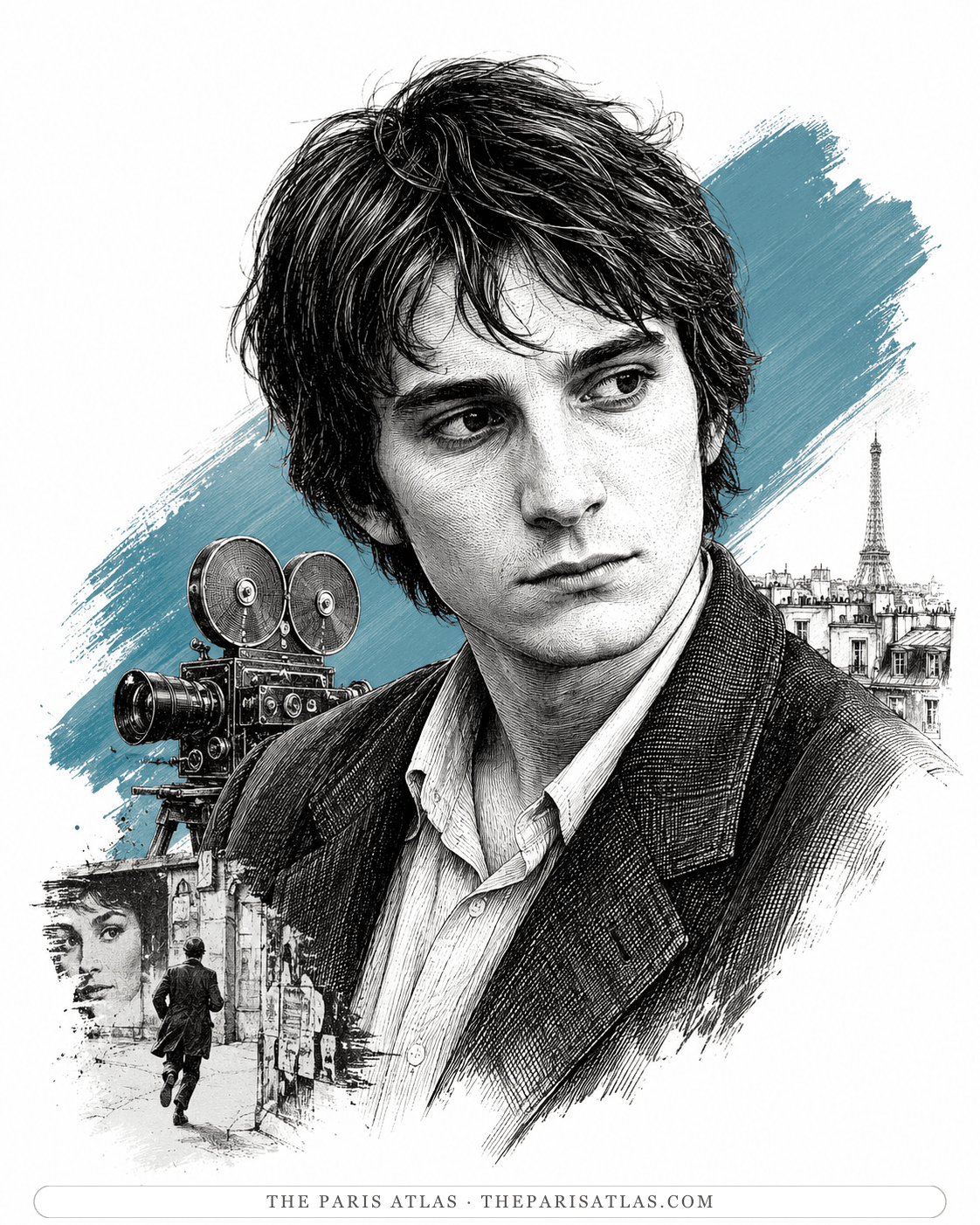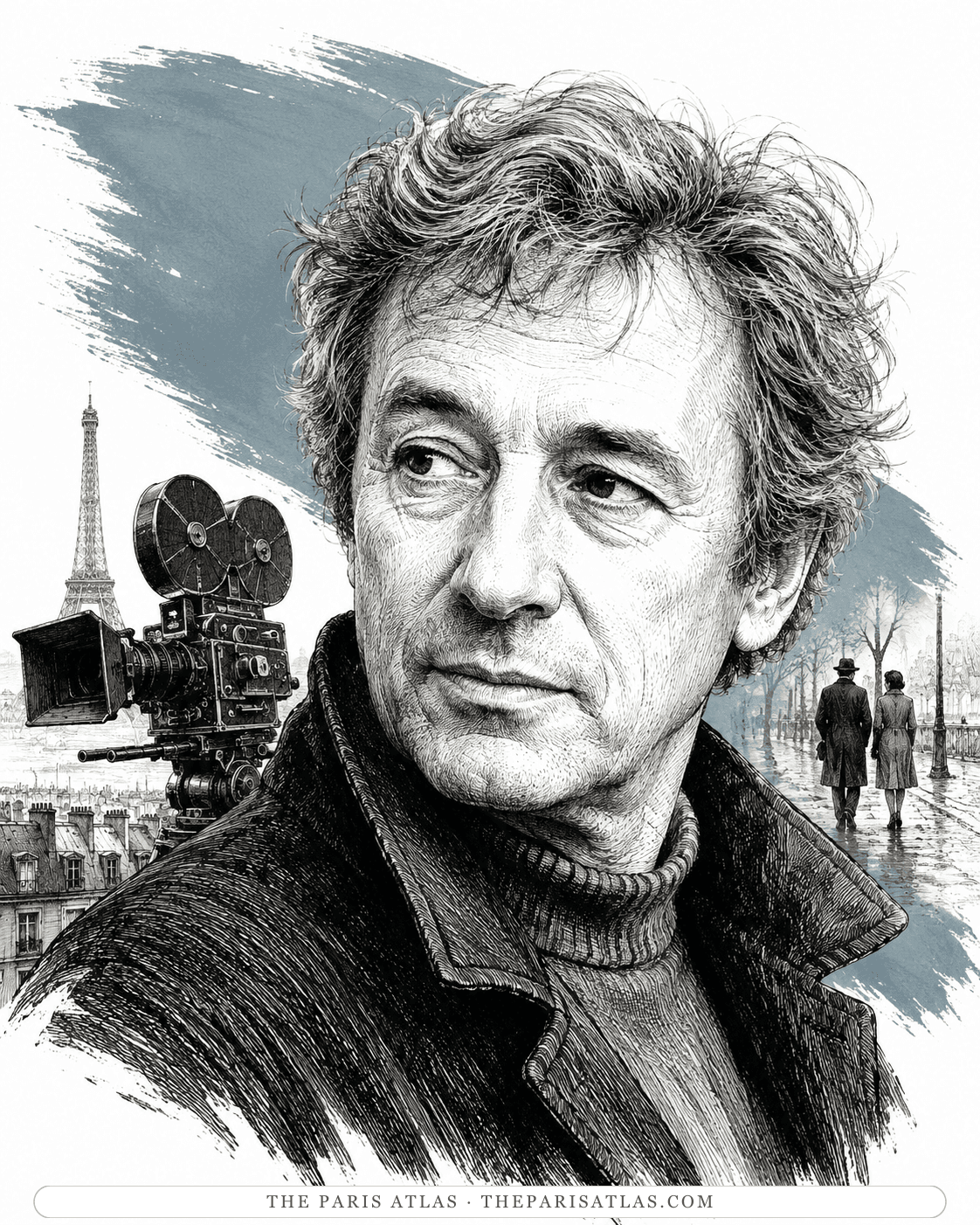
The Paris AtlasCharting the artists, works, and places worth returning to.
  • Filmmaker
  • Critic
  • Actor
· French · 1932–1984

François Truffaut

The delinquent Bazin rescued, the critic they called the gravedigger of French cinema, and the director whose 400 Blows opened the French New Wave.

In images

Details

Lived
1932–1984
Born
6 February 1932
Birthplace
Paris
Died
21 October 1984 · aged 52
Place of death
Neuilly-sur-Seine
Nationality
French
Married
Madeleine Morgenstern · 1957–1965
Partner
Fanny Ardant · 1981–1984
Children
Laura Truffaut, Eva Truffaut, Joséphine Truffaut
Roles
FilmmakerCriticActor

About François Truffaut

François Truffaut lived the New Wave's story in one biography: a semi-abandoned Paris childhood, salvation by cinema and by the critic André Bazin, a ferocious career at Cahiers du cinéma, and then The 400 Blows (1959) — the autobiography that won Cannes one year after Cannes had banned him as a critic, and opened the movement.

Twenty-five features followed in twenty-five years: the Antoine Doinel cycle, Jules and Jim, the Hitchcock interviews, an Oscar for Day for Night, ten Césars for The Last Metro. He died of a brain tumor in 1984, at 52, the movement's most beloved figure and — after the letters of 1973 — permanently estranged from its most famous one.

A childhood worth a film

Truffaut was born in Paris on 6 February 1932 and never knew his biological father. Raised largely by his grandmother, then returned to a mother and stepfather with little use for him, he skipped school for cinemas and ran away repeatedly. At fifteen he founded a film club; its debts brought him before André Bazin, the critic who ran the rival club — and who, over the next decade, repeatedly saved him.

Bazin got him released from a juvenile detention center and gave him work. When Truffaut enlisted in the army at eighteen, regretted it, and deserted, Bazin extracted him again — and hired him at the magazine he had co-founded, Cahiers du cinéma. Truffaut later called cinema his salvation; the record suggests Bazin was.

The gravedigger of French cinema

Truffaut in 1959, the year of The 400 Blows, seated at a wooden school desk — furniture straight out of his own film. Touring Club Italiano archive. (Unknown photographer, Touring Club Italiano, via Wikimedia Commons · CC BY-SA 4.0)

From 1953 he was the most feared critic in Paris — so consistently brutal about the French studio product that he acquired the epithet 'gravedigger of French cinema,' and in 1958 the distinction of being the only French critic not invited to the Cannes festival.

The essay that mattered ran in Cahiers no. 31, January 1954, when he was 22: 'Une certaine tendance du cinéma français,' the attack on the polished, screenwriter-driven 'tradition of quality' that proposed the director as a film's true author. The position hardened into the politique des auteurs, the magazine's house doctrine and, later and looser, the world's auteur theory.

The 400 Blows

One year after being banned from Cannes, he returned with a film and won Best Director. Les Quatre Cents Coups (1959) turned his own childhood — the truancies, the petty thefts, the reformatory — into Antoine Doinel, played by fourteen-year-old Jean-Pierre Léaud, and its success opened the door every other New Wave first feature walked through. The same year he handed Godard the news-item treatment that became Breathless, and lent his newly bankable name to get it financed.

Truffaut in Amsterdam, March 1965, outside the Cinétol cinema — the marquee bills the 'Nouvelle Vague' and Chabrol's Le Beau Serge. Photo: Jack de Nijs / Anefo, Nationaal Archief (CC0). (Jack de Nijs / Anefo, Nationaal Archief, via Wikimedia Commons · CC0)

Léaud grew up on camera as Truffaut's alter ego, across twenty years:

  • The 400 Blows (1959)
  • Antoine and Colette (1962, a short in Love at Twenty)
  • Stolen Kisses (1968)
  • Bed and Board (1970)
  • Love on the Run (1979)

Twenty-five features in twenty-five years

Truffaut directing on location, 1963, hand on the camera. Correio da Manhã archive. (Unknown photographer, Correio da Manhã archive, via Wikimedia Commons · CC BY-SA 4.0)

The critic turned out to be a romantic. Shoot the Piano Player (1960) played with the American genres he had championed; Jules and Jim (1962) made Jeanne Moreau the era's face of impossible love; Fahrenheit 451 (1966) was his first film in English; in The Wild Child (1970) he directed himself as the doctor civilizing a feral boy. Day for Night (1973), his love letter to filmmaking itself, won the Academy Award for best foreign-language film; The Last Metro (1980) took ten Césars; Confidentially Yours (1983) closed the run.

In between he produced one of the essential books on the medium: a week of interviews with Alfred Hitchcock in 1962, published as Le Cinéma selon Hitchcock in 1966 — the book that did as much as any essay to move Hitchcock from entertainer to artist. Spielberg returned the compliment by casting him as the scientist Claude Lacombe in Close Encounters of the Third Kind (1977).

Godard: alliance and rupture

For fifteen years Truffaut and Godard were the movement's twin engines — Cahiers colleagues, co-conspirators on Breathless, and street allies in 1968, when they led the February protests that reinstated Henri Langlois at the Cinémathèque and then, that May, shut down the Cannes festival, hanging from the curtain of the Palais while the screening tried to start. Godard lost his glasses in the scuffle; Truffaut was knocked down.

The friendship ended by mail in 1973. After Day for Night opened, Godard wrote accusing Truffaut of dishonesty — of making the kind of lie about filmmaking his younger self would have savaged. Truffaut answered with a letter of some twenty pages, returning every insult with interest. The two never spoke again; the published correspondence preserves the whole exchange, and no reconciliation ever came.

Neuilly, 1984

Truffaut was diagnosed with a brain tumor in 1983, while expecting a daughter with the actor Fanny Ardant. He died on 21 October 1984 at the American Hospital in Neuilly-sur-Seine, aged 52.

Truffaut's grave in Montmartre Cemetery: black marble, 1932–1984, and visitors' flowers. Photo: ManoSolo13241324 (CC BY-SA 4.0), via Wikimedia Commons. (ManoSolo13241324, via Wikimedia Commons · CC BY-SA 4.0)

He is buried in Montmartre Cemetery — in the same north-of-Paris streets where Antoine Doinel ran.

Life events

  1. 1932

    Born 6 February in Paris.

  2. 1947

    Founds a film club at fifteen; its collapse brings him to André Bazin.

  3. 1950–1951

    Enlists in the army, deserts, and is jailed; Bazin gets him out and into Cahiers du cinéma.

  4. January 1954

    'Une certaine tendance du cinéma français' runs in Cahiers no. 31 — the manifesto against the tradition of quality.

  5. 1958

    The only French critic not invited to the Cannes festival.

  6. 1959

    The 400 Blows wins Best Director at Cannes; he supplies the story of Breathless and backs Godard as its director.

    Truffaut in 1959, the year of The 400 Blows, seated at a wooden school desk — furniture straight out of his own film. Touring Club Italiano archive. (Unknown photographer, Touring Club Italiano, via Wikimedia Commons)

    Sam Wigley, BFI — 10 great French New Wave films

  7. 1960

    Shoot the Piano Player.

  8. 1962

    Jules and Jim; the Hitchcock interviews at Universal.

  9. 1965

    Tours Europe as the movement's ambassador; marriage to Madeleine Morgenstern ends.

    Truffaut in Amsterdam, March 1965, outside the Cinétol cinema — the marquee bills the 'Nouvelle Vague' and Chabrol's Le Beau Serge. Photo: Jack de Nijs / Anefo, Nationaal Archief (CC0). (Jack de Nijs / Anefo, Nationaal Archief, via Wikimedia Commons)
  10. 1966

    Fahrenheit 451; the Hitchcock book is published.

  11. 1968

    Leads the Langlois protests in February; shuts down Cannes with Godard in May.

    Nancy Tartaglione, Deadline — How Francois Truffaut and Jean-Luc Godard Brought the Revolution to Cannes in 1968 (2016)

  12. 1973

    Day for Night — the Oscar, and the letters that end the Godard friendship.

    The Criterion Collection — Godard vs. Truffaut

  13. 1977

    Plays Lacombe in Spielberg's Close Encounters of the Third Kind.

  14. 1980

    The Last Metro wins ten Césars.

  15. 1984

    Dies 21 October of a brain tumor, at the American Hospital in Neuilly, aged 52. Buried in Montmartre Cemetery.

    Truffaut's grave in Montmartre Cemetery: black marble, 1932–1984, and visitors' flowers. Photo: ManoSolo13241324 (CC BY-SA 4.0), via Wikimedia Commons. (ManoSolo13241324, via Wikimedia Commons)

Selected works

Cataloged from the holding institutions' records. Reproductions appear only where the rights are verified.

Cinema

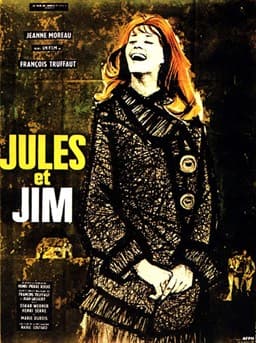
Poster for Jules et Jim (1962): Jeanne Moreau between the two friends

Archival photograph

Film

Jules and Jim

1962 · 105-minute feature, black and white — Franscope widescreen

François Truffaut's third feature turns Henri-Pierre Roché's novel into the New Wave's most beloved film. Before the First World War, two inseparable friends — Jules, an Austrian, and Jim, a Frenchman — both fall for Catherine, a willful, unclassifiable woman played by Jeanne Moreau. She marries Jules, takes Jim as a lover with her husband's consent, and holds the three of them in a love triangle that runs across two decades and a war. Truffaut films it with every freedom the movement had won — voiceover, freeze-frames, newsreel footage, sudden shifts from joy to grief — and Moreau's Catherine became one of the defining faces of the New Wave.
François Truffaut, Jules and Jim, 1962. Image © the rights holder, shown under fair use.

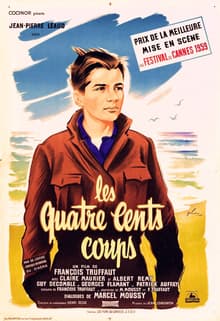
Illustrated French poster for Les Quatre Cents Coups: Antoine in a rust jacket against a pale sea, with a red Cannes prize banner at top

Archival photograph

Film

The 400 Blows

1959 · 35 mm feature film in DyaliScope

Truffaut's first feature turned his own neglected Paris childhood into Antoine Doinel: a boy failed by his mother, his school, and the reformatory, played by fourteen-year-old Jean-Pierre Léaud. One year after Cannes banned Truffaut as a critic, it won him the festival's directing prize, drew 4.1 million French admissions, and ended on the most famous freeze-frame in cinema. The New Wave's door opened here.

François Truffaut, The 400 Blows, 1959. Image © the rights holder, shown under fair use.

In the credits

Works in our catalog that credit François.

People they knew

Documented connections — every one carries its source.

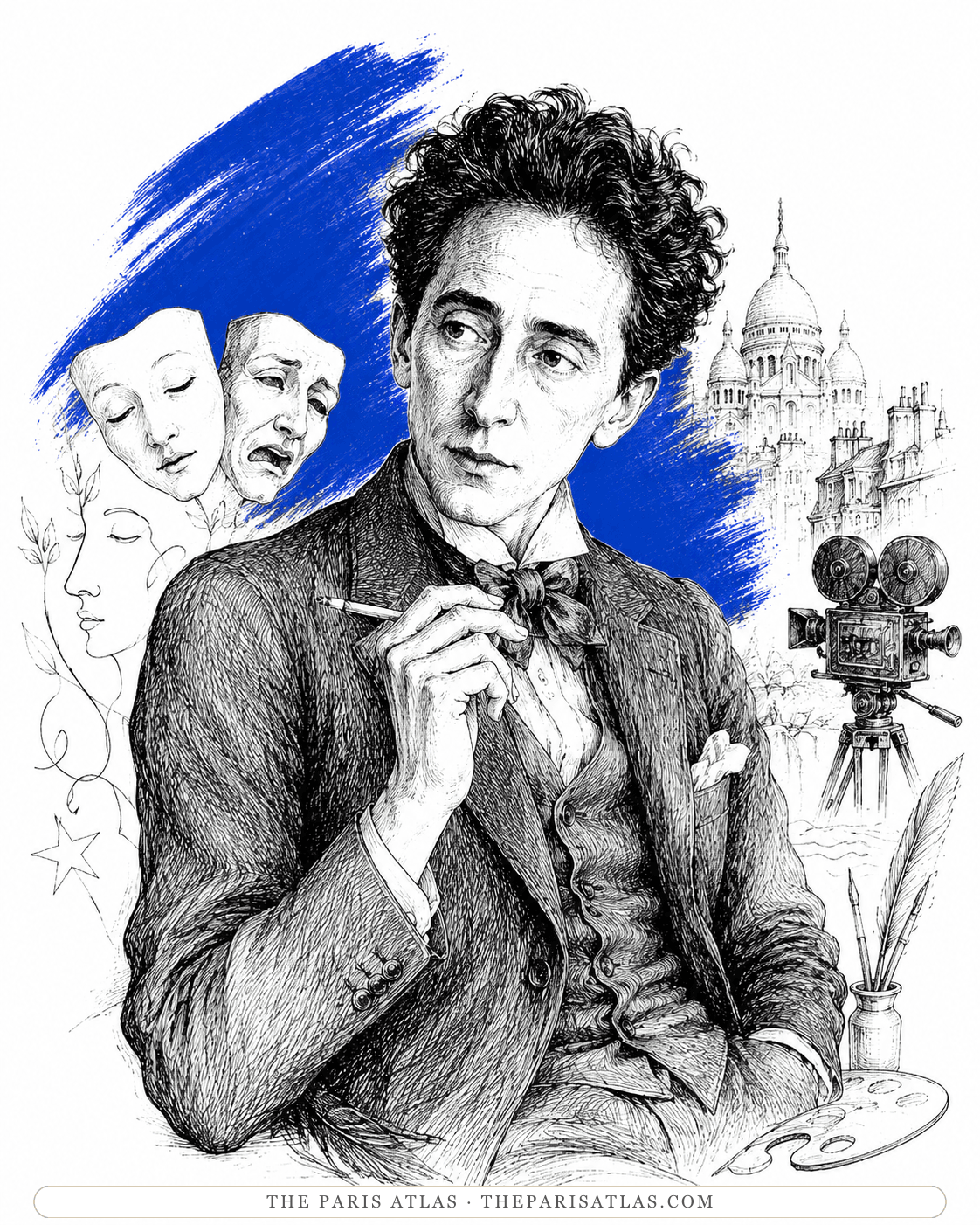
Illustrated portrait of Jean-Luc Godard

Jean-Luc Godard

  • Filmmaker
  • Critic

Clashed with · 1973

The 1973 letters: Godard attacked Day for Night and its maker's honesty; Truffaut answered at furious length. They never spoke again. The exchange survives in the published correspondence.

The Criterion Collection — Godard vs. Truffaut

Collaborated with · 1959–1968

Cahiers colleagues who became the movement's twin engines: Truffaut supplied Breathless's story and his endorsement got Godard the director's chair; in 1968 they led the Langlois protests together and shut down the Cannes festival side by side.

Nancy Tartaglione, Deadline — How Francois Truffaut and Jean-Luc Godard Brought the Revolution to Cannes in 1968 (2016); Encyclopaedia Britannica — Breathless (film by Godard, 1960)

Illustrated portrait of Jean Cocteau

Jean Cocteau

  • Poet
  • Playwright
  • Illustrator
  • +1

Patron of · 1959–1960

Truffaut put his 400 Blows money into Le Testament d'Orphée, Cocteau's last film, and is credited among its producers. Dixon has him giving his Cannes prize money after Cocteau worked behind the scenes for The 400 Blows at the 1959 festival; TCM has him donating the film's profits.

Wheeler Winston Dixon, Senses of Cinema — Jean Cocteau's Testament of Orpheus (2020); Margarita Landazuri, Turner Classic Movies — Orpheus

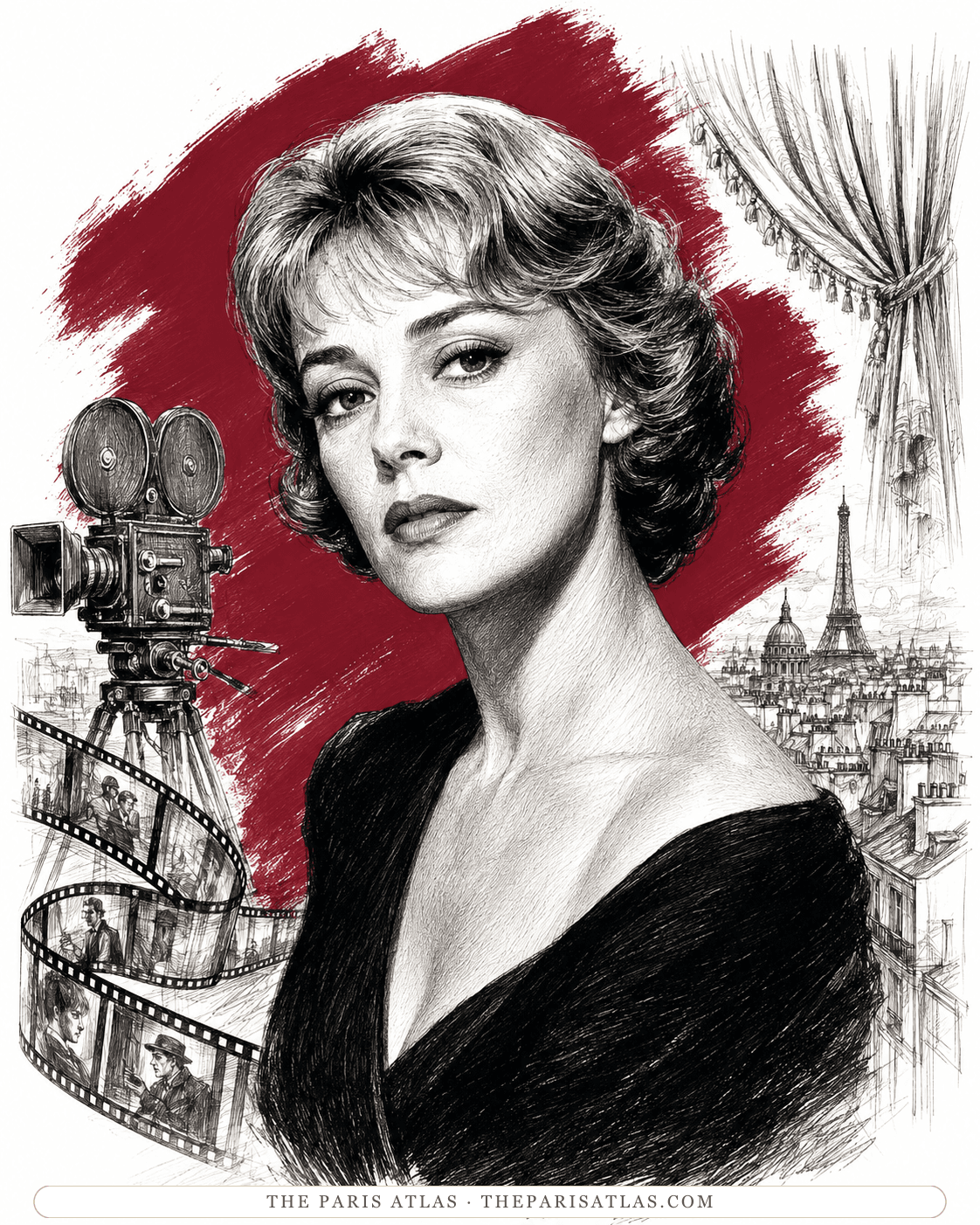
Illustrated portrait of Jeanne Moreau

Jeanne Moreau

  • Actor
  • Filmmaker

Collaborated with · 1962

Truffaut cast Moreau as Catherine in Jules and Jim (1962), her defining role and biggest international success.

Encyclopaedia Britannica — Jeanne Moreau; Encyclopaedia Britannica — New Wave (French film movement)

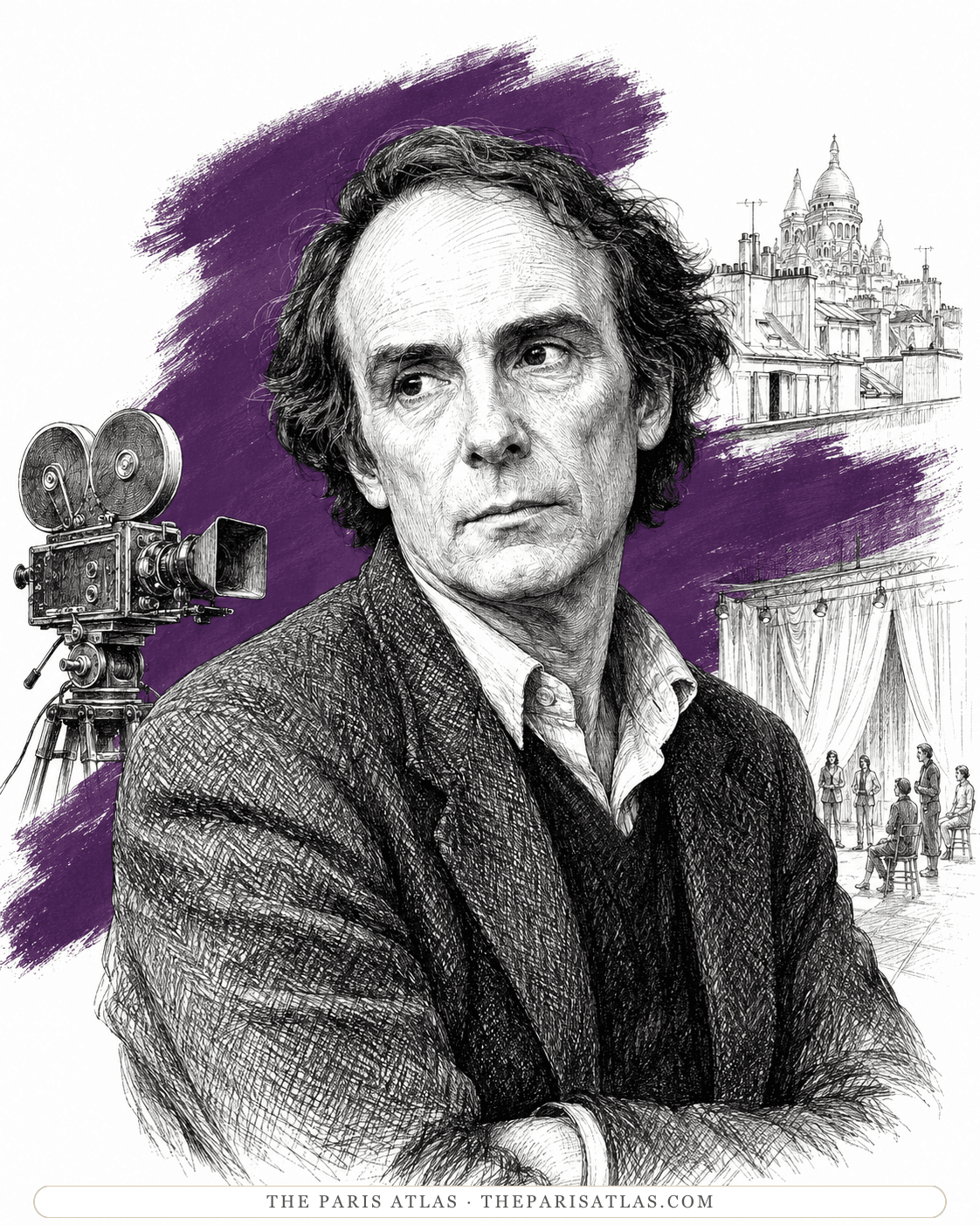
Illustrated portrait of Jacques Rivette

Jacques Rivette

  • Filmmaker
  • Critic

Collaborated with · 1961

Truffaut's production company, Les Films du Carrosse, helped finish Rivette's long-delayed debut Paris Belongs to Us, released in 1961. The two were part of the Cahiers du cinéma circle together.

Encyclopaedia Britannica — Jacques Rivette; Encyclopaedia Britannica — New Wave (French film movement)

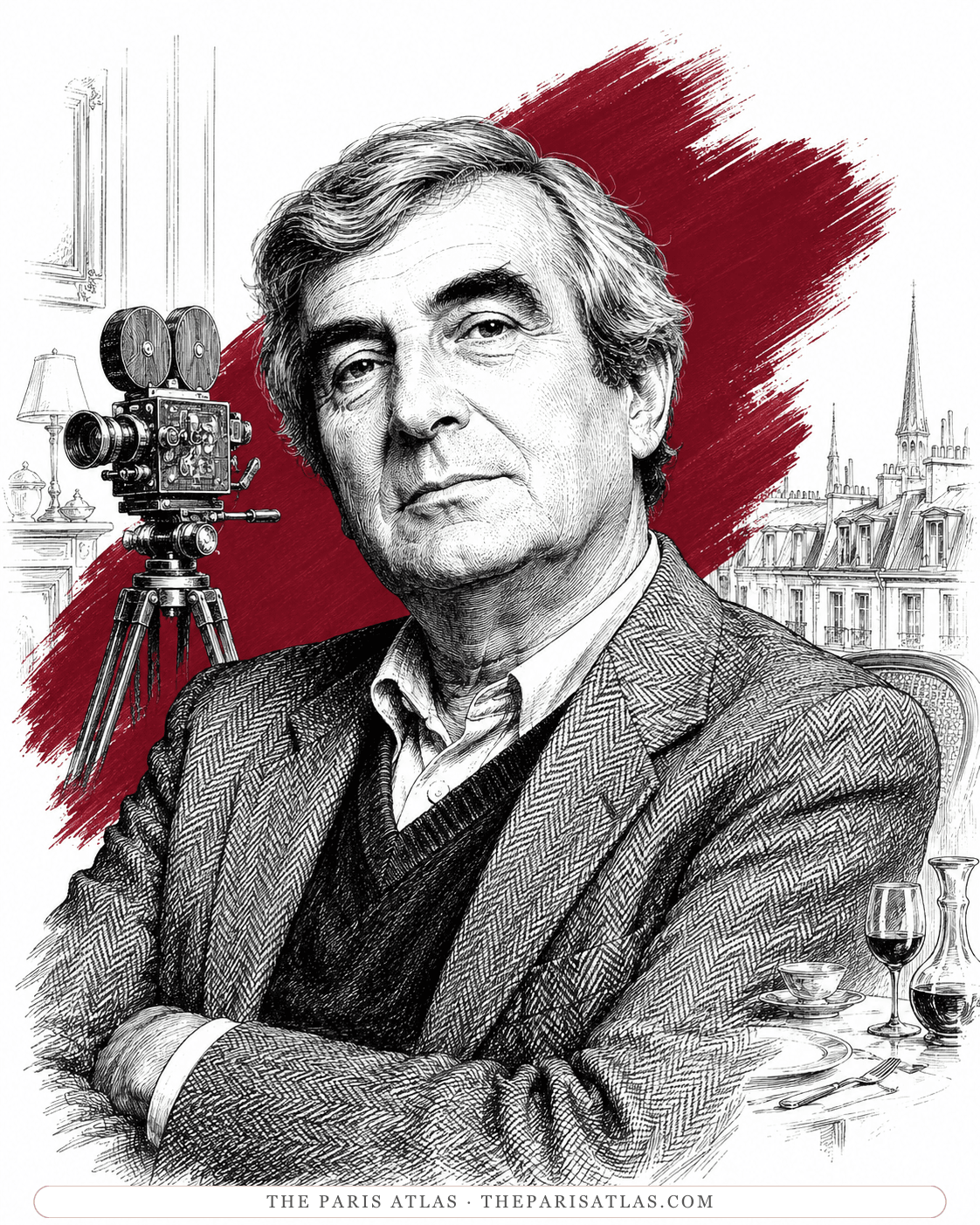
Illustrated portrait of Claude Chabrol

Claude Chabrol

  • Filmmaker
  • Critic

Collaborated with · 1961

Both were Cahiers du cinéma critics; Chabrol's production company Ajym Films and Truffaut's Les Films du Carrosse together helped finish Jacques Rivette's long-delayed debut Paris Belongs to Us (1961).

The Criterion Collection — Le Beau Serge; Encyclopaedia Britannica — New Wave (French film movement)

Illustrated portrait of Jean-Pierre Léaud

Jean-Pierre Léaud

  • Actor

Collaborated with · 1959–1979

Truffaut cast Léaud as Antoine Doinel in The 400 Blows and kept returning to the character with the same actor for twenty years, through Antoine et Colette, Stolen Kisses, Bed and Board, and Love on the Run.

Encyclopaedia Britannica — The 400 Blows; Truffaut par Truffaut: Les Films du Carrosse — La Cinémathèque française

Illustrated portrait of Raoul Coutard

Raoul Coutard

  • Cinematographer

Collaborated with · 1960–1968

Coutard photographed Shoot the Piano Player (1960), Jules and Jim (1962), and The Bride Wore Black (1968) for Truffaut. The two disagreed sharply over the last of them.

Wikipedia — Raoul Coutard; The Criterion Collection — Jules and Jim

Who they drew from

Influence running inward — the writers and artists whose work fed theirs. Admiration is not acquaintance; these edges claim neither a meeting nor a friendship.

Illustrated portrait of Jean Renoir

Jean Renoir

Truffaut belonged to the circle of young Cahiers critics who adored Renoir and paid him homage in their own films, and the debt is stamped on his company papers: he named his production house Les Films du Carrosse after Renoir's The Golden Coach.

Truffaut par Truffaut: Les Films du Carrosse — La Cinémathèque française; The Complete Jean Renoir — Harvard Film Archive (2017)

Movements

The artistic and literary currents this life ran through.

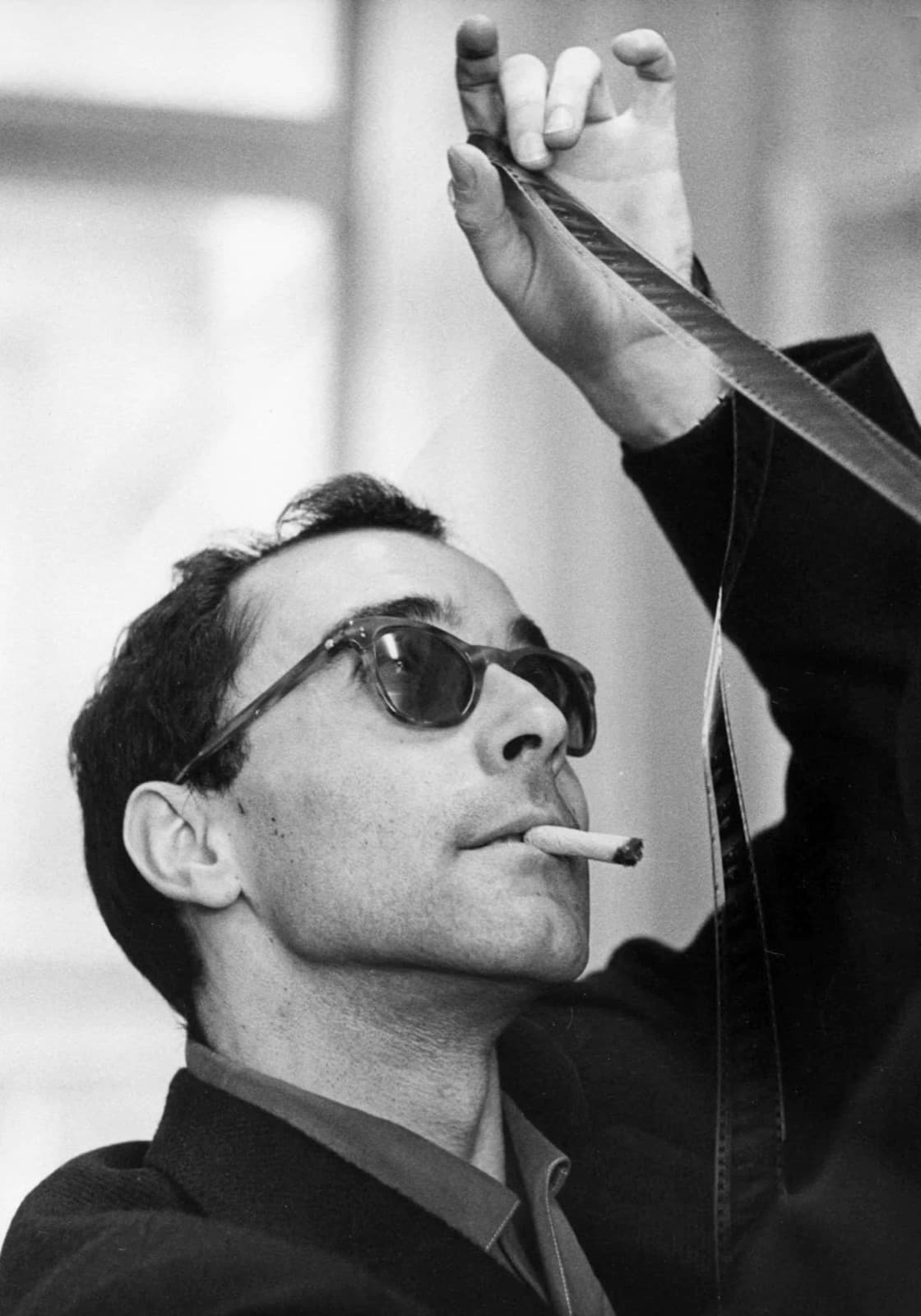
Young Jean-Luc Godard in dark glasses, cigarette in his mouth, holding a strip of film up to the light with both hands

Film movement · c. 1958–1968

The French New Wave

Wrote the movement's manifesto essay in 1954, opened its breakthrough year with The 400 Blows at Cannes 1959, and remained its most beloved director until his death.

Encyclopaedia Britannica — New Wave (French film movement); Sam Wigley, BFI — 10 great French New Wave films

Organizations

Frequented

Cinémathèque française

Truffaut and company went to Langlois's screenings as many as six films a day — the education the movement built on. In February 1968 he led the protests that reinstated Langlois after the government tried to remove him.

The Kitchen Sisters — Archive Fever: Henri Langlois and the Cinémathèque française; Nancy Tartaglione, Deadline — How Francois Truffaut and Jean-Luc Godard Brought the Revolution to Cannes in 1968 (2016)

Questions about François Truffaut

Who was François Truffaut?

A French filmmaker and critic (1932–1984), a leading figure of the French New Wave. Rescued from a delinquent Paris childhood by the critic André Bazin, he became Cahiers du cinéma's fiercest voice before directing The 400 Blows.

What is François Truffaut best known for?

The 400 Blows (1959), which opened the New Wave and won him best director at Cannes; the Antoine Doinel cycle, Jules and Jim, and the Oscar-winning Day for Night; and his 1954 essay proposing the director as a film's true author.

How did François Truffaut die?

Of a brain tumor, on 21 October 1984, at the American Hospital in Neuilly-sur-Seine, outside Paris. He was 52 and was buried in Montmartre Cemetery.

Is The 400 Blows autobiographical?

Substantially, yes. Antoine Doinel's truancy, neglect, and reform school follow Truffaut's own Paris childhood, and he cast Jean-Pierre Léaud — who would play Doinel for twenty years — as his screen self.

Why did Truffaut and Godard fall out?

Over letters in 1973, after Godard wrote attacking Day for Night and its maker's honesty. Truffaut's furious reply — some twenty pages — ended the friendship, and the two never spoke again.

Was Truffaut in Close Encounters of the Third Kind?

Yes — Spielberg cast him as Claude Lacombe, the French scientist leading the UFO investigation, in 1977. It was his most prominent acting role outside his own films.

Sourced claims

Every connection the graph holds for François, with the evidence behind it.

Associated with · 1954–1984

The French New Wave

Wrote the movement's manifesto essay in 1954, opened its breakthrough year with The 400 Blows at Cannes 1959, and remained its most beloved director until his death.

Encyclopaedia Britannica — New Wave (French film movement); Sam Wigley, BFI — 10 great French New Wave films

Clashed with · 1973

Jean-Luc Godard

The 1973 letters: Godard attacked Day for Night and its maker's honesty; Truffaut answered at furious length. They never spoke again. The exchange survives in the published correspondence.

The Criterion Collection — Godard vs. Truffaut

Collaborated with · 1959–1968

Jean-Luc Godard

Cahiers colleagues who became the movement's twin engines: Truffaut supplied Breathless's story and his endorsement got Godard the director's chair; in 1968 they led the Langlois protests together and shut down the Cannes festival side by side.

Nancy Tartaglione, Deadline — How Francois Truffaut and Jean-Luc Godard Brought the Revolution to Cannes in 1968 (2016); Encyclopaedia Britannica — Breathless (film by Godard, 1960)

Frequented

Cinémathèque française

Truffaut and company went to Langlois's screenings as many as six films a day — the education the movement built on. In February 1968 he led the protests that reinstated Langlois after the government tried to remove him.

The Kitchen Sisters — Archive Fever: Henri Langlois and the Cinémathèque française; Nancy Tartaglione, Deadline — How Francois Truffaut and Jean-Luc Godard Brought the Revolution to Cannes in 1968 (2016)

Patron of · 1959–1960

Jean Cocteau

Truffaut put his 400 Blows money into Le Testament d'Orphée, Cocteau's last film, and is credited among its producers. Dixon has him giving his Cannes prize money after Cocteau worked behind the scenes for The 400 Blows at the 1959 festival; TCM has him donating the film's profits.

Wheeler Winston Dixon, Senses of Cinema — Jean Cocteau's Testament of Orpheus (2020); Margarita Landazuri, Turner Classic Movies — Orpheus

Collaborated with · 1962

Jeanne Moreau

Truffaut cast Moreau as Catherine in Jules and Jim (1962), her defining role and biggest international success.

Encyclopaedia Britannica — Jeanne Moreau; Encyclopaedia Britannica — New Wave (French film movement)

Collaborated with · 1961

Jacques Rivette

Truffaut's production company, Les Films du Carrosse, helped finish Rivette's long-delayed debut Paris Belongs to Us, released in 1961. The two were part of the Cahiers du cinéma circle together.

Encyclopaedia Britannica — Jacques Rivette; Encyclopaedia Britannica — New Wave (French film movement)

Collaborated with · 1961

Claude Chabrol

Both were Cahiers du cinéma critics; Chabrol's production company Ajym Films and Truffaut's Les Films du Carrosse together helped finish Jacques Rivette's long-delayed debut Paris Belongs to Us (1961).

The Criterion Collection — Le Beau Serge; Encyclopaedia Britannica — New Wave (French film movement)

Influenced by

Jean Renoir

Truffaut belonged to the circle of young Cahiers critics who adored Renoir and paid him homage in their own films, and the debt is stamped on his company papers: he named his production house Les Films du Carrosse after Renoir's The Golden Coach.

Truffaut par Truffaut: Les Films du Carrosse — La Cinémathèque française; The Complete Jean Renoir — Harvard Film Archive (2017)

Collaborated with · 1959–1979

Jean-Pierre Léaud

Truffaut cast Léaud as Antoine Doinel in The 400 Blows and kept returning to the character with the same actor for twenty years, through Antoine et Colette, Stolen Kisses, Bed and Board, and Love on the Run.

Encyclopaedia Britannica — The 400 Blows; Truffaut par Truffaut: Les Films du Carrosse — La Cinémathèque française

Collaborated with · 1960–1968

Raoul Coutard

Coutard photographed Shoot the Piano Player (1960), Jules and Jim (1962), and The Bride Wore Black (1968) for Truffaut. The two disagreed sharply over the last of them.

Wikipedia — Raoul Coutard; The Criterion Collection — Jules and Jim