The Paris AtlasCharting the artists, works, and places worth returning to.

Film archive · 1936–present

Cinémathèque française

The archive that saved film from the scrap heap, and the screening rooms where its history was taught as one continuous argument.

Founders
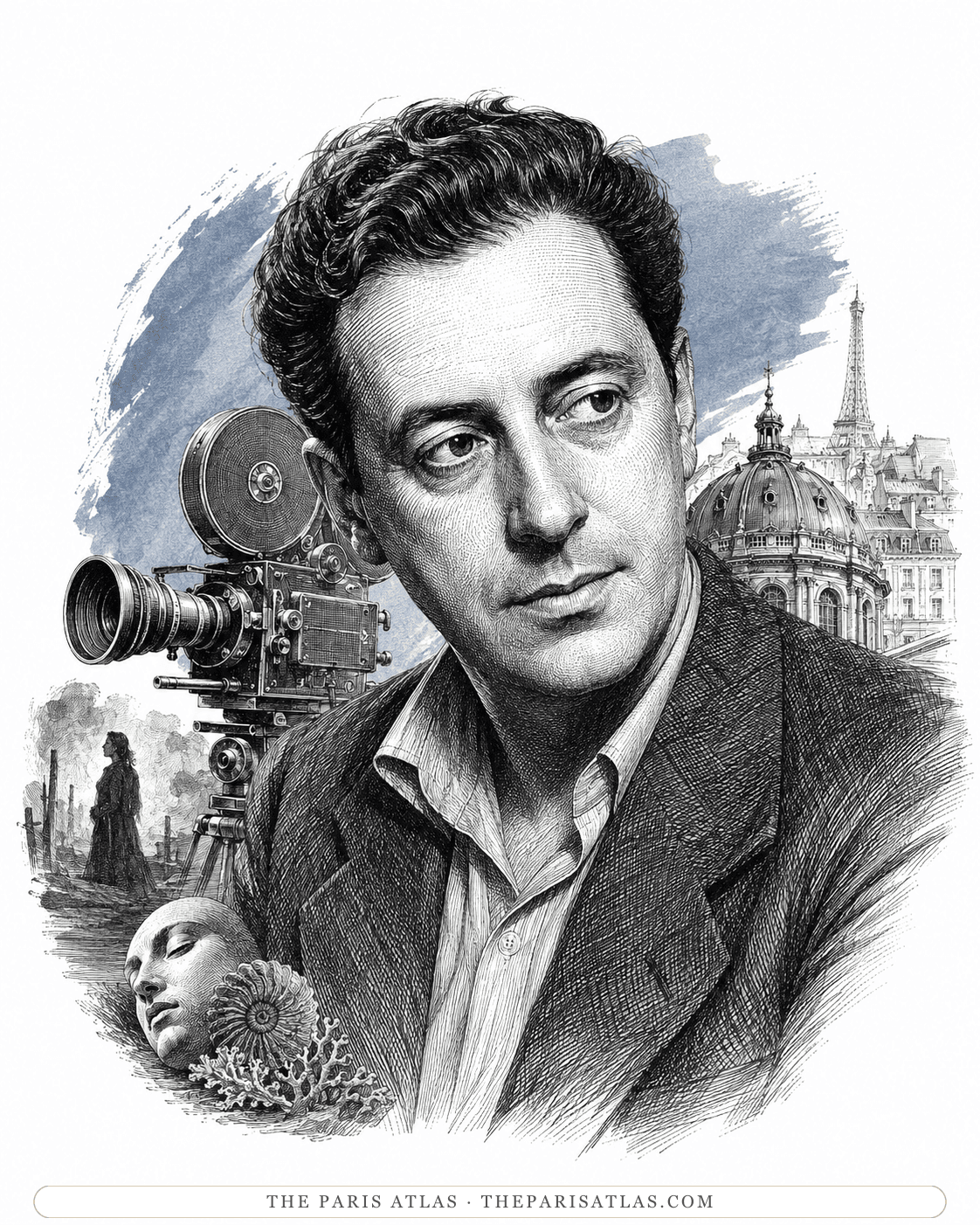
Henri Langlois · Georges Franju
Where
Paris
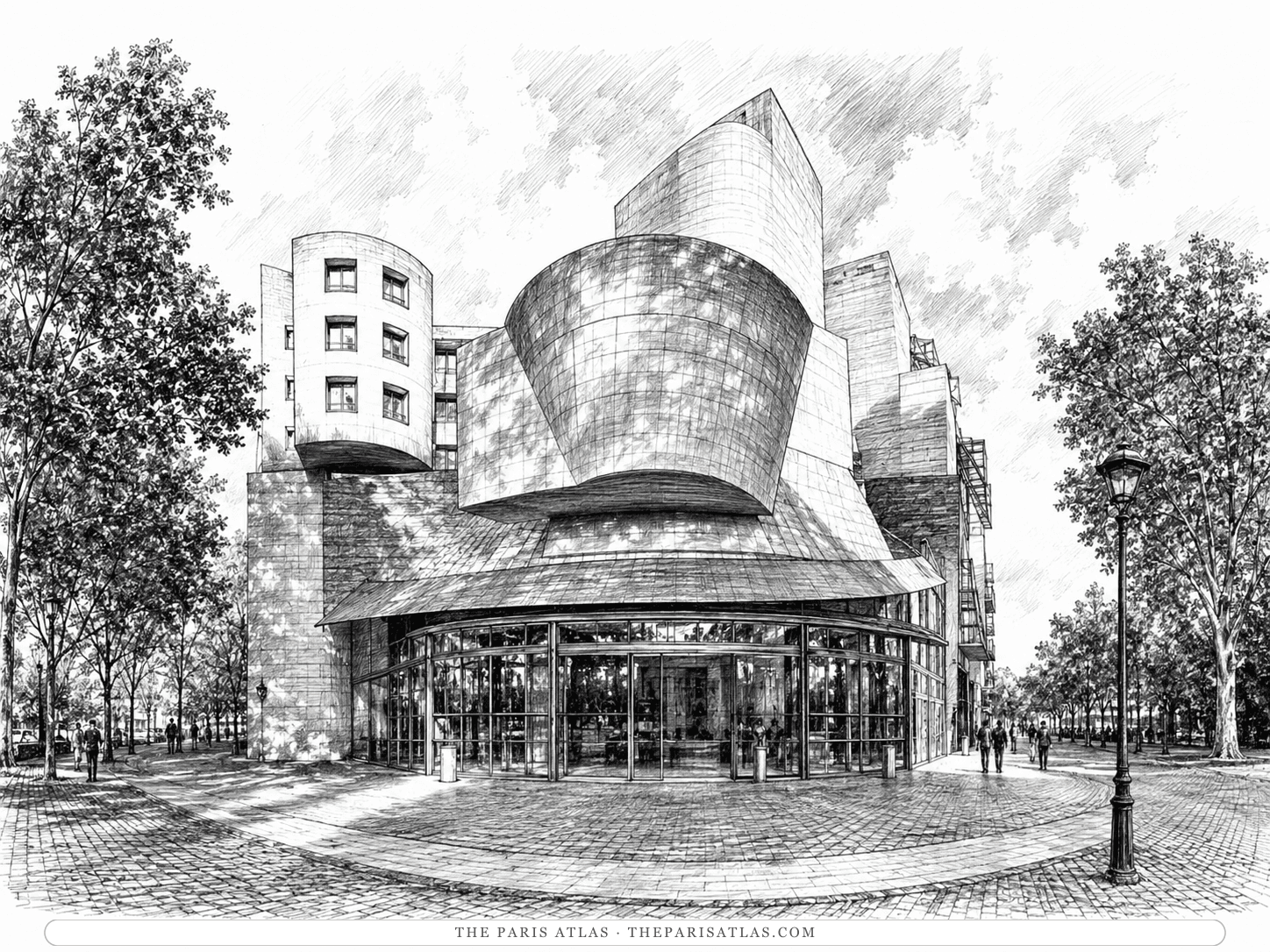
Pen-and-ink illustration of the Cinémathèque française at 51 rue de Bercy, Frank Gehry's building, seen across the paving with its glass entrance rotunda below stacked stone volumes
Drawn for The Paris Atlas: Frank Gehry's building at 51 rue de Bercy, the archive's home since 2005.

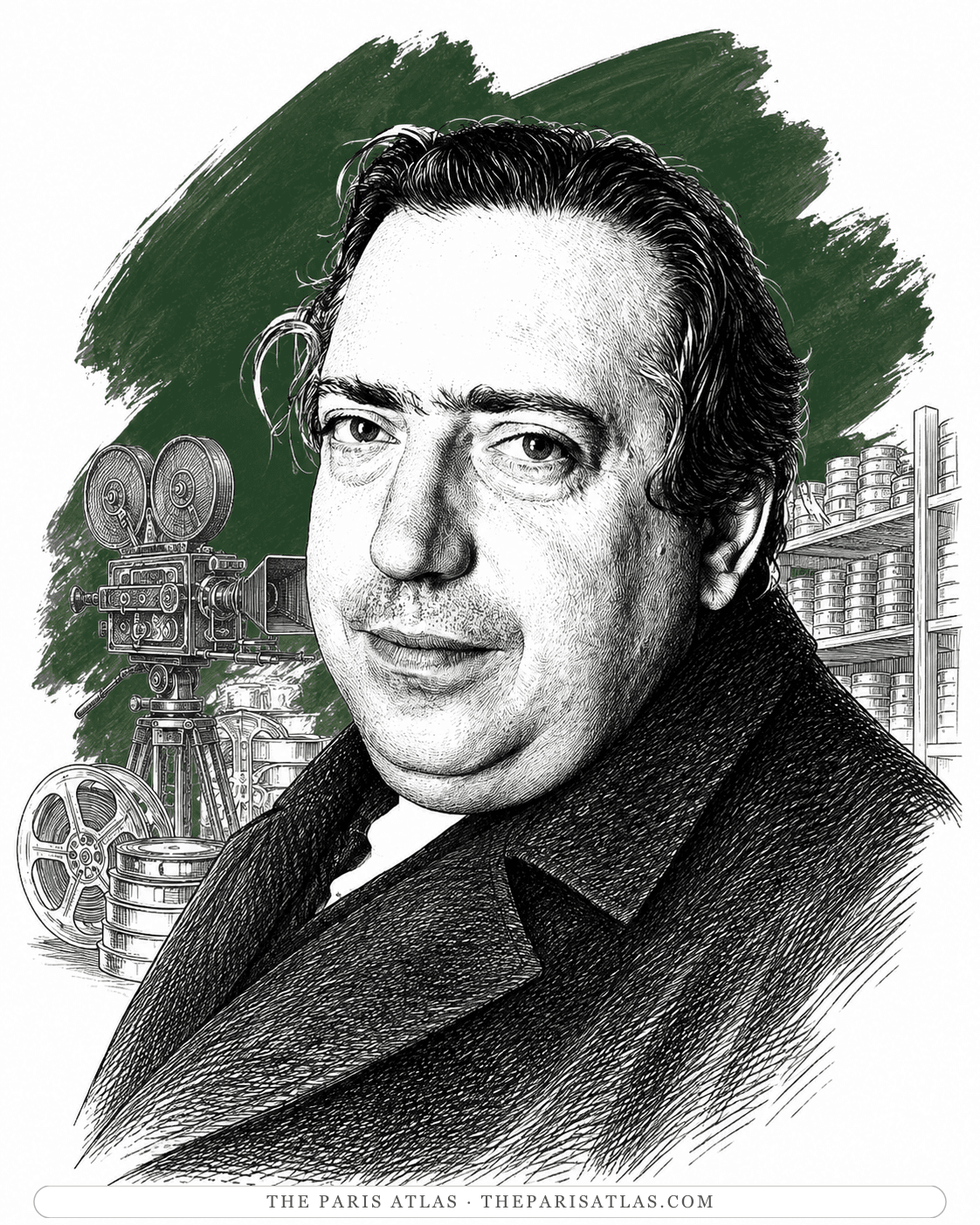
The Cinémathèque française began as a film society Henri Langlois started with his friend Georges Franju in the mid-1930s; FIAF, the international federation of film archives, dates the founding to 1936. Langlois had been collecting obsessively for years, at a time when a print that had finished its commercial run was scrap. What he collected, he kept — through the war, when FIAF credits his contacts with helping the collections survive the Occupation — and what others had already lost, he went after: at the old Méliès factory he recovered props that were sitting in decay, part of a rescue of Georges Méliès, whom the industry had left selling toys in a train station.

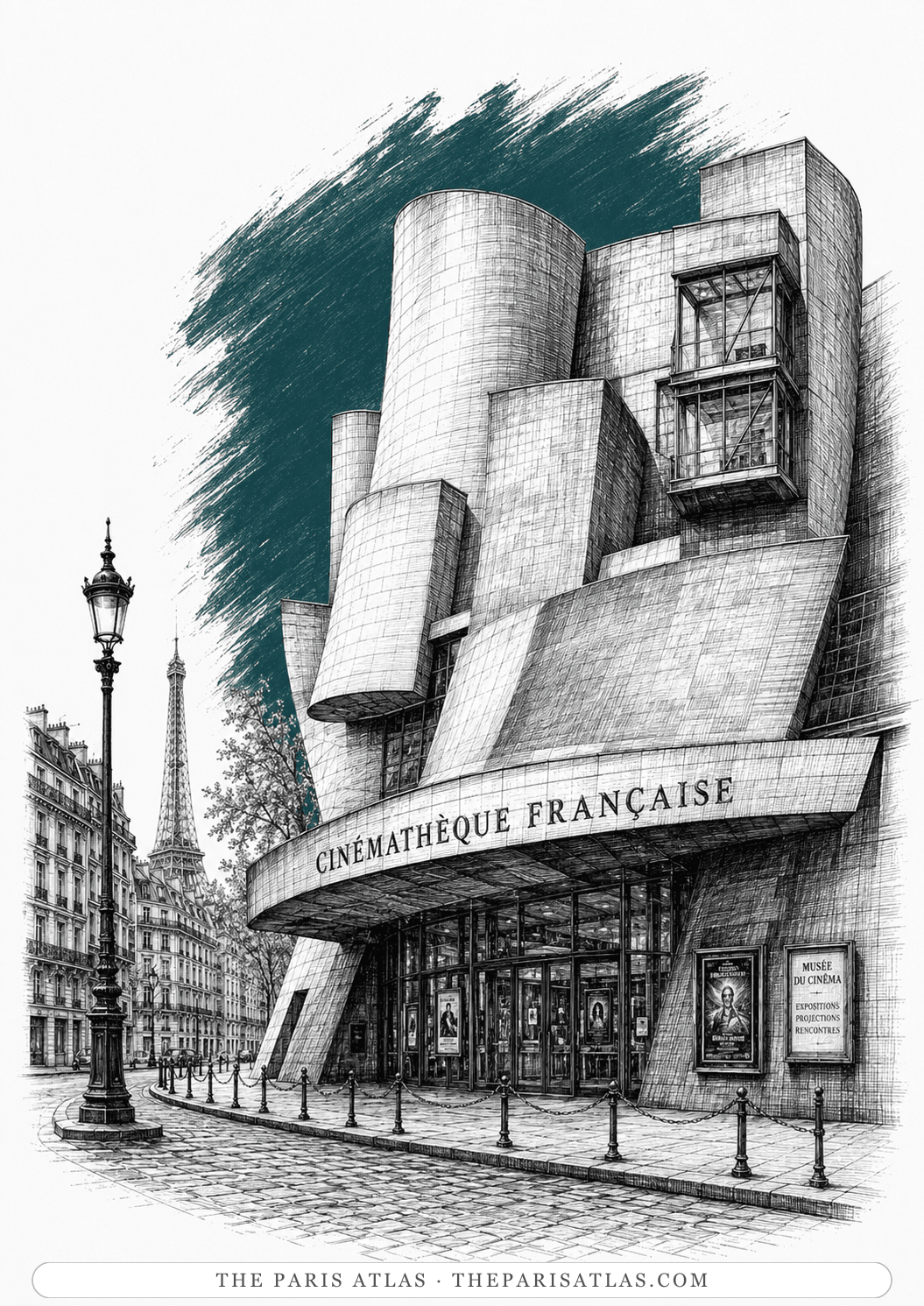
Pen-and-ink illustration of the Cinémathèque française entrance, its canopy lettered with the archive's name beside a board advertising the Musée du Cinéma
The entrance canopy and the board for the Musée du Cinéma. The skyline behind it is the drawing's own.

The archive's second invention was the screening room. Langlois programmed silent cinema, Hollywood genre pictures, and new work side by side and out of chronological order, and a generation of regulars absorbed film history as one simultaneous argument. By the mid-1950s the young men who would become the Cahiers du cinéma circle — François Truffaut, Jean-Luc Godard, and the rest — were coming as often as the programme allowed, Truffaut and company up to six films a day. When they picked up cameras at the end of the decade, the French New Wave was, among other things, the Cinémathèque's curriculum put to work.

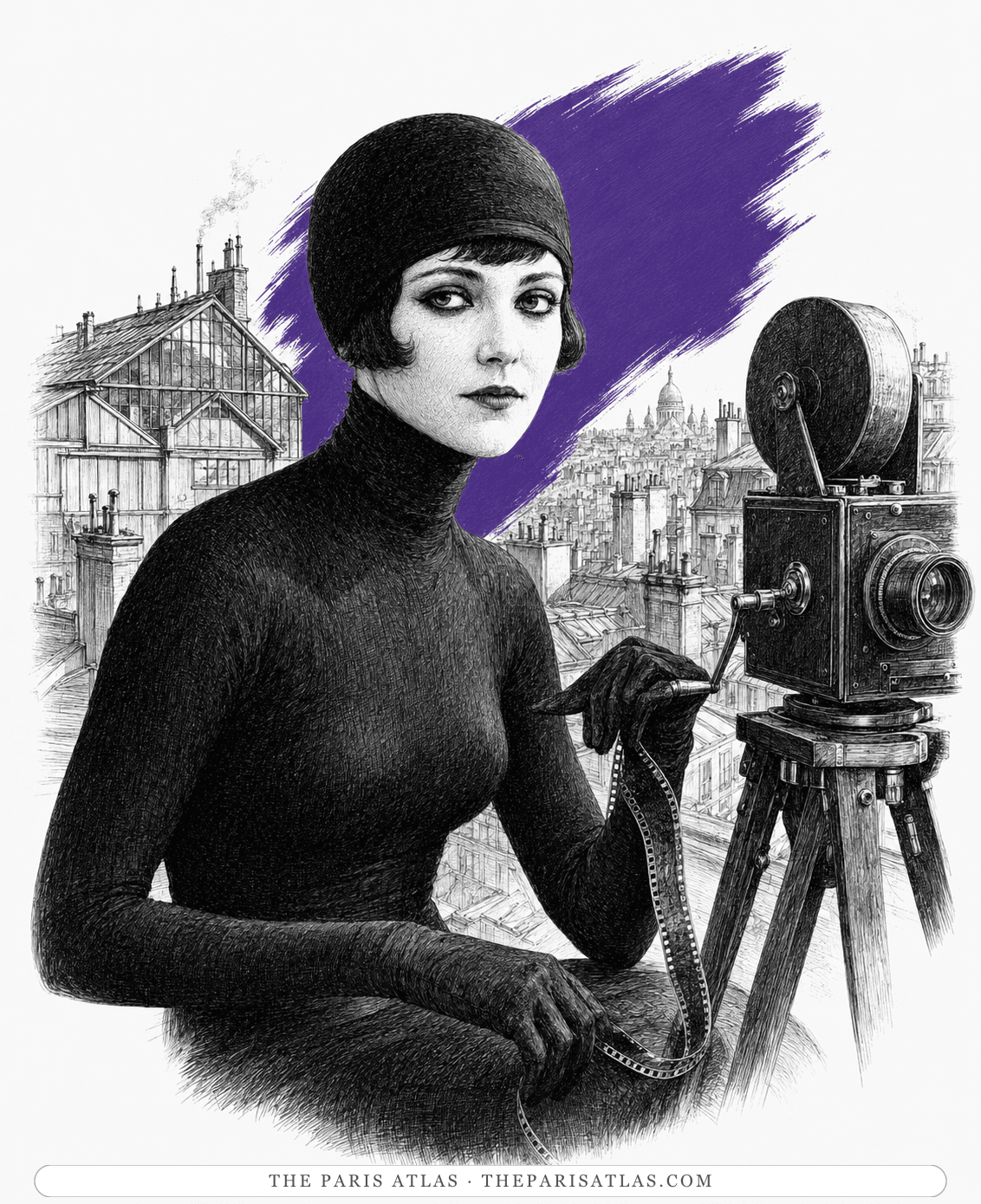
I thought it right to catalogue, with love, in my section for historical research at the Cinémathèque française, these treasures, so perishable and so priceless.

J'ai cru bon de classer, avec amour, dans ma section des recherches historiques, à la Cinémathèque française, ces si périssables et si inestimables trésors.

Musidora, on her work in the archive's research section

The archive employed as well as taught. Musidora — Feuillade's Irma Vep, thirty years on — ran its historical research section from 1944 to 1957, classifying the letters and clippings of early cinema. In February 1968 the government tried to remove Langlois, and the filmmakers he had educated answered: Truffaut led the protests, Godard beside him, and Langlois was reinstated. The institution still operates in Paris, and the collection Langlois refused to let become scrap remains its core.

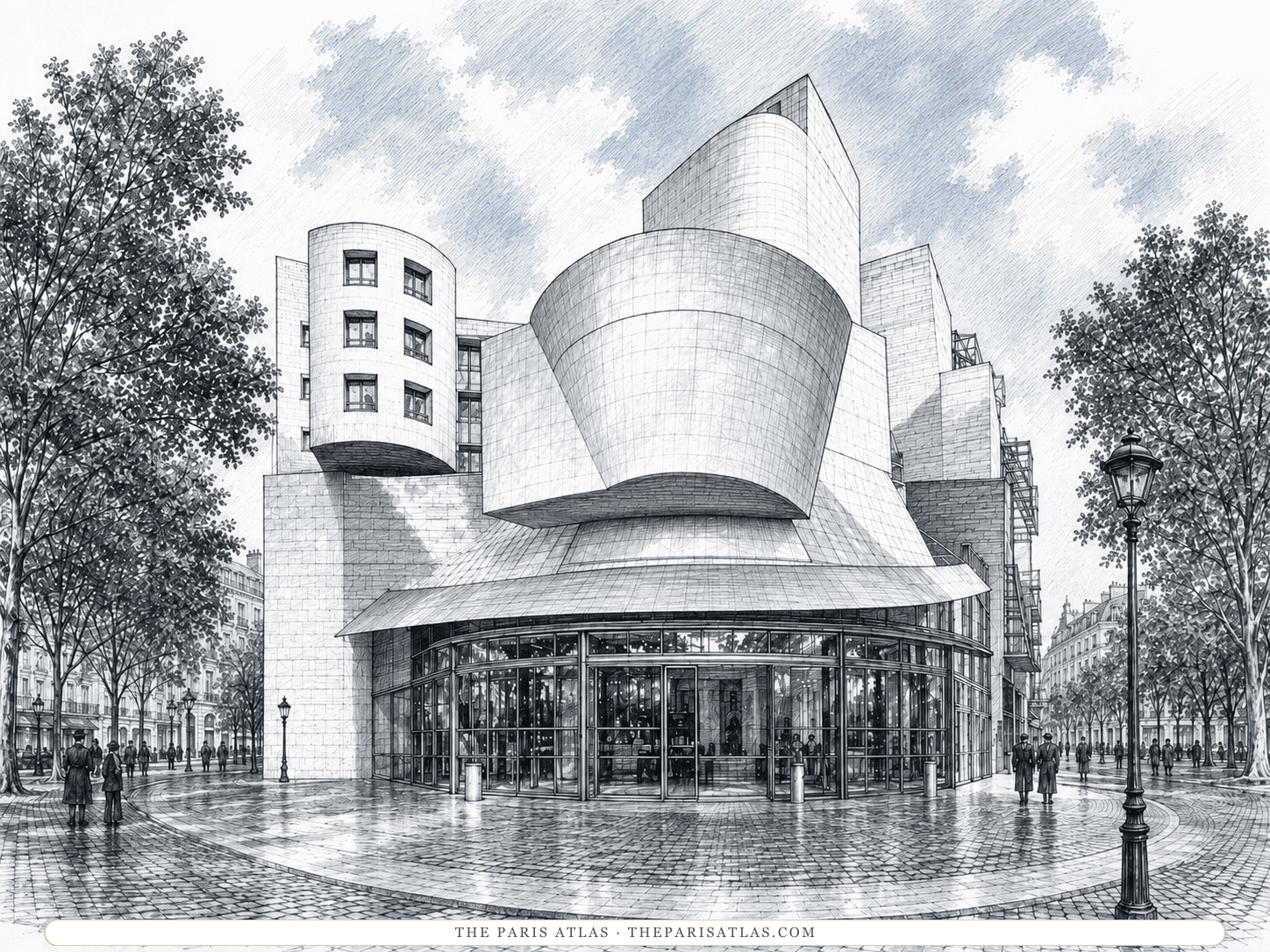
Pen-and-ink illustration of the glass entrance rotunda of the Cinémathèque française, with the stone volumes of Frank Gehry's building rising above it
The glass rotunda at the corner. Gehry built it for the American Center, which lasted two years.

The archive has been at 51 rue de Bercy since 2005, in a building that was not made for it. Frank Gehry designed it for the American Center, which opened there in 1994 and closed two years later, having spent more on the building than it could carry. It stood empty at the edge of the Parc de Bercy until the French state bought it in 1999, and the Cinémathèque opened inside it on 28 September 2005, sharing the premises with the Bibliothèque du film.

The addresses

  1. 51 rue de Bercy, 12th arr.2005–present

    Frank Gehry's building, put up for the American Center and bought by the state after it failed.

Timeline

  1. Mid-1930s

    Henri Langlois and Georges Franju start a film society in Paris; Langlois is already collecting prints.

  2. 1936

    The Cinémathèque française is founded — FIAF's date for the archive proper.

  3. 1940–1944

    The collections survive the Occupation; FIAF credits Langlois's wartime contacts with helping to save them.

  4. 1944

    Musidora joins the archive, running its historical research section until 1957.

  5. Mid-1950s

    The future New Wave directors attend daily — Truffaut and company up to six films a day.

  6. 1968

    The government tries to remove Langlois in February; Truffaut leads the protests, Godard joins, and Langlois is reinstated.

  7. 1994

    Frank Gehry's building opens at 51 rue de Bercy as the American Center. It closes in 1996, and the French state buys it in 1999.

  8. 2005

    The Cinémathèque opens in the Bercy building on 28 September, sharing it with the Bibliothèque du film.

The people

Henri Langlois

Founder & director

The collector. He kept prints no one else wanted and programmed them into a school.

Visit their page

Georges Franju

Co-founder

Langlois's friend from the film-society years; later a director in his own right.

Visit their page

Musidora

Historical research section (1944–1957)

The serial queen of Les Vampires, classifying early cinema's papers — 'avec amour', in her own words.

Visit their page

Rescued and championed

  • The films and props of Georges Méliès

    Georges Méliès

    Recovered in part from the decaying Méliès factory — the rescue of a filmmaker the industry had reduced to selling toys in a train station.

  • Les Vampires(1915)

    Louis Feuillade

    Feuillade's serial belongs to the era whose papers Musidora spent her Cinémathèque years classifying.

Sourced claims

Every connection the graph holds for Cinémathèque française, with the evidence behind it.

Reconstructed

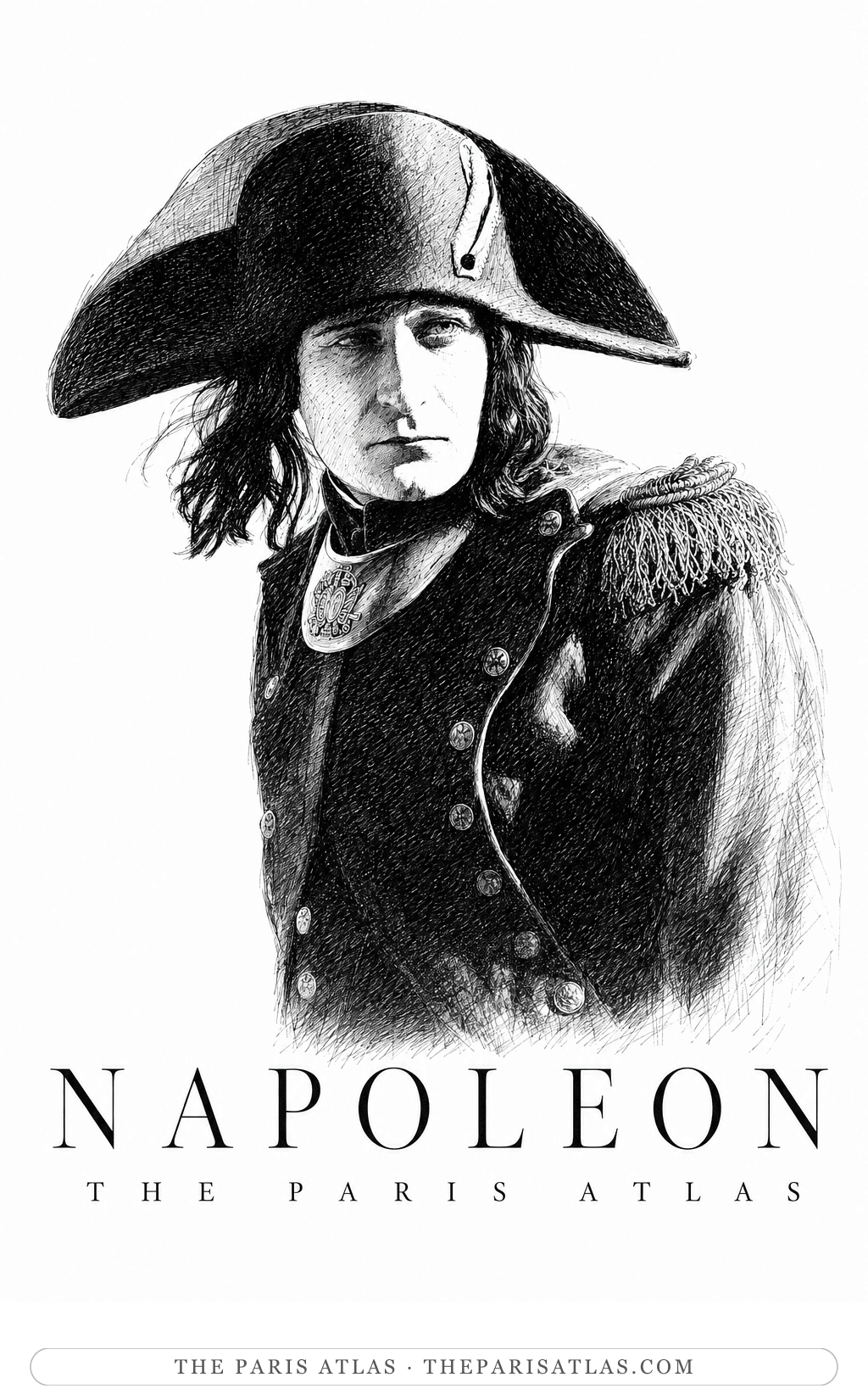
Napoléon

The Cinémathèque française's full reconstruction and restoration of Napoléon — directed by Georges Mourier with the CNC's support — the modern successor to the Epstein–Langlois Museum Copy, presented as a complete seven-hour version in 2026.
La Cinémathèque française — Napoléon vu par Abel Gance, enfin reconstruit et restauré

Frequented by

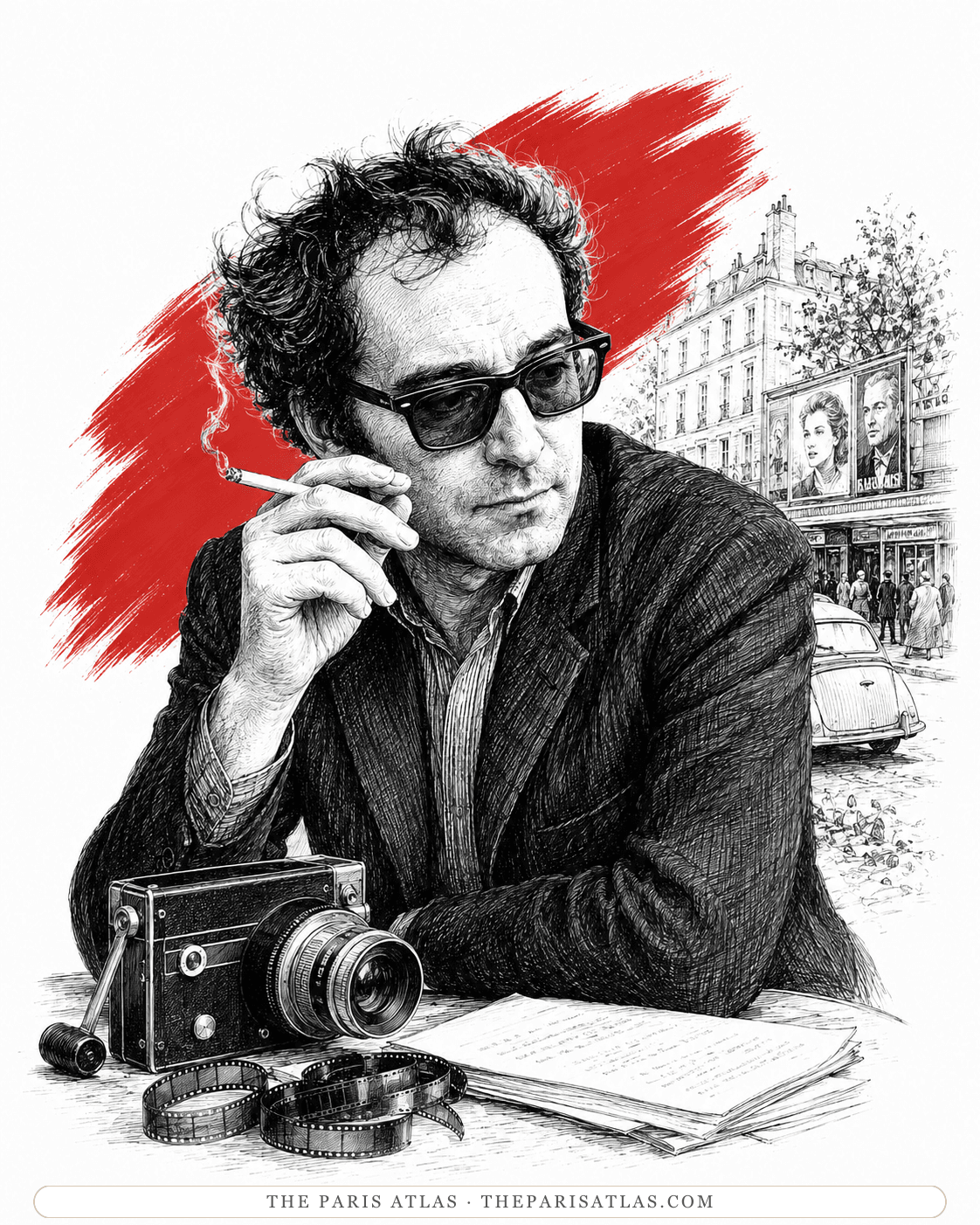
Jean-Luc Godard

His real education: the BFI obituary has the future Cahiers du cinéma circle 'fed on a diet of American films shown at the Cinémathèque'. In 1968 he joined the protests against Langlois's removal.

Ginette Vincendeau, BFI — Jean-Luc Godard obituary: a filmmaker of seismic impact and influence (2022)

Founded by · 1936

Henri Langlois

The film society Langlois started with Georges Franju among the co-founders; FIAF dates the founding to 1936. He collected prints when studios still melted them for silver, and recovered what remained of Georges Méliès's props and films.

FIAF (International Federation of Film Archives) — Henri Langlois, chronology entry; The Kitchen Sisters — Archive Fever: Henri Langlois and the Cinémathèque française

Employed · 1944–1957

Musidora

A collaborator from 1944 to 1957 in the archive's historical research section — classifying, in her own words, 'avec amour' the perishable and inestimable treasures of early cinema.

La Cinémathèque française — Musidora sur le web

Frequented by

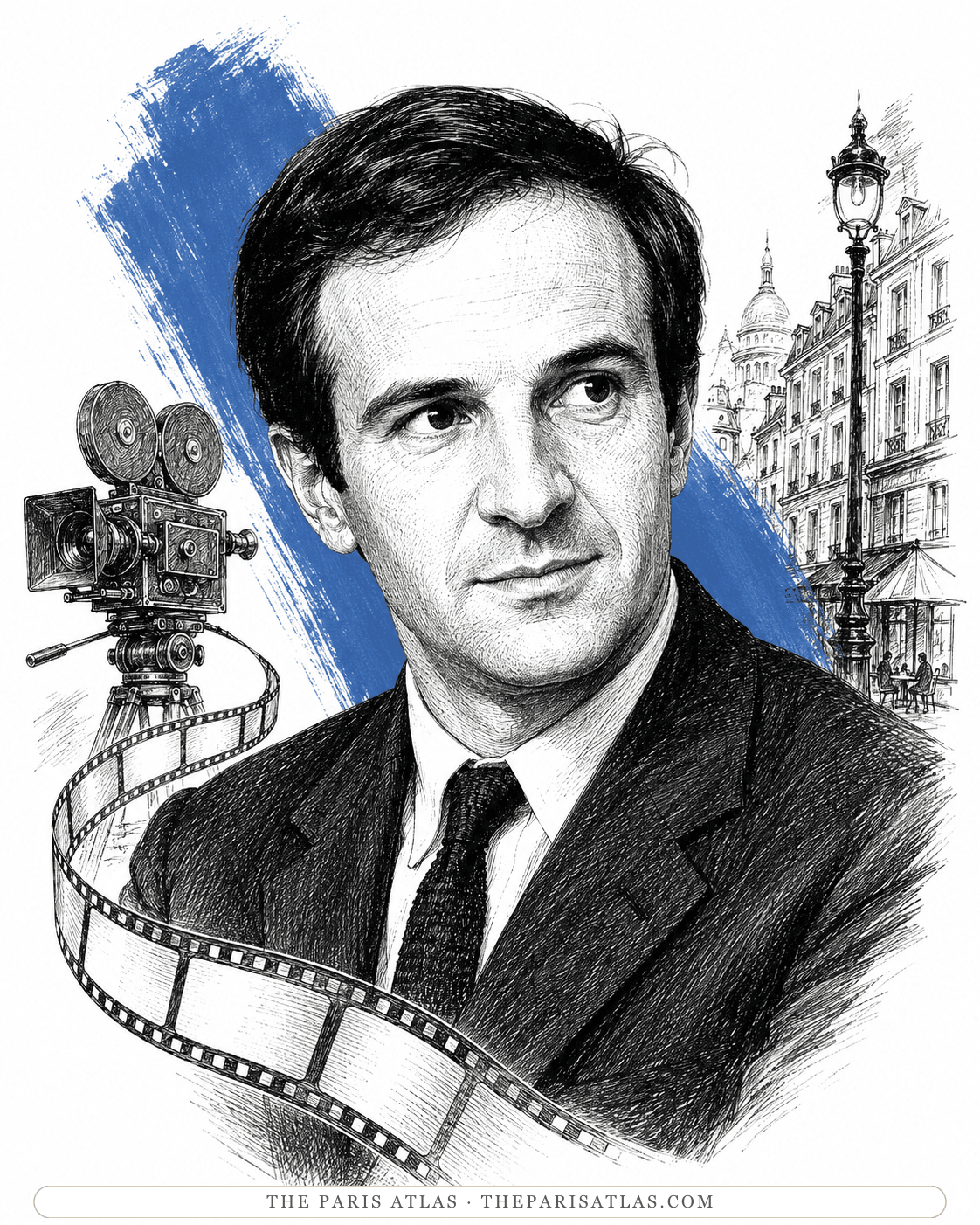
François Truffaut

Truffaut and company went to Langlois's screenings as many as six films a day — the education the movement built on. In February 1968 he led the protests that reinstated Langlois after the government tried to remove him.

The Kitchen Sisters — Archive Fever: Henri Langlois and the Cinémathèque française; Nancy Tartaglione, Deadline — How Francois Truffaut and Jean-Luc Godard Brought the Revolution to Cannes in 1968 (2016)

Founded by · 1936

Georges Franju

The friend Langlois started the film society with in the mid-1930s; FIAF dates the founding of the archive it became to 1936.

The Kitchen Sisters — Archive Fever: Henri Langlois and the Cinémathèque française; FIAF (International Federation of Film Archives) — Henri Langlois, chronology entry

Screened

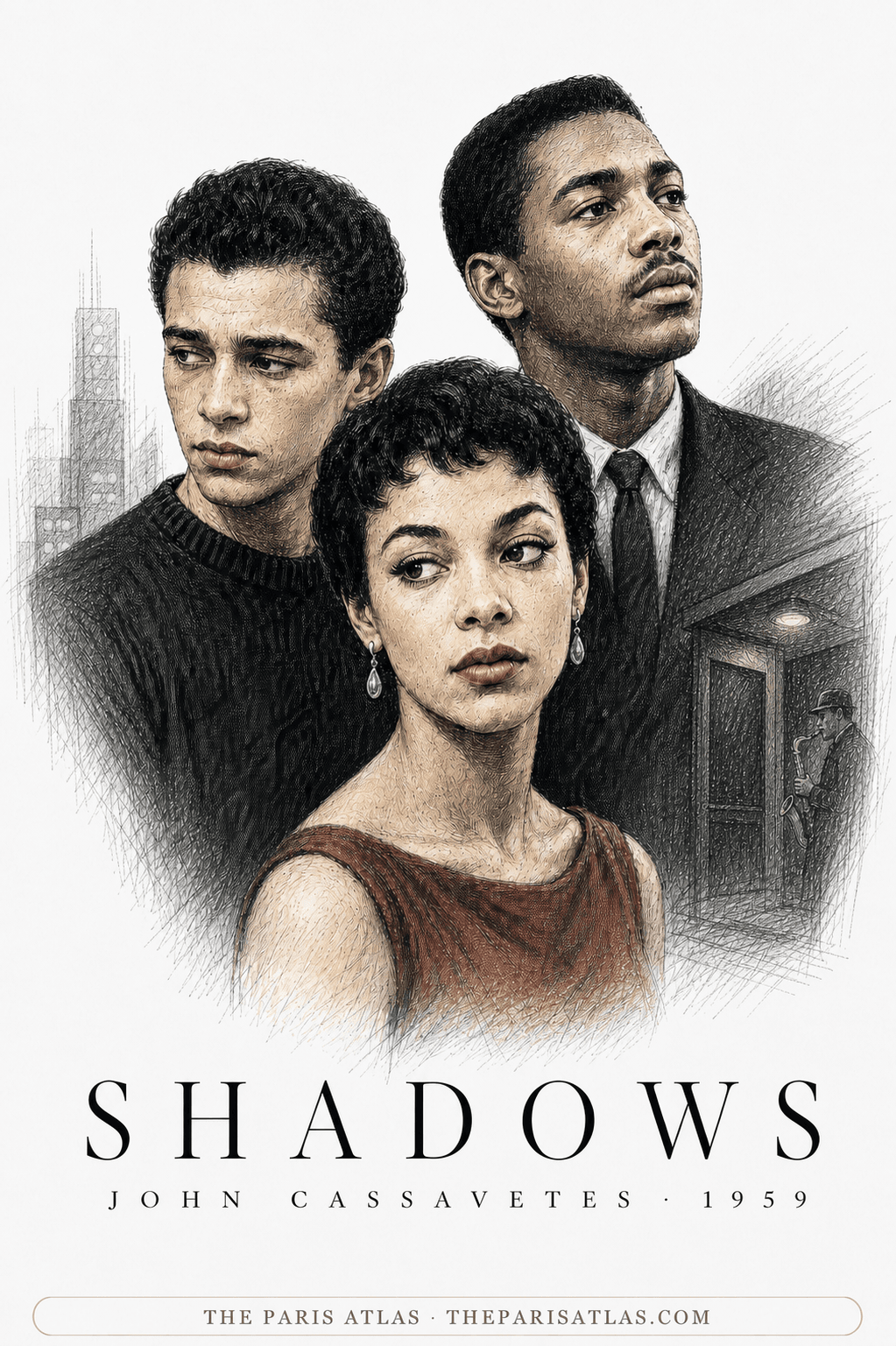
Shadows

The Cinémathèque française has repeatedly presented Shadows, including restored screenings in its 2019 John Cassavetes retrospective and a 2022 Ciné-Club program.

Cinémathèque française — Shadows (John Cassavetes, 1959); Cinémathèque française — John Cassavetes retrospective (2019)

The Friday Letter

The history behind the books, every Friday.

Presses, magazines, bookshops, and the writers who haunted them — one story from the Paris ecosystem in every letter.

One email a week. No spam, no selling your address. Unsubscribe anytime.