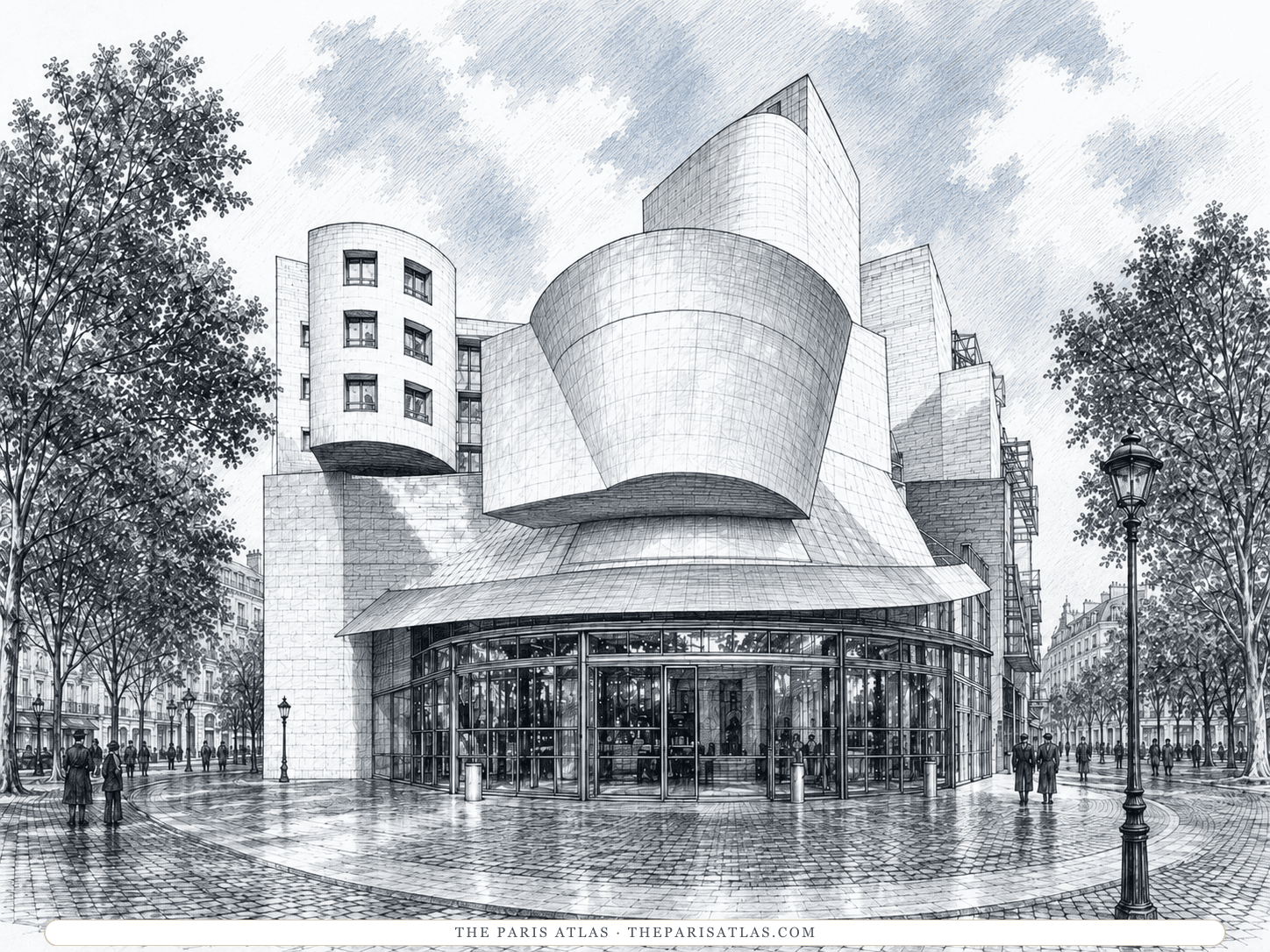
Screened by
Cinémathèque française
The Cinémathèque française has repeatedly presented Shadows, including restored screenings in its 2019 John Cassavetes retrospective and a 2022 Ciné-Club program.
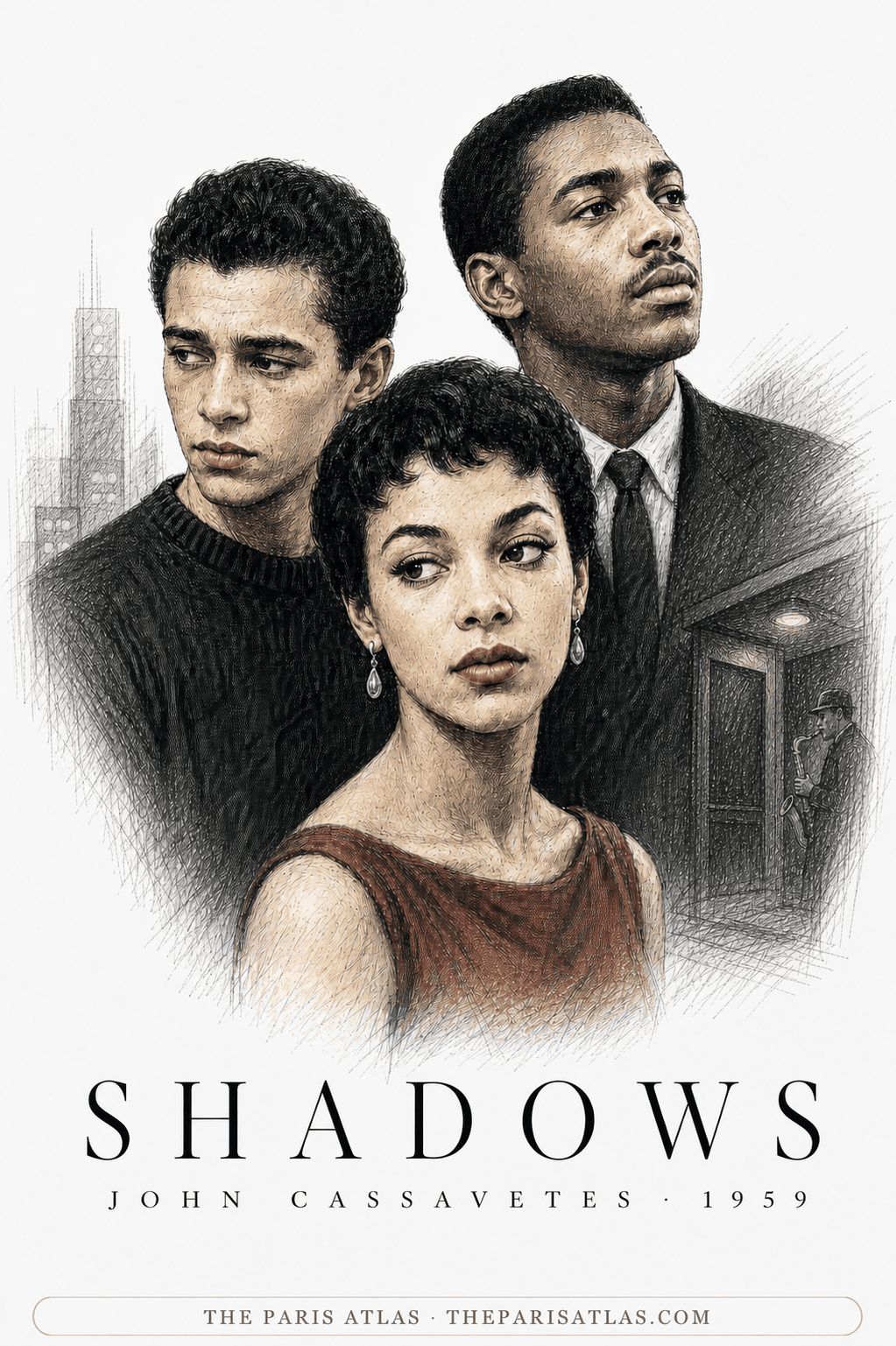
John Cassavetes's first feature follows three siblings in New York as race, work, and romantic expectations press on their relationships. Made outside the studio system in two substantially different versions, it became an early landmark of postwar American independent film. Its loose surface came from workshop experiments, real locations, reshooting, and exacting editing—not from simply turning on a camera and asking actors to invent everything.
Benny, Lelia, and Hugh are siblings sharing a New York apartment. Hugh is a Black singer trying to hold onto professional dignity. Benny spends his time with friends in streets, bars, and museums. Lelia, whose lighter skin leads strangers to read her as white, begins a relationship with Tony. When Tony meets her family, the assumptions behind that relationship become visible.
The film does not explain race through a single speech or resolve the siblings into symbols. It stays close to embarrassment, attraction, anger, and the ways people retreat when they recognize what they have revealed about themselves.
Cassavetes began the project through his acting workshop and screened an early version in New York in 1958. He was dissatisfied, filmed new scenes in 1959, and re-edited the work. The second version is the film that entered normal distribution and became widely known.
That history corrects the easiest myth about Cassavetes. Improvisation helped generate material, but he did not treat the first result as sacred. He changed performances, narrative emphasis, and structure until the film worked for him.
Shadows belongs to New York: its sidewalks, clubs, apartments, and racial boundaries. At the same time, it reached European audiences during the rapid international exchange that also carried the French New Wave abroad. The Cinémathèque française records the film in its collection and screening history and presented it during its 2019 John Cassavetes retrospective.
Calling Cassavetes an 'American Godard' hides more than it explains. Shadows and Breathless were both largely shot in 1959. The useful comparison is that filmmakers in New York and Paris were separately testing what smaller crews, real streets, and looser performance could do to studio storytelling.
1957
Cassavetes begins filming material developed through his New York acting workshop.
1958
An early version screens at the Paris Theater in New York.
1959
Cassavetes shoots additional scenes and completes the substantially revised version now commonly shown.
1960
The revised film receives the Critics Award at the Venice Film Festival.
2019
The Cinémathèque française screens a restored version during its John Cassavetes retrospective.
Shadows follows three siblings in New York and examines how race, work, attraction, and humiliation shape their relationships. Ben Carruthers, Lelia Goldoni, and Hugh Hurd play the siblings.
It began with improvisational work in John Cassavetes's acting workshop, but the finished film was not an unplanned recording. Cassavetes wrote, reshot, and heavily re-edited the material across two versions.
It demonstrated that a feature could be produced outside the American studio system with a small team, real locations, and independent financing while still reaching an international audience.
No. It is an American independent film made in New York. It developed at roughly the same time as the French New Wave and was later discussed and screened by French film institutions.
Screened by
The Cinémathèque française has repeatedly presented Shadows, including restored screenings in its 2019 John Cassavetes retrospective and a 2022 Ciné-Club program.

Cast · 1959
John Cassavetes appears briefly as a man dancing in the nightclub; his principal credit is director.
Explore directors from the same movements and circles.
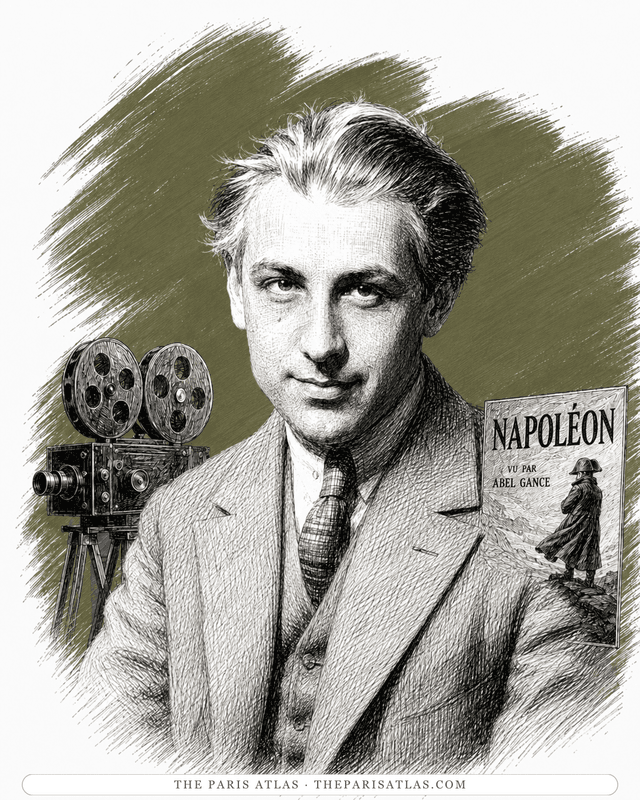
French cinema's great maximalist — J'accuse raised the dead of the war, and Napoléon strapped cameras to horses and split the screen in three before the talkies arrived.
View artist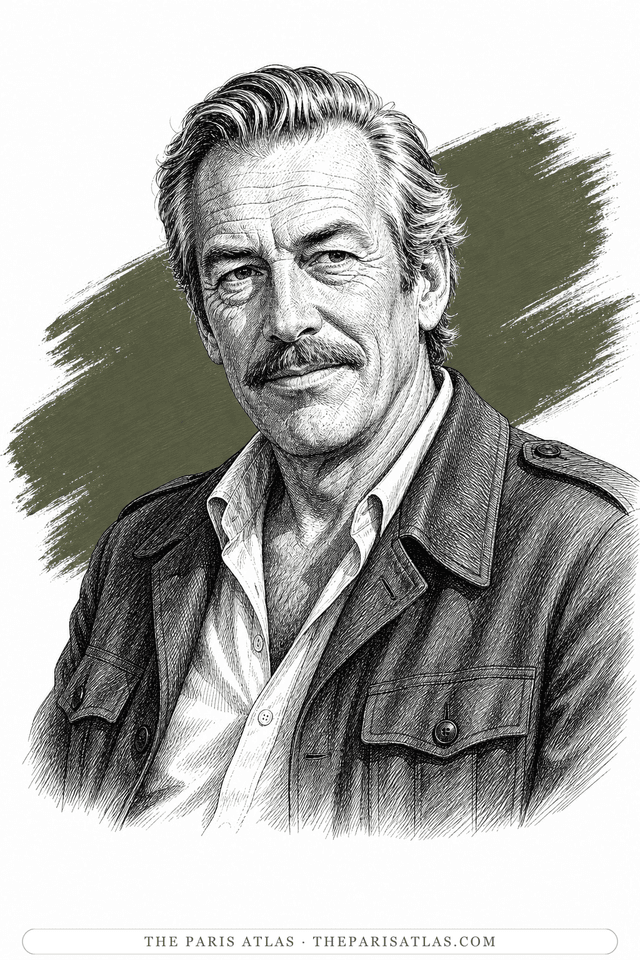
American film director who trained as a painter, filmed the life of Henri de Toulouse-Lautrec in Moulin Rouge, and won two Academy Awards for The Treasure of the Sierra Madre.
View artist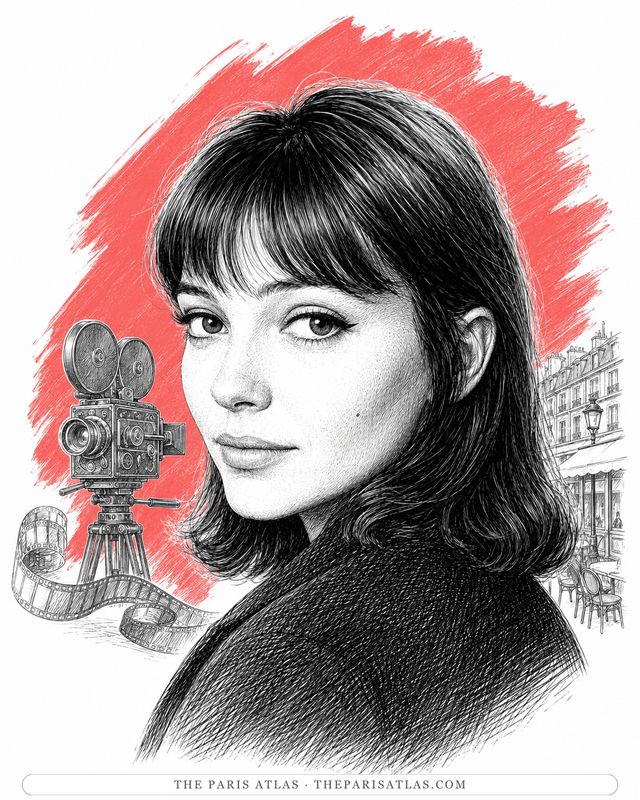
The Danish-born actor at the center of Jean-Luc Godard's 1960s features — the French New Wave's defining female lead, whose performances carry their own authorship.
View artistThe sources below include collection records, catalogues, scholarly research, and primary materials that informed this page. They document Shadows, its making, and its place in cultural history.


Web source consulted for documented facts and historical context presented on the Shadows page.
Web source consulted for documented facts and historical context presented on the Shadows page.
Web source consulted for documented facts and historical context presented on the Shadows page.
Web source consulted for documented facts and historical context presented on the Shadows page.
These references provide the documented foundation for this work's history and interpretation. Claim-level citations remain attached to the specific claims they support.
 Explore more resources