Starring — Film
- Actor
- Singer
- Filmmaker
- Author
Anna Karina
The Danish-born actor at the center of Jean-Luc Godard's 1960s features — the French New Wave's defining female lead, whose performances carry their own authorship.
In images
Details
- 1940–2019
- 22 September 1940
- Frederiksberg, Denmark
- 14 December 2019
- Paris
- Danish-French
- Jean-Luc GodardPierre FabreDaniel DuvalDennis Berry
- ActorSingerFilmmakerAuthor
- Hanne Karin Blarke Bayer
About Anna Karina
Anna Karina was the face of Jean-Luc Godard's first decade of films. A Danish teenager who reached Paris in 1958 and took her stage name from Coco Chanel, she became the French New Wave's defining female lead across the seven features Godard built around her between 1960 and 1966, from Une femme est une femme to Made in U.S.A.
The marriage lasted from 1961 to 1965; the collaboration ran wider and longer than the marriage. After Godard she acted for Jacques Rivette, Luchino Visconti, and Rainer Werner Fassbinder, directed a film of her own, recorded a musical written for her by Serge Gainsbourg, and remained a fixed reference for the movement until her death in Paris in 2019.
Copenhagen to Paris
She was born Hanne Karin Blarke Bayer on 22 September 1940 in Frederiksberg, on the edge of Copenhagen. Her childhood was unsettled — a father who left early, years spent largely with her grandparents — and she was drawn to acting and singing before she was out of her teens. In the summer of 1958, at seventeen and with almost no French, she left for Paris.[1]
She found modeling and magazine work quickly. The name came from one of those jobs: during a shoot connected to Coco Chanel, the couturier told her to call herself Anna Karina, after Tolstoy's Anna Karenina. Advertising put her on screen before any film did — commercials, including a soap spot, that circulated in Paris in the late 1950s.
Meeting Godard
Godard noticed her in the advertisements and offered her a small part in Breathless. She turned it down because it required a nude scene. He cast her instead in Le Petit Soldat, shot in 1960 — a film about the Algerian War that French censors banned until 1963, so that her first Godard performance reached audiences third rather than first. They married in 1961.
The Godard films
Between 1960 and 1966 Karina appeared in seven Godard features, and Une femme est une femme won her the Silver Bear for Best Actress at the 1961 Berlin Film Festival. The run:[2]
- Le Petit Soldat (1960; released 1963)
- Une femme est une femme (1961) — Silver Bear, Berlin
- Vivre sa vie (1962)
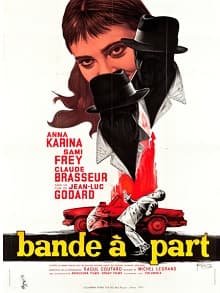
- Bande à part (1964)
- Alphaville (1965)
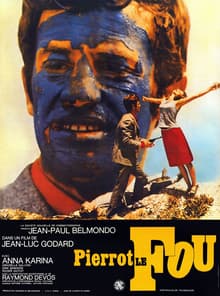
- Pierrot le fou (1965)
- Made in U.S.A. (1966)
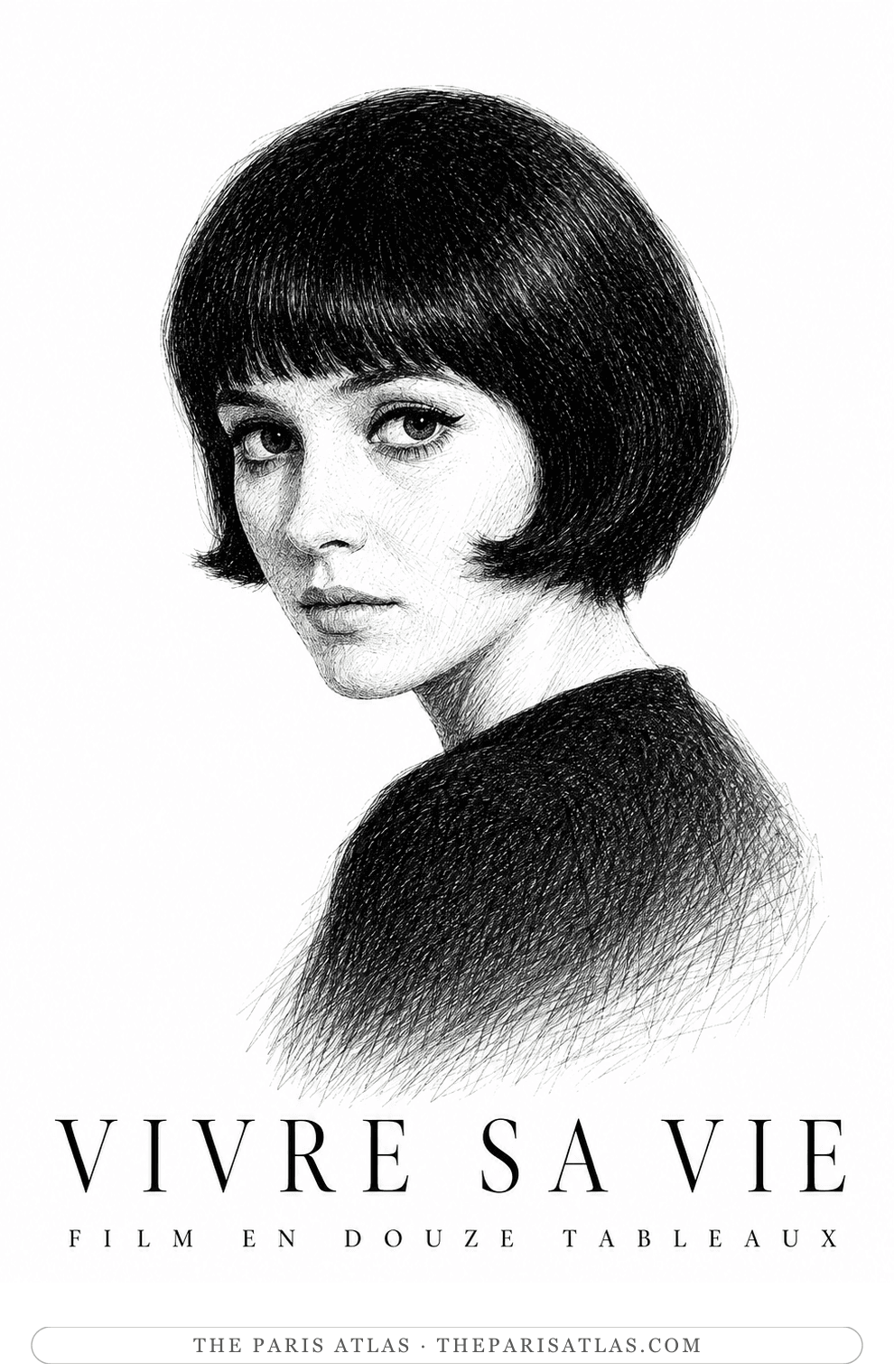
The roles ranged widely — a nightclub dancer set on having a child, a prostitute in twelve tableaux, a member of a small-time gang, a fugitive lover, the heroine of a computer-run dystopia — and the films are among the most-taught the movement produced. Vivre sa vie holds the collaboration's most quoted image: Nana in a cinema, in the bob of the silent star Louise Brooks, weeping at Falconetti in The Passion of Joan of Arc.
The marriage and the working partnership were not the same thing, and neither was calm. They divorced in 1965 and completed Made in U.S.A. after the divorce. Karina spoke for the rest of her life about how much of herself those films held, and about a director who wrote her parts and photographed her more closely than anyone before or since.
After Godard
The career outlasted the collaboration by half a century. She had first played Suzanne Simonin on stage, in 1963 at the Théâtre des Champs-Élysées; she worked for Jacques Rivette on film in La Religieuse (1966), for Luchino Visconti in The Stranger (1967), and later for Rainer Werner Fassbinder in Chinese Roulette (1976). In 1967 Serge Gainsbourg wrote her a television musical, Anna, whose songs — “Sous le soleil exactement” among them — outlived the broadcast.[3]
She moved behind the camera as well, directing two features — Vivre ensemble (1973), which showed at Cannes, and Victoria (2008) — and publishing four novels between 1973 and 1998. She married three more times after Godard, last to the American actor and director Dennis Berry, to whom she was married from 1982 until her death.
Paris, 2019
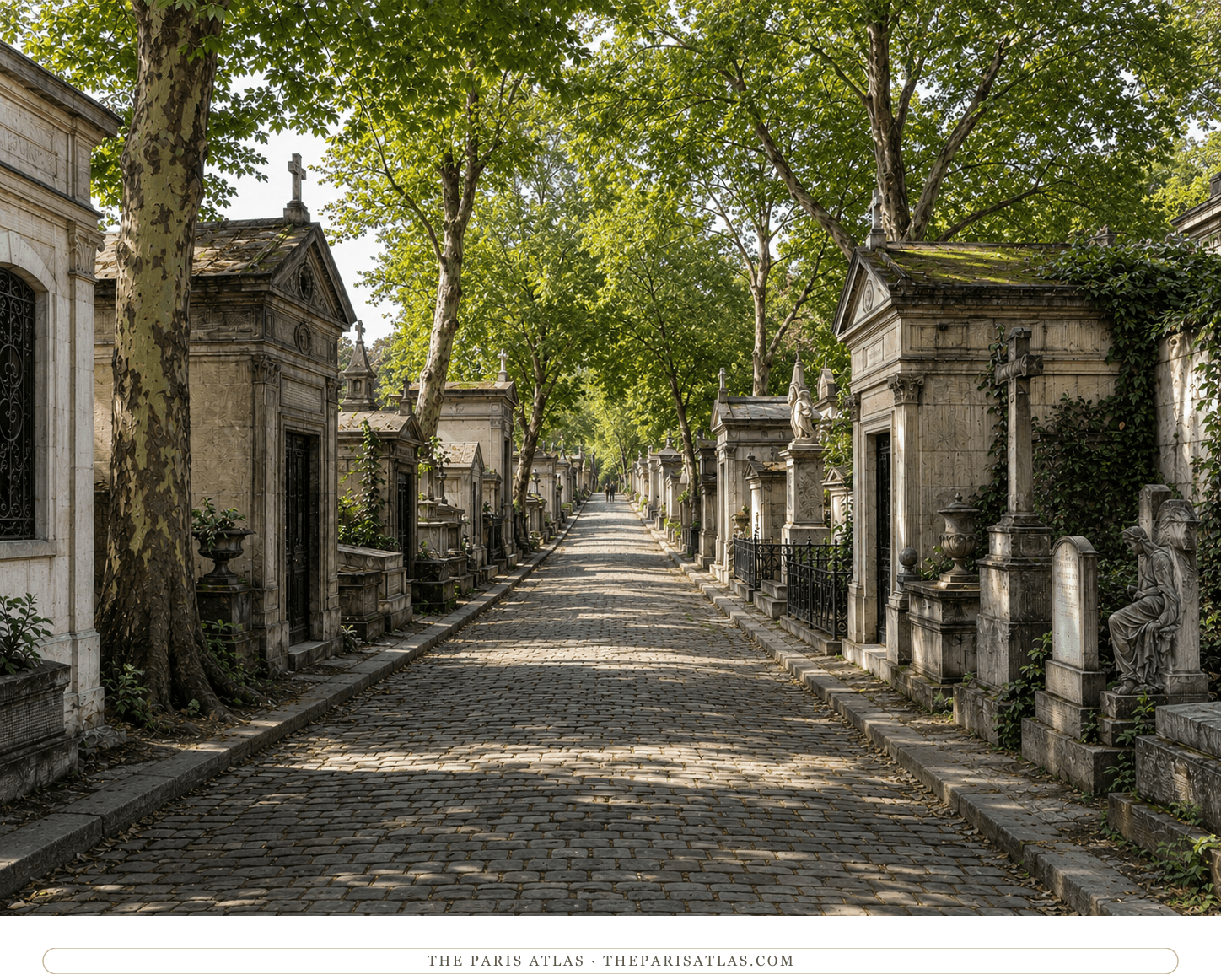
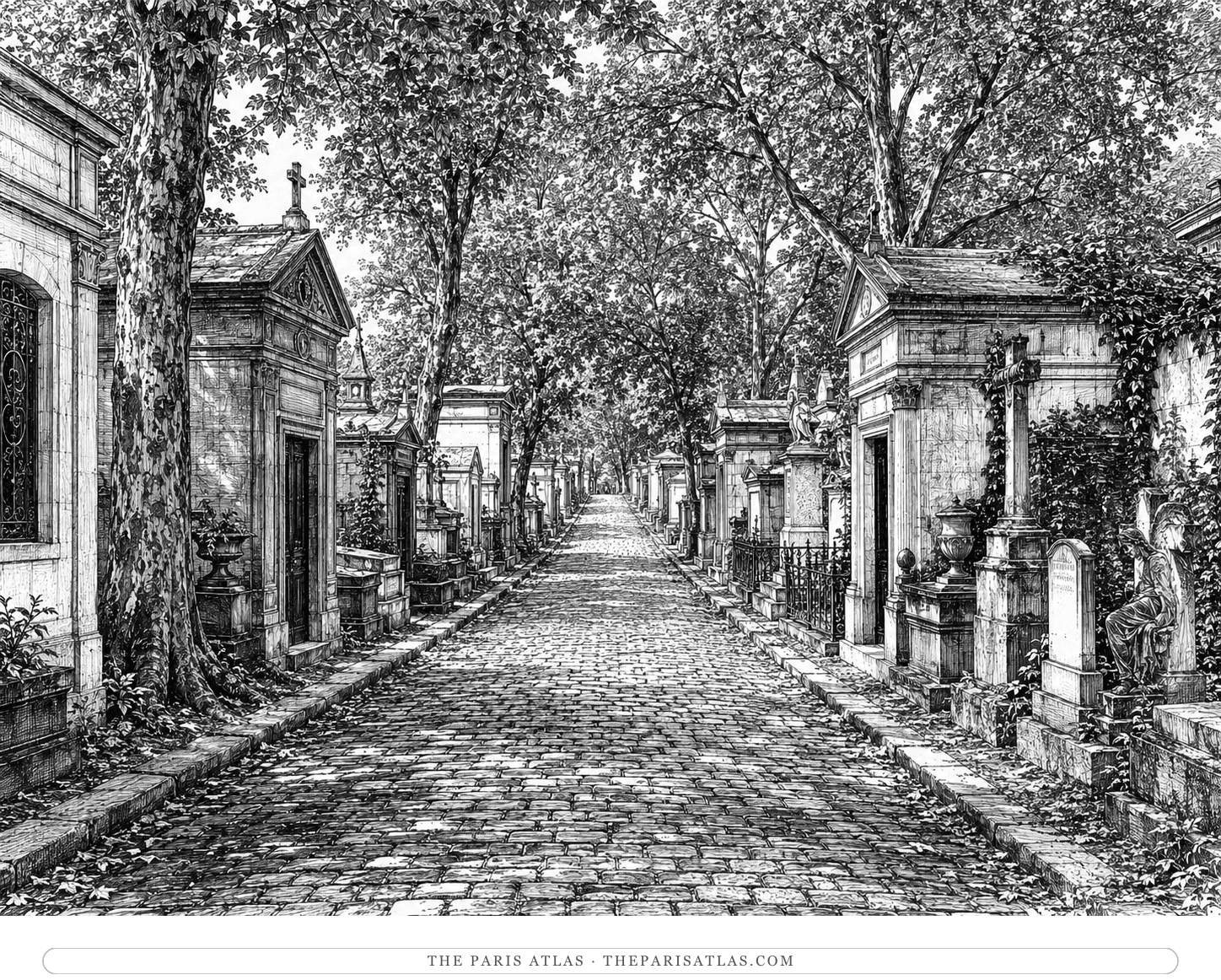
Anna Karina died of cancer in Paris on 14 December 2019, at 79. She is buried in Père-Lachaise Cemetery. The obituaries agreed on the shape of her career: an actor the New Wave discovered and never replaced, whose performances for Godard remain the movement's most recognizable female face.[4]
Anna Karina, illustrated
Scenes from Anna Karina's Paris — drawn illustrations, not photographs.
Anna, and singing with Gainsbourg
In January 1967 French television broadcast Anna, a musical made for the screen by Pierre Koralnik with songs by Serge Gainsbourg, in which Karina plays a graphic designer whom an advertising man is trying to find.
It was the first French television film shot in colour, though colour broadcasting did not begin in France until that October, so the audience in January saw it in black and white. Gainsbourg wrote the whole score for her, and the song that came out of it, Sous le soleil exactement, is among the best-known things either of them did. He recorded his own version two years later; hers came first.
The film disappeared for decades, never having been released in cinemas, and has been revived since as one of the strangest and most stylish things French television produced in the 1960s.
The other Karina
After she stopped working with Jean-Luc Godard in 1967, Anna Karina went on for another fifty years, as a singer, a novelist and a director as well as an actor.
She wrote four novels, in French, beginning with Vivre ensemble in 1973 — the same title as the film she directed that year and about the same material. She recorded albums, toured a stage musical of her own, and went on singing into her seventies.
She directed twice: Vivre ensemble in 1973, made on almost no money and shown at Cannes, and Victoria in 2008, a road film shot in Canada. Neither is much seen. She was consistent about why she moved between acting, singing, writing and directing. She had arrived in Paris as a teenager trained in none of them, and had learned each one on the job because somebody gave her the chance.
Life events
Born Hanne Karin Blarke Bayer on 22 September in Frederiksberg, Denmark.
Leaves for Paris at seventeen; takes the name Anna Karina, after Tolstoy's Anna Karenina, on Coco Chanel's suggestion.
Declines a small role in Breathless; Godard casts her in Le Petit Soldat, banned by French censors until 1963.
Marries Godard; wins the Silver Bear for Best Actress at Berlin for Une femme est une femme.
Vivre sa vie, Bande à part, Alphaville, Pierrot le fou, Made in U.S.A. — the run of Godard features built around her.
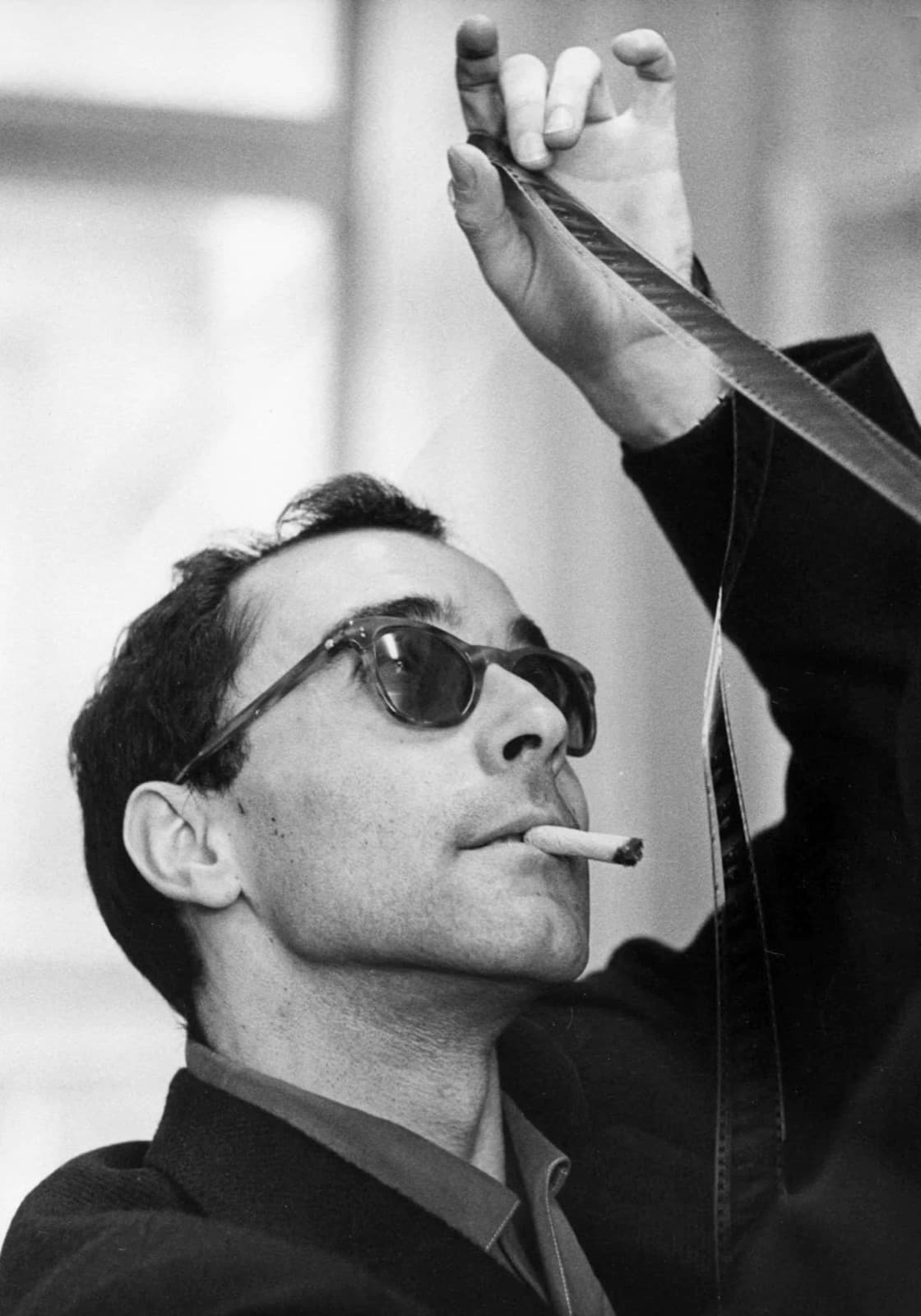
Godard and Anna Karina at a festival press conference in the mid-1960s, near the end of their marriage and principal collaboration. AP news photograph, used under fair use. Plays Suzanne Simonin in The Nun on stage at the Théâtre des Champs-Élysées; Le Petit Soldat finally reaches screens.
Divorces Godard; the collaboration continues into Made in U.S.A.
Works for Rivette (La Religieuse), Visconti (The Stranger), and Fassbinder (Chinese Roulette).
Stars in Anna, a musical made for French television by Pierre Koralnik with songs written for her by Serge Gainsbourg. It is the first French television film shot in colour, though it is broadcast in black and white.
Records Sous le soleil exactement, from Anna, two years before Gainsbourg cuts his own version.
Directs her first feature, Vivre ensemble, shown at Cannes.
Publishes her first novel, Vivre ensemble, and directs the film of the same name, which shows at Cannes.
Directs her second feature, Victoria.
Dies of cancer in Paris on 14 December, at 79; buried in Père-Lachaise.
In the credits
People Anna Karina Knew
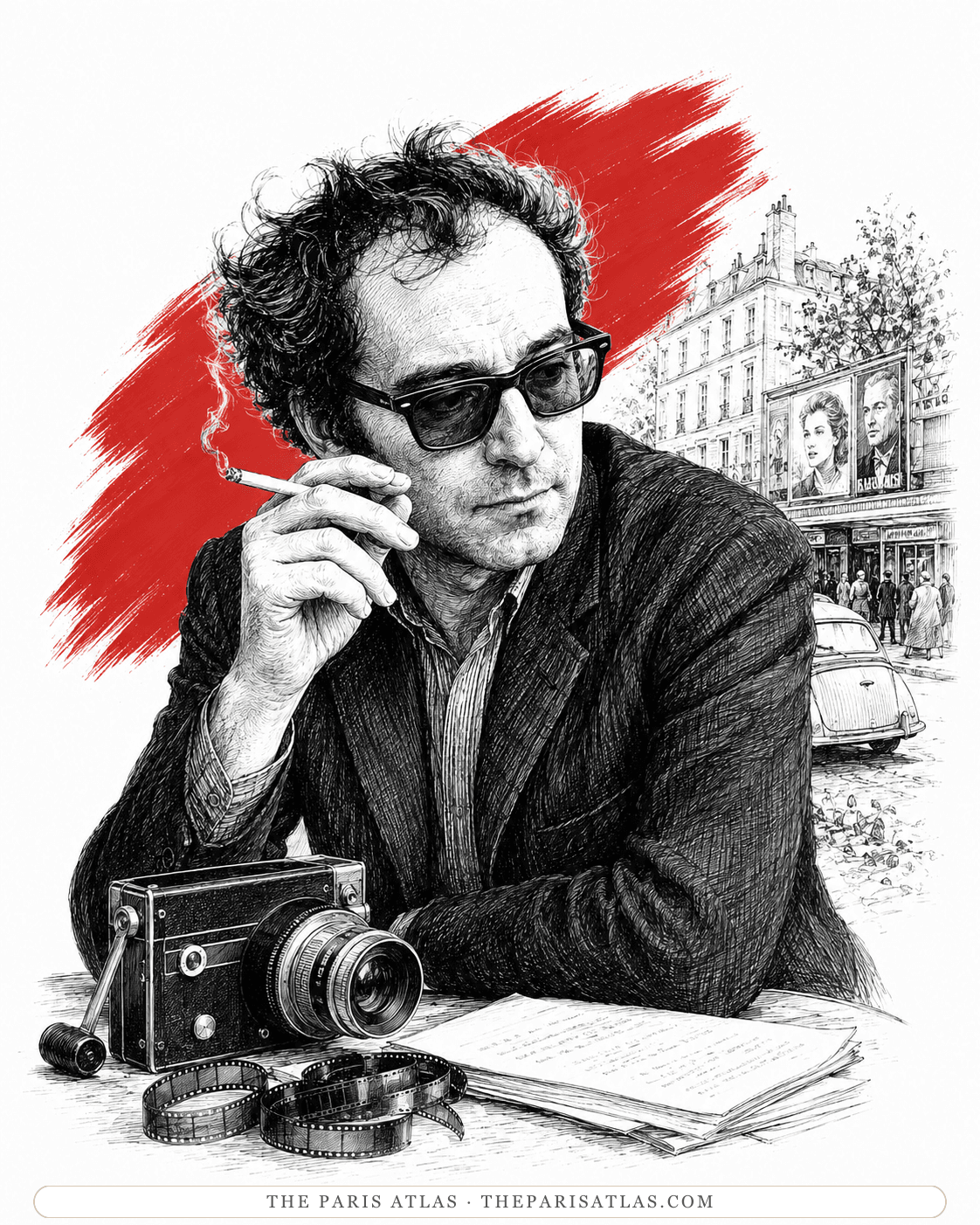
Jean-Luc Godard
- Filmmaker
- Critic
Collaborated with · 1960–1966
Seven features in six years: Le Petit Soldat (shot 1960, released 1963), Une femme est une femme (1961), Vivre sa vie (1962), Bande à part (1964), Alphaville and Pierrot le fou (1965), and Made in U.S.A. (1966). The partnership ran wider and longer than the 1961–1965 marriage; Made in U.S.A. was completed after the divorce.
Married to · 1961–1965
Married in 1961, divorced in 1965. The working partnership ran wider than the marriage: a run of features from Une femme est une femme (1961) to Made in U.S.A. (1966), the last completed after the divorce.
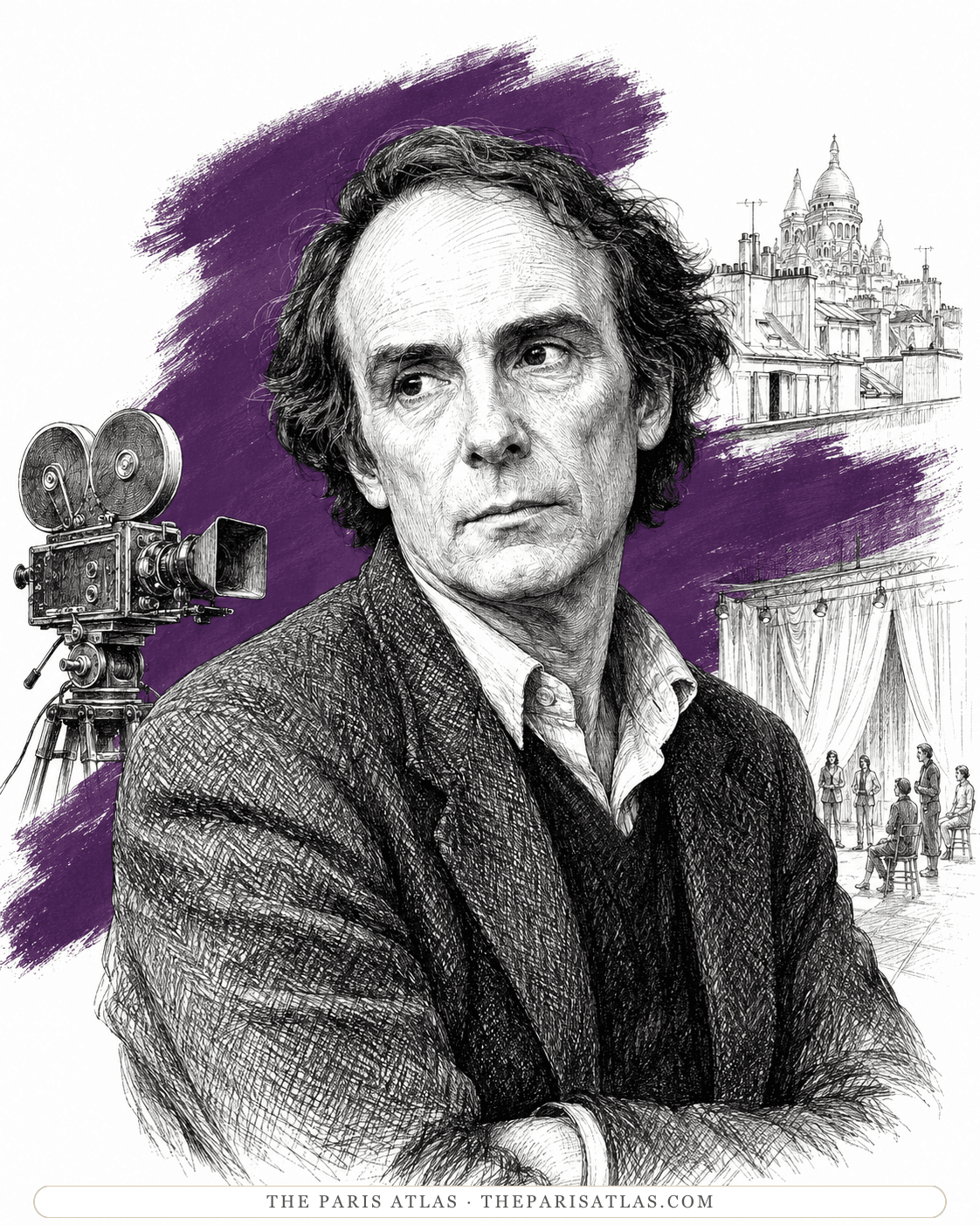
Jacques Rivette
- Filmmaker
- Critic
Collaborated with · 1966
Rivette directed Karina in his 1966 adaptation of Diderot's The Nun, the film banned by French censors before its release.
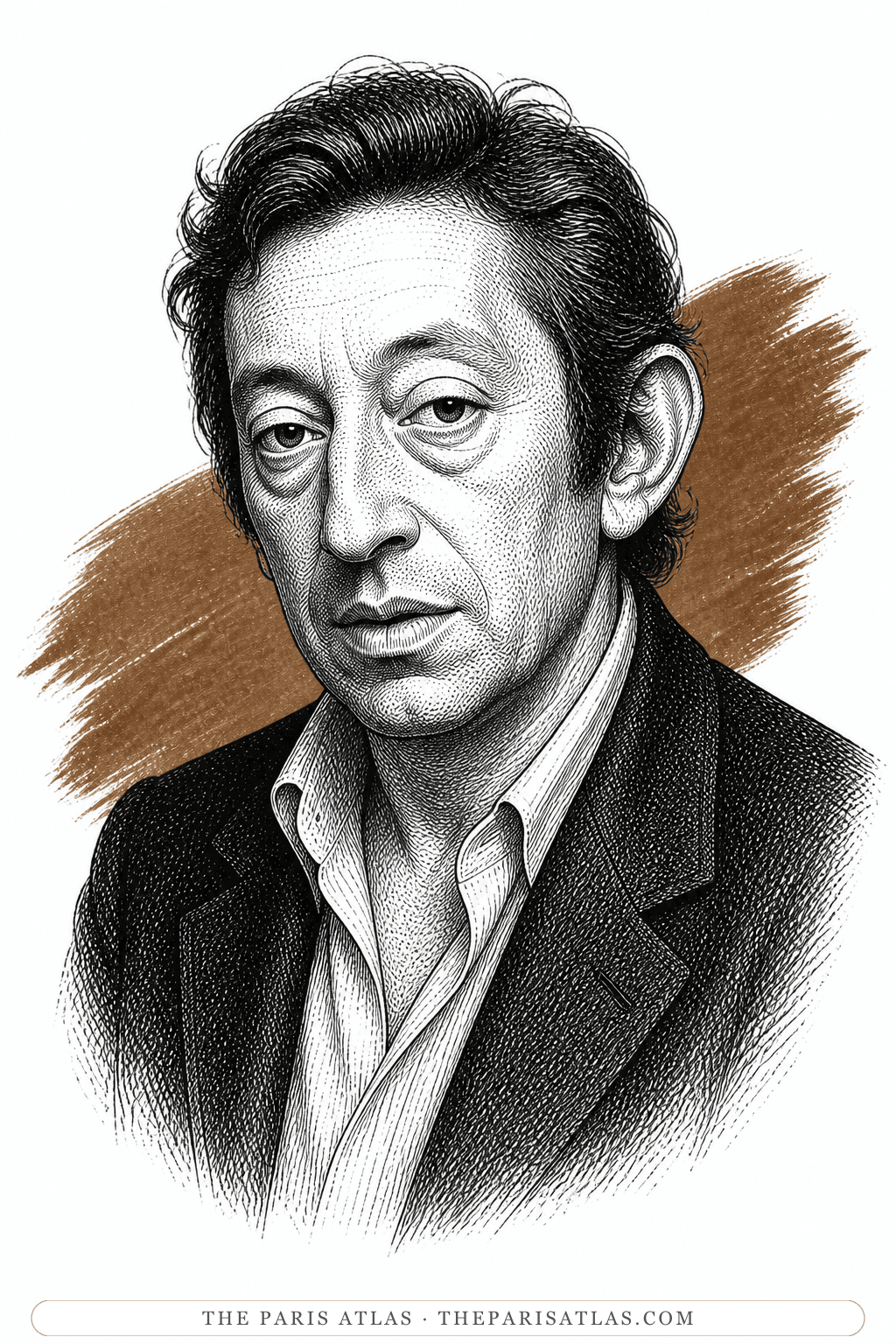
Serge Gainsbourg
- Singer
- Composer
- Pianist
Collaborated with · 1967
Anna (1967) was a musical made for French television, written by Gainsbourg, who also appeared in it. It began Karina's singing career: two of its songs, Sous le soleil exactement and Roller Girl, outlived the broadcast.
Movements
Film movement · c. 1958–1968
The French New Wave
The movement's defining female lead: the actor at the center of Godard's 1960s features, from Une femme est une femme (1961) to Made in U.S.A. (1966). Her Silver Bear for Best Actress at Berlin in 1961 was among the movement's first major acting prizes. An actor in the New Wave's orbit, not one of its Cahiers directors.
Questions about Anna Karina
Who was Anna Karina?
A Danish-French actor (1940–2019) who was the central female performer of the French New Wave, best known for seven films made with Jean-Luc Godard between 1960 and 1966. She was married to Godard from 1961 to 1965 and later directed films of her own.
Was Anna Karina married to Jean-Luc Godard?
Yes. They married in 1961 and divorced in 1965. Their working partnership was wider and longer than the marriage — they completed their last feature together, Made in U.S.A., after the divorce.
What films did Anna Karina make with Godard?
Seven features: Le Petit Soldat (shot 1960, released 1963), Une femme est une femme (1961), Vivre sa vie (1962), Bande à part (1964), Alphaville and Pierrot le fou (1965), and Made in U.S.A. (1966).
How did Anna Karina get her name?
She was born Hanne Karin Blarke Bayer in Denmark. On a modeling job connected to Coco Chanel, the couturier suggested she call herself Anna Karina, echoing Tolstoy's Anna Karenina.
Did Anna Karina direct films?
Two: Vivre ensemble (1973), which she also wrote and starred in, and Victoria (2008). She also published four novels between 1973 and 1998.
How did Anna Karina die, and where is she buried?
She died of cancer in Paris on 14 December 2019, aged 79. She is buried in Père-Lachaise Cemetery.
Did Anna Karina sing?
Yes, throughout her life. Serge Gainsbourg wrote a whole score for her for Anna, a musical made for French television and broadcast in January 1967. It was the first French television film shot in colour, though colour broadcasting did not start in France until that October, so viewers saw it in black and white. The best-known song from it, Sous le soleil exactement, was hers two years before Gainsbourg recorded his own version.
Did Anna Karina write books?
Four novels, in French. The first, Vivre ensemble, appeared in 1973, the same year and the same title as the film she directed.
What did Anna Karina do after Godard?
She worked for another fifty years. She acted for Rivette, Visconti, Fassbinder and others, wrote four novels, recorded albums and toured a stage musical of her own. She also directed twice: Vivre ensemble in 1973, shown at Cannes, and Victoria in 2008, a road film shot in Canada.
Connections and Sources
Associated with · 1960–1966
The French New Wave
The movement's defining female lead: the actor at the center of Godard's 1960s features, from Une femme est une femme (1961) to Made in U.S.A. (1966). Her Silver Bear for Best Actress at Berlin in 1961 was among the movement's first major acting prizes. An actor in the New Wave's orbit, not one of its Cahiers directors.
Buried at · 2019
Père-Lachaise Cemetery
Buried in Père-Lachaise after her death in Paris in December 2019, in the cemetery that also holds Gertrude Stein and, in the popular imagination, Jim Morrison.
Collaborated with · 1960–1966
Jean-Luc Godard
Seven features in six years: Le Petit Soldat (shot 1960, released 1963), Une femme est une femme (1961), Vivre sa vie (1962), Bande à part (1964), Alphaville and Pierrot le fou (1965), and Made in U.S.A. (1966). The partnership ran wider and longer than the 1961–1965 marriage; Made in U.S.A. was completed after the divorce.
Married to · 1961–1965
Jean-Luc Godard
Married in 1961, divorced in 1965. The working partnership ran wider than the marriage: a run of features from Une femme est une femme (1961) to Made in U.S.A. (1966), the last completed after the divorce.
Collaborated with · 1966
Jacques Rivette
Rivette directed Karina in his 1966 adaptation of Diderot's The Nun, the film banned by French censors before its release.
Collaborated with · 1967
Serge Gainsbourg
Anna (1967) was a musical made for French television, written by Gainsbourg, who also appeared in it. It began Karina's singing career: two of its songs, Sous le soleil exactement and Roller Girl, outlived the broadcast.
References
References
The sources below include biographies, scholarly essays, interviews, and primary materials that informed this page. They reflect both the historical record and ongoing critical conversations about Anna Karina and their work.


1↑Encyclopaedia Britannica — Anna Karina (Danish-French actress)
WebsiteEncyclopaedia BritannicaUsed forWeb source consulted for documented facts and historical context presented on the Anna Karina page.
2↑The Criterion Collection — Band of Outsiders
WebsiteThe Criterion CollectionUsed forWeb source consulted for documented facts and historical context presented on the Anna Karina page.
3↑Encyclopaedia Britannica — Jacques Rivette
WebsiteUsed forWeb source consulted for documented facts and historical context presented on the Anna Karina page.
4↑Encyclopaedia Britannica — Père-Lachaise Cemetery
WebsiteUsed forWeb source consulted for documented facts and historical context presented on the Anna Karina page.
5The Hollywood Reporter — Jean-Luc Godard, Enfant Terrible of Modern French Cinema, Dies at 91
WebsiteThe Hollywood Reporter, 2022Used forWeb source consulted for documented facts and historical context presented on the Anna Karina page.
6BFI — Jean-Luc Godard obituary: a filmmaker of seismic impact and influence
WebsiteBritish Film Institute, 2022Used forWeb source consulted for documented facts and historical context presented on the Anna Karina page.
7Encyclopaedia Britannica — New Wave (French film movement)
WebsiteUsed forWeb source consulted for documented facts and historical context presented on the Anna Karina page.
8The Criterion Collection — Pierrot le fou
WebsiteThe Criterion CollectionUsed forWeb source consulted for documented facts and historical context presented on the Anna Karina page.
9The Criterion Collection — Vivre sa vie
WebsiteThe Criterion CollectionUsed forWeb source consulted for documented facts and historical context presented on the Anna Karina page.

10Sight and Sound — Anna Karina obituary: the French New Wave in the flesh
PeriodicalBritish Film Institute, 2019Used forContemporary reporting or criticism used to document the historical reception and context of Anna Karina.
11Variety — Anna Karina, French New Wave Star and Jean-Luc Godard Collaborator, Dies at 79
WebsiteVariety, 2019Used forWeb source consulted for documented facts and historical context presented on the Anna Karina page.
i
Why these sources are here
These references anchor the page in the documented record and in the scholarly conversations around Anna Karina. Every claim on this page traces back to one or more of the works listed here.
 Explore more resources