
Anna Karina
- Actor
- Singer
- Filmmaker
- +1
Collaborated with · 1966
Rivette directed Karina in his 1966 adaptation of Diderot's The Nun, the film banned by French censors before its release.
The most experimental of the Cahiers du cinéma directors. Rivette made films built on theatre, improvisation, and unusual length — from Paris Belongs to Us to the thirteen-hour Out 1 and Celine and Julie Go Boating.
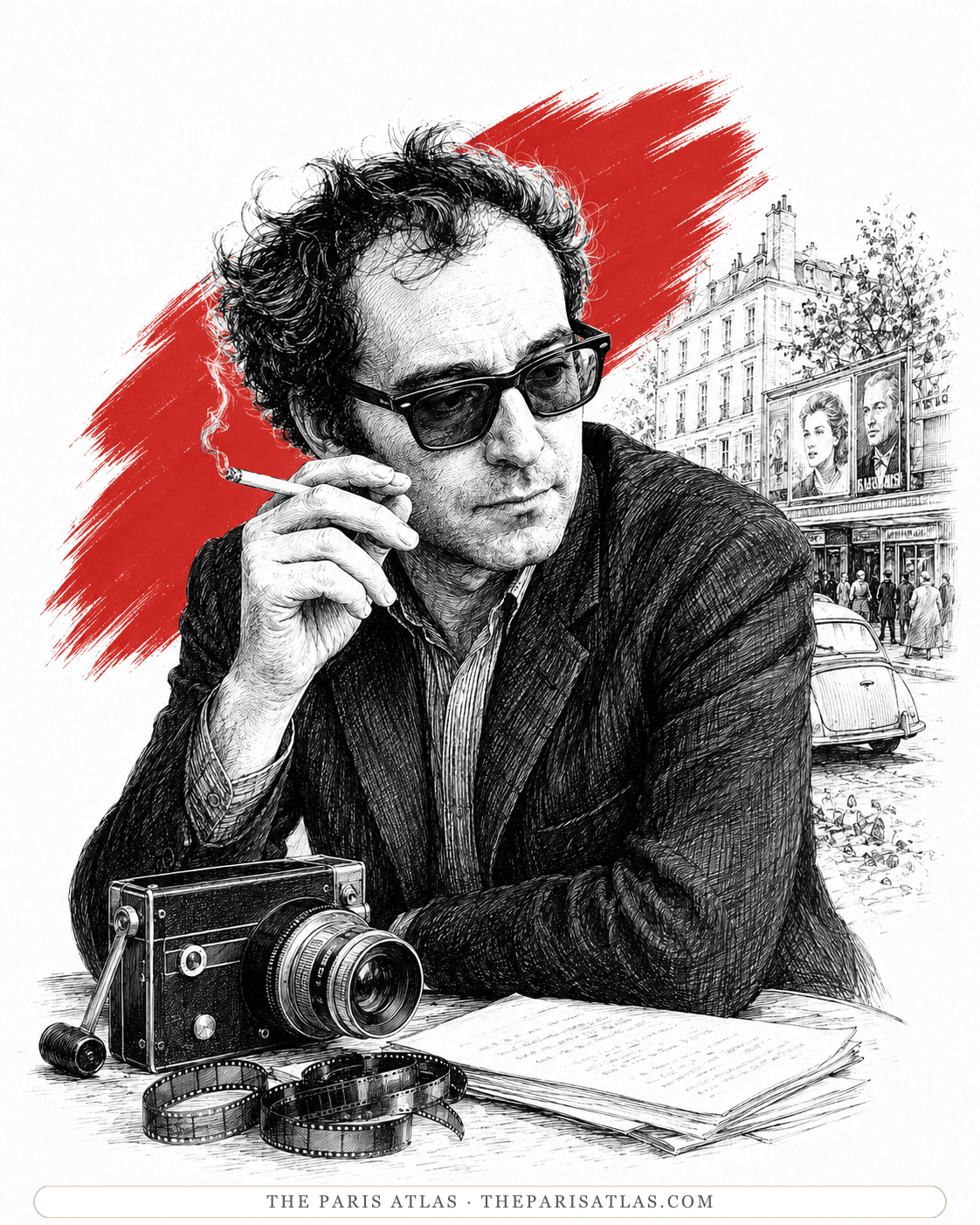
Jacques Rivette was the most experimental of the Cahiers du cinéma critics who became the French New Wave. He edited the magazine from 1963 to 1965, and as a director pursued theatre, rehearsal, and improvisation across films of unusual length, including the roughly thirteen-hour Out 1.[1]
His feature debut, Paris Belongs to Us, was begun in the late 1950s and finished only with help from his friends Truffaut and Chabrol. Over five decades he built a body of work admired more by critics and other filmmakers than by a wide public, from Celine and Julie Go Boating to the late La Belle Noiseuse. He died in Paris in 2016.
Rivette came from Rouen to Paris and threw himself into film more completely than almost anyone in his circle. He wrote for Éric Rohmer's La Gazette du cinéma and then for Cahiers du cinéma, and in 1963 succeeded Rohmer as its editor-in-chief, steering the magazine toward politics and modern thought before leaving the post in 1965.[2]
His first feature, Paris Belongs to Us, was shot over several years on almost no money and released in 1961. It reached the screen only because François Truffaut's company, Les Films du Carrosse, and Claude Chabrol's Ajym Films helped finish it; Jean-Luc Godard appears in a brief cameo. Its story of a theatre troupe rehearsing a doomed production, shadowed by a vague conspiracy, set the pattern for much of his later work.[1]
In 1966 Rivette adapted Diderot's novel The Nun, with Anna Karina as a young woman forced into a convent against her will. French authorities banned it before release, and the ban became a public fight over censorship that reached the government. The film was eventually allowed to open, and the affair marked Rivette as a director willing to provoke the state.[1]
From the late 1960s Rivette made the films he is now known for, built on rehearsal and chance rather than a fixed script. L'Amour fou (1969) ran over four hours; Out 1 (1971) ran roughly thirteen, and was almost never shown at full length. Celine and Julie Go Boating (1974), lighter and more playful, followed two women into a haunted house and became his most loved film.[1]
Theatre runs through all of it. Actors rehearse, plays fail to open, and the line between performance and life keeps blurring. Rivette let scenes find their own length, which is why his films ask more time and patience than most, and why other directors return to them.
He reached his widest audience late. La Belle Noiseuse (1991), a nearly four-hour film about a painter, his model, and an unfinished canvas, won the Grand Prix at Cannes; Va savoir (2001) was warmly received. Among the New Wave directors Rivette remained the least commercial and the most admired within the art, a filmmaker other filmmakers study.[1]
Jacques Pierre Louis Rivette was born at Rouen, in Normandy, on 1 March 1928, the son of a pharmacist. He watched Jean Cocteau shoot Beauty and the Beast near the town in 1945 and decided on films.[1]
He founded a film club in Rouen, made a short on 16mm, and came to Paris in 1949 at twenty-one. He failed the entrance examination to IDHEC, the state film school, and never held a formal qualification in the subject.
What he had instead was the Cinémathèque française. He went daily, and it was there, and in the Latin Quarter film clubs, that he met Jean-Luc Godard, François Truffaut, Éric Rohmer and Claude Chabrol. Before directing he worked as an assistant to Jean Renoir and Jacques Becker, and in 1956 made a short, Le Coup du berger, in Chabrol's flat.[3]
In June 1961 Rivette published an essay in Cahiers du cinéma called De l'abjection. It attacked a single camera movement in Kapò, a concentration-camp film by Gillo Pontecorvo, in which the camera tracks in to compose the body of a woman who has thrown herself onto the electrified wire.[2]
His argument was that the movement was indecent. Framing the death as a beautiful image was a moral act by the director, not a technical one, and it disqualified the film.
The piece is among the most quoted in French film criticism, and the question it opened has never really closed. Directors and critics still return to it whenever a film is accused of making suffering look good.
In the mid-1970s Rivette planned a set of four connected films under the title Les Filles du feu, to be shot in sequence with overlapping casts.
He completed two of them, Duelle and Noroît, both released in 1976. He collapsed during the third and the cycle was abandoned. He did not work for two years.[1]
He returned with Merry-Go-Round, shot in 1978, and then in 1981 made Le Pont du Nord, in which two women cross Paris as though the city were a board game laid out on the ground.
Jeanne la Pucelle, released in 1994, tells the story of Joan of Arc in two parts running about five and a half hours, with Sandrine Bonnaire in the title role. It is a deliberately plain account, with no visions shown and no music over the battles.[1]
The Duchess of Langeais, in 2007, adapts Balzac. His final film, Around a Small Mountain, came out in 2009 and runs eighty-four minutes, the shortest thing he ever made.[1]
Out 1 came back into circulation in 2015, restored and shown at full length for the first time in more than forty years, a few months before he died.
Jacques Rivette died in Paris on 29 January 2016, aged eighty-seven, after several years with Alzheimer's disease. He is buried in the Montmartre cemetery.
He had made twenty-nine films across five decades. The obituaries settled on the same summary: the least seen of the New Wave directors, and the one the others rated most highly.
Born on 1 March in Rouen, in Normandy.
Watches Jean Cocteau shoot Beauty and the Beast near Rouen and decides on films.
Founds a film club in Rouen and makes a short on 16mm.
Moves to Paris at twenty-one and fails the entrance examination to the IDHEC film school.
Writes for Rohmer's La Gazette du cinéma, then joins Cahiers du cinéma.
Works as an assistant to Jean Renoir and Jacques Becker.
Directs the short Le Coup du berger, shot in Claude Chabrol's flat.
Paris Belongs to Us is released, finished with help from Truffaut and Chabrol.
Publishes De l'abjection in June, attacking a camera movement in Gillo Pontecorvo's Kapò as indecent.
Succeeds Rohmer as editor-in-chief of Cahiers du cinéma, a post he holds until 1965.
The Nun, with Anna Karina, is banned by French censors, setting off a public fight over censorship.
L'Amour fou, running over four hours.
Out 1, roughly thirteen hours long and rarely screened complete.
Celine and Julie Go Boating, his most beloved film.
Completes Duelle and Noroît, then collapses during the third film of the Filles du feu cycle, which is abandoned.
Returns to work and shoots Merry-Go-Round.
Directs Le Pont du Nord, in which two women cross Paris as though it were a board game.
La Belle Noiseuse wins the Grand Prix at Cannes.
Directs Jeanne la Pucelle in two parts, about five and a half hours, with Sandrine Bonnaire.
Directs Va savoir.
Directs The Duchess of Langeais, from Balzac.
Directs Around a Small Mountain, his last film and the shortest at eighty-four minutes.
Out 1 is restored and shown at full length for the first time in more than forty years.
Dies in Paris on 29 January, at eighty-seven.
Collaborated with · 1966
Rivette directed Karina in his 1966 adaptation of Diderot's The Nun, the film banned by French censors before its release.

Collaborated with · 1961
Truffaut's production company, Les Films du Carrosse, helped finish Rivette's long-delayed debut Paris Belongs to Us, released in 1961. The two were part of the Cahiers du cinéma circle together.
Collaborated with · 1961
Godard appears in a cameo in Rivette's debut Paris Belongs to Us (1961). Both wrote for Cahiers du cinéma and belonged to the circle of critics who became the New Wave.

Collaborated with · 1950
Rivette wrote for Rohmer's La Gazette du cinéma in 1950 and worked alongside him at Cahiers du cinéma, where he succeeded Rohmer as editor-in-chief in 1963.

Among the young Cahiers critics who canonized Renoir, Rivette went furthest: in 1967 he directed a Cinéastes de notre temps program filming Renoir and Michel Simon in conversation — the disciple documenting the master at length.
Film movement · c. 1958–1968
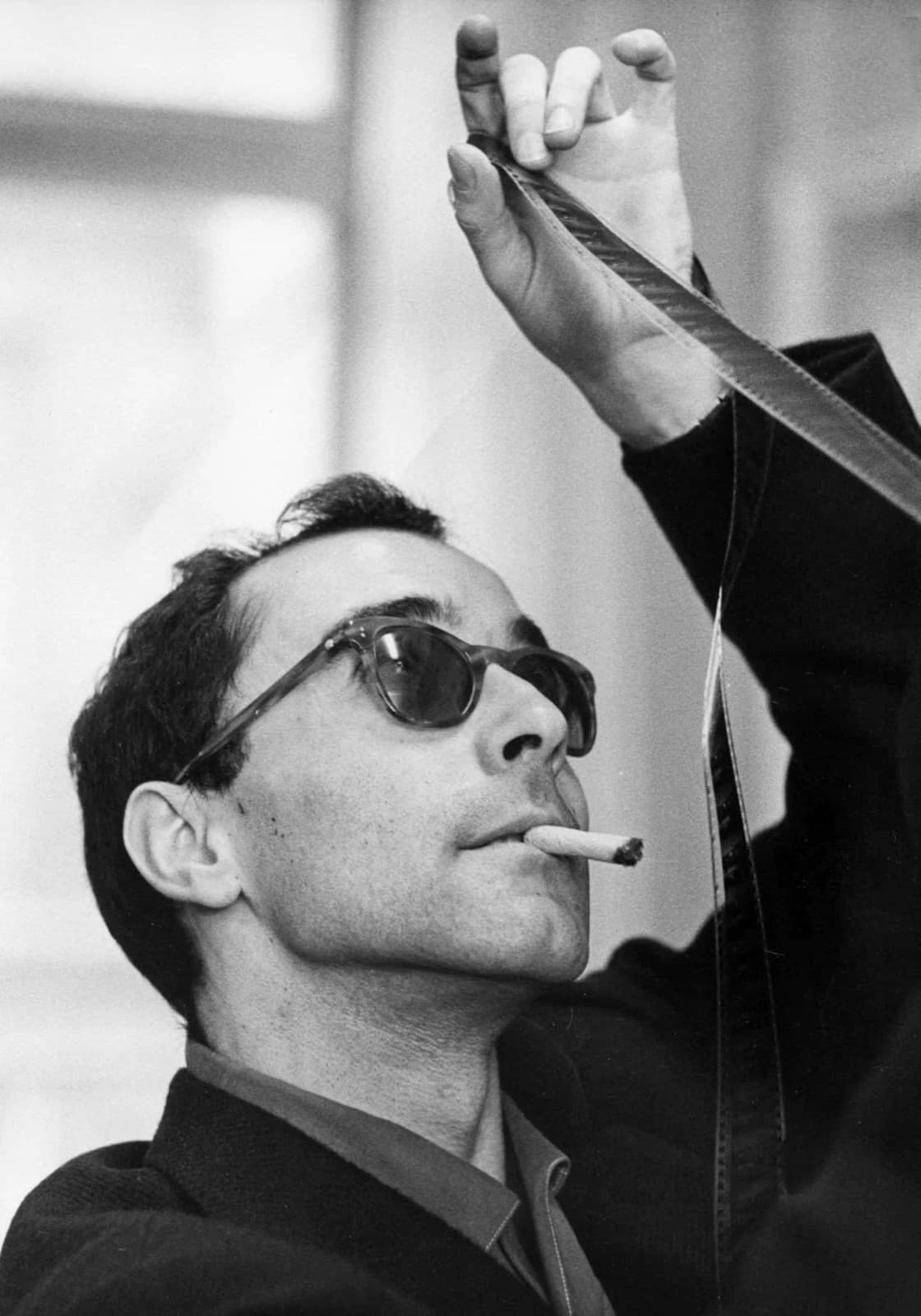
One of the core Cahiers du cinéma critics who made the New Wave, and its most experimental director. Rivette edited the magazine from 1963 to 1965; his 1961 debut Paris Belongs to Us was among the movement's first features.
A French film director and critic, born in 1928. He was one of the Cahiers du cinéma writers who made the French New Wave, edited the magazine from 1963 to 1965, and became the movement's most experimental director, known for long films built on theatre and improvisation. He died in 2016.
Yes. He was one of the core Cahiers du cinéma critics — with Godard, Truffaut, Chabrol, and Rohmer — who turned from writing to directing. His 1961 debut, Paris Belongs to Us, was among the first New Wave features, and his friends Truffaut and Chabrol helped him finish it.
Celine and Julie Go Boating (1974) is his most loved, and La Belle Noiseuse (1991), winner of the Grand Prix at Cannes, reached the widest audience. Out 1 (1971), running roughly thirteen hours, is his most legendary among cinephiles.
Rivette built his films from rehearsal, improvisation, and real time rather than a tight script, and let scenes run to their natural length. L'Amour fou runs over four hours and Out 1 about thirteen, which is why his work asks unusual patience and is often seen in pieces.
His 1966 adaptation of Diderot's The Nun, starring Anna Karina, showed a young woman forced into a convent and treated harshly there. French authorities banned it before release; the ban became a public dispute over censorship, and the film was allowed to open only afterward.
He was the most experimental and the least commercial. Where the others made films for a broad public, Rivette pursued theatre, conspiracy, and extreme length, building a body of work admired above all by critics and other filmmakers.
An essay Rivette wrote for Cahiers du cinéma in June 1961. He attacked one camera movement in Kapò, a film by Gillo Pontecorvo set in a concentration camp, and called it indecent. The piece is still quoted. It started a long argument: is the way a director films a thing a moral choice, or only a technical one?
Rivette planned four connected films under that title in the mid-1970s. He finished two, Duelle and Noroît, both released in 1976, then collapsed during the third and abandoned the cycle. He did not work for two years, returning with Merry-Go-Round, shot in 1978.
Around a Small Mountain, released in 2009. It runs eighty-four minutes, which makes it the shortest film he made, and it came three years after The Duchess of Langeais.
Associated with · 1961
One of the core Cahiers du cinéma critics who made the New Wave, and its most experimental director. Rivette edited the magazine from 1963 to 1965; his 1961 debut Paris Belongs to Us was among the movement's first features.
Collaborated with · 1966
Rivette directed Karina in his 1966 adaptation of Diderot's The Nun, the film banned by French censors before its release.
Collaborated with · 1961
Truffaut's production company, Les Films du Carrosse, helped finish Rivette's long-delayed debut Paris Belongs to Us, released in 1961. The two were part of the Cahiers du cinéma circle together.
Collaborated with · 1961
Godard appears in a cameo in Rivette's debut Paris Belongs to Us (1961). Both wrote for Cahiers du cinéma and belonged to the circle of critics who became the New Wave.
Collaborated with · 1950
Rivette wrote for Rohmer's La Gazette du cinéma in 1950 and worked alongside him at Cahiers du cinéma, where he succeeded Rohmer as editor-in-chief in 1963.
Influenced by
Among the young Cahiers critics who canonized Renoir, Rivette went furthest: in 1967 he directed a Cinéastes de notre temps program filming Renoir and Michel Simon in conversation — the disciple documenting the master at length.
The sources below include biographies, scholarly essays, interviews, and primary materials that informed this page. They reflect both the historical record and ongoing critical conversations about Jacques Rivette and their work.

Web source consulted for documented facts and historical context presented on the Jacques Rivette page.
Reference article cross-checked for the dates, the filmography, the Cahiers editorship and the running times.
Web source consulted for documented facts and historical context presented on the Jacques Rivette page.
Web source consulted for documented facts and historical context presented on the Jacques Rivette page.
Web source consulted for documented facts and historical context presented on the Jacques Rivette page.
These references anchor the page in the documented record and in the scholarly conversations around Jacques Rivette. Every claim on this page traces back to one or more of the works listed here.
 Explore more resources