The Paris AtlasCharting the artists, works, and places worth returning to.
  • Filmmaker
  • Critic
· French · 1930–2010

Claude Chabrol

The Cahiers du cinéma critic who reached the screen first: his 1958 debut Le Beau Serge was the first feature from the group that made the New Wave. Over fifty years he became the 'French Hitchcock,' anatomist of the provincial bourgeoisie.

In images

Details

Lived
1930–2010
Born
24 June 1930
Birthplace
Paris, France
Died
12 September 2010 · aged 80
Place of death
Paris, France
Nationality
French
Roles
FilmmakerCritic

About Claude Chabrol

Claude Chabrol came to directing from criticism. In the 1950s he wrote for Cahiers du cinéma alongside Jean-Luc Godard, François Truffaut, Éric Rohmer, and Jacques Rivette — the circle that argued for the director as an author before any of them had made a film. Chabrol reached the screen first: his debut, Le Beau Serge (1958), shot in his home village with money from a family inheritance, arrived ahead of Truffaut's The 400 Blows and Godard's Breathless, and its success helped him produce early films by his friends.

His second feature, Les Cousins (1959), won the top prize at Berlin, and over the following decades he built one of the largest bodies of work in French cinema. His speciality was the psychological thriller, often set among the provincial bourgeoisie, which earned him the label of the French Hitchcock. He kept directing until shortly before his death in 2010.

From Cahiers to the camera

Chabrol joined the young critics around André Bazin's Cahiers du cinéma in the 1950s, and in 1957 he and Éric Rohmer published a book-length study of Alfred Hitchcock, one of the first to treat the director as a serious artist. When money came into his marriage through an inheritance, Chabrol used it to finance a film of his own.

Le Beau Serge (1958), shot in his home village of Sardent, is often called the first feature of the New Wave — the first, at least, from the Cahiers circle. Its success let Chabrol set up a production company, Ajym Films, which helped finance early work by his friends, including part of Jacques Rivette's long-delayed Paris Belongs to Us.

Les Cousins and the launch

His second film, Les Cousins (1959), a story of two cousins — one earnest, one cynical — sharing a Paris flat, won the Golden Bear at Berlin and confirmed the arrival of the new French cinema. With Les Bonnes Femmes (1960) he began the studies of provincial and bourgeois life that would run through his career.

The French Hitchcock

From the late 1960s Chabrol settled into the genre that made his name: the psychological thriller of murder and secrecy inside respectable families. La Femme infidèle (1969), Que la bête meure (1969), and Le Boucher (1970), many of them starring his wife Stéphane Audran, are cool, exact anatomies of the French middle class, and earned him the comparison with Hitchcock he never disowned.

A long career

Chabrol was among the most prolific of the New Wave directors, making some fifty features. Later he worked often with Isabelle Huppert, in Violette Nozière (1978), Story of Women (1988), and La Cérémonie (1995). A famous lover of food and wine, he kept a steady, unhurried output until close to his death in Paris in 2010.

Life events

  1. 1930

    Born on 24 June in Paris.

  2. 1957

    Publishes a book-length study of Hitchcock with Éric Rohmer while writing for Cahiers du cinéma.

  3. 1958

    Le Beau Serge, self-financed and shot in his home village, is often called the first New Wave feature.

  4. 1959

    Les Cousins wins the Golden Bear at the Berlin Film Festival.

  5. 1960

    Les Bonnes Femmes begins his studies of provincial and bourgeois life.

  6. 1970

    Le Boucher, one of his best-known thrillers, with Stéphane Audran.

  7. 1988

    Story of Women, the first of several films with Isabelle Huppert.

  8. 1995

    La Cérémonie is among his most acclaimed later films.

  9. 2010

    Dies in Paris on 12 September, at eighty.

Selected works

Cataloged from the holding institutions' records. Reproductions appear only where the rights are verified.

Cinema

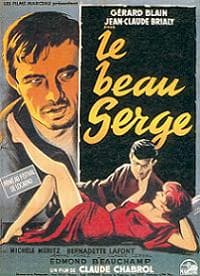
Poster for Le Beau Serge (1958), Claude Chabrol's first feature

Archival photograph

Film

Le Beau Serge

1958 · 99-minute feature, black and white

Le Beau Serge is Claude Chabrol's first feature, and the first film made by any of the Cahiers du cinéma critics who would become the French New Wave — reaching the screen before Truffaut's The 400 Blows and Godard's Breathless. Chabrol shot it in his own childhood village with money from a family inheritance: a young man recovering from illness returns home to find his once-promising friend Serge sunk into drink and a failing marriage, and sets himself to save him. Location shooting, natural light, a small crew, and independent financing outside the studios made it a template for the movement, and its success let Chabrol help produce his friends' first films.
Claude Chabrol, Le Beau Serge, 1958. Image © the rights holder, shown under fair use.

In the credits

Works in our catalog that credit Claude.

Technical adviserFilm

Breathless

Jean-Luc Godard

People they knew

Documented connections — every one carries its source.

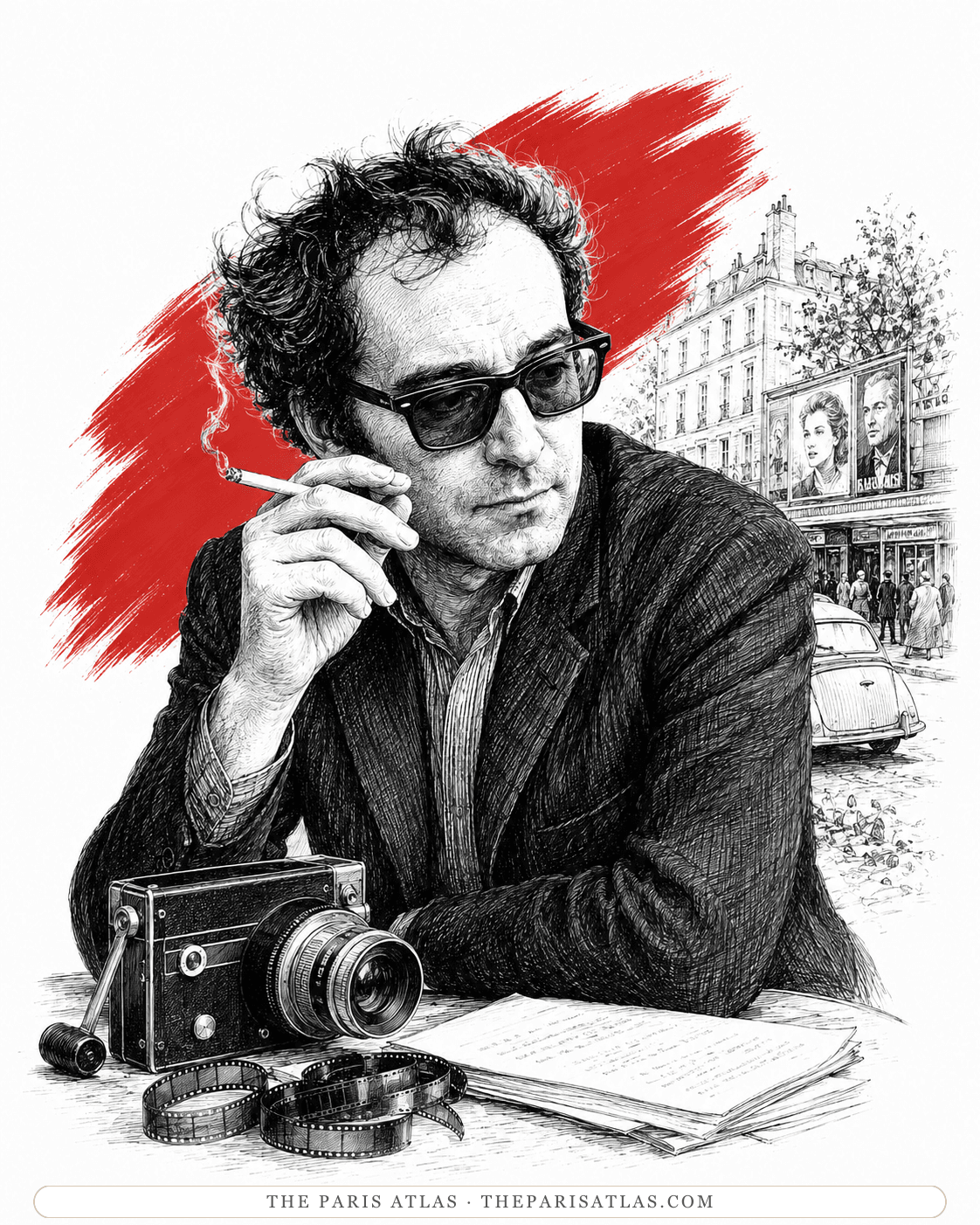
Illustrated portrait of Jean-Luc Godard

Jean-Luc Godard

  • Filmmaker
  • Critic

Collaborated with · 1960

Fellow Cahiers du cinéma critics; Chabrol served as the credited artistic and technical adviser on Godard's debut Breathless (1960).

The Criterion Collection — Le Beau Serge; Encyclopaedia Britannica — New Wave (French film movement)

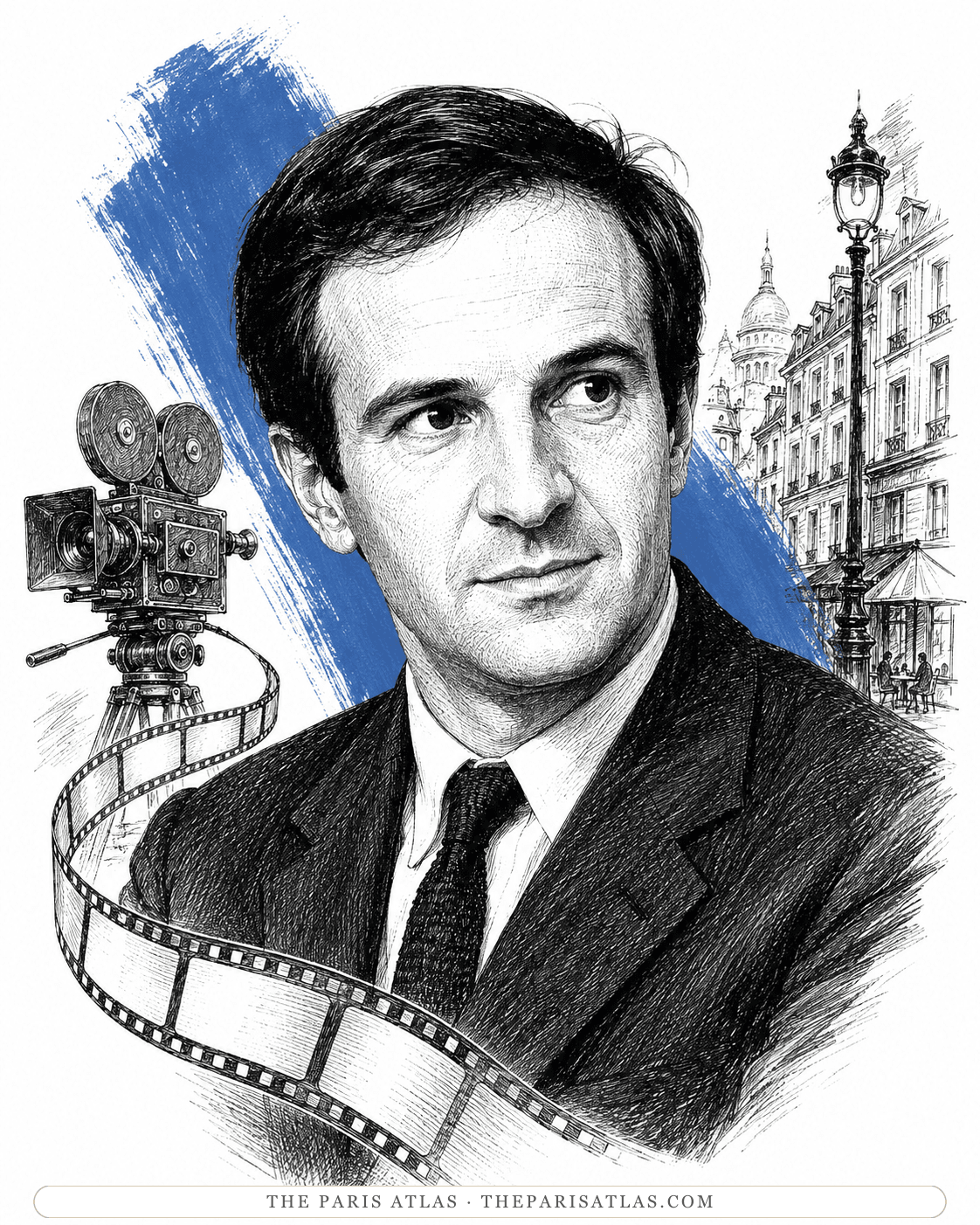
Illustrated portrait of François Truffaut

François Truffaut

  • Filmmaker
  • Critic
  • Actor

Collaborated with · 1961

Both were Cahiers du cinéma critics; Chabrol's production company Ajym Films and Truffaut's Les Films du Carrosse together helped finish Jacques Rivette's long-delayed debut Paris Belongs to Us (1961).

The Criterion Collection — Le Beau Serge; Encyclopaedia Britannica — New Wave (French film movement)

Movements

The artistic and literary currents this life ran through.

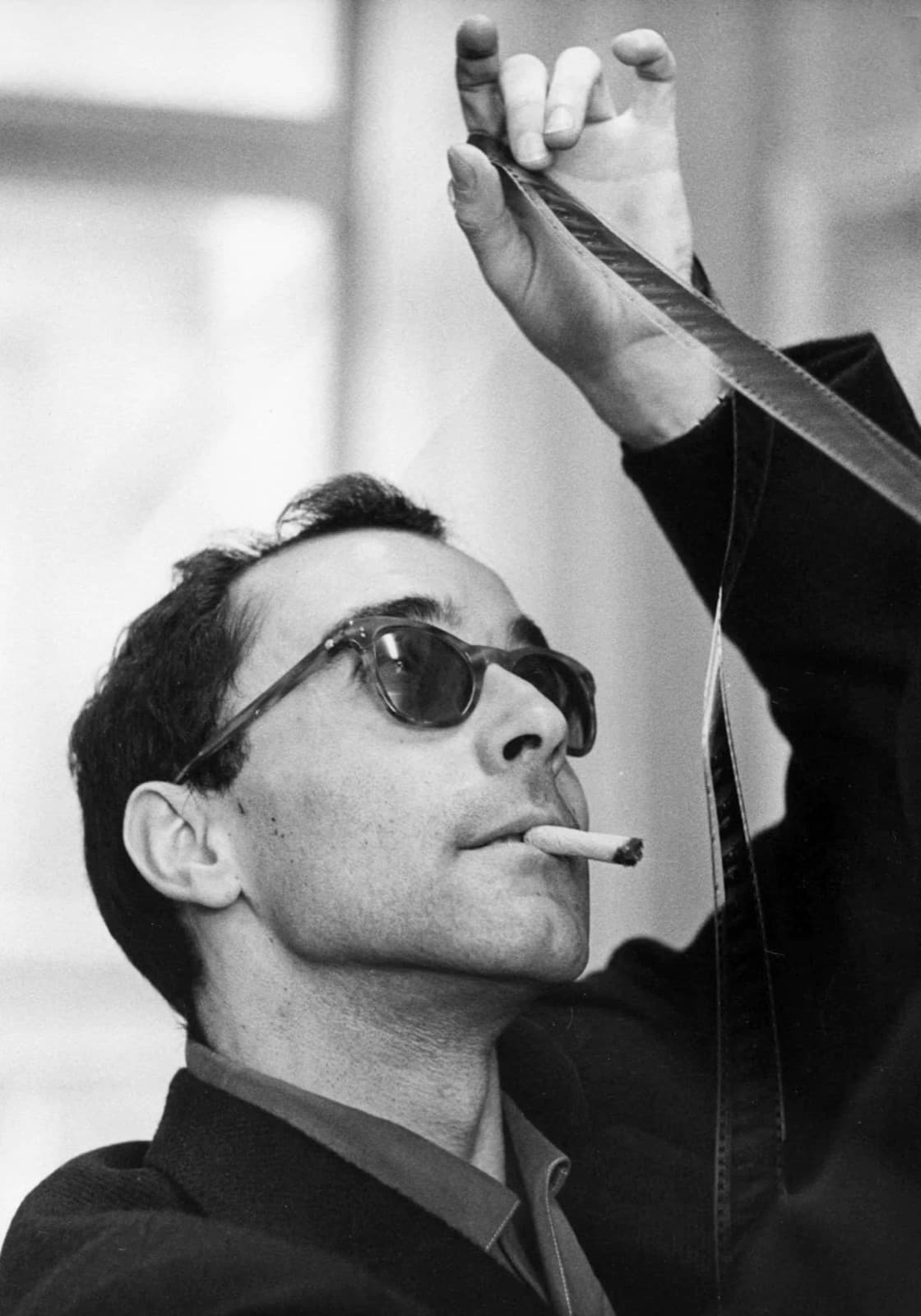
Young Jean-Luc Godard in dark glasses, cigarette in his mouth, holding a strip of film up to the light with both hands

Film movement · c. 1958–1968

The French New Wave

A Cahiers du cinéma critic and one of the movement's founders; his self-financed debut Le Beau Serge (1958) was the first feature from the group, and its success helped him produce his colleagues' early films.

The Criterion Collection — Le Beau Serge; Encyclopaedia Britannica — New Wave (French film movement)

Questions about Claude Chabrol

Who was Claude Chabrol?

A French film director and critic, born in 1930. He was one of the Cahiers du cinéma writers who made the French New Wave, and the first of them to direct a feature, Le Beau Serge (1958). Over fifty years he became known as the French Hitchcock for his thrillers about the bourgeoisie. He died in 2010.

Was Le Beau Serge the first New Wave film?

It is often called the first. Chabrol's Le Beau Serge (1958) was the first feature completed by the Cahiers du cinéma circle, reaching screens before Truffaut's The 400 Blows and Godard's Breathless. Which film counts as the true start of the New Wave is debated, but Le Beau Serge has the strongest claim to being first.

Why was Chabrol called the French Hitchcock?

He specialised in psychological thrillers about murder and guilt inside respectable middle-class families, and had co-written an early serious study of Hitchcock with Rohmer in 1957. Films like La Femme infidèle and Le Boucher share Hitchcock's cool control and moral unease.

What are Claude Chabrol's most famous films?

Le Beau Serge (1958) and Les Cousins (1959) from the New Wave years, and among the thrillers Le Boucher (1970) and La Femme infidèle (1969). Later, La Cérémonie (1995) with Isabelle Huppert and Sandrine Bonnaire is widely regarded as one of his finest.

Who did Claude Chabrol work with most often?

Two actresses recur across his career: his wife Stéphane Audran, the face of many of his 1960s and 1970s thrillers, and later Isabelle Huppert, whom he directed in seven films including Violette Nozière, Story of Women, and La Cérémonie.

Sourced claims

Every connection the graph holds for Claude, with the evidence behind it.

Associated with · 1958

The French New Wave

A Cahiers du cinéma critic and one of the movement's founders; his self-financed debut Le Beau Serge (1958) was the first feature from the group, and its success helped him produce his colleagues' early films.

The Criterion Collection — Le Beau Serge; Encyclopaedia Britannica — New Wave (French film movement)

Collaborated with · 1960

Jean-Luc Godard

Fellow Cahiers du cinéma critics; Chabrol served as the credited artistic and technical adviser on Godard's debut Breathless (1960).

The Criterion Collection — Le Beau Serge; Encyclopaedia Britannica — New Wave (French film movement)

Collaborated with · 1961

François Truffaut

Both were Cahiers du cinéma critics; Chabrol's production company Ajym Films and Truffaut's Les Films du Carrosse together helped finish Jacques Rivette's long-delayed debut Paris Belongs to Us (1961).

The Criterion Collection — Le Beau Serge; Encyclopaedia Britannica — New Wave (French film movement)