The Paris AtlasCharting the artists, works, and places worth returning to.
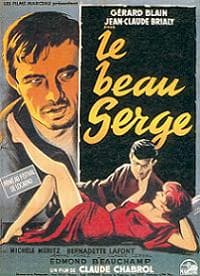
Poster for Le Beau Serge (1958), Claude Chabrol's first feature

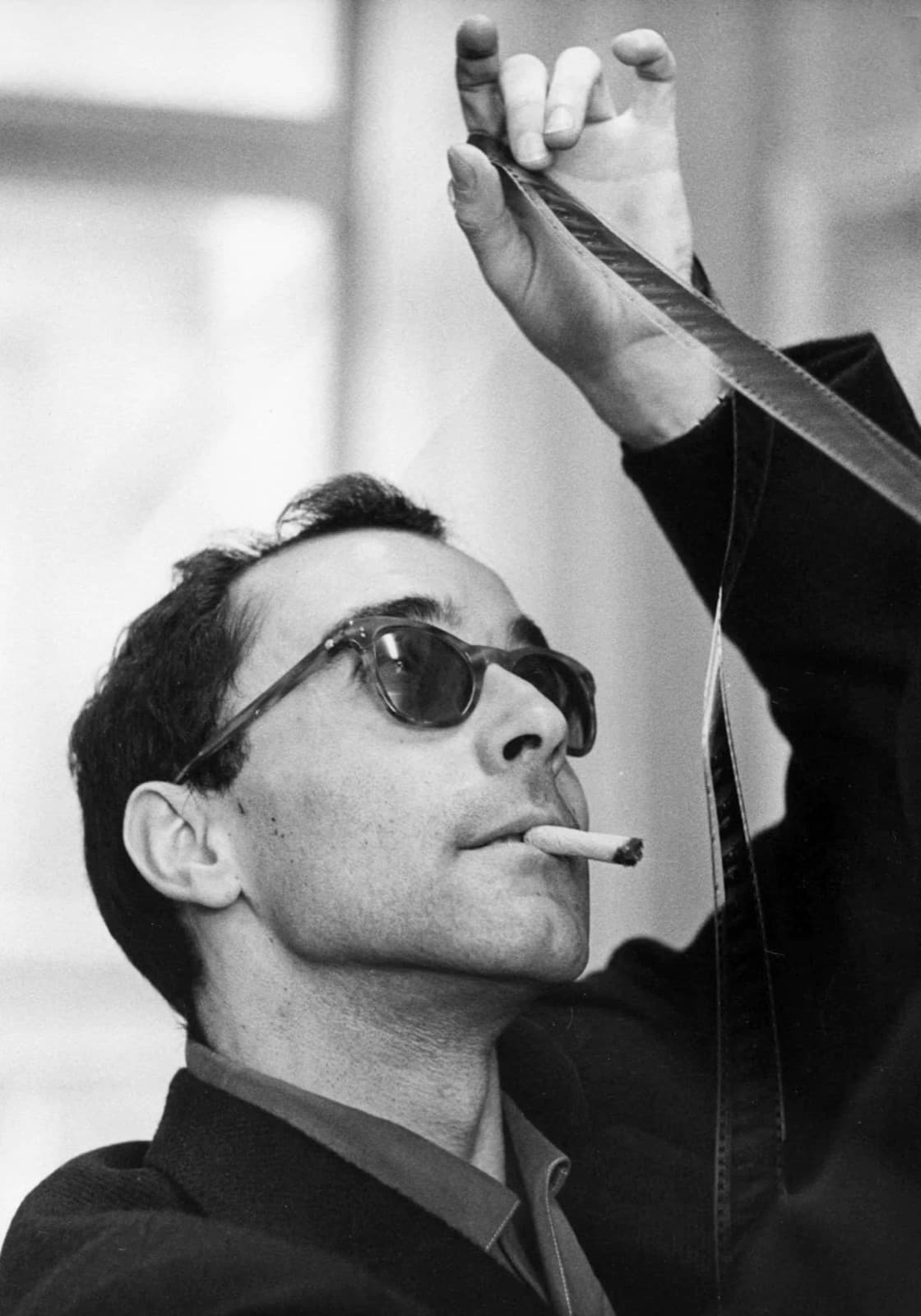
Archival photograph

Film

Le Beau Serge

by Claude Chabrol

Le Beau Serge is Claude Chabrol's first feature, and the first film made by any of the Cahiers du cinéma critics who would become the French New Wave — reaching the screen before Truffaut's The 400 Blows and Godard's Breathless. Chabrol shot it in his own childhood village with money from a family inheritance: a young man recovering from illness returns home to find his once-promising friend Serge sunk into drink and a failing marriage, and sets himself to save him. Location shooting, natural light, a small crew, and independent financing outside the studios made it a template for the movement, and its success let Chabrol help produce his friends' first films.

Created
1958
Form
99-minute feature, black and white

About Claude Chabrol

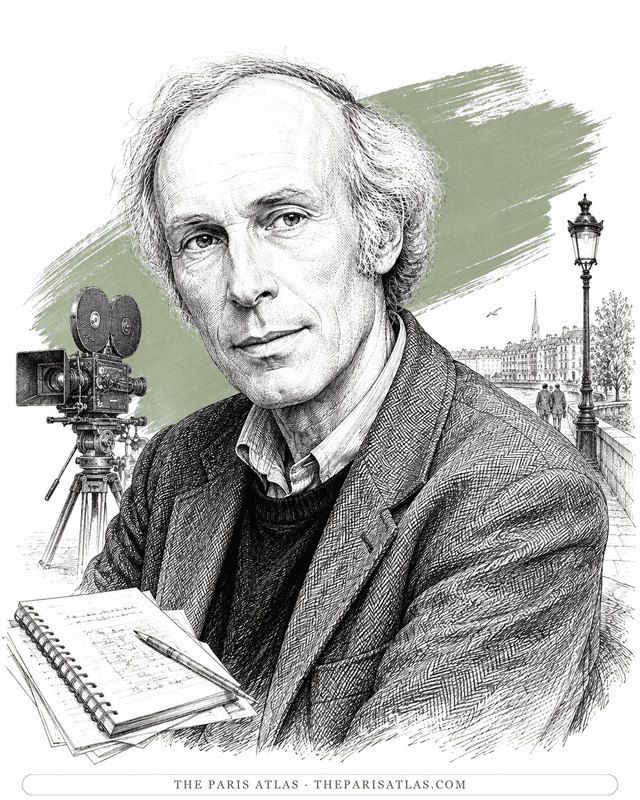
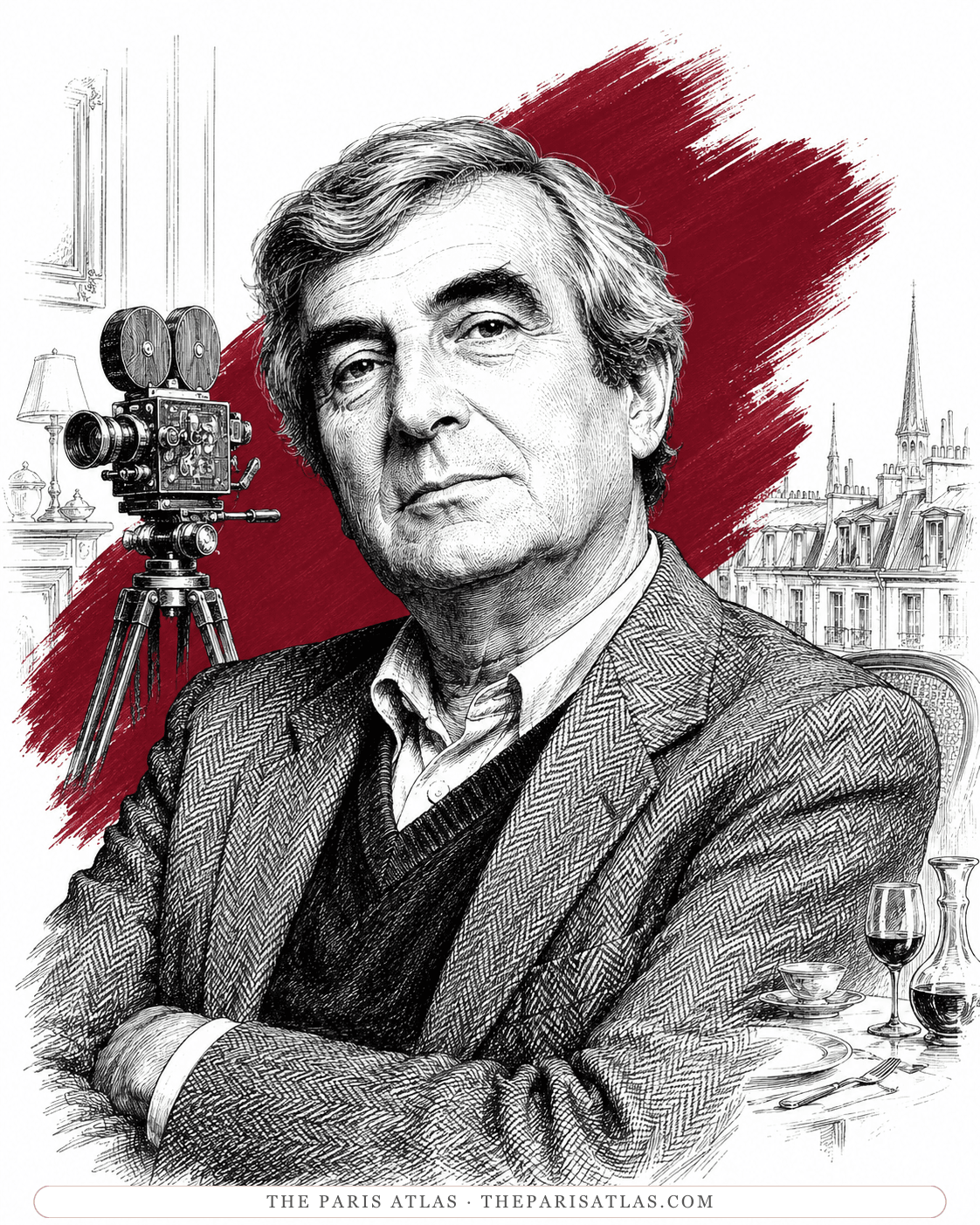
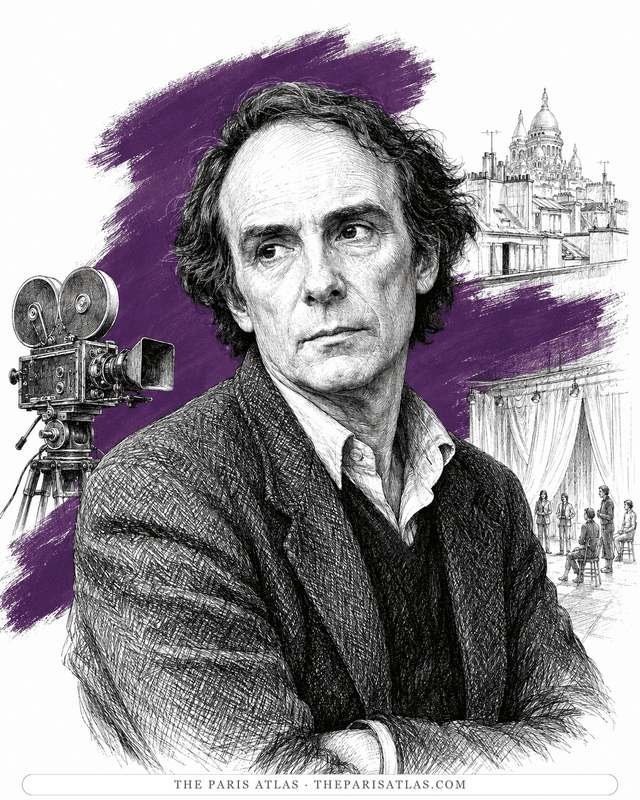
Illustrated portrait of Claude Chabrol
Claude Chabrol

1 work on our shelves

The return

François Bayon, a young man recovering from a lung illness, comes back to spend the winter in the provincial village where he grew up. He finds his childhood friend Serge — once thought the promising one, headed for a career in architecture — now a drunk, worn down and trapped in an unhappy marriage to the pregnant Yvonne.

Serge's despair has a cause: an earlier child, born with a disability, had died, and he fears the coming baby will suffer the same. Healthier in body and moved by something like a mission, François sets himself to pull his friend back, while getting entangled with Yvonne's younger sister Marie and the hostility of the village.

The ending in the snow

François meets resistance and is beaten; his own health is failing. In the film's snowbound climax, as Yvonne goes into labor, he drags himself through the snow to fetch the doctor and rouses the drunk Serge to come and see the birth.

The child is born alive, and Serge breaks into near-hysterical laughter at the sound of it while François, spent, collapses. The ending is often read as a redemption — a secular grace worked between two friends — and it gave the New Wave one of its first indelible images.

The first one

Chabrol wrote for Cahiers du cinéma with Godard, Truffaut, Rohmer, and Rivette — the critics who theorized the director as an author before any of them had made a film. Le Beau Serge was the first of that group to reach the screen, and so it is often called the first New Wave feature. The stricter claim is safer and just as telling: it was the first film from the Cahiers circle, ahead of The 400 Blows and Breathless.

What made it a template was less its style than its means. Chabrol financed it himself, shot on real locations with a small crew and natural light, and kept control. When it succeeded, he used the money to help produce the early films of his friends — so the movement's first feature also helped pay for its next ones.

Timeline

  1. 1957–1958

    Chabrol shoots the film in Sardent, his home village in the Creuse, financed largely by a family inheritance.

  2. 1958

    Premieres out of competition at the Cannes Film Festival.

  3. January 1959

    Released in France — the first feature from the Cahiers du cinéma critics who make the New Wave.

  4. 1959

    Chabrol's second feature, Les Cousins, wins the top prize at the Berlin Film Festival; The 400 Blows and Breathless follow.

  5. 2011

    Restored and released by the Criterion Collection, securing its place in the canon.

Frequently asked questions

What is Le Beau Serge about?

A young man, François, recovering from illness, returns to his home village and finds his old friend Serge sunk into drink and an unhappy marriage after the death of their disabled child. François sets himself to save Serge, and the film ends in a snowbound birth often read as a redemption. Claude Chabrol directed it in 1958.

Is Le Beau Serge the first French New Wave film?

It is often called that, and the careful version is just as striking: it was the first feature made by any of the Cahiers du cinéma critics — Chabrol, Godard, Truffaut, Rohmer, Rivette — reaching the screen before The 400 Blows (1959) and Breathless (1960). Whether it is flatly 'the first New Wave film' is debated.

Why is Le Beau Serge important to the movement?

It set the template: independent financing outside the studios, real-location shooting in an actual village, natural light, and a small crew. Its commercial success let Chabrol help produce the early films of his fellow critics, materially seeding the New Wave.

Who is Claude Chabrol?

A Cahiers du cinéma critic turned director, and the first of that circle to make a feature. After Le Beau Serge he built one of the largest bodies of work in French cinema, specializing in psychological thrillers that earned him the label of the French Hitchcock.

Where was Le Beau Serge filmed?

In Sardent, Chabrol's own childhood village in the Creuse region of central France. Shooting in a real place rather than a studio was part of what made the film a model for the New Wave.

Related videos

Official uploads only: trailers, performances, and works this one inspired.

Le Beau Serge — trailer (Gaumont)

The French rights holder's trailer for the film.

In the atlas

What the graph records about this work — every claim carries its citation.

Associated with · 1958

The French New Wave

The first feature from the Cahiers du cinéma critics who made the movement, reaching the screen before The 400 Blows and Breathless; its independent financing, location shooting, and small crew set the New Wave template.
The Criterion Collection — Le Beau Serge; Encyclopaedia Britannica — New Wave (French film movement)