The Paris AtlasCharting the artists, works, and places worth returning to.
  • Filmmaker
  • Author
· French · 1894–1979

Jean Renoir

Director of Grand Illusion and The Rules of the Game — the painter's second son, who turned direct sound, deep focus, and ensemble acting into a cinema of social worlds, and whom the New Wave adopted as its master.

In images

Details

Lived
1894–1979
Born
15 September 1894
Birthplace
Montmartre, Paris
Died
12 February 1979 · aged 84
Place of death
Beverly Hills, California
Nationality
French
Married
Catherine Hessling · m. 1920Dido Freire · 1944–1979
Partner
Marguerite Renoir · 1930s
Children
Alain Renoir
Roles
FilmmakerAuthor

About Jean Renoir

Jean Renoir was born into one kind of picture-making and invented another. The second son of Pierre-Auguste Renoir, painted through his childhood and raised on the knee of the model Gabrielle Renard, he came home wounded from the First World War, married his father's last model, and spent his inheritance learning cinema. What he built with sound — La Chienne, Toni, Grand Illusion, The Rules of the Game — took the Impressionist problem of people in a landscape and made it the cinematic problem of people in a social world.

The Rules of the Game failed so completely in 1939 that he left for Hollywood and never fully came back. It was the postwar critics of Cahiers du cinéma — André Bazin first, then François Truffaut, Jacques Rivette, Jean-Luc Godard, and Éric Rohmer — who rebuilt his reputation film by film and made him the French New Wave's adopted master. This page follows the whole arc: Montmartre, the trenches, the Popular Front, exile, India, and the long canonization.

A childhood inside Impressionism

Jean Renoir was born in Montmartre on 15 September 1894, the second son of Pierre-Auguste Renoir and Aline Charigot. His birth brought Gabrielle Renard into the house: Aline's young cousin, hired as his nursemaid, who held him still through his father's sittings and appears beside him in the Gabrielle et Jean series now at the Orangerie. His elder brother Pierre became a leading stage and screen actor; his younger brother Claude was born in 1901.

Gabrielle et Jean, c. 1895–96 — the nursemaid and the future director, painted by his father. (Pierre-Auguste Renoir, via Wikimedia Commons · Public domain)

The inheritance was not a style but a principle. Harvard's curators, surveying the complete films, put it directly: the deep-focus staging that became Renoir's signature — figures moving freely inside a continuous world rather than posed against it — extends his father's generation's problem of making people and environments belong to each other. Renoir spent his last years writing the family memory down in Renoir, My Father, a book as much self-portrait as biography.

The family at 73 rue Caulaincourt, c. 1902: the painter and Aline with Pierre, Jean, and the infant Claude. (Unknown photographer, via Wikimedia Commons · Public domain)

War, a wound, and the movies

Renoir enlisted in the cavalry just before the First World War broke out and was gravely wounded in the leg in trench combat. He returned to the front anyway, as a reconnaissance pilot in the young French air force. During a long convalescence he discovered a passion for the movies that never left him.

The war fed his work for the rest of his life. Years later, the aviator Pinsard — who had saved Renoir's life during his reconnaissance flights — turned up running the noisy aerodrome near the Toni locations, and his reminiscences supplied the story from which Grand Illusion grew.

Ceramics, Catherine Hessling, and the silent experiments

After the war Renoir worked seriously at ceramics — pots from his early twenties survive — and in 1920 he married Andrée Heuschling, his father's last model, who wanted to be a film star and took the name Catherine Hessling. He entered cinema for her sake, spending the inheritance from his father, who had died in 1919, to produce independently.

Pottery by the young Jean Renoir, c. 1915–18 — the craft before the cinema. (Photograph by YellowFratello, via Wikimedia Commons · CC BY-SA 3.0)

The silents were a decade of restless experiment with Hessling at the center: the troubled first collaboration Catherine (1924), the properly Renoir-directed Whirlpool of Fate (1925), a Stroheim-inflected Nana from Zola, and the effects-driven fantasies Charleston Parade and The Little Match Girl. None of it sold. By the end of the decade he was directing for hire to stay solvent, and Hessling's stardom had not come.

Sound: La Chienne, Michel Simon, Marguerite

Sound made Renoir Renoir. After proving he could shoot a talkie efficiently with the Feydeau farce On purge bébé, he made La Chienne in the same year, 1931 — a chilling story of decadence and corruption shot with live sound in real locations, immersing the audience in a Paris of courtyards, windows, and streets. It brought him his first serious critical attention.

Two collaborators defined the period. Michel Simon, the anarchic Swiss actor, starred in four Renoir films, from Tire au flanc through La Chienne to Boudu Saved from Drowning, and the two stayed close for the rest of their lives. And Marguerite Houllé, who edited the decade's central films and shared his life, cut a deeper channel: a Communist from a working-class family, she introduced Renoir to political commitment. She took his name professionally — Marguerite Renoir — though they never married, and her role in the 1930s films was creative and political, not incidental.

In autumn 1934, backed by Marcel Pagnol's money and equipment, Renoir shot Toni in and around Martigues: a crime-of-passion story among Italian and Spanish immigrant laborers, played largely by nonprofessionals, with direct sound full of accents and the quarry and railway viaduct as its stage. Released in 1935 and billed as 'a true story told by Jean Renoir,' it is a benchmark of realist filmmaking and is justly cited as anticipating Italian neorealism.

One credit needs correcting. It is often repeated — Harvard's own program notes repeat it — that Luchino Visconti assisted on Toni and carried the method to Italy. Criterion's recent scholarship rejects this: Visconti did work with Renoir, but on A Day in the Country in 1936, not on Toni. We follow the corrected record.

The Crime of Monsieur Lange (1936), written with the poet Jacques Prévert, was the real breakthrough — a comedy of workers turning a corrupt publisher's business into a cooperative, catching the spirit of the Popular Front as the left alliance came to power. Toni's Moscow screening and the films that followed consolidated Renoir's standing as the filmmaker of the French left; by the late 1930s, Harvard's curators argue, he was the leading filmmaker in Europe. The same seasons produced A Day in the Country, from Maupassant — his father's riverside world of swings and rowboats, shadowed by class and passing time, and unfinished until its 1946 release.

Grand Illusion

Grand Illusion (1937) put Renoir's war into a prisoner-of-war camp and made the argument that class runs horizontally across nations: the aristocrats Boeldieu and von Rauffenstein understand each other across enemy lines better than either understands his own men. Jean Gabin played the mechanic Maréchal; Marcel Dalio played Rosenthal, the Jewish officer whose generosity outlasts the needling around him; and Erich von Stroheim, the idol of Renoir's convalescent filmgoing, played the commandant. Renoir's nephew Claude Renoir operated the camera — 'as supple as an eel,' his uncle said.

If a French farmer found himself dining with a French financier, those two Frenchmen would have nothing to say to each other. But if a French farmer meets a Chinese farmer they will find any amount to talk about.

Jean Renoir, quoted in Criterion's Grand Illusion essay

The film ran twenty-six weeks in New York, drew the admiration of President Roosevelt, and was banned by Mussolini and Goebbels. The Nazis' loathing for it would weigh on Renoir's calculations when France fell.

The Rules of the Game and the collapse

After the successes of Grand Illusion and La Bête humaine — the Zola railway tragedy that completed his trio with Gabin — Renoir founded his own production company. Its first film, the most expensive French production of 1939, was The Rules of the Game: a comedy in the tradition of Musset and Beaumarchais, masters and servants in matched pairs at a château in the Sologne, built to show — his phrase — a society 'dancing on a volcano.' He cast old friends like Dalio, amateurs like the photographer Henri Cartier-Bresson, and himself as Octave.

A 1939 press album page: Dalio's Marquis at the hunt; Renoir as Octave with Nora Gregor. (Bibliothèque nationale de France, via Wikimedia Commons · Public domain)

The premiere audience howled, whistled, and threw things at the screen. Ten minutes came out within a week; the hooting continued; the run collapsed. The wartime government banned the film as demoralizing, and it circulated in mutilated versions until Renoir approved a 1959 reconstruction at 106 minutes. Only then could anyone see whole the film now ranked among the greatest ever made — a comic tragedy whose most quoted line, 'everyone has their reasons,' describes understanding, not absolution: the château's rituals convert even a killing into something the class can live with. Renoir could laugh about it later, calling the film 'a magnificent flop, perfect, complete.' In 1939 he was not laughing.

Exile and Hollywood

Renoir's first move after the disaster shocked his friends: he accepted an invitation arranged through Vittorio Mussolini, the dictator's son, to film Tosca in Italy, scouting locations at Villa Adriana with Carl Koch and Luchino Visconti. The German invasion of France ended the project. Fearing what his ties to the left and the Nazis' hatred of Grand Illusion would mean under occupation, he got out: with the documentarian Robert Flaherty's help he secured an American invitation and arrived in Hollywood in January 1941, accompanied by Dido Freire — the Brazilian script supervisor of The Rules of the Game. They married in 1944.

Scouting Tosca at Villa Adriana, 1940: Renoir with Carl Koch and Luchino Visconti. (Federico Patellani, via Wikimedia Commons · Public domain)

Hollywood suited his improvisatory method badly — for the studios, time was money — and he later called the period one of 'unrealized works and unrealized hopes.' The record is better than the epitaph. Across six films in five years he made the anti-Nazi drama This Land Is Mine (1943) and The Southerner (1945), a farming family's year of hardship in the American South that earned him his only competitive Academy Award nomination, for directing. He fell in love with California and never resettled in France.

The River, the Golden Coach, and the return

His way back ran through Bengal. The River (1951), from Rumer Godden's novel, was his first color film — Technicolor, shot on location, with his nephew Claude Renoir again behind the camera — and Renoir described the ambition as 'a film about India without elephants and tiger hunts.' Its serenity has a blind spot we should name: shot in the years just after independence, it brackets Partition and views India through a privileged European household, even as the invented mixed-race character Melanie, written to give an Indian voice real weight in the drama, pushed against the era's taboos. Among Renoir's local advisers was a young Satyajit Ray, who within four years answered with Pather Panchali and an Indian cinema of its own.

The River restored his international standing; The Golden Coach (1953), with Anna Magnani, flopped and was later celebrated. Back in France from 1953, he rebuilt the Montmartre of his childhood on a soundstage for French Cancan (1955) and kept experimenting to the end — color, television methods, multiple cameras — through Picnic on the Grass, shot in his father's landscape at Les Collettes, and his final film in 1969.

Renoir by Studio Harcourt, 1955 — the year of French Cancan. (Studio Harcourt, via Wikimedia Commons · Public domain)

Le patron

André Bazin, the most influential critic of postwar France, made Renoir the central case for his theory of realism — deep focus and the uncut scene as a more honest relation to the world — and used Cahiers du cinéma to press the claim. The young critics around Bazin — François Truffaut, Jean-Luc Godard, Jacques Rivette, Éric Rohmer — adored Renoir and paid the homage forward in their own films. Truffaut named his production company Les Films du Carrosse after The Golden Coach; Rivette filmed Renoir and Michel Simon in conversation for television in 1967. The reconstructed Rules of the Game arrived in 1959, just as the French New Wave broke, and the two canonizations fed each other.

Renoir wrote his late books in California — Renoir, My Father in 1962, the memoir My Life and My Films in 1974, both indispensable and both polished performances of memory. In April 1975 the Academy gave him an Honorary Award for lifetime contribution; Ingrid Bergman accepted on behalf of the ailing director. He died in Beverly Hills on 12 February 1979, at eighty-four, and was buried with his father, his mother, and his brother Pierre in the family tomb at Essoyes.

The family tomb at Essoyes: the painter, the actor, the filmmaker, and Dido Freire. (Photograph by Antoine Rex, via Wikimedia Commons · CC0)

Life events

  1. 1894

    Born in Montmartre on 15 September, second son of Pierre-Auguste Renoir and Aline Charigot; Gabrielle Renard joins the household as his nursemaid.

    Pierre-Auguste Renoir, Gabrielle et Jean, c. 1895–96 — Gabrielle Renard keeping the infant Jean still for the sitting. The painter made a series of the pair; one version hangs at the Musée de l'Orangerie. (Pierre-Auguste Renoir, via Wikimedia Commons)

    Gabrielle et Jean (Auguste Renoir) — Musée de l'Orangerie; The Complete Jean Renoir — Harvard Film Archive (2017)

  2. c. 1895–1902

    Painted again and again by his father, often with Gabrielle.

    Pierre-Auguste Renoir, Portrait of Jean Renoir, c. 1897 (Barnes Foundation, BF70) — the future filmmaker as a child, one of the many canvases his father painted of him. (Pierre-Auguste Renoir (Barnes Foundation), via Wikimedia Commons)

    Gabrielle et Jean (Auguste Renoir) — Musée de l'Orangerie

  3. 1914–16

    Serves in the cavalry; gravely wounded in the leg in trench combat, then returns to the front as a reconnaissance pilot. A long convalescence turns him into a filmgoer.

    The Complete Jean Renoir — Harvard Film Archive (2017); Jean Renoir Collection — UCLA Film & Television Archive

  4. 1919

    Pierre-Auguste Renoir dies at Les Collettes; the inheritance will finance Jean's first films.

    The Complete Jean Renoir — Harvard Film Archive (2017); Musée Renoir — Cagnes-sur-Mer Museums

  5. 1920

    Marries Andrée Heuschling, his father's last model, who takes the screen name Catherine Hessling.

    The Complete Jean Renoir — Harvard Film Archive (2017)

  6. 1924–28

    The independent silents with Hessling: Catherine, Whirlpool of Fate, Nana, Charleston Parade, The Little Match Girl. None succeed commercially.

    The Complete Jean Renoir — Harvard Film Archive (2017); Jean Renoir Collection — UCLA Film & Television Archive

  7. 1931

    Sound debut with On purge bébé, then La Chienne — location shooting and live sound in Montmartre, and his first serious critical attention.

    The Complete Jean Renoir — Harvard Film Archive (2017)

  8. 1932

    Boudu Saved from Drowning: Michel Simon, in their fourth film together, as the tramp the bourgeoisie cannot reform.

    The Lifelong Friendship of Jean Renoir and Michel Simon — The Criterion Collection (2016)

  9. 1934–35

    Shoots Toni around Martigues with nonprofessionals and direct sound, backed by Marcel Pagnol; the film anticipates Italian neorealism, and Marguerite Renoir co-edits.

    Ginette Vincendeau, Toni: A True Story Told by Jean Renoir — The Criterion Collection (2020)

  10. 1936

    The Crime of Monsieur Lange catches the Popular Front's spirit; A Day in the Country, with Luchino Visconti assisting, is shot but left unfinished until 1946.

    The Complete Jean Renoir — Harvard Film Archive (2017); Ginette Vincendeau, Toni: A True Story Told by Jean Renoir — The Criterion Collection (2020)

  11. 1937

    Grand Illusion: twenty-six weeks in New York, admired by Roosevelt, banned by Mussolini and Goebbels.

    Peter Cowie, Grand Illusion — The Criterion Collection (1999)

  12. 1938

    La Bête humaine, from Zola, completes the trio with Jean Gabin at the height of his French reputation.

    The Complete Jean Renoir — Harvard Film Archive (2017)

  13. 1939

    The Rules of the Game — the first film of his own company — is howled down at its premiere, cut, and banned; the most expensive French production of the year becomes its most famous failure.

    A press album page for The Rules of the Game, 1939 (Bibliothèque nationale de France): Marcel Dalio as the Marquis de la Chesnaye at the hunt, and Jean Renoir himself as Octave beside Nora Gregor's Christine. (Bibliothèque nationale de France, via Wikimedia Commons)

    Alexander Sesonske, The Rules of the Game: Everyone Has Their Reasons — The Criterion Collection (2004)

  14. 1940

    Begins Tosca in Italy — scouting locations with Carl Koch and Visconti — and abandons it as the war overtakes Europe.

    Location scouting for Tosca at Villa Adriana outside Rome, 1940: Jean Renoir with the directors Carl Koch and Luchino Visconti, photographed by Federico Patellani. Renoir abandoned the project as the war closed in. (Federico Patellani, via Wikimedia Commons)

    The Complete Jean Renoir — Harvard Film Archive (2017)

  15. 1941

    Reaches Hollywood in January, with Robert Flaherty's help, accompanied by Dido Freire; they marry in 1944.

    The Complete Jean Renoir — Harvard Film Archive (2017)

  16. 1945

    The Southerner earns his only competitive Academy Award nomination, for directing, at the 18th Academy Awards.

    The 18th Academy Awards (1946) — Academy of Motion Picture Arts and Sciences; Jean Renoir Collection — UCLA Film & Television Archive

  17. 1951

    The River, shot in Bengal in Technicolor with Claude Renoir at the camera, revives his international standing; a young Satyajit Ray serves among his local advisers.

    Ian Christie, The River: A New Authenticity — The Criterion Collection (2005)

  18. 1953–55

    Returns to Europe after The Golden Coach; French Cancan rebuilds the Montmartre of his childhood in the studio.

    Jean Renoir in 1955, by Studio Harcourt — the year of French Cancan, his return to a studio-built Montmartre. (Studio Harcourt, via Wikimedia Commons)

    The Complete Jean Renoir — Harvard Film Archive (2017)

  19. 1959

    The Rules of the Game is reconstructed to 106 minutes with his approval, as the New Wave generation carries his canon forward.

    Alexander Sesonske, The Rules of the Game: Everyone Has Their Reasons — The Criterion Collection (2004)

  20. 1962–74

    The writing years: Renoir, My Father (1962) and My Life and My Films (1974). Rivette films him with Michel Simon for television in 1967.

    Rétrospective Jean Renoir — La Cinémathèque française (2018); The Lifelong Friendship of Jean Renoir and Michel Simon — The Criterion Collection (2016)

  21. 1975

    Receives an Honorary Academy Award for lifetime contribution; Ingrid Bergman accepts on his behalf.

    47th Oscars Highlights (Jean Renoir's Honorary Award) — Academy of Motion Picture Arts and Sciences; Jean Renoir Collection — UCLA Film & Television Archive

  22. 1979

    Dies in Beverly Hills on 12 February, at eighty-four; buried in the family tomb at Essoyes.

    The Renoir family tomb in the cemetery at Essoyes, Aline Charigot's home village in the Aube: the painter Pierre-Auguste, the actor Pierre, the filmmaker Jean, and Jean's wife, the script supervisor Dido Freire, are buried here. (Photograph by Antoine Rex, via Wikimedia Commons)

    Musée Renoir — Cagnes-sur-Mer Museums

People they knew

Documented connections — every one carries its source.

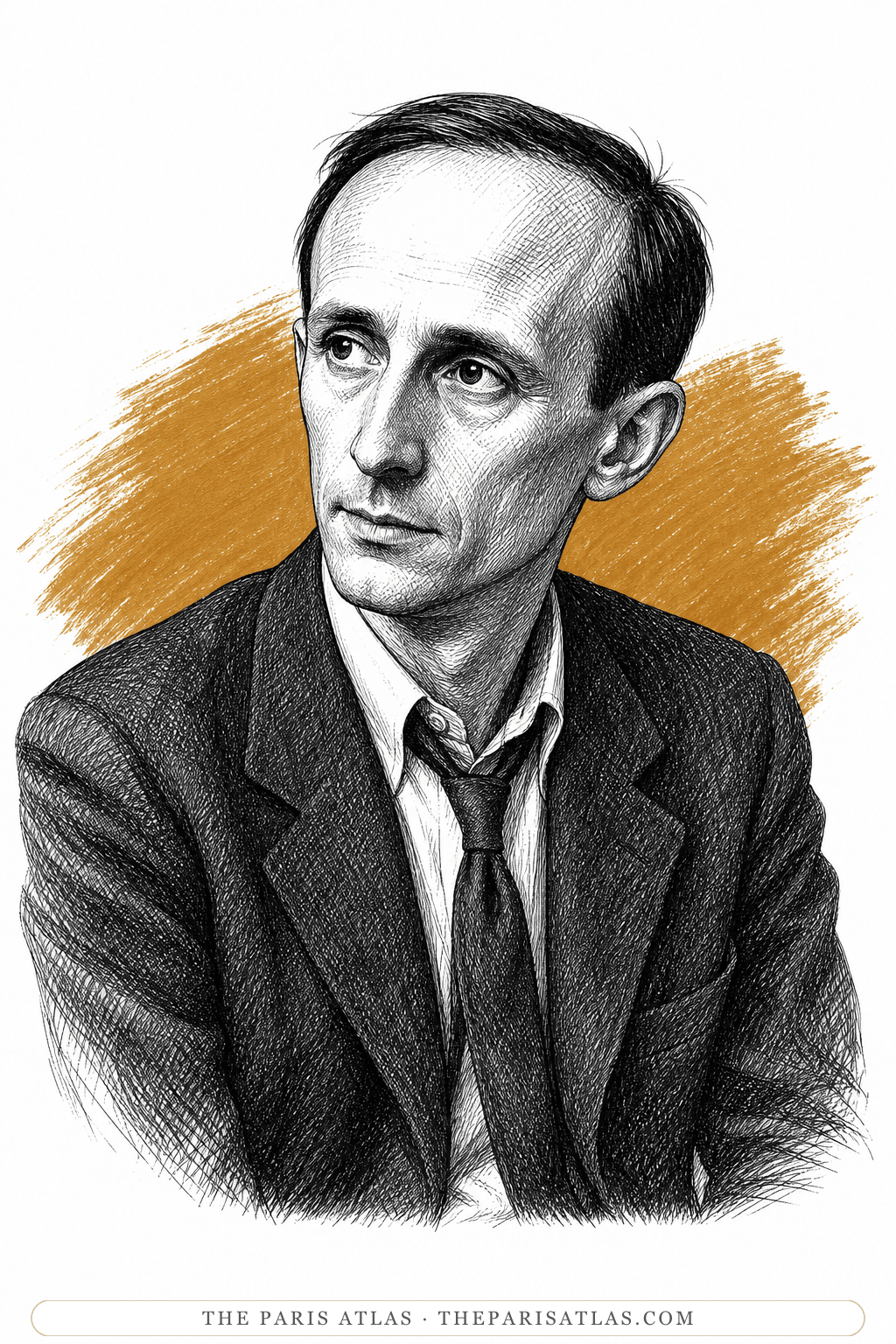
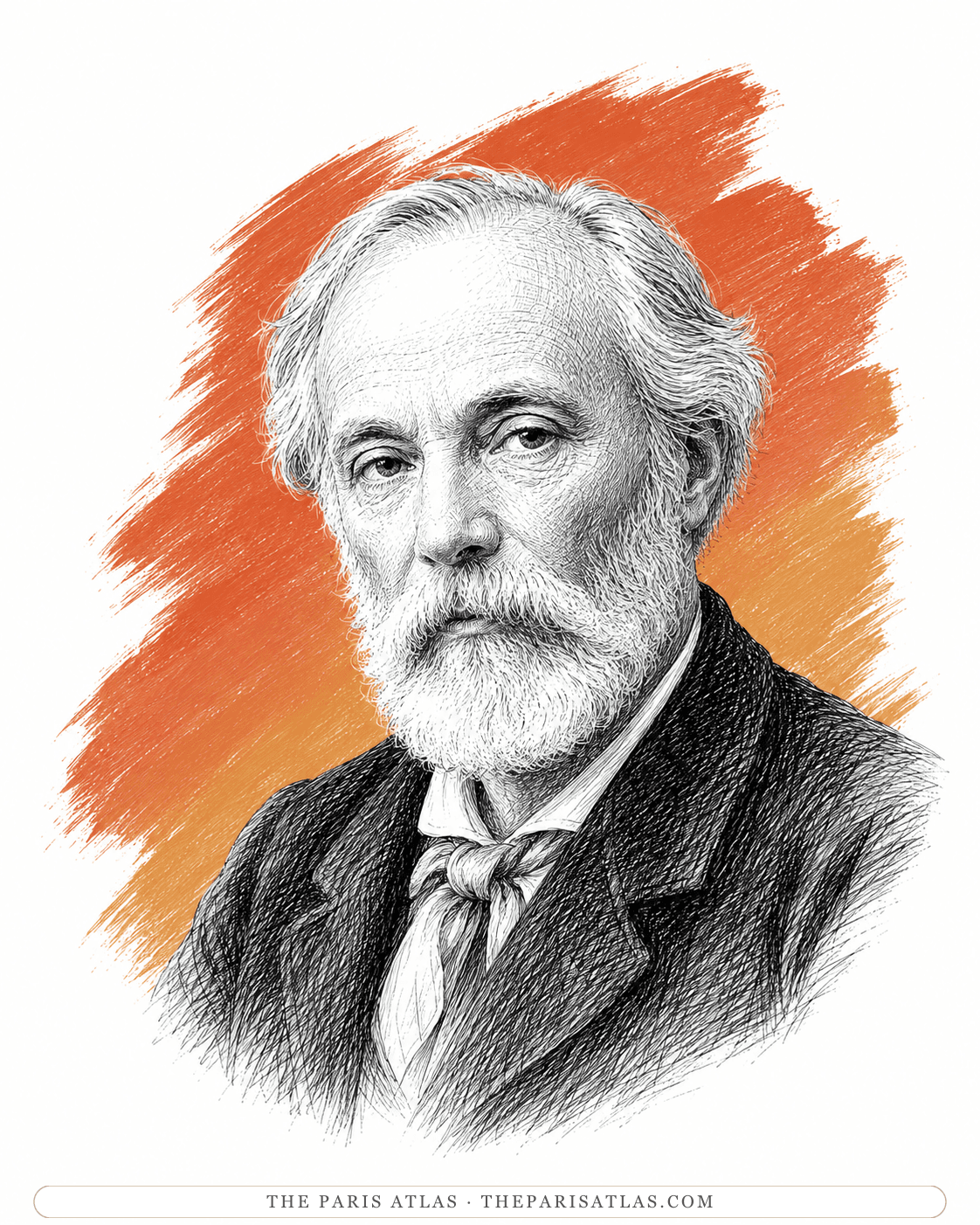
Illustrated portrait of Pierre-Auguste Renoir

Pierre-Auguste Renoir

  • Painter
  • Sculptor

Child of

The painter's second son, born in 1894 and raised among the sittings — Renoir painted him throughout his childhood, often on Gabrielle Renard's knee. Jean became one of the great French film directors and later wrote the memoir Renoir, My Father.
Gabrielle et Jean (Auguste Renoir) — Musée de l'Orangerie; Philip McCouat, Julie Manet, Renoir and the Dreyfus Affair — Journal of Art in Society

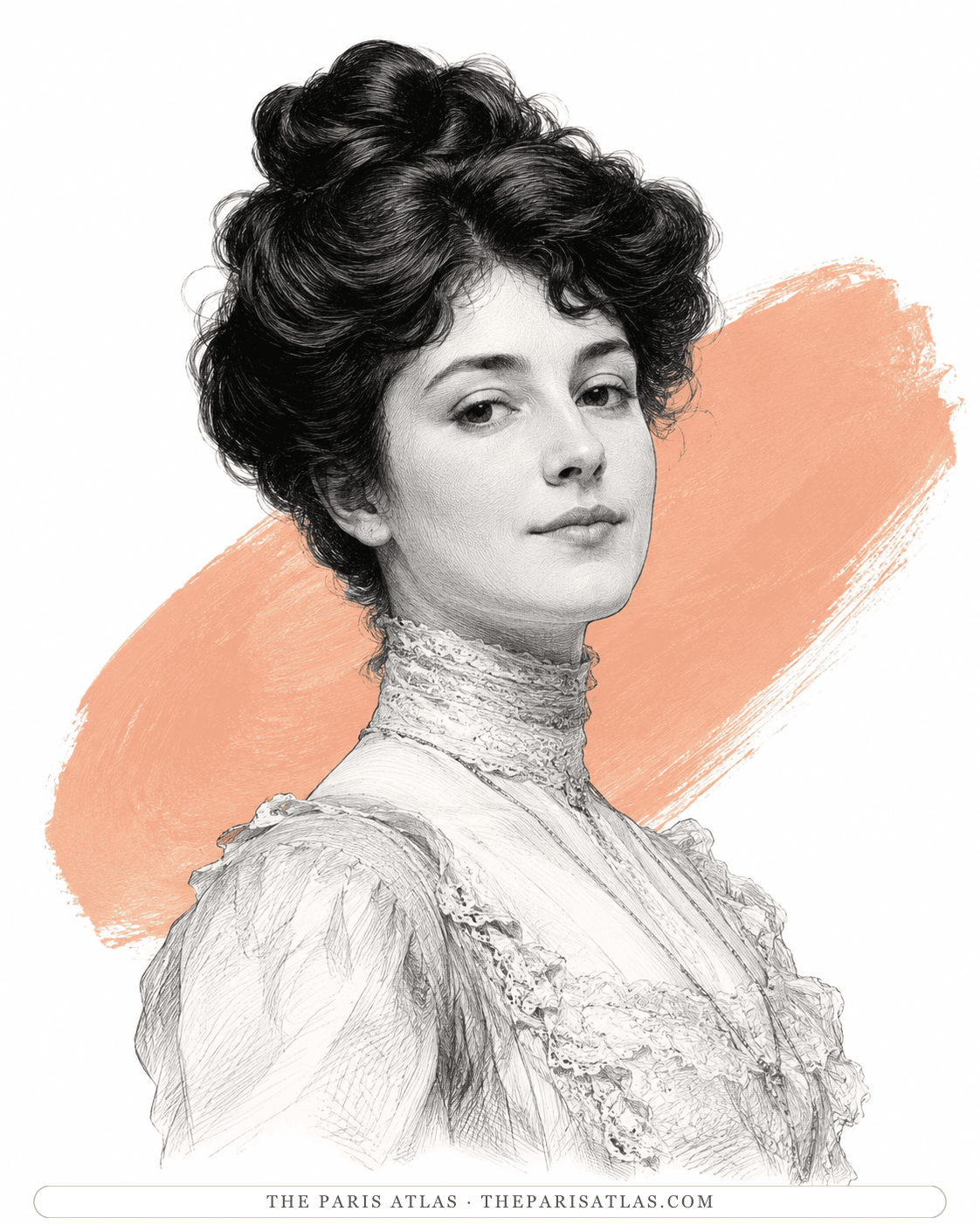
Illustrated portrait of Gabrielle Renard

Gabrielle Renard

  • Artists' model

Met · 1894

Gabrielle joined the Renoir household at Jean's birth in 1894 as his nursemaid, and the painter's Gabrielle et Jean series records the pair through his early childhood. Jean later recalled how she and his father kept him occupied so the sittings could happen at all.

Gabrielle et Jean (Auguste Renoir) — Musée de l'Orangerie

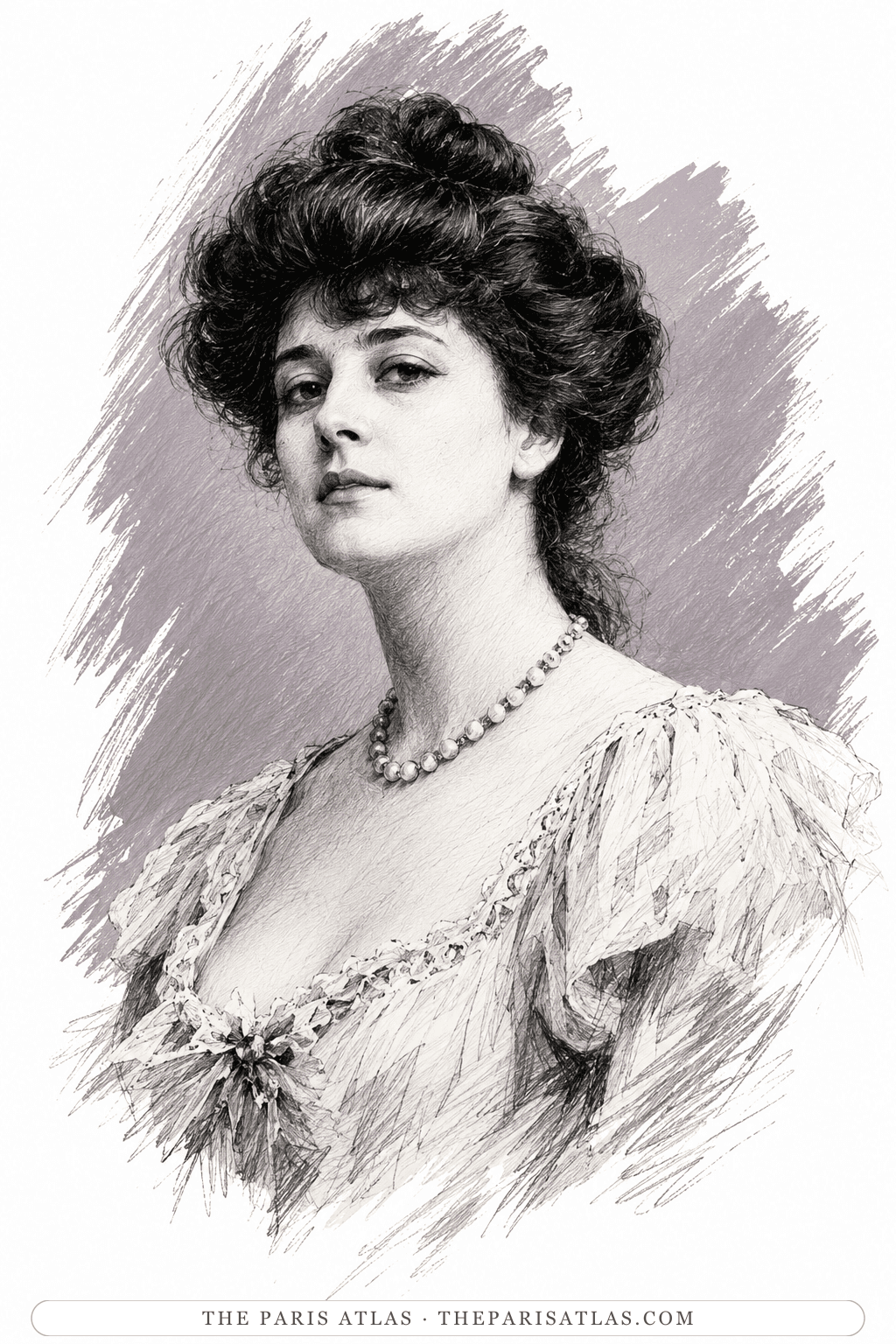
Illustrated portrait of Aline Charigot

Aline Charigot

  • Artists' model

Child of

The second of Aline's three sons with Pierre-Auguste Renoir, born in 1894. Her Champagne village of Essoyes remained the family's anchor: Jean is buried there in the family tomb.

Renoir et l'amour (exhibition presentation) — Musée d'Orsay (2026); Musée Renoir — Cagnes-sur-Mer Museums

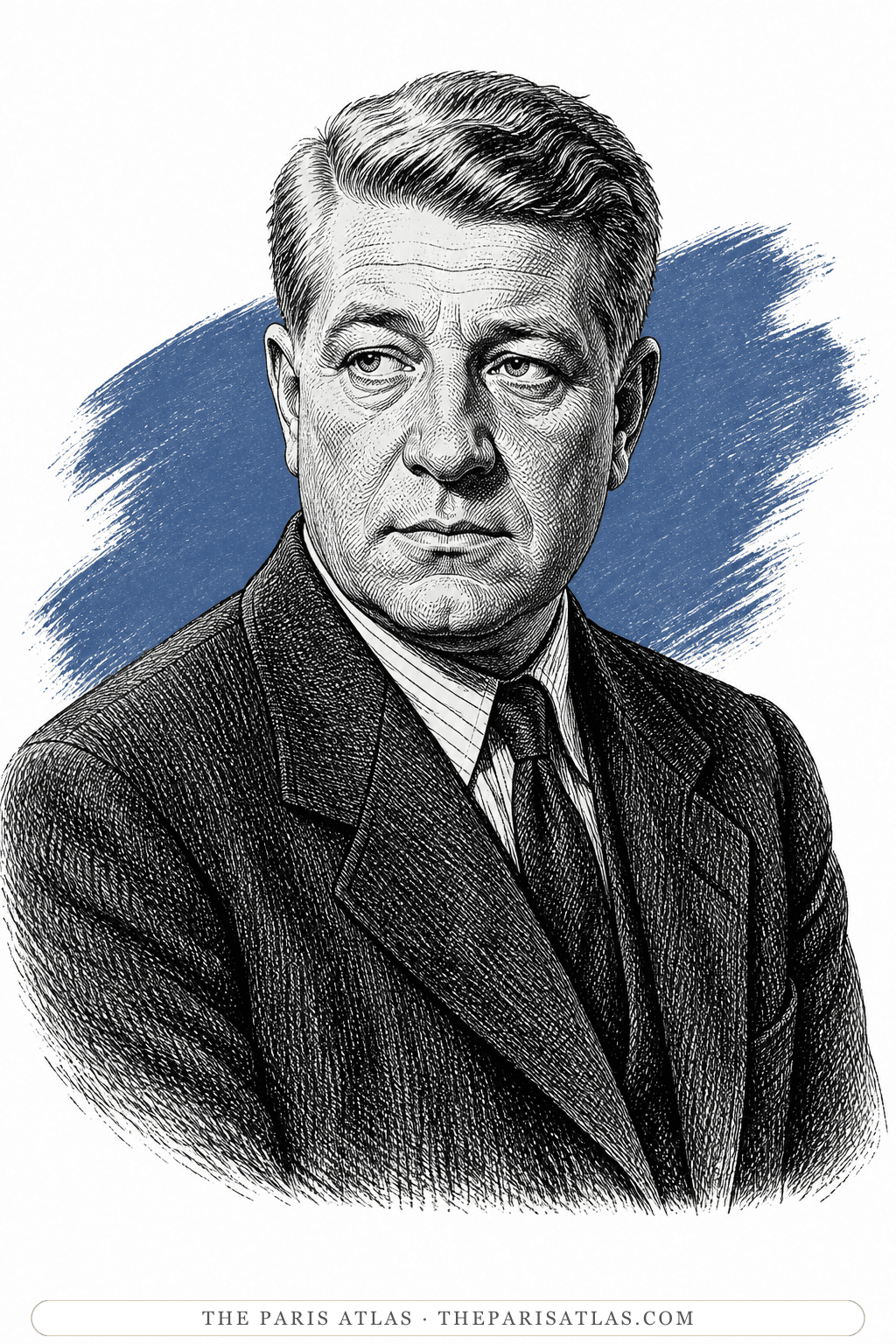
Jean Gabin

  • Actor

Collaborated with · 1936–1938

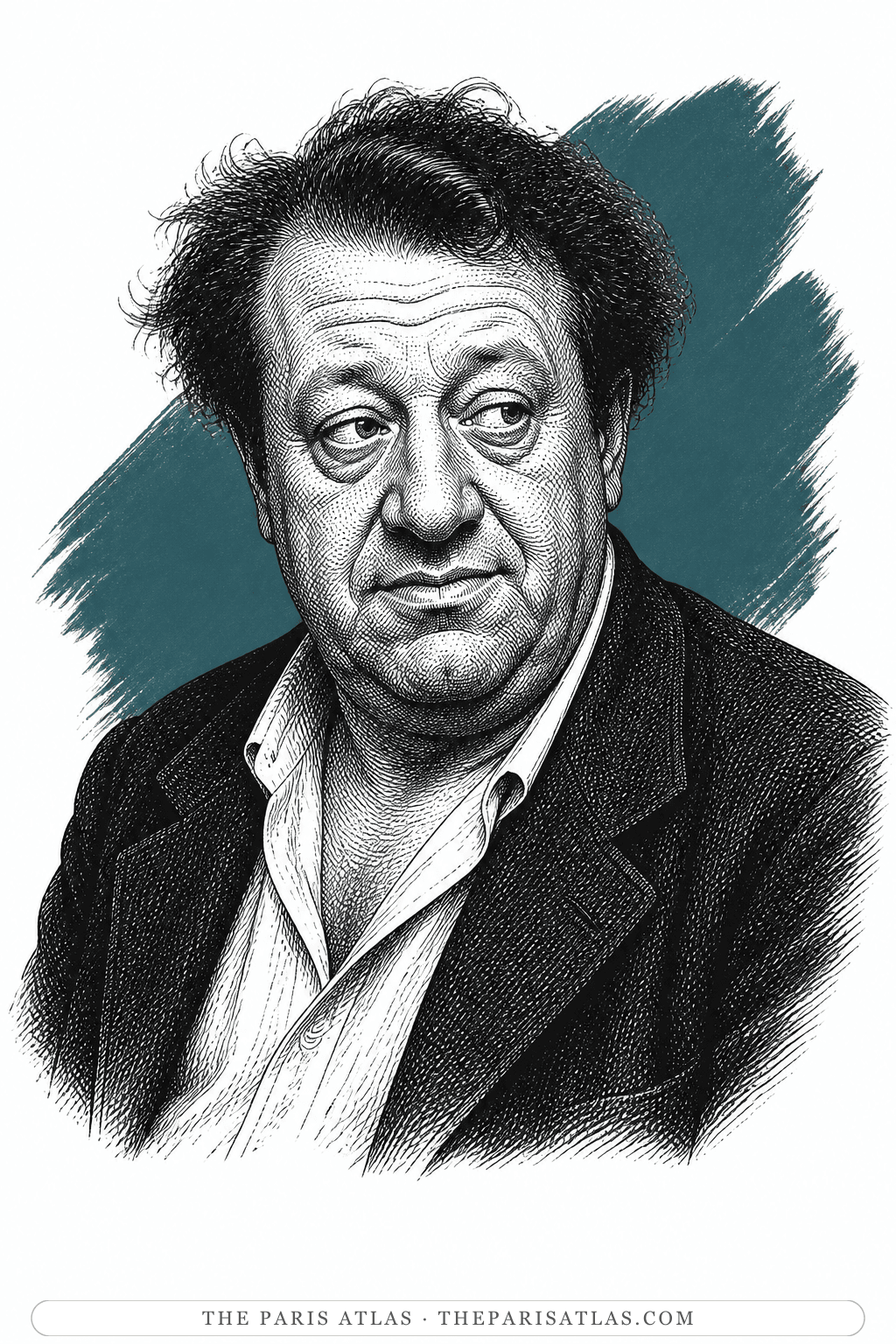
Three films in three years — The Lower Depths, Grand Illusion, and La Bête humaine — that carried Renoir to the summit of his French popularity and helped fix Gabin's screen identity: proletarian toughness with an unexpected delicacy of feeling.

The Complete Jean Renoir — Harvard Film Archive (2017); Peter Cowie, Grand Illusion — The Criterion Collection (1999)

Marguerite Renoir

  • Editor

Collaborated with

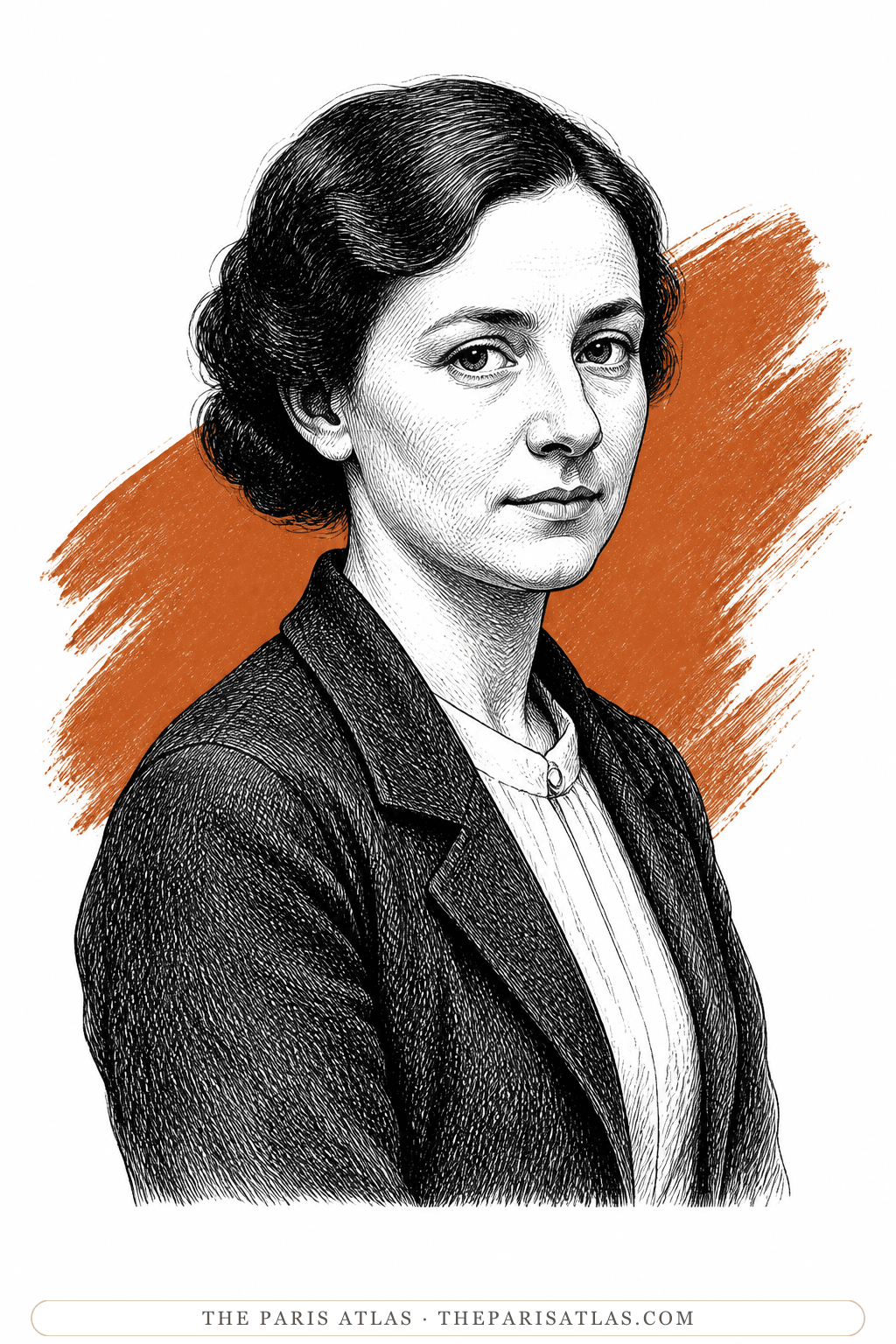
Marguerite Houllé edited the central films of Renoir's great decade — she is credited as coeditor on Toni — and was his partner in life, taking the name Marguerite Renoir though they never married. A Communist from a working-class family, she introduced him to political commitment; Criterion credits her influence with shaping the run of 1930s films about French working people.

Ginette Vincendeau, Toni: A True Story Told by Jean Renoir — The Criterion Collection (2020)

Michel Simon

  • Actor

Collaborated with · 1928–1932

Four films together — Tire au flanc (Simon's first starring role), On purge bébé, La Chienne, and Boudu Saved from Drowning — and a friendship that lasted their lives: Jacques Rivette filmed the two reminiscing for French television in 1967.

The Lifelong Friendship of Jean Renoir and Michel Simon — The Criterion Collection (2016)

Catherine Hessling

  • Actor
  • Artists' model

Married to · 1920

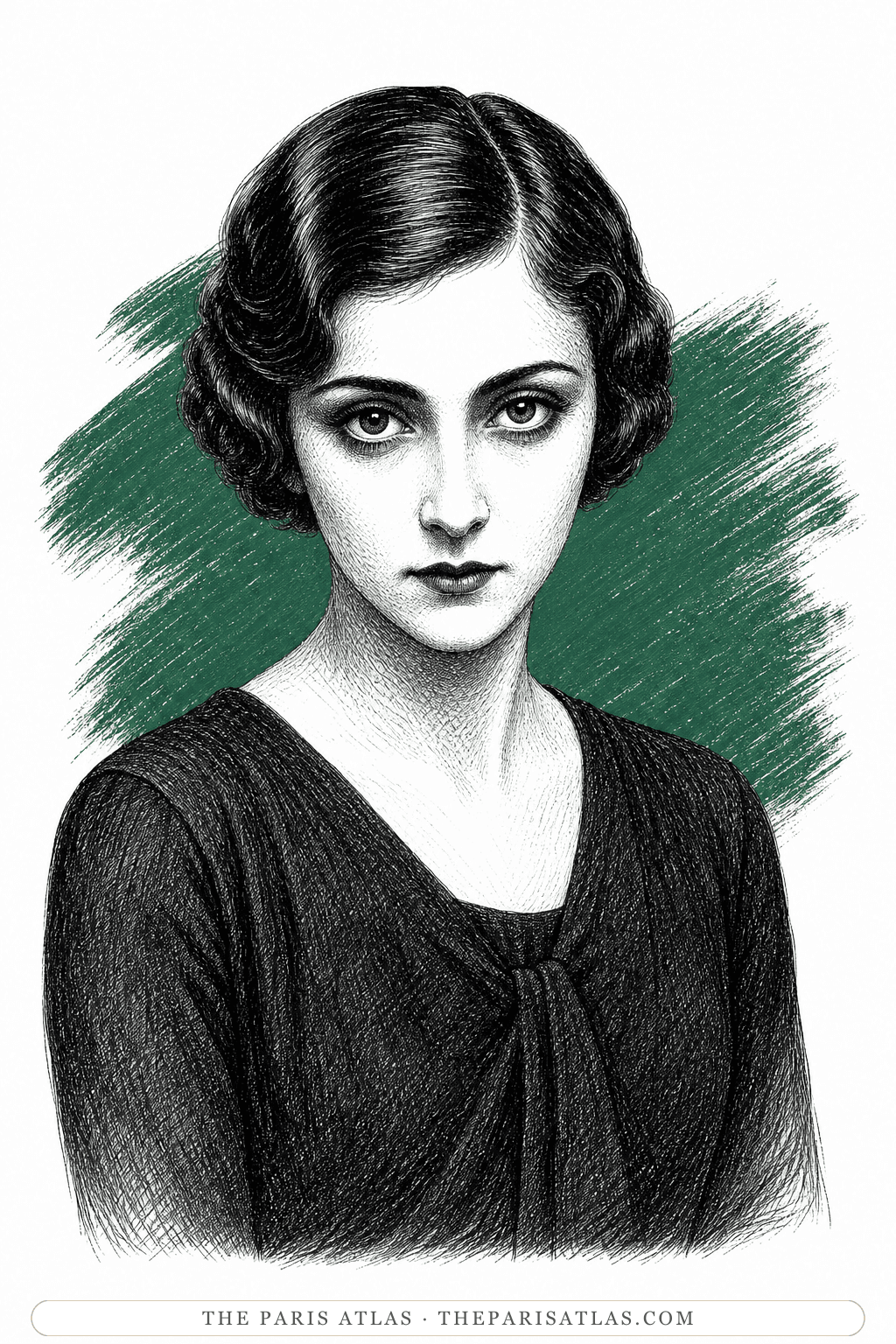
Andrée Heuschling was Pierre-Auguste Renoir's last model; she and Jean married in 1920, and she took the screen name Catherine Hessling. Renoir said he entered cinema to make her a star, spending his inheritance on the independent silents she carried — Whirlpool of Fate, Nana, The Little Match Girl.

The Complete Jean Renoir — Harvard Film Archive (2017); Jean Renoir Collection — UCLA Film & Television Archive; Rétrospective Jean Renoir — La Cinémathèque française (2018)

Who drew from them

Influence running outward — the writers and artists who built on their work.

André Bazin

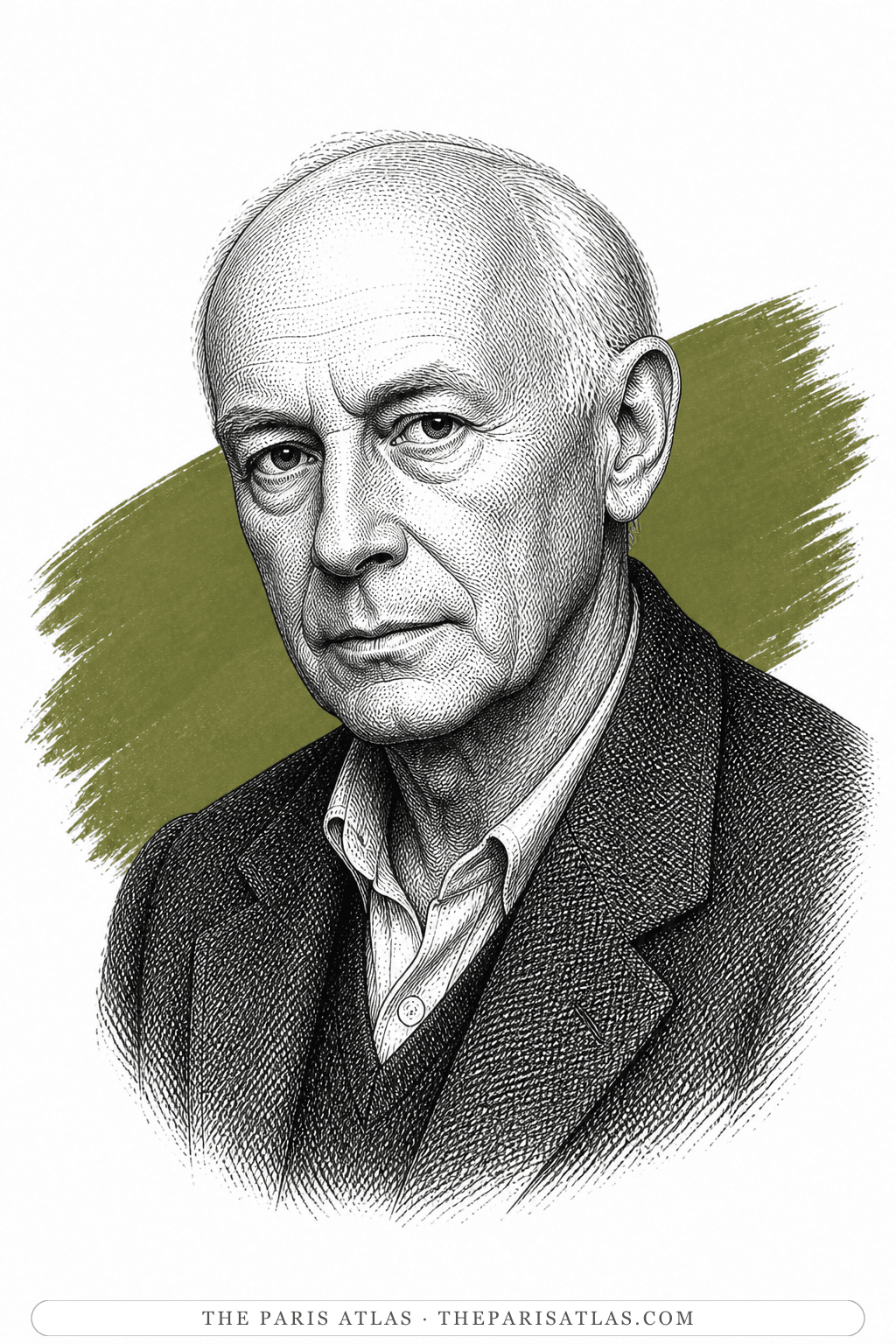
Renoir's deep-focus staging and restraint with the cutting table became the core evidence for Bazin's theory of cinematic realism — UCLA summarizes the argument that these techniques put the spectator in a more direct relationship with the world on screen. As editor of Cahiers du cinéma, Bazin used the magazine to restore Renoir's reputation and hand him on to the New Wave generation.

Jean Renoir Collection — UCLA Film & Television Archive; The Complete Jean Renoir — Harvard Film Archive (2017)

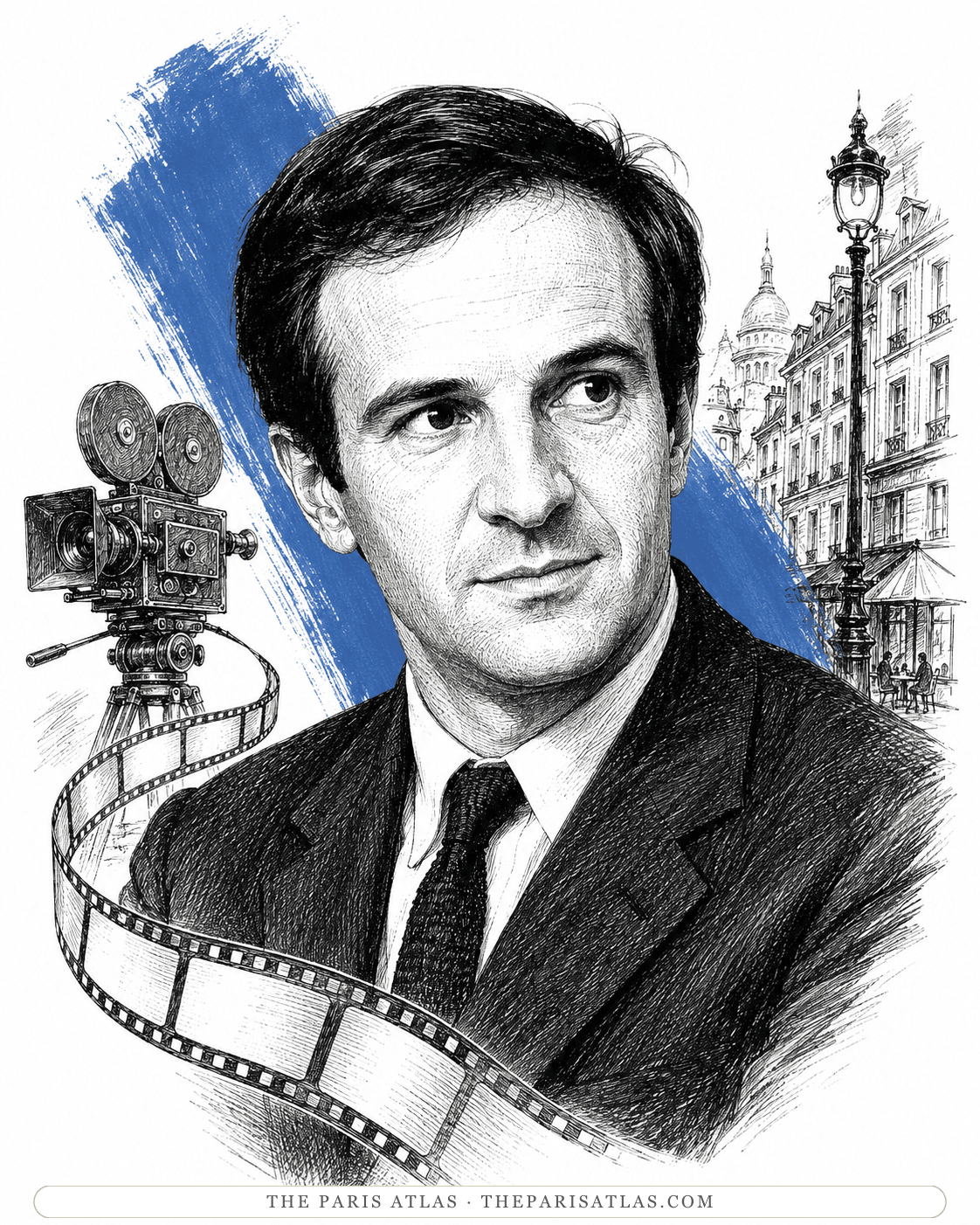
Illustrated portrait of François Truffaut

François Truffaut

Truffaut belonged to the circle of young Cahiers critics who adored Renoir and paid him homage in their own films, and the debt is stamped on his company papers: he named his production house Les Films du Carrosse after Renoir's The Golden Coach.

Truffaut par Truffaut: Les Films du Carrosse — La Cinémathèque française; The Complete Jean Renoir — Harvard Film Archive (2017)

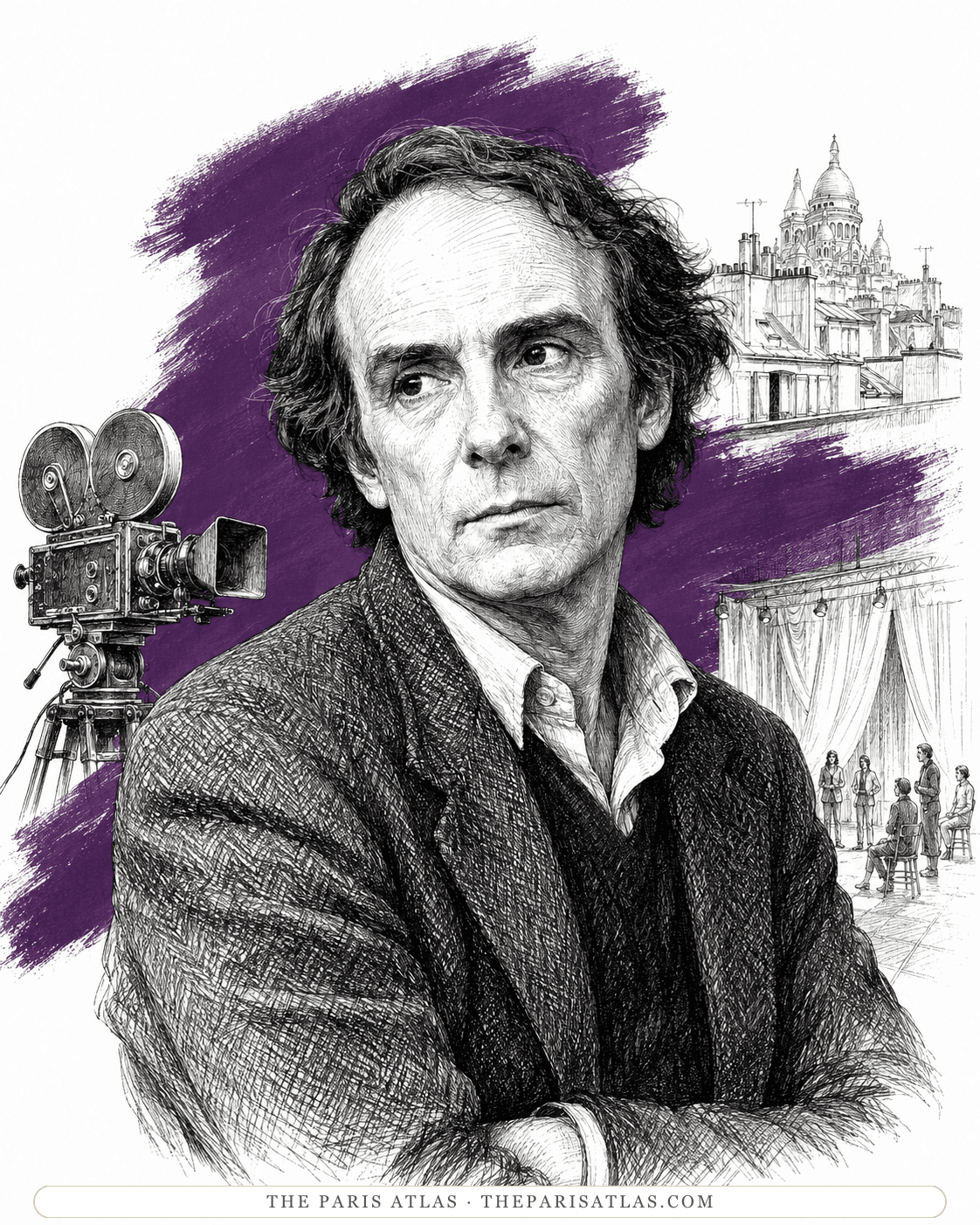
Illustrated portrait of Jacques Rivette

Jacques Rivette

Among the young Cahiers critics who canonized Renoir, Rivette went furthest: in 1967 he directed a Cinéastes de notre temps program filming Renoir and Michel Simon in conversation — the disciple documenting the master at length.

The Lifelong Friendship of Jean Renoir and Michel Simon — The Criterion Collection (2016); The Complete Jean Renoir — Harvard Film Archive (2017)

Questions about Jean Renoir

Is Jean Renoir related to the painter Pierre-Auguste Renoir?

He was his second son. Jean was born in Montmartre in 1894, painted constantly through his childhood — the Gabrielle et Jean canvases at the Orangerie show him as an infant — and financed his first films with the inheritance his father left in 1919. His elder brother Pierre was a leading actor, and his nephew Claude Renoir became his cameraman on Grand Illusion and The River.

What are Jean Renoir's most famous films?

Grand Illusion (1937) and The Rules of the Game (1939), both fixtures of greatest-films lists. Behind them stands the great 1930s run — La Chienne, Boudu Saved from Drowning, Toni, The Crime of Monsieur Lange, A Day in the Country, La Bête humaine — plus The Southerner from his Hollywood years and The River (1951), his first film in color.

Why did The Rules of the Game fail in 1939?

The premiere audience howled, whistled, and threw things; ten minutes were cut within a week and the run still collapsed. A satire of the ruling class 'dancing on a volcano' arrived months before the war it foresaw, and the wartime government banned it as demoralizing. It circulated mutilated until a 1959 reconstruction, approved by Renoir, restored 106 minutes — the version that made its reputation.

Did Jean Renoir win an Oscar?

He received an Honorary Academy Award in April 1975 for lifetime contribution, accepted by Ingrid Bergman on his behalf. His only competitive nomination was for directing The Southerner, at the 18th Academy Awards for 1945.

Who was Catherine Hessling?

Andrée Heuschling, Pierre-Auguste Renoir's last model, who married Jean in 1920 and took Catherine Hessling as her screen name. Renoir said he entered cinema to make her a star, and she is the stylized, physical center of his silent films — Whirlpool of Fate, Nana, The Little Match Girl. Her stardom never arrived, and the marriage ended; Renoir later married Dido Freire, the script supervisor of The Rules of the Game.

What was Jean Renoir's connection to the French New Wave?

He was its adopted master. André Bazin built his theory of cinematic realism on Renoir's deep-focus, long-take style and used Cahiers du cinéma to restore his reputation; the young critics who followed — Truffaut, Godard, Rivette, Rohmer — carried the homage into their films. Truffaut named his production company Les Films du Carrosse after Renoir's The Golden Coach, and Rivette filmed the master at length for television in 1967.

How did Jean Renoir die?

He died at his home in Beverly Hills on 12 February 1979, at eighty-four, after decades in California that began with his wartime exile. He is buried at Essoyes, his mother's Champagne village, in the family tomb he shares with his father, his brother Pierre, and his wife Dido Freire.

Sourced claims

Every connection the graph holds for Jean, with the evidence behind it.

Child of

Pierre-Auguste Renoir

The painter's second son, born in 1894 and raised among the sittings — Renoir painted him throughout his childhood, often on Gabrielle Renard's knee. Jean became one of the great French film directors and later wrote the memoir Renoir, My Father.
Gabrielle et Jean (Auguste Renoir) — Musée de l'Orangerie; Philip McCouat, Julie Manet, Renoir and the Dreyfus Affair — Journal of Art in Society

Met · 1894

Gabrielle Renard

Gabrielle joined the Renoir household at Jean's birth in 1894 as his nursemaid, and the painter's Gabrielle et Jean series records the pair through his early childhood. Jean later recalled how she and his father kept him occupied so the sittings could happen at all.

Gabrielle et Jean (Auguste Renoir) — Musée de l'Orangerie

Child of

Aline Charigot

The second of Aline's three sons with Pierre-Auguste Renoir, born in 1894. Her Champagne village of Essoyes remained the family's anchor: Jean is buried there in the family tomb.

Renoir et l'amour (exhibition presentation) — Musée d'Orsay (2026); Musée Renoir — Cagnes-sur-Mer Museums

Collaborated with · 1936–1938

Jean Gabin

Three films in three years — The Lower Depths, Grand Illusion, and La Bête humaine — that carried Renoir to the summit of his French popularity and helped fix Gabin's screen identity: proletarian toughness with an unexpected delicacy of feeling.

The Complete Jean Renoir — Harvard Film Archive (2017); Peter Cowie, Grand Illusion — The Criterion Collection (1999)

Collaborated with

Marguerite Renoir

Marguerite Houllé edited the central films of Renoir's great decade — she is credited as coeditor on Toni — and was his partner in life, taking the name Marguerite Renoir though they never married. A Communist from a working-class family, she introduced him to political commitment; Criterion credits her influence with shaping the run of 1930s films about French working people.

Ginette Vincendeau, Toni: A True Story Told by Jean Renoir — The Criterion Collection (2020)

Collaborated with · 1928–1932

Michel Simon

Four films together — Tire au flanc (Simon's first starring role), On purge bébé, La Chienne, and Boudu Saved from Drowning — and a friendship that lasted their lives: Jacques Rivette filmed the two reminiscing for French television in 1967.

The Lifelong Friendship of Jean Renoir and Michel Simon — The Criterion Collection (2016)

Influenced

André Bazin

Renoir's deep-focus staging and restraint with the cutting table became the core evidence for Bazin's theory of cinematic realism — UCLA summarizes the argument that these techniques put the spectator in a more direct relationship with the world on screen. As editor of Cahiers du cinéma, Bazin used the magazine to restore Renoir's reputation and hand him on to the New Wave generation.

Jean Renoir Collection — UCLA Film & Television Archive; The Complete Jean Renoir — Harvard Film Archive (2017)

Influenced

François Truffaut

Truffaut belonged to the circle of young Cahiers critics who adored Renoir and paid him homage in their own films, and the debt is stamped on his company papers: he named his production house Les Films du Carrosse after Renoir's The Golden Coach.

Truffaut par Truffaut: Les Films du Carrosse — La Cinémathèque française; The Complete Jean Renoir — Harvard Film Archive (2017)

Influenced

Jacques Rivette

Among the young Cahiers critics who canonized Renoir, Rivette went furthest: in 1967 he directed a Cinéastes de notre temps program filming Renoir and Michel Simon in conversation — the disciple documenting the master at length.

The Lifelong Friendship of Jean Renoir and Michel Simon — The Criterion Collection (2016); The Complete Jean Renoir — Harvard Film Archive (2017)

Married to · 1920

Catherine Hessling

Andrée Heuschling was Pierre-Auguste Renoir's last model; she and Jean married in 1920, and she took the screen name Catherine Hessling. Renoir said he entered cinema to make her a star, spending his inheritance on the independent silents she carried — Whirlpool of Fate, Nana, The Little Match Girl.

The Complete Jean Renoir — Harvard Film Archive (2017); Jean Renoir Collection — UCLA Film & Television Archive; Rétrospective Jean Renoir — La Cinémathèque française (2018)

Browse all authors