The Paris AtlasCharting the artists, works, and places worth returning to.
  • Photographer
  • Filmmaker
  • Painter
· French · 1908–2004

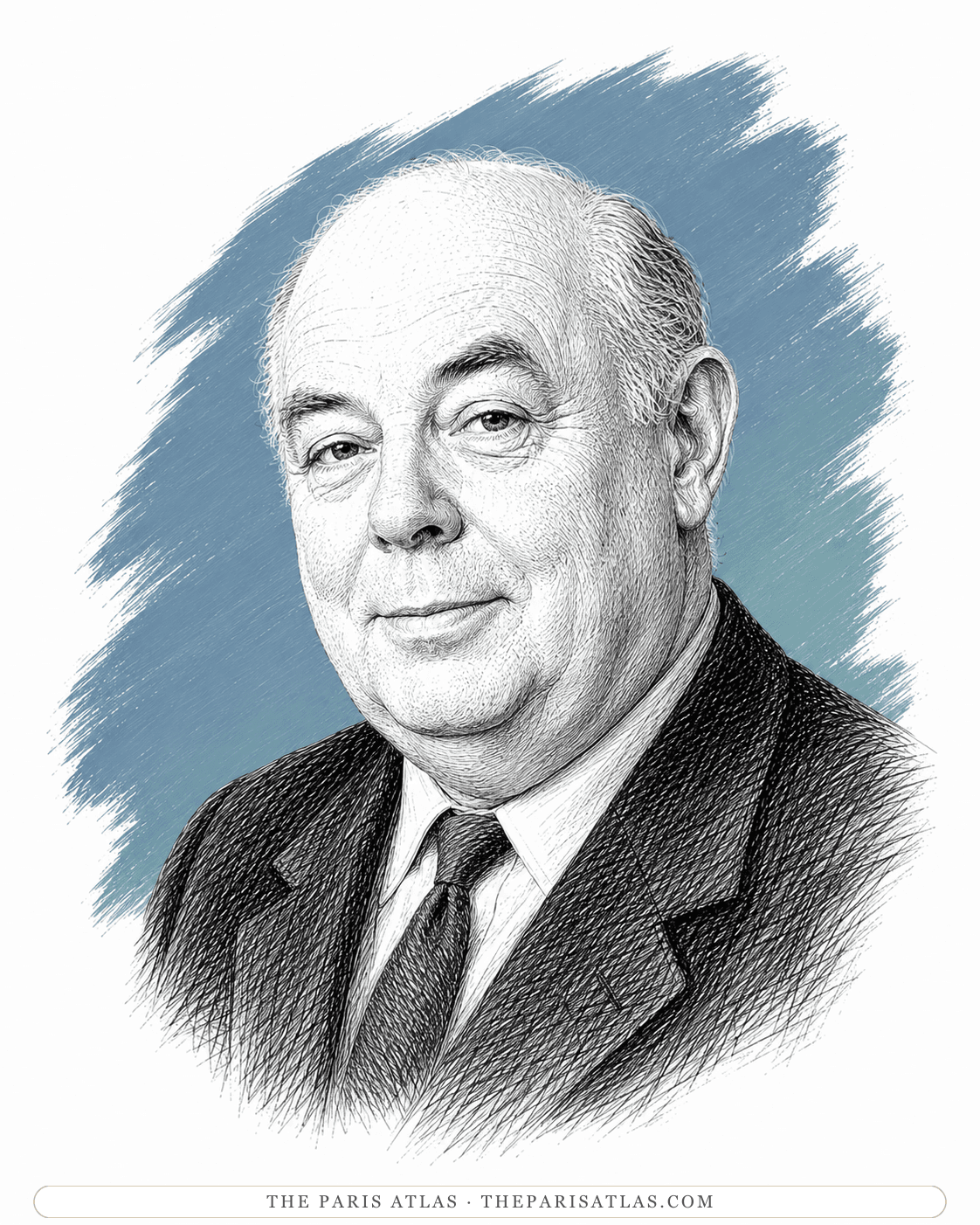
Henri Cartier-Bresson

French photographer who turned a pocket-sized 35mm camera into an instrument of split-second composition — the idea the world knows as 'the decisive moment'. He trained as a painter, was taken prisoner in 1940 and escaped on his third try, photographed the Liberation of Paris in August 1944, co-founded the photographer-owned agency Magnum Photos in 1947, gave up reporting for drawing in the 1970s, and left Paris a foundation in the Marais that deliberately hangs no permanent display of his own pictures.

Details

Lived
1908–2004
Born
22 August 1908
Birthplace
Chanteloup-en-Brie, Seine-et-Marne
Died
3 August 2004 · aged 95
Place of death
Montjustin, Provence
Nationality
French
Profession
Photographer, film-maker and draughtsman
Children
Mélanie Cartier-Bresson
Roles
PhotographerFilmmakerPainter

About Henri Cartier-Bresson

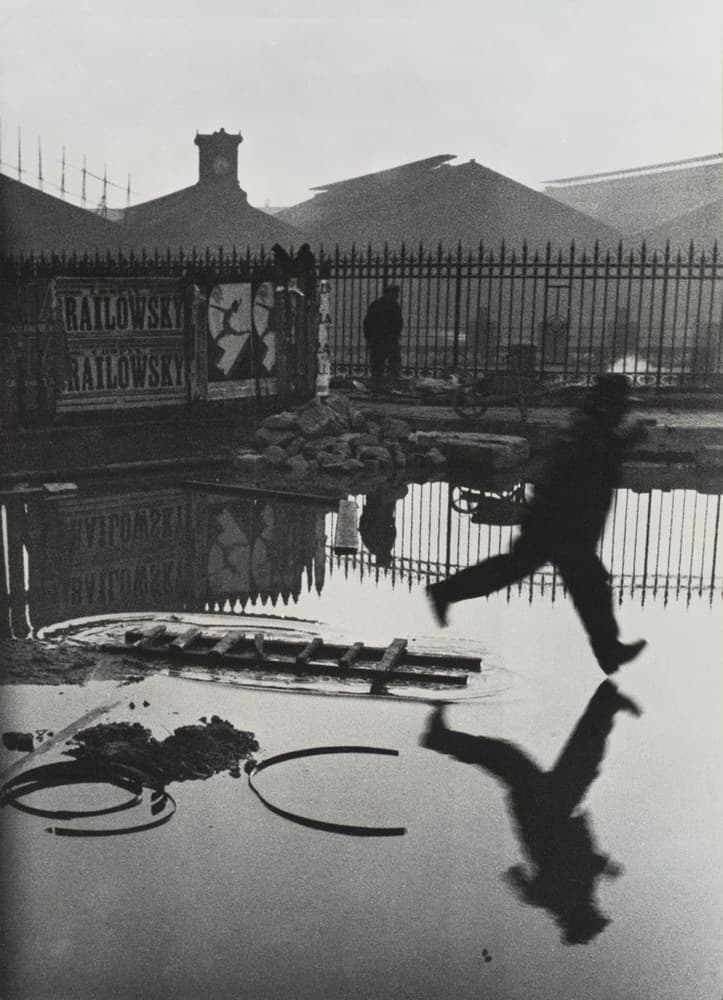
Henri Cartier-Bresson was born in 1908 into a family of large-scale textile manufacturers, was educated at the Lycée Condorcet in Paris, and spent two years learning to paint in the studio of the painter André Lhote before a camera changed the plan. In 1932 he bought his first Leica — a small 35mm camera light enough to carry in a coat pocket and quick enough to shoot without a tripod — and spent the next forty years using it to catch the instant at which an event and the shapes around it arrange themselves into a picture. He called that instant the decisive moment, and in 1952 it became the English title of his first book.

The life kept turning back to Paris. He assisted the film director Jean Renoir on three films in the 1930s, was captured by the German army in June 1940 and escaped from a prison camp on his third attempt in February 1943, photographed the Liberation of Paris in August 1944, and in 1947 helped found Magnum Photos — a picture agency owned by its photographers rather than by a publisher, which is the whole reason it mattered. From 1974 he largely stopped reporting and drew instead. In 2003 he opened the Fondation Henri Cartier-Bresson with his wife, the photographer Martine Franck, and their daughter Mélanie; it stands today at 79 rue des Archives in Le Marais, and it shows other photographers' work rather than a permanent room of his own.

A thread fortune, a painter's studio, and the Surrealists

He was born on 22 August 1908 at Chanteloup-en-Brie, in the Seine-et-Marne countryside east of Paris, the eldest of five children in a family of major textile industrialists, and was educated at the Lycée Condorcet in Paris. In 1926 he began studying painting under André Lhote — a French painter who taught a rule-bound, teachable version of Cubism, the movement that broke objects into flat planes and facets — and stayed in his private academy for about two years. Lhote's studio was one of the great teaching rooms of interwar Paris; the Polish painter Tamara de Lempicka came out of it too. Cartier-Bresson took his first photographs the same year he took up painting, and for a while treated the camera as the lesser of the two instruments.

The poet René Crevel introduced him to the Surrealists — the Paris movement of dreams, chance and the unconscious that André Breton ran like a small state, complete with doctrine and expulsions — and in 1929 he met Breton himself at the home of the American poet and publisher Harry Crosby. Cartier-Bresson never signed a manifesto and never joined, but the Centre Pompidou's own account of him is blunt about the debt: through the 1930s, many of his photographs took up subjects and themes that belonged to Surrealism. The taste for accident, for the odd juxtaposition caught rather than arranged, came out of those rooms. In 1930 he left them: he spent almost a year in the Ivory Coast, in West Africa, and came back to France at twenty-two with no settled trade.

The Leica, and what he meant by the decisive moment

The turn came in 1931, when he saw a photograph by the Hungarian photographer Martin Munkácsi reproduced in the French graphic-arts magazine Arts et Métiers Graphiques and decided that photography, not painting, was the work. In 1932 he bought his first Leica in Paris and went travelling across Europe with the painter Leonor Fini and the writer André Pieyre de Mandiargues. The Leica mattered because of what it physically was: a camera small enough to hold in one hand and fast enough to use unnoticed, which made it possible to photograph people who did not know they were being photographed. His first pictures appeared in the magazines Voilà and Photographies; his first exhibition opened in September 1933 at the Julien Levy Gallery in New York under the title Anti-Graphic Photography.

Twenty years later the working method acquired its name. In 1952 the Paris publisher Tériade brought out Cartier-Bresson's first book, Images à la sauvette — a French phrase for doing something hurriedly and half-illicitly, the way an unlicensed hawker sells goods on a street corner — with a cover drawn by Henri Matisse. The American edition, published by Simon & Schuster in New York, was retitled The Decisive Moment, and the English title became the name of the idea. What he meant by it was not luck. He meant that a photograph is made when the thing happening and the arrangement of shapes in the viewfinder line up, and that the photographer has a fraction of a second to see both at once and press.

To take a photograph means to recognize, simultaneously and within a fraction of a second, both the fact itself and the rigorous organization of visually perceived forms that give it meaning.

Henri Cartier-Bresson

The phrase has since crowded out much of what he did, and the institutions that hold the work say so. When the Centre Pompidou mounted its retrospective in 2014, it argued that the decisive moment is 'too limited to give the full measure of his work', and divided the career into three unlike periods: the experiments of 1926 to 1935, close to Surrealism; the political years of 1936 to 1946, taking in the Communist press, anti-fascist film-making and the war; and the Magnum reporting from 1947 into the early 1970s. There are, the exhibition insisted, several Cartier-Bressons.

Renoir's film sets, a prison camp, and the Liberation of Paris

In 1935 he spent time in the United States learning film-making with the American photographer Paul Strand and the left-wing Nykino group, and brought the skill home. In 1936 he worked as second assistant director to Jean Renoir — the director of The Rules of the Game, and the son of the painter Pierre-Auguste Renoir — on La vie est à nous and Une partie de campagne; in 1939 he was back on a Renoir set, alongside his fellow assistants Jacques Becker and André Zvoboda, for La Règle du jeu — The Rules of the Game itself. Between the two he directed documentaries of his own about the Spanish Civil War: Victoire de la vie ('victory of life') in 1937, on the hospitals of the Spanish Republic, the government side of that war, and L'Espagne vivra ('Spain will live') in 1938. His photographs of the coronation of King George VI ran in the Paris evening paper Ce Soir in 1937.

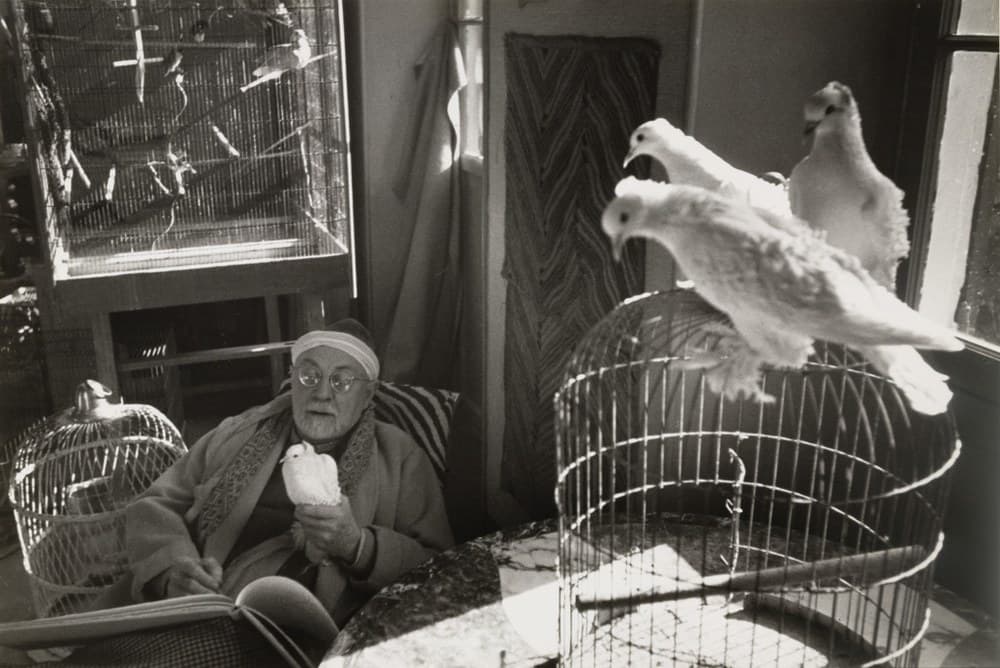
In 1940 he was serving in the Film and Photography unit of the French Third Army when the German army took him prisoner on 23 June. He spent nearly three years in captivity and tried to escape three times; the third attempt, in February 1943, worked. Back in occupied France he worked for the MNPGD, a clandestine organization set up to help prisoners of war and escaped prisoners, and in 1944 photographed a series of portraits of French artists and writers for the publisher Éditions Braun — Henri Matisse, Pablo Picasso, Georges Braque, Pierre Bonnard, Paul Claudel and Georges Rouault among them.

Then came the August that fixed him to Paris. In 1944 he photographed the Liberation of the city — the days in which the Resistance rose in the streets and Free French and American troops entered the capital. He followed it with a film: Le Retour — 'the return' — a thirty-two-minute documentary about the repatriation of prisoners of war and deportees, made for the United States Army Signal Corps and the Office of War Information. The arrival scenes were shot by Cartier-Bresson himself at the Gare d'Orsay — the riverside station, now the Musée d'Orsay, that Paris used as its reception centre for the returning — assisted by the cameraman Claude Renoir.

Magnum, 1947 — the agency the photographers owned

In February 1947 the Museum of Modern Art in New York gave him a solo exhibition, and in the same year he and four colleagues founded Magnum Photos: Robert Capa, the war photographer; David Seymour, known as Chim; George Rodger; and William Vandivert. What they built was a cooperative — a business owned by the photographers who worked in it rather than by a magazine or a publisher. The point was control. A staff photographer handed over his negatives and the rights that went with them; a Magnum member kept them, chose his own assignments, and licensed the pictures himself. Magnum's own account of the founding calls it 'the most important artists' cooperative ever created', and the model has outlived every magazine the founders shot for.

The reporting that followed was on a scale that now reads as improbable. He spent 1948 to 1950 in Asia: in India for the death of Mohandas Gandhi, the leader of the Indian independence movement, who was assassinated in January 1948; in China for the last six months of the Nationalist government and the first six of the People's Republic; in Indonesia for independence. In 1954 he became the first photographer allowed into the Soviet Union since the beginning of the Cold War. France came late to all of it: his first exhibition in his own country did not open until October 1955, at the Pavillon de Marsan, the wing of the Palais du Louvre that houses the Musée des Arts décoratifs.

Back to drawing, and the foundation in the Marais

In 1972 he picked up a pencil again, and in 1974 he formally ended his active working relationship with Magnum, which kept distributing his archive while he stopped adding to it. He was in his mid-sixties and had been photographing for four decades; he spent most of the next thirty years drawing, and showed the drawings — first at the Carlton Gallery in New York in 1975, later at the Musée d'Art moderne de la Ville de Paris and the Royal College of Art in London. In 1979 he chose 385 prints as a 'Master Collection', the set he wanted to stand for the work; it went to the Bibliothèque nationale de France, the Menil Collection in Houston, the University of Fine Arts in Osaka and the Victoria and Albert Museum in London.

In 2000 he began planning a foundation with his wife, the photographer Martine Franck, and their daughter Mélanie. The French state recognised it as being of public interest in 2002, and the Fondation Henri Cartier-Bresson opened in May 2003. It sits today at 79 rue des Archives in Le Marais, and it does something unusual for a museum built on one artist: by its founders' explicit wish it keeps and preserves his archive and Martine Franck's, but devotes no space to a permanent display of their photographs. The galleries show other photographers instead, and a biennial prize, the HCB Award, pays a photographer to make new work.

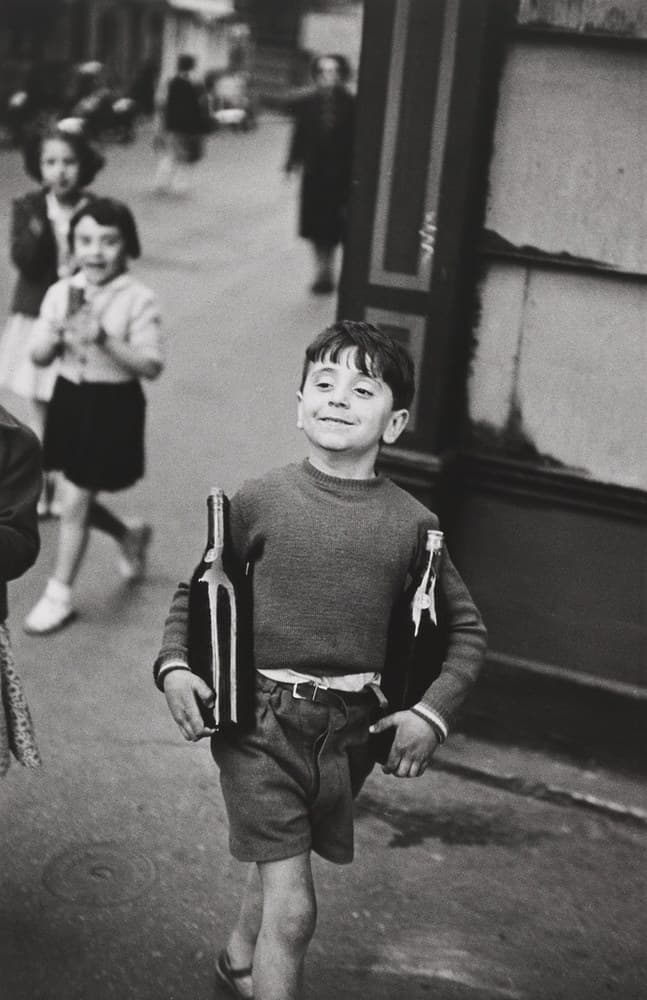
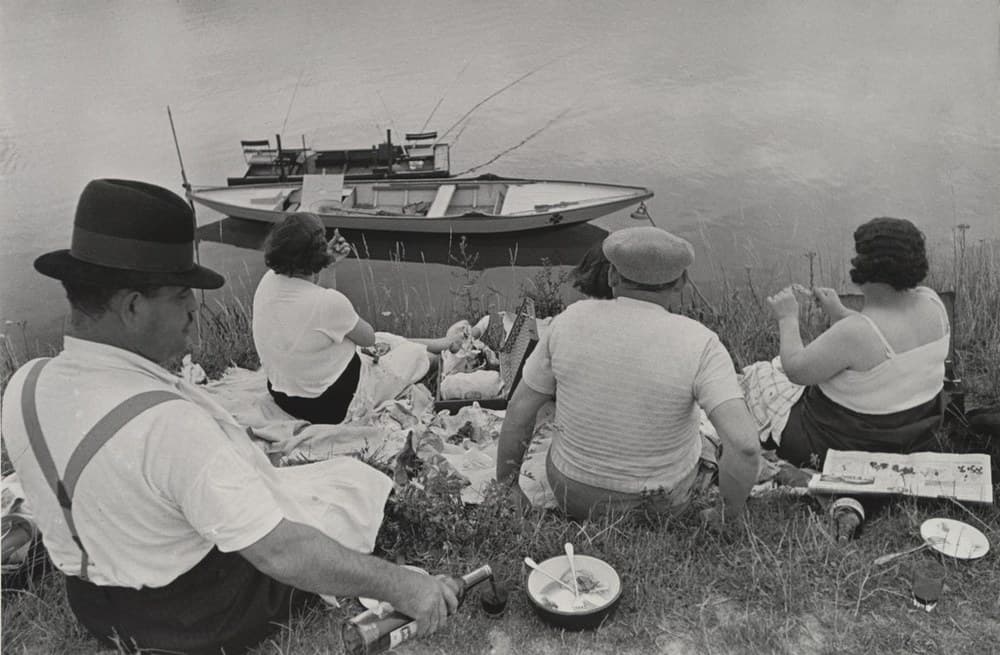
He died peacefully at Montjustin, in Provence, on 3 August 2004, less than three weeks short of his ninety-sixth birthday. Paris has kept revisiting him since. The Centre Pompidou gave him a retrospective of more than five hundred photographs, drawings, films and documents in 2014. In 2021 the Musée Carnavalet — the city's own museum of the history of Paris, which holds a large body of his work — mounted Revoir Paris — 'Paris, seen again' — built from its collection and the Foundation's and including some thirty prints never published before. The exhibition's argument was simple: however far the assignments took him, Paris stayed his home port, and what drew him back to it was the Seine quays and the parts of the city on its margins rather than its monuments.

Life events

  1. 1908

    Born on 22 August at Chanteloup-en-Brie in Seine-et-Marne, eldest of five children in a family of textile manufacturers; educated at the Lycée Condorcet in Paris.

    Henri Cartier-Bresson (1908–2004): Biography, Bibliography, Exhibitions, Filmography and Collections; Henri Cartier-Bresson — artist record, Centre Pompidou collection

  2. 1926

    Begins studying painting under André Lhote and takes his first photographs; he stays in Lhote's private academy about two years.

    Henri Cartier-Bresson (1908–2004): Biography, Bibliography, Exhibitions, Filmography and Collections; Henri Cartier-Bresson — artist record, Centre Pompidou collection

  3. 1929

    Introduced to the Surrealists by the poet René Crevel, and meets André Breton at the home of the American publisher Harry Crosby.

    Henri Cartier-Bresson — artist record, Centre Pompidou collection

  4. 1932

    Buys his first Leica in Paris and travels across Europe with Leonor Fini and André Pieyre de Mandiargues; his first exhibition follows in New York the next year.

    Henri Cartier-Bresson (1908–2004): Biography, Bibliography, Exhibitions, Filmography and Collections

  5. 1936

    Second assistant director to Jean Renoir on La vie est à nous and Une partie de campagne; returns to Renoir's crew in 1939 for La Règle du jeu.

    Henri Cartier-Bresson (1908–2004): Biography, Bibliography, Exhibitions, Filmography and Collections

  6. 1940

    Serving in the Third Army's Film and Photography unit, he is taken prisoner by the German army on 23 June.

    Henri Cartier-Bresson (1908–2004): Biography, Bibliography, Exhibitions, Filmography and Collections

  7. 1943

    Escapes on his third attempt in February, after two failures, and works for the MNPGD, the clandestine organization helping prisoners of war and escapees.

    Henri Cartier-Bresson (1908–2004): Biography, Bibliography, Exhibitions, Filmography and Collections; Henri Cartier-Bresson — Magnum Photos photographer profile

  8. 1944

    Photographs the Liberation of Paris in August, and films the returning prisoners at the Gare d'Orsay for the documentary Le Retour.

    Henri Cartier-Bresson (1908–2004): Biography, Bibliography, Exhibitions, Filmography and Collections; Henri Cartier-Bresson: Revoir Paris — exhibition, 15 June – 31 October 2021 (2021)

  9. 1947

    The Museum of Modern Art in New York gives him a solo show in February; the same year he founds the cooperative agency Magnum Photos with Robert Capa, David Seymour, George Rodger and William Vandivert.

    Henri Cartier-Bresson (1908–2004): Biography, Bibliography, Exhibitions, Filmography and Collections; About Magnum: Overview — the cooperative's own account of its founding

  10. 1952

    Tériade publishes Images à la sauvette with a cover by Henri Matisse; the American edition is retitled The Decisive Moment, and the phrase sticks to him for life.

    Henri Cartier-Bresson (1908–2004): Biography, Bibliography, Exhibitions, Filmography and Collections; Henri Cartier-Bresson — artist record, Centre Pompidou collection

  11. 1955

    First exhibition in France opens in October at the Pavillon de Marsan in the Palais du Louvre — twenty-two years after his first show in New York.

    Henri Cartier-Bresson (1908–2004): Biography, Bibliography, Exhibitions, Filmography and Collections

  12. 1974

    Ends his active working relationship with Magnum, which keeps distributing his archive, and concentrates on drawing.

    Henri Cartier-Bresson (1908–2004): Biography, Bibliography, Exhibitions, Filmography and Collections

  13. 2003

    The Fondation Henri Cartier-Bresson opens in Paris in May, created with his wife Martine Franck and their daughter Mélanie and recognised as of public interest by the French state the year before.

    The Foundation — Fondation Henri Cartier-Bresson; Henri Cartier-Bresson (1908–2004): Biography, Bibliography, Exhibitions, Filmography and Collections

  14. 2004

    Dies at Montjustin in Provence on 3 August, three weeks before his ninety-sixth birthday.

    Henri Cartier-Bresson (1908–2004): Biography, Bibliography, Exhibitions, Filmography and Collections

People they knew

Documented connections — every one carries its source.

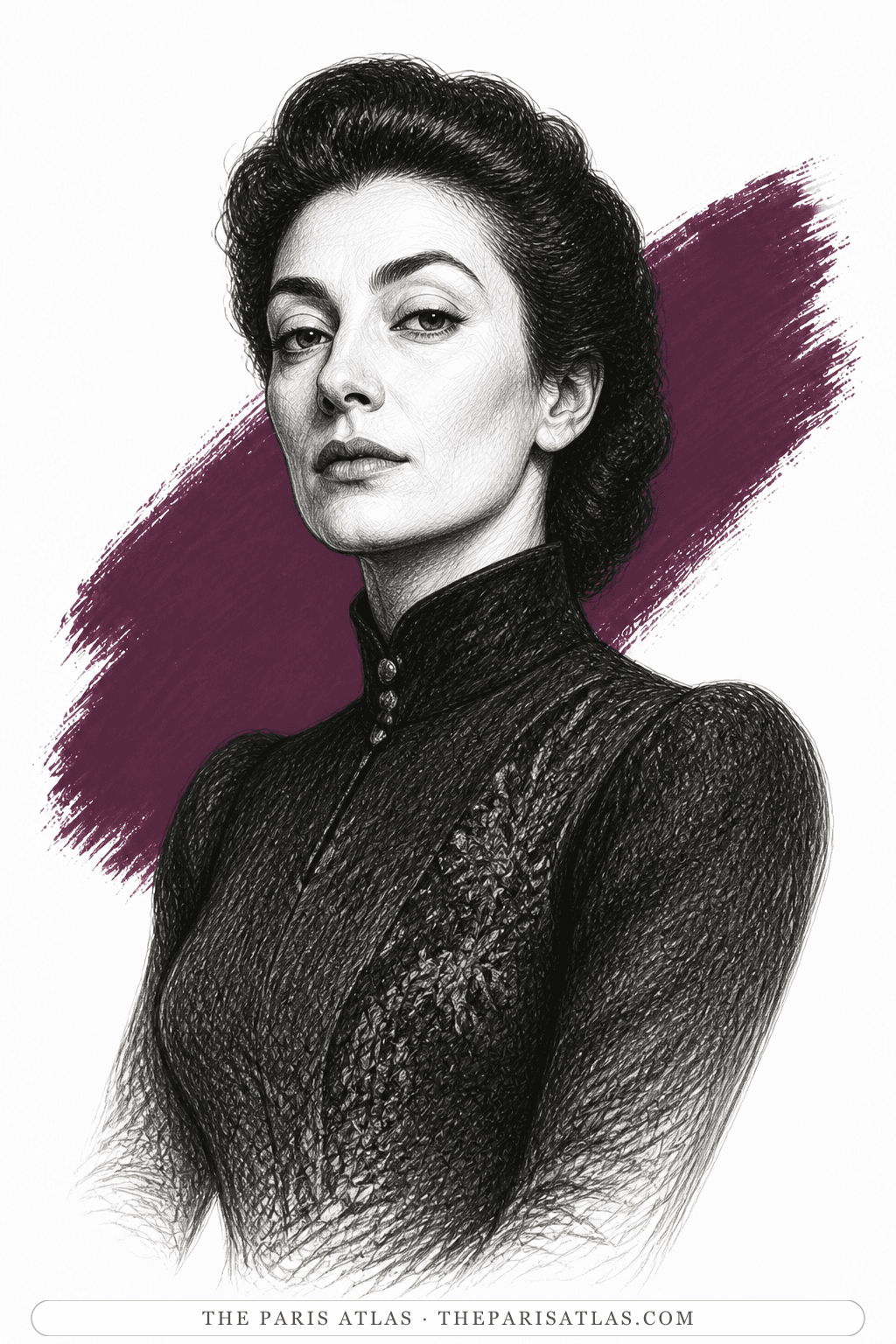
Illustrated portrait of Jean Renoir

Jean Renoir

  • Filmmaker
  • Author

Collaborated with · 1936–1939

Cartier-Bresson worked as second assistant director to Jean Renoir on La vie est a nous and Une partie de campagne in 1936, and returned in 1939 - alongside Jacques Becker and Andre Zvoboda - as an assistant on La Regle du jeu. He had learned film-making with Paul Strand in New York the year before, and went on to direct documentaries of his own on Republican Spain and, in 1944-45, Le Retour.

Henri Cartier-Bresson (1908–2004): Biography, Bibliography, Exhibitions, Filmography and Collections; Henri Cartier-Bresson: Biography — Fondation Henri Cartier-Bresson

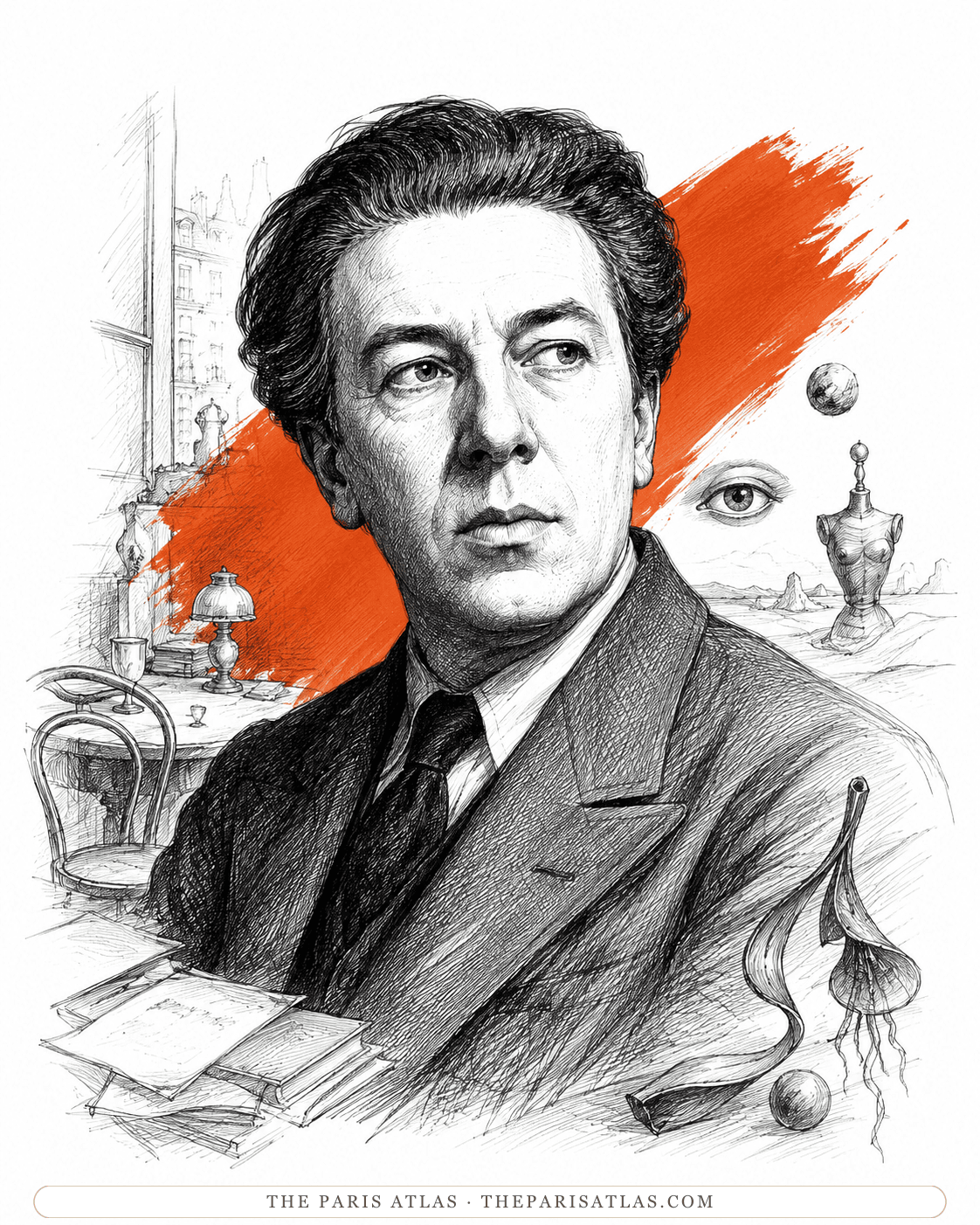
Illustrated portrait of André Breton

André Breton

  • Author
  • Poet
  • Critic
  • +1

Met · 1929

The Centre Pompidou's artist record states that Cartier-Bresson met Andre Breton, who directed the Surrealist movement from Paris, at the home of the American poet and publisher Harry Crosby in 1929. Cartier-Bresson was twenty-one and had not yet chosen photography over painting; he never joined the movement.

Henri Cartier-Bresson — artist record, Centre Pompidou collection

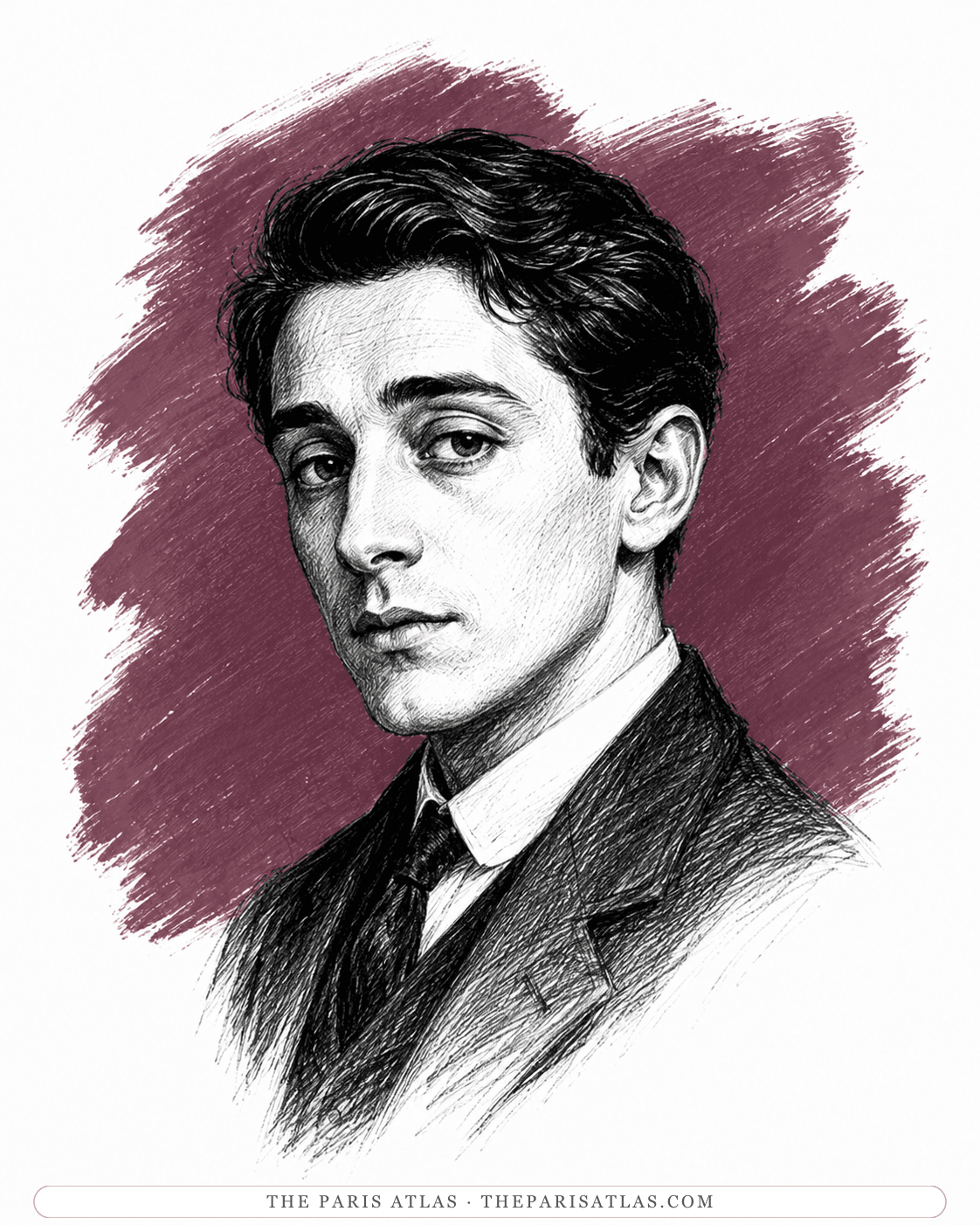
Illustrated portrait of René Crevel

René Crevel

  • Author

Met · 1929

The Centre Pompidou's artist record credits the poet Rene Crevel with introducing the young Cartier-Bresson to the Surrealists - the connection that led to his meeting Andre Breton in 1929 and to a decade of photographs built on chance and odd juxtaposition.

Henri Cartier-Bresson — artist record, Centre Pompidou collection

Movements

The artistic and literary currents this life ran through.

Pen-and-ink dream collage — a classical bust with clouds for eyes, a floating eye, a door opening onto sky, fish swimming through air, and an impossible staircase

Art & literary movement · 1924–1966

Surrealism

The poet Rene Crevel introduced Cartier-Bresson to the Surrealist circle in the late 1920s, and he met Andre Breton at Harry Crosby's home in 1929. He signed no manifesto and appears on no membership list, but the Centre Pompidou's account of him records that through the 1930s many of his photographs took up subjects and themes belonging to Surrealism - chance, strange juxtaposition, the found rather than the arranged.

Henri Cartier-Bresson — artist record, Centre Pompidou collection; Henri Cartier-Bresson — Magnum Photos photographer profile

Questions about Henri Cartier-Bresson

Who was Henri Cartier-Bresson?

A French photographer, born in 1908 and died in 2004, who is generally treated as the founding figure of modern street and reportage photography. He trained as a painter, bought a Leica in 1932, and spent forty years photographing people who did not know they were being photographed — the Liberation of Paris in 1944, India at the death of Gandhi in 1948, China at the moment the Communists took it. He co-founded the picture agency Magnum Photos in 1947, gave the world the phrase 'the decisive moment' in 1952, and stopped reporting in 1974 to draw.

What does 'the decisive moment' actually mean?

It means that a photograph is made in the instant when the event in front of the camera and the arrangement of shapes in the frame line up — and that the photographer has a fraction of a second to recognize both at once and press the shutter. In Cartier-Bresson's own wording, taking a photograph 'means to recognize, simultaneously and within a fraction of a second, both the fact itself and the rigorous organization of visually perceived forms that give it meaning'. The phrase is an accident of publishing: his 1952 book was called Images à la sauvette in French, roughly 'pictures taken on the sly', and the American publisher retitled it The Decisive Moment.

What is Magnum Photos, and why did founding it matter?

Magnum is a photographers' cooperative — a picture agency owned by the photographers who work in it rather than by a magazine or a publisher. Cartier-Bresson founded it in 1947 with Robert Capa, David 'Chim' Seymour, George Rodger and William Vandivert. It mattered because before it, a magazine that commissioned a photograph usually kept the negatives and the rights; a Magnum member kept both, picked his own stories, and licensed his own work. Magnum describes itself as 'the most important artists' cooperative ever created', and it is still running.

What camera did Cartier-Bresson use?

A Leica — the small German 35mm camera he first bought in Paris in 1932 and used for the rest of his working life. Its size is the point: it could be held in one hand, worked quickly, and used in a street without anyone noticing, which is what made his kind of photography physically possible. 'For me the camera is a sketchbook,' he wrote, 'an instrument of intuition and spontaneity, the master of the instant which, in visual terms, questions and decides simultaneously.'

Was Henri Cartier-Bresson a Surrealist?

He was close to them without ever joining. The poet René Crevel introduced him to the Surrealist circle in the late 1920s, and he met their leader André Breton in 1929 at the home of the American publisher Harry Crosby. He signed nothing and appears on no membership list, but the Centre Pompidou's account of him notes that through the 1930s many of his photographs took up subjects and themes belonging to Surrealism — chance, the odd juxtaposition, the strangeness found rather than staged.

Did he photograph the Liberation of Paris?

Yes. He had escaped from German captivity in February 1943 and was working with the underground in France, and in August 1944 he photographed the rising and the liberation of the city. He then filmed Le Retour, a thirty-two-minute documentary about the return of prisoners of war and deportees, shooting the arrival scenes himself at the Gare d'Orsay. The Musée Carnavalet's 2021 exhibition Revoir Paris put those pictures back in front of the city they were taken in.

Can you visit the Fondation Henri Cartier-Bresson in Paris?

Yes — it is at 79 rue des Archives in the Marais, in the 3rd arrondissement, and it opened in May 2003. Expect the opposite of a shrine, though. Cartier-Bresson, his wife Martine Franck and their daughter Mélanie set it up to preserve their archives and to give exhibition space to other photographers, and by their explicit wish it devotes no room to a permanent display of their own pictures. It also runs the HCB Award, a prize given every other year to fund a photographer's new work.

Why did Cartier-Bresson stop taking photographs?

He went back to what he trained in. He had studied painting under André Lhote in the 1920s, took up drawing again in 1972, and in 1974 ended his active working relationship with Magnum — which went on distributing his archive while he stopped adding to it. He drew for most of the next thirty years, showing the drawings in New York, Paris and London, and died at Montjustin in Provence in 2004.

Sourced claims

Every connection the graph holds for Henri, with the evidence behind it.

Associated with · 1929–1939

Surrealism

The poet Rene Crevel introduced Cartier-Bresson to the Surrealist circle in the late 1920s, and he met Andre Breton at Harry Crosby's home in 1929. He signed no manifesto and appears on no membership list, but the Centre Pompidou's account of him records that through the 1930s many of his photographs took up subjects and themes belonging to Surrealism - chance, strange juxtaposition, the found rather than the arranged.

Henri Cartier-Bresson — artist record, Centre Pompidou collection; Henri Cartier-Bresson — Magnum Photos photographer profile

Collaborated with · 1936–1939

Jean Renoir

Cartier-Bresson worked as second assistant director to Jean Renoir on La vie est a nous and Une partie de campagne in 1936, and returned in 1939 - alongside Jacques Becker and Andre Zvoboda - as an assistant on La Regle du jeu. He had learned film-making with Paul Strand in New York the year before, and went on to direct documentaries of his own on Republican Spain and, in 1944-45, Le Retour.

Henri Cartier-Bresson (1908–2004): Biography, Bibliography, Exhibitions, Filmography and Collections; Henri Cartier-Bresson: Biography — Fondation Henri Cartier-Bresson

Met · 1929

André Breton

The Centre Pompidou's artist record states that Cartier-Bresson met Andre Breton, who directed the Surrealist movement from Paris, at the home of the American poet and publisher Harry Crosby in 1929. Cartier-Bresson was twenty-one and had not yet chosen photography over painting; he never joined the movement.

Henri Cartier-Bresson — artist record, Centre Pompidou collection

Met · 1929

René Crevel

The Centre Pompidou's artist record credits the poet Rene Crevel with introducing the young Cartier-Bresson to the Surrealists - the connection that led to his meeting Andre Breton in 1929 and to a decade of photographs built on chance and odd juxtaposition.

Henri Cartier-Bresson — artist record, Centre Pompidou collection

References

References

The sources below include biographies, scholarly essays, interviews, and primary materials that informed this page. They reflect both the historical record and ongoing critical conversations about Henri Cartier-Bresson and their work.

  1. 1Henri Cartier-Bresson (1908–2004): Biography, Bibliography, Exhibitions, Filmography and Collections

    Fondation Henri Cartier-Bresson, Paris

    The Foundation's official dated chronology, bibliography, exhibition list and filmography.

    View source
  2. 2Henri Cartier-Bresson: Biography — Fondation Henri Cartier-Bresson

    Fondation Henri Cartier-Bresson, Paris

    The Foundation's short-form biography page.

    View source
  3. 3The Foundation — Fondation Henri Cartier-Bresson

    Fondation Henri Cartier-Bresson, Paris

    The Foundation's account of its own founding, mission and address.

    View source
  4. 4Henri Cartier-Bresson — Magnum Photos photographer profile

    Magnum Photos

    Magnum's profile of its co-founder.

    View source
  1. 5About Magnum: Overview — the cooperative's own account of its founding

    Magnum Photos

    Magnum's own account of the 1947 founding and the cooperative model.

    View source
  2. 6Henri Cartier-Bresson — artist record, Centre Pompidou collection

    Centre Pompidou, Musée national d'art moderne, Paris

    Pompidou's artist record — family background, Lhote, the Surrealist introductions.

    View source
  3. 7Henri Cartier-Bresson — retrospective exhibition, 12 February – 9 June 2014

    Centre Pompidou, Paris, 2014

    The 2014 retrospective's framing of the career in three periods.

    View source
  4. 8Henri Cartier-Bresson: Revoir Paris — exhibition, 15 June – 31 October 2021

    Musée Carnavalet – Histoire de Paris, 2021

    The Carnavalet's 2021 exhibition on his lifelong Paris work.

    View source
i
Why these sources are here

These references anchor the page in the documented record and in the scholarly conversations around Henri Cartier-Bresson. Every claim on this page traces back to one or more of the works listed here.

Explore more resources