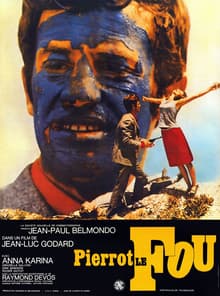
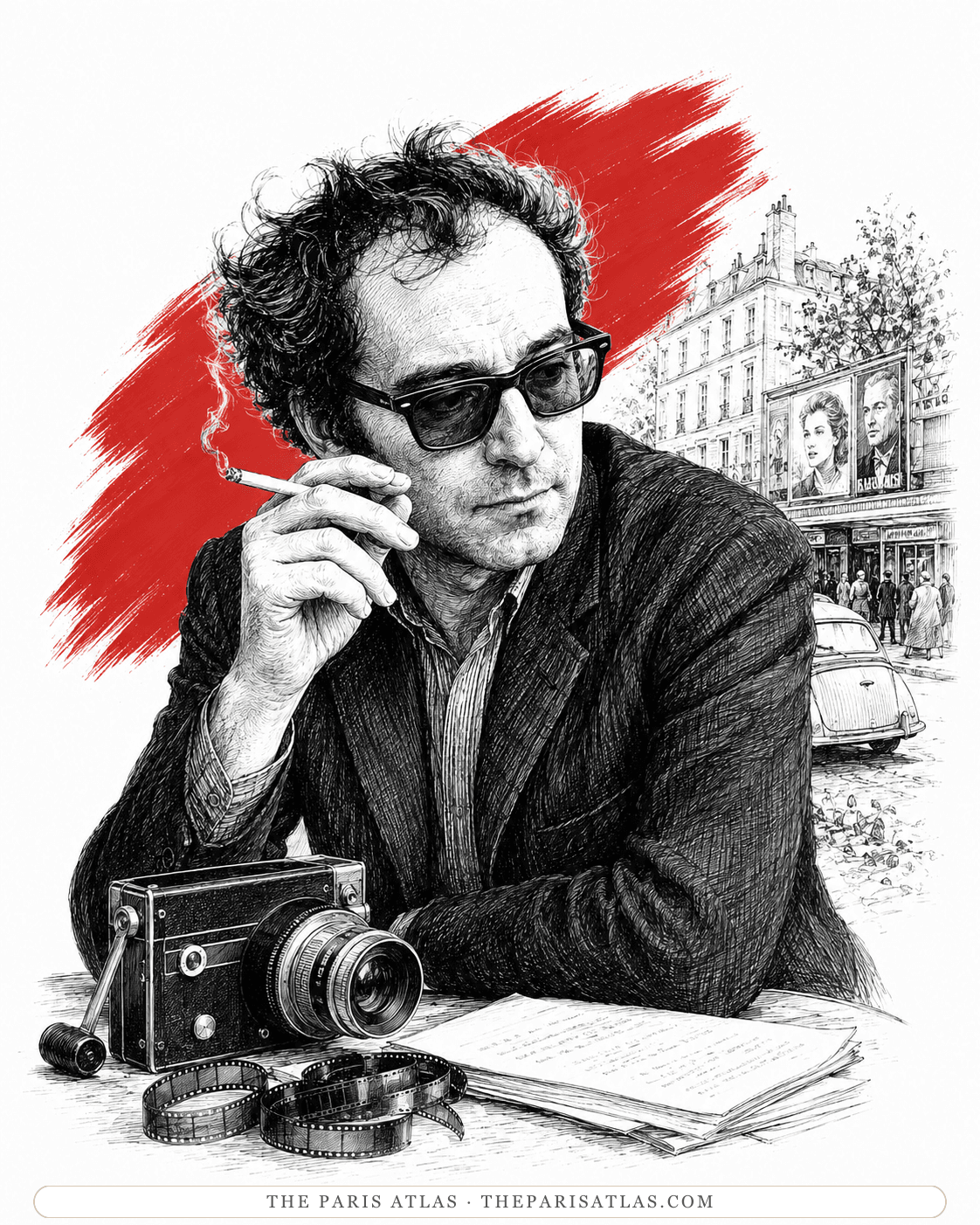
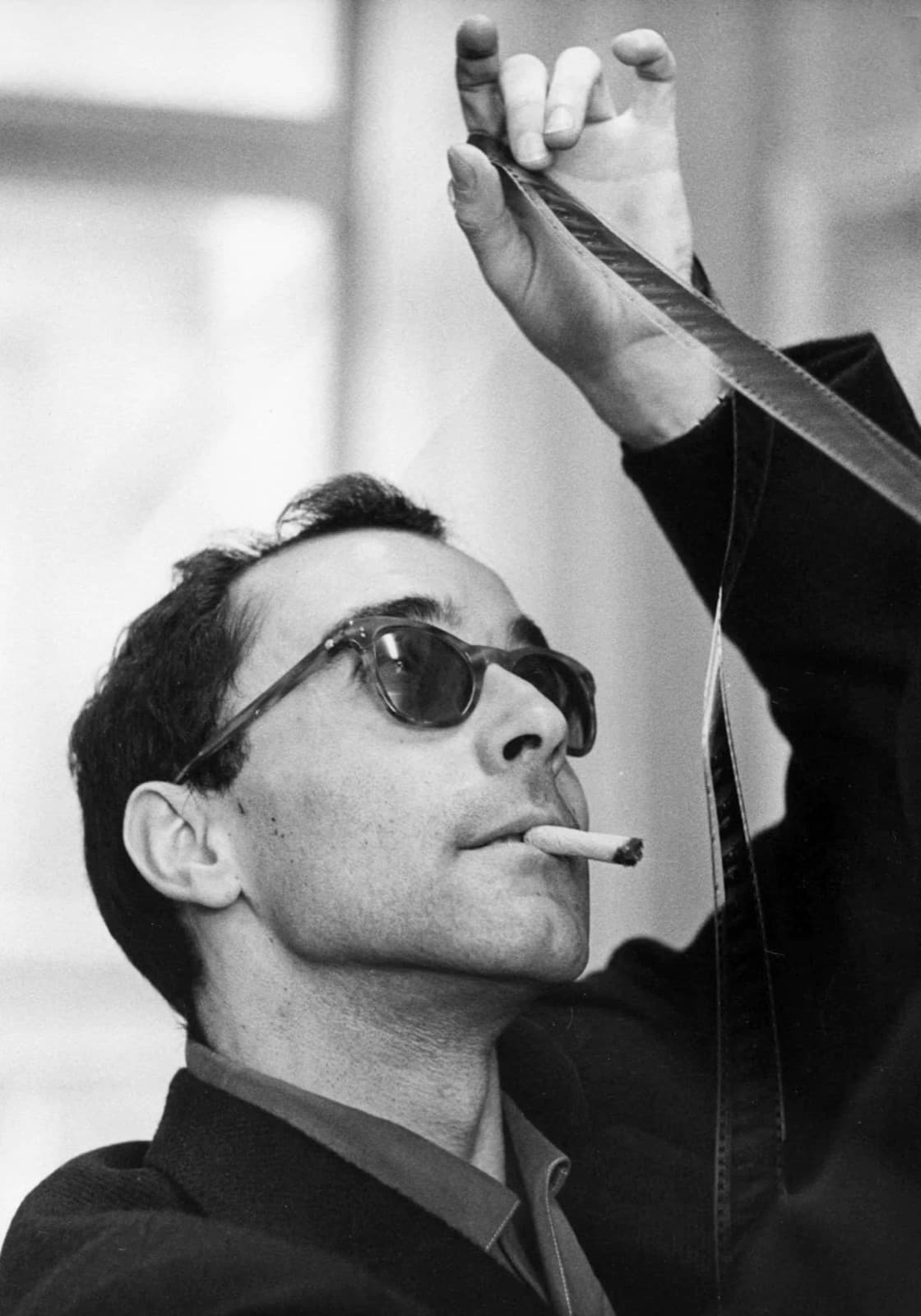
Pierrot le fou is Jean-Luc Godard's tenth feature and one of the summits of his mid-1960s cinema. Jean-Paul Belmondo plays Ferdinand, a bored Paris husband who walks out of a bourgeois party and drives south with Marianne, an old lover played by Anna Karina, into a loose crime plot of gun-runners, stolen cars, and betrayal. Godard films it as collage — blocks of red, white, and blue in Eastmancolor and widescreen, songs, direct address to the camera, and quotations from Rimbaud and pop art — and ends it with Ferdinand's face painted blue and a stick of dynamite. It is the New Wave turning from realism toward the essay and the political film, made as Godard and Karina's own marriage was ending.
Ferdinand Griffon is unhappily married, recently fired from a job in advertising, and stifled by a Paris of parties where people speak in the slogans of consumer ads. He leaves it behind with Marianne Renoir, a former lover hired to mind his children. In her apartment they find a dead man, tied to gun-runners, and the two flee south toward the Mediterranean, burning a car and living on petty theft along the way.
On the coast they make an idyll of it: Ferdinand — whom Marianne insists on calling Pierrot, a name he dislikes — reads and keeps a diary while she grows restless. Arms dealers and gangsters are pursuing Marianne and a case of money. She betrays him, leaves with a man she calls her brother, and the story turns from romance to killing.
The ending
Ferdinand shoots Marianne and her accomplice, then, alone and despairing, paints his face bright blue and winds sticks of dynamite around his head. He changes his mind at the last moment and tries to pull out the fuse, but too late — the charge goes off. The film closes on the sea and sky, with a whispered line from Rimbaud about eternity found again in the water and the sun.
It is one of the most quoted endings in the New Wave: absurd, violent, and abruptly lyrical, refusing both the crime film's justice and the love story's reunion.
Cinema as collage
Godard was the movement's most radical and prolific director, and Pierrot le fou is where his method is most on display. After a run of black-and-white films he uses saturated Eastmancolor and the wide frame expressively — blocks of primary color that also read as a broken tricolore, shot by Raoul Coutard in the Riviera light. Belmondo speaks straight to the camera; asked whom he is addressing, he answers the audience.
The film mixes genres and materials without smoothing the seams: crime thriller, musical, road movie, and essay, interrupted by songs, on-screen words, comic-strip color, and quotations from Rimbaud, Céline, and the art historian Élie Faure. The American director Samuel Fuller, appearing as himself, defines film for Ferdinand as a battleground of feeling — love, hate, action, violence, death — in a word, emotion.
Politics and parting
Between the songs the film keeps glancing at the world outside it. The couple stage a mocking sketch about the Vietnam War for American tourists, and the party that opens the film satirizes the language of advertising and consumer society. Pierrot le fou marks Godard's turn toward the openly political cinema that would take over his later 1960s work.
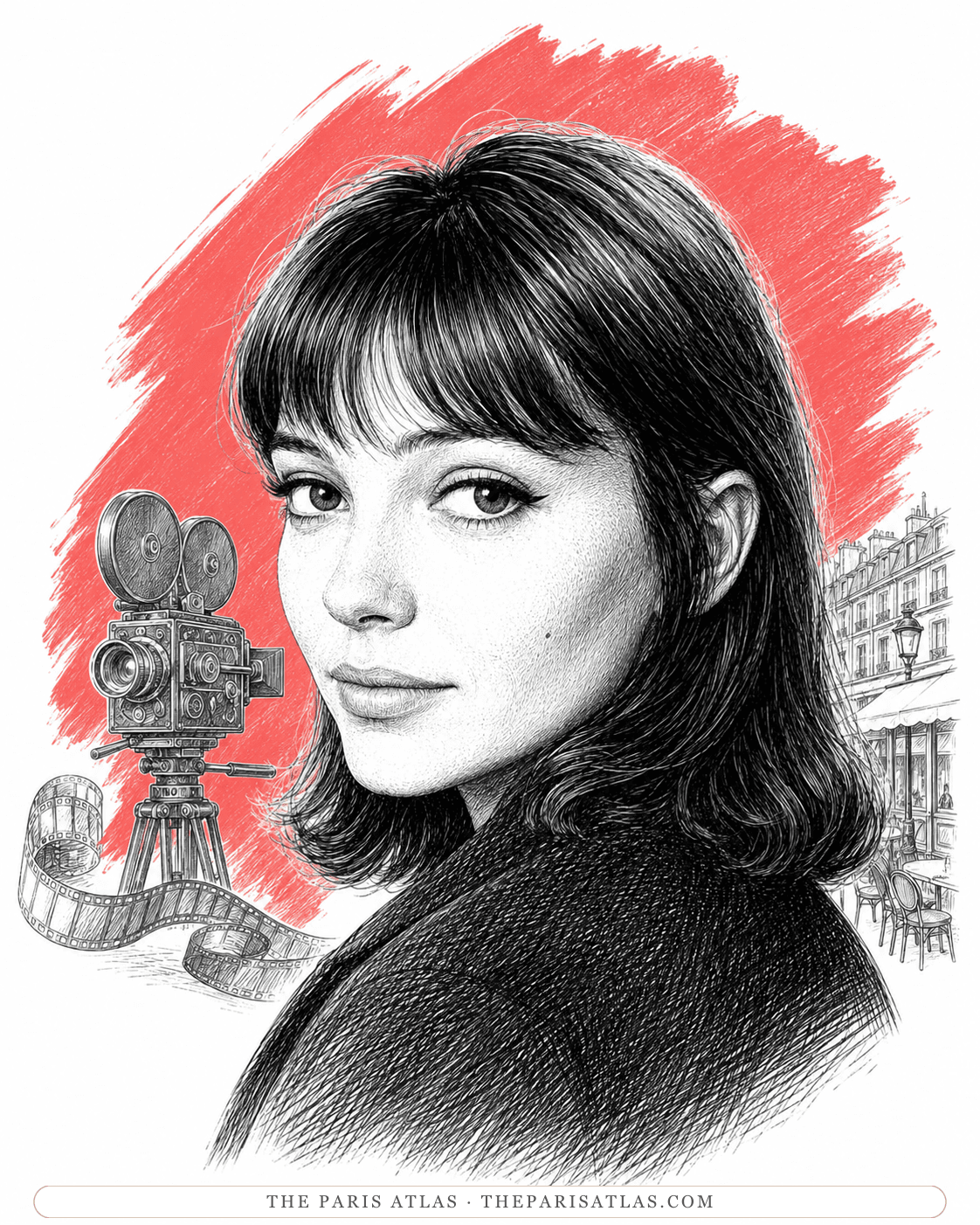
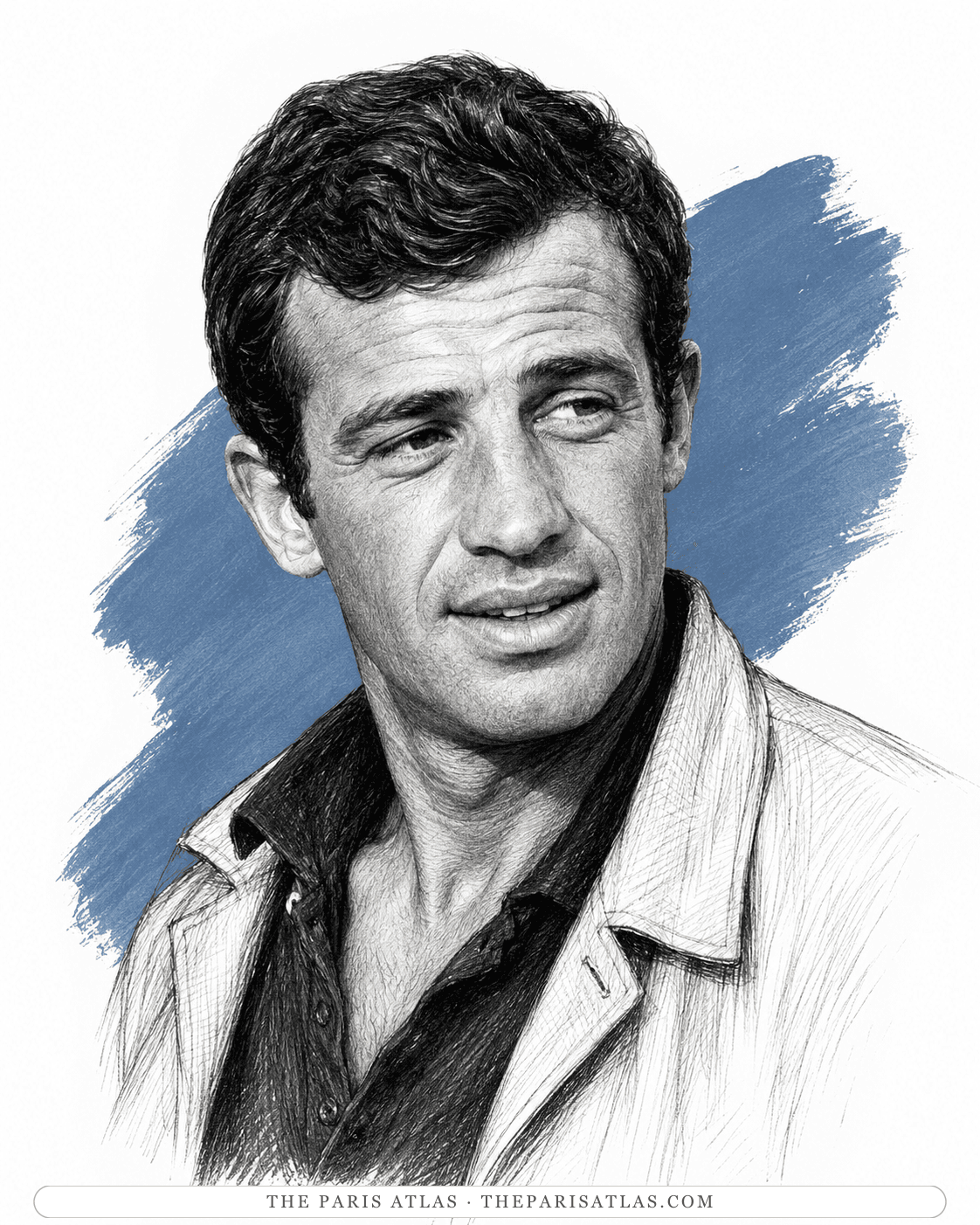
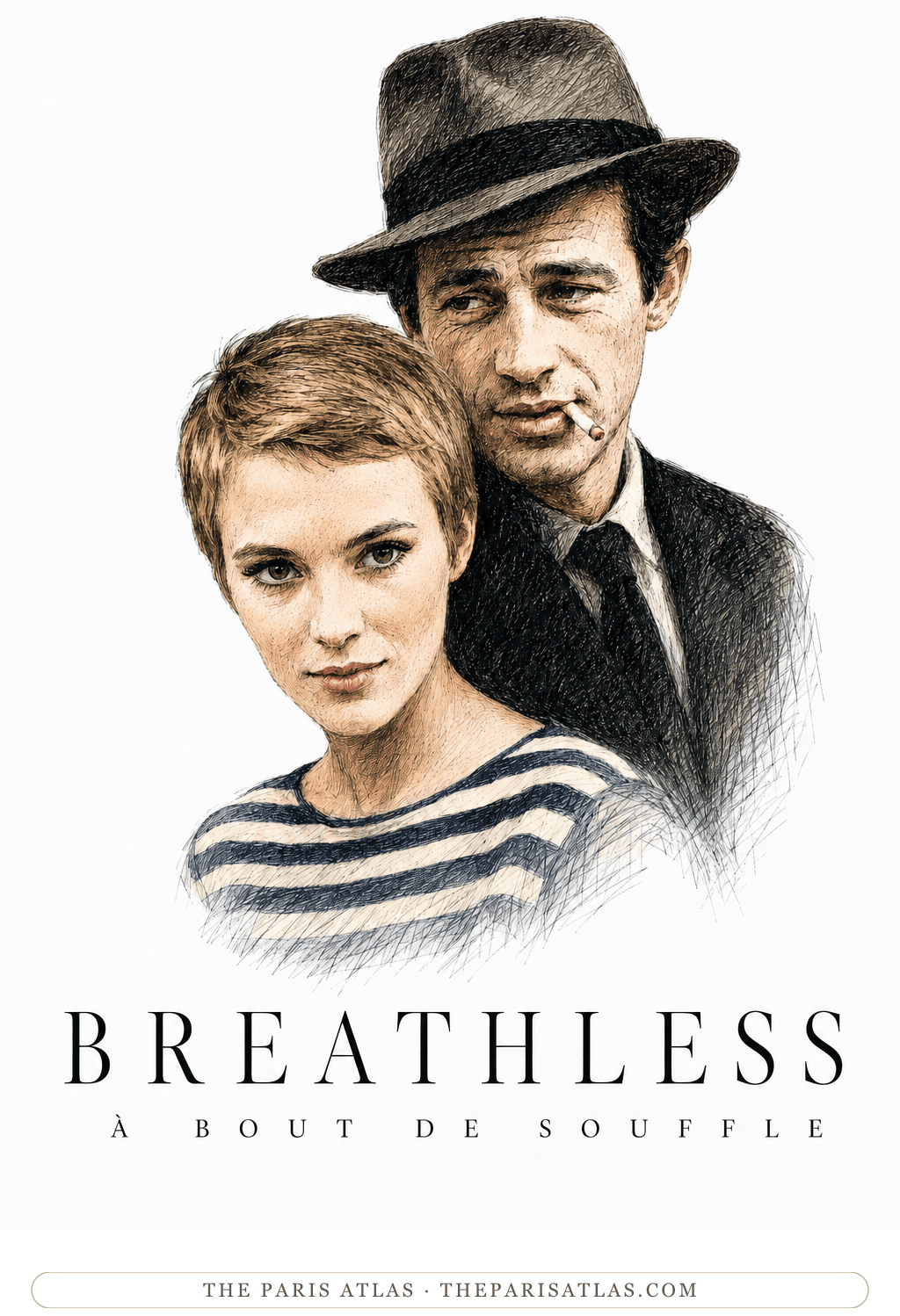
It was also an ending of another kind. Belmondo, the face of Breathless, and Anna Karina, Godard's wife and the star of his films of the early sixties, are together here as their real marriage was breaking up. The film is often read as its elegy — a romance that flares, curdles, and blows itself apart.
Timeline
1962
Lionel White publishes the pulp novel Obsession, the film's loose source.
May–July 1965
Godard shoots the film on the French Riviera and around Paris with Raoul Coutard, largely improvising from White's plot.
August 1965
Premieres in competition at the Venice Film Festival.
November 1965
Released in France; Godard's tenth feature.
2015
A 50th-anniversary 4K restoration returns to cinemas, distributed in the US by Rialto Pictures.
2020
The Criterion Collection reissues the film, confirming its place in the canon of 1960s cinema.
Frequently asked questions
What is Pierrot le fou about?
A bored Paris husband, Ferdinand, leaves his wife and bourgeois life to run off with an old lover, Marianne, into a loose crime plot of gun-runners and stolen cars along the Mediterranean. She betrays him; he kills her and her accomplice, then paints his face blue and blows himself up with dynamite. Jean-Luc Godard directed it in 1965 with Jean-Paul Belmondo and Anna Karina.
How does Pierrot le fou end?
Alone after killing Marianne and her accomplice, Ferdinand paints his face bright blue, wraps dynamite around his head, and lights it. He tries to stop it at the last second but too late — he blows himself up. The film closes on the sea and a whispered line of Rimbaud about eternity.
Why does Belmondo talk to the camera?
Direct address is one of Godard's signatures. Ferdinand speaks straight to the lens, and when Marianne asks whom he is talking to, he answers 'the audience.' The device exposes the film as a made object rather than a window onto life — a core New Wave gesture.
Is Pierrot le fou a French New Wave film?
Yes — it is one of the defining films of Godard's mid-1960s peak, and of the movement as a whole. Its color, its collage of genres, its direct address, and its glances at Vietnam and consumer society mark the New Wave turning from realism toward the essay and the political film.
Who are Belmondo and Karina to the New Wave?
Jean-Paul Belmondo was the movement's male face after Godard's Breathless (1960); Anna Karina was Godard's wife and the star of his early-sixties films. Pierrot le fou reunites them as their real marriage was ending, and is often read as its elegy.
Related videos
Official uploads only: trailers, performances, and works this one inspired.
Pierrot le fou — restoration trailer (Rialto Pictures)
The US distributor's trailer for the restored film's theatrical return.
In the atlas
What the graph records about this work — every claim carries its citation.
One of the defining films of Godard's mid-1960s peak: color, collage, direct address, and glances at Vietnam and consumer society mark the New Wave turning from realism toward the essay and the political film.
— The Criterion Collection — Pierrot le fou; Encyclopaedia Britannica — New Wave (French film movement)
Explore directors from the same movements and circles.
Claude Chabrol
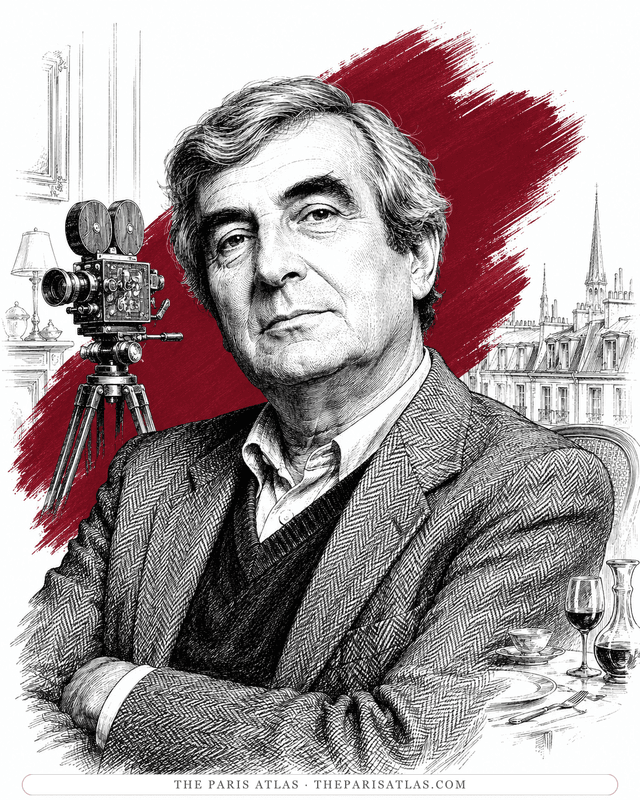
The Cahiers du cinéma critic who reached the screen first: his 1958 debut Le Beau Serge was the first feature from the group that made the New Wave. Over fifty years he became the 'French Hitchcock,' anatomist of the provincial bourgeoisie.
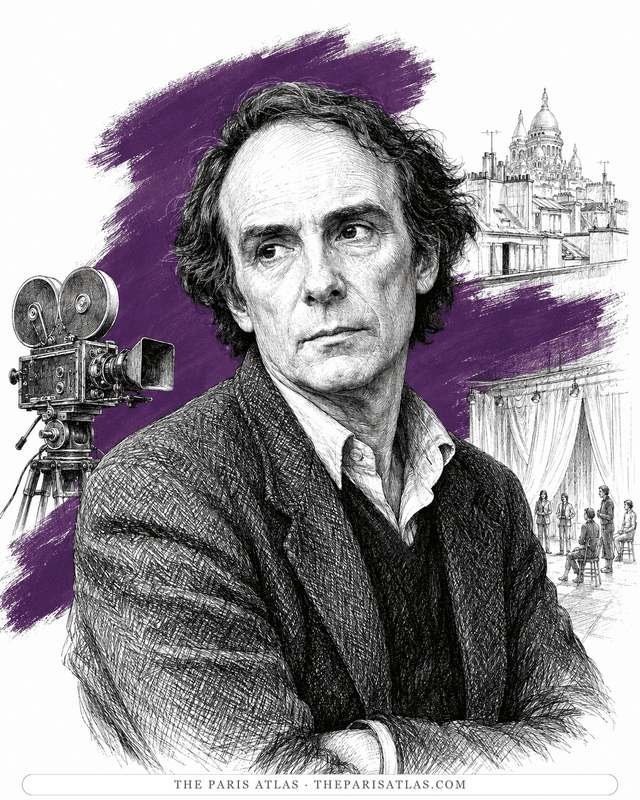
The most experimental of the Cahiers du cinéma directors. Rivette made films built on theatre, improvisation, and unusual length — from Paris Belongs to Us to the thirteen-hour Out 1 and Celine and Julie Go Boating.
Critic and editor of Cahiers du cinéma who became the New Wave's most literary director. His Six Moral Tales — My Night at Maud's, Claire's Knee — built a body of talkative, closely observed films about desire and hesitation.
The sources below include collection records, catalogues, scholarly research, and primary materials that informed this page. They document Pierrot le fou, its making, and its place in cultural history.
1The Criterion Collection — Pierrot le fou
Website
The Criterion Collection
Used for
Web source consulted for documented facts and historical context presented on the Pierrot le fou page.
These references provide the documented foundation for this work's history and interpretation. Claim-level citations remain attached to the specific claims they support.


 View source