Associated with · 1962
The French New Wave
Godard's fourth feature and the fullest of his portraits of Anna Karina; its chaptered twelve-tableaux form and documentary-essay method are the movement's techniques applied to a single ordinary life.
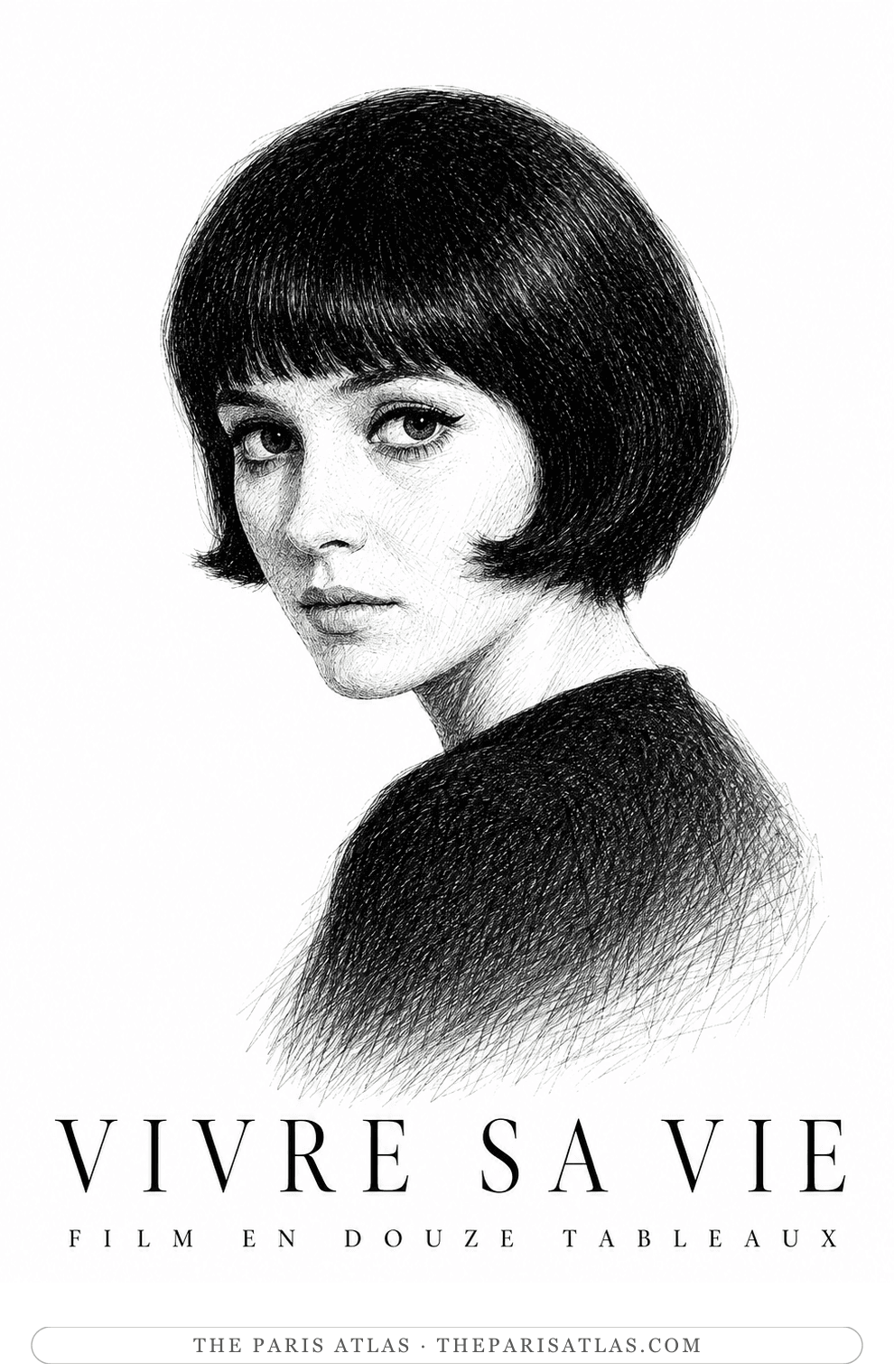
Vivre sa vie is Jean-Luc Godard's fourth feature and the fullest of his portraits of Anna Karina, his wife and the face of his early-sixties films. It follows Nana, a young Parisian who leaves her husband to try for a life as an actress and drifts instead into prostitution, told in twelve numbered tableaux, each announced by an intertitle. Godard treats the subject half as story and half as report — a documentary-like account of the trade set beside a cinema visit to Dreyer's Joan of Arc and a café conversation with a real philosopher about language and truth. It is one of the essential films of the New Wave's most personal period.
Godard builds the film as twelve discrete episodes, each opened by an on-screen title that says in advance what will happen. The device — borrowed from Brecht — breaks the story into chapters and keeps the viewer aware that this is a made object, an argument as much as a narrative.[1][2]
Between the tableaux the film changes register freely: a near-documentary passage lays out the facts of prostitution almost as statistics; another lingers on Karina's face as she dances to a jukebox; another sits still for a long conversation about words and meaning. The chaptered form lets Godard hold all of it in one film without pretending it flows.[1]
The film's method is often reduced to New Wave jump cuts, but Vivre sa vie mostly works the other way: long held takes, frontal compositions, and a camera that moves rather than cuts. The opening café scene between Nana and her husband, Paul, plays with their backs to the lens, their faces caught only in a mirror. A later shot in the record shop where Nana works drifts away from her and a customer toward the window and the street beyond. Raoul Coutard shot all of it in black and white, following the actors instead of cutting around them.[1]
The sound was recorded the same way. Guy Villette captured dialogue and street noise together on location with a portable synchronous recorder, largely on a single track, and Michel Legrand's score was added afterward in short bursts rather than laid under every scene. The imperfect balance was deliberate: cups, traffic, and a café jukebox compete with speech, and sounds that arrived by chance during a take stayed in. The critic Jean Collet described the experiment in La revue du son within months of the film's release.[3]
Nana leaves her husband and small son hoping to become an actress, works a while in a record shop, and cannot pay her rent. She goes to the cinema and weeps at Carl Theodor Dreyer's The Passion of Joan of Arc — Godard cutting between Falconetti's tear-streaked Joan and Karina's face, two women mirrored across the decades.[1]
Short of money and pushed by circumstance, she drifts into prostitution under the pimp Raoul. The film watches her without judgment, giving as much weight to a philosophical talk with the writer Brice Parain, who plays himself, as to the mechanics of the trade.[1]
Anna Karina is the reason the film exists. The opening credits play over portraits of her face, and the camera returns to it throughout, so that the movie becomes a study of a single person as much as a story about her. It is the deepest of the seven films Karina and Godard made together in these years.[1]
That devotion is also the film's argument. By fixing on Nana's face and letting her think aloud, Godard makes an ordinary, unglamorous life the whole subject of a film — the New Wave's belief that the everyday was worth the camera's full attention.
Karina's own account complicates any picture of her as a passive image. She later said the film's warmest sequence, in which Nana dances around a café pool table, was improvised on the spot, with Coutard following her movement. It is the one scene where Nana performs for no client and no price.[4]
In a hotel room a young man reads Nana a passage from Edgar Allan Poe's The Oval Portrait, and she falls in love and decides to leave the life. The young man is played by Peter Kassovitz, but the voice reading Poe is Godard's own. The Oval Portrait is about a painter whose flawless portrait of his young wife is completed at the moment the sitting takes her life — a pointed story for a director to narrate over a film of his own wife. When Nana tells Raoul she is leaving, he instead sets out to sell her to another pimp.[1]
He drives her to the exchange, but the deal goes wrong: a dispute over money turns to gunfire, Nana is shot, and the men flee, leaving her body in the street. The film ends as abruptly as it began, refusing to round the death into a lesson.[1]
1962
Godard shoots the film in Paris in about four weeks with Raoul Coutard; Michel Legrand scores it.
August 1962
Premieres at the Venice Film Festival, where it wins the Special Jury Prize and the Pasinetti Award.
20 September 1962
Released in France — Godard's fourth feature.
early 1960s
One of seven films Godard makes with Anna Karina, his wife and the face of his early work.
2010s
Restored and reissued by the Criterion Collection; a fixture of the Godard–Karina canon.
A young Parisian woman, Nana, leaves her husband to try for a life as an actress and drifts instead into prostitution. Jean-Luc Godard tells her story in 1962 across twelve numbered tableaux, mixing near-documentary passages with a cinema visit and a philosophical conversation. Anna Karina plays Nana.
Godard divides the film into twelve episodes, each announced by an on-screen title, a device borrowed from Brecht. It breaks the story into chapters and keeps the viewer aware of the film as a constructed argument rather than a seamless narrative.
Early in the film Nana goes to the cinema and watches Carl Theodor Dreyer's silent The Passion of Joan of Arc. Godard cuts between Maria Falconetti's weeping Joan and Karina's weeping Nana, mirroring the two women's suffering.
Nana decides to leave prostitution, but her pimp Raoul instead tries to sell her to another man. At the exchange a dispute over money erupts into gunfire; Nana is shot and killed, and the men flee, leaving her in the street.
Yes. It is one of Jean-Luc Godard's finest films of the period and the fullest of his portraits of Anna Karina. Its chaptered form, documentary realism, and essayistic digressions are the New Wave's methods put to work on a single ordinary life.
Vivre sa vie — trailer (The Criterion Collection)
Associated with · 1962
Godard's fourth feature and the fullest of his portraits of Anna Karina; its chaptered twelve-tableaux form and documentary-essay method are the movement's techniques applied to a single ordinary life.
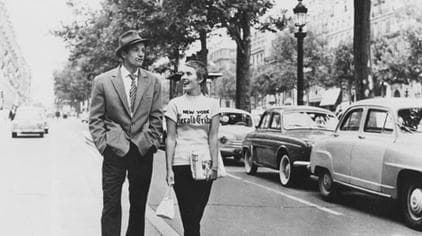
Example of
Godard continued the jump-cut method through the early 1960s. Vivre sa vie (1962) uses visible frame elisions inside continuous action deliberately rather than to compress a long assembled cut — the technique had by then become part of Godard's signature rather than a solution to a rough-cut length problem.
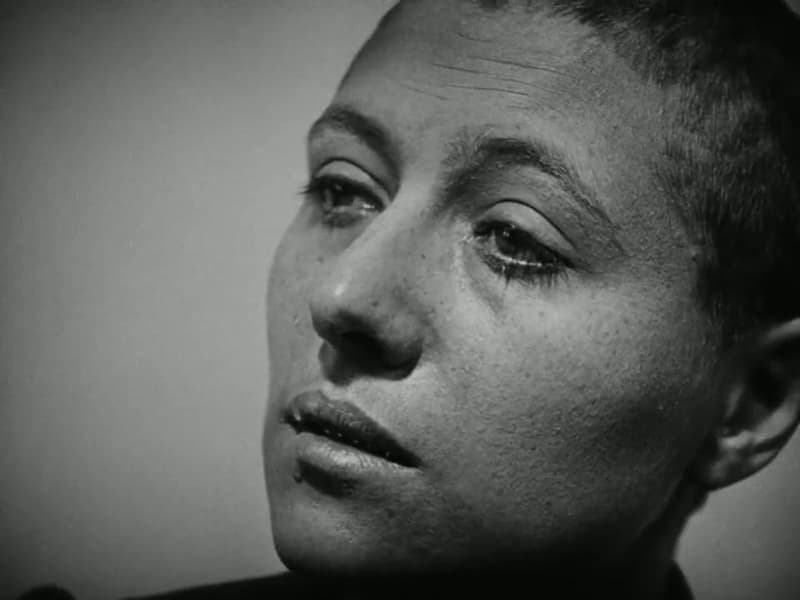
Influenced by
In the third tableau Nana goes to a cinema showing the Lo Duca cut of Dreyer's film, and Godard cuts between Falconetti's weeping Joan and Karina's face. Both women are condemned in their films, and both die at the end.
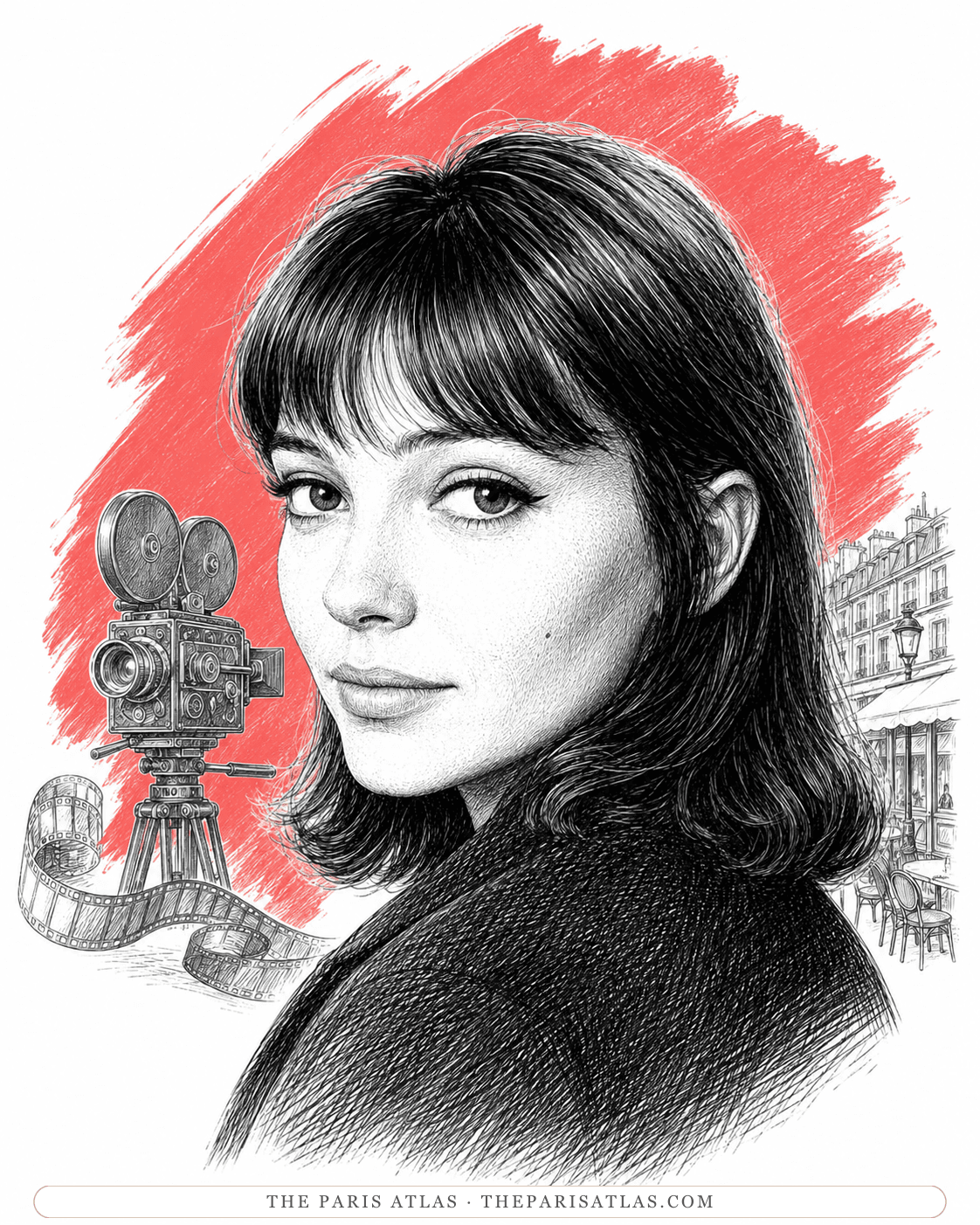
Explore directors from the same movements and circles.
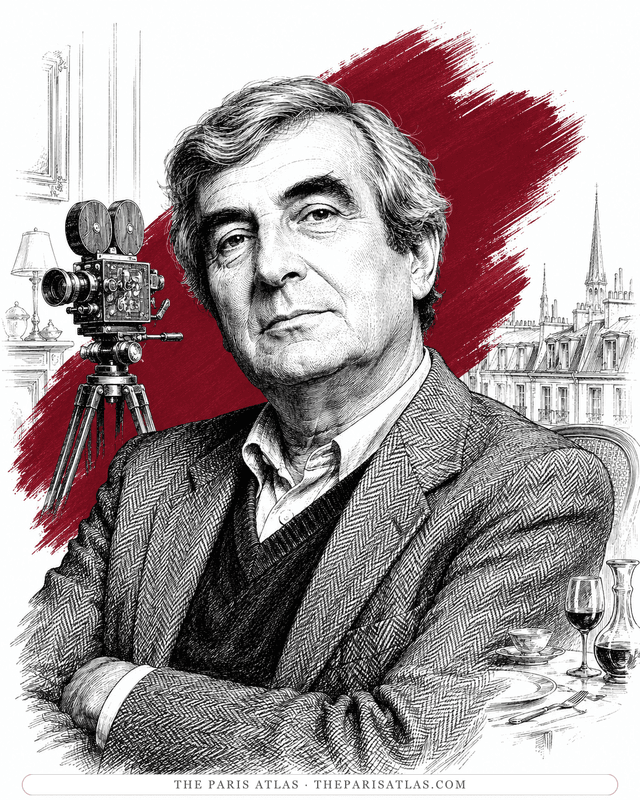
The Cahiers du cinéma critic who reached the screen first: his 1958 debut Le Beau Serge was the first feature from the group that made the New Wave. Over fifty years he became the 'French Hitchcock,' anatomist of the provincial bourgeoisie.
View artist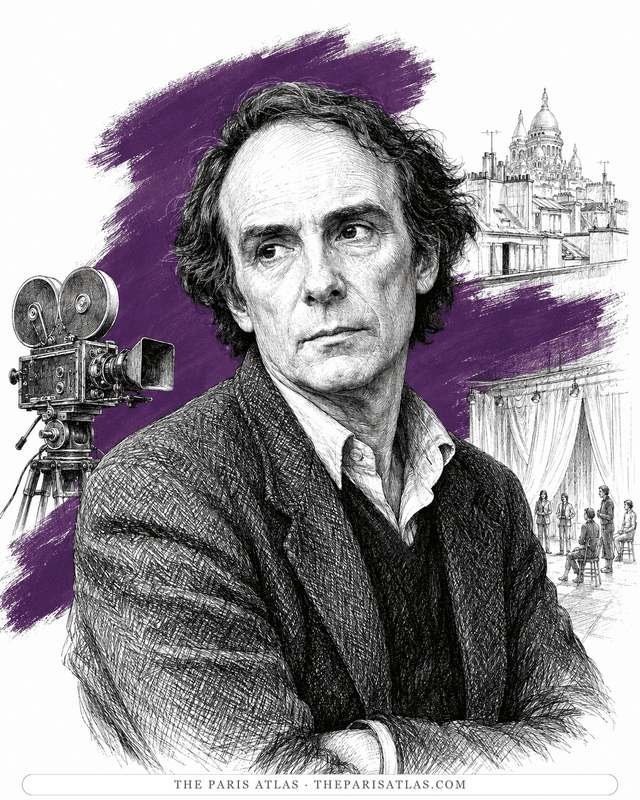
The most experimental of the Cahiers du cinéma directors. Rivette made films built on theatre, improvisation, and unusual length — from Paris Belongs to Us to the thirteen-hour Out 1 and Celine and Julie Go Boating.
View artist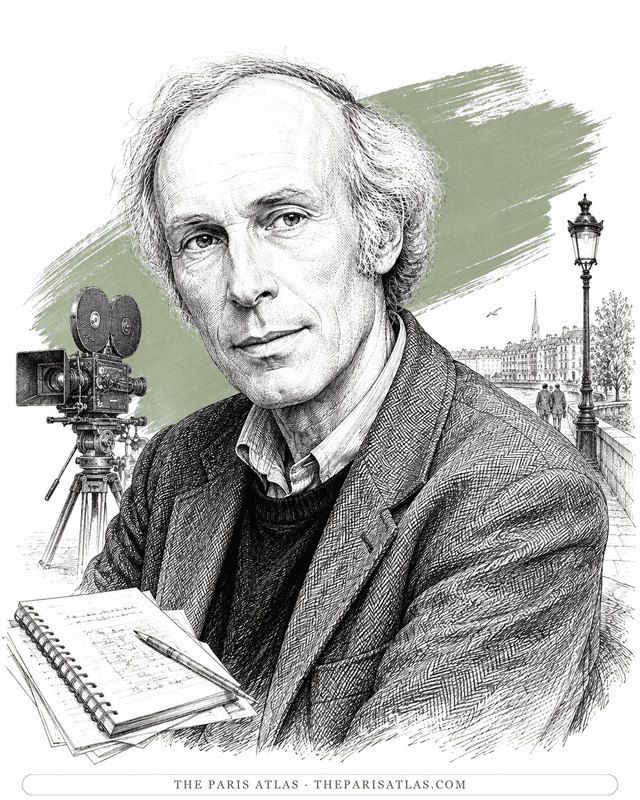
Critic and editor of Cahiers du cinéma who became the New Wave's most literary director. His Six Moral Tales — My Night at Maud's, Claire's Knee — built a body of talkative, closely observed films about desire and hesitation.
View artistThe sources below include collection records, catalogues, scholarly research, and primary materials that informed this page. They document Vivre sa vie, its making, and its place in cultural history.


Web source consulted for documented facts and historical context presented on the Vivre sa vie page.
Web source consulted for documented facts and historical context presented on the Vivre sa vie page.
Web source consulted for documented facts and historical context presented on the Vivre sa vie page.
Web source consulted for documented facts and historical context presented on the Vivre sa vie page.
These references provide the documented foundation for this work's history and interpretation. Claim-level citations remain attached to the specific claims they support.
 Explore more resources