Starring — Film
- Actor
- Filmmaker
Jeanne Moreau
The actress the French New Wave built its faces on — Louis Malle's Elevator to the Gallows, Truffaut's Jules and Jim — and a stage-trained star who worked with nearly every major director of her time.
In images
Details
- 1928–2017
- 23 January 1928
- Paris, France
- 31 July 2017
- Paris, France
- French
- ActorFilmmaker
About Jeanne Moreau
Jeanne Moreau was a French actress who worked for most of the major European directors of her century and was, for a long stretch of the 1960s, the face of serious French cinema. She was born in Paris on 23 January 1928 and died there on 31 July 2017, aged eighty-nine.
She trained for the stage, joined the Comédie-Française at twenty, and was already an established theatre actress when Louis Malle cast her in two films in 1958. Lift to the Scaffold and The Lovers made her a film star at thirty, and over the next decade she worked with François Truffaut, Michelangelo Antonioni, Luis Buñuel, Joseph Losey and Orson Welles.
Her best-known part is Catherine in Truffaut's Jules et Jim, released in 1962, in which she also sings the film's song, Le Tourbillon. Welles called her the greatest actress in the world, a line that followed her for the rest of her life.
She directed two features of her own in the 1970s, presided twice over the jury at the Cannes film festival, and went on acting into her late eighties.[1]
Montmartre and an English mother
Jeanne Moreau was born on 23 January 1928 in Paris and grew up in Montmartre. Her father, Anatole-Désiré Moreau, was a restaurateur from the Mayenne in western France. Her mother, Katherine Buckley, was an English dancer from Oldham in Lancashire who had come to Paris to work at the Folies Bergère.[2]
The household was not a happy one and the marriage did not last. Moreau spoke English from her mother and French from her father, and she used both throughout her career, which is one reason she moved so easily between French, Italian, British and American films.
She decided to become an actress after seeing a performance of Jean Anouilh's Antigone as a teenager. Her father was strongly against it. She went anyway.
The Conservatoire and the Comédie-Française
Moreau entered the Conservatoire national supérieur d'art dramatique in Paris in 1947 and left it the following year for the Comédie-Française, the state theatre company. She was twenty, and she was the youngest full member of the company at the time.[2]
She stayed four years, playing classical parts, and then left for the Théâtre National Populaire, the company Jean Vilar ran at the Palais de Chaillot with the aim of putting serious theatre in front of ordinary audiences. She worked there through the 1950s.
Her stage reputation was made before her film reputation, and by different work. In 1956 she played Maggie in the first Paris production of Tennessee Williams's Cat on a Hot Tin Roof, and the run was a considerable success.
Louis Malle, 1958
Moreau had been making films since 1949 without much effect. She had small parts, and in Touchez pas au grisbi in 1954 she appeared alongside Jean Gabin. French producers of the period considered her insufficiently photogenic for leads.
Louis Malle cast her twice in 1958 and the two films changed her career. In Lift to the Scaffold she plays a woman walking the Paris streets at night, waiting for a lover who does not come. The scenes were shot with available light on the Champs-Élysées, and Miles Davis improvised the score in a single session while watching the picture. In The Lovers she plays a bored provincial wife who leaves her husband and child after one night with a stranger.[3]
The Lovers caused trouble. It won a prize at the Venice film festival, and in the United States it was prosecuted as obscene. The case reached the Supreme Court in 1964, where a justice, unable to define hard-core pornography, wrote that he knew it when he saw it, and that this film was not it.
Jules et Jim
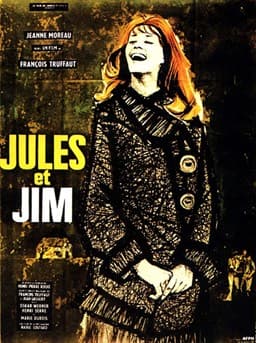
François Truffaut cast Moreau as Catherine in Jules et Jim, released in January 1962. Two friends, one Austrian and one French, both love the same woman across twenty years and a world war, and she marries one and leaves with the other and returns.
Moreau sings the film's song, Le Tourbillon, written by Serge Rezvani, in a single scene with a guitar. It became the piece of her work that the largest number of people know.
Catherine is not written as a likeable part. She is charming, destructive and finally lethal, and Moreau played her without asking the audience for sympathy. It is the performance that established what she was for: women who behave badly and are not apologised for.
The great decade
Between 1960 and 1968 Moreau worked with most of the directors then considered the best in Europe.
Peter Brook directed her in Moderato Cantabile in 1960, on a Marguerite Duras novel, and it won her the best actress prize at Cannes. Michelangelo Antonioni cast her in La Notte in 1961, as a wife walking through Milan on the last day of a marriage. Joseph Losey directed her in Eva in 1962. Luis Buñuel cast her in Diary of a Chambermaid in 1964. She made The Train with John Frankenheimer the same year, and Viva Maria! with Louis Malle and Brigitte Bardot in 1965.
Orson Welles used her three times: as Miss Bürstner in The Trial in 1962, as Doll Tearsheet in Chimes at Midnight in 1965, and in The Immortal Story in 1968. He described her in interviews as the greatest actress in the world. Truffaut brought her back for The Bride Wore Black in 1968, a revenge film made in open homage to Hitchcock.
Directing
Moreau directed two features. Lumière, in 1976, follows four actresses of different ages over a few days and was written as well as directed by her. L'Adolescente, in 1979, is about a girl of twelve spending a last summer in the country in 1939, with Simone Signoret as her grandmother.
She also made a documentary about the silent-film actress Lillian Gish in 1983. She was clear that she wanted to direct because she wanted to write parts for women that did not exist in the scripts she was sent.
Private life
Moreau married the actor and writer Jean-Louis Richard in 1949; their son Jérôme was born the same year, and the marriage ended in 1964. She had a long relationship with the couturier Pierre Cardin through the 1960s. In 1977 she married the American director William Friedkin; that marriage lasted two years.
She kept a house at La Garde-Freinet in the Var, in the hills behind Saint-Tropez, and spent much of her later life there and in an apartment in the eighth arrondissement of Paris.
Later work and honours
She went on working steadily. Rainer Werner Fassbinder cast her in Querelle in 1982. Luc Besson used her in Nikita in 1990, as the woman who trains an assassin to behave in polite society. In 1991 she took the title role in The Old Lady Who Walked in the Sea, playing an ageing con artist, and won the César for best actress.
In 1975 she presided over the jury at the Cannes film festival, and she presided again in 1995. She received an honorary César in 1995, a BAFTA fellowship in 1996, and a Golden Bear for lifetime achievement at Berlin in 2000. In 2000 she was elected to the Académie des Beaux-Arts.
Death
Jeanne Moreau died at her Paris apartment on 31 July 2017, aged eighty-nine. She is buried in Montmartre cemetery, a short distance from the streets she grew up on.
The French president called her a national figure, and the tributes came from three generations of directors. She had made more than a hundred and thirty films across seven decades.
Why Jeanne Moreau matters
Moreau gave the New Wave an adult. The directors around her were in their twenties and making films about young people. She was a trained stage actress who could carry a part written for a woman with a history. Catherine in Jules et Jim, the wife in La Notte and the woman in Lift to the Scaffold are all built on that.
She also refused the roles the industry had for women of her age as she got older, and directed her own films rather than wait for better ones. The late performances — the trainer in Nikita, the con artist in The Old Lady Who Walked in the Sea — exist because she kept insisting there was work in women past fifty.
The singer
Singing Le Tourbillon in Jules et Jim made Moreau a recording artist as well as a screen one. She released records through the 1960s, and went on performing songs for the rest of her life.
Life events
Born in Paris on 23 January, daughter of a French restaurateur and an English dancer from Oldham who worked at the Folies Bergère.
Grows up in Montmartre, speaking English with her mother and French with her father.
Decides to become an actress after seeing a performance of Jean Anouilh's Antigone. Her father objects.
Enters the Conservatoire national supérieur d'art dramatique in Paris.
Makes her stage debut at the Avignon Festival, and soon becomes a leading actress of the Comédie-Française.
Joins the Comédie-Française at twenty, the youngest full member of the company.
Marries the actor and writer Jean-Louis Richard. Their son Jérôme is born the same year.
Makes her first film appearance, in a small part.
Leaves the Comédie-Française for Jean Vilar's Théâtre National Populaire at the Palais de Chaillot.
Appears with Jean Gabin in Touchez pas au grisbi.
Plays Maggie in the first Paris production of Tennessee Williams's Cat on a Hot Tin Roof.
Stars in Louis Malle's Lift to the Scaffold, walking the night streets of Paris to a score Miles Davis improvised in one session.
Stars in Louis Malle's The Lovers, which wins a prize at Venice and is prosecuted as obscene in the United States.
Wins the best actress prize at Cannes for Moderato Cantabile, directed by Peter Brook from a Marguerite Duras novel.
Plays the wife in Michelangelo Antonioni's La Notte, walking through Milan on the last day of a marriage.
Plays Catherine in François Truffaut's Jules et Jim and sings Le Tourbillon, written by Serge Rezvani.
Stars in Joseph Losey's Eva.
Plays Miss Bürstner in Orson Welles's The Trial, the first of three films she makes with him.
Begins a long relationship with the couturier Pierre Cardin.
Stars in Jacques Demy's Bay of Angels, as a compulsive gambler on the Riviera.
Her marriage to Jean-Louis Richard ends.
Stars in Luis Buñuel's Diary of a Chambermaid and in John Frankenheimer's The Train.
The United States Supreme Court rules on The Lovers in Jacobellis v. Ohio, the case in which a justice writes that he knows hard-core pornography when he sees it.
Plays Doll Tearsheet in Orson Welles's Chimes at Midnight. Welles calls her the greatest actress in the world.
Stars opposite Brigitte Bardot in Louis Malle's Viva Maria!
Stars in François Truffaut's The Bride Wore Black and in Orson Welles's The Immortal Story.
Presides over the jury at the Cannes film festival.
Writes and directs her first feature, Lumière, about four actresses of different ages.
Marries the American director William Friedkin. The marriage lasts two years.
Directs L'Adolescente, with Simone Signoret, about a girl spending a last country summer in 1939.
Appears in Rainer Werner Fassbinder's Querelle.
Directs a documentary about the silent-film actress Lillian Gish.
Plays the woman who trains an assassin in polite behaviour in Luc Besson's Nikita.
Wins the César for best actress for The Old Lady Who Walked in the Sea, as an ageing con artist.
Presides over the Cannes jury a second time and receives an honorary César.
Receives a fellowship from the British Academy of Film and Television Arts.
Receives a Golden Bear for lifetime achievement at Berlin and is elected to the Académie des Beaux-Arts.
Receives an honorary Palme d'Or at the Cannes film festival.
Dies at her Paris apartment on 31 July, aged eighty-nine, and is buried in Montmartre cemetery.
In the credits
People Jeanne Moreau Knew
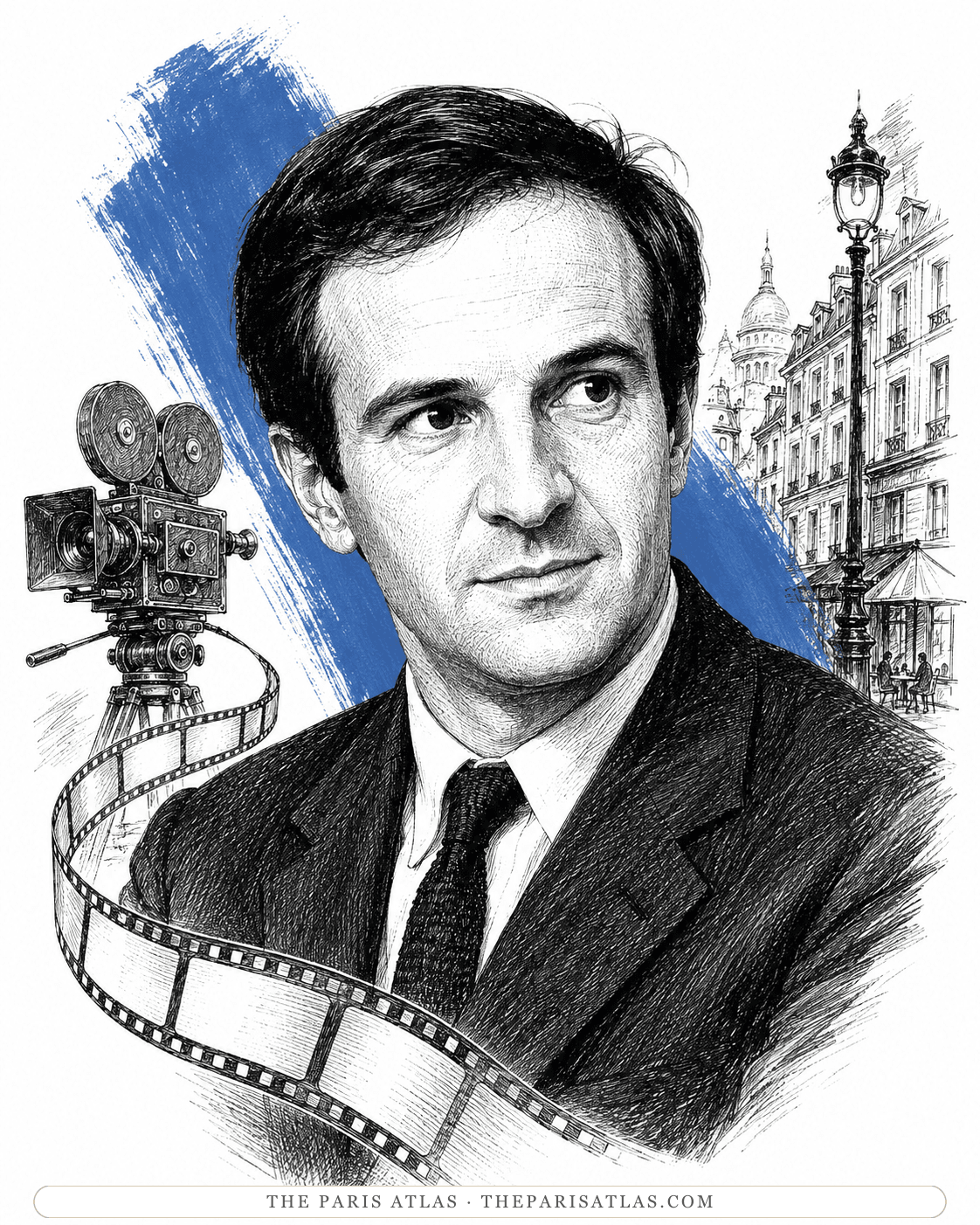
François Truffaut
- Filmmaker
- Critic
- Actor
Collaborated with · 1962
Truffaut cast Moreau as Catherine in Jules and Jim (1962), her defining role and biggest international success.

Jacques Demy
- Filmmaker
Collaborated with · 1963
Moreau took the lead in Demy's Bay of Angels (1963), a gambler drawn to the tables of the Riviera.

Louis Malle
- Filmmaker
Collaborated with · 1958
Malle directed Moreau in Elevator to the Gallows and The Lovers, both 1958 — the two films that made her a screen star at thirty.
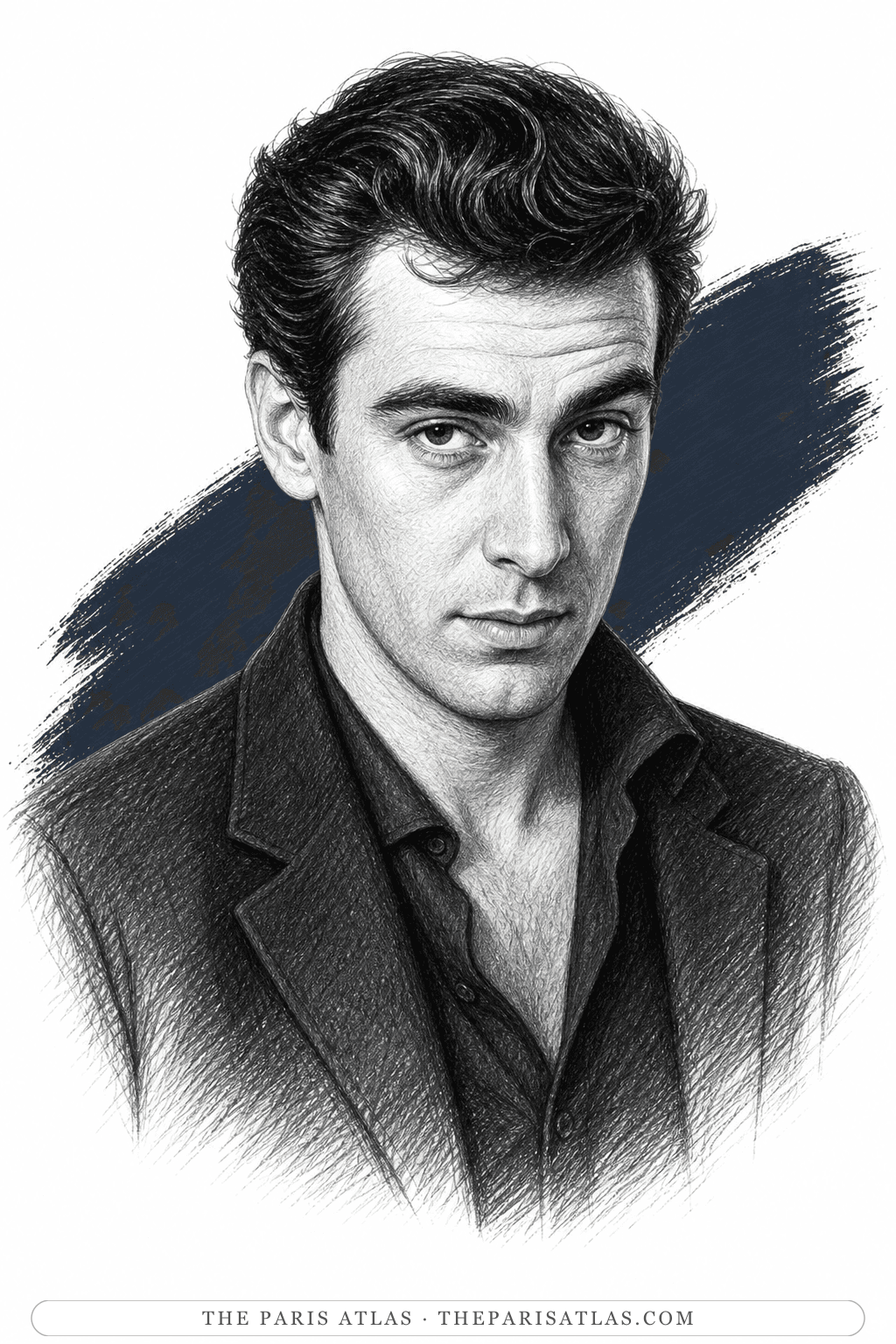
Roger Vadim
- Filmmaker
- Author
- Actor
Collaborated with · 1959
Vadim directed Jeanne Moreau as Juliette de Merteuil in his 1959 adaptation of Dangerous Liaisons.
Movements
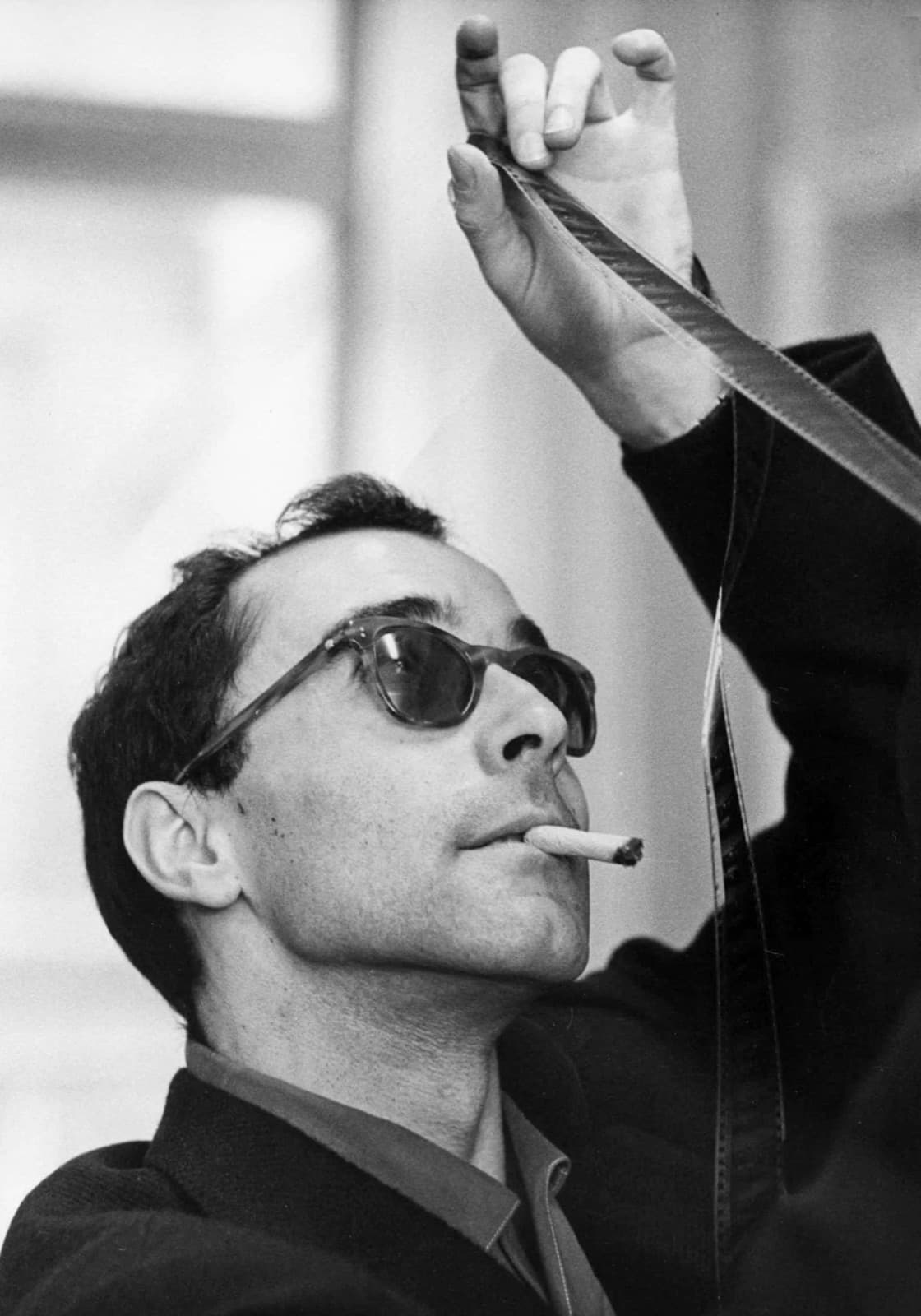
Film movement · c. 1958–1968
The French New Wave
The movement's leading actress: made a film star by Malle's Elevator to the Gallows and The Lovers (1958), and fixed in memory as Catherine in Truffaut's Jules and Jim (1962). She also worked with Demy, though her career reached well beyond the New Wave.
Questions about Jeanne Moreau
Who was Jeanne Moreau?
A French actress, born in Paris in 1928 and died there in 2017. She trained for the stage, joined the Comédie-Française at twenty, and became a film star at thirty in two Louis Malle films of 1958. She made more than a hundred and thirty films and worked with François Truffaut, Michelangelo Antonioni, Luis Buñuel, Joseph Losey and Orson Welles.
What is Jeanne Moreau's most famous film?
Jules et Jim, directed by François Truffaut and released in 1962, in which she plays Catherine, the woman two friends love across twenty years and a world war. She also sings the film's song, Le Tourbillon, in a single scene with a guitar.
Which Jeanne Moreau film should I watch first?
Jules et Jim, then Louis Malle's Lift to the Scaffold from 1958, where she walks the night streets of Paris to a score Miles Davis improvised while watching the film. After those, Michelangelo Antonioni's La Notte and Luis Buñuel's Diary of a Chambermaid.
Did Jeanne Moreau direct films?
Yes, two features and a documentary. Lumière, which she wrote and directed in 1976, follows four actresses of different ages. L'Adolescente, from 1979, is about a girl of twelve in the summer of 1939, with Simone Signoret. She said she directed because the parts she wanted for women were not being written.
Why did Orson Welles call her the greatest actress in the world?
Welles directed her three times, in The Trial in 1962, Chimes at Midnight in 1965 and The Immortal Story in 1968, and repeated the phrase in interviews afterwards. He was describing her range across languages and registers, and her willingness to play unlikeable women without asking the audience to forgive them.
Where is Jeanne Moreau buried?
In Montmartre cemetery in Paris, close to the neighbourhood where she grew up. She died at her apartment in the eighth arrondissement on 31 July 2017, aged eighty-nine.
Connections and Sources
Associated with · 1958
The French New Wave
The movement's leading actress: made a film star by Malle's Elevator to the Gallows and The Lovers (1958), and fixed in memory as Catherine in Truffaut's Jules and Jim (1962). She also worked with Demy, though her career reached well beyond the New Wave.
Collaborated with · 1962
François Truffaut
Truffaut cast Moreau as Catherine in Jules and Jim (1962), her defining role and biggest international success.
Collaborated with · 1963
Jacques Demy
Moreau took the lead in Demy's Bay of Angels (1963), a gambler drawn to the tables of the Riviera.
Collaborated with · 1958
Louis Malle
Malle directed Moreau in Elevator to the Gallows and The Lovers, both 1958 — the two films that made her a screen star at thirty.
Collaborated with · 1959
Roger Vadim
Vadim directed Jeanne Moreau as Juliette de Merteuil in his 1959 adaptation of Dangerous Liaisons.
References
References
The sources below include biographies, scholarly essays, interviews, and primary materials that informed this page. They reflect both the historical record and ongoing critical conversations about Jeanne Moreau and their work.


1↑Jeanne Moreau, award-winning French actress, dies at 89
WebsiteNBC NewsUsed forObituary covering the career, the awards and the tributes.
3↑Remembering actress Jeanne Moreau, icon of French New Wave cinema
WebsiteNPR Fresh AirUsed forBroadcast retrospective on her work with Malle, Truffaut and Welles.
4French actress Jeanne Moreau has died at 89
WebsiteEuronewsUsed forContemporary report of her death in Paris on 31 July 2017.
5Jeanne Moreau
WebsiteWikipediaUsed forReference article cross-checked for the dates, the parentage, the filmography, the marriages and the burial at Montmartre.
6Jeanne Moreau (1928-2017)
WebsiteFind a GraveUsed forRecord of the grave in Montmartre cemetery.
7Encyclopaedia Britannica — New Wave (French film movement)
WebsiteUsed forWeb source consulted for documented facts and historical context presented on the Jeanne Moreau page.
8Encyclopaedia Britannica — Jacques Demy (French director)
WebsiteEncyclopaedia BritannicaUsed forWeb source consulted for documented facts and historical context presented on the Jeanne Moreau page.
9Encyclopaedia Britannica — Louis Malle
WebsiteUsed forWeb source consulted for documented facts and historical context presented on the Jeanne Moreau page.
10The Criterion Collection — Jules and Jim
WebsiteThe Criterion CollectionUsed forWeb source consulted for documented facts and historical context presented on the Jeanne Moreau page.
i
Why these sources are here
These references anchor the page in the documented record and in the scholarly conversations around Jeanne Moreau. Every claim on this page traces back to one or more of the works listed here.
 Explore more resources