
Jeanne Moreau
- Actor
- Filmmaker
Collaborated with · 1958
Malle directed Moreau in Elevator to the Gallows and The Lovers, both 1958 — the two films that made her a screen star at thirty.
The director who launched Jeanne Moreau and stood at the edge of the New Wave — from Elevator to the Gallows to Au revoir les enfants — before a second career in American cinema.
Louis Malle was a French film director who worked in almost every kind of film there is and never settled into a style. He was born at Thumeries, in the north of France, on 30 October 1932 and died at Beverly Hills, California, on 23 November 1995, aged sixty-three.
He was twenty-three when he shared the Palme d'Or at Cannes for The Silent World, an underwater documentary he co-directed with Jacques-Yves Cousteau. He was twenty-five when Lift to the Scaffold, his first fiction feature, made Jeanne Moreau a film star.
His subjects were the ones French cinema avoided: a boy's relationship with his mother in Murmur of the Heart, a teenage collaborator in Lacombe, Lucien, child prostitution in Pret[1]ty Baby. Two of them caused national arguments.
He worked in the United States for a decade from 1976, then returned to France and made Au revoir les enfants, about the Jewish boys hidden at his own wartime boarding school and the day the Gestapo came for them. It won the Golden Lion at Venice in 1987 and is generally taken as his best film.
Louis Malle was born on 30 October 1932 at Thumeries, a village in the Nord department, into one of the wealthiest industrial families in France. His mother was a Béghin, of the sugar-refining dynasty, and the family money was substantial enough that Malle never had to take work he did not want.
He was sent to a Catholic boarding school and grew up in a conservative, devout household. The independence the money bought him mattered to his career: he financed several of his own films and could afford to fail commercially, which he did more than once and without much apparent worry.
He studied political science briefly, then enrolled at the IDHEC film school in Paris in the early 1950s against his family's wishes.
Malle left film school early to join Jacques-Yves Cousteau on the research ship Calypso as a cameraman. The result was The Silent World, an underwater colour documentary that he co-directed with Cousteau and that won the Palme d'Or at Cannes in 1956 and the Academy Award for best documentary the following year. Malle was twenty-three.
He then worked as an assistant to Robert Bresson on A Man Escaped, the story of a French Resistance prisoner breaking out of a Gestapo jail in Lyon. Bresson's method — non-professional actors, no performance, extreme economy — was the opposite of Cousteau's, and Malle had now trained under both.
Malle's first feature, Lift to the Scaffold, came out in 1958. A man murders his lover's husband and is trapped in the building's lift while his car is stolen by two teenagers who then commit a murder of their own. It won the Prix Louis-Delluc.
The film is remembered for two things beyond the plot. Jeanne Moreau walks the Champs-Élysées at night looking for a man who never arrives, filmed with available light in a way that was then unusual. And Miles Davis, in Paris on tour, improvised the score in a single night session with a French rhythm section while the film ran on a screen in front of him.
The Lovers followed later the same year, again with Moreau, as a provincial wife who leaves her husband and child after one night with a stranger. It won a prize at Venice, and in the United States a cinema manager in Ohio was convicted of obscenity for showing it. The conviction was overturned by the Supreme Court in 1964 in a judgment that has been quoted ever since, in which a justice declined to define hard-core pornography and said he knew it when he saw it.
Malle refused to repeat himself, and the films of the 1960s have almost nothing in common with one another. Zazie dans le métro, in 1960, is a fast, cartoonish adaptation of a Raymond Queneau novel about a foul-mouthed child loose in Paris. The Fire Within, in 1963, is a quiet, grey account of the last two days before a man kills himself. Viva Maria!, in 1965, is a comic western with Jeanne Moreau and Brigitte Bardot as revolutionaries in Central America.
In 1968 he went to India and stayed for several months with a small crew, shooting without a script. The result was a seven-part television series, Phantom India, and a feature, Calcutta. The Indian government objected strongly to what the films showed and banned the BBC from the country for a period after they were broadcast.
Murmur of the Heart, in 1971, follows a fourteen-year-old boy in Dijon in 1954 and ends with a night he spends with his mother. Malle wrote it as a comedy and refused to treat the ending as a tragedy, and the film was attacked and defended in roughly equal measure. It was nominated for an Academy Award for its screenplay.
Lacombe, Lucien, in 1974, provoked a still angrier argument. A farm boy in south-west France in 1944 tries to join the Resistance, is turned away, and joins the French Gestapo instead, more or less by accident. Malle gave him no political convictions at all and no moment of realisation. French critics on the left accused him of excusing collaboration; others argued that showing collaboration as ordinary and unthinking was the harder and truer thing. The argument was fierce enough that Malle left the country.
Malle moved to the United States in 1976 and worked there for a decade. Pretty Baby, in 1978, is set in a New Orleans brothel in 1917 and stars Brooke Shields, then twelve, as the daughter of a prostitute; it was censored in several countries and banned outright in others.
Atlantic City, in 1980, is a small film about an ageing minor gangster and a casino waitress in a city being demolished and rebuilt around them. It was nominated for five Academy Awards, including best picture and best director. My Dinner with Andre, in 1981, is two men talking over a meal for two hours, and it became an unlikely commercial success. Alamo Bay, in 1985, is about Vietnamese refugee fishermen and the Texans who attacked them.
In 1980 he married the American actress Candice Bergen. They remained married until his death.
Malle returned to France and in 1987 made the film he had been circling for forty years. Au revoir les enfants is set in a Catholic boarding school in the winter of 1944, where the priests are hiding three Jewish boys among the pupils under false names. A boy befriends one of them. The Gestapo come, and the boys and the headmaster are taken away.
The story is his own. Malle had been at such a school, at Avon near Fontainebleau, and had watched the arrest.[2] He said he had tried to write the film several times and had not been able to until he was in his fifties.
It won the Golden Lion at Venice, seven Césars including best film and best director, and Academy Award nominations for best foreign-language film and best original screenplay.
Milou en mai, in 1990, is a comedy about a family gathering at a country house while the events of May 1968 happen elsewhere. Damage, in 1992, is about a British politician destroying himself over his son's girlfriend. Vanya on 42nd Street, in 1994, films a rehearsal of Chekhov's Uncle Vanya in a derelict Broadway theatre, and was his last completed work.
Louis Malle died of lymphoma at his home in Beverly Hills on 23 November 1995, aged sixty-three.[3]
Malle has no signature, and that has cost him. Directors are remembered for a style, and his films look nothing like each other: an underwater documentary, a jazz thriller, a children's farce, a suicide, a western, an Indian travelogue, an American gangster picture, a filmed rehearsal.
What runs through them is subject matter. He went at things French cinema of his generation would not touch, and he refused to supply the moral framing that would have made them safe. Lacombe, Lucien does not explain why its collaborator collaborates. Murmur of the Heart does not treat incest as a catastrophe. Au revoir les enfants does not give the betrayal a villain. In each case Malle put the facts on screen and left the judgment to the audience, which is why the arguments about the films outlasted their releases.
Malle belonged to the same late-1950s Paris as the New Wave and shared its freedom and its streets, but he was never part of the Cahiers du cinéma programme that François Truffaut and Jean-Luc Godard came out of. His first fiction feature, Lift to the Scaffold, reached the screen in 1958, a year before their debuts.
His third feature, Lacombe, Lucien, brought his first Academy Award nomination, for best foreign-language film, in 1975.
Born on 30 October at Thumeries in the Nord, into the Béghin sugar-refining family.
Attends a Catholic boarding school at Avon, near Fontainebleau, where priests are hiding Jewish boys under false names.
Watches the Gestapo arrest three Jewish pupils and the headmaster. He films the memory forty-three years later.
Studies political science in Paris, then enrols at the IDHEC film school against his family's wishes.
Leaves film school to join Jacques-Yves Cousteau on the Calypso as a cameraman.
Co-directs The Silent World with Cousteau. It wins the Palme d'Or at Cannes.
Works as an assistant to Robert Bresson on A Man Escaped.
The Silent World wins the Academy Award for best documentary feature.
Directs his first fiction feature, Lift to the Scaffold, with Jeanne Moreau and a score improvised by Miles Davis. It wins the Prix Louis-Delluc.
Directs The Lovers, again with Jeanne Moreau. It wins a prize at Venice and is prosecuted as obscene in the United States.
Directs Zazie dans le métro, from Raymond Queneau's novel about a foul-mouthed child loose in Paris.
Directs The Fire Within, on the last two days before a man kills himself.
The United States Supreme Court overturns the obscenity conviction over The Lovers in Jacobellis v. Ohio.
Directs Viva Maria!, a comic western with Jeanne Moreau and Brigitte Bardot.
Travels to India with a small crew and shoots for several months without a script.
Releases Phantom India, a seven-part television series, and the feature Calcutta. The Indian government objects and bars the BBC from the country.
Directs Murmur of the Heart, about a fourteen-year-old boy in Dijon in 1954, and is attacked and defended over its ending.
Murmur of the Heart is nominated for the Academy Award for best original screenplay.
Directs Lacombe, Lucien, about a farm boy who joins the French Gestapo in 1944 more or less by accident.
The argument over Lacombe, Lucien in France is fierce enough that Malle decides to leave the country.
Moves to the United States.
Directs Pretty Baby, set in a New Orleans brothel in 1917, with Brooke Shields. It is censored or banned in several countries.
Directs Atlantic City, about an ageing minor gangster and a casino waitress.
Marries the American actress Candice Bergen.
Directs My Dinner with Andre, two hours of two men talking over a meal, which becomes an unexpected commercial success.
Atlantic City is nominated for five Academy Awards, including best picture and best director.
Directs Alamo Bay, about Vietnamese refugee fishermen and the Texans who attacked them.
Returns to France and directs Au revoir les enfants, from his own memory of the arrests at Avon in 1944.
Au revoir les enfants wins the Golden Lion at Venice.
Au revoir les enfants wins seven Césars, including best film and best director, and is nominated for two Academy Awards.
Directs Milou en mai, a family comedy set during the events of May 1968.
Directs Damage, about a British politician destroying himself over his son's girlfriend.
Directs Vanya on 42nd Street, a filmed rehearsal of Chekhov in a derelict Broadway theatre. It is his last completed film.
Dies of lymphoma at his home in Beverly Hills on 23 November, aged sixty-three.
Collaborated with · 1958
Malle directed Moreau in Elevator to the Gallows and The Lovers, both 1958 — the two films that made her a screen star at thirty.
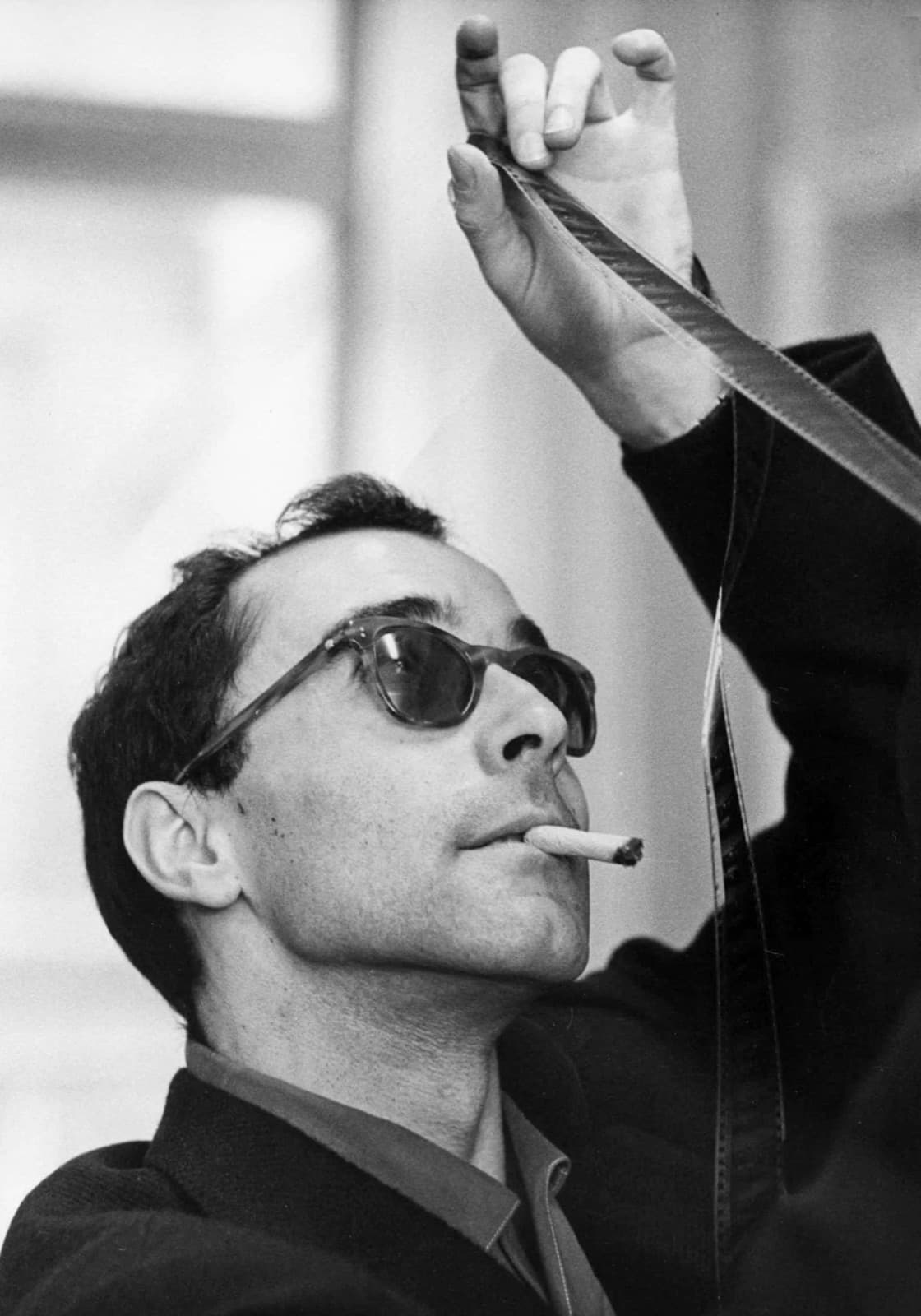
Film movement · c. 1958–1968
A contemporary at the movement's edge rather than a Cahiers du cinéma member. Malle reached his debut a year before Truffaut and Godard, shared the New Wave's freedom and Paris locations, and launched Jeanne Moreau — but kept apart from its criticism-first programme, and his films never settled into one manner.
A French film director, born at Thumeries in 1932 and died in Beverly Hills in 1995. He shared the Palme d'Or at twenty-three for an underwater documentary made with Jacques-Yves Cousteau, directed his first fiction feature at twenty-five, and worked across documentary, comedy, thriller and period drama in France and the United States.
Au revoir les enfants, from 1987, about the Jewish boys hidden at his own wartime boarding school and the day the Gestapo came for them. After that, Lift to the Scaffold from 1958, for Jeanne Moreau and the Miles Davis score, and Atlantic City from 1980.
Because it shows a French teenager joining the Gestapo's French auxiliaries in 1944 without any political conviction and without ever realising what he has done. Critics on the left accused Malle of excusing collaboration; others argued that showing it as ordinary and unthinking was harder and truer than showing it as evil. The argument was fierce enough that Malle left France afterwards.
It is built on Malle's own memory. He was a pupil at a Catholic boarding school at Avon, near Fontainebleau, where the priests hid Jewish boys under false names, and he was there when the Gestapo arrested them and the headmaster in 1944. He said he tried to write the film several times over forty years and could not manage it until his fifties.
Jeanne Moreau, in Lift to the Scaffold and The Lovers in 1958 and Viva Maria! in 1965. Her career as a film star began with those first two films. He was married to the American actress Candice Bergen from 1980 until his death.
Davis was in Paris on tour in 1957 when Malle asked him to score Lift to the Scaffold. He improvised the music in a single night session with a French rhythm section, playing to the film as it ran on a screen in front of him. The recording is one of the best-known film scores in jazz.
Associated with · 1958
A contemporary at the movement's edge rather than a Cahiers du cinéma member. Malle reached his debut a year before Truffaut and Godard, shared the New Wave's freedom and Paris locations, and launched Jeanne Moreau — but kept apart from its criticism-first programme, and his films never settled into one manner.
Collaborated with · 1958
Malle directed Moreau in Elevator to the Gallows and The Lovers, both 1958 — the two films that made her a screen star at thirty.
The sources below include biographies, scholarly essays, interviews, and primary materials that informed this page. They reflect both the historical record and ongoing critical conversations about Louis Malle and their work.

Box-set record covering Murmur of the Heart, Lacombe Lucien and Au revoir les enfants.
Philip Kemp's essay on the film and on Malle's own memory of the 1944 arrests.
Contemporary news report of his death from lymphoma.
Introduction to the filmography and to where a new viewer should start.
Distributor's record of the film, with essays on the school at Avon and on Père Jacques.
Record of his death at Beverly Hills in November 1995.
Reference article cross-checked for the dates, the filmography, the awards and the American years.
Web source consulted for documented facts and historical context presented on the Louis Malle page.
Web source consulted for documented facts and historical context presented on the Louis Malle page.
Web source consulted for documented facts and historical context presented on the Louis Malle page.
Web source consulted for documented facts and historical context presented on the Louis Malle page.
These references anchor the page in the documented record and in the scholarly conversations around Louis Malle. Every claim on this page traces back to one or more of the works listed here.
 Explore more resources