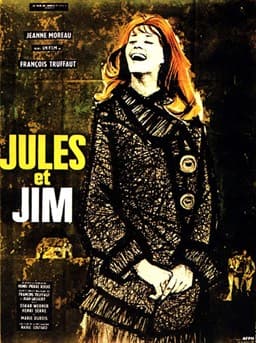
François Truffaut's third feature turns Henri-Pierre Roché's novel into the New Wave's most beloved film. Before the First World War, two inseparable friends — Jules, an Austrian, and Jim, a Frenchman — both fall for Catherine, a willful, unclassifiable woman played by Jeanne Moreau. She marries Jules, takes Jim as a lover with her husband's consent, and holds the three of them in a love triangle that runs across two decades and a war. Truffaut films it with every freedom the movement had won — voiceover, freeze-frames, newsreel footage, sudden shifts from joy to grief — and Moreau's Catherine became one of the defining faces of the New Wave.
Created
1962
Form
105-minute feature, black and white — Franscope widescreen
In the bohemian Paris of 1912, Jules, a shy Austrian writer, and Jim, an easier, more worldly Frenchman, become inseparable — sharing books, cafés, and women in a friendship the film treats as its true love story. Then they meet Catherine, whose smile reminds them of an ancient statue they had travelled to see. Both are lost to her at once.
Catherine marries Jules and moves with him to Austria, where they have a daughter. But she is restless and unpredictable by nature, refusing to belong wholly to anyone, and the marriage cannot contain her.
The triangle
The First World War divides the friends, who serve on opposite sides and each dread killing the other. Afterward Jim visits the couple's chalet on the Rhine and finds the marriage strained. Desperate to keep Catherine near in any form, Jules all but hands her to Jim, encouraging the two to marry so that she will not vanish from his life.
Catherine and Jim begin an affair with Jules's blessing, but their attempt to build a life together falters, and the three cycle through separations and reunions across the 1920s. The film never settles the triangle; it lets it turn, like the song Catherine sings, "Le Tourbillon" — the whirlwind of life.
Freedom of technique
Jules and Jim is the New Wave at its most exhilarated. Raoul Coutard's camera pans across still photographs, races through the countryside, and freezes on Moreau's face; a literary narrator carries whole years in a few sentences; documentary footage of the war cuts into the fiction. Georges Delerue's score swings between lightness and sorrow, matching the film's abrupt shifts of tone.
None of it is decoration. The techniques let Truffaut cover two decades in under two hours and hold comedy and tragedy in the same frame, and they made the film a working demonstration of what the movement's freedoms were for.
Catherine, and the ending
Jeanne Moreau's Catherine — free, contradictory, impossible to possess — became one of the emblematic women of the New Wave, and the role confirmed Moreau as its leading star. She is neither villain nor victim; the film watches her without judging her.
It ends in the early 1930s. After a last reunion in Paris, Catherine invites Jim into her car, tells Jules to watch, and drives off the end of a broken bridge into the Seine, killing them both. Jules survives, and the film closes on him alone, collecting their ashes — released from Catherine at last, and left with nothing.
Timeline
1953
Henri-Pierre Roché publishes the semi-autobiographical novel Jules et Jim, his first, in his seventies.
1955–1956
Truffaut, then a critic, finds the novel secondhand, resolves to film it, and begins writing to the elderly Roché.
1961
Shooting; Truffaut asks Serge Rezvani for his song "Le Tourbillon," which Jeanne Moreau sings on screen.
23 January 1962
Jules et Jim opens in France — Truffaut's third feature — and becomes an international success.
1960s
The role of Catherine confirms Jeanne Moreau as the emblematic face of the New Wave.
2022
A restoration returns to cinemas for the film's sixtieth anniversary.
Frequently asked questions
What is Jules and Jim about?
Two close friends — Jules, an Austrian, and Jim, a Frenchman — both love Catherine, a free-spirited woman played by Jeanne Moreau, across two decades and the First World War. She marries Jules, takes Jim as a lover with Jules's consent, and the three live out a shifting love triangle. François Truffaut directed it in 1962 from Henri-Pierre Roché's novel.
How does Jules and Jim end?
In the early 1930s, after a last reunion in Paris, Catherine invites Jim into her car, tells Jules to watch, and drives off a broken bridge into the Seine, killing them both. Jules survives and is left alone, collecting their ashes.
Who plays Catherine, and why does she matter?
Jeanne Moreau plays Catherine — free, contradictory, and impossible to possess. The role made her the emblematic female star of the French New Wave, and the film watches her without judging her.
What is the song Jeanne Moreau sings?
"Le Tourbillon" ("the whirlwind of life"), written by Serge Rezvani under the name Boris Bassiak and sung on screen by Moreau. It became one of the most famous moments in the film, and its title captures the turning of the love triangle.
Is Jules and Jim a French New Wave film?
Yes — it is one of the most beloved films of the movement and Truffaut's third feature, after The 400 Blows and Shoot the Piano Player. Its voiceover, freeze-frames, newsreel inserts, and abrupt shifts of tone are the New Wave's freedoms put fully to work.
Related videos
Official uploads only: trailers, performances, and works this one inspired.
Jules et Jim — restoration trailer (Cineteca di Bologna)
The trailer for the restored film's re-release, from the archive that carried out the restoration.
In the atlas
What the graph records about this work — every claim carries its citation.
One of the most beloved films of the movement: Truffaut's third feature puts the New Wave's freedoms — voiceover, freeze-frames, newsreel inserts, tonal shifts — fully to work, and made Jeanne Moreau its emblematic star.
— The Criterion Collection — Jules and Jim; Encyclopaedia Britannica — New Wave (French film movement)
Explore directors from the same movements and circles.
Claude Chabrol
The Cahiers du cinéma critic who reached the screen first: his 1958 debut Le Beau Serge was the first feature from the group that made the New Wave. Over fifty years he became the 'French Hitchcock,' anatomist of the provincial bourgeoisie.
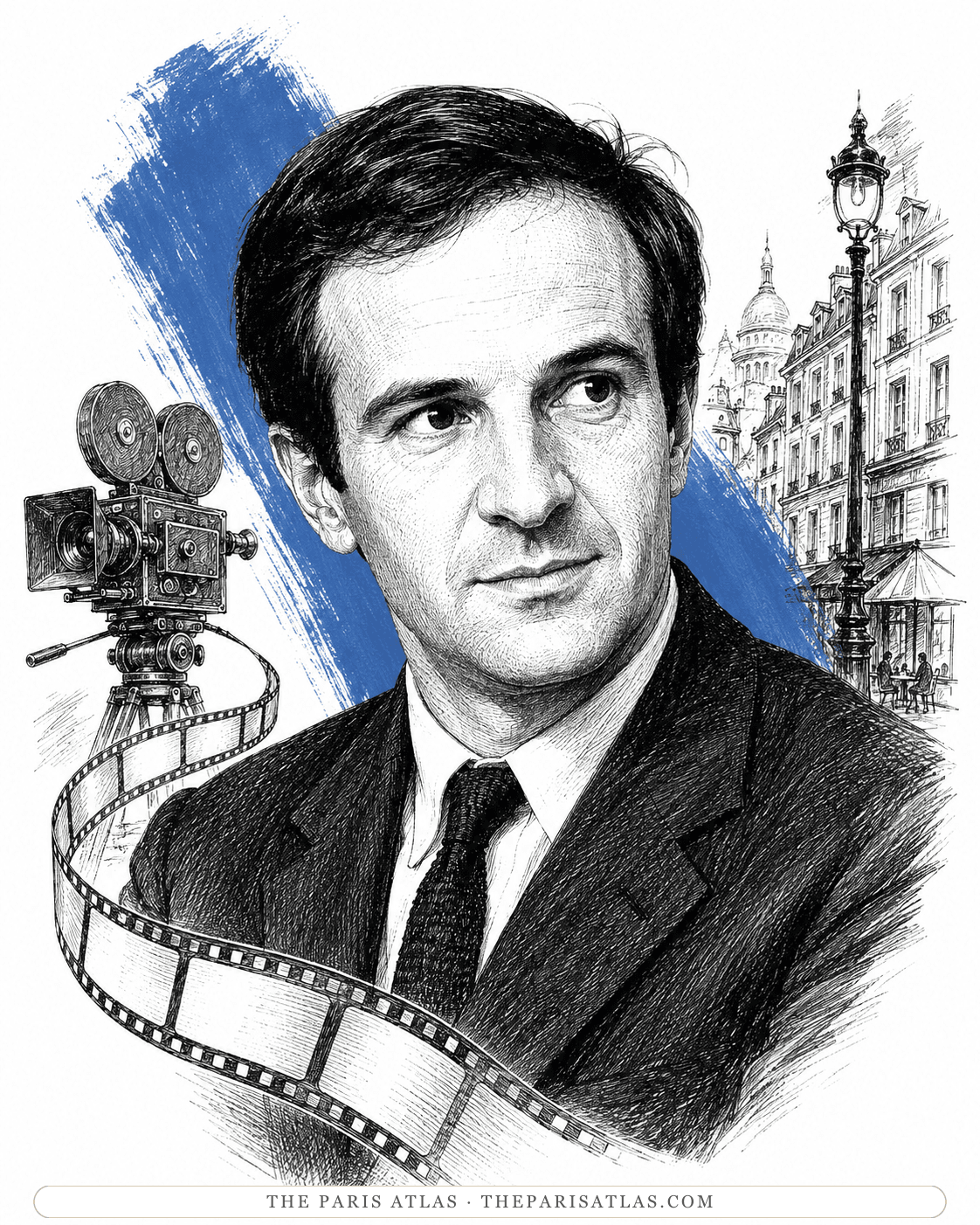
The Cahiers du cinéma critic who became the French New Wave's most recognizable director, then spent six decades taking apart and rebuilding the language of film.
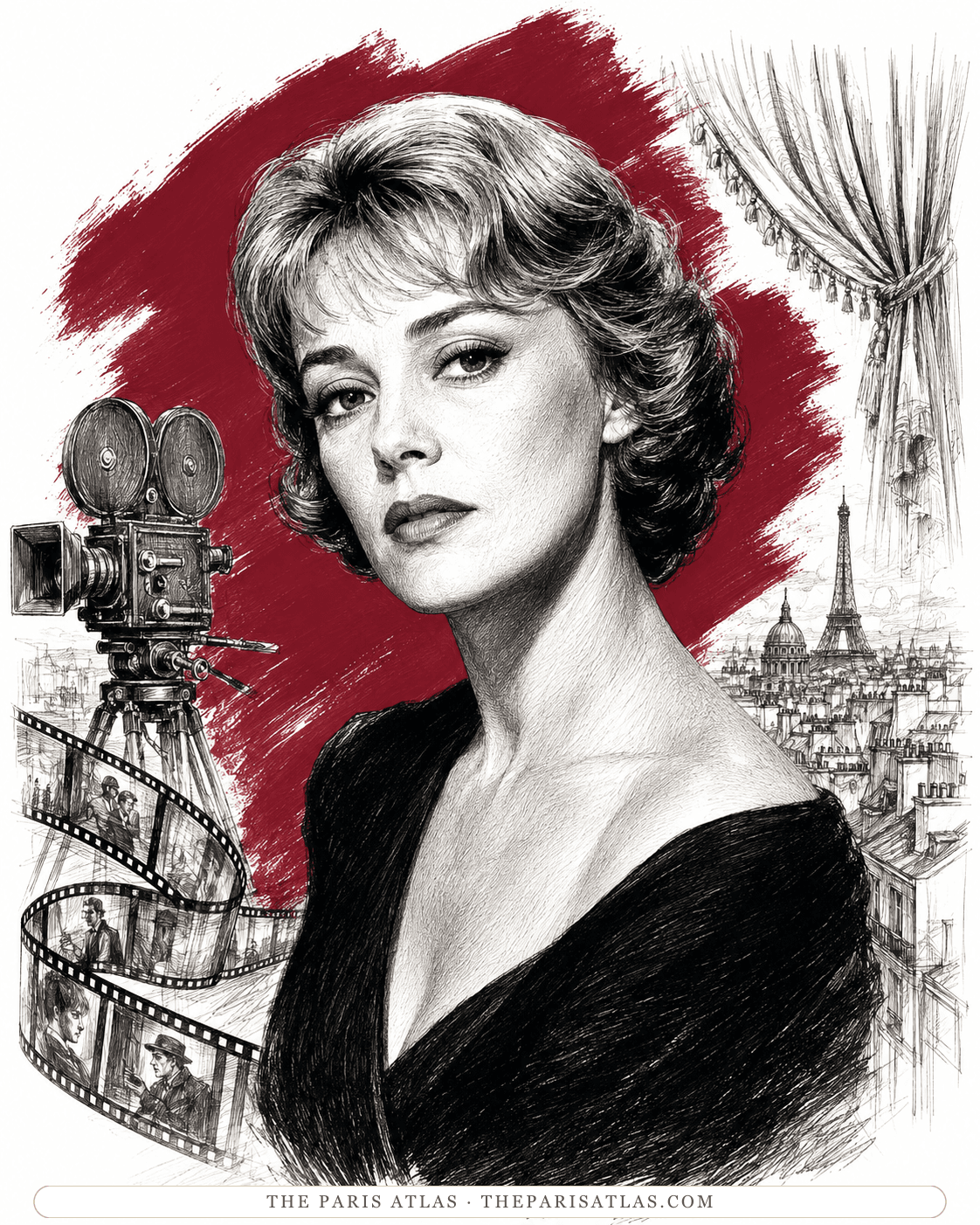
The Danish-born actor at the center of Jean-Luc Godard's 1960s features — the French New Wave's defining female lead, whose performances carry their own authorship.
The sources below include collection records, catalogues, scholarly research, and primary materials that informed this page. They document Jules and Jim, its making, and its place in cultural history.
1The Criterion Collection — Jules and Jim
Website
The Criterion Collection
Used for
Web source consulted for documented facts and historical context presented on the Jules and Jim page.
These references provide the documented foundation for this work's history and interpretation. Claim-level citations remain attached to the specific claims they support.



 View source