Testament of Orpheus
by Jean Cocteau
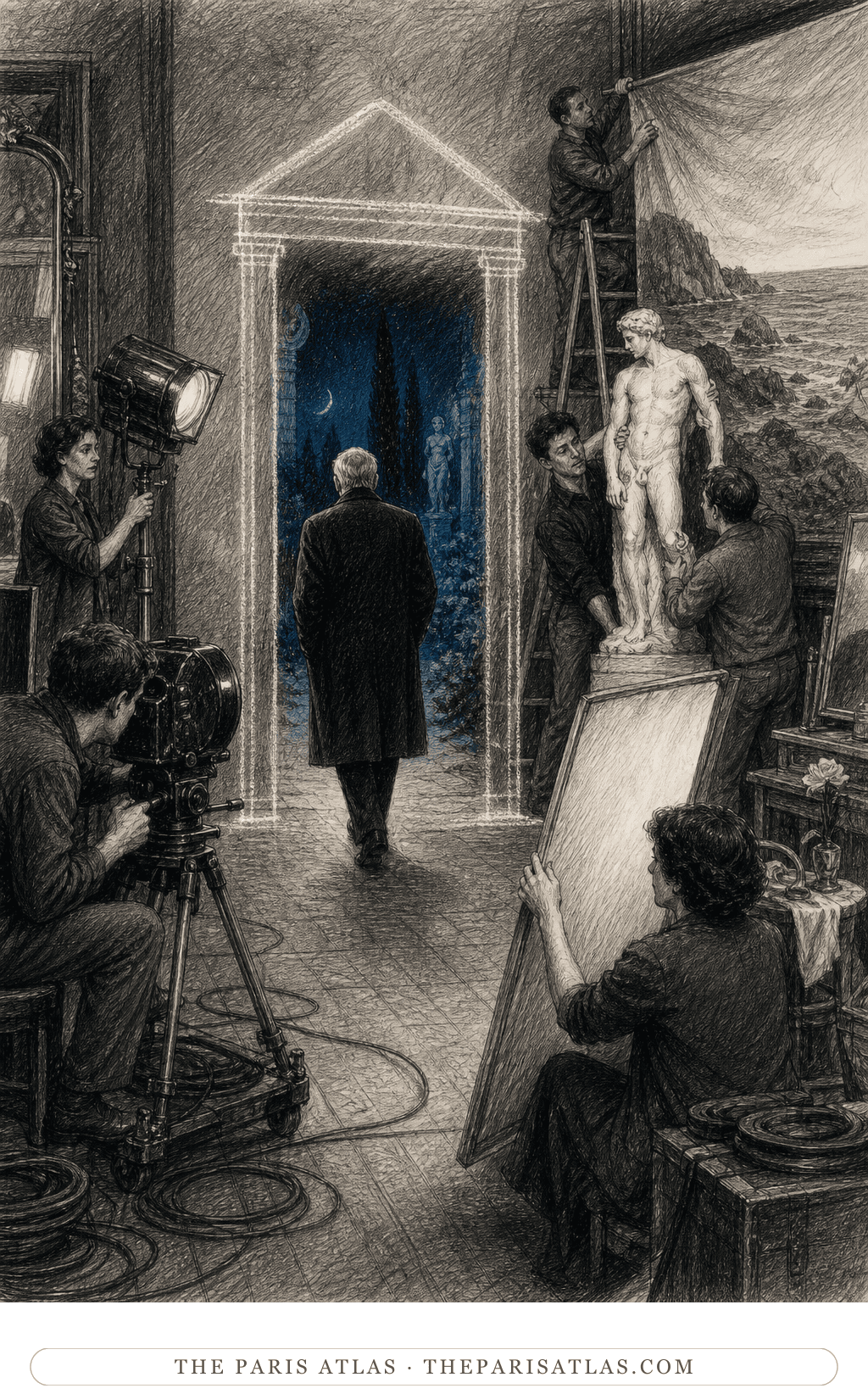
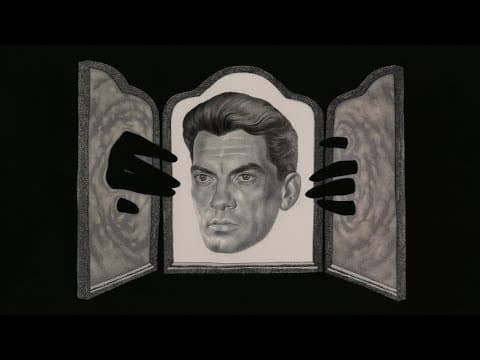
Cocteau's last film: the poet of Orphée walks through his own imagery one final time, playing himself, tried by his own characters. The budget was meagre and personal — Francine Weisweiller, his patron, put up money and her villa; François Truffaut, fresh from The 400 Blows' triumph at Cannes, put in his prize money. All three are credited as producers.
- 1960
- Feature film
About Jean Cocteau

A film paid for by gratitude
The financing is part of the film's story. Cocteau, who liked working behind the scenes, had been instrumental in François Truffaut's victory at Cannes in 1959, and Truffaut returned the favour by putting his winnings into the older poet's final film — the new cinema underwriting the avant-garde that preceded it. Accounts differ on the mechanism: Wheeler Winston Dixon has Truffaut giving his Cannes prize money, Turner Classic Movies the profits of The 400 Blows. Francine Weisweiller, Cocteau's patron since the Santo-Sospir years, funded the rest and opened her premises for the shoot.
Timeline
1959
François Truffaut's The 400 Blows won at Cannes; he put his prize money toward Cocteau's film.
1960
Released — Cocteau's last film, financed also by his patron Francine Weisweiller, who put up money and her villa. Cocteau, Truffaut and Weisweiller are all credited as producers.
Frequently asked questions
What is Testament of Orpheus?
Jean Cocteau's last film, from 1960. The poet of his Orphée walks through his own imagery one final time, playing himself and put on trial by his own characters.
Who paid for it?
His patron Francine Weisweiller put up money and her villa, and François Truffaut — fresh from The 400 Blows' triumph at Cannes — contributed his prize money. All three are credited as producers.
Who stars in it?
Cocteau himself, as the Poet.
How does it relate to Orphée?
It closes Cocteau's loose Orphic Trilogy — The Blood of a Poet (1930), Orphée (1950) and Testament of Orpheus (1960) — revisiting the same myth and imagery one last time.
Was it Cocteau's last film?
Yes. It was his final work as a director; he died in 1963.
Why is it so personal?
The budget was small and the film autobiographical — Cocteau reckoning with his own myth, cast as himself among his creations.
More by Jean Cocteau



If you like Jean Cocteau
Explore directors from the same movements and circles.

Ingmar Bergman
Swedish director of The Seventh Seal, Persona and Fanny and Alexander, whose sixty films put questions of faith, death and marriage on screen. James Baldwin profiled him in Nobody Knows My Name.
View artist
Marguerite Duras
French novelist and screenwriter, later a director in her own right; her screenplay for Alain Resnais's Hiroshima mon amour (1959) carried the New Wave into literature and earned an Academy Award nomination.
View artist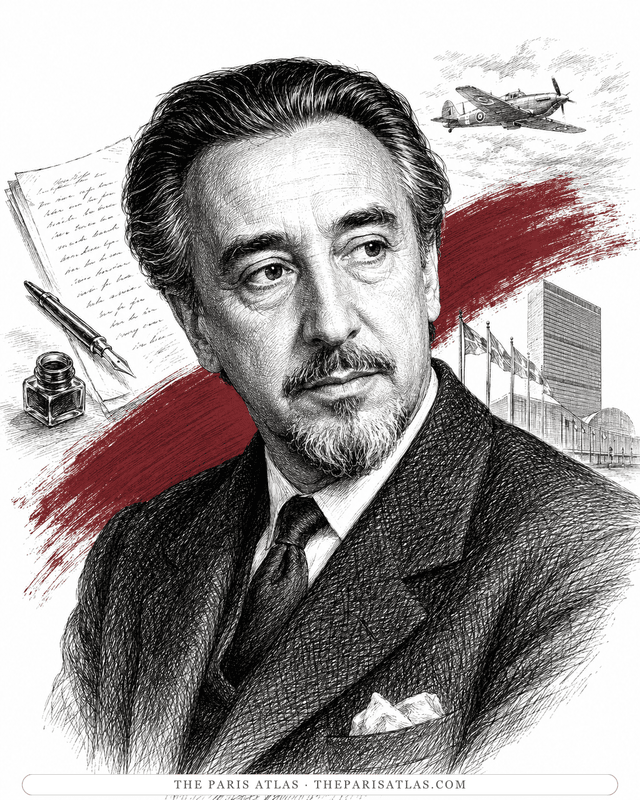
Romain Gary
Novelist, diplomat, and the only writer to win the Prix Goncourt twice — once under his own name and once under a pseudonym. Jean Seberg's husband from 1962 to 1970.
View artist
References
The sources below include collection records, catalogues, scholarly research, and primary materials that informed this page. They document Testament of Orpheus, its making, and its place in cultural history.


1Wheeler Winston Dixon, Senses of Cinema — Jean Cocteau's Testament of Orpheus (2020)
WebsiteUsed forWeb source consulted for documented facts and historical context presented on the Testament of Orpheus page.
2Margarita Landazuri, Turner Classic Movies — Orpheus
WebsiteUsed forWeb source consulted for documented facts and historical context presented on the Testament of Orpheus page.
3Testament of Orpheus (1959)
WebsiteThe Criterion CollectionUsed forWeb source consulted for documented facts and historical context presented on the Testament of Orpheus page.

4Testament of Orpheus
EssaysThe Criterion Collection, 2000Used forPublished analysis and historical context used in preparing the Testament of Orpheus page.
5Le Testament d’Orphée (Jean Cocteau, 1959)
WebsiteLa Cinémathèque françaiseUsed forWeb source consulted for documented facts and historical context presented on the Testament of Orpheus page.
These references provide the documented foundation for this work's history and interpretation. Claim-level citations remain attached to the specific claims they support.
 Explore more resources