The Paris AtlasCharting the artists, works, and places worth returning to.
  • Painter
· French (born in present-day Belarus) · 1893–1943

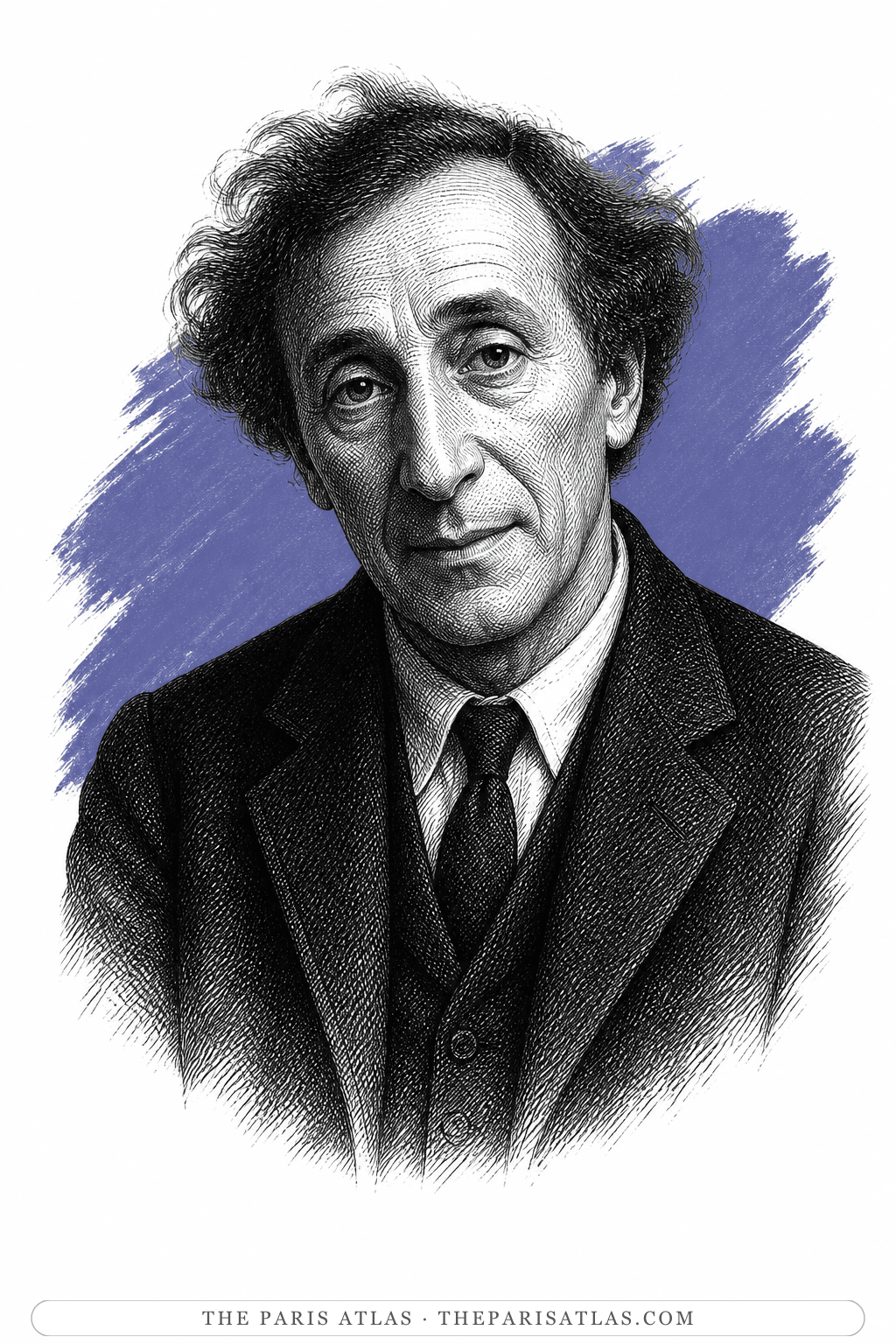
Chaïm Soutine

École de Paris painter of carcasses, pastry cooks, and convulsed landscapes — nearly unsellable until the 1922 Barnes purchase, and now the Orangerie's largest Soutine collection in Europe.

In images

Details

Lived
1893–1943
Born
1893
Birthplace
Smilovitchi, near Minsk
Died
9 August 1943
Place of death
Paris
Nationality
French (born in present-day Belarus)
Roles
Painter

About Chaïm Soutine

Chaïm Soutine arrived in Paris around 1913 from Smilovitchi, a shtetl near Minsk, and painted his way from the La Ruche studios to the center of the École de Paris. His subjects stayed narrow and his handling never calmed: hanging fowl and sides of beef after Rembrandt's example, pastry cooks and choirboys, landscapes that twist like wrung cloth.

Two collectors fixed his fortunes: Paul Guillaume, who championed him early, and Albert C. Barnes, who bought dozens of his canvases in a single 1922 trip on Guillaume's advice. The chain from that purchase runs directly to the Musée de l'Orangerie, which holds 22 Soutines — by the museum's own account, the largest collection of his paintings in Europe.

Smilovitchi, Vilna, La Ruche

Soutine was born in 1893 in Smilovitchi, in the province of Minsk in present-day Belarus — by most accounts the tenth of eleven children in a poor Orthodox Jewish family. He studied at the drawing academy in Vilna from about 1910, and reached Paris in 1912 or 1913, depending on the account.

He lodged first at La Ruche, the beehive of studios in Montparnasse that held the era's poorest painters, then at the Cité Falguière. There, by the Orangerie's account, the sculptor Jacques Lipchitz introduced him to Amedeo Modigliani — the friendship of his Paris life. Modigliani painted him repeatedly and reportedly pushed his own dealer, Léopold Zborowski, to take Soutine on.

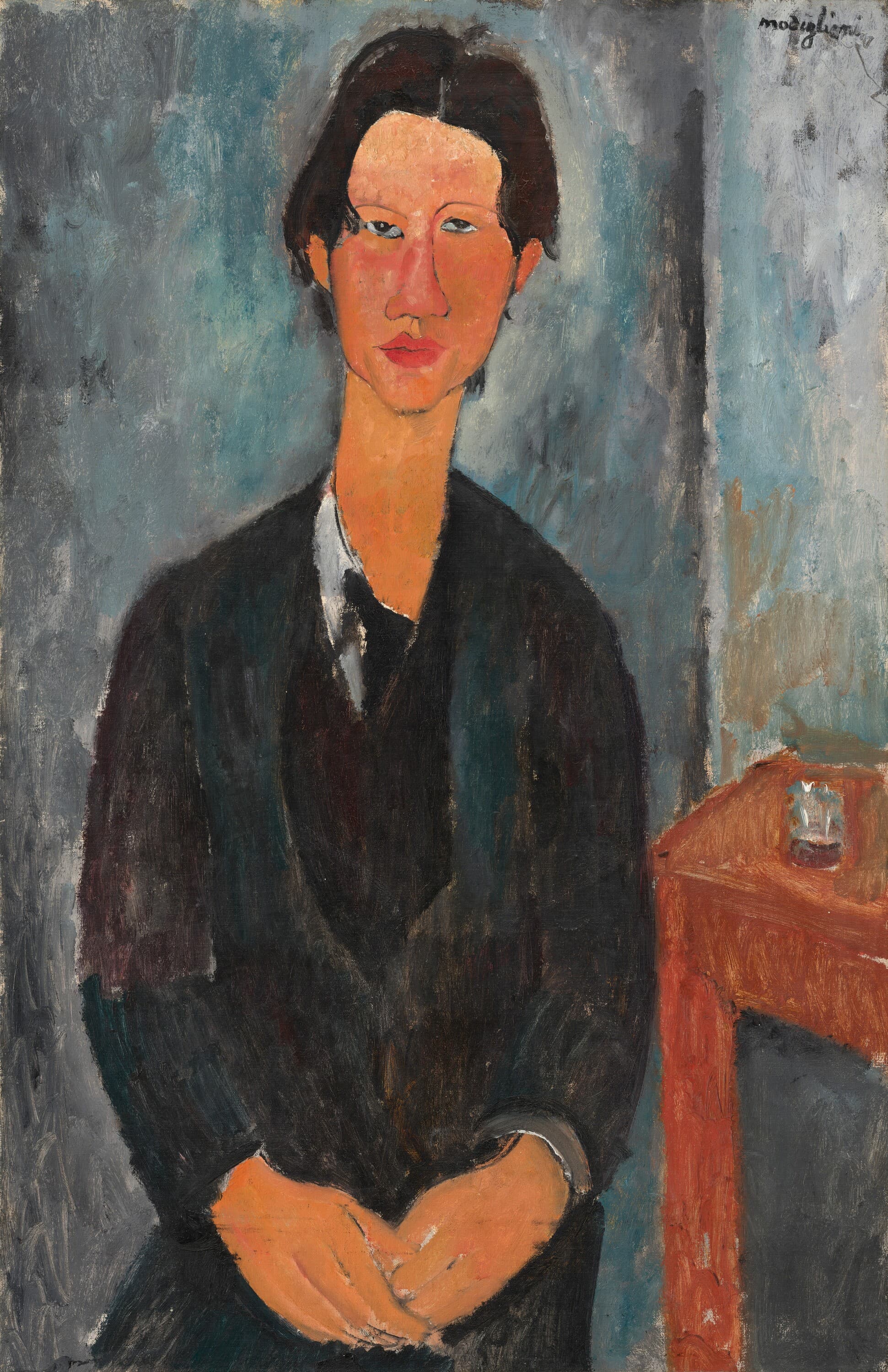
Modigliani's portrait of Soutine, dated 1918 by the National Gallery of Art, which holds it. (Amedeo Modigliani (National Gallery of Art, Chester Dale Collection), via Wikimedia Commons · Public domain)

Céret

Around 1919 Zborowski sent him south to Céret, in the French Pyrenees, where he worked for roughly three years at a furious rate — the output is usually put at some two hundred canvases. The Céret landscapes are the most convulsed things he made: hillsides and houses folded into each other as if the ground itself were unstable. He remained brutally self-critical, and is widely reported to have destroyed many of the Céret paintings, as he destroyed and reworked canvases throughout his life.

Barnes, 1922

In 1922 the Philadelphia collector Albert C. Barnes — in the Barnes Foundation's own words — 'purchased dozens of the artist's works on a single trip to Paris.' It was Paul Guillaume who steered him to Soutine, and accounts commonly put the haul near fifty canvases. For a painter who had been close to unsellable, the purchase changed everything at once: prices, standing, and the practical conditions of work.

Guillaume had put his own admiration in print in his review Les Arts à Paris in 1923, describing a pastry cook 'afflicted with an immense and magnificent ear... a masterpiece' — the canvas that reportedly stopped Barnes in his tracks. The Orangerie's Little Pastry Cook is a later version of that subject, one of six known; Guillaume bought it in the early 1930s, the museum says, 'in memory of the first Pastry Cook.'

Series, servants, and carcasses

The Orangerie describes his manner as not far from expressionism, organized by a fondness for working in series: melancholic figures typified to the point of caricature, with deformed bodies and vivid color. The sitters were working Paris — pastry cooks, pageboys, choirboys, valets — painted with the attention other decades reserved for bishops.

The still lifes went further. Hanging turkeys, pheasants, and skinned carcasses of beef followed Rembrandt's example — the flayed ox Soutine admired at the Louvre — and the museum's Bœuf et tête de veau is the collection's blunt statement of the debt. The stories of his studio during the carcass paintings belong to Montparnasse legend; the paintings themselves are documentation enough.

The Occupation and the end

The Occupation made Soutine a hunted man. A Jew with a Yiddish accent and no citizenship to shelter him, he left Paris with the painter Marie-Berthe Aurenche and hid in the Touraine countryside at Champigny-sur-Veude, near Chinon, on false papers — at times, the Jewish Museum's account records, sleeping outdoors.

He had suffered from stomach ulcers for years, and in hiding the condition went untreated until it perforated. In early August 1943 Aurenche had him driven to Paris for emergency surgery — by a reportedly roundabout route to avoid checkpoints — but the operation came too late. Soutine died in Paris on 9 August 1943, at fifty. He is buried in Montparnasse Cemetery; accounts of the funeral place Picasso, Max Jacob, and Jean Cocteau among the few mourners, though no institutional record confirms the list.

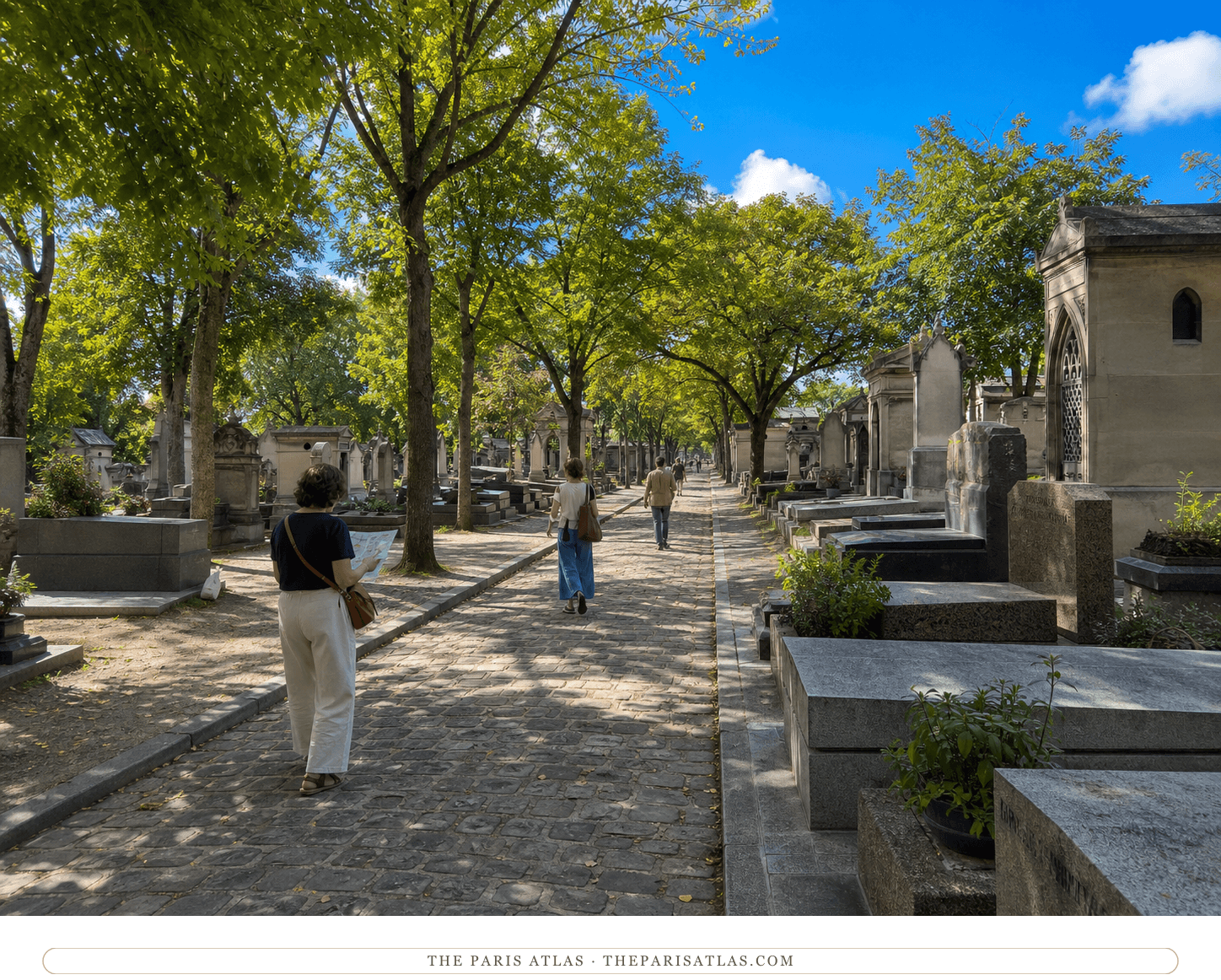
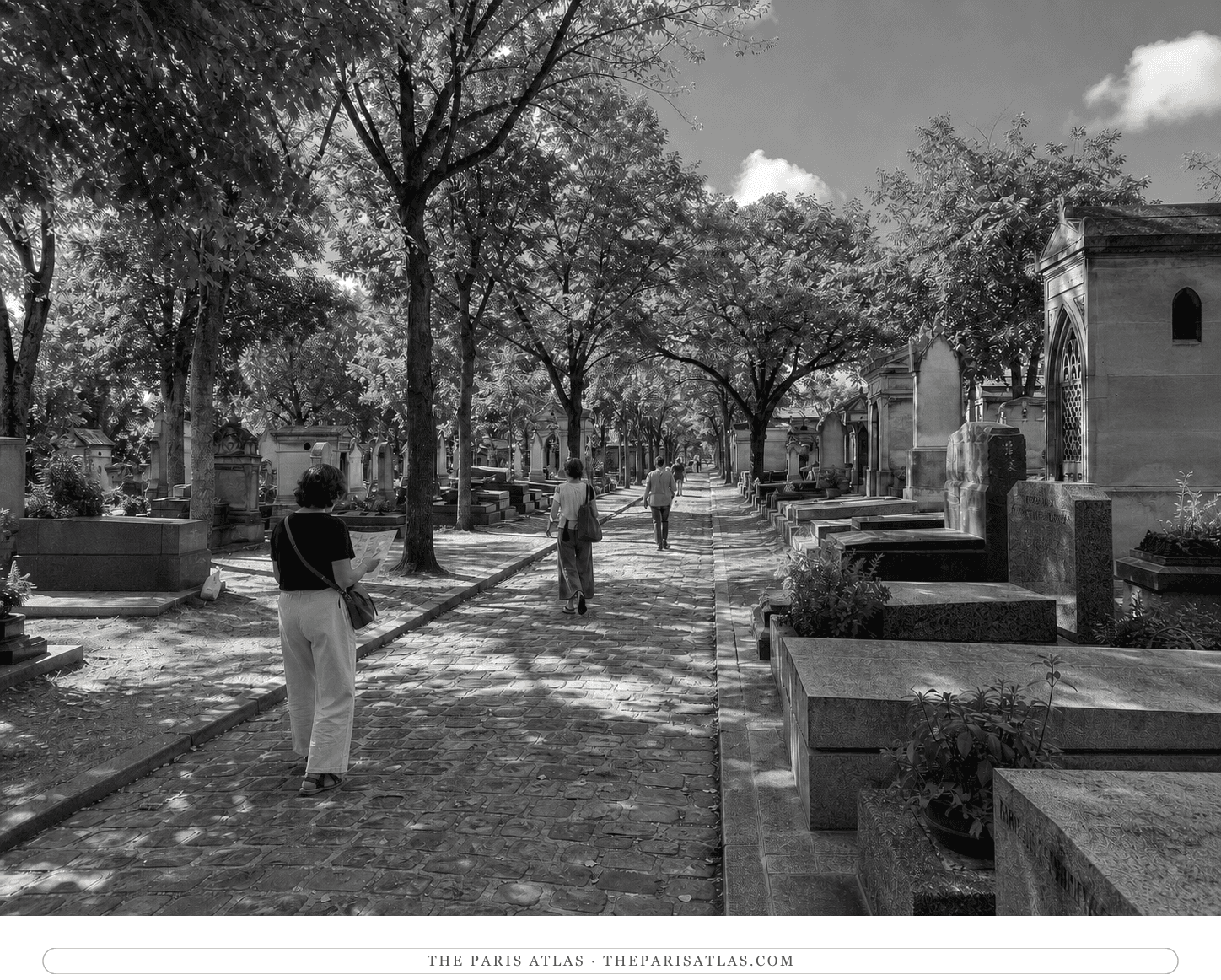
The grave at Montparnasse, which also carries Marie-Berthe Aurenche's name. Visitors leave pebbles. (Marlaguette, Wikimedia Commons · CC0)

The Orangerie's 22

The Walter-Guillaume collection at the Musée de l'Orangerie holds 22 Soutines — the largest group in the 148-work collection after Derain's, and, by the museum's own description, the largest collection of his paintings in Europe. The Little Pastry Cook, the Best Man, the Turkey, the game still lifes, and the southern landscapes all hang a floor below Monet's Water Lilies, the direct residue of Paul Guillaume's early conviction.

It is an unplanned monument. The dealer who bought Soutine when almost no one would died in 1934; his widow kept the Soutines while she sold whole schools out of the collection; and the state's purchases of 1959 and 1963 fixed the group in public hands.

Life events

  1. 1893

    Born in Smilovitchi, province of Minsk, in present-day Belarus — by most accounts the tenth of eleven children.

    Chaïm Soutine — Musée de l'Orangerie

  2. 1910–1913

    Studies at the drawing academy in Vilna.

    Chaïm Soutine — Musée de l'Orangerie

  3. 1912–1913

    Arrives in Paris — the Orangerie says 1912, most accounts 1913 — and settles at La Ruche, then the Cité Falguière.

    Chaïm Soutine — Musée de l'Orangerie

  4. c. 1916

    Jacques Lipchitz introduces him to Modigliani, who paints his portrait and connects him to the dealer Léopold Zborowski.

    Amedeo Modigliani, Chaim Soutine — dated 1918 by the National Gallery of Art, which holds it; commonly dated 1917. Chester Dale Collection, Washington. (Amedeo Modigliani (National Gallery of Art, Chester Dale Collection), via Wikimedia Commons)

    Chaïm Soutine — Musée de l'Orangerie; Chaim Soutine (Amedeo Modigliani) — National Gallery of Art

  5. 1919–1922

    Paints at Céret in the Pyrenees at a furious rate; he later destroys many of the canvases, by wide report.

    Chaïm Soutine — Musée de l'Orangerie

  6. 1922

    Albert Barnes buys dozens of his works on a single Paris trip, steered by Paul Guillaume. The purchase ends his poverty.

    Soutine / de Kooning: Conversations in Paint — Barnes Foundation; Chaïm Soutine — Musée de l'Orangerie

  7. 1923

    Guillaume praises the pastry cook 'afflicted with an immense and magnificent ear' in Les Arts à Paris.

    Le Petit Pâtissier — Musée de l'Orangerie

  8. Early 1930s

    Guillaume buys the Orangerie's Little Pastry Cook, one of six versions, 'in memory of the first Pastry Cook.'

    Le Petit Pâtissier — Musée de l'Orangerie

  9. 1940–1943

    Hides from the Occupation in the Touraine at Champigny-sur-Veude with Marie-Berthe Aurenche, on false papers.

    The Metamorphosis of Chaim Soutine IV: Europe in Darkness and Shadow — The Jewish Museum

  10. 1943

    His untreated ulcer perforates in hiding; surgery in Paris comes too late. Dies 9 August, at fifty; buried in Montparnasse Cemetery.

    Soutine's grave at Montparnasse Cemetery, photographed in 2017. The slab also carries the name of Marie-Berthe Aurenche, who hid with him during the Occupation; visitors leave pebbles in the Jewish tradition. (Marlaguette, Wikimedia Commons)

    The Metamorphosis of Chaim Soutine IV: Europe in Darkness and Shadow — The Jewish Museum

  11. 1959–1963

    The state's purchase of the Walter-Guillaume collection fixes 22 Soutines in public hands at the Orangerie.

    Chaïm Soutine — Musée de l'Orangerie

People they knew

Documented connections — every one carries its source.

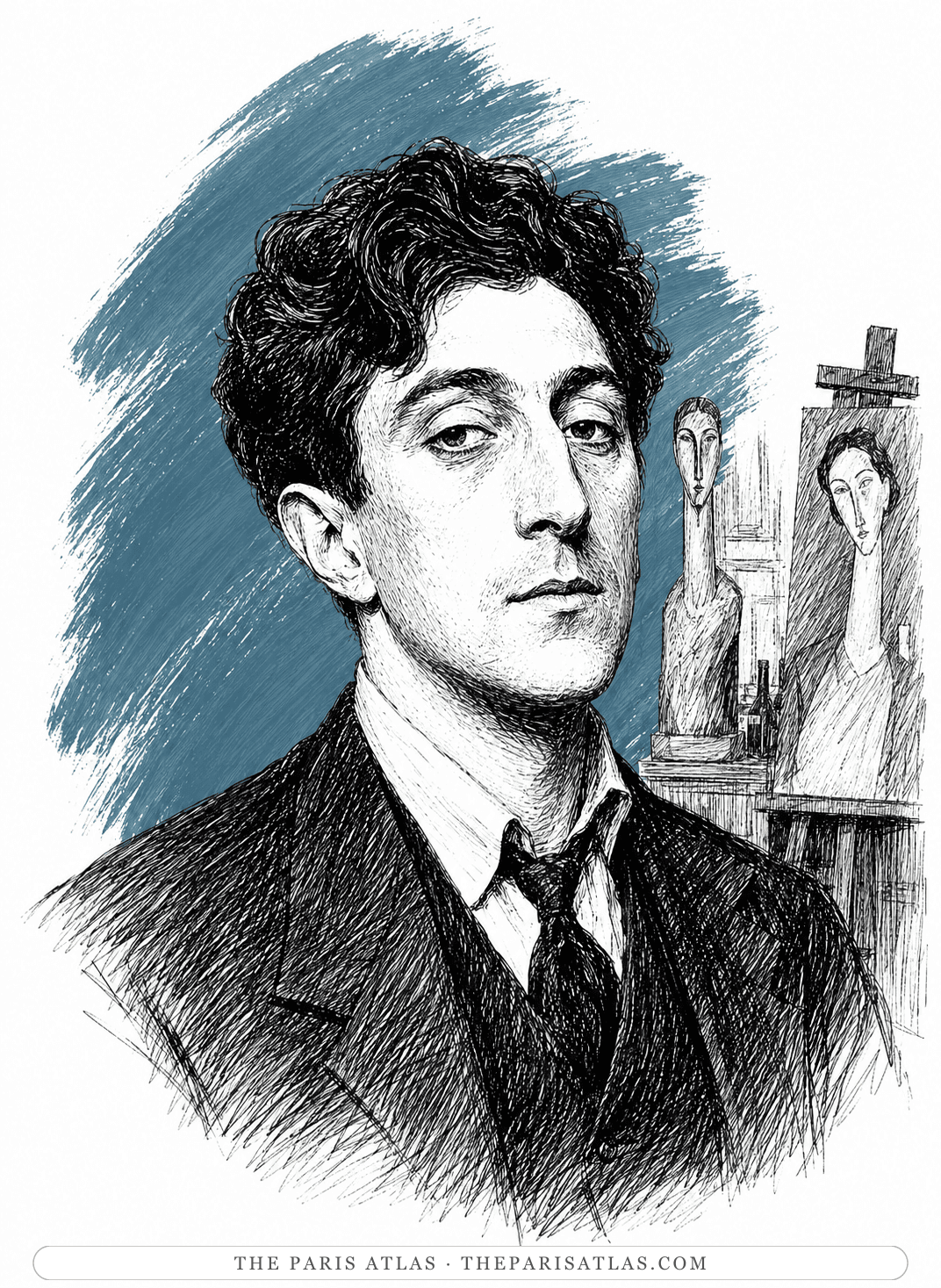
Illustrated portrait of Amedeo Modigliani

Amedeo Modigliani

  • Painter
  • Sculptor

Met

The Orangerie's account: Jacques Lipchitz introduced them at the Cité Falguière studios. Modigliani painted Soutine's portrait — the National Gallery of Art dates its canvas 1918 — and reportedly pressed his own dealer, Léopold Zborowski, to take Soutine on.

Chaïm Soutine — Musée de l'Orangerie; Chaim Soutine (Amedeo Modigliani) — National Gallery of Art

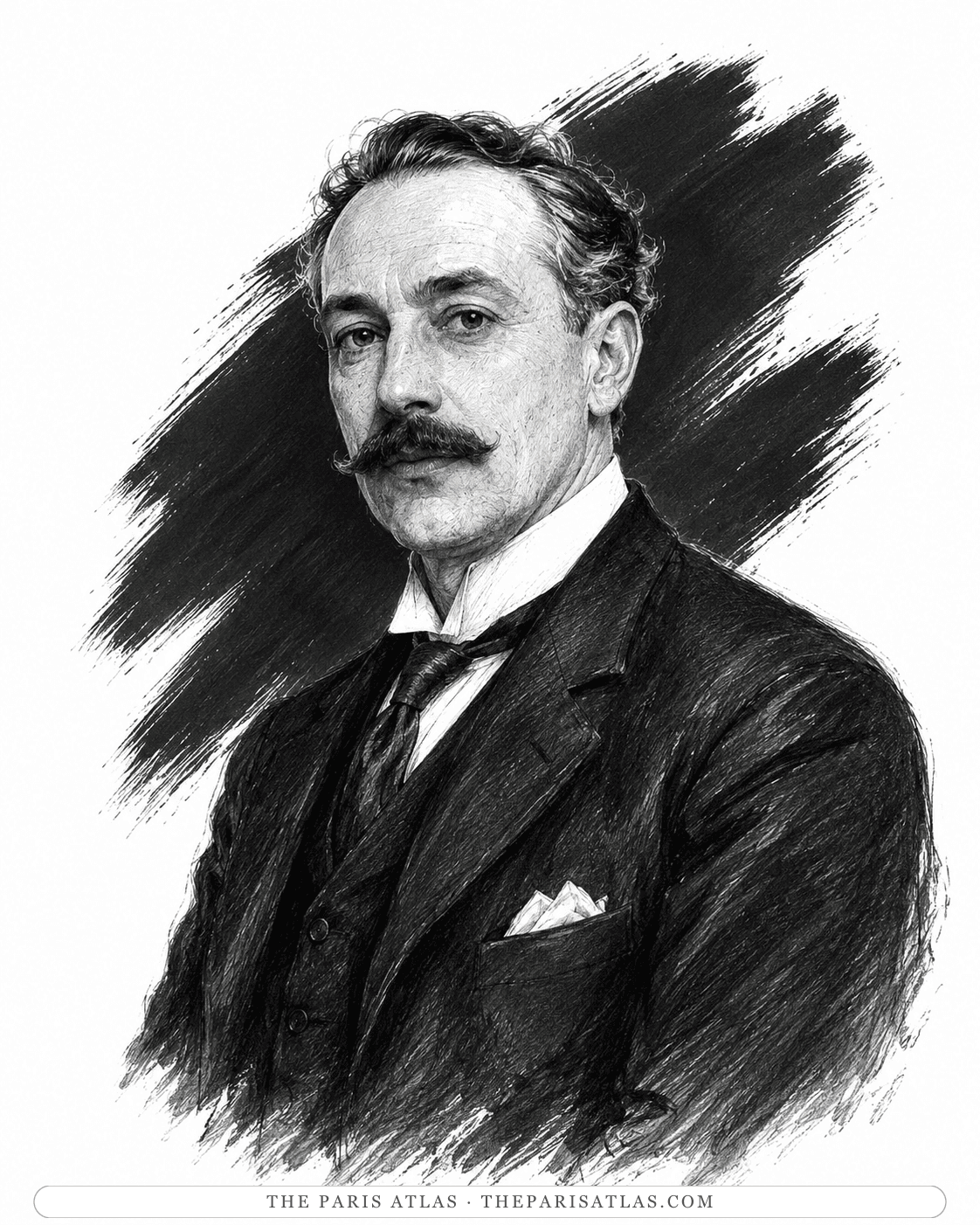
Illustrated portrait of Albert C. Barnes

Albert C. Barnes

  • Collector

Supported by · 1922

The Barnes Foundation's own words: Barnes 'purchased dozens of the artist's works on a single trip to Paris in 1922,' guided to Soutine by Paul Guillaume. Accounts commonly put the haul near fifty canvases; the purchase ended Soutine's poverty and made his reputation.

Soutine / de Kooning: Conversations in Paint — Barnes Foundation; Chaïm Soutine — Musée de l'Orangerie; How Philly Businessman Albert Barnes Changed the Life of 'Unsellable' Expressionist Artist Chaim Soutine

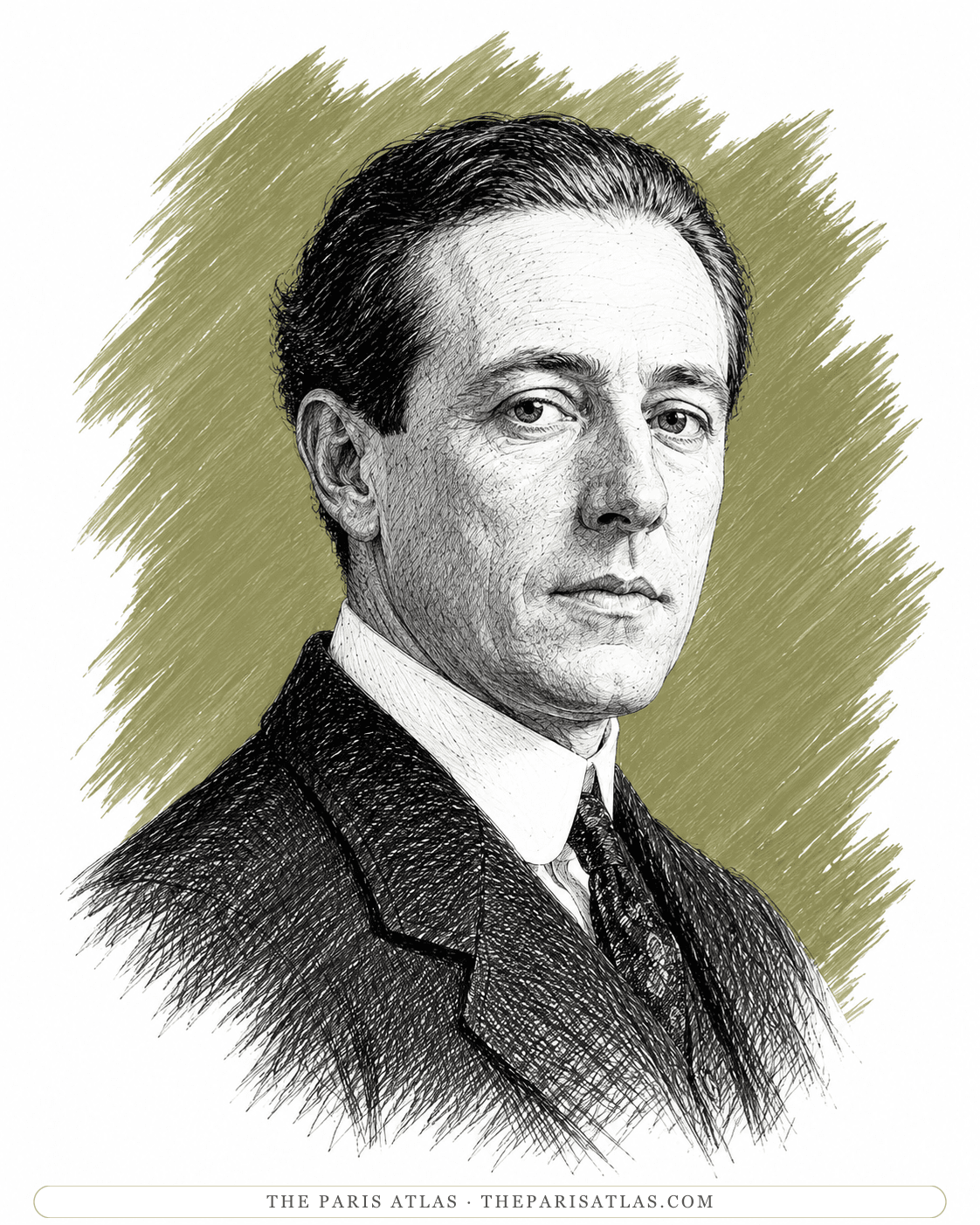
Illustrated portrait of Paul Guillaume

Paul Guillaume

  • Art dealer
  • Collector
  • Publisher

Supported by

Guillaume championed Soutine early and praised him in print in Les Arts à Paris in 1923; through Guillaume, the museum records, Albert Barnes discovered the painter. The dealer's taste is why the Orangerie holds the largest collection of Soutine's paintings in Europe.

Chaïm Soutine — Musée de l'Orangerie; Le Petit Pâtissier — Musée de l'Orangerie

Questions about Chaïm Soutine

Who was Chaïm Soutine?

Chaïm Soutine (1893–1943) was an École de Paris painter from present-day Belarus, known for his convulsed landscapes, his portraits of cooks and choirboys, and his carcass still lifes after Rembrandt. He came to Paris around 1913, lived at the La Ruche studios, and was befriended by Modigliani.

What is Chaïm Soutine famous for painting?

Series: hanging fowl and skinned sides of beef following Rembrandt's flayed ox, pastry cooks and pageboys in uniform, choirboys, and landscapes from Céret that fold hillsides and houses into each other. The Orangerie describes his manner as close to expressionism, with deformed bodies and vivid color.

How did Albert Barnes discover Soutine?

Through the dealer Paul Guillaume. The Barnes Foundation records that Barnes bought dozens of Soutine's works on a single Paris trip in 1922; accounts commonly put the number near fifty. The purchase transformed Soutine's prices and reputation overnight.

How did Chaïm Soutine die?

Of a perforated stomach ulcer, on 9 August 1943 in Paris, at fifty. He had been hiding in the Touraine countryside as a Jew during the Occupation, and the ulcer went untreated until emergency surgery came too late. He is buried in Montparnasse Cemetery.

Where can you see Soutine's paintings in Paris?

The Musée de l'Orangerie holds 22 — by its own description the largest collection of Soutine's paintings in Europe — including the Little Pastry Cook and the game still lifes. The Barnes Foundation in Philadelphia holds the canvases from the 1922 purchase.

Was Soutine friends with Modigliani?

Yes — the closest friendship of his Paris years. They met at the Cité Falguière studios through the sculptor Jacques Lipchitz; Modigliani painted his portrait several times and connected him to the dealer Léopold Zborowski.

Sourced claims

Every connection the graph holds for Chaïm, with the evidence behind it.

Met

Amedeo Modigliani

The Orangerie's account: Jacques Lipchitz introduced them at the Cité Falguière studios. Modigliani painted Soutine's portrait — the National Gallery of Art dates its canvas 1918 — and reportedly pressed his own dealer, Léopold Zborowski, to take Soutine on.

Chaïm Soutine — Musée de l'Orangerie; Chaim Soutine (Amedeo Modigliani) — National Gallery of Art

Supported by · 1922

Albert C. Barnes

The Barnes Foundation's own words: Barnes 'purchased dozens of the artist's works on a single trip to Paris in 1922,' guided to Soutine by Paul Guillaume. Accounts commonly put the haul near fifty canvases; the purchase ended Soutine's poverty and made his reputation.

Soutine / de Kooning: Conversations in Paint — Barnes Foundation; Chaïm Soutine — Musée de l'Orangerie; How Philly Businessman Albert Barnes Changed the Life of 'Unsellable' Expressionist Artist Chaim Soutine

Supported by

Paul Guillaume

Guillaume championed Soutine early and praised him in print in Les Arts à Paris in 1923; through Guillaume, the museum records, Albert Barnes discovered the painter. The dealer's taste is why the Orangerie holds the largest collection of Soutine's paintings in Europe.

Chaïm Soutine — Musée de l'Orangerie; Le Petit Pâtissier — Musée de l'Orangerie