The Paris AtlasCharting the artists, works, and places worth returning to.
  • Painter
  • Sculptor
· Italian · 1884–1920

Amedeo Modigliani

Montparnasse's mournful portraitist — the long necks and empty eyes of the École de Paris, dead at thirty-five before the twenties he shaped had begun.

In images

Details

Lived
1884–1920
Born
12 July 1884
Birthplace
Livorno, Italy
Died
24 January 1920 · aged 35
Place of death
Paris
Nationality
Italian
Roles
PainterSculptor
Also known as
Amedeo Clemente Modigliani

About Amedeo Modigliani

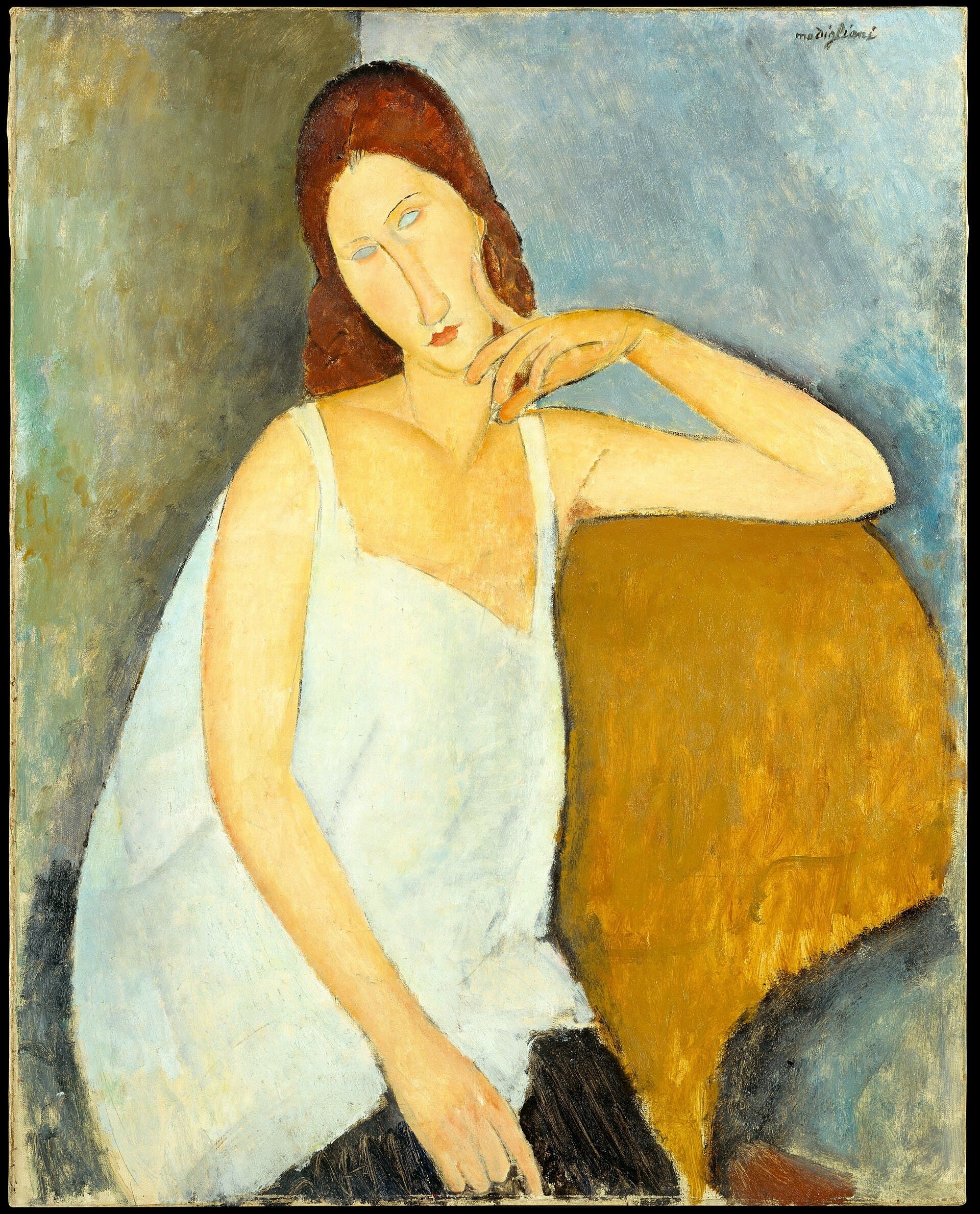
Amedeo Modigliani painted the faces of Montparnasse: long necks, tilted heads, almond eyes often left blank, a style recognizable at a glance and belonging to no school. Born in Livorno in 1884 and in Paris from 1906, he worked fourteen years, held one solo exhibition, and died of tubercular meningitis in January 1920, at thirty-five. Two days later his partner Jeanne Hébuterne, pregnant with their second child, died by suicide. The legend of the cursed bohemian was assembled from those facts almost immediately. The record underneath is of a disciplined portraitist whose sitters were the artists and dealers of his own quarter.

Livorno to Montparnasse

Modigliani was born on 12 July 1884 in the Tuscan port of Livorno, the youngest child of a Sephardic Jewish family — his father Flaminio's businesses had collapsed the year before, and his mother Eugénie Garsin ran a school and kept the household. His childhood was punctuated by illness: pleurisy at eleven, typhoid at fourteen, and at sixteen the tuberculosis that would kill him. He trained under the Livorno painter Guglielmo Micheli from 1898, then at the academies of Florence in 1902 and Venice in 1903.

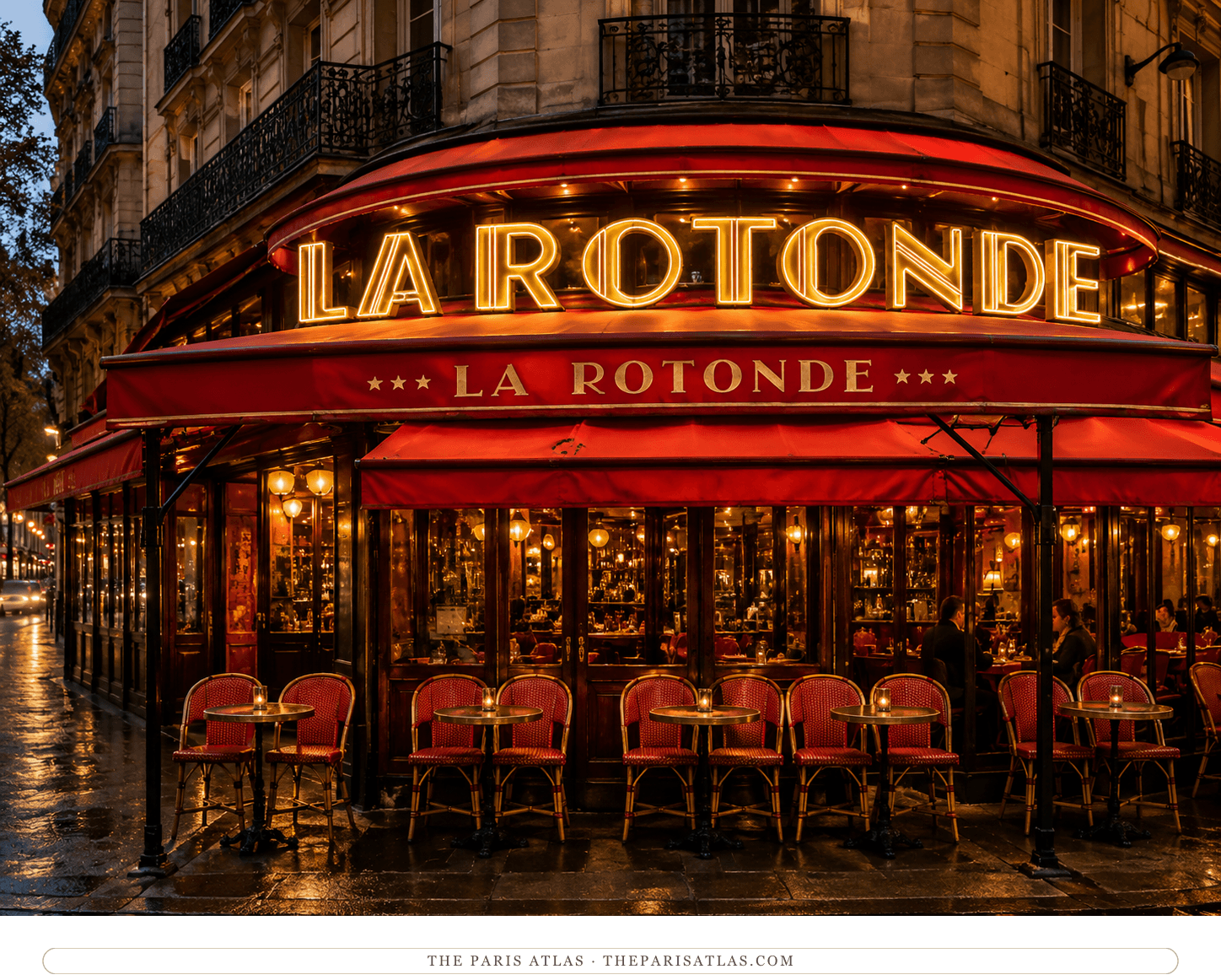
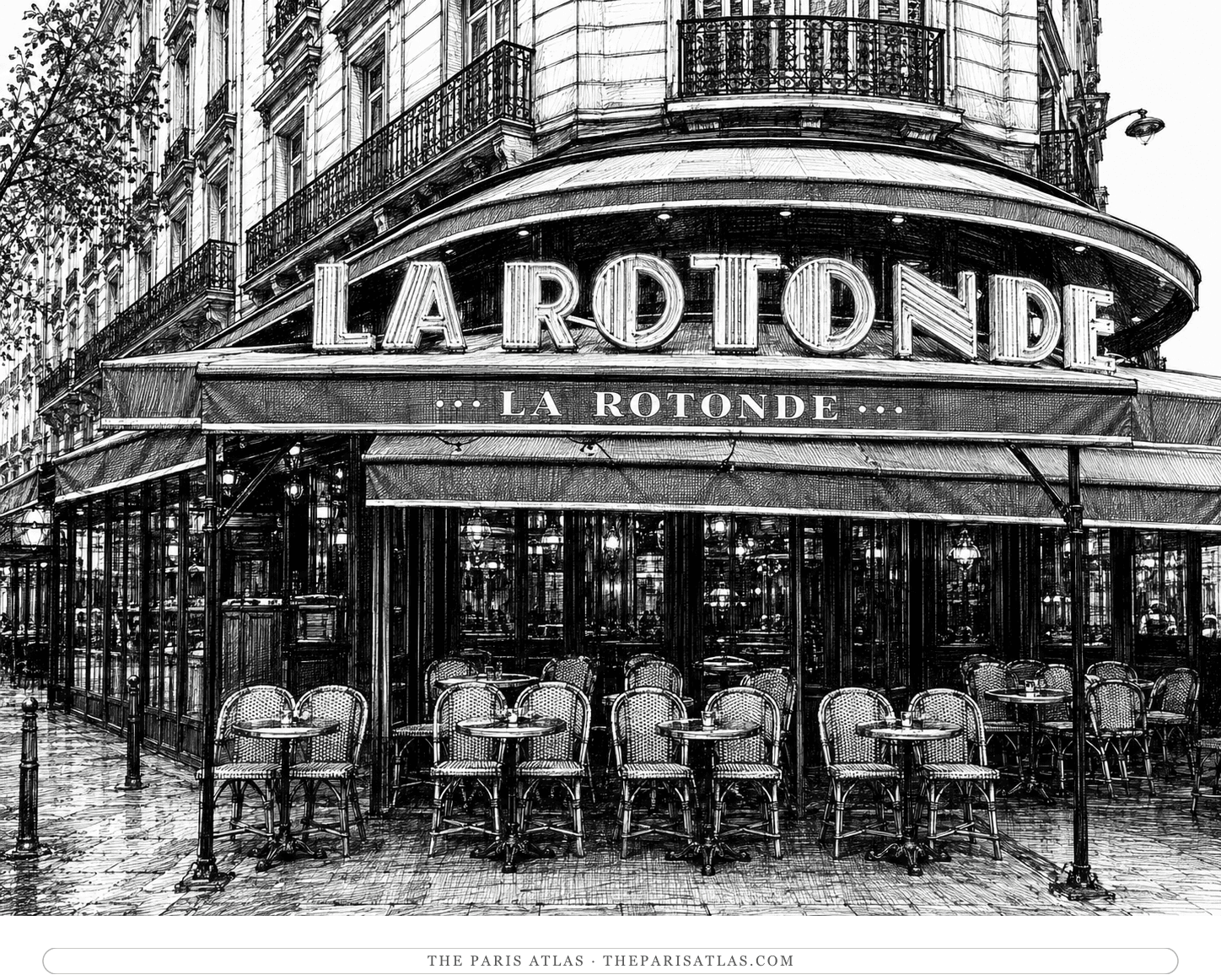
He arrived in Paris in 1906, at twenty-two, and settled in Montmartre in the orbit of the Bateau-Lavoir, the tenement studio building where Pablo Picasso worked. Within a few years he had crossed the river to Montparnasse, and from about 1911 he was a fixture at La Rotonde, Père Libion's café on the boulevard du Montparnasse, where he sketched portraits at the tables and traded drawings for coins, a meal, or a drink. The Rotonde's walls filled with Modiglianis.

The sculpture years

In 1909, through his early patron Paul Alexandre, Modigliani met the Romanian sculptor Constantin Brâncuși, and for the next five years sculpture came first. Working in the studios of the Cité Falguière in Montparnasse, he carved a series of elongated stone heads whose simplified forms carry Brâncuși's influence alongside the African and archaic sculpture both men studied. A group of the heads was shown at the Salon d'Automne of 1912.

By 1914 he had abandoned carving: the physical demands of the work were more than his health could sustain. Roughly twenty-five sculptures survive. The long necks and pared-down faces of the stone heads carried over directly into the paintings that occupied the rest of his life.

Portraits and dealers

Amedeo Modigliani, Paul Guillaume, Novo Pilota, 1915 (Musée de l'Orangerie) — the dealer at twenty-three, painted by the artist he was among the first to sell. (Amedeo Modigliani (Musée de l'Orangerie), via Wikimedia Commons · Public domain)

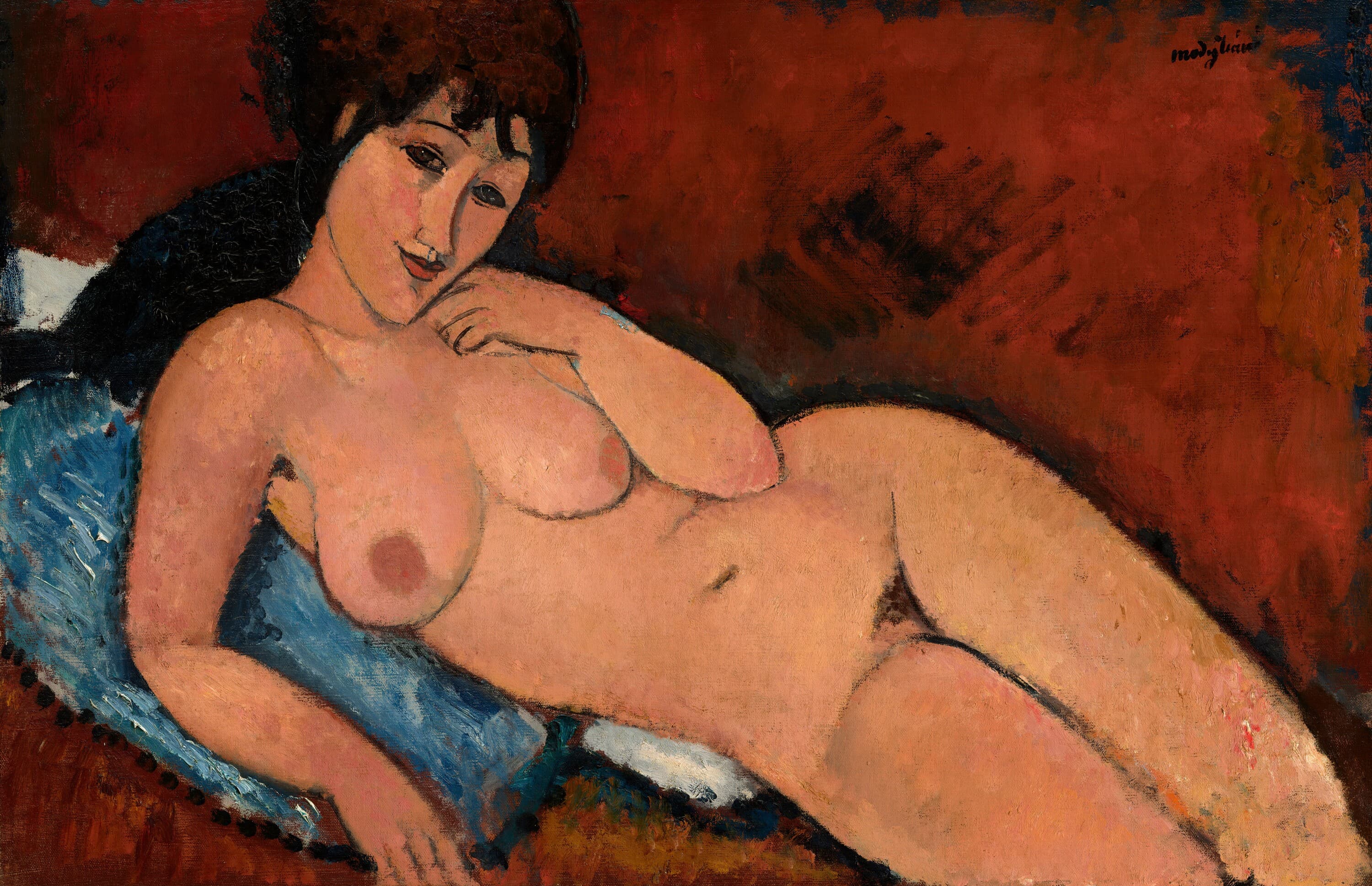
The poet Max Jacob introduced Modigliani to Paul Guillaume in 1914. Guillaume, then just starting out as a dealer, rented him a studio in Montmartre and became the first to handle his work seriously; Modigliani painted him four times in 1915 and 1916, once with the inscription Novo Pilota — 'new helmsman.' In the same period he lived for nearly two years with the English writer Beatrice Hastings, whom he painted repeatedly. From 1916 his principal dealer was the Polish poet Léopold Zborowski, who paid him a stipend, commissioned the series of nudes he painted between 1916 and 1919, and supported him for the rest of his life.

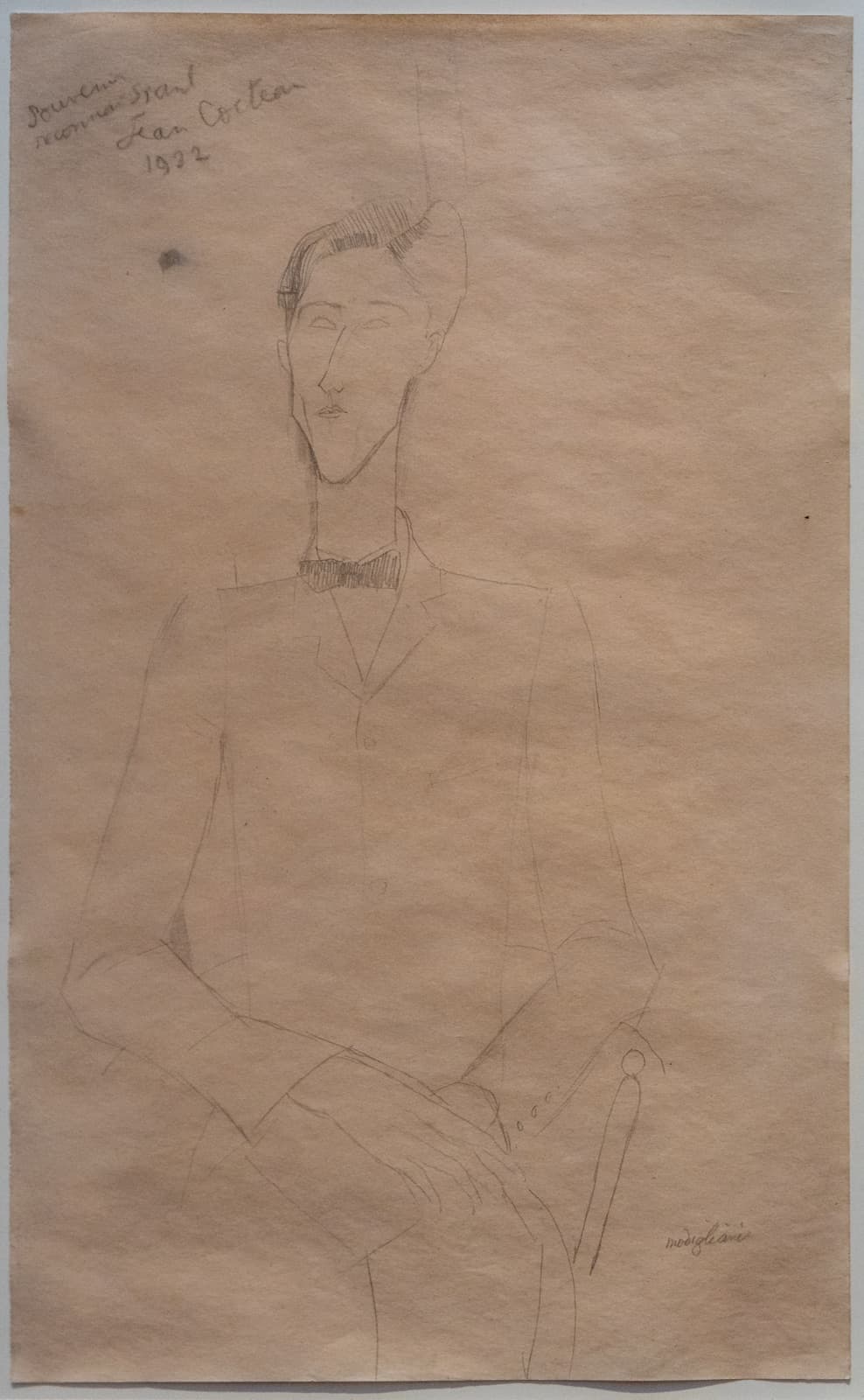
His sitters were the quarter itself. The sculptor Jacques Lipchitz introduced him to Chaïm Soutine at the Cité Falguière; Modigliani painted Soutine's portrait — the National Gallery of Art dates its canvas 1918 — and pressed Zborowski to take the younger painter on. He painted Jean Cocteau in 1916, in Moïse Kisling's Montparnasse studio; Cocteau paid for the portrait but left it behind.

Many of the portraits leave the eyes blank, a flat almond of color with no pupil. In Nice in 1918 the painter Léopold Survage asked why his freshly finished portrait had only one seeing eye; Modigliani, as Survage recalled it, answered that with one eye you look at the outside world, and with the other you look into yourself.

He had exactly one solo exhibition in his lifetime. Zborowski arranged it at Berthe Weill's gallery, 3–30 December 1917, and it opened to a police summons: nudes hung in the gallery window drew a crowd, and Weill was ordered to take them down on grounds of indecency. The show went on with the window cleared, and sales were negligible.

Jeanne Hébuterne and Nice

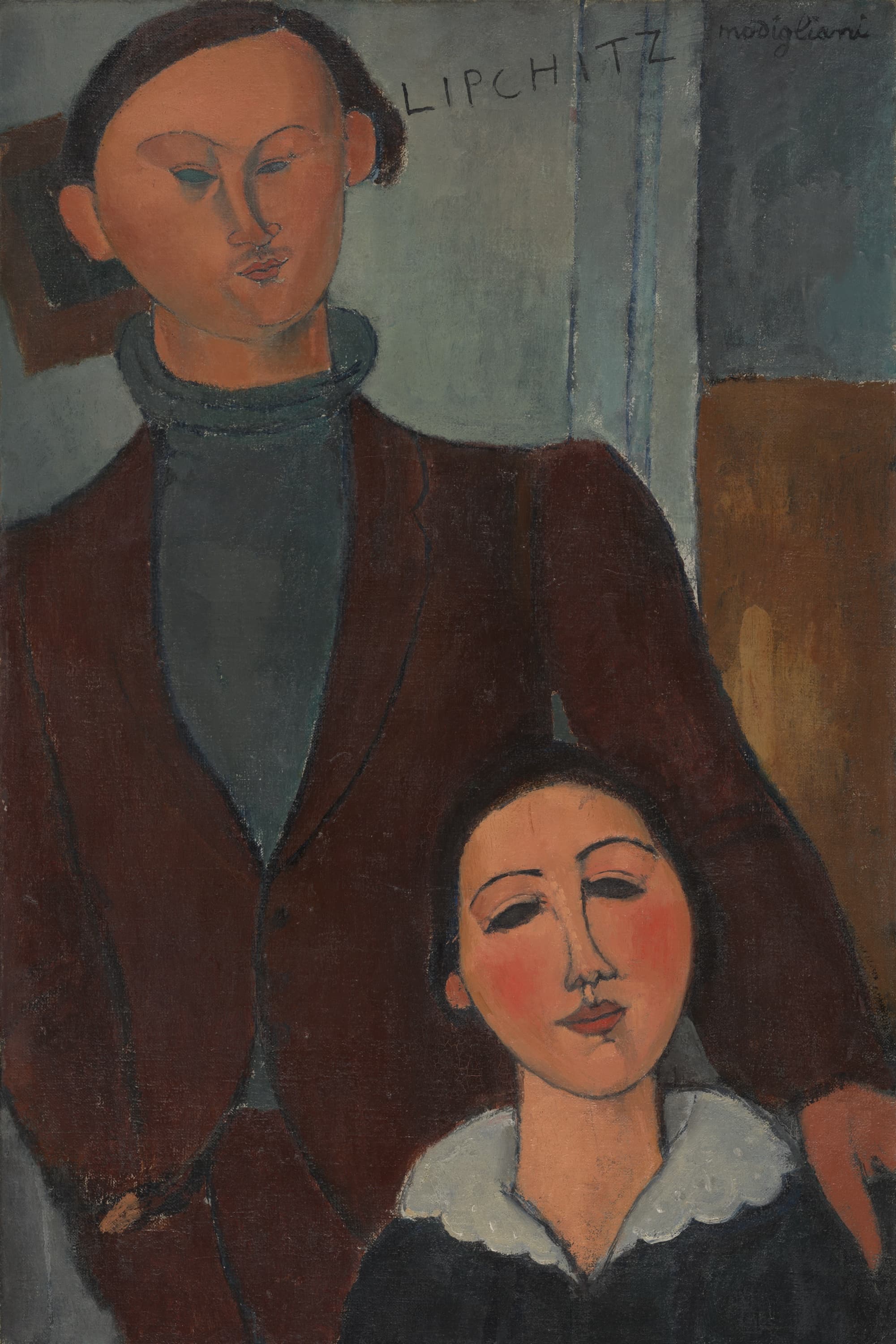
In the spring of 1917 the sculptor Chana Orloff introduced Modigliani to Jeanne Hébuterne, a nineteen-year-old art student at the Académie Colarossi. She became his companion and his most frequent sitter; he painted her more than twenty times, the long neck and tilted head of his late style largely worked out on her face.

Paul Guillaume and Amedeo Modigliani in Nice, 1918, during the painter's wartime stay on the Riviera. Photographer unknown. (Unknown photographer, via Wikimedia Commons · Public domain)

In 1918, with the German army again threatening Paris and his health poor, the couple went south with Zborowski's circle, staying in Nice and Cagnes-sur-Mer while the dealer tried to sell the work. Their daughter, Jeanne Modigliani, was born in Nice on 29 November 1918. The family returned to Paris in May 1919; Hébuterne was soon pregnant again, and Modigliani signed a promise of marriage that was never carried out.

January 1920

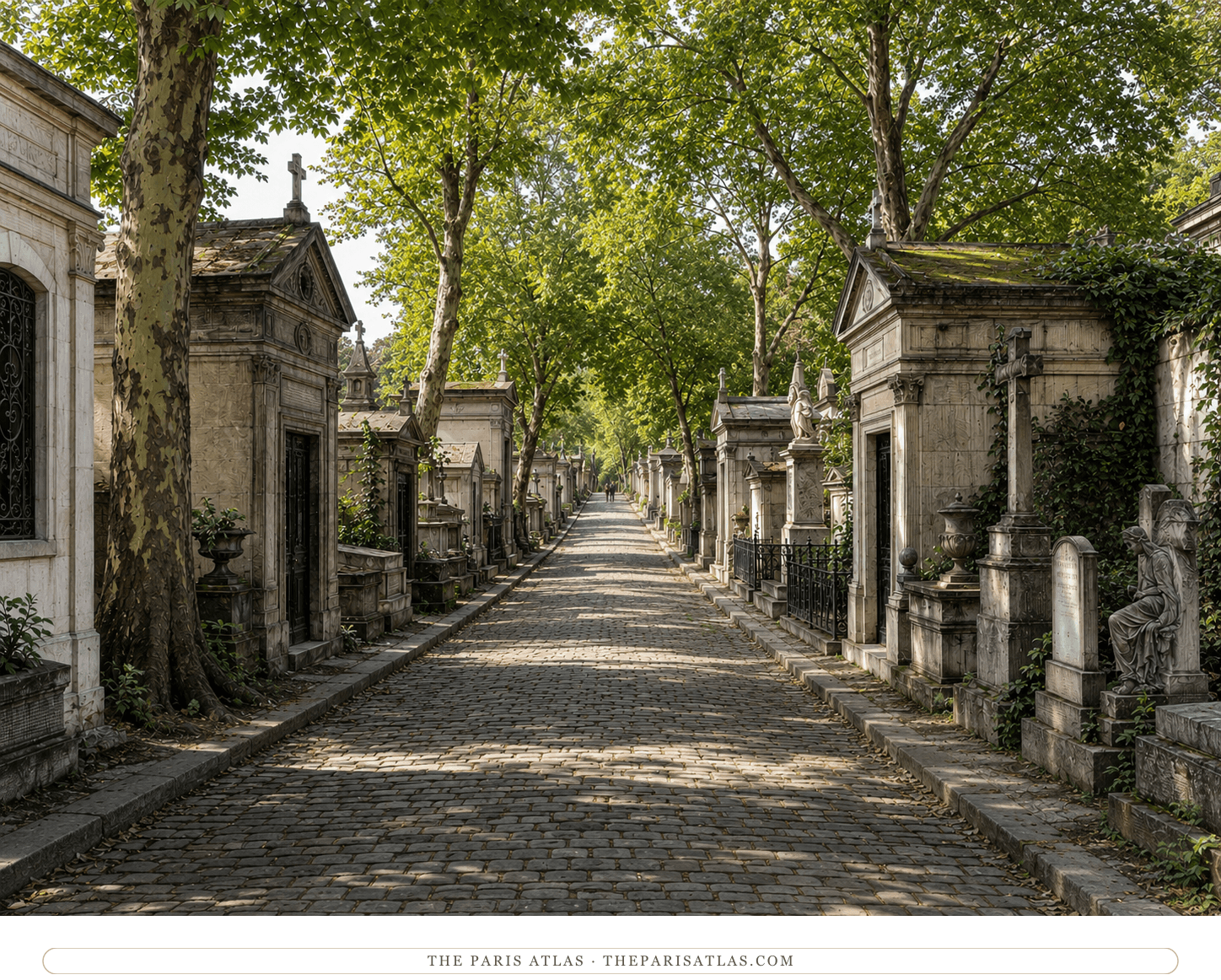
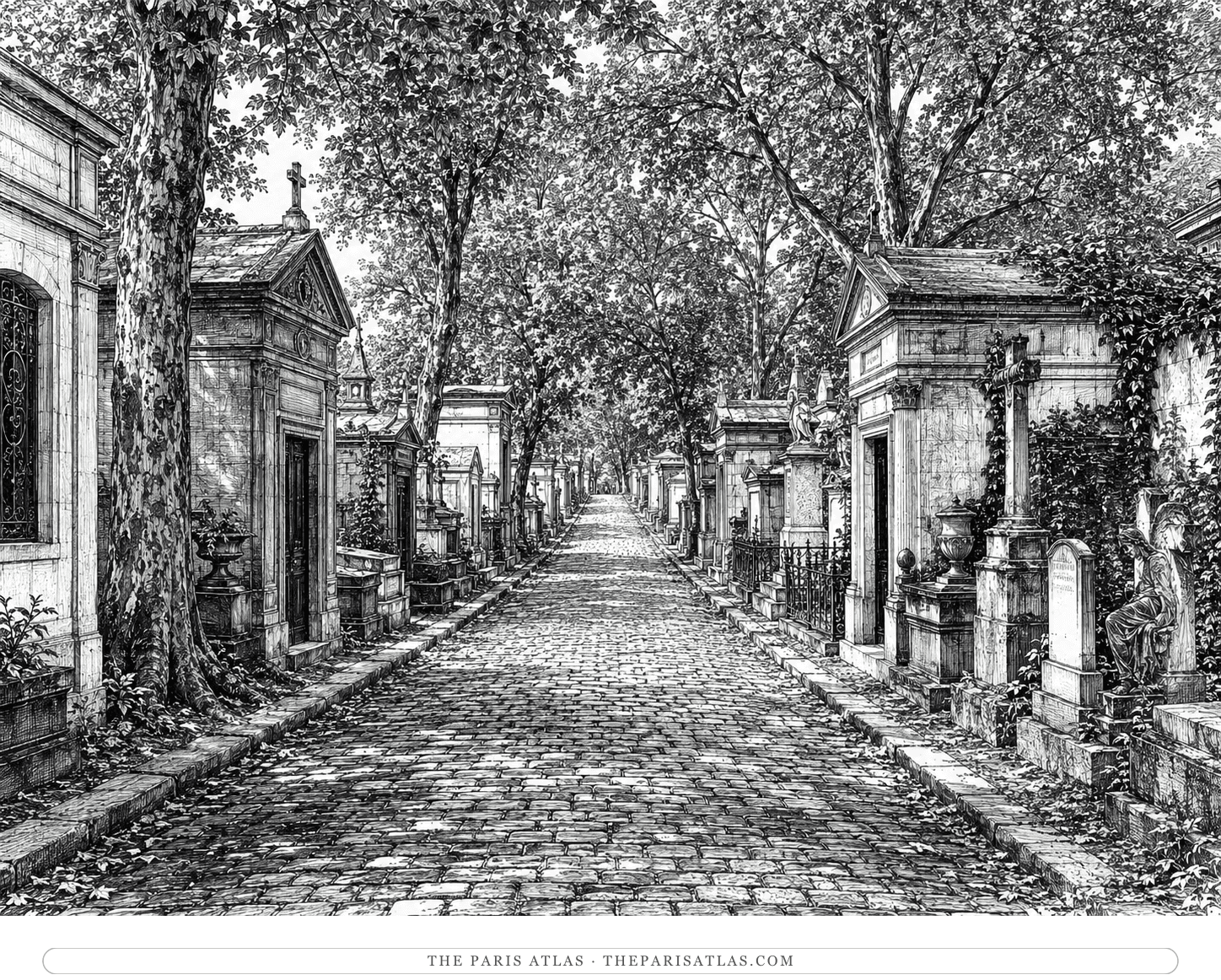
Modigliani had concealed his tuberculosis since Livorno. His biographer Meryle Secrest argues that the famous drinking was, at least in part, cover — consumption carried a stigma severe enough to mean isolation, and a man seen drunk was not suspected of being contagious — and that alcohol and laudanum also served to suppress the symptoms. By the winter of 1919–20 the disease had reached his brain. He died of tubercular meningitis at the Hôpital de la Charité on 24 January 1920, aged thirty-five. The funeral, paid for by a collection among his friends, drew an enormous crowd from the artistic communities of Montmartre and Montparnasse, and he was buried at Père Lachaise, in division 96.

Jeanne Hébuterne, eight months pregnant with their second child, was taken to her parents' apartment at 8 bis rue Amyot, in the fifth arrondissement. In the early hours of 26 January 1920, two days after Modigliani's death, she died by suicide, jumping from the apartment's fifth-floor window. She was twenty-one. Her family buried her at the Cimetière de Bagneux, outside the city; in 1930 they allowed her remains to be transferred to Père Lachaise, beside Modigliani.

Modigliani's slab in division 96, shared with Jeanne Hébuterne — pebbles, a tulip, and a visitor's sketch weighted down against the wind. (Photograph by ManoSolo13241324, Wikimedia Commons · CC0)

The shared stone gives each of them a line in Italian: for him, struck down by death at the moment of glory; for her, devoted companion to the extreme sacrifice. Their daughter Jeanne, raised by Modigliani's family in Italy, became an art historian and wrote a biography of the father she never knew.

Life events

  1. 1884

    Born in Livorno, Italy, on 12 July, youngest child of a Sephardic Jewish family.

  2. 1900

    Contracts tuberculosis at sixteen, after earlier bouts of pleurisy and typhoid.

  3. 1906

    Arrives in Paris and settles in Montmartre, near Picasso's Bateau-Lavoir.

  4. 1909

    Meets Constantin Brâncuși and turns to sculpture, carving elongated stone heads at the Cité Falguière.

  5. 1912

    Shows a group of his carved heads at the Salon d'Automne.

  6. 1914

    Abandons sculpture as his health fails under the work. Max Jacob introduces him to the dealer Paul Guillaume.

  7. 1915

    Paints Paul Guillaume as Novo Pilota, 'new helmsman' — one of four portraits of his first dealer.

    Amedeo Modigliani, Paul Guillaume, Novo Pilota, 1915 (Musée de l'Orangerie) — the dealer at twenty-three, painted by the artist he was among the first to sell. (Amedeo Modigliani (Musée de l'Orangerie), via Wikimedia Commons)
  8. 1916

    Léopold Zborowski becomes his dealer and commissions the series of nudes painted through 1919.

  9. 1917

    Meets Jeanne Hébuterne in the spring. In December, his only solo exhibition opens at Berthe Weill's gallery; police order the nudes out of the window on opening day.

  10. 1918

    Moves south to Nice and Cagnes-sur-Mer with Zborowski's circle. Daughter Jeanne born in Nice on 29 November.

    Paul Guillaume and Amedeo Modigliani in Nice, 1918, during the painter's wartime stay on the Riviera. Photographer unknown. (Unknown photographer, via Wikimedia Commons)
  11. 1920

    Dies of tubercular meningitis at the Hôpital de la Charité on 24 January, aged thirty-five. Jeanne Hébuterne dies by suicide two days later. He is buried at Père Lachaise.

  12. 1930

    Jeanne Hébuterne's remains are transferred from Bagneux to Père Lachaise, beside Modigliani.

    Modigliani's slab in division 96, shared with Jeanne Hébuterne — pebbles, a tulip, and a visitor's sketch weighted down against the wind. (Photograph by ManoSolo13241324, Wikimedia Commons)

Selected works

Cataloged from the holding institutions' records. Reproductions appear only where the rights are verified.

Paintings

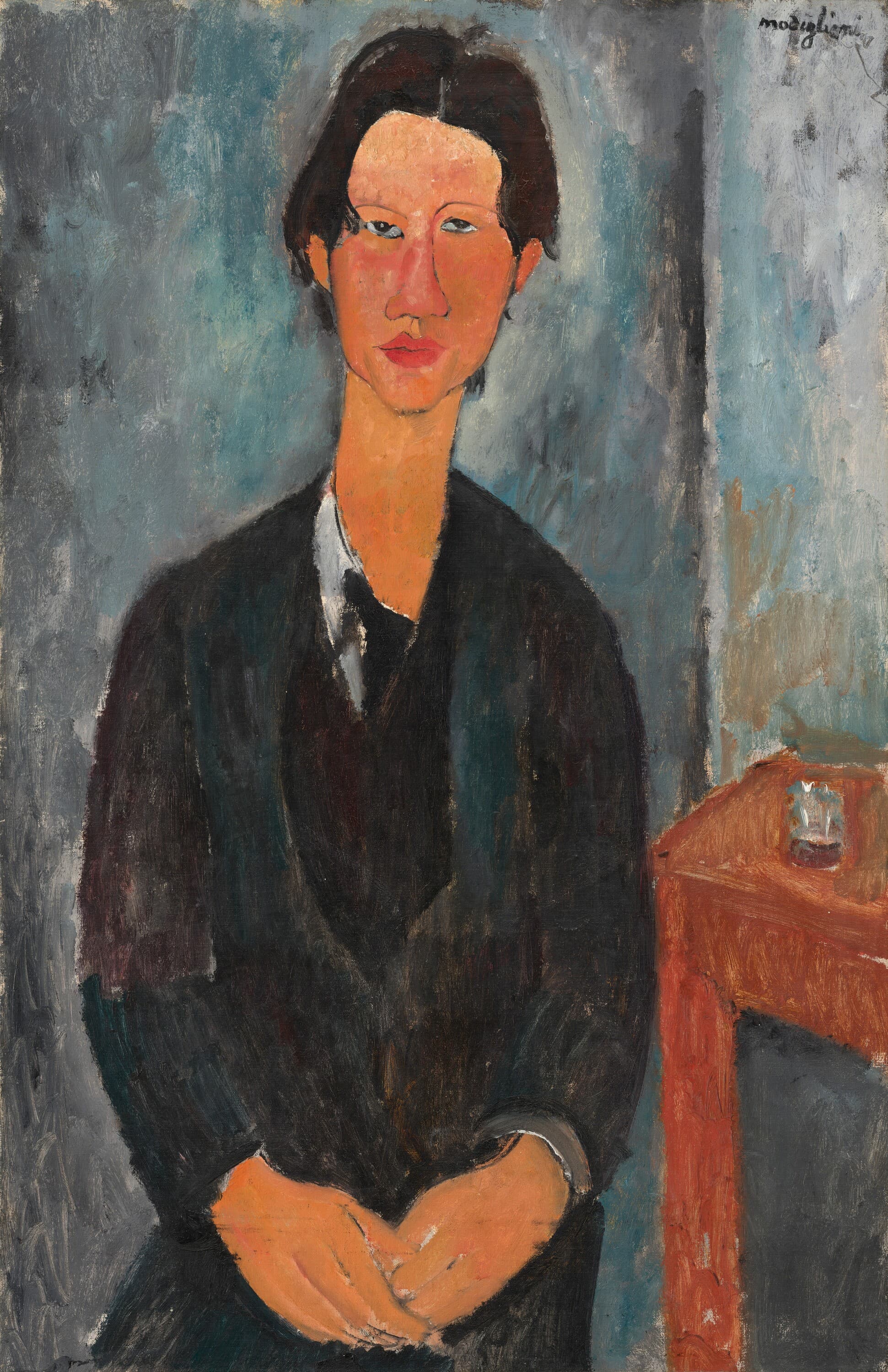
Modigliani's 1916 portrait of Jean Cocteau — elongated, poised, seated in a dark suit against gray panels

Artwork reproduction

Painting

Jean Cocteau

1916 · Oil on canvas

Modigliani's 1916 portrait of the twenty-six-year-old Jean Cocteau, painted during a friendly competition in Moïse Kisling's Montparnasse studio. Cocteau paid for it but left it behind. X-radiography later revealed a Kisling family portrait beneath the surface.
Henry and Rose Pearlman Foundation, on loan to Princeton University Art Museum

Amedeo Modigliani, Jean Cocteau, 1916. Henry and Rose Pearlman Foundation, on loan to Princeton University Art Museum. Image: public domain.

People they knew

Documented connections — every one carries its source.

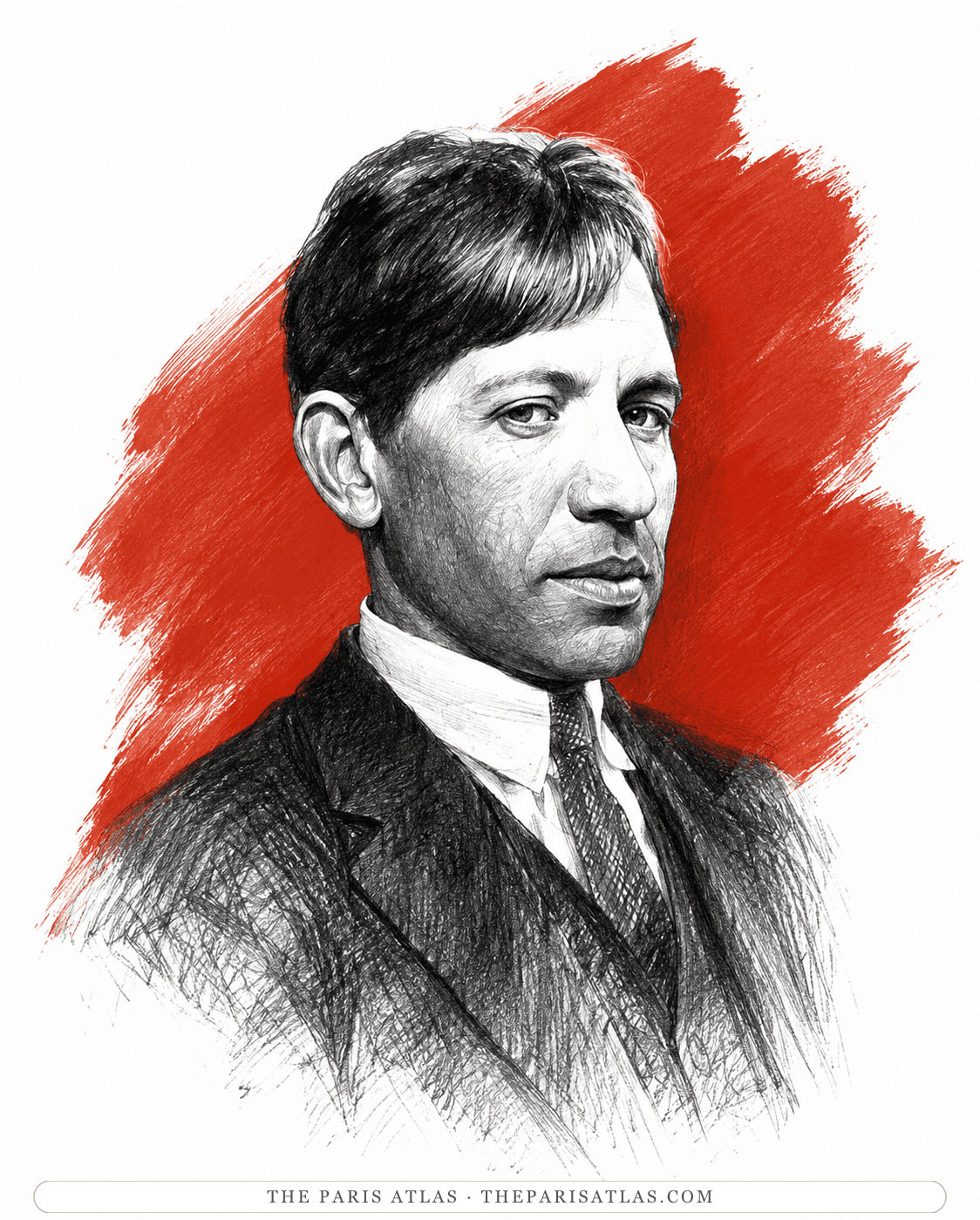
Illustrated portrait of Paul Guillaume

Paul Guillaume

  • Art dealer
  • Collector
  • Publisher

Supported by · 1914

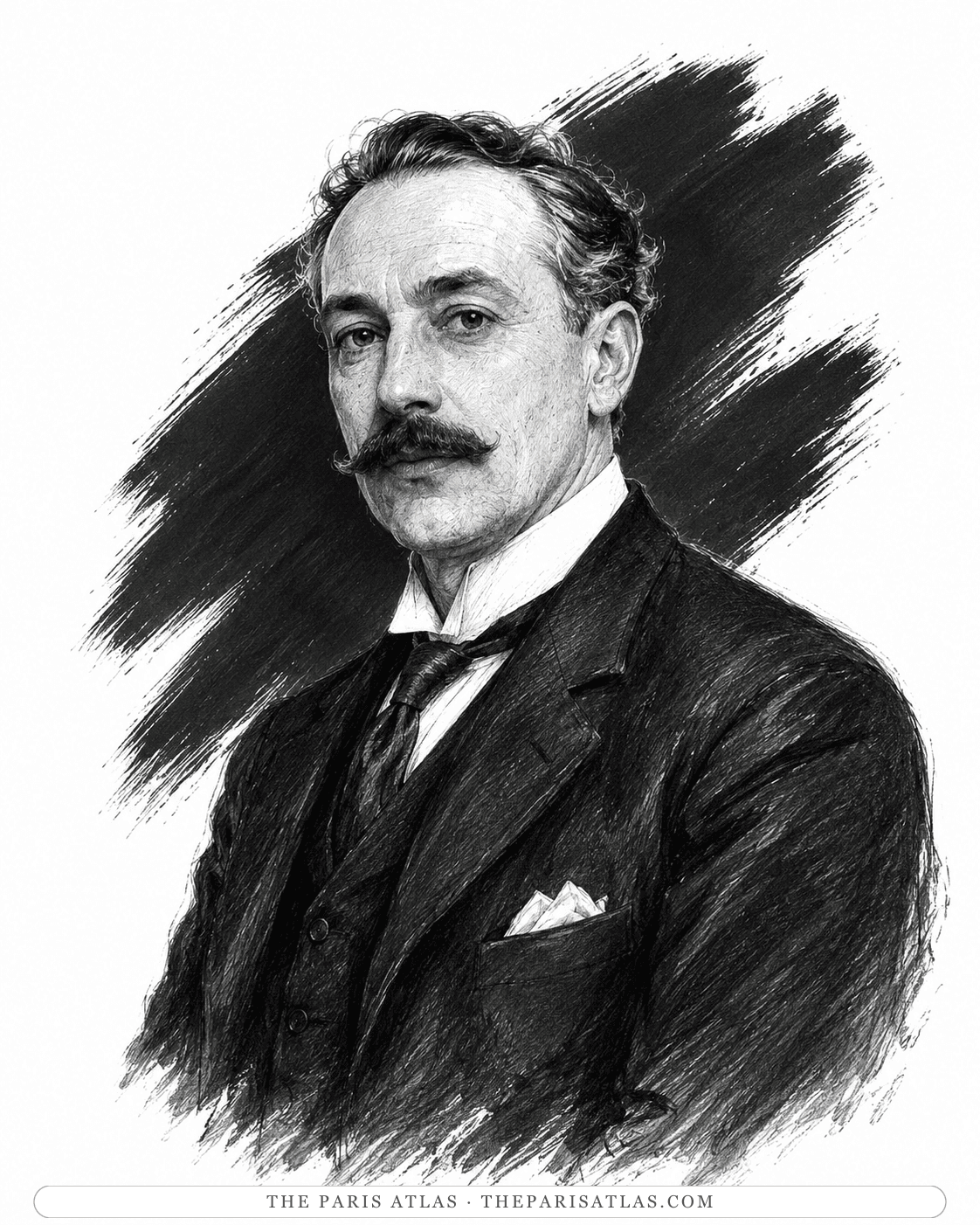
They met through Max Jacob in 1914, and Guillaume — then just starting out — rented Modigliani a studio in Montmartre and became his first significant dealer. Modigliani painted four portraits of him in 1915 and 1916, one inscribed Novo Pilota, 'new helmsman.'

Paul Guillaume, Novo Pilota — Musée de l'Orangerie; Paul Guillaume — Modern Art Index Project, Leonard A. Lauder Research Center

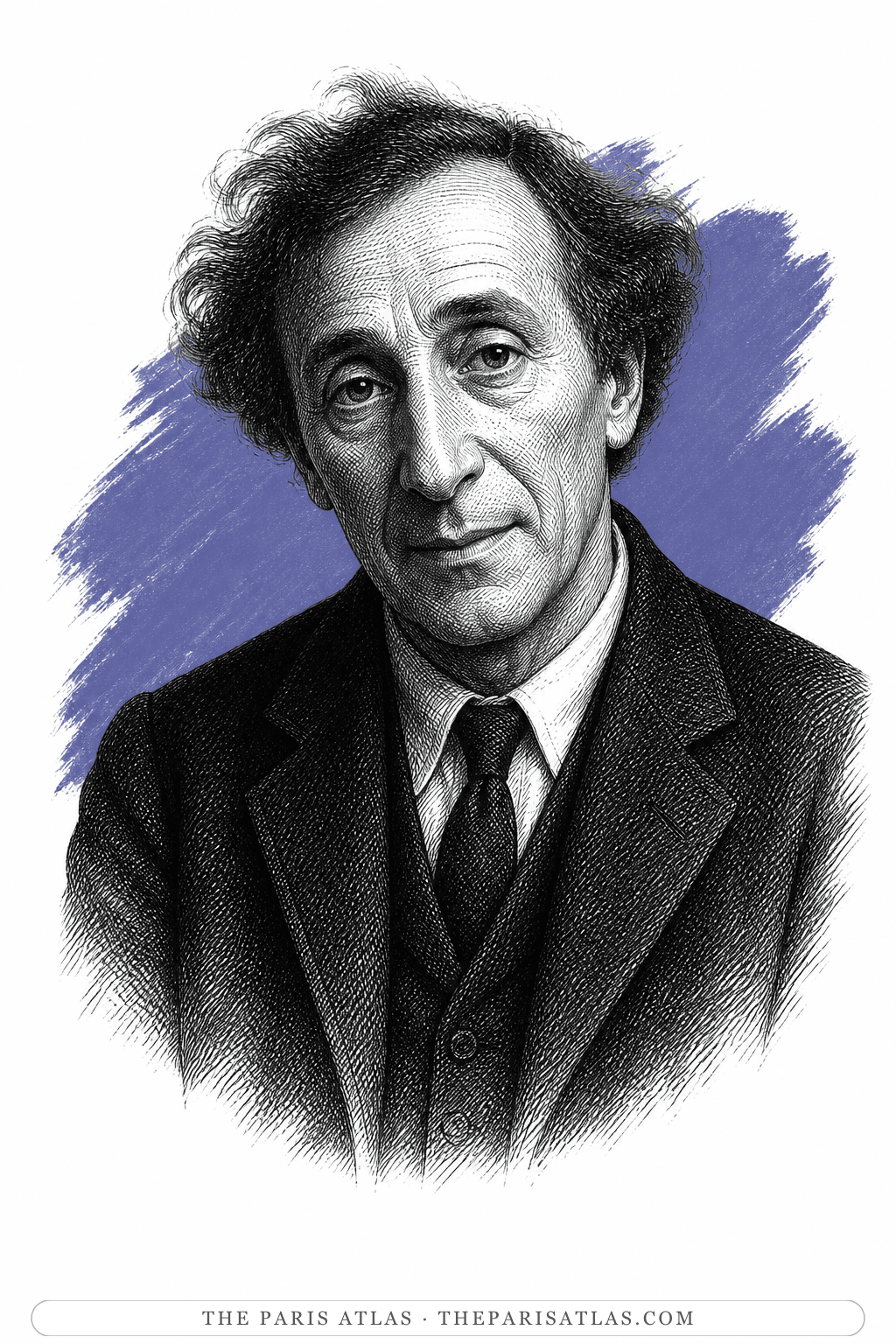
Illustrated portrait of Chaïm Soutine

Chaïm Soutine

  • Painter

Met

The Orangerie's account: Jacques Lipchitz introduced them at the Cité Falguière studios. Modigliani painted Soutine's portrait — the National Gallery of Art dates its canvas 1918 — and reportedly pressed his own dealer, Léopold Zborowski, to take Soutine on.

Chaïm Soutine — Musée de l'Orangerie; Chaim Soutine (Amedeo Modigliani) — National Gallery of Art

Amedeo Modigliani’s Places

The cataloged places connected to Amedeo Modigliani — through the books, and through the documented record.

Places you can enter today appear first, followed by addresses to see from outside and sites that have vanished.

Questions about Amedeo Modigliani

What is Amedeo Modigliani famous for?

For his portraits and nudes — elongated necks, tilted heads, and almond eyes often left blank — painted in Paris between 1906 and 1920. His sitters were largely the artists, writers, and dealers of Montparnasse, among them Chaïm Soutine, Jean Cocteau, and Paul Guillaume, and his 1916–19 series of nudes caused a police intervention at his only solo exhibition. He also produced a significant body of carved stone heads between 1909 and 1914.

How did Amedeo Modigliani die?

Of tubercular meningitis, at the Hôpital de la Charité in Paris on 24 January 1920. He was thirty-five. He had contracted tuberculosis at sixteen and concealed it for the rest of his life; his biographer Meryle Secrest argues that his heavy drinking served partly to mask the symptoms of a disease that then carried a severe social stigma.

What happened to Jeanne Hébuterne?

Jeanne Hébuterne, Modigliani's partner and the mother of his daughter, died by suicide on 26 January 1920, two days after his death. Eight months pregnant with their second child, she jumped from the fifth-floor window of her parents' apartment at 8 bis rue Amyot. She was twenty-one. Her family buried her at Bagneux and only in 1930 permitted her remains to be moved to Père Lachaise, beside Modigliani.

Why are the eyes blank in Modigliani's portraits?

Many of his portraits render the eyes as flat almonds of color without pupils, a device carried over from his sculpture and its archaic sources. Modigliani gave one explanation himself, as the painter Léopold Survage recalled it: asked in Nice in 1918 why his portrait had only one seeing eye, he answered that with one eye you look at the outside world, and with the other you look into yourself.

What happened at Modigliani's 1917 exhibition?

His only solo show, organized by his dealer Léopold Zborowski at Berthe Weill's Paris gallery in December 1917, drew the police on its opening day: nudes displayed in the gallery window attracted a crowd, and Weill was ordered to remove them on grounds of indecency. The exhibition continued with the window cleared, but sales were negligible.

Where is Modigliani buried?

In division 96 of Père Lachaise cemetery in Paris, following an enormous funeral in January 1920 attended by the artistic communities of Montmartre and Montparnasse. Jeanne Hébuterne has shared the grave since 1930, when her family allowed her remains to be transferred from the Cimetière de Bagneux.

Sourced claims

Every connection the graph holds for Amedeo, with the evidence behind it.

Frequented · 1911–1920

La Rotonde

A fixture of Père Libion's café from its earliest years — he sketched portraits at the tables and traded drawings for coins, a meal, or a drink, and the Rotonde's walls filled with Modiglianis.

Smithsonian Magazine — Modigliani: Misunderstood; Sisley Huddleston, Paris Salons, Cafés, Studios (1928)

Buried at · 1920

Père-Lachaise Cemetery

Buried in division 96 in January 1920; the remains of his partner Jeanne Hébuterne were later transferred to lie beside him.

Paris Discovery Guide — 101 Famous Graves in Père Lachaise Cemetery

Supported by · 1914

Paul Guillaume

They met through Max Jacob in 1914, and Guillaume — then just starting out — rented Modigliani a studio in Montmartre and became his first significant dealer. Modigliani painted four portraits of him in 1915 and 1916, one inscribed Novo Pilota, 'new helmsman.'

Paul Guillaume, Novo Pilota — Musée de l'Orangerie; Paul Guillaume — Modern Art Index Project, Leonard A. Lauder Research Center

Met

Chaïm Soutine

The Orangerie's account: Jacques Lipchitz introduced them at the Cité Falguière studios. Modigliani painted Soutine's portrait — the National Gallery of Art dates its canvas 1918 — and reportedly pressed his own dealer, Léopold Zborowski, to take Soutine on.

Chaïm Soutine — Musée de l'Orangerie; Chaim Soutine (Amedeo Modigliani) — National Gallery of Art