Depicts · 1916
Jean Cocteau
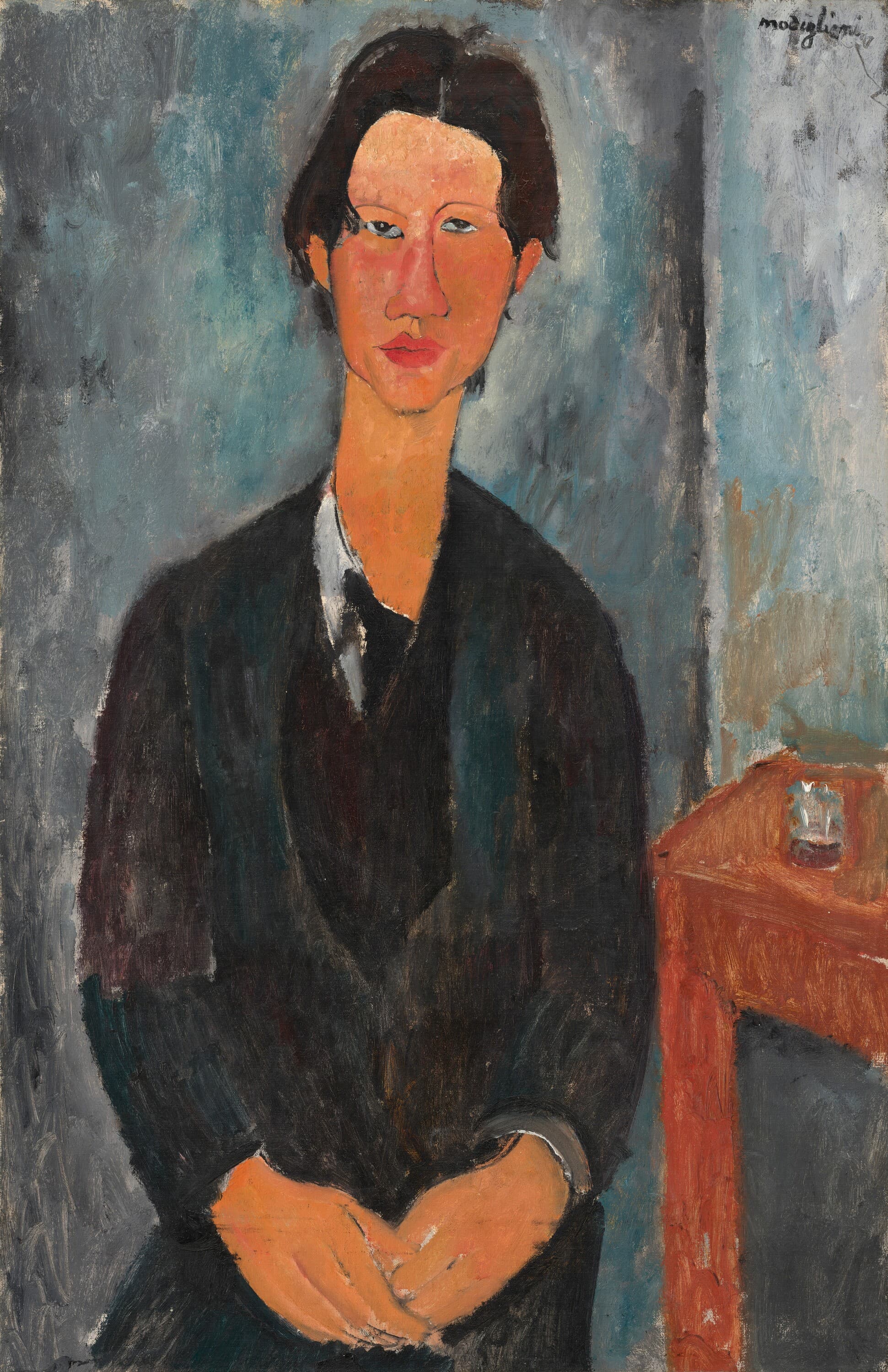
Modigliani painted the twenty-six-year-old Cocteau at Kisling's Montparnasse studio in 1916. The portrait is now with the Pearlman collection at Princeton.
Modigliani's 1916 portrait of the twenty-six-year-old Jean Cocteau, painted during a friendly competition in Moïse Kisling's Montparnasse studio. Cocteau paid for it but left it behind. X-radiography later revealed a Kisling family portrait beneath the surface.
Jean Cocteau sits upright in a dark suit and tie against broad panels of gray and blue. His neck is long, the head narrow and slightly tilted, the shoulders angular. The eyes do not meet the viewer evenly, and the face is held in a controlled, nearly masklike expression.
Modigliani simplified without removing individuality. The compressed mouth, high brow, and long nose register Cocteau's reserve and self-conscious presentation. The portrait is elegant, but its hard contours keep that elegance from becoming flattering society portraiture.
In the spring of 1916 Pablo Picasso brought Cocteau to meet the artists who gathered at Moïse Kisling's Montparnasse studio. Cocteau had already worked in poetry, theater, and ballet, but he entered a circle of painters with its own rivalries and standards.
The portrait came out of a friendly contest in which Modigliani and Kisling each painted the young poet. The setting connects Cocteau's developing career to the School of Paris, the loose international community of artists working in the capital rather than a single movement with a shared style.
Modigliani's elongated heads are often recognized instantly, but the method was not a decorative formula detached from art history. Princeton's interpretation connects the portrait's angular strokes and simplified geometry to Paul Cézanne and to African masks, sources that many Paris artists were studying in the early twentieth century.
The result differs from Cubism's shattered viewpoints. Modigliani keeps the body coherent and the seated pose readable. He reduces the sitter to a small set of lines and planes, then uses their proportion and tension to carry psychological character.
X-radiography revealed another composition beneath Cocteau: a self-portrait of Moïse Kisling with his wife Renée and their dog. Modigliani reused the canvas, rotating or covering a work that belonged to the very studio in which the new portrait was made.
The hidden image is more than a technical curiosity. It records the material economy and social proximity of wartime Montparnasse. One painter's family portrait became the support for another painter's image of a newly arrived poet.
Cocteau paid Modigliani for the picture and then left it behind, saying it would not fit in a taxi. He never sent for it. Claims that vanity about the nose explains the decision remain speculation.
He later wrote, “It does not look like me, but it does look like Modigliani, which is better.” The remark identifies the central tension in the painting: likeness has been subordinated to the painter's way of organizing a face.
The painting brings together several people who shaped interwar Paris culture: Modigliani, Cocteau, Picasso, and Kisling. It records their network at the point when Cocteau was moving more deeply into collaborations across painting, theater, music, and film.
It also provides a compact test of what modern portraiture could preserve after naturalistic likeness was simplified. Cocteau remains identifiable through posture, dress, and attitude, while Modigliani's elongated construction makes the portrait unmistakably his own.
The portrait passed to the American collector Henry Pearlman and remains with the Henry and Rose Pearlman Foundation. It is on long-term loan to the Princeton University Art Museum.
Modigliani died in 1920, at thirty-five. The painting is therefore out of copyright, allowing us to reproduce it in full while linking its technical and social history to the people represented around it.
Close reading
Modigliani preserves Cocteau's elegance while submitting it to an elongated, angular construction. The details show how face, suit, and painted ground create a recognizable personality without conventional naturalism.
1.The narrow face behaves like a controlled mask
Long nose, compressed mouth, high brow, and uneven eyes remain specific to the sitter. Simplification withholds easy warmth but does not erase Cocteau's self-conscious, watchful presence.
2.Neck and lapels extend the same angular rhythm
The neck rises from sharp shoulders and a dark suit whose edges repeat the face's narrowing geometry. Clothing and anatomy belong to one constructed silhouette.
3.Broad color panels hold the sitter in place
The background is neither a room nor empty darkness. Large gray and blue areas answer the body's verticals, giving the seated figure a modern architectural enclosure.
4.The uneven eyes keep the mask from becoming blank
The eyes do not offer matching windows into a naturalistic personality. Their slight difference interrupts the face's symmetry and keeps the simplified likeness alert.
5.The folded hands contain the sitter's energy
Cocteau's long body is held upright, but his hands gather low and close together. Their restraint supports the portrait's controlled public pose instead of introducing a dramatic gesture.
6.The chair supplies structure with only a few edges
The chair is described just enough to hold the sitter in place. Its straight edges answer the long lapels and neck, extending the portrait's angular design into the furniture.
1916
Modigliani painted Cocteau at Moïse Kisling's studio in Montparnasse, where Picasso had brought the Right Bank poet to meet the Left Bank artists.
1916
Cocteau paid for the portrait but left it behind — saying it would not fit in a taxi — and never sent for it.
later study
X-radiography revealed a painted-over self-portrait of Moïse Kisling with his wife Renée and their dog beneath Cocteau's image.
1920
Modigliani died at thirty-five, which placed the painting out of copyright and is why we can show it in full.
Henry and Rose Pearlman Foundation, on loan to Princeton University Art Museum
Princeton University campus, Princeton, New Jersey, United States
The museum is on the pedestrian campus, with no public vehicle drop-off at the building. Confirm this loan’s current location and use the museum’s directions before travelling.
Plan your visit on the museum’s official website (opens in a new tab)Amedeo Modigliani, in Paris in 1916, when Cocteau was twenty-six. It shows Modigliani's elongated style — the long neck, the small tilted head.
The record does not establish that he disliked it. He paid for the painting, left it behind saying it would not fit in a taxi, and never collected it. Explanations based on his vanity about the nose are plausible anecdotes, not documented fact.
"It does not look like me, but it does look like Modigliani, which is better." A generous verdict on a portrait he refused to take home.
As part of a friendly competition at Moïse Kisling's Montparnasse studio, where Picasso had brought Cocteau to meet the painters. Both Modigliani and Kisling painted the poet.
X-radiography revealed a self-portrait of Moïse Kisling with his wife Renée and their dog. Modigliani reused the canvas in the same studio where Cocteau sat.
It was made within Montparnasse's international community of artists and draws on Cézanne, simplified masklike forms, and Modigliani's own elongated figure style. The School of Paris was a network and setting, not a single visual program.
Modigliani died in 1920, so the painting is out of copyright worldwide. Unlike the copyrighted works in the catalogue, no fair-use limit applies.
The Henry and Rose Pearlman Foundation collection, on long-term loan to the Princeton University Art Museum.
Depicts · 1916
Modigliani painted the twenty-six-year-old Cocteau at Kisling's Montparnasse studio in 1916. The portrait is now with the Pearlman collection at Princeton.
Explore painters from the same movements and circles.
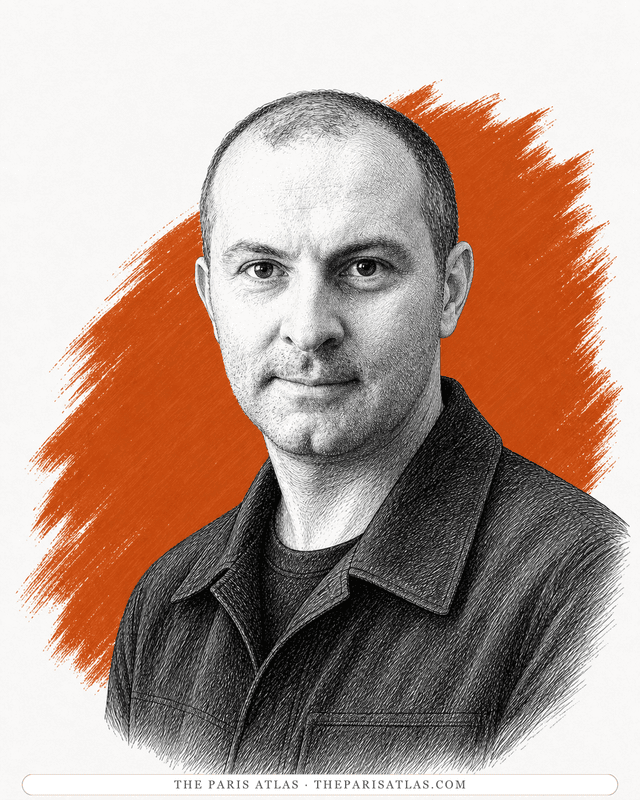
French-American artist, lifelong friend of Yves Klein, and a founder of New Realism.
View artist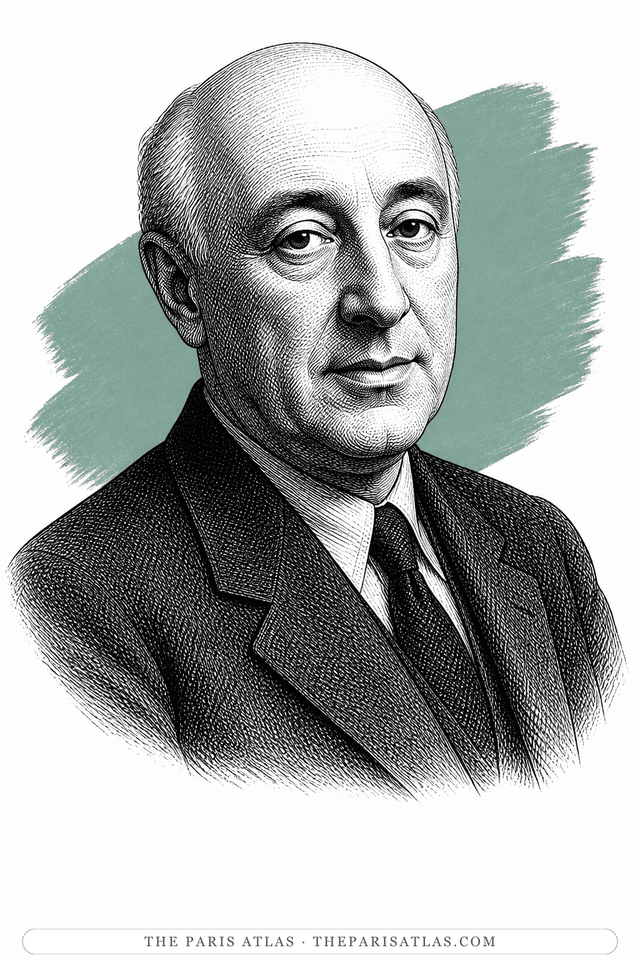
Strasbourg-born sculptor and poet — Hans in German, Jean in French, both all his life — who co-founded Dada at the Cabaret Voltaire in 1916, composed collages by dropping torn paper 'according to the laws of chance', and settled at Meudon outside Paris in a house his wife Sophie Taeuber-Arp designed.
View artist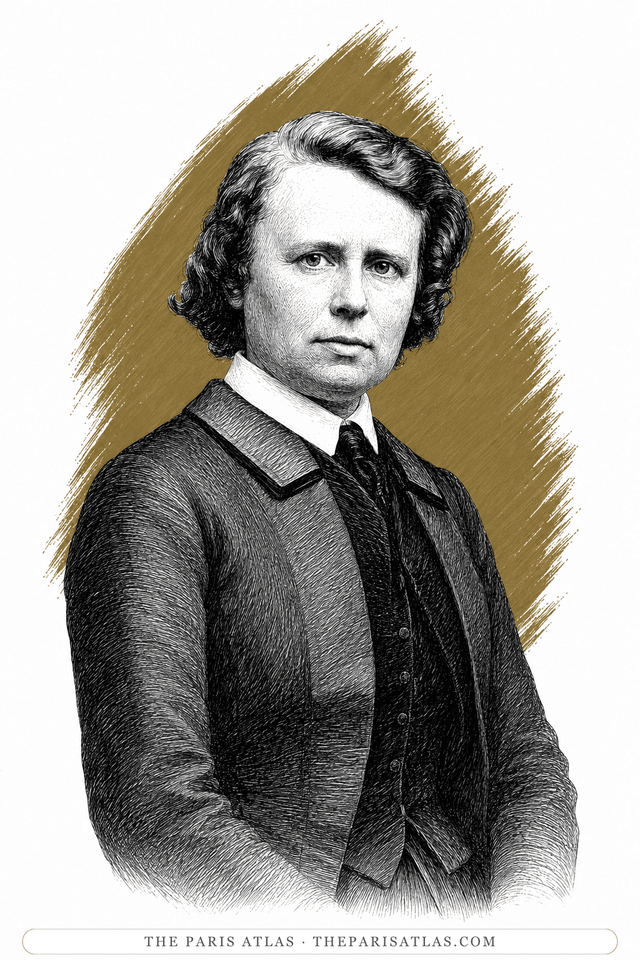
At the horse markets of Paris and in her studio beside the forest of Fontainebleau, Rosa Bonheur gave animals the presence of great portrait subjects. The success of The Horse Fair helped her build a life shaped by her work, financial independence, and the women she loved.
View artistThe sources below include collection records, catalogues, scholarly research, and primary materials that informed this page. They document Jean Cocteau, its making, and its place in cultural history.


Web source consulted for documented facts and historical context presented on the Jean Cocteau page.
Web source consulted for documented facts and historical context presented on the Jean Cocteau page.
Web source consulted for documented facts and historical context presented on the Jean Cocteau page.

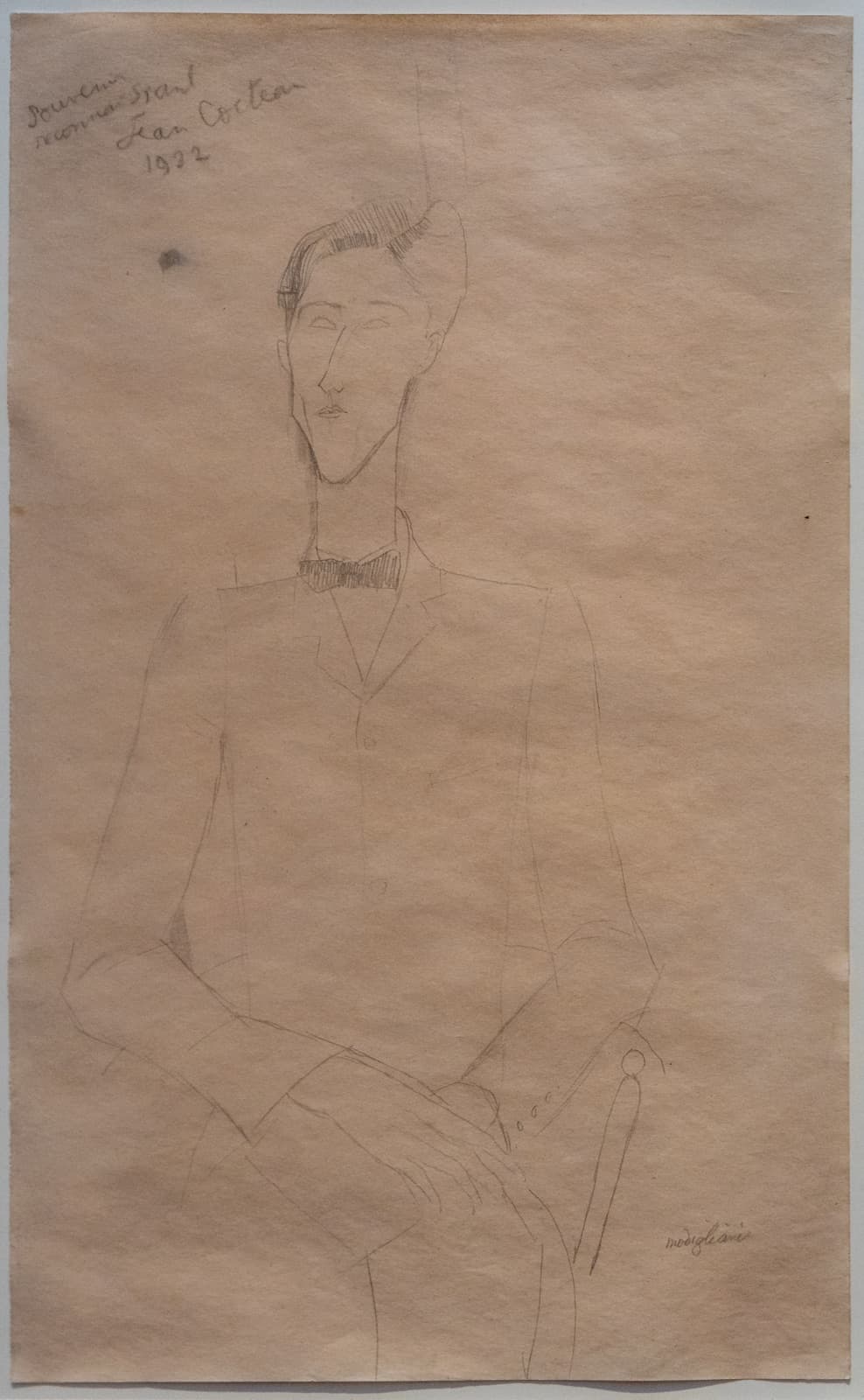
Collection record for Modigliani’s 1916 preparatory drawing and its relationship to the painting.
These references provide the documented foundation for this work's history and interpretation. Claim-level citations remain attached to the specific claims they support.
 Explore more resources