The Paris AtlasCharting the artists, works, and places worth returning to.
  • Sculptor
  • Painter
· French-American · 1928–2005

Arman

French-American artist, lifelong friend of Yves Klein, and a founder of New Realism.

Details

Lived
1928–2005
Born
17 November 1928
Birthplace
Nice, France
Birth name
Armand Pierre Fernandez
Died
22 October 2005 · aged 76
Place of death
New York City
Nationality
French-American
Profession
Sculptor and painter
Married
Éliane Radigue · married 1953Corice Canton · married 1971
Children
Marion Arman, Anne Arman, Yves Arman, Yasmine Arman, Philippe Arman, Yves Cesar Arman
Roles
SculptorPainter
Also known as
Armand Pierre Fernandez · Armand Pierre Arman

About Arman

French-American sculptor of accumulations and a founder of Nouveau Réalisme

Arman was a French-American sculptor and painter, born Armand Pierre Fernandez in Nice on 17 November 1928. He became known for what he called accumulations: quantities of identical everyday objects, gathered and presented as the artwork itself. In October 1960 he signed the founding declaration of Nouveau Réalisme (New Realism), the Paris movement that made art directly from the products and waste of consumer society.

Instead of picturing the age of mass production, Arman presented its output: tools, watches, clocks, furniture, car parts and musical instruments, collected by the dozen and fixed in transparent cases or cast in bronze. He also worked by destruction, slicing, burning and smashing objects and mounting the results.

He split his life between France and New York from 1961 and became a United States citizen in 1973. Two of his works are easy to see in Paris: L'Heure de tous, his bronze accumulation of clocks outside Gare Saint-Lazare, and his grave at Père-Lachaise Cemetery.

Nice, judo, and Yves Klein, 1928–1949

Armand Pierre Fernandez was born in Nice on 17 November 1928, the son of Antonio Fernandez, an antiques dealer who was also an amateur painter, photographer and cellist. His father taught him oil painting and photography.

He passed his baccalauréat in philosophy and mathematics in 1946 and enrolled at the École Nationale des Arts Décoratifs in Nice. At a judo class held in a Nice police school he met Yves Klein and Claude Pascal, and the three later hitchhiked across Europe together. The friendship with Klein lasted until Klein's death in 1962.

Paris, the École du Louvre, and the rubber stamps, 1949–1959

In 1949 Arman moved to Paris to study at the École du Louvre, where he concentrated on archaeology and Asian art. In 1951 he taught judo at the Bushido Kai club in Madrid, and in 1952 he served as a medical orderly in the French military during the war in Indochina. In 1953 he married the composer Éliane Radigue; they had three children, Marion, Anne and Yves.

An exhibition of the German Dadaist Kurt Schwitters in 1954 changed his direction. He began the Cachets, inked rubber-stamp impressions repeated across paper and fabric, and showed them at his third solo exhibition, at Galerie Iris Clert in Paris in 1958. The show was a success, and it moved his work away from the abstract painting he had considered his real career.

By then he was signing with his first name only, in homage to Vincent van Gogh, who signed his canvases "Vincent". The story told about the missing d is that a printer dropped it by mistake from an exhibition announcement, and that Arman liked the shorter name and kept it. Accident or choice, from 1957 he used Arman rather than Armand. When he took United States citizenship in 1973 he made Armand Pierre Arman his legal name, and kept Arman for his art.

Le Plein and the New Realists, 1960–1962

In 1958 Yves Klein had emptied Galerie Iris Clert and exhibited the bare room as Le Vide, The Void. In 1960 Arman answered in the same space: he filled the gallery with refuse and called it Le Plein, The Full. The two shows are often described together: Klein had exhibited an empty room, and Arman exhibited a full one.

In October 1960 Arman joined Yves Klein, François Dufrêne, Raymond Hains, Martial Raysse, Daniel Spoerri, Jean Tinguely, Jacques Villeglé and the critic Pierre Restany in founding Nouveau Réalisme. César, Mimmo Rotella, Niki de Saint Phalle and Christo joined the group later.

new perceptive approaches of the real

nouvelles approches perceptives du réel

Founding declaration of Nouveau Réalisme, October 1960

Between 1954 and 1962 he began the series he is known for.

  • Cachets — inked rubber-stamp impressions on paper and fabric, begun after the 1954 Schwitters exhibition
  • Allures d'objet — the paint traces objects leave when moved across a surface
  • Poubelles — collections of strewn refuse, the contents of trash bins presented as they are
  • Accumulations — identical objects gathered in transparent polyester or Plexiglas cases, with welded versions from 1962
  • Coupes and Colères — objects, often violins and saxophones, sliced, burned or smashed, and the pieces mounted on canvas

New York, Duchamp's circle, and bronze, 1961–1981

Arman first exhibited in the United States in 1961, at the Cordier Warren Gallery in New York, and from that year kept a part-time home in the city alongside Nice. He lived first at the Chelsea Hotel and later on Church Street, with studios on the Bowery and then in TriBeCa. At a dinner given by the artist and collector William Copley he met Marcel Duchamp.

Andy Warhol filmed him on 5 March 1964, during a dinner performance staged by the artist Daniel Spoerri. In the four-minute silent reel, titled Dinner at Daley's, Arman sits in profile, reading through the meal. Warhol owned two of Arman's Poubelles and an accumulation called Amphetamines; they were sold at Sotheby's auction of Warhol's collection in May 1988.

Working with a foundry in Normandy, Arman began casting accumulations in bronze, and musical instruments, above all strings, became a lasting theme. In 1971 he married Corice Canton; they had two children, Yasmine and Philippe. On 31 January 1973 he became a United States citizen.

Public monuments, 1982–1995

Arman worked at monument scale in his last two decades. Long Term Parking, completed in 1982 at the Château de Montcel in Jouy-en-Josas outside Paris, is a tower of concrete holding sixty cars, most of them French.

In 1985 the French state commissioned L'Heure de tous, a bronze accumulation of clocks, for the cour du Havre of Gare Saint-Lazare. A second Arman work, Consigne à vie, stands in the station's cour de Rome. In 1989 his sixth child, Yves Cesar Arman, was born to Carrole Cesar. In 1995 the Lebanese government commissioned Hope for Peace for Beirut, a thirty-two-metre monument holding eighty-three tanks and military vehicles, marking fifty years of the Lebanese army.

How Arman worked

The working rule behind most of Arman's art was one object, many times. He chose a manufactured thing — a watch, a doll's hand, a gas gauge, a violin — and repeated it until the group, not the object, became the picture. The container did the framing: transparent polyester or a Plexiglas case held the mass in place and let the viewer count. He did not arrange so much as pour, and the appearance of chance was part of the method.

Destruction was the other half of the practice. In the Colères he smashed an instrument and fixed the debris at the moment of scatter; in the Coupes he sliced one into clean sections and laid the anatomy out in order. From the mid-1960s, working with the Bocquel foundry in Normandy, he translated both gestures into bronze, which turned the smashed violin from an event into a monument. Musical instruments, above all strings, stayed his favorite material: an object whose whole identity is its shape, still recognizable in any state of ruin.

The subject underneath was the consumer city itself: production lines, shop windows, and the trash can at the end of the cycle. The accumulations state it without commentary, by volume alone.

Death and a grave in Paris

Arman died of cancer on 22 October 2005, at his home in Manhattan. He was seventy-six. The New York Times obituary two days later called him a sculptor "known internationally for his surprising accumulations of trash and found objects".

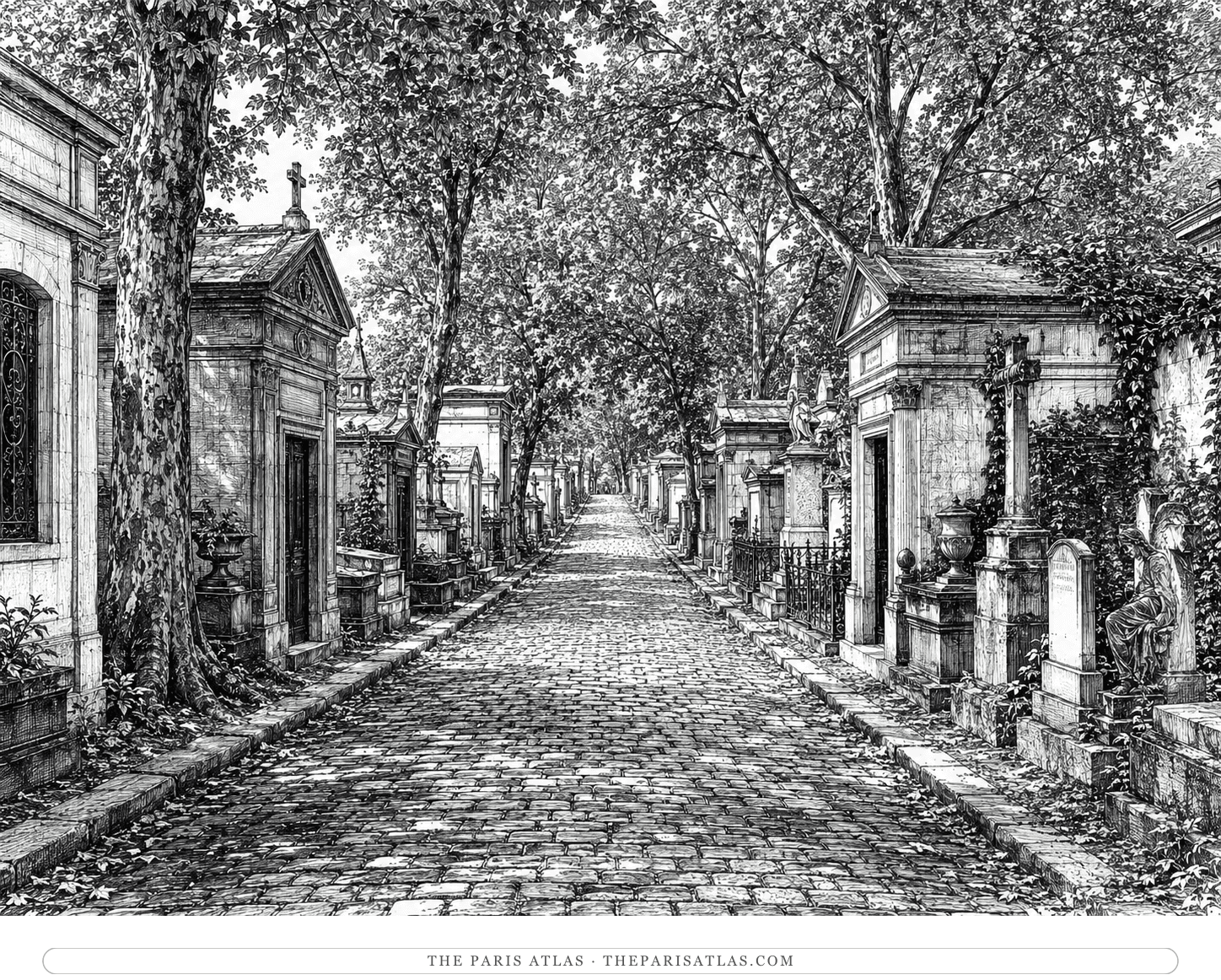
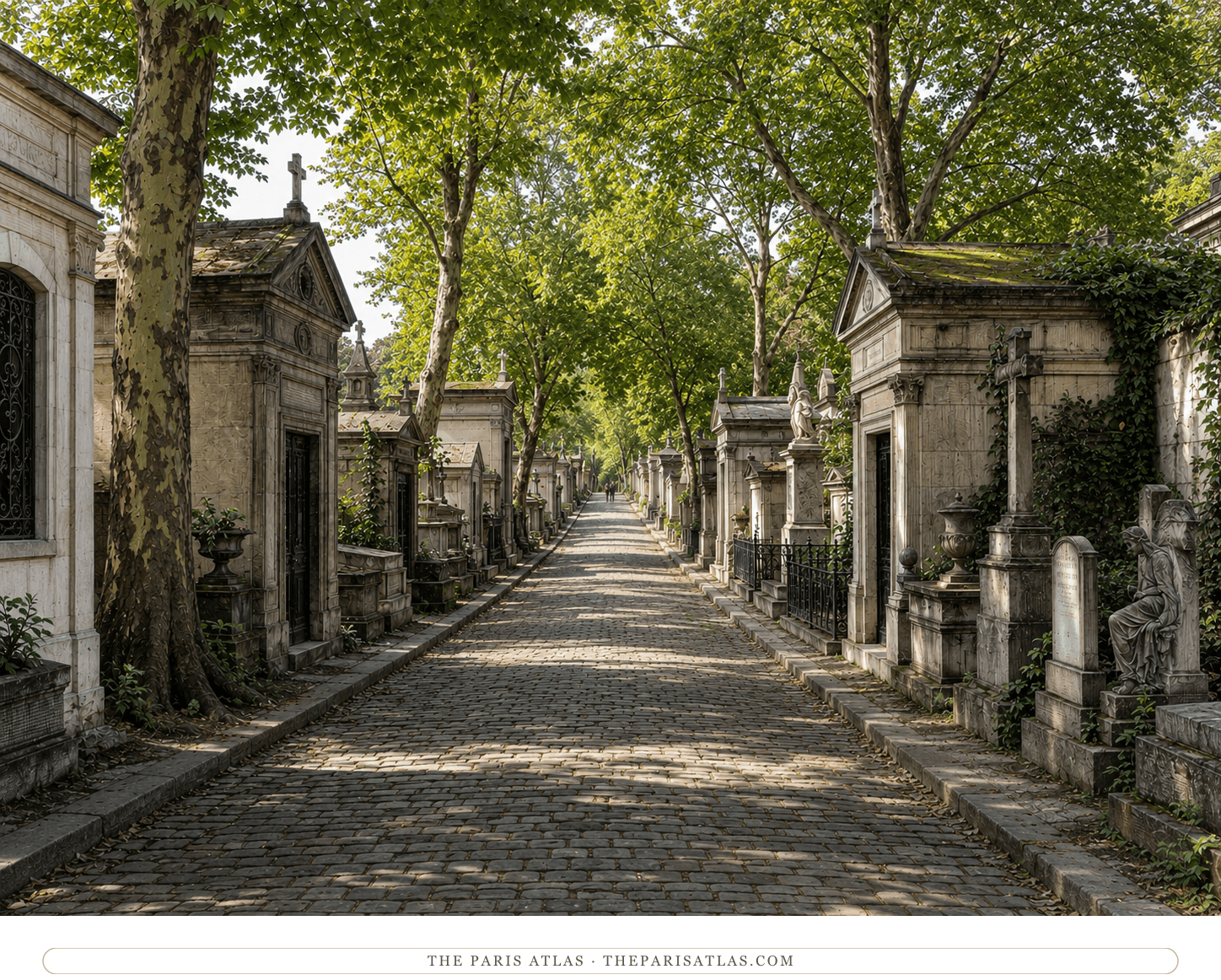
On 17 November 2008, the day he would have turned eighty, part of his ashes was interred at Père-Lachaise Cemetery in Paris, in division 11.

The monument carries a bronze cello, and a plaque reads "Enfin seul !" ("Finally alone!"), signed Arman. The stone itself gives his death year, wrongly, as 2003.

Reception and afterlife

Museum exhibitions came early. The Stedelijk Museum in Amsterdam and the Walker Art Center in Minneapolis both gave him solo exhibitions in 1964, and the Palazzo Grassi in Venice followed in 1967. The Musée d'Art Moderne de la Ville de Paris showed Objets Armés in 1975. Retrospectives followed: Parade der Objekte toured from Hanover in 1982, the Brooklyn Museum surveyed the years 1955 to 1991, and the Galerie nationale du Jeu de Paume in Paris mounted its own in 1998.

After his death, the Centre Pompidou mounted a retrospective in the autumn of 2010, and Museum Tinguely in Basel followed in 2011. His work sits in the collections of the Museum of Modern Art, the Hirshhorn Museum and Sculpture Garden, the Detroit Institute of Arts and the Walker Art Center. A multi-volume catalogue raisonné by Denyse Durand-Ruel covers the work of the 1960s. France decorated him twice over: Knight of the Legion of Honour, and Knight and then Officer of the National Order of Merit, the higher rank coming in 1993.

Life events

  1. 1928

    Born Armand Pierre Fernandez in Nice on 17 November.

    Arman

  2. 1946

    Passes his baccalauréat in philosophy and mathematics; enrols at the École Nationale des Arts Décoratifs in Nice.

    Arman

  3. 1947

    Meets Yves Klein and Claude Pascal at a judo class in Nice; the three later hitchhike across Europe.

    New Realism

  4. 1949

    Moves to Paris to study archaeology and Asian art at the École du Louvre.

    Arman

  5. 1952

    Serves as a medical orderly in the French military during the war in Indochina.

    Arman

  6. 1953

    Marries the composer Éliane Radigue.

    Arman

  7. 1954

    Sees a Kurt Schwitters exhibition and begins the Cachets, his rubber-stamp works.

    Arman

  8. 1957

    Drops the final d of Armand and signs his work Arman.

    Arman

  9. 1958

    Shows the Cachets at his third solo exhibition, at Galerie Iris Clert in Paris.

    Arman

  10. 1960

    Fills Galerie Iris Clert with refuse as Le Plein; in October, signs the founding declaration of Nouveau Réalisme.

    New Realism

  11. 1961

    First American exhibition, at the Cordier Warren Gallery in New York; begins living part-time in the city.

    Arman

  12. 1962

    Makes his first welded Accumulations.

    Arman

  13. 1964

    Filmed by Andy Warhol on 5 March in the reel Dinner at Daley's.

    Arman

  14. 1971

    Marries Corice Canton.

    Arman

  15. 1973

    Becomes a United States citizen on 31 January, under the legal name Armand Pierre Arman.

    Arman

  16. 1982

    Completes Long Term Parking, sixty cars in concrete, at Jouy-en-Josas.

    Arman

  17. 1985

    L'Heure de tous, his accumulation of bronze clocks, is installed at Gare Saint-Lazare in Paris.

    Arman

  18. 1993

    Promoted Officer of the National Order of Merit, France's second national order.

    Arman (French reference article)

  19. 1995

    Hope for Peace, eighty-three tanks and military vehicles in concrete, is unveiled in Beirut.

    Arman

  20. 1998

    Retrospective at the Galerie nationale du Jeu de Paume in Paris.

    Arman

  21. 2005

    Dies of cancer at his home in Manhattan on 22 October.

    Arman, 76, Found-Object Sculptor, Dies (2005)

  22. 2008

    Part of his ashes is interred at Père-Lachaise Cemetery in Paris on 17 November.

    ARMAN, Armand Pierre Fernandez dit (1928-2005) — Amis et Passionnés du Père-Lachaise

  23. 2010

    The Centre Pompidou opens a retrospective in the autumn; Museum Tinguely in Basel follows in 2011.

    Jean-Michel Bouhours (dir.), Arman (2010)

People they knew

Documented connections — every one carries its source.

Illustrated portrait of Jean Tinguely

Jean Tinguely

  • Sculptor

Collaborated with · 1960

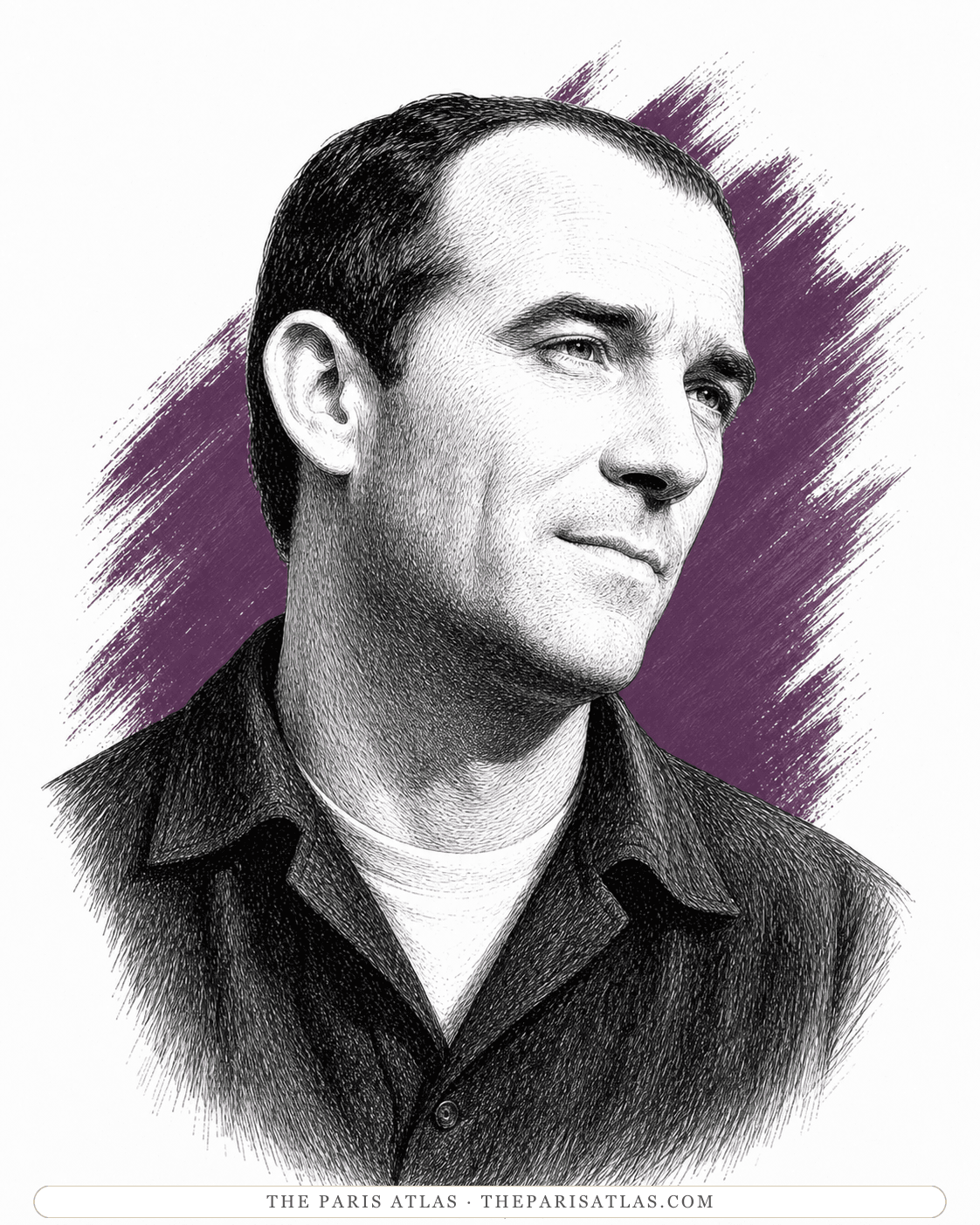
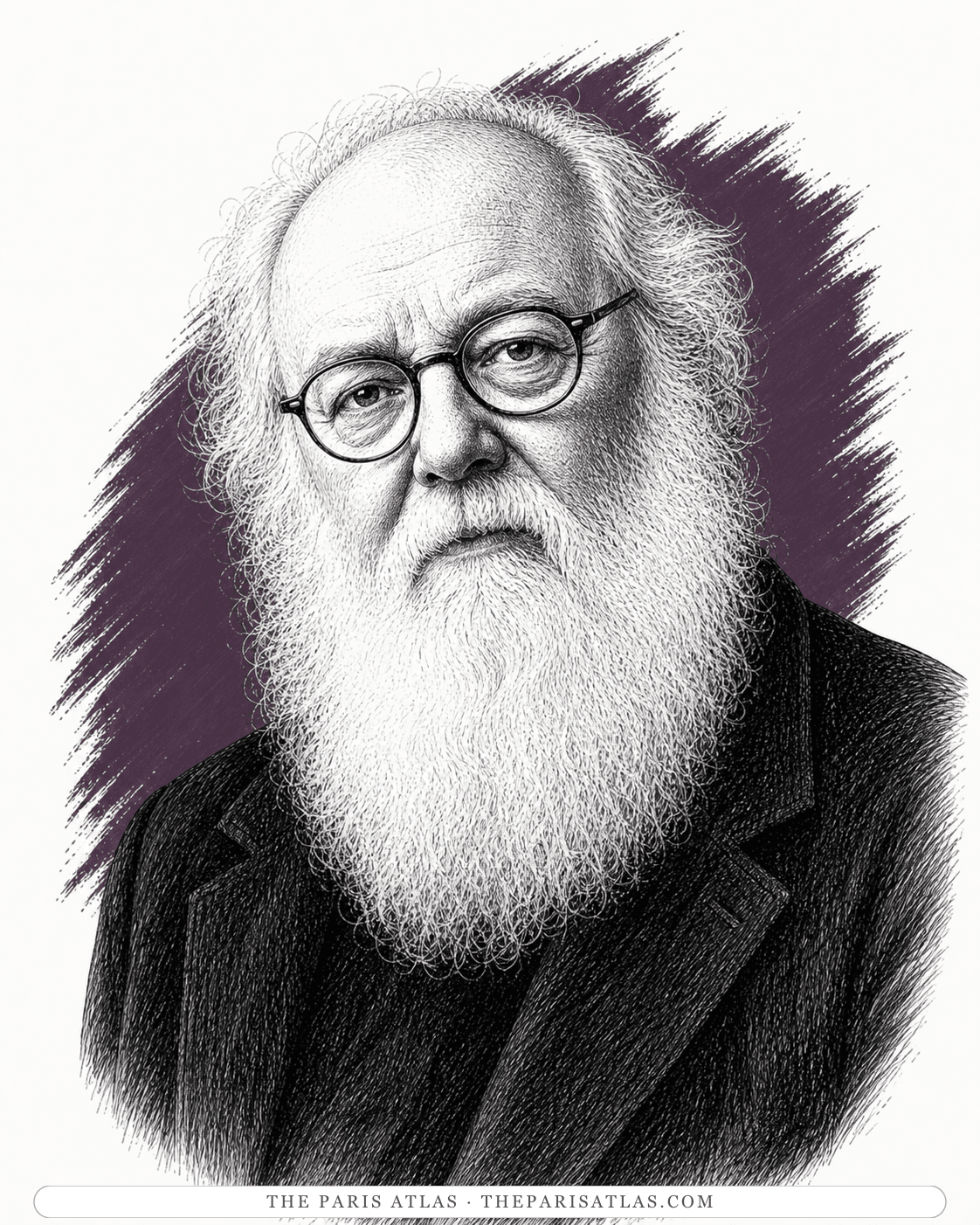
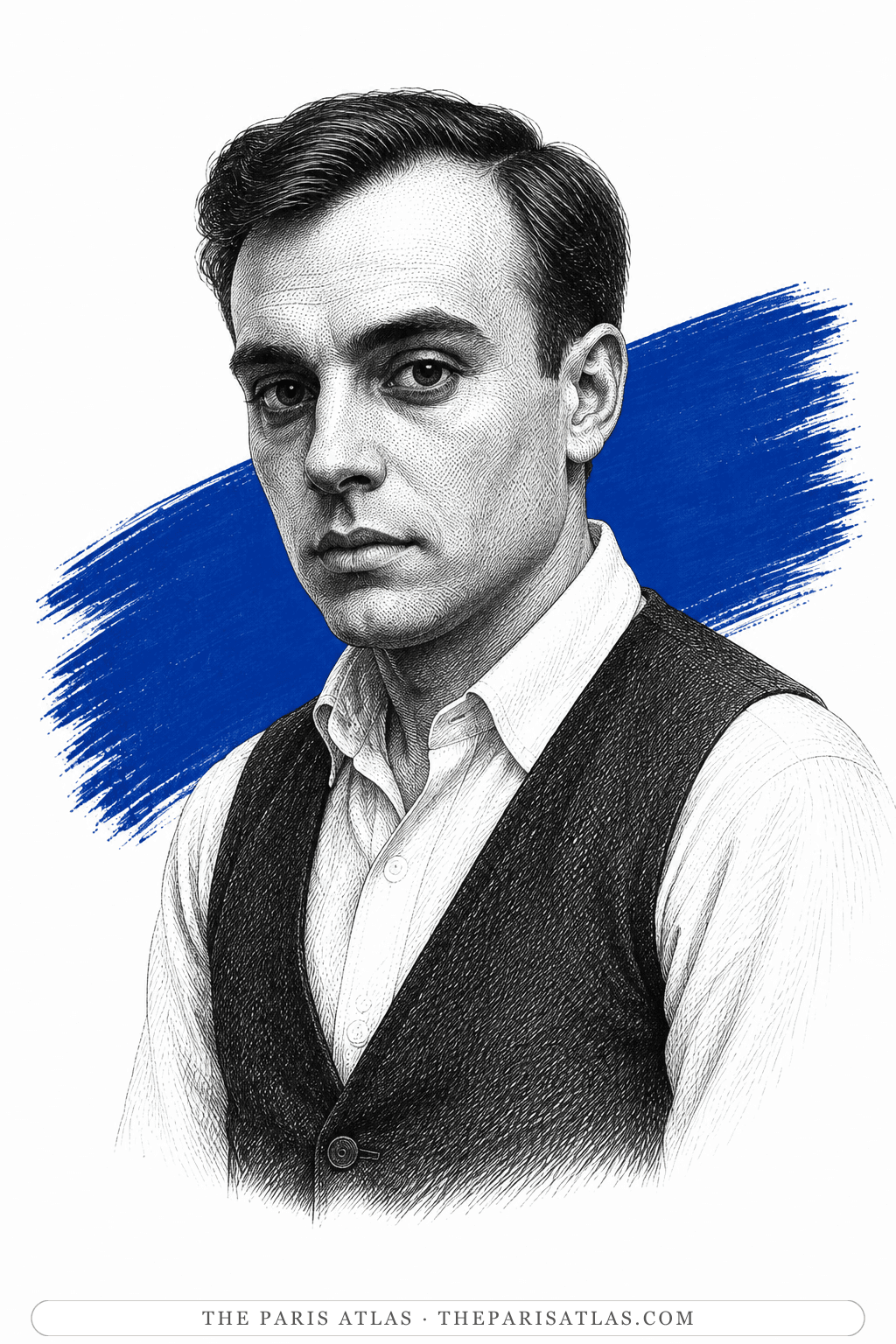
Arman and Jean Tinguely both signed the founding declaration of Nouveau Réalisme in October 1960 and showed together in the group's exhibitions. Museum Tinguely in Basel mounted an Arman retrospective in 2011.
New Realism; Arman

Illustrated portrait of Pierre Restany

Pierre Restany

  • Critic

Collaborated with · 1960

Arman signed Pierre Restany's founding declaration of Nouveau Réalisme in Paris in October 1960 and remained one of the group's central artists throughout its exhibitions.

New Realism

Illustrated portrait of Yves Klein

Yves Klein

  • Painter
  • Sculptor

Collaborated with · 1947–1962

Klein and Arman were childhood friends in Nice and later became fellow signatories of Pierre Restany's founding declaration of New Realism.

New Realism

Arman’s Places

The cataloged places connected to Arman — through the books, and through the documented record.

Places you can enter today appear first, followed by addresses to see from outside and sites that have vanished.

Questions about Arman

Who was Arman?

Arman (1928–2005) was a French-American sculptor and painter, born Armand Pierre Fernandez in Nice. He is known for his accumulations, quantities of identical everyday objects presented as artworks, and he was a founding signatory of Nouveau Réalisme in Paris in October 1960. He worked between Nice, Paris and New York, and became a United States citizen in 1973.

What are Arman's accumulations?

Collections of identical manufactured objects — watches, tools, car parts, musical instruments — gathered in quantity and fixed in transparent polyester or Plexiglas cases, or welded, or cast in bronze. The artwork is the mass of objects rather than any single one. Arman began them in the late 1950s and made welded versions from 1962.

How did Arman die?

Arman died of cancer on 22 October 2005, at his home in Manhattan. He was seventy-six and had worked into his final years; his last retrospectives had run in Tehran and New York in 2003. Part of his ashes was later interred at Père-Lachaise Cemetery in Paris.

Why is Arman buried in Paris if he died in New York?

Arman died in New York on 22 October 2005, and part of his ashes was brought to Paris and interred at Père-Lachaise Cemetery on 17 November 2008. The grave is in division 11, and its monument carries a bronze cello.

What is the Arman sculpture outside Gare Saint-Lazare?

L'Heure de tous, an accumulation of bronze clocks stacked into a column, commissioned by the French state and installed in the station's cour du Havre in 1985. A second Arman work, Consigne à vie, stands in the cour de Rome on the other side of the station.

Was Arman French or American?

Both. He was born French in Nice in 1928, took United States citizenship on 31 January 1973 under the legal name Armand Pierre Arman, and kept homes and studios in both countries. Museum records list him with dual French and American nationality.

Why is he called Arman and not Armand?

A printer's slip is the usual explanation: the final d of Armand was dropped by mistake from an exhibition announcement, and he decided the mistake suited him. He was already signing with his first name alone in homage to Vincent van Gogh, and from 1957 the shortened Arman became his permanent public name. His legal American name from 1973 remained Armand Pierre Arman.

Sourced claims

Every connection the graph holds for Arman, with the evidence behind it.

Buried at · 2008

Père-Lachaise Cemetery

Arman died in New York on 22 October 2005. Part of his ashes was interred in division 11 on 17 November 2008, the day he would have turned eighty. The monument carries a bronze cello, and a plaque reads "Enfin seul !" — "Finally alone!"

ARMAN, Armand Pierre Fernandez dit (1928-2005) — Amis et Passionnés du Père-Lachaise

Collaborated with · 1960

Jean Tinguely

Arman and Jean Tinguely both signed the founding declaration of Nouveau Réalisme in October 1960 and showed together in the group's exhibitions. Museum Tinguely in Basel mounted an Arman retrospective in 2011.
New Realism; Arman

Collaborated with · 1960

Pierre Restany

Arman signed Pierre Restany's founding declaration of Nouveau Réalisme in Paris in October 1960 and remained one of the group's central artists throughout its exhibitions.

New Realism

Collaborated with · 1947–1962

Yves Klein

Klein and Arman were childhood friends in Nice and later became fellow signatories of Pierre Restany's founding declaration of New Realism.

New Realism

References

References

The sources below include biographies, scholarly essays, interviews, and primary materials that informed this page. They reflect both the historical record and ongoing critical conversations about Arman and their work.

  1. 1Arman

    Website
    Wikipedia
    Used for

    Reference article cross-checked for the dates, the family, the series, the New York chronology and the exhibition record.

    View source
  2. 2ARMAN, Armand Pierre Fernandez dit (1928-2005) — Amis et Passionnés du Père-Lachaise

    Website
    Used for

    The Père-Lachaise association's page for the grave: division 11, the 2008 interment, the cello monument, the plaque and the misdated stone.

    View source
  3. 3Arman — Union List of Artist Names (ULAN)

    Website
    Getty Research Institute
    Used for

    Getty authority record confirming the birth and death dates and places, the dual nationality and the roles.

    View source
  4. 4New Realism

    Website
    Centre Pompidou
    Used for

    Centre Pompidou teaching dossier on New Realism: the founding, the signatories and the group's programme.

    View source
  1. 5Arman

    Exhibition catalogue
    Centre Pompidou, 2010
    Used for

    Catalogue of the posthumous Centre Pompidou retrospective, October 2010.

  2. 6Arman, 76, Found-Object Sculptor, Dies

    Periodical
    The New York Times, 2005
    Used for

    The obituary of 24 October 2005, confirming the death at his Manhattan home and the cause, cancer.

  3. 7Arman (French reference article)

    Website
    Wikipédia
    Used for

    French reference article, used for the state honors and their dates.

    View source
i
Why these sources are here

These references anchor the page in the documented record and in the scholarly conversations around Arman. Every claim on this page traces back to one or more of the works listed here.

Explore more resources