The Paris AtlasCharting the artists, works, and places worth returning to.
  • Art dealer
  • Collector
  • Publisher
· French · 1891–1934

Paul Guillaume

Paris dealer who backed Modigliani, Soutine, and de Chirico early, championed African sculpture as art, and assembled the collection that became the museum beneath the Orangerie's Water Lilies rooms.

In images

Details

Lived
1891–1934
Born
1891
Birthplace
Paris
Died
1934
Place of death
Paris
Nationality
French
Married
Domenica (Juliette Lacaze) · 1920–1934
Roles
Art dealerCollectorPublisher

About Paul Guillaume

Paul Guillaume was the dealer who backed Amedeo Modigliani, Chaïm Soutine, and Giorgio de Chirico before the market did, and one of the first in Paris to insist that African sculpture was art rather than curiosity. He came from a modest background, with no training and no capital; Guillaume Apollinaire noticed him in 1911 and steered him into the avant-garde.

He died suddenly in 1934, at forty-two, while planning to leave France what he called a first museum of modern French art. What survived of that plan — kept, culled, and reshaped by his widow, Domenica — is the Walter-Guillaume collection, shown since 1966 beneath Monet's Water Lilies at the Musée de l'Orangerie.

A garage in Montmartre

Guillaume was born in Paris on 28 November 1891 into a family with no connection to art. As a young man he worked in a Montmartre garage, and the story of his discovery begins there: African carvings, arrived in a shipment of rubber, which he put on display where he worked. The Orangerie's account is spare — in 1911, Guillaume Apollinaire 'came across this young aficionado,' introduced him to the artistic avant-garde, and guided his choices from then on. The two shared a conviction, still eccentric in Paris at the time, that the sculpture of Africa belonged in the same conversation as painting.

The other dealers of his generation came to the trade with money, training, or family stock. Guillaume had none of the three; what he had was speed, conviction, and Apollinaire's circle.

Rue de Miromesnil, 1914

In February 1914, aged twenty-two, he opened the Galerie Paul Guillaume at 6 rue de Miromesnil, near the Élysée Palace. The first roster reads implausibly well in hindsight: Larionov and Goncharova, André Derain, Kees van Dongen, Henri Matisse, and Pablo Picasso, with work by Modigliani and de Chirico also on view. In 1918 he staged a comparative Matisse–Picasso exhibition that remained famous, and in 1921 he expanded to 59 rue La Boétie, where African art and modern painting hung alternately or together.

Modigliani's 1915 portrait of his dealer, now in the Toledo Museum of Art. (Amedeo Modigliani (Toledo Museum of Art), via Wikimedia Commons · Public domain)

Modigliani came to him through the poet Max Jacob in 1914. Guillaume, then just starting out, rented the painter a studio in Montmartre and became his first significant dealer. Modigliani painted him four times in 1915 and 1916. The portrait now at the Orangerie carries inscriptions the museum reads plainly: PAUL GUILLAUME, NOVO PILOTA — the 'new helmsman' of modern painting — and Stella Maris, the guiding star.

Dealer and painter in Nice, 1918, during Modigliani's wartime stay on the Riviera. (Unknown photographer, via Wikimedia Commons · Public domain)

The gallery was never only a shop. It hosted recitals and readings — Satie and Auric among the composers, Cendrars and Apollinaire among the poets — and from 1918 Guillaume published his own review, Les Arts à Paris, a house organ for the artists he handled. France made him a chevalier of the Légion d'honneur in 1930.

African sculpture as art

The Metropolitan Museum's dealer index states the position plainly: Guillaume was among the first to champion African objects as works of art, and he organized exhibitions, lent internationally from his own collection, and published frequently on the subject. The thread ran from the garage display of 1911 to the rue La Boétie hangings of the 1920s.

The African collection did not survive him. After his death Domenica parted with all of it, along with more than two hundred paintings, as she steered the ensemble toward Renoir and Cézanne. The Orangerie's lower rooms hold no trace of the material Guillaume himself might have considered his most original cause.

Barnes

In 1922 the Philadelphia collector Albert C. Barnes took him on as adviser and dealer in Paris — Barnes liked to call him the Barnes Foundation's 'foreign secretary.' The relationship moved paintings on a new scale: in 1922, steered by Guillaume, Barnes bought 52 paintings by Chaïm Soutine, then nearly unsellable, for a combined 37,600 francs, and a buying trip in January 1923 stocked the Foundation's modern rooms. The Orangerie credits the Barnes connection with making Guillaume's fame and fortune.

The purchase changed Soutine's circumstances at a stroke, and it made Guillaume the main channel through which American money reached the École de Paris.

The museum he did not live to build

By the early 1930s Guillaume was seriously considering offering his collection to the French state, to found what the Orangerie records as 'the first French museum of modern art.' He died suddenly on 1 October 1934, at forty-two, before any of it was settled.

What happened next belongs as much to Domenica as to him. She married the architect Jean Walter in 1938, and over the following decades sold more than two hundred works — the de Chiricos entirely, the Cubist Picassos, portraits by Modigliani, the whole African collection — while buying toward the Impressionists. The state acquired the result in two stages, 47 paintings in 1959 and 99 more in 1963, and first showed it at the Orangerie in 1966, under the name Domenica set: the Jean Walter and Paul Guillaume collection. The permanent installation dates from 1984, after her death.

The collection as shown today runs to 148 works — 31 by Derain, 25 by Renoir, 22 by Soutine, 15 by Cézanne, a dozen Picassos, with Modigliani, Matisse, Rousseau, Utrillo, and Marie Laurencin among the rest. It is not the collection Guillaume assembled; it is the museum his idea became.

Life events

  1. 1891

    Born in Paris on 28 November, into a family of modest means.

    Paul Guillaume — Modern Art Index Project, Leonard A. Lauder Research Center

  2. 1911

    Apollinaire comes across the young garage worker and his display of African carvings, and begins introducing him to the avant-garde.

    History of the Collection — Musée de l'Orangerie

  3. 1914

    Opens the Galerie Paul Guillaume at 6 rue de Miromesnil in February; meets Modigliani through Max Jacob and rents him a Montmartre studio.

    Paul Guillaume — Modern Art Index Project, Leonard A. Lauder Research Center; Paul Guillaume, Novo Pilota — Musée de l'Orangerie

  4. 1915–1916

    Modigliani paints four portraits of his dealer, one inscribed Novo Pilota — 'new helmsman.'

    Amedeo Modigliani, Paul Guillaume, 1915 — one of four portraits the painter made of his first dealer. Toledo Museum of Art. (Amedeo Modigliani (Toledo Museum of Art), via Wikimedia Commons)

    Paul Guillaume, Novo Pilota — Musée de l'Orangerie

  5. 1918

    Stages the comparative Matisse–Picasso exhibition; founds his review, Les Arts à Paris. Photographed with Modigliani in Nice.

    Paul Guillaume and Amedeo Modigliani in Nice, 1918, during the painter's wartime stay on the Riviera. Photographer unknown. (Unknown photographer, via Wikimedia Commons)

    History of the Collection — Musée de l'Orangerie

  6. 1920

    Marries Juliette Lacaze, whom he nicknames Domenica.

    History of the Collection — Musée de l'Orangerie

  7. 1921

    Expands to 59 rue La Boétie, hanging African art and modern painting alternately or together.

    History of the Collection — Musée de l'Orangerie; Paul Guillaume — Modern Art Index Project, Leonard A. Lauder Research Center

  8. 1922–1923

    Becomes Albert Barnes's Paris adviser and dealer — his 'foreign secretary.' The 52-Soutine purchase and the January 1923 buying trip follow.

    How Philly Businessman Albert Barnes Changed the Life of 'Unsellable' Expressionist Artist Chaim Soutine; History of the Collection — Musée de l'Orangerie

  9. 1930

    Made a chevalier of the Légion d'honneur.

    History of the Collection — Musée de l'Orangerie

  10. 1934

    Dies suddenly in Paris on 1 October, at forty-two, while considering the gift of his collection to found a museum of modern French art.

    History of the Collection — Musée de l'Orangerie; Paul Guillaume — Modern Art Index Project, Leonard A. Lauder Research Center

  11. 1959–1963

    The French state acquires the reshaped collection from Domenica in two stages: 47 paintings, then 99.

    History of the Collection — Musée de l'Orangerie

  12. 1966

    The Jean Walter and Paul Guillaume collection goes on view at the Orangerie, inaugurated by André Malraux; the permanent installation follows in 1984.

    History of the Collection — Musée de l'Orangerie

In art

Works in our catalog with Paul as their subject.

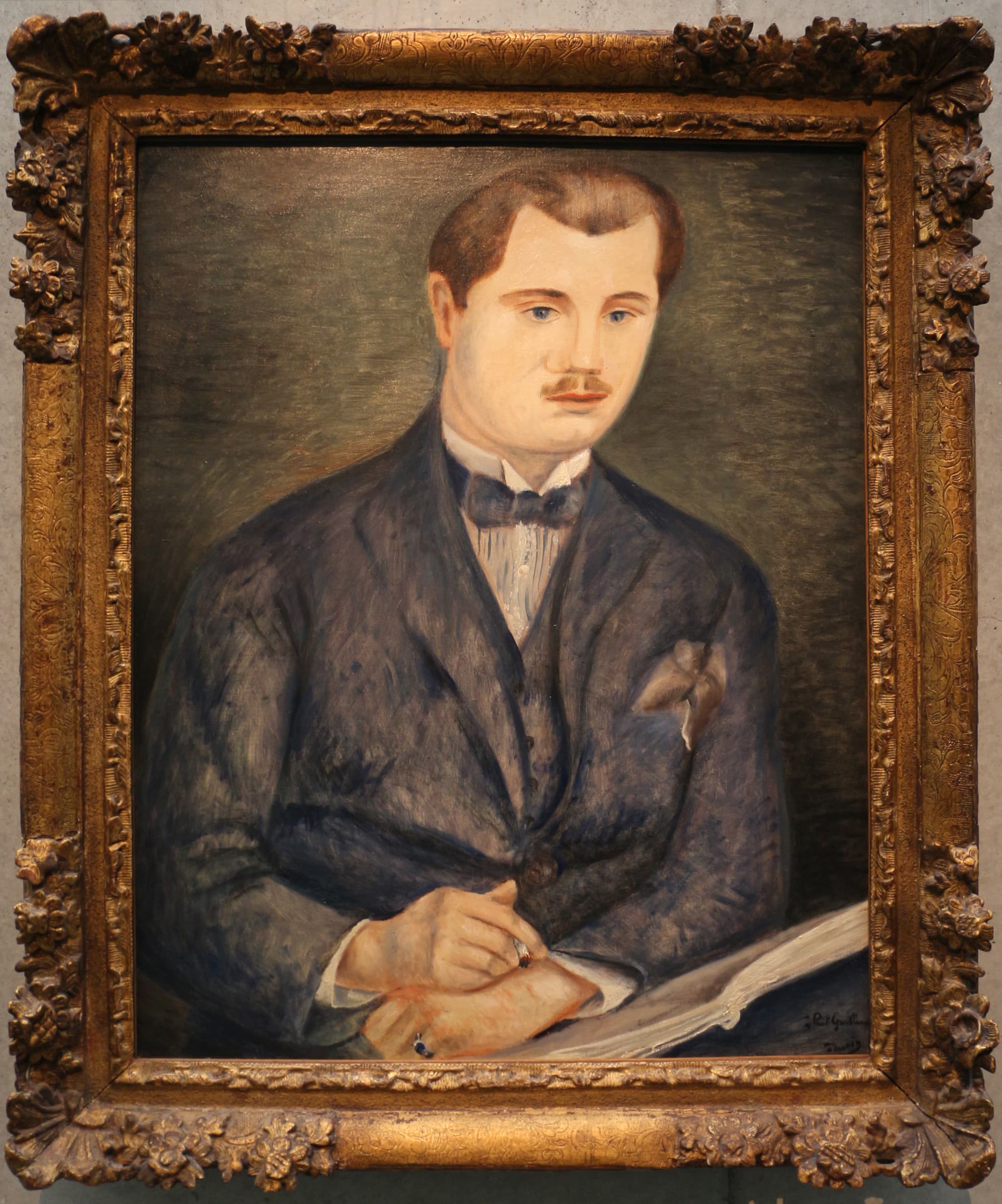
Framed portrait of Paul Guillaume in three-quarter view, blue suit and bow tie, cigarette in his left hand, leaning on an open book against a blue-green ground

Artwork reproduction

Painting · The dealer portraits

Portrait de Paul Guillaume

André Derain · 1919 · Oil on canvas

Derain's 1919 portrait of his dealer Paul Guillaume — elegant, detached, dressed in his favorite blue — painted by the artist whose 31 canvases now form the largest group in the Orangerie's collection.
Musée de l'Orangerie, Paris

André Derain, Portrait de Paul Guillaume, 1919. Musée de l'Orangerie, Paris.

People they knew

Documented connections — every one carries its source.

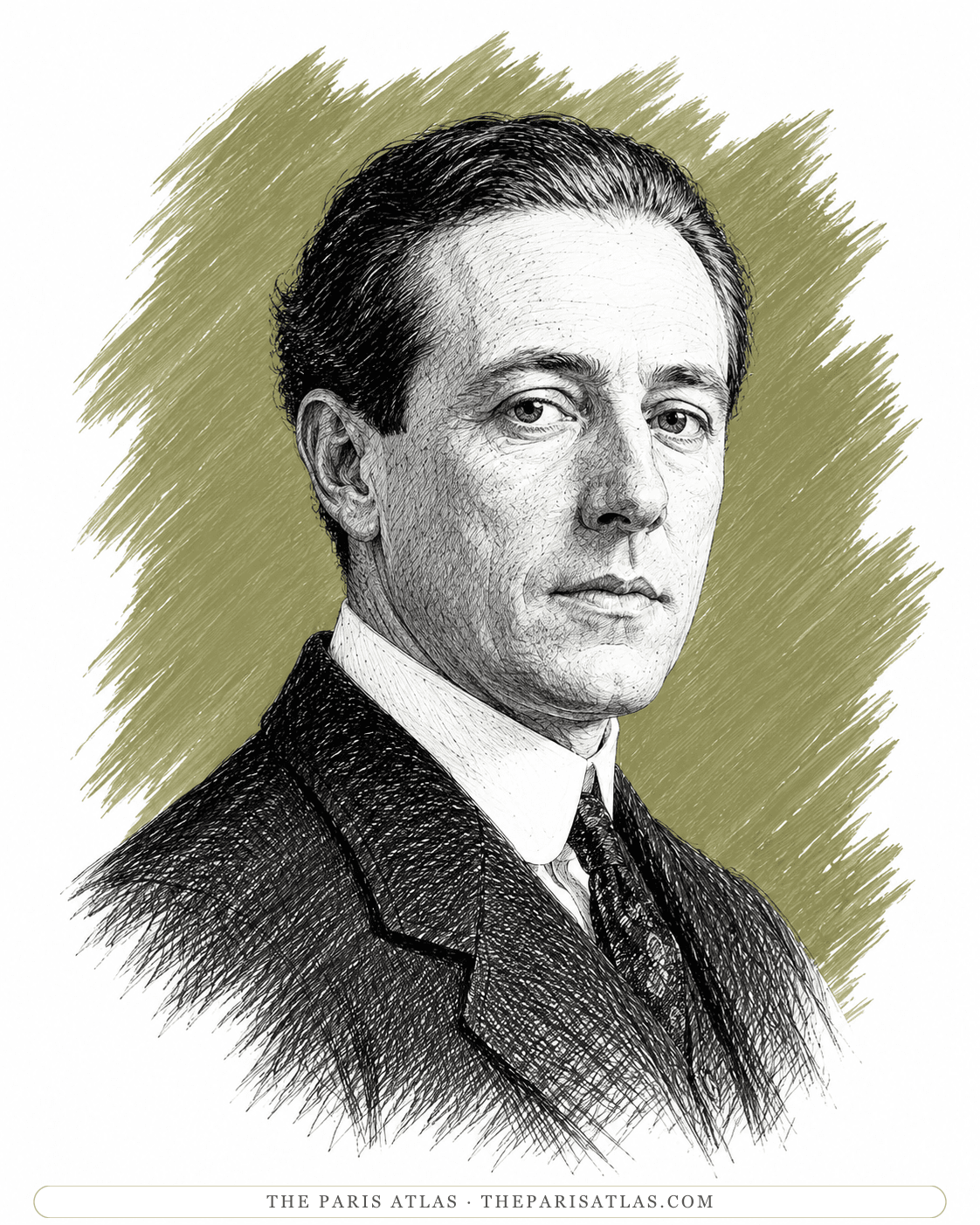
Illustrated portrait of Albert C. Barnes

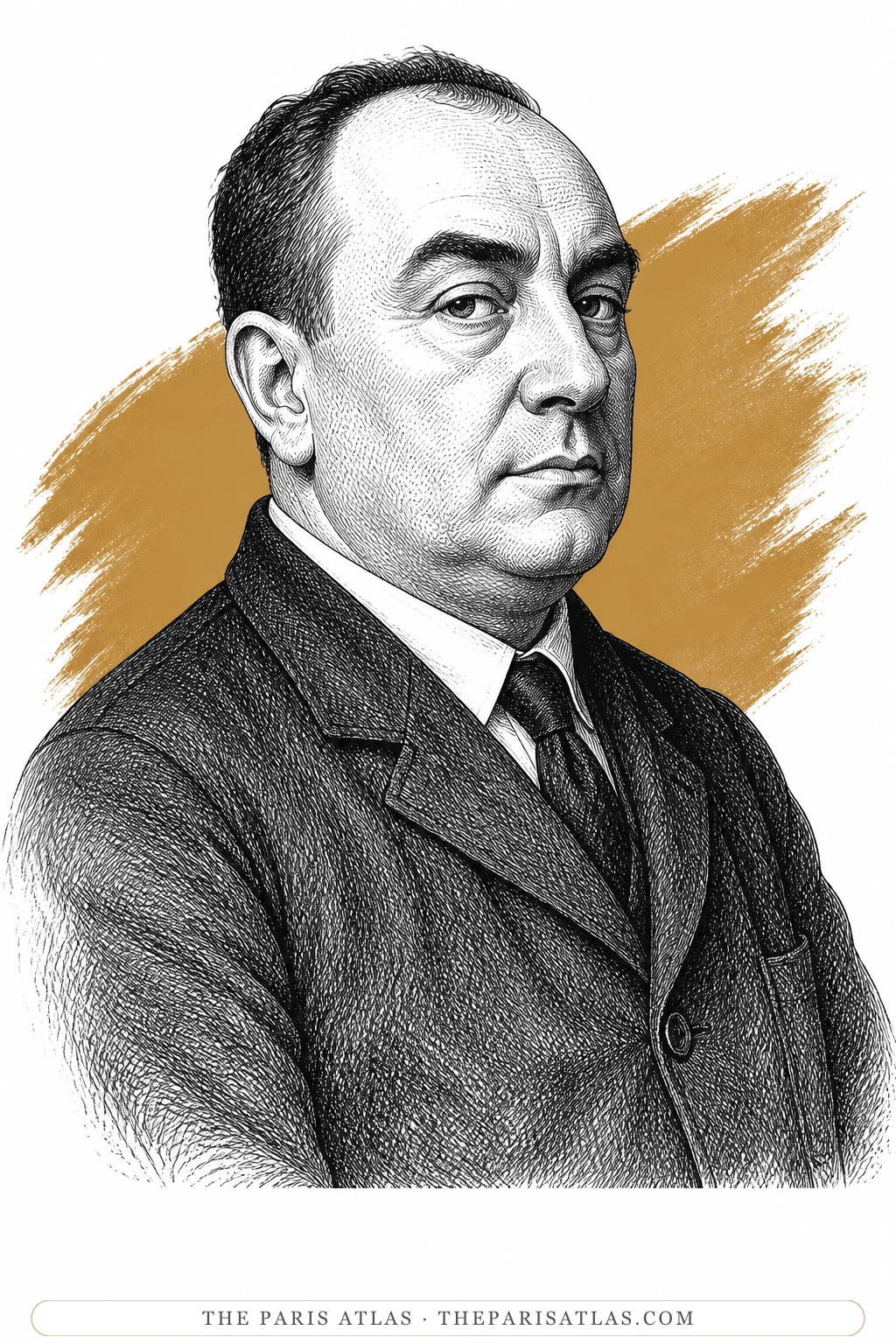
Albert C. Barnes

  • Collector

Collaborated with · 1922–1934

Adviser and dealer to Barnes from 1922 — the collector styled him the Barnes Foundation's 'foreign secretary.' The 1922 purchase of 52 Soutine paintings, steered by Guillaume, and the January 1923 Paris buying trip built the Foundation's modern core; the Orangerie credits the relationship with Guillaume's fame and fortune.

How Philly Businessman Albert Barnes Changed the Life of 'Unsellable' Expressionist Artist Chaim Soutine; History of the Collection — Musée de l'Orangerie; Paul Guillaume — Modern Art Index Project, Leonard A. Lauder Research Center

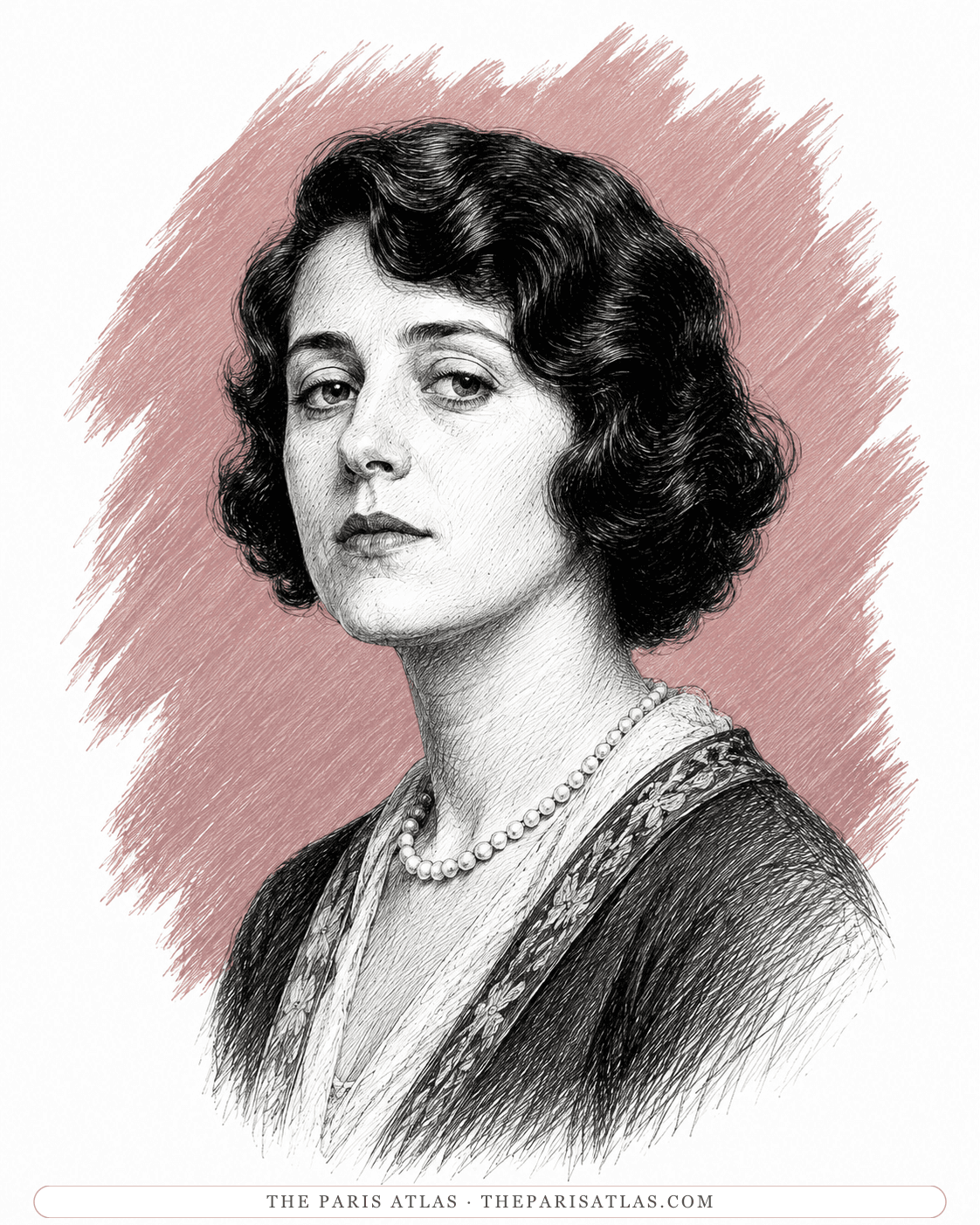
Illustrated portrait of Domenica Walter

Domenica Walter

  • Collector

Married to · 1920–1934

He married Juliette Lacaze in 1920 and gave her the name she kept, Domenica. After his death she married the architect Jean Walter in 1938 and reshaped the collection into the Walter-Guillaume ensemble.

History of the Collection — Musée de l'Orangerie

Illustrated portrait of Amedeo Modigliani

Amedeo Modigliani

  • Painter
  • Sculptor

Patron of · 1914

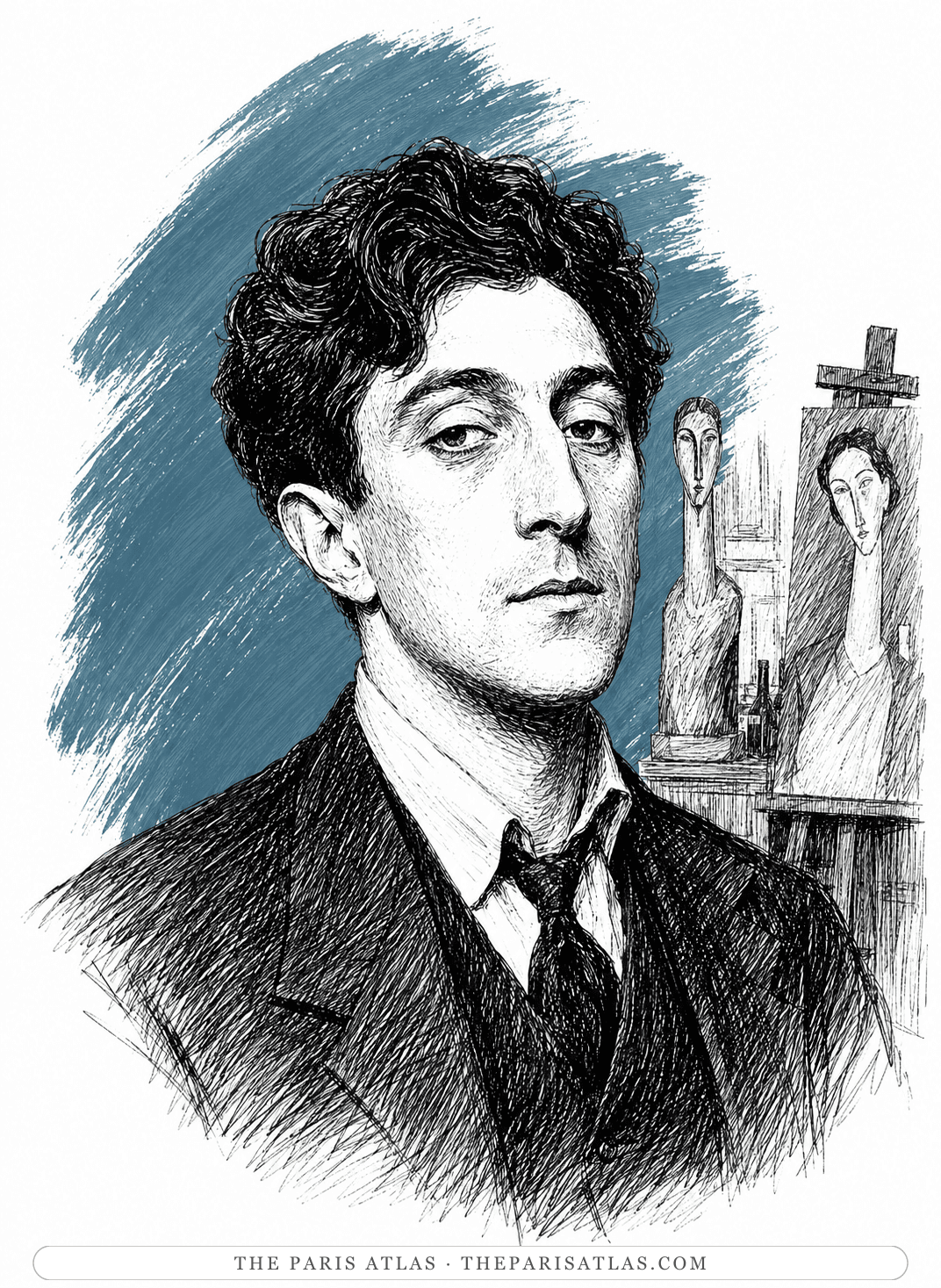
They met through Max Jacob in 1914, and Guillaume — then just starting out — rented Modigliani a studio in Montmartre and became his first significant dealer. Modigliani painted four portraits of him in 1915 and 1916, one inscribed Novo Pilota, 'new helmsman.'

Paul Guillaume, Novo Pilota — Musée de l'Orangerie; Paul Guillaume — Modern Art Index Project, Leonard A. Lauder Research Center

Illustrated portrait of Chaïm Soutine

Chaïm Soutine

  • Painter

Patron of

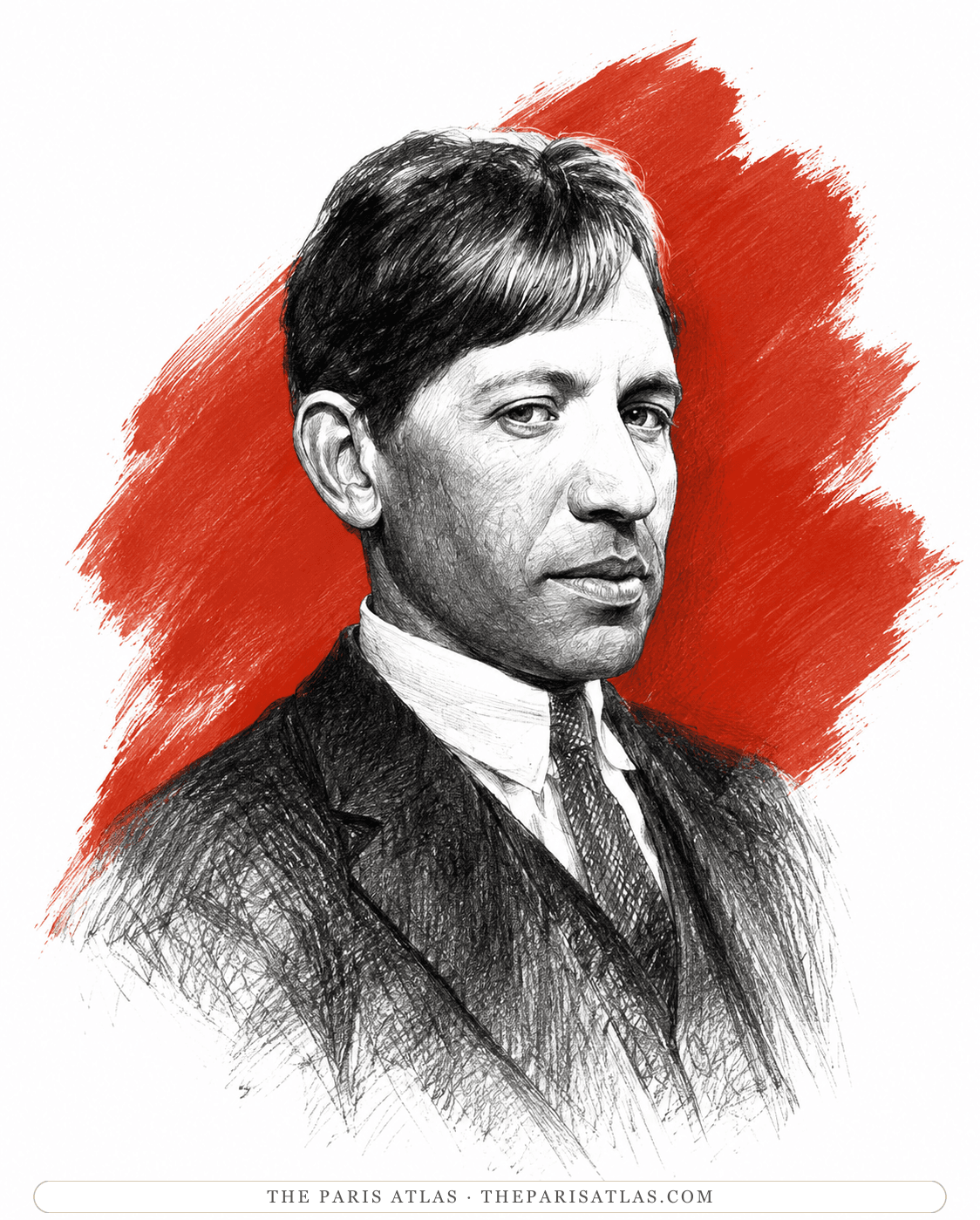
Guillaume championed Soutine early and praised him in print in Les Arts à Paris in 1923; through Guillaume, the museum records, Albert Barnes discovered the painter. The dealer's taste is why the Orangerie holds the largest collection of Soutine's paintings in Europe.

Chaïm Soutine — Musée de l'Orangerie; Le Petit Pâtissier — Musée de l'Orangerie

André Derain

  • Painter

Patron of · 1916

They met through Max Jacob on Apollinaire's advice, and from 1916 Guillaume gave Derain a solo show at the rue de Miromesnil gallery. The backing never stopped: Derain's 31 canvases are the largest group in the Walter-Guillaume collection, and his 1919 portrait of the dealer hangs among them.

Portrait de Paul Guillaume (André Derain) — Musée de l'Orangerie; Paul Guillaume — Modern Art Index Project, Leonard A. Lauder Research Center

Illustrated portrait of Guillaume Apollinaire

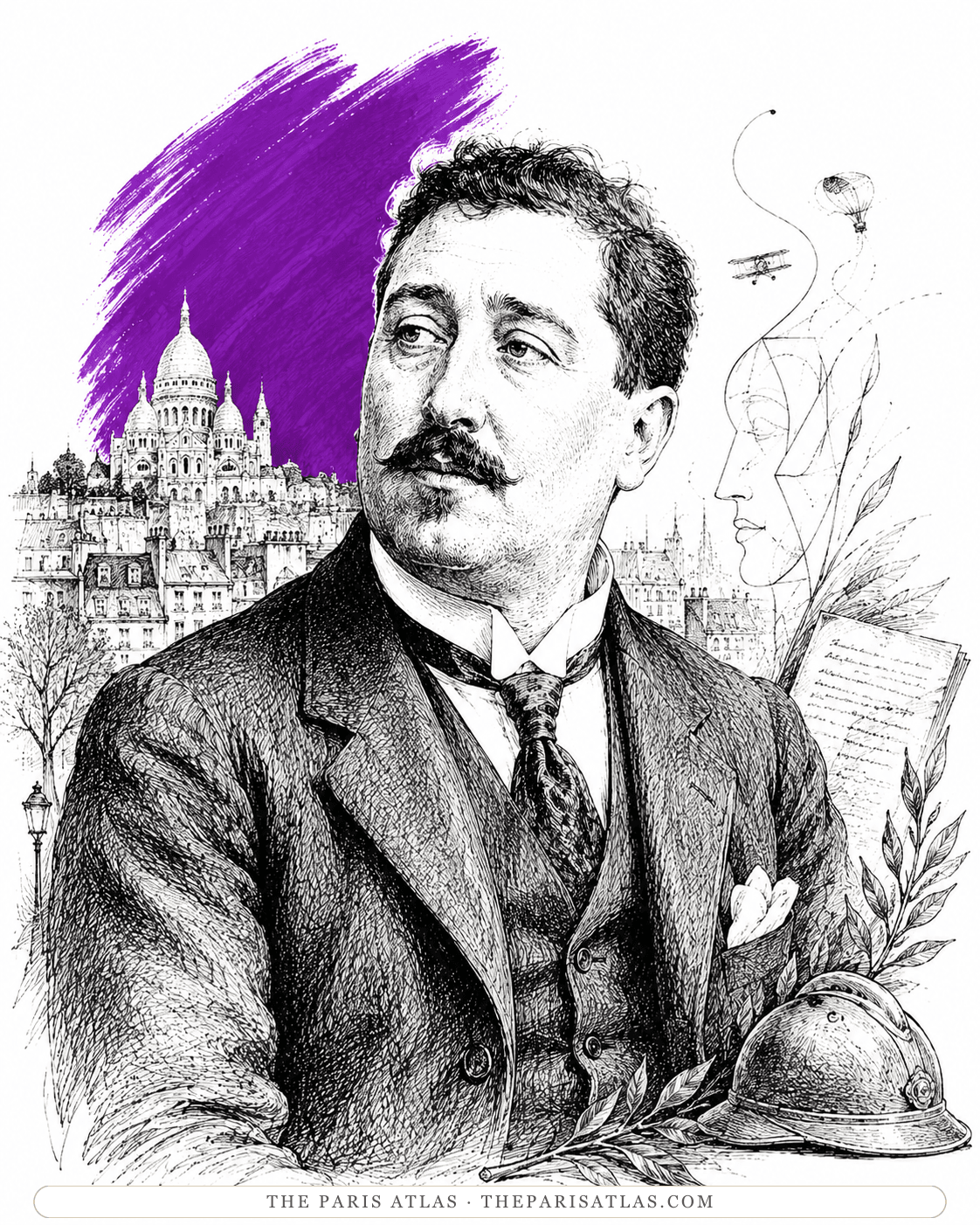
Guillaume Apollinaire

  • Poet
  • Critic

Mentored by · 1911–1918

The Orangerie's account: Apollinaire came across the young African-art enthusiast in 1911, introduced him to the avant-garde, and guided his choices when he opened his first gallery in 1914.

History of the Collection — Musée de l'Orangerie; Paul Guillaume — Modern Art Index Project, Leonard A. Lauder Research Center

Organizations

Operated · 1914–1934

Galerie Paul Guillaume

Guillaume opened his first gallery at 6 rue de Miromesnil in February 1914, guided by Apollinaire, and later moved the dealership to 59 rue La Boétie. He ran it until his death in 1934; the stock and collection passed to Domenica.

History of the Collection — Musée de l'Orangerie; Paul Guillaume — Modern Art Index Project, Leonard A. Lauder Research Center

Questions about Paul Guillaume

Who was Paul Guillaume?

Paul Guillaume (1891–1934) was a Paris art dealer who rose from working in a Montmartre garage to representing Modigliani, Soutine, de Chirico, Derain, and Matisse, and to advising the American collector Albert C. Barnes. The collection he built became the Walter-Guillaume collection at the Musée de l'Orangerie.

How did Paul Guillaume become an art dealer?

Through Guillaume Apollinaire. The poet noticed him in 1911 — a young garage worker displaying African carvings that had arrived in a rubber shipment — introduced him to the avant-garde, and guided his choices when he opened his first gallery on the rue de Miromesnil in 1914.

What does Novo Pilota mean?

'New helmsman.' Modigliani inscribed the words on his 1915 portrait of Guillaume now at the Orangerie, casting the twenty-three-year-old dealer as the new pilot of modern painting, alongside the inscription Stella Maris, the guiding star.

What was Paul Guillaume's connection to the Barnes Foundation?

From 1922 he was Albert Barnes's adviser and dealer in Paris, styled the Foundation's 'foreign secretary.' He steered Barnes's 1922 purchase of 52 Soutine paintings and the January 1923 buying trip that stocked the Foundation's modern collection.

How did Paul Guillaume die?

He died suddenly in Paris on 1 October 1934, at forty-two. The Orangerie's account gives no cause; his death came while he was considering giving his collection to France as a museum of modern art.

Why is the Orangerie's collection called Walter-Guillaume?

It carries both of Domenica's husbands' names. She inherited Guillaume's collection in 1934, married the architect Jean Walter in 1938, reshaped the holdings substantially, and sold them to the state in 1959 and 1963.

What happened to Paul Guillaume's African art collection?

Domenica sold all of it after his death, along with more than two hundred paintings, as she moved the collection toward Renoir and Cézanne. The Orangerie's rooms today contain none of the African sculpture Guillaume championed.

Sourced claims

Every connection the graph holds for Paul, with the evidence behind it.

Collaborated with · 1922–1934

Albert C. Barnes

Adviser and dealer to Barnes from 1922 — the collector styled him the Barnes Foundation's 'foreign secretary.' The 1922 purchase of 52 Soutine paintings, steered by Guillaume, and the January 1923 Paris buying trip built the Foundation's modern core; the Orangerie credits the relationship with Guillaume's fame and fortune.

How Philly Businessman Albert Barnes Changed the Life of 'Unsellable' Expressionist Artist Chaim Soutine; History of the Collection — Musée de l'Orangerie; Paul Guillaume — Modern Art Index Project, Leonard A. Lauder Research Center

Married to · 1920–1934

Domenica Walter

He married Juliette Lacaze in 1920 and gave her the name she kept, Domenica. After his death she married the architect Jean Walter in 1938 and reshaped the collection into the Walter-Guillaume ensemble.

History of the Collection — Musée de l'Orangerie

Patron of · 1914

Amedeo Modigliani

They met through Max Jacob in 1914, and Guillaume — then just starting out — rented Modigliani a studio in Montmartre and became his first significant dealer. Modigliani painted four portraits of him in 1915 and 1916, one inscribed Novo Pilota, 'new helmsman.'

Paul Guillaume, Novo Pilota — Musée de l'Orangerie; Paul Guillaume — Modern Art Index Project, Leonard A. Lauder Research Center

Patron of

Chaïm Soutine

Guillaume championed Soutine early and praised him in print in Les Arts à Paris in 1923; through Guillaume, the museum records, Albert Barnes discovered the painter. The dealer's taste is why the Orangerie holds the largest collection of Soutine's paintings in Europe.

Chaïm Soutine — Musée de l'Orangerie; Le Petit Pâtissier — Musée de l'Orangerie

Patron of · 1916

André Derain

They met through Max Jacob on Apollinaire's advice, and from 1916 Guillaume gave Derain a solo show at the rue de Miromesnil gallery. The backing never stopped: Derain's 31 canvases are the largest group in the Walter-Guillaume collection, and his 1919 portrait of the dealer hangs among them.

Portrait de Paul Guillaume (André Derain) — Musée de l'Orangerie; Paul Guillaume — Modern Art Index Project, Leonard A. Lauder Research Center

Operated · 1914–1934

Galerie Paul Guillaume

Guillaume opened his first gallery at 6 rue de Miromesnil in February 1914, guided by Apollinaire, and later moved the dealership to 59 rue La Boétie. He ran it until his death in 1934; the stock and collection passed to Domenica.

History of the Collection — Musée de l'Orangerie; Paul Guillaume — Modern Art Index Project, Leonard A. Lauder Research Center

Mentored by · 1911–1918

Guillaume Apollinaire

The Orangerie's account: Apollinaire came across the young African-art enthusiast in 1911, introduced him to the avant-garde, and guided his choices when he opened his first gallery in 1914.

History of the Collection — Musée de l'Orangerie; Paul Guillaume — Modern Art Index Project, Leonard A. Lauder Research Center

Depicted in

Portrait de Paul Guillaume

The dealer in three-quarter view, in his favorite blue, leaning on an open book — inscribed 'Paul Guillaume' beside Derain's signature. The museum notes the likeness is not strong.

Portrait de Paul Guillaume (André Derain) — Musée de l'Orangerie