Djuna Barnes
Frequented by · 1925
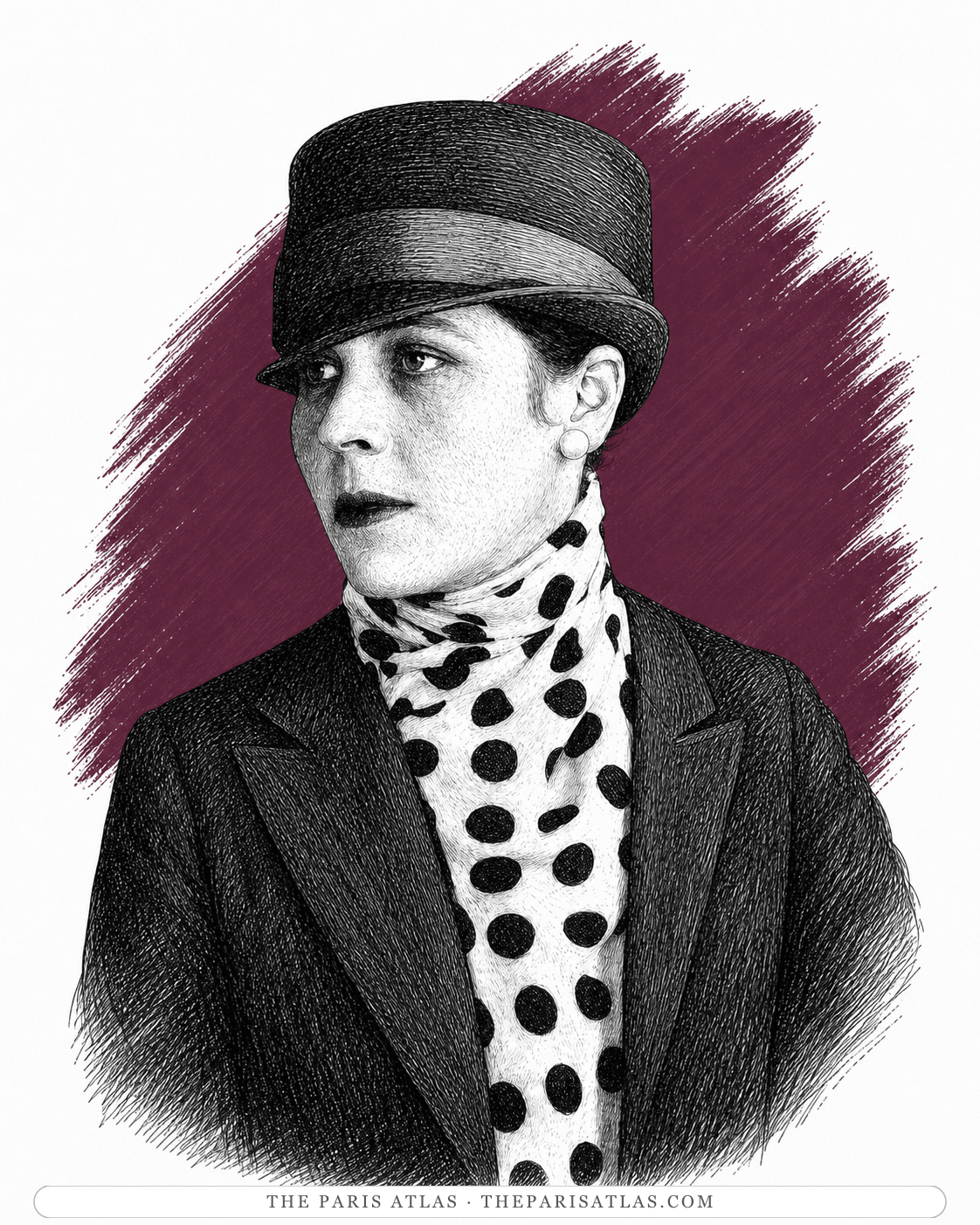
Berenice Abbott photographed Barnes in 1925 while working in Man Ray's studio at this address, which places Barnes in the building as a sitter. The Metropolitan Museum holds a print of the portrait.
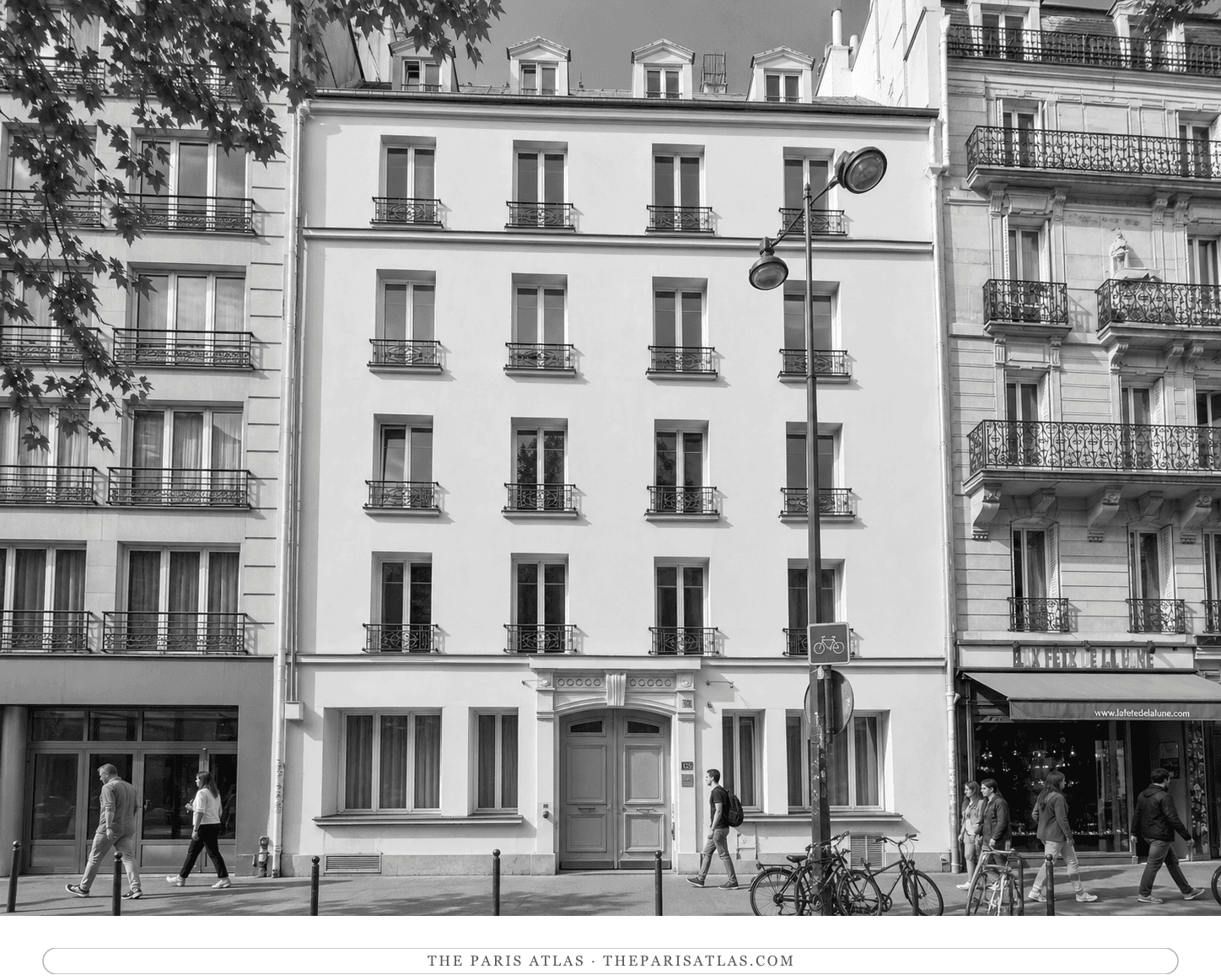
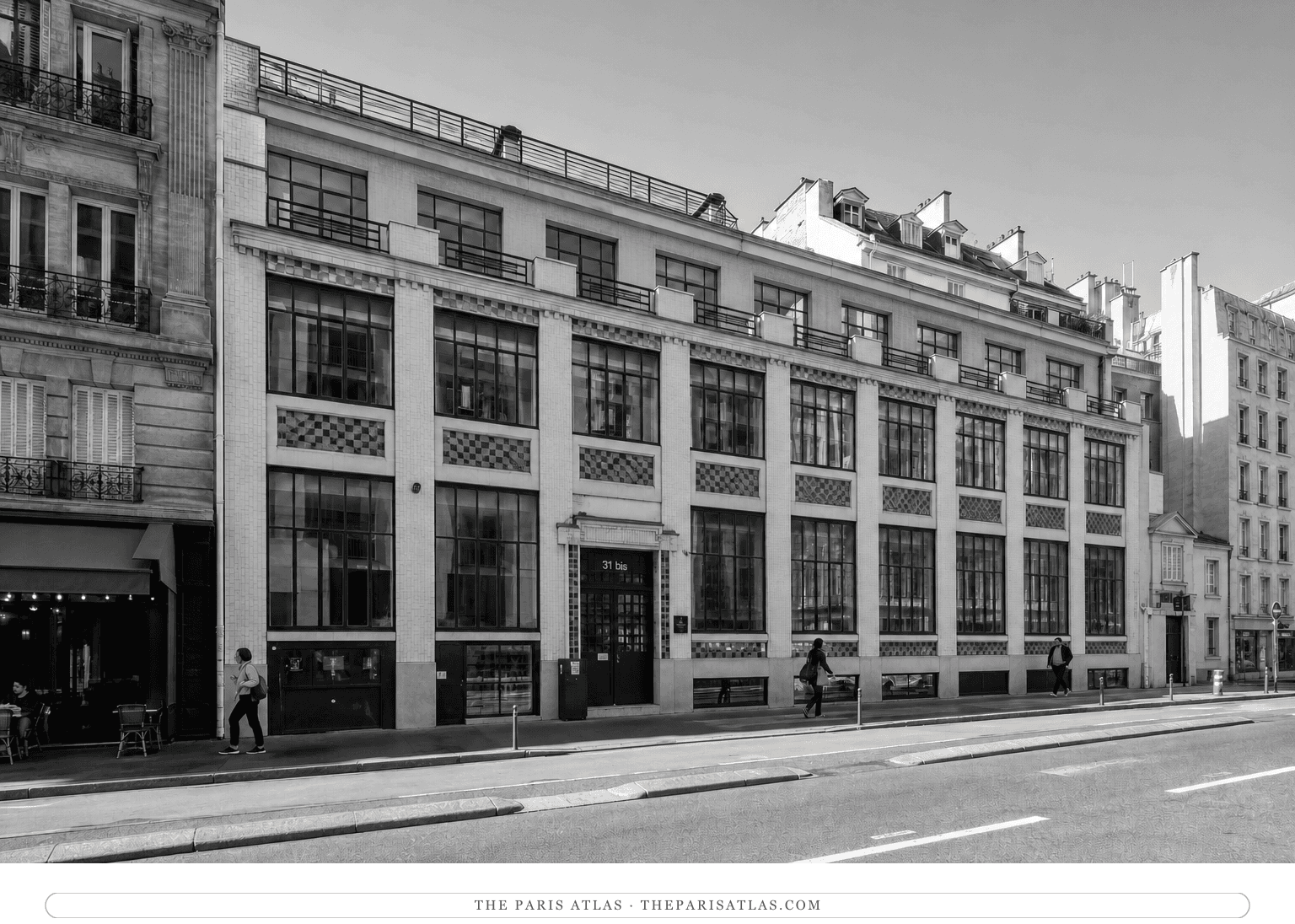
Man Ray's Montparnasse studio, where Berenice Abbott was working as his darkroom assistant in 1925 when she photographed Djuna Barnes.

Man Ray's Paris studio on the rue Campagne-Première is one of the addresses through which most of Montparnasse passed in the 1920s. He photographed nearly everyone, and the studio doubled as a workplace for assistants who went on to matter in their own right.
Berenice Abbott was one of them. She arrived in Paris as a sculptor, took a job in Man Ray's darkroom, discovered she was better at photography than he had bargained for, and set up on her own. In 1925, while working here, she photographed Djuna Barnes — one of the portraits by which Barnes is still recognised. The Metropolitan Museum holds a print.
Abbott's portraits of the expatriate circle are among the best visual records of that Paris. She later returned to New York and spent years documenting the changing city, but the working method started in this building.
The street is worth walking for its own sake: it was built up with purpose-designed artists' studios, and the buildings still show it. This one is private.
Berenice Abbott photographs Djuna Barnes while working in Man Ray's studio.
Berenice Abbott, while she was working as Man Ray's darkroom assistant at his studio on the rue Campagne-Première. The Metropolitan Museum holds a print of the portrait.
No — the building is private. The street itself, built for artists, is worth walking.
Frequented by · 1925
Berenice Abbott photographed Barnes in 1925 while working in Man Ray's studio at this address, which places Barnes in the building as a sitter. The Metropolitan Museum holds a print of the portrait.
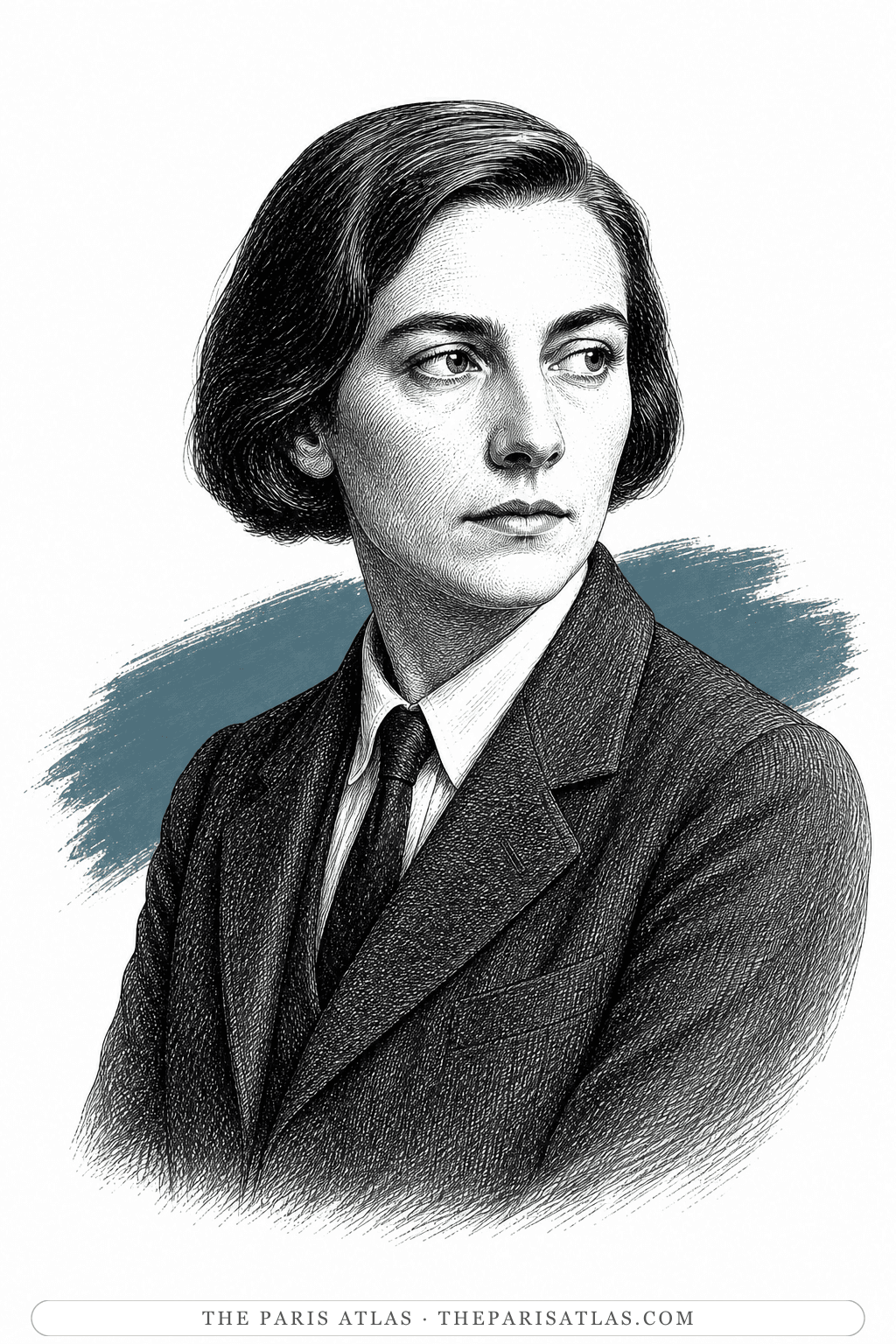
Man Ray hired Abbott as his darkroom assistant at the studio in 1923. He was impressed enough with her printing to let her use the place for her own sittings, and the portraits she made there, Djuna Barnes among them in 1925, began her career as a photographer.
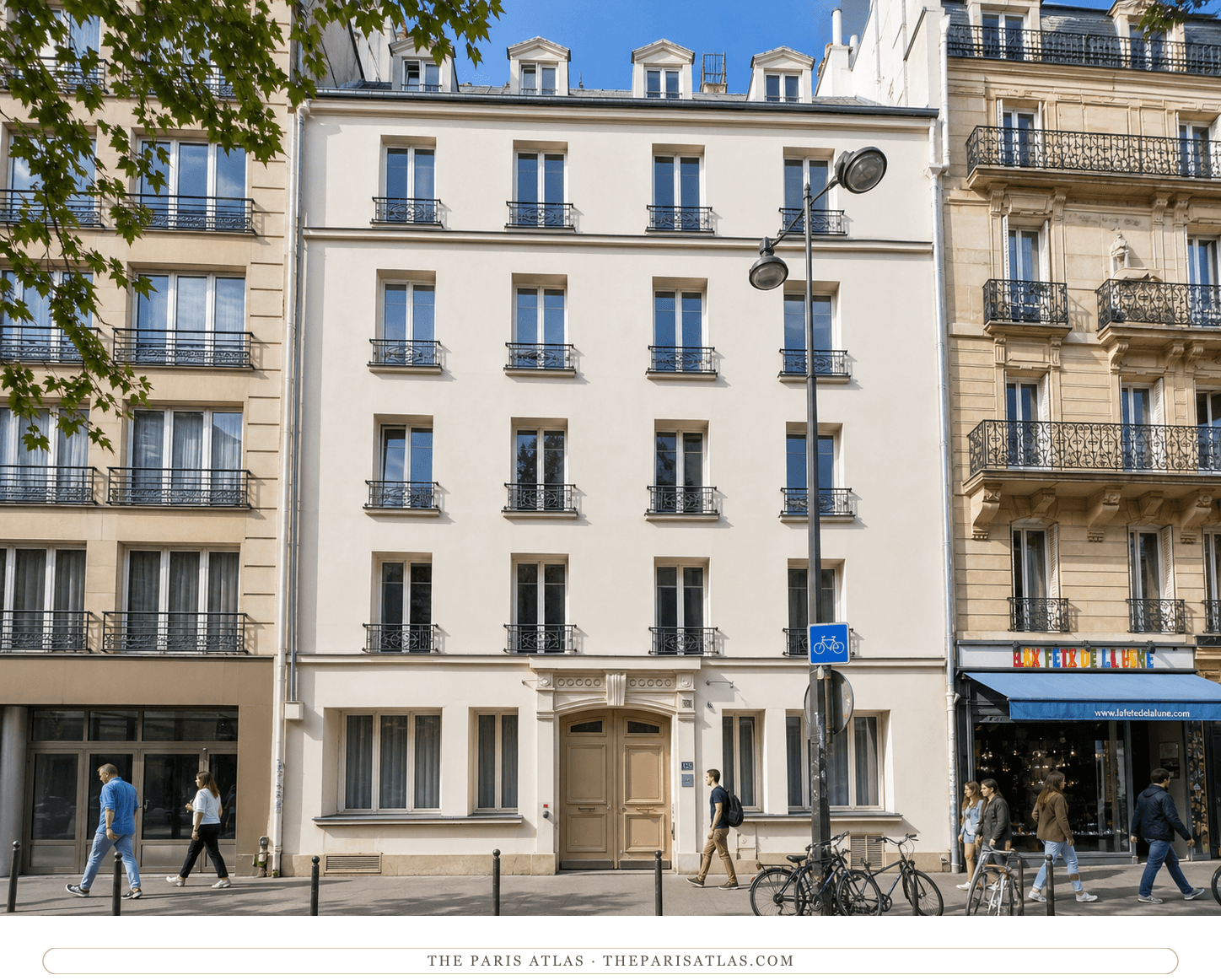
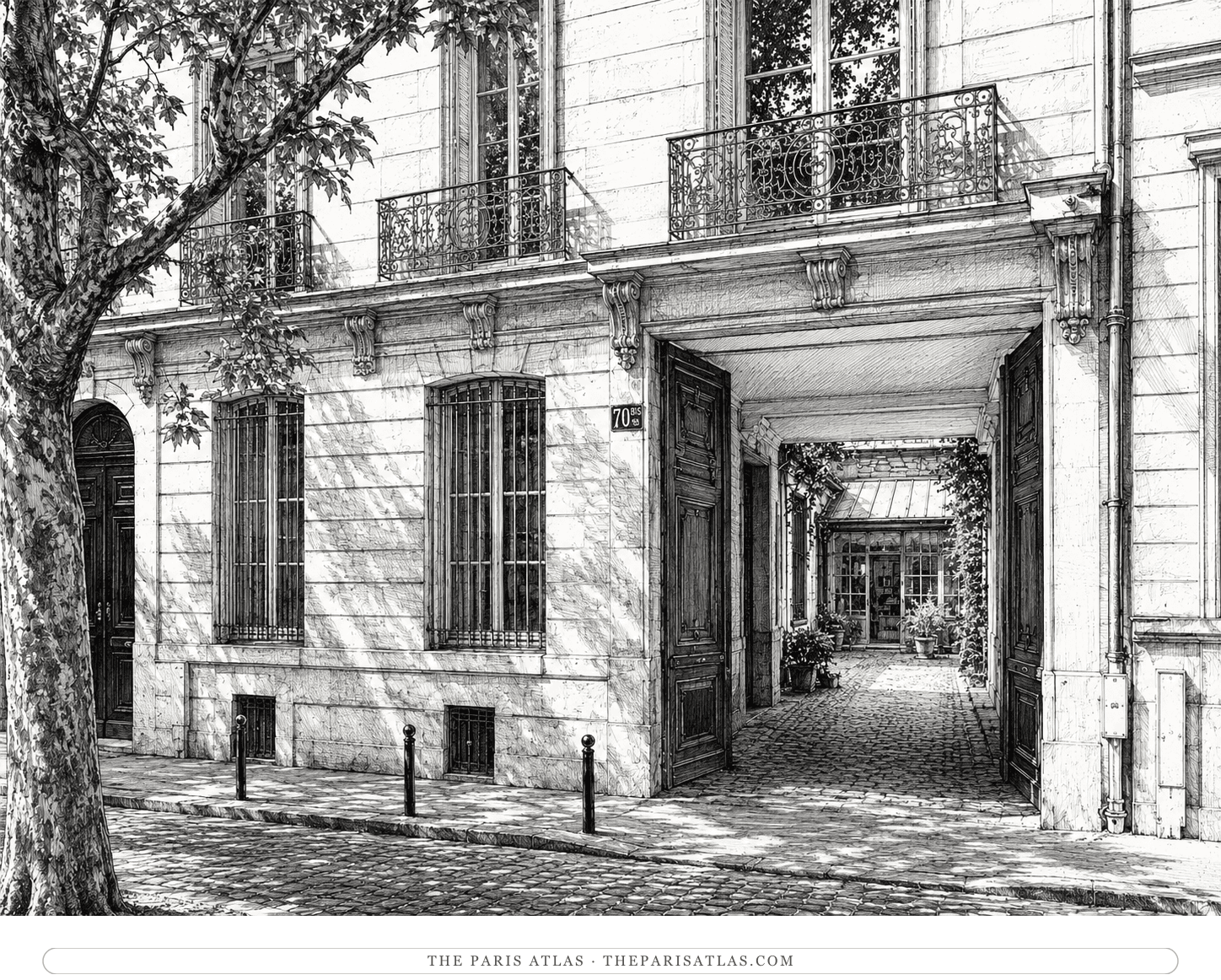
The former Hôtel des États-Unis, where Henry Miller lodged in the autumn of 1930 — the first months of the Paris decade that turned him into a writer. Now a student residence, in a building that predates his stay.
Visit the place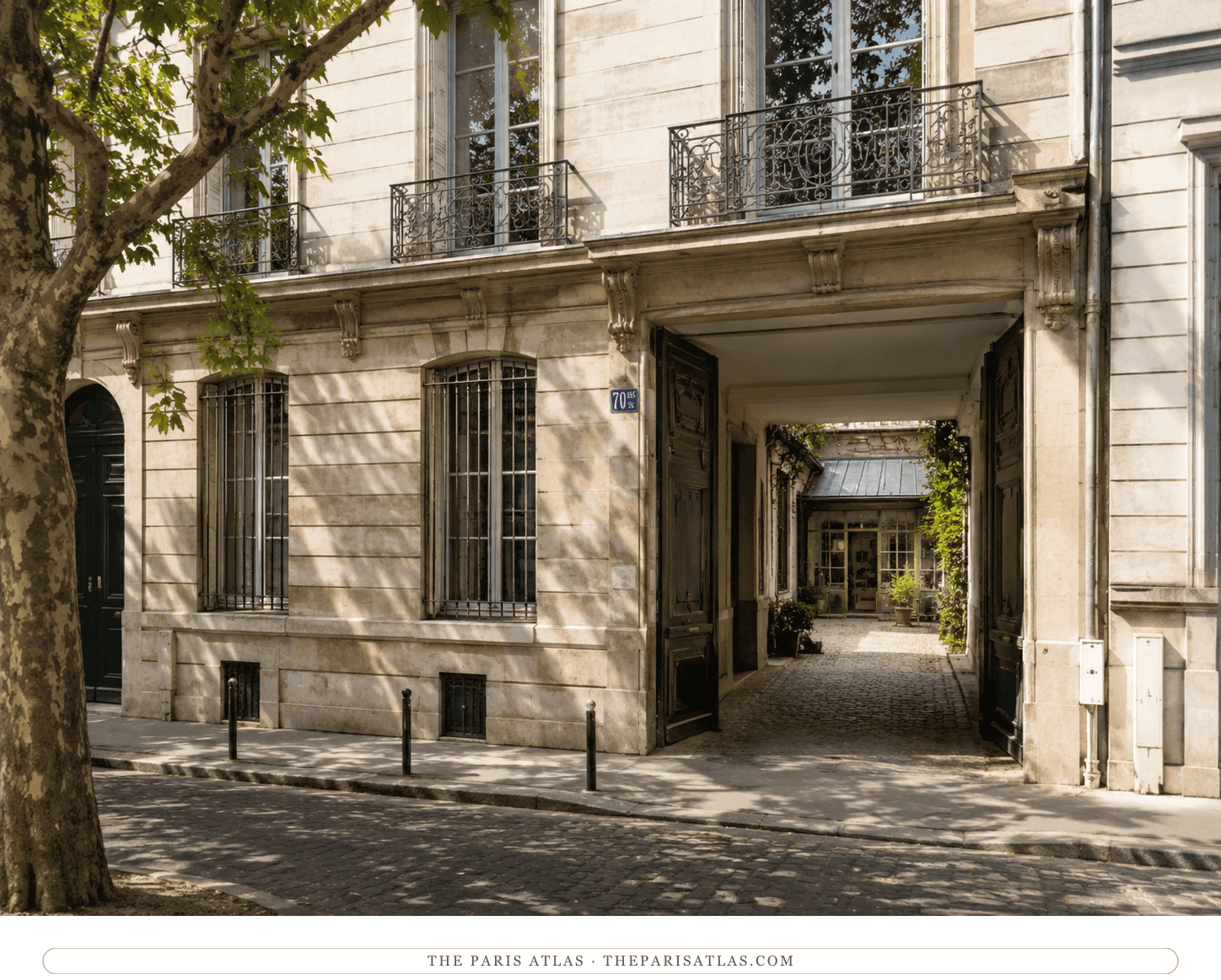
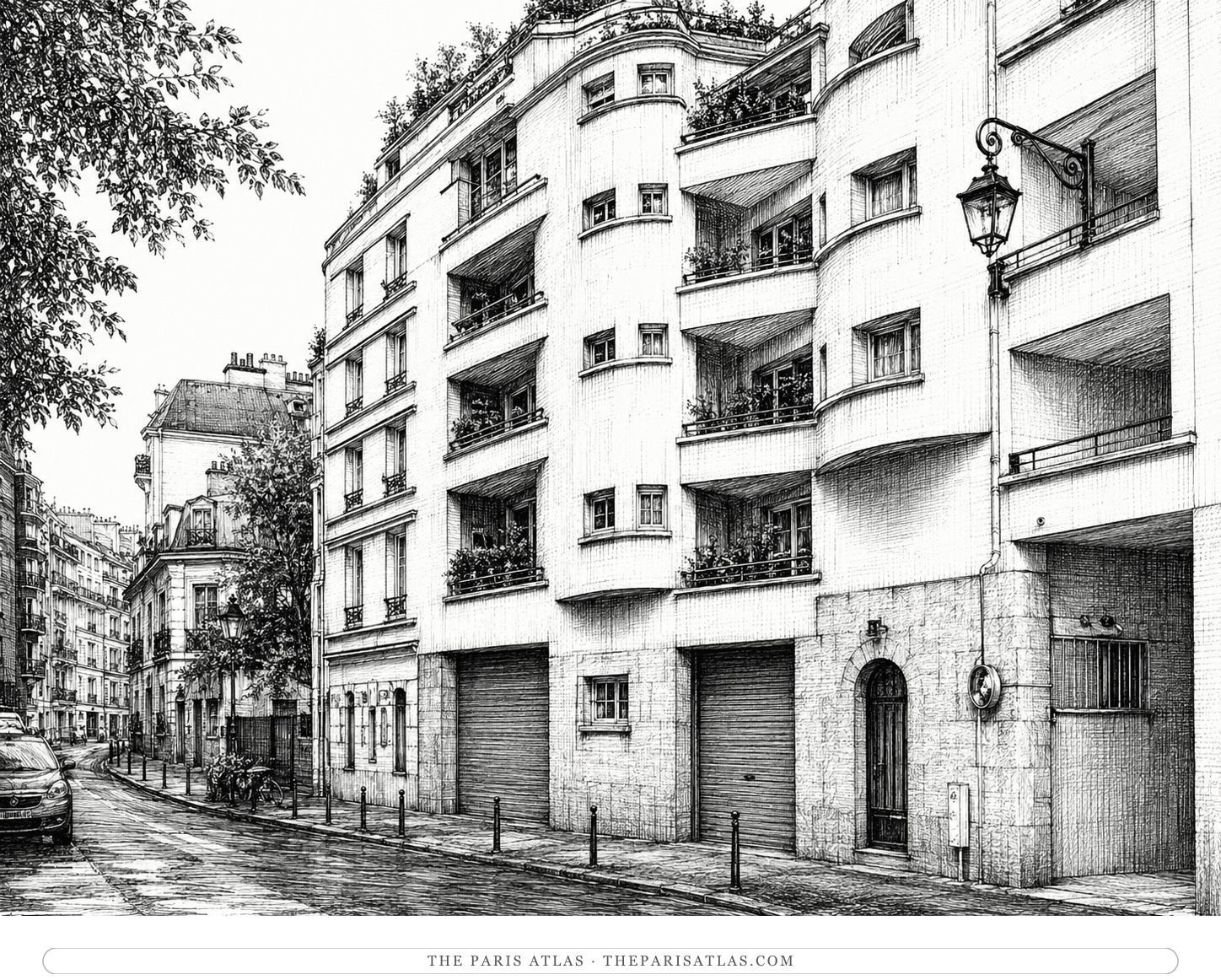
Ezra Pound's courtyard studio — the workshop of modernism's impresario during his Paris years, a few doors down the street from Ernest Hemingway's later flat above the sawmill.
Visit the place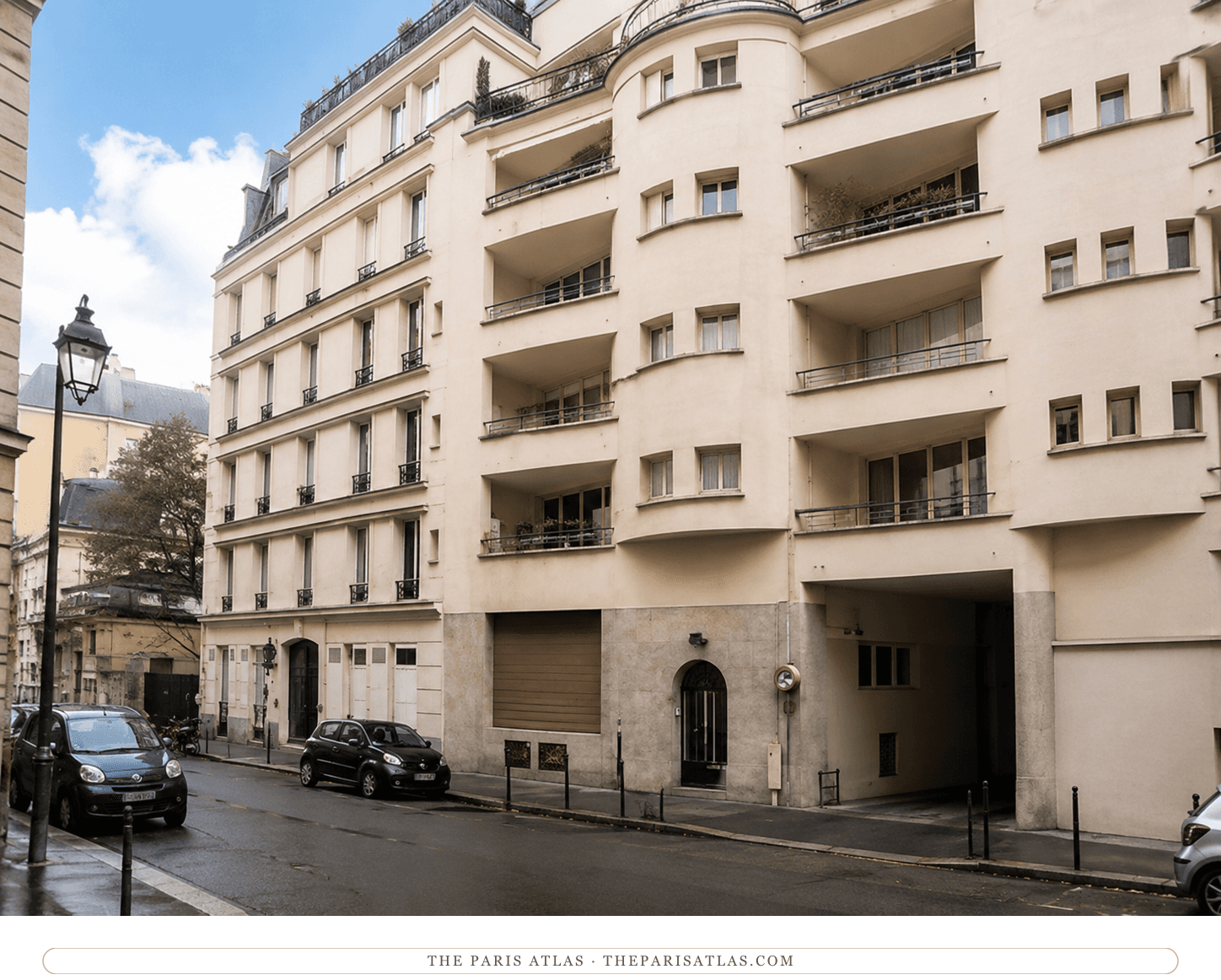
Ernest Hemingway's second flat, above a working sawmill — where the journalism stopped, The Sun Also Rises was finished, and the first marriage ended.
Visit the place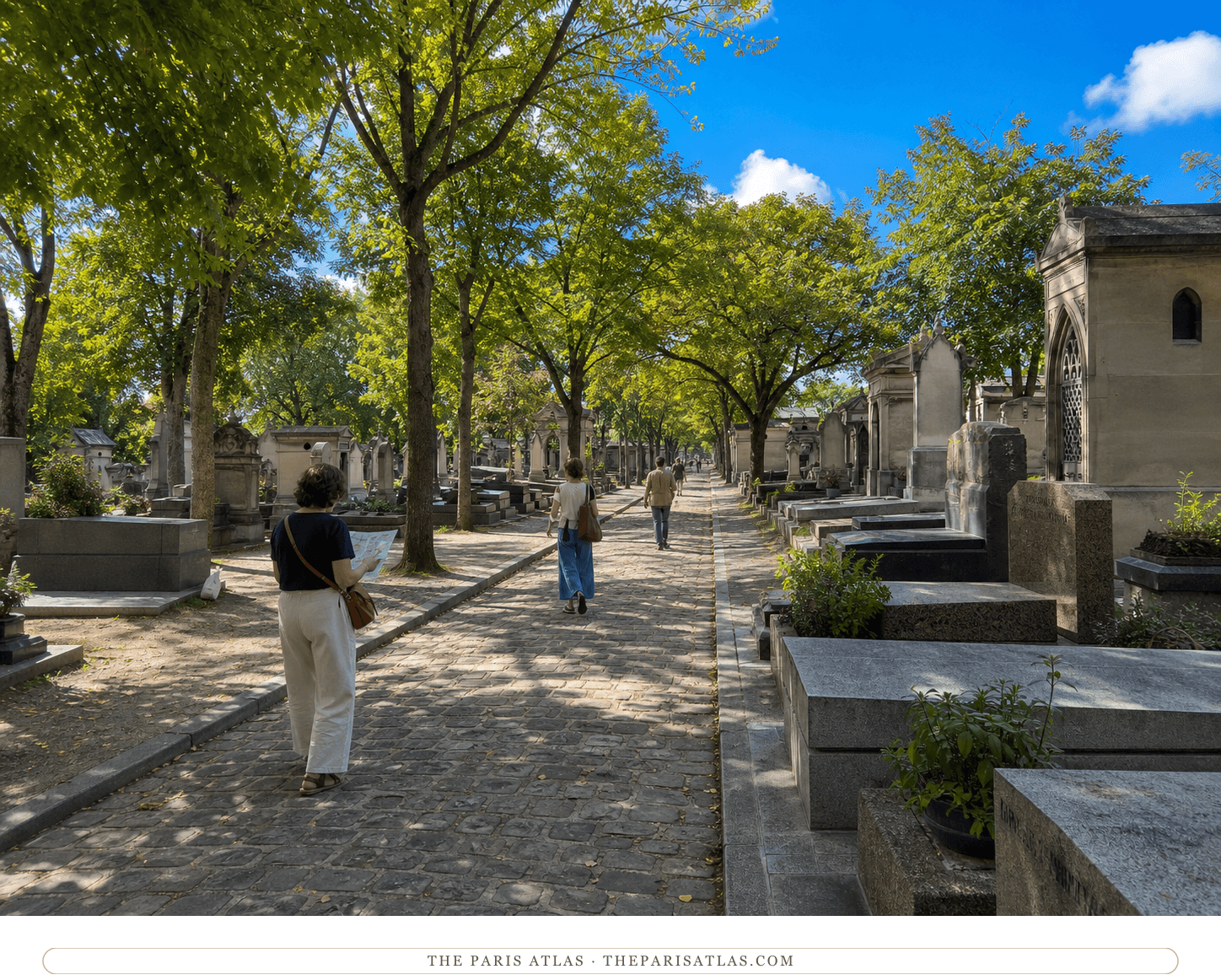
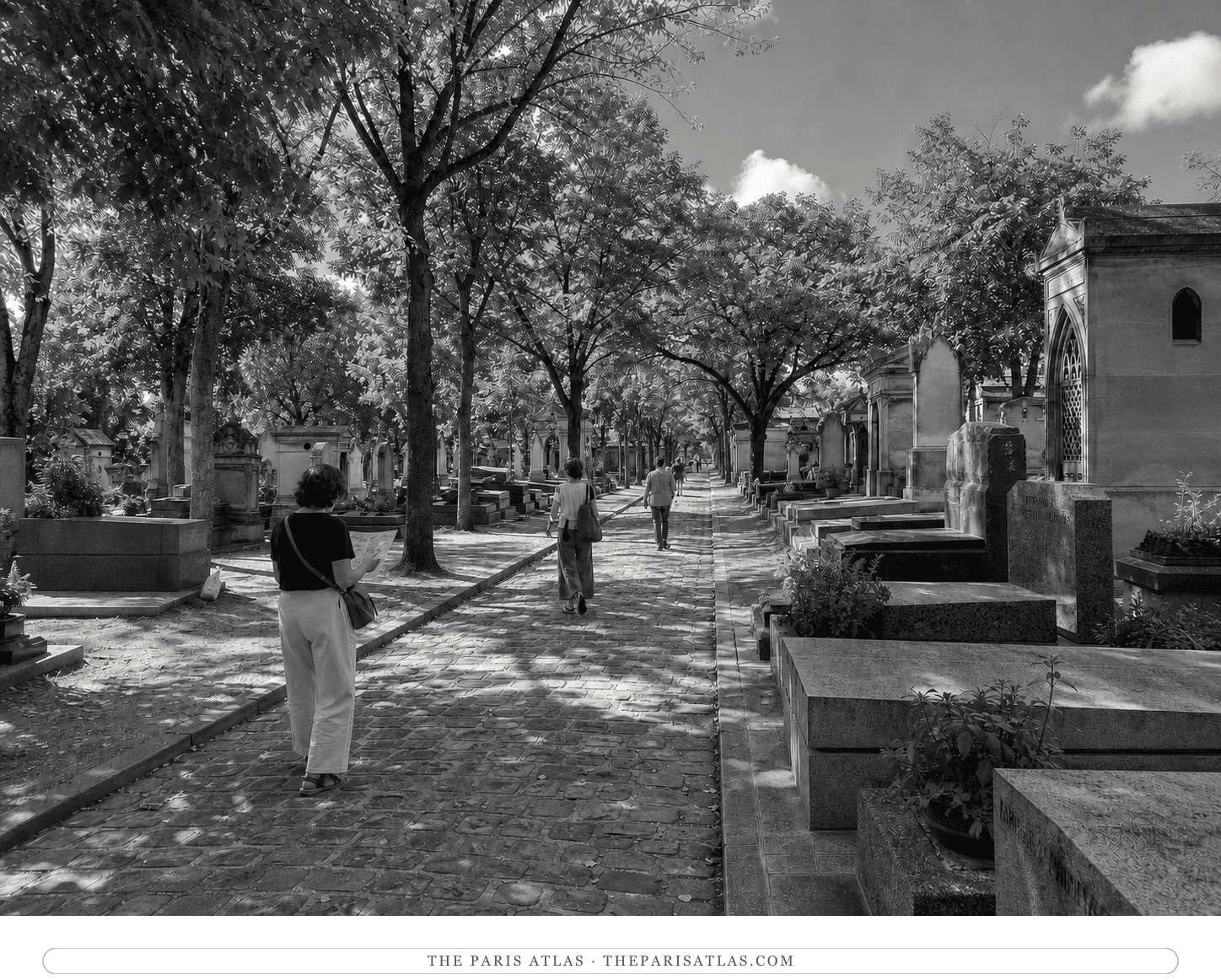
The second-largest cemetery inside Paris — nineteen flat, gridded hectares south of the boulevard du Montparnasse, holding the graves of Charles Baudelaire, Samuel Beckett, Jean-Paul Sartre and Simone de Beauvoir, Serge Gainsbourg, Man Ray, Guy de Maupassant, Constantin Brancusi and Marguerite Duras.
Visit the placeThe sources below include histories, archival materials, scholarly research, and official records that informed this page. They document Man Ray's studio, 31 bis rue Campagne-Première, the people connected to it, and its place in Paris.


Web source consulted for documented facts and historical context presented on the Man Ray's studio, 31 bis rue Campagne-Première page.
Web source consulted for documented facts and historical context presented on the Man Ray's studio, 31 bis rue Campagne-Première page.
Web source consulted for documented facts and historical context presented on the Man Ray's studio, 31 bis rue Campagne-Première page.

Contemporary reporting or criticism used to document the historical reception and context of Man Ray's studio, 31 bis rue Campagne-Première.
These references provide the documented foundation for this page's history and context. Claim-level citations remain attached to the specific claims they support.
 Explore more resources
Newsletter
The cafés, studios, and walk-up flats where the work was made — one story from the map in every letter.