Hôtel Delambre
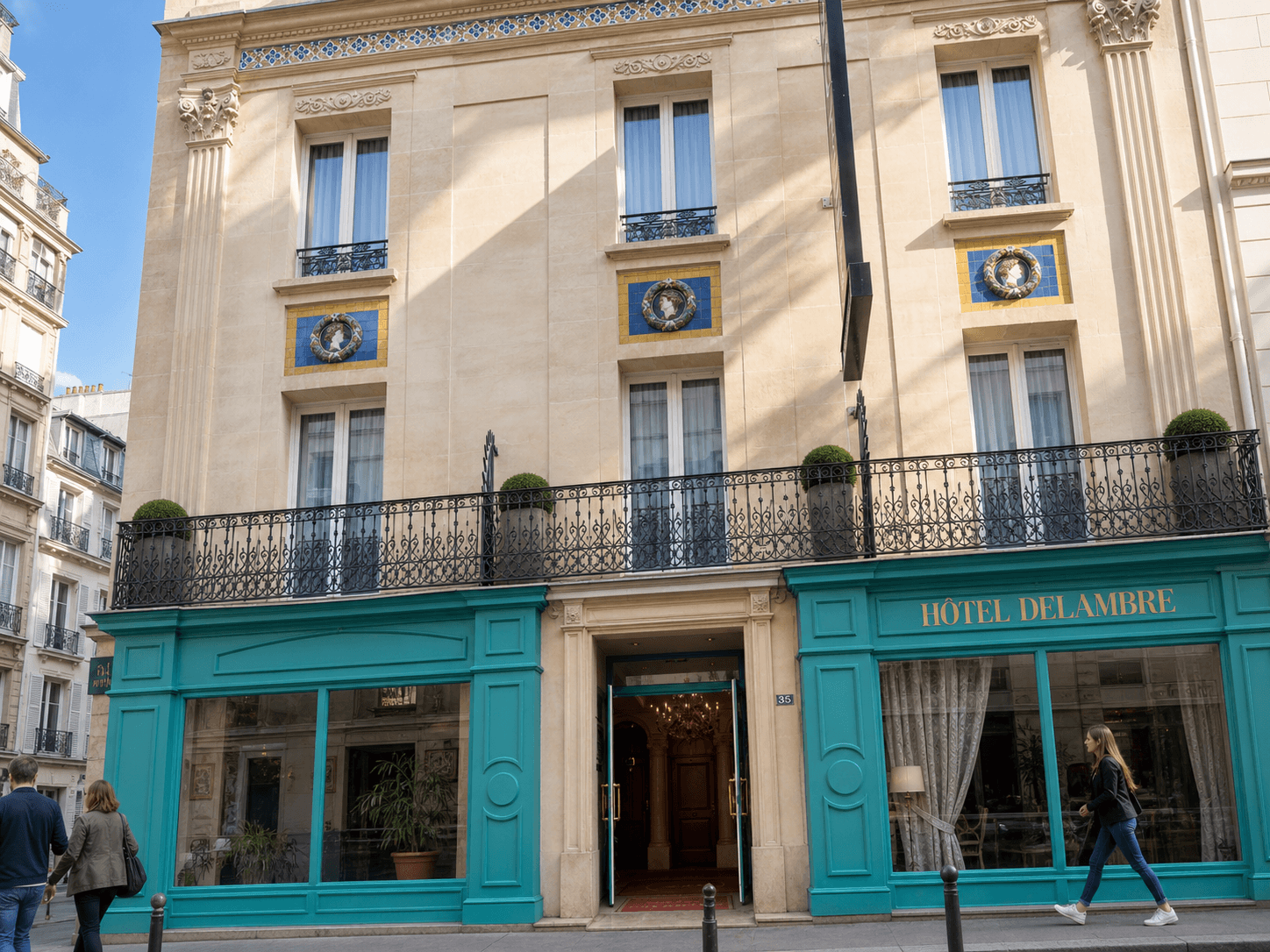
A straightforward independent hotel on rue Delambre, exceptionally well placed for Le Dôme, La Rotonde, the Dingo Bar, and the western Montparnasse café circuit.
Today
30-room hotel
Independent, three-star, and still operating at the original address.
1891
Gauguin departs
A temporary room before his first voyage to Tahiti.
1921
Breton’s address
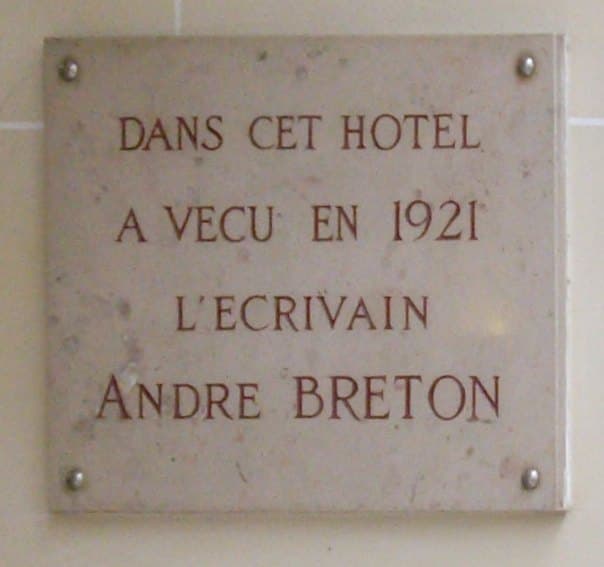
The Surrealist writer lived here; a plaque marks the building.
A closer look
Inside Hôtel Delambre today
Staying here now
A practical base in historic Montparnasse
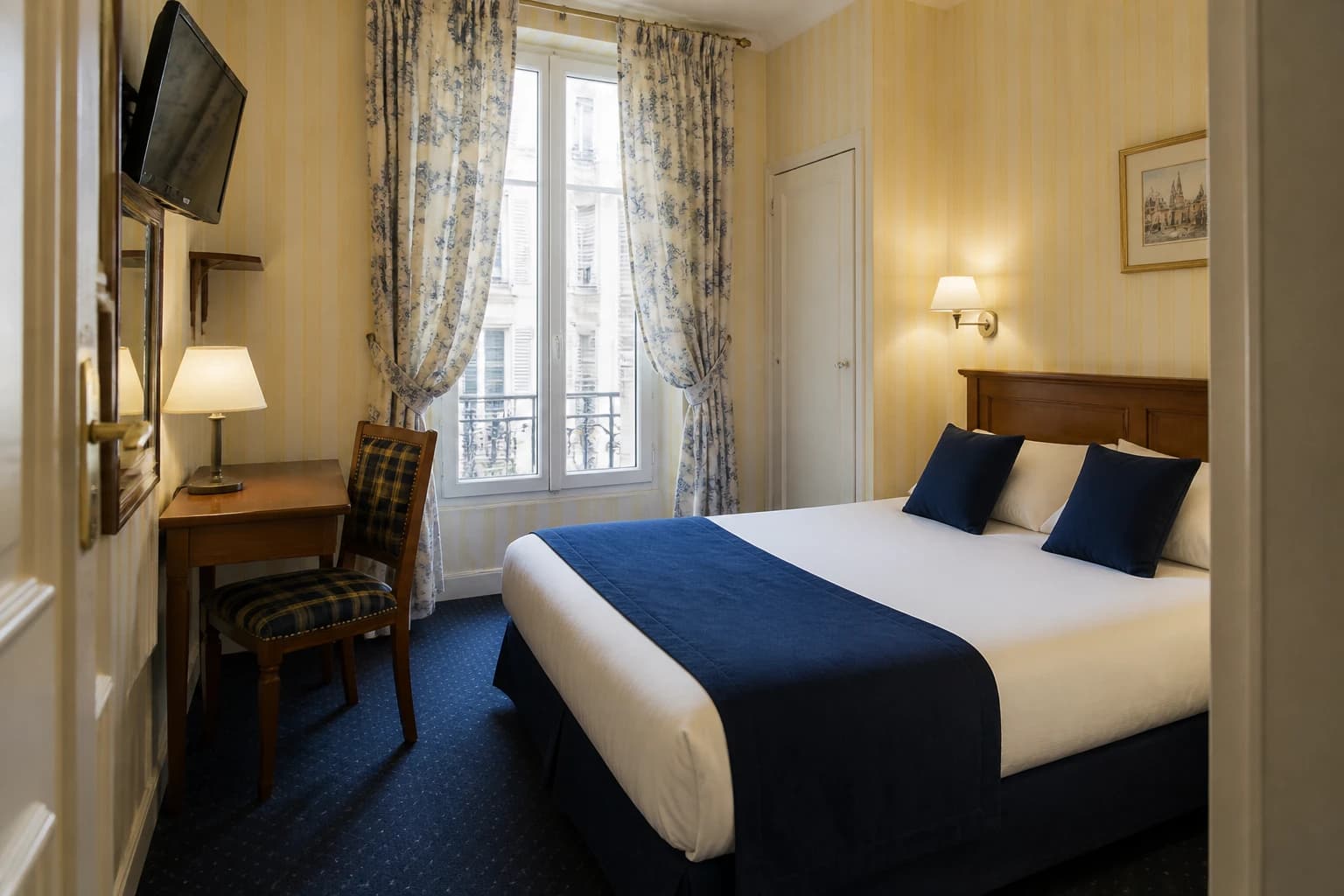
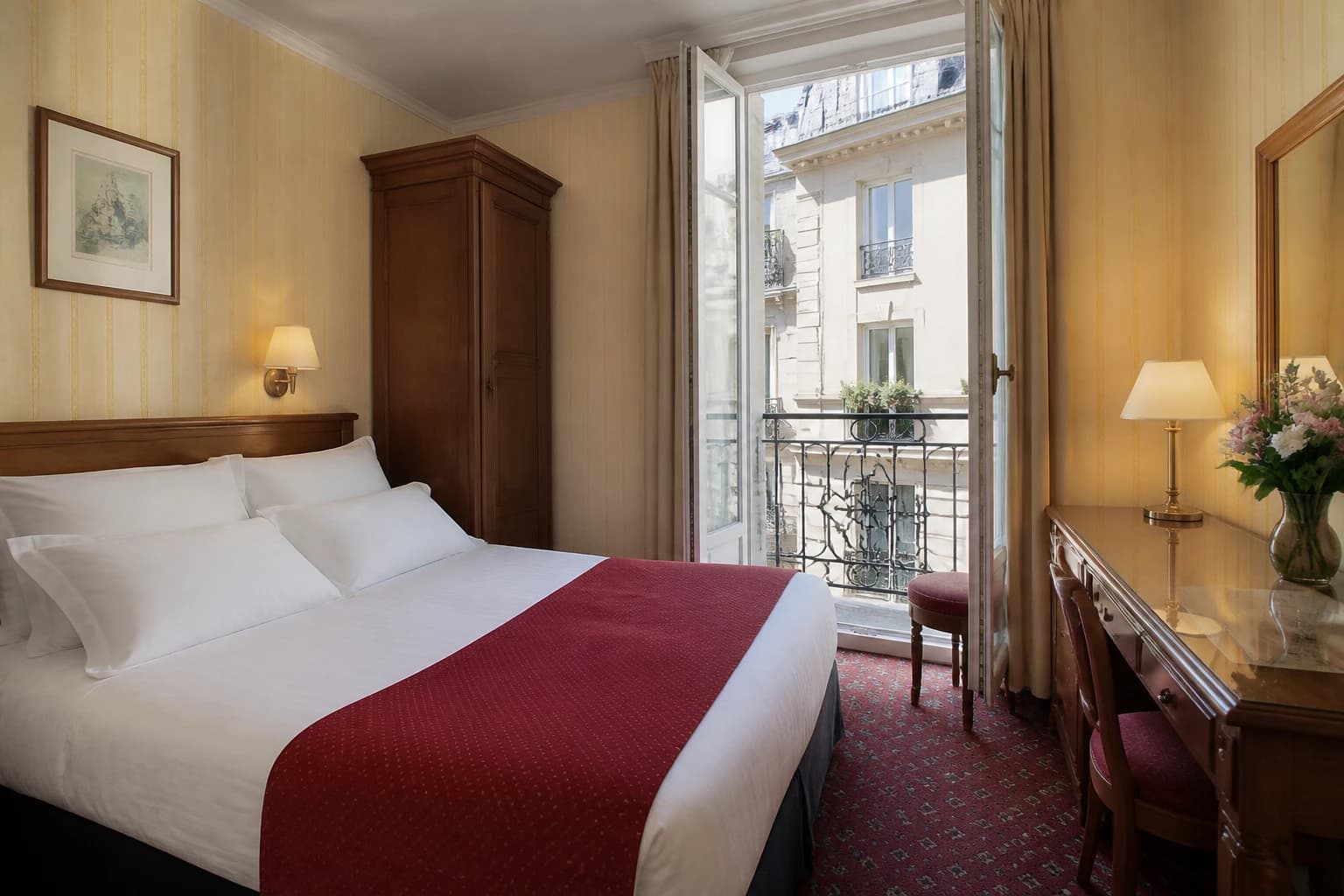
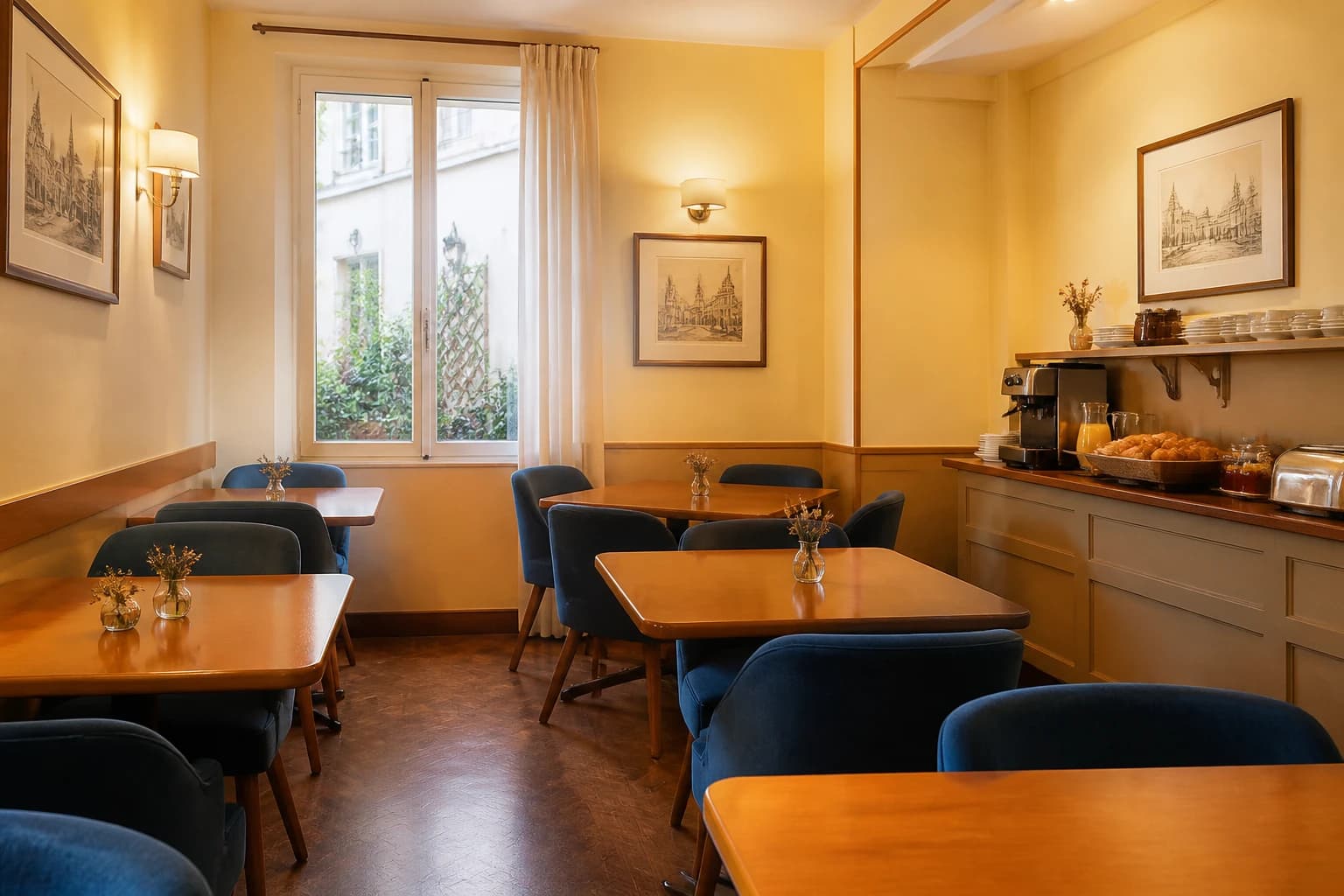
Hôtel Delambre is a 30-room, three-star hotel at 35 rue Delambre. The interiors and services are practical rather than theatrical, with air conditioning, free Wi-Fi, a guest lounge, breakfast, and a choice of Single, Classic, Superior, and Mini Suite categories.
Its strongest feature is the location. Le Dôme, La Rotonde, the former Dingo Bar, boulevard du Montparnasse, and several streets associated with artists’ studios are all in this part of Montparnasse. The building now stands at the address where the writer and Surrealist André Breton lived in 1921; the plaque is beside the entrance.
Room size deserves attention. Classic rooms are listed at 12 square meters and Superior rooms at 14 square meters. Independent guest reviews include reports of small rooms and occasional street or corridor noise, so travelers who need space or are sensitive to sound should compare categories and request placement directly.
Good to know
Best for
Consider another area if
Chapter two · The Historical Atlas
The History of Hôtel Delambre
From here, the page shifts from staying at Hôtel Delambre today to the artists, departures, and surviving evidence attached to this address.
1891
Gauguin departs
1921
Breton lives here
Today
Still standing
The History Behind The Place
Gauguin’s last Paris lodging before Tahiti
The Montparnasse hotel where Paul Gauguin stayed in 1891 in the weeks before he sailed for Tahiti — still trading, with a plaque inside the entrance recording it.
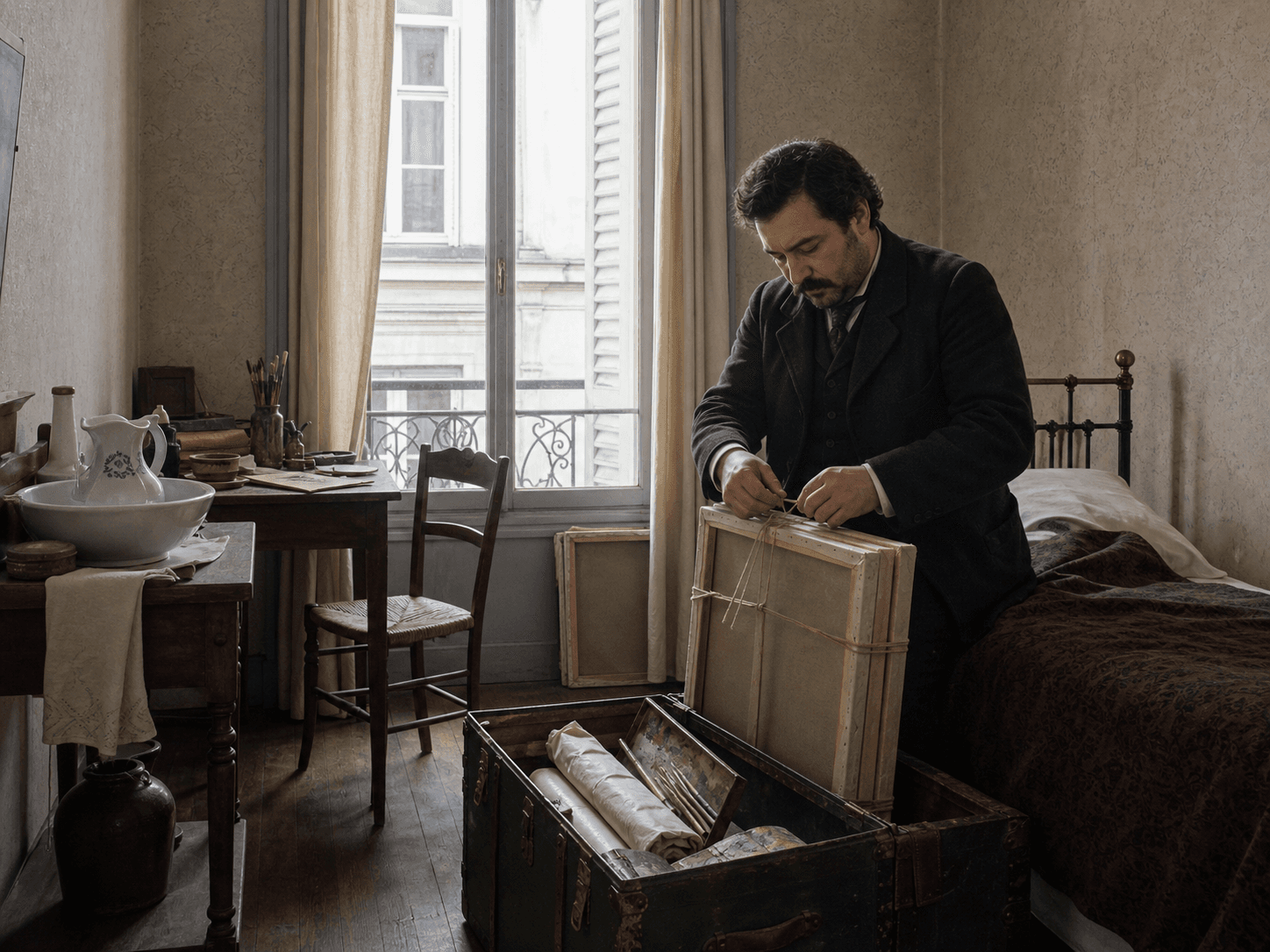
Paris, 1891
The route from Paris to Tahiti
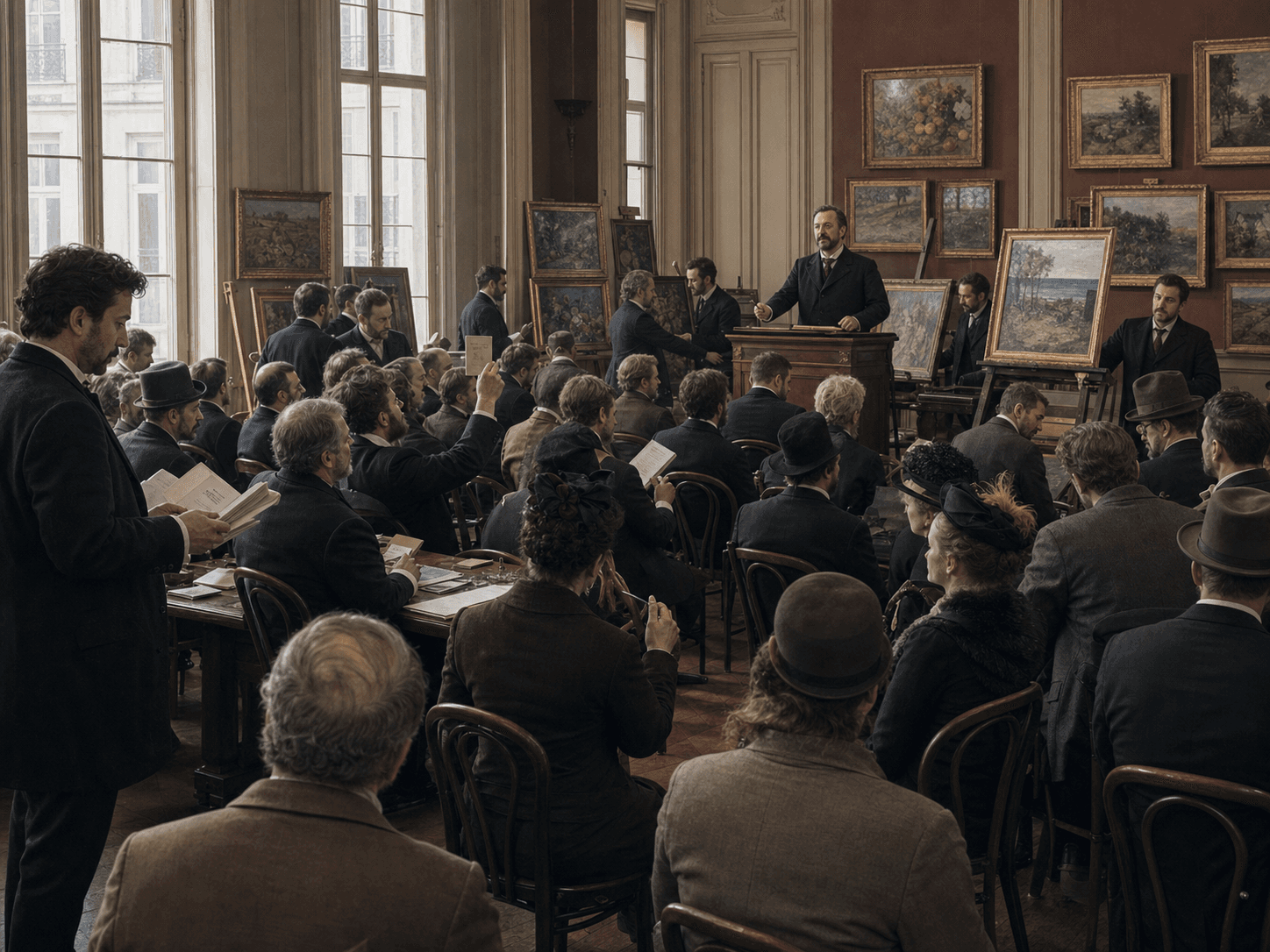
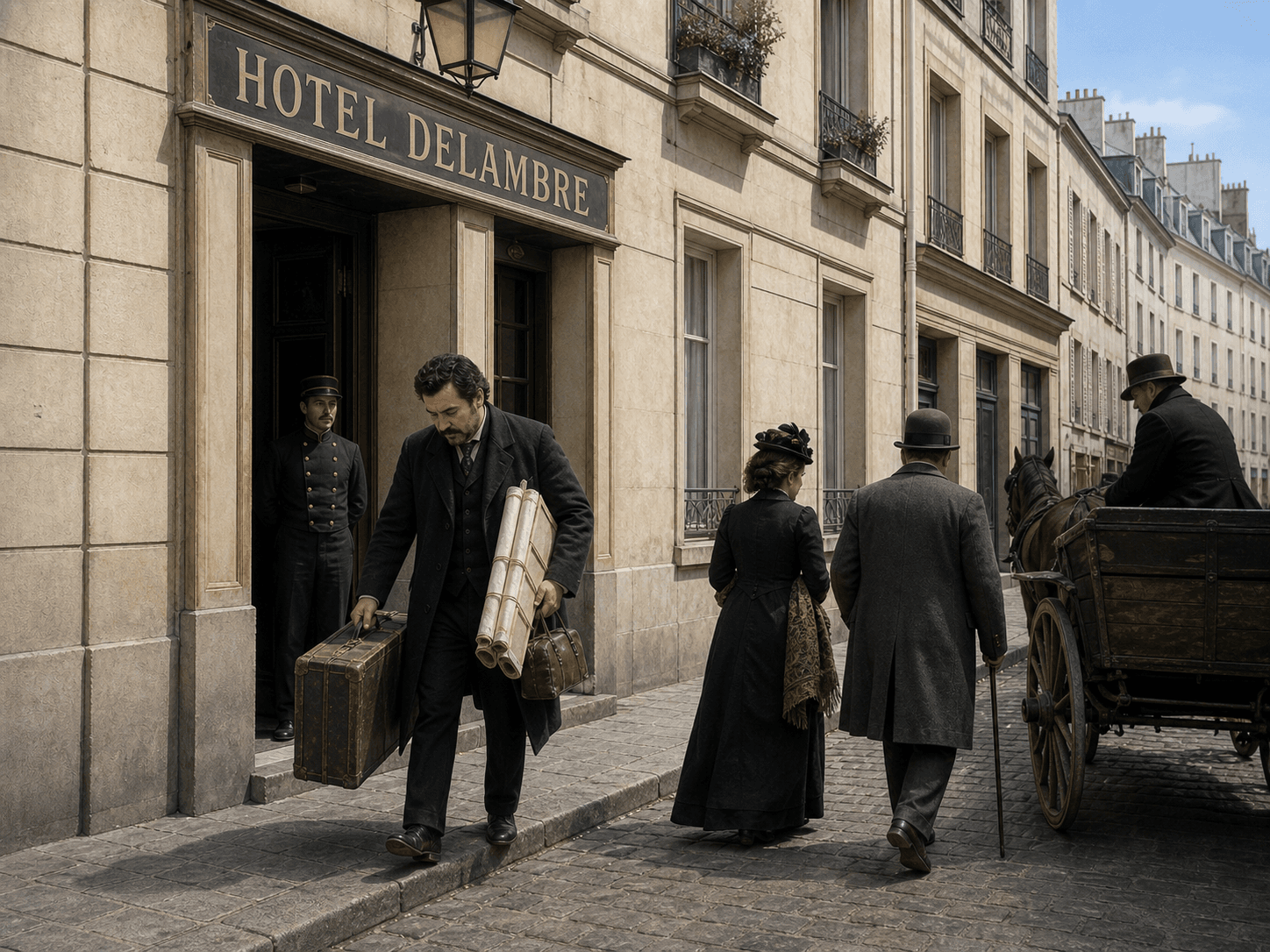
How did Gauguin pay to get to Tahiti? By auctioning 30 of his own paintings at the Hôtel Drouot in 1891, which raised enough for the passage. This hotel on rue Delambre is where he stayed in the run-up to that departure.
A hotel was appropriate to the condition he had created for himself. Gauguin no longer had a settled family home in Paris, and the journey was presented as a decisive break with Europe. The rue Delambre room was temporary by design: a place to sleep while paintings were converted into passage money and the practical arrangements for departure were completed.
The sale worked better than most things in his life had; it raised enough to go. He sailed in April 1891, arrived in June, and stayed two years. What came back with him in 1893 is the body of work the reputation rests on, and the reason it exists is a hotel bill on the rue Delambre and an auction on the rue Drouot.
Read more of the storyRead less
The voyage was also a career strategy directed back at Paris. Gauguin wanted distance from the city and its market, but he expected pictures made elsewhere to return with a new authority. The Met's account of his career stresses this contradiction: exile from urban civilisation was simultaneously an attempt to lead the Paris avant-garde. The hotel belongs to that project of departure and anticipated return.
The first Tahitian stay produced paintings, carvings and the beginnings of the narrative Gauguin built around himself as an artist outside Europe. Yet the work depended on colonial transport, official permissions, money raised in a Paris sale and photographs and visual sources carried with him. Reading the rue Delambre stop only as escape would reproduce the myth without showing its infrastructure.
The building is still a hotel, and a gold plaque inside the entrance records the stay. The street also carries plaques for other tenants — it has been absorbing Montparnasse's arrivals for well over a century.
Because the hotel still trades, this is one of the few Gauguin addresses where the historic use survives even though the specific room is not presented as a museum. Visitors can enter as customers and see the plaque without treating a private residence as an attraction. The surrounding streets connect the departure to the studios and cheap dining rooms of Montparnasse.
The sequence can be followed on foot: the Hôtel Drouot sale took place north of the river, while the temporary room and the Montparnasse artist network lay here on the Left Bank. Putting both addresses on the map prevents the voyage from becoming a single dramatic gesture. It required pictures, buyers, packing, lodging, transport and enough cash to make the ship.
The auction transformed work into mobility. Gauguin needed a market he frequently denounced because tickets, equipment, hotel charges and the first months abroad all required money. Buyers in Paris therefore participated materially in the voyage presented as a rejection of their civilisation. That contradiction did not invalidate the journey, but it belongs in any account of how the departure became possible.
Tahiti was already a French colony, not an untouched world outside European power. Gauguin travelled through imperial routes and arrived within an administration, missionary presence and cash economy that he often excluded from his preferred image of the island. The rue Delambre preparations are one point where those structures are hard to hide: official travel, urban fundraising and colonial destination formed one continuous system.
When he returned in 1893, the Paris response did not match the triumph he wanted. Exhibitions and studio display had to teach viewers how to read the work, and Gauguin supplemented paintings with writing, carved objects and a carefully cultivated persona. The temporary hotel before the first voyage thus begins a cycle in which leaving Paris and addressing Paris were inseparable.
The hotel's continuity should still be described precisely. A lodging business remains at the address and commemorates Gauguin, but his room is not maintained as a period interior and an overnight stay does not reproduce 1891. The public street and operating hotel establish genuine continuity of function; the plaque supplies memory; the vanished personal setting must come from documentary evidence.
Montparnasse was useful at this transitional moment because it placed temporary accommodation near a growing artist district without the expense or domestic commitments of Gauguin's earlier apartments. Rue Delambre connects to academies, studios and inexpensive restaurants within a short walk. It offered a base for final meetings and practical work rather than the privacy of a long-term home. The later fame of the quarter can make such hotels sound glamorous; in practice, they served people between arrangements, including an artist turning possessions into the funds to leave.
The departure date closes one phase but should not close the ethical questions. Gauguin sought subjects he believed Europe had lost, while entering a colonised society and shaping its people for a European market. Beginning the account in this Paris hotel keeps the resulting paintings attached to money, transport and audience rather than presenting them as objects produced beyond history.
The creative lives attached to the address
Artists who stayed here
 Paul GauguinPaul Gauguin stayed at the Hotel Delambre in 1891, in the weeks before sailing for Tahiti. A plaque inside the entrance records it.
 André BretonAndré Breton lived at 35 rue Delambre in 1921, three years before he published the first Manifesto of Surrealism. A plaque beside the hotel entrance marks the address.
The operating hotel
Hôtel Delambre today and the rooms within
The address before Tahiti
Hôtel Delambre in 1891
The address in 1921
André Breton at 35 rue Delambre
One map for the whole story
The Montparnasse circuit around the hotel
Eat and drink
Nearby Cafés
 Le DômeThe noisy common room of Montparnasse and the setting of 'With Pascin at the Dôme' — the café for watching the show, not for working.Visit the place
 La RotondeThe café every taxi driver delivered Americans to — the novel's driest Montparnasse joke, and before that the painters' living room, where the patron took drawings for drinks.Visit the place
 La Closerie des LilasErnest Hemingway's favorite writing spot, where he drafted much of The Sun Also Rises. Quieter than the other cafés, which was the point.Visit the place
Art and history
Nearby Things to Do
 Académie de la Grande ChaumièreThe Montparnasse drawing academy founded in 1904, where anyone could pay for a session with a model and no one asked for qualifications — the school that trained a substantial share of the École de Paris.Visit the place
 Montparnasse CemeteryThe second-largest cemetery inside Paris — nineteen flat, gridded hectares south of the boulevard du Montparnasse, holding the graves of Charles Baudelaire, Samuel Beckett, Jean-Paul Sartre and Simone de Beauvoir, Serge Gainsbourg, Man Ray, Guy de Maupassant, Constantin Brancusi and Marguerite Duras.Visit the place
 Atelier Mourlot, 47 rue du MontparnasseThe lithography workshop where Marc Chagall spent decades after the war making colour prints — the same presses that printed for Picasso, Matisse, Braque and Miró.Visit the place
More of the neighborhood
Within walking distance
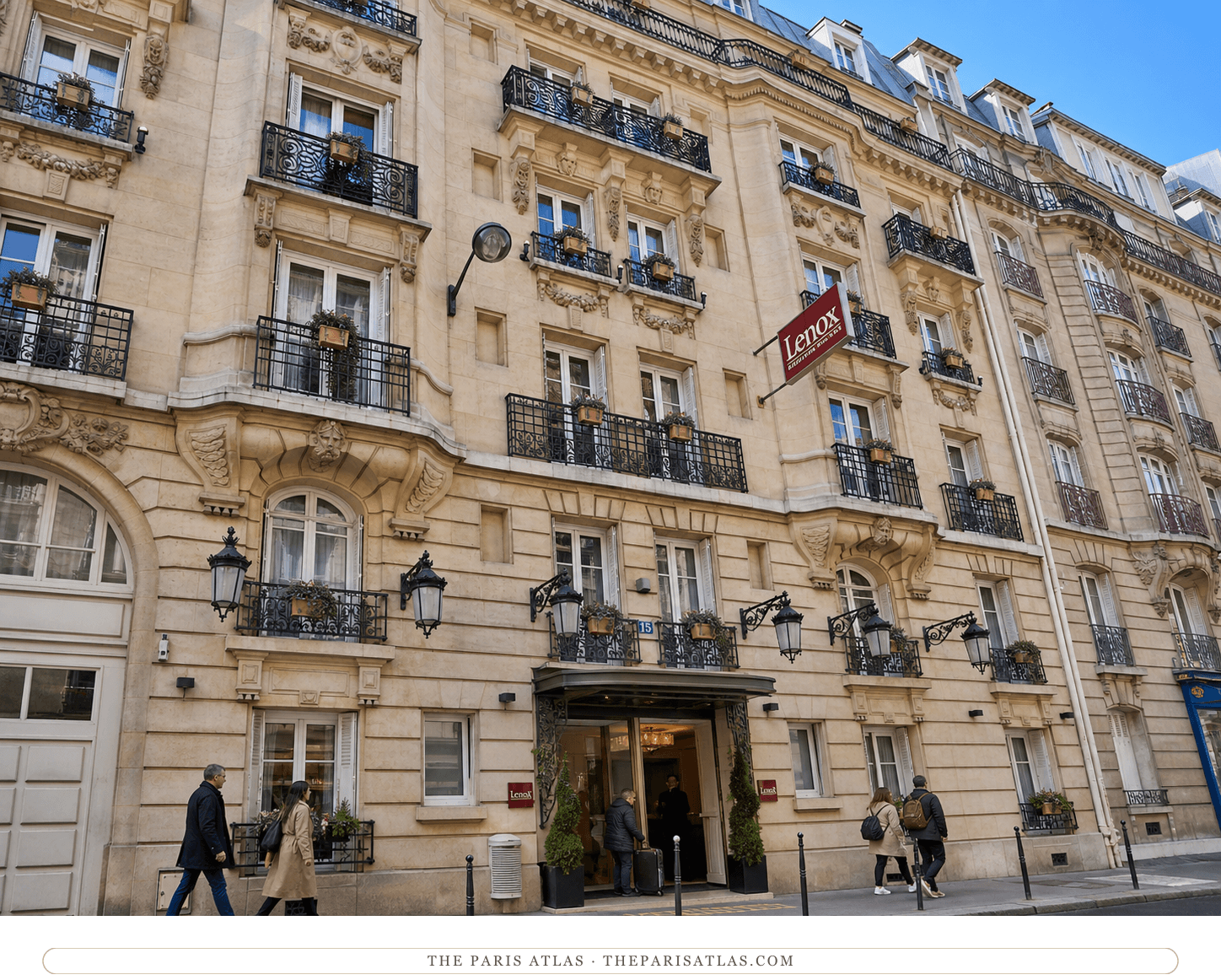
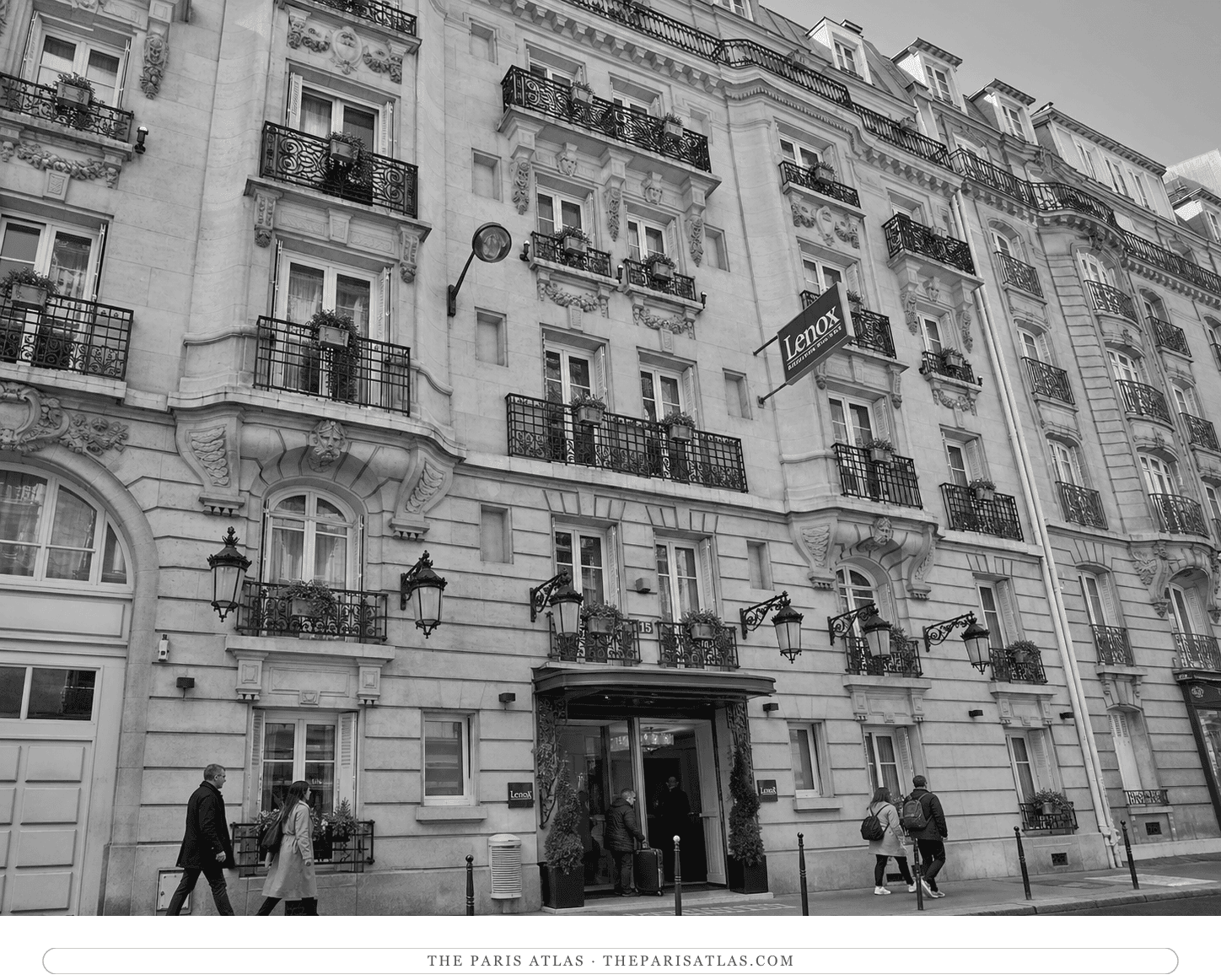
15 rue Delambre
A Montparnasse hotel where Henry Miller and his wife June stayed briefly in 1930, in the unsettled first months of his Paris decade. It still operates at the same address as the Hôtel Lenox Montparnasse.
Visit the place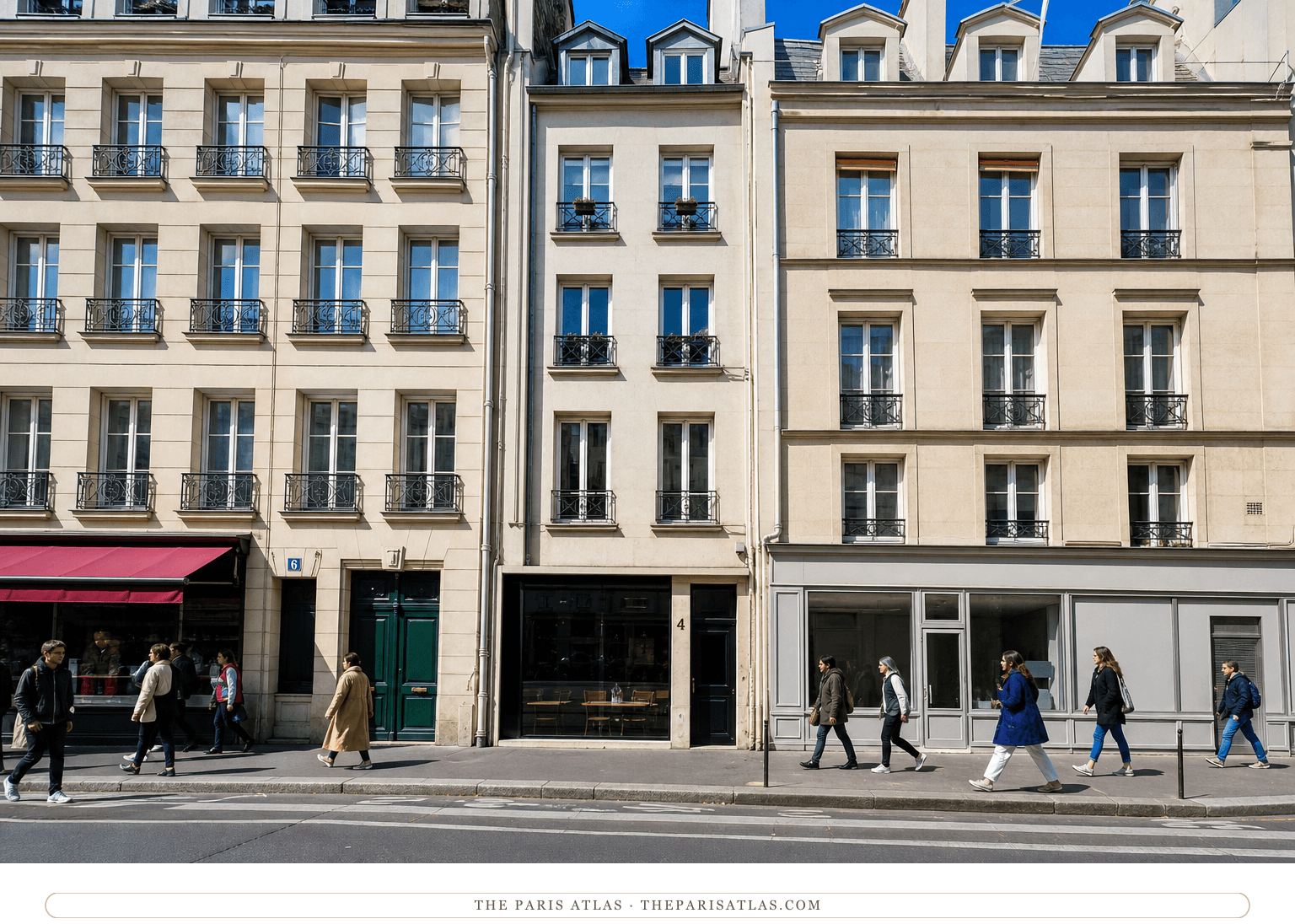
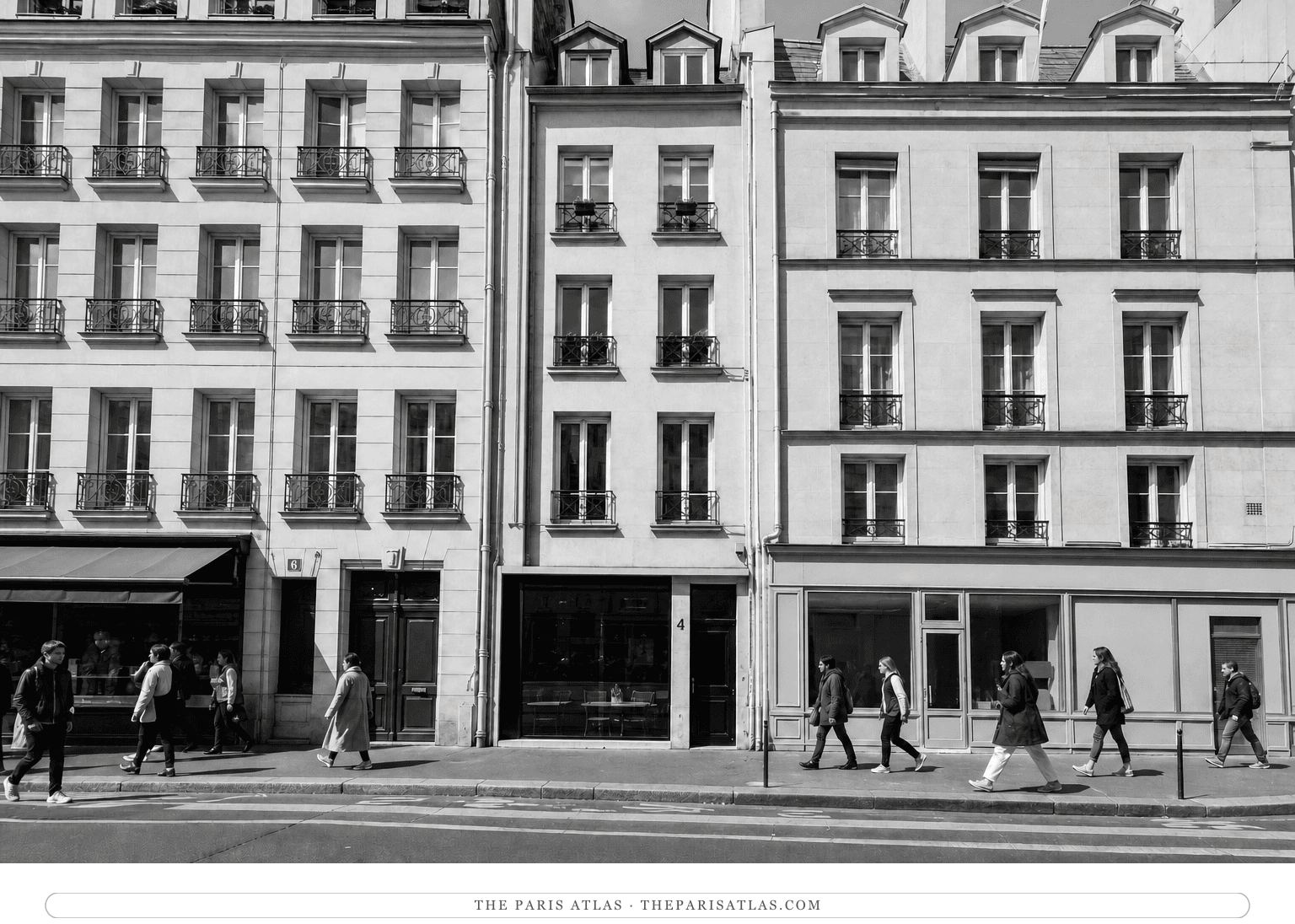
At the Sign of the Black Manikin, 4 rue Delambre
Edward Titus's Montparnasse bookshop and press, which sold copies of the privately printed first edition of Djuna Barnes's Ladies Almanack.
Visit the place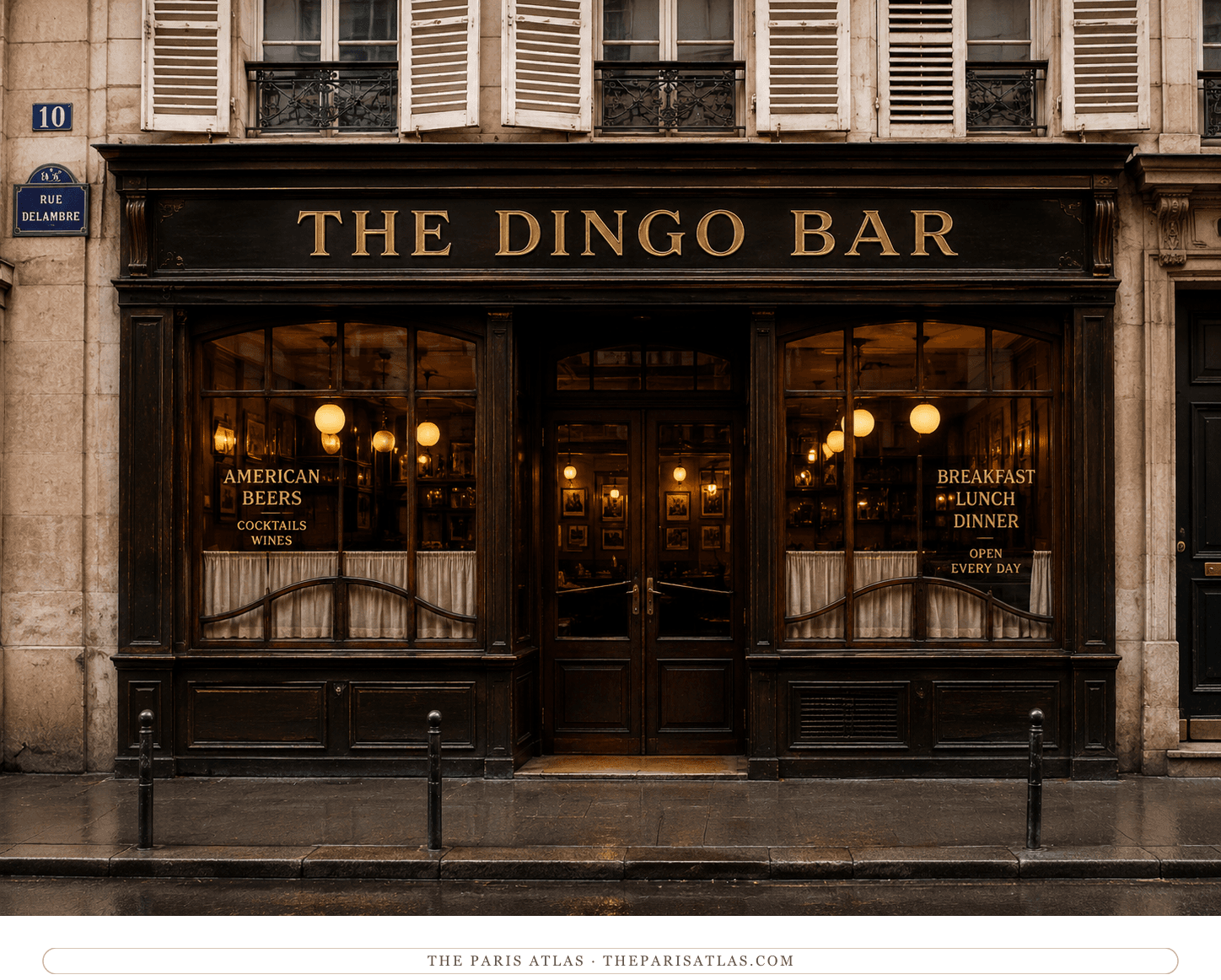
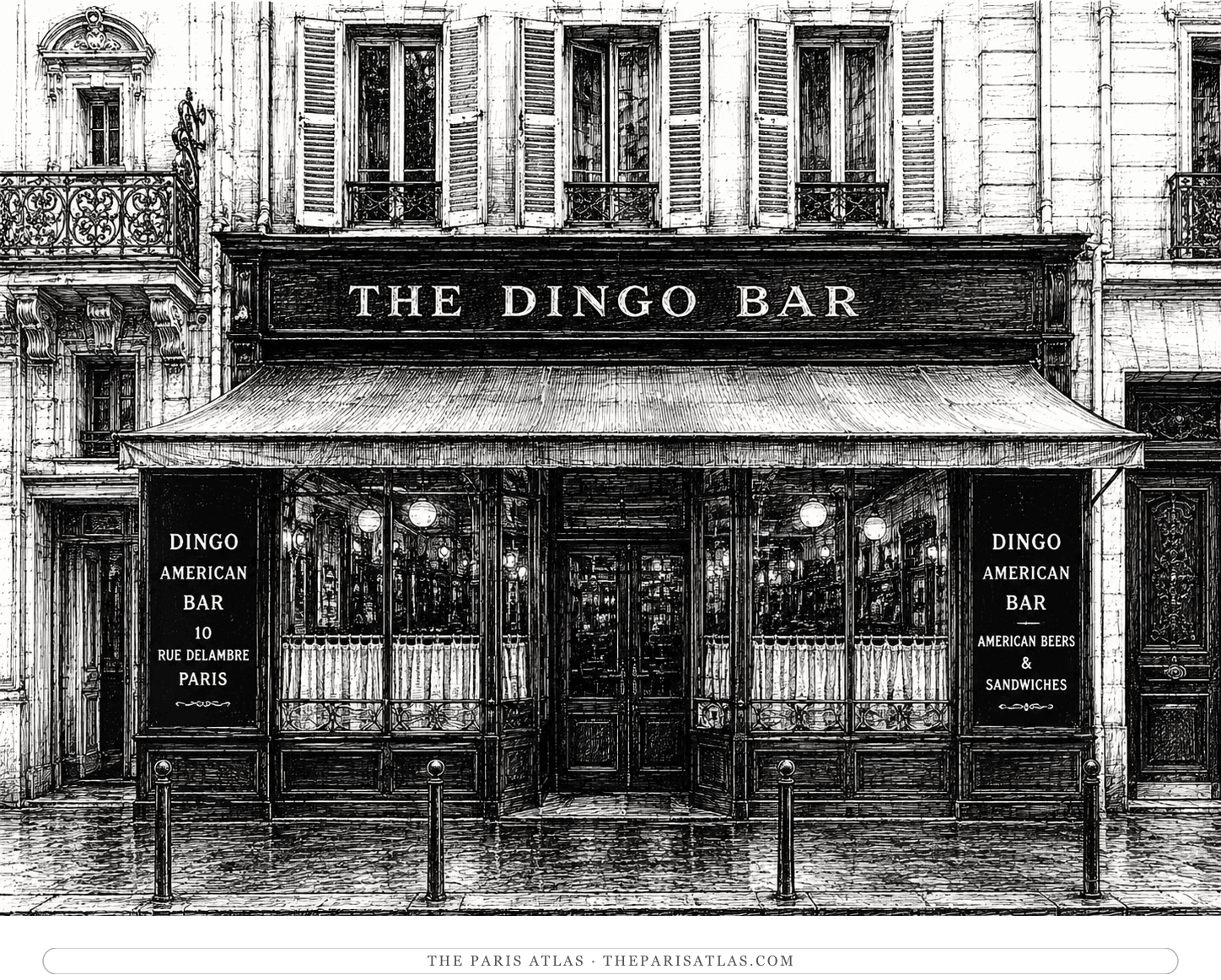
The Dingo Bar
The American bar where Ernest Hemingway met F. Scott Fitzgerald in late April 1925 — two weeks after The Great Gatsby was published.
Visit the place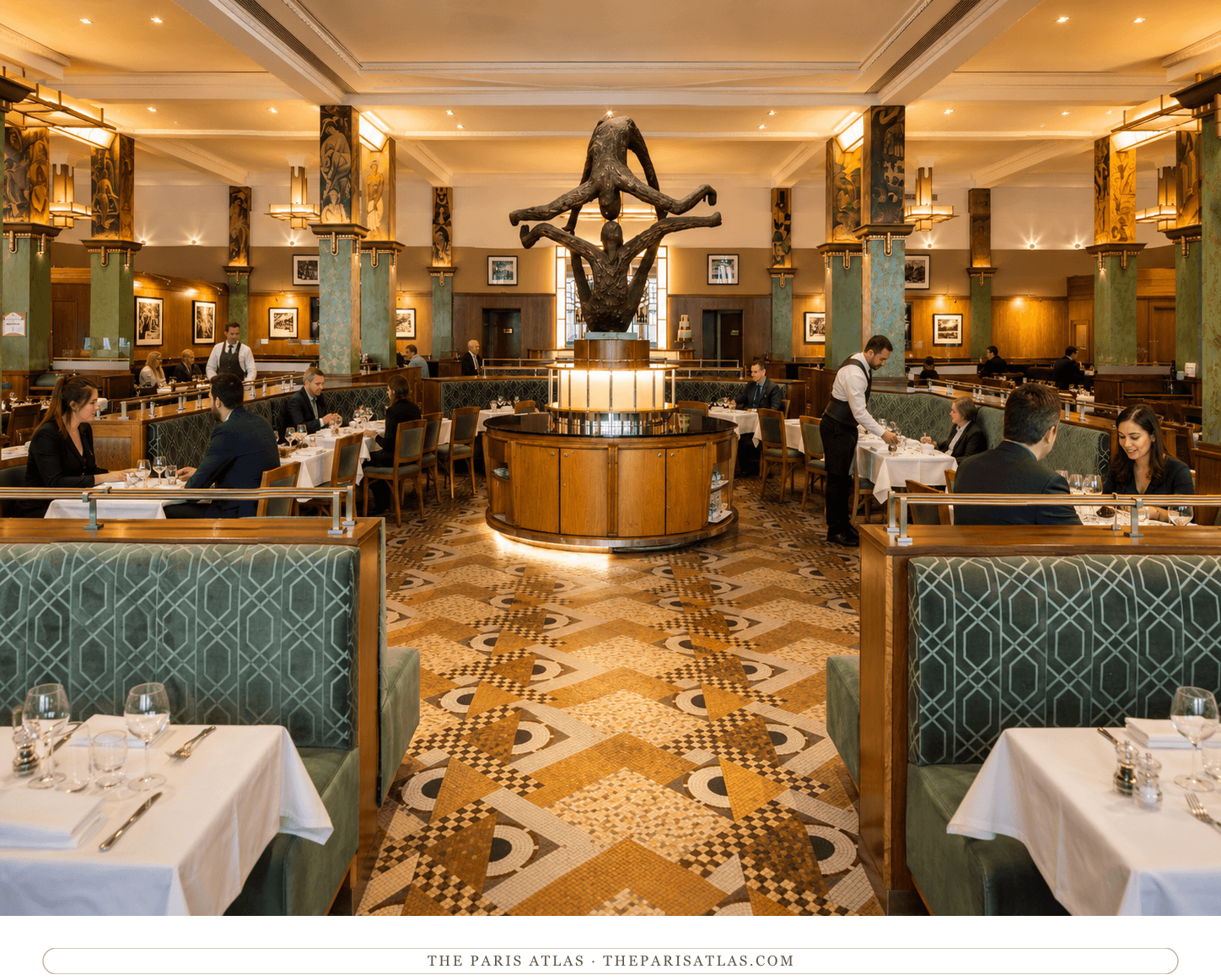
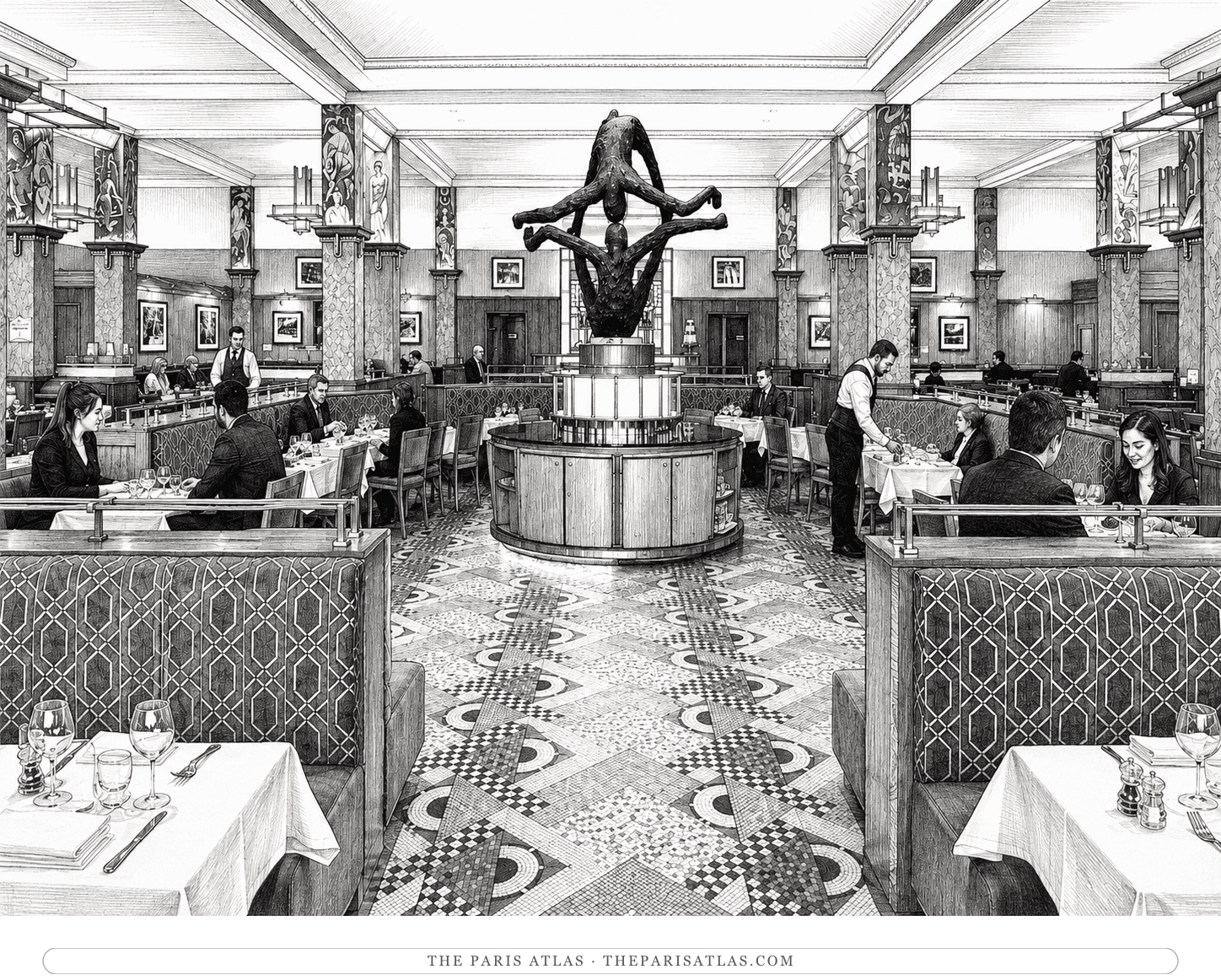
La Coupole
The giant brasserie of the Boulevard du Montparnasse, opened in December 1927 with a party the quarter never forgot — Blaise Cendrars was in the opening-night crowd.
Visit the placeQuestions about staying at Hôtel Delambre
What arrondissement in Paris is Hôtel Delambre located in?
Hôtel Delambre is at 35 rue Delambre in Paris’s 14th arrondissement, in the Montparnasse neighborhood on the Left Bank.
Is the neighborhood around Hôtel Delambre safe?
Hôtel Delambre is in a busy, well-connected part of Montparnasse with hotels, cafés, restaurants, theaters, and regular foot traffic. No city neighborhood is risk-free, so visitors should still use normal big-city precautions—especially late at night and around major stations—and consult current official travel guidance for their trip.
Which Métro stations are closest to Hôtel Delambre?
The hotel lists Vavin on Line 4, Edgar Quinet on Line 6, and Montparnasse–Bienvenüe on Lines 4, 6, 12, and 13 as its nearby Métro options.
What kinds of rooms does Hôtel Delambre offer?
The hotel offers Single, Classic, Superior, and Mini Suite categories. Its published room information lists Classic rooms at 12 m² and Superior rooms at 14 m², so travelers who want more space should compare categories before booking.
What amenities are available at Hôtel Delambre?
The hotel lists air conditioning, free Wi-Fi, private bathrooms, safes, luggage storage, a guest lounge, a business corner, and buffet or in-room breakfast among its services.
Why is Hôtel Delambre historically significant?
Paul Gauguin stayed at this address before leaving for Tahiti in 1891, and Surrealist writer André Breton lived here in 1921. The building remains a working hotel, allowing visitors to stay at an address that still preserves those historical connections.
Current hotel evidence
Sources for staying at Hôtel Delambre today
References
These references support the 1891 Gauguin history, the circumstances of his departure for Tahiti, and the historical interpretation of 35 rue Delambre. They do not describe current hotel rooms, amenities, or prices.


1Gauguin's Journey — The Credit Suisse Exhibition: Gauguin Portraits
WebsiteNational Gallery, LondonUsed forWeb source consulted for documented facts and historical context presented on the the historical Hôtel Delambre address page.
2Paul Gauguin (1848–1903)
WebsiteThe Metropolitan Museum of ArtUsed forWeb source consulted for documented facts and historical context presented on the the historical Hôtel Delambre address page.
3Paul Gauguin (1848–1903)
WebsiteNational Gallery, LondonUsed forWeb source consulted for documented facts and historical context presented on the the historical Hôtel Delambre address page.
4Gauguin, Paul, 1848–1903
WebsiteArt UKUsed forWeb source consulted for documented facts and historical context presented on the the historical Hôtel Delambre address page.
These sources provide the documented foundation for the address history. Current hotel information is sourced separately above, so readers can tell historical evidence from present-day travel information.
 Explore more resources