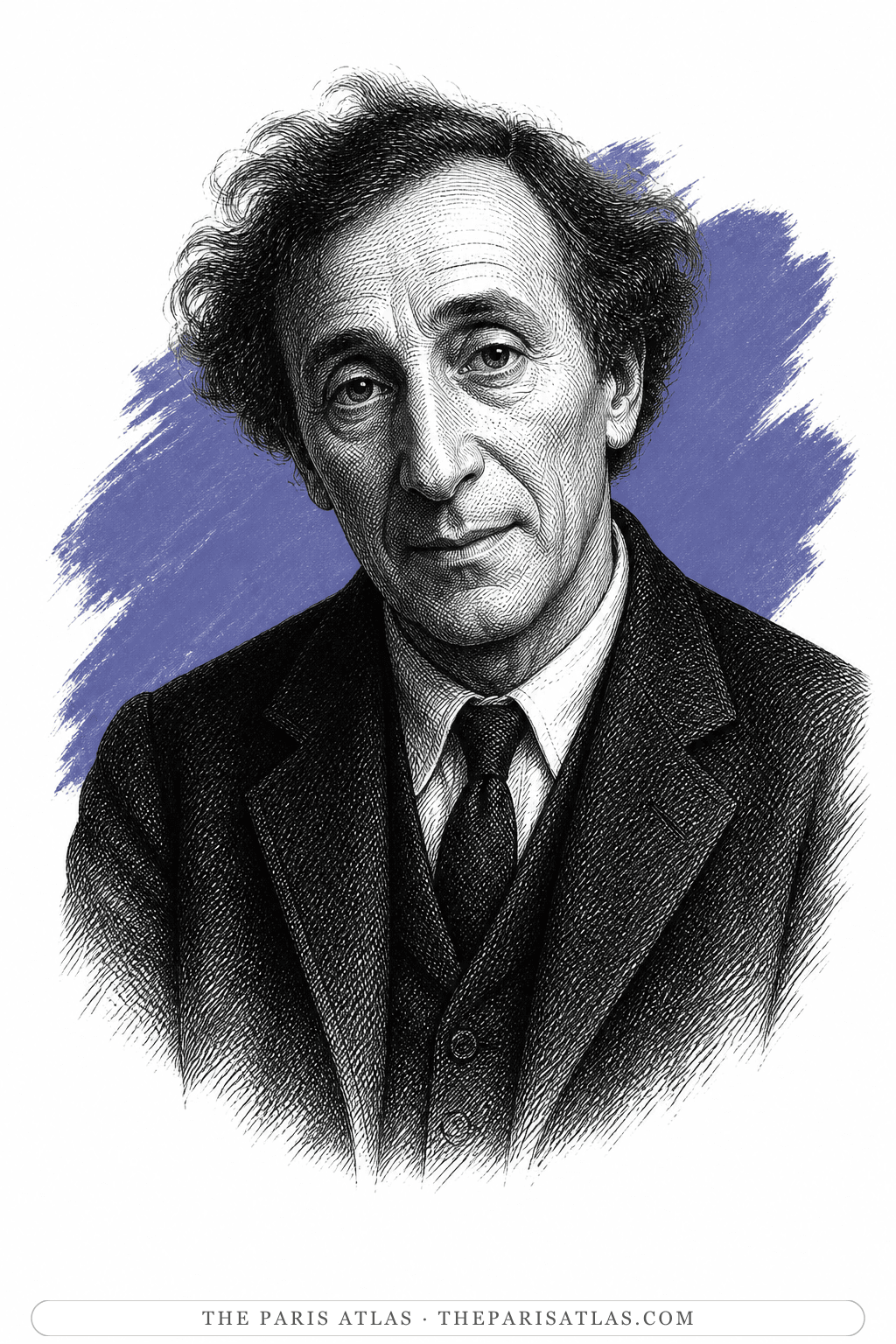
Marc Chagall
After returning from exile in 1948 Chagall worked for decades at the Mourlot lithography studio, principally with the printer Charles Sorlier. Much of his print output began there.
The lithography workshop where Marc Chagall spent decades after the war making colour prints — the same presses that printed for Picasso, Matisse, Braque and Miró.
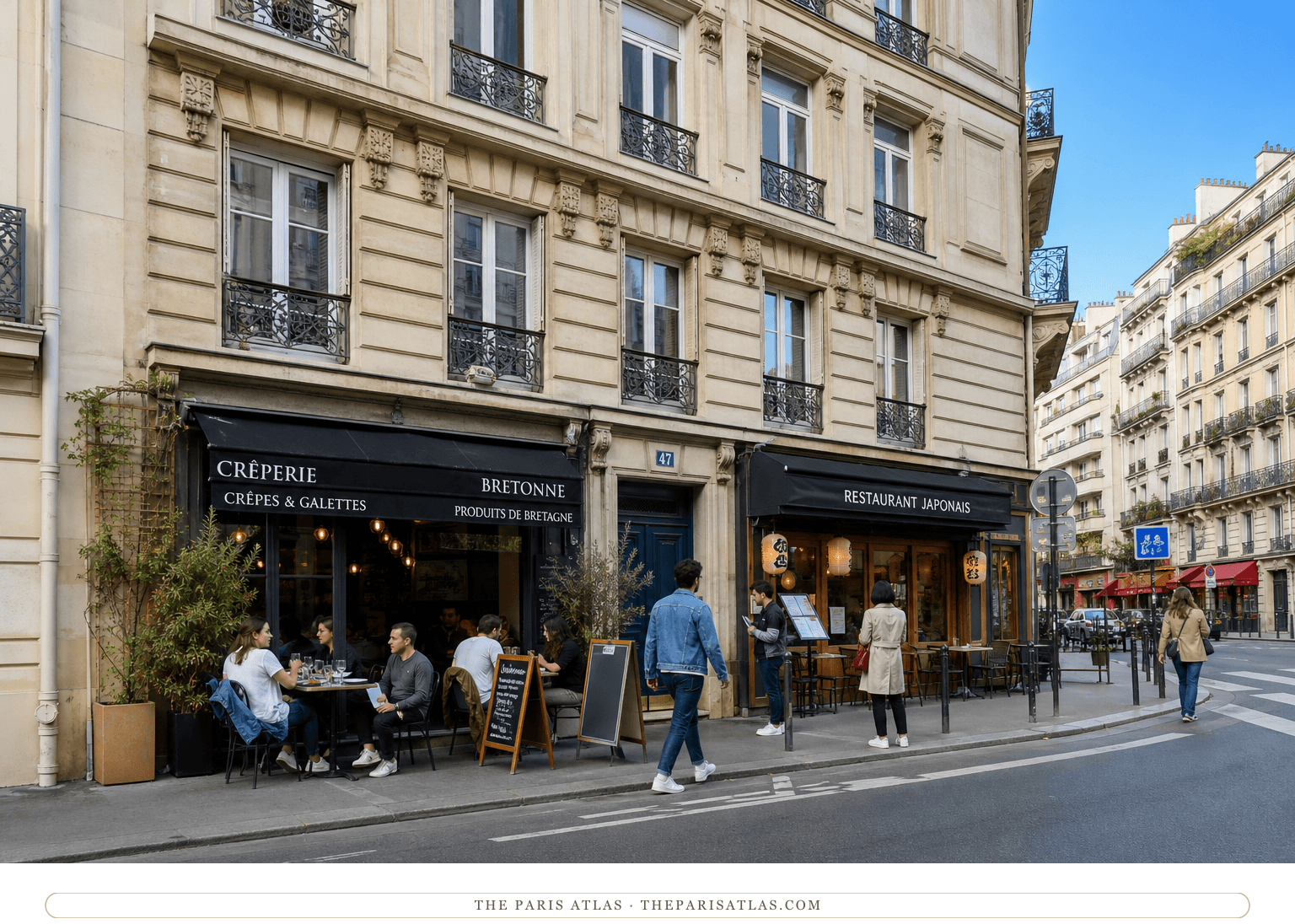
Fernand Mourlot ran a lithography works that became, for about forty years, the place where modern painting was translated into print. Picasso, Matisse, Braque, Miró, Léger and Calder all worked on these presses, usually alongside the printers rather than at a distance from them.[1]
That proximity was essential to the medium. In lithography an artist draws with greasy material on a prepared stone or plate; the printer controls processing, ink, pressure and registration. A colour image may require separate drawn and printed stages for each colour. Proofs move back and forth until artist and printer agree that the relationships work. The workshop was therefore a site of joint making, not a factory reproducing a finished original.
Marc Chagall came back from his American exile in 1948 and began working here, and the relationship lasted decades. His principal collaborator was the printer Charles Sorlier, who became the person who understood how to get Chagall's colour onto a stone better than anyone including, at times, Chagall.[2]
The official Chagall chronology ends with that partnership: after a final working session with Sorlier, Chagall died in 1985. The detail shows how enduring the print relationship became. It extended from his post-war return through the decades of major books, stained glass, mosaics and public commissions, giving the late career a continuous experimental practice at the scale of paper.[2]
This matters more for Chagall than for most of the others. Lithography suited his work — flat saturated colour, drawn line, layered transparency — and the prints are not reproductions of paintings but original works made for the medium. A very large part of his late output is print, and much of it began in this building.[3]
Chagall could separate a blue field, a red figure and a black contour into different operations, then use transparent inks and overprinting to make new colour where they met. The process encouraged variation rather than exact translation. Familiar motifs—lovers, animals, bouquets, village roofs—could be rebuilt for the page with a luminosity distinct from oil paint.[4]
The books expanded that experimentation across sequences. Projects for Gogol, La Fontaine, the Bible, Daphnis and Chloe and the circus joined image to text and required sustained attention to pacing as well as individual plates. A printer who knew Chagall's decisions from one proof to the next became an interpretive collaborator across entire volumes.
The workshop has gone from the address. What it produced is in museums everywhere.
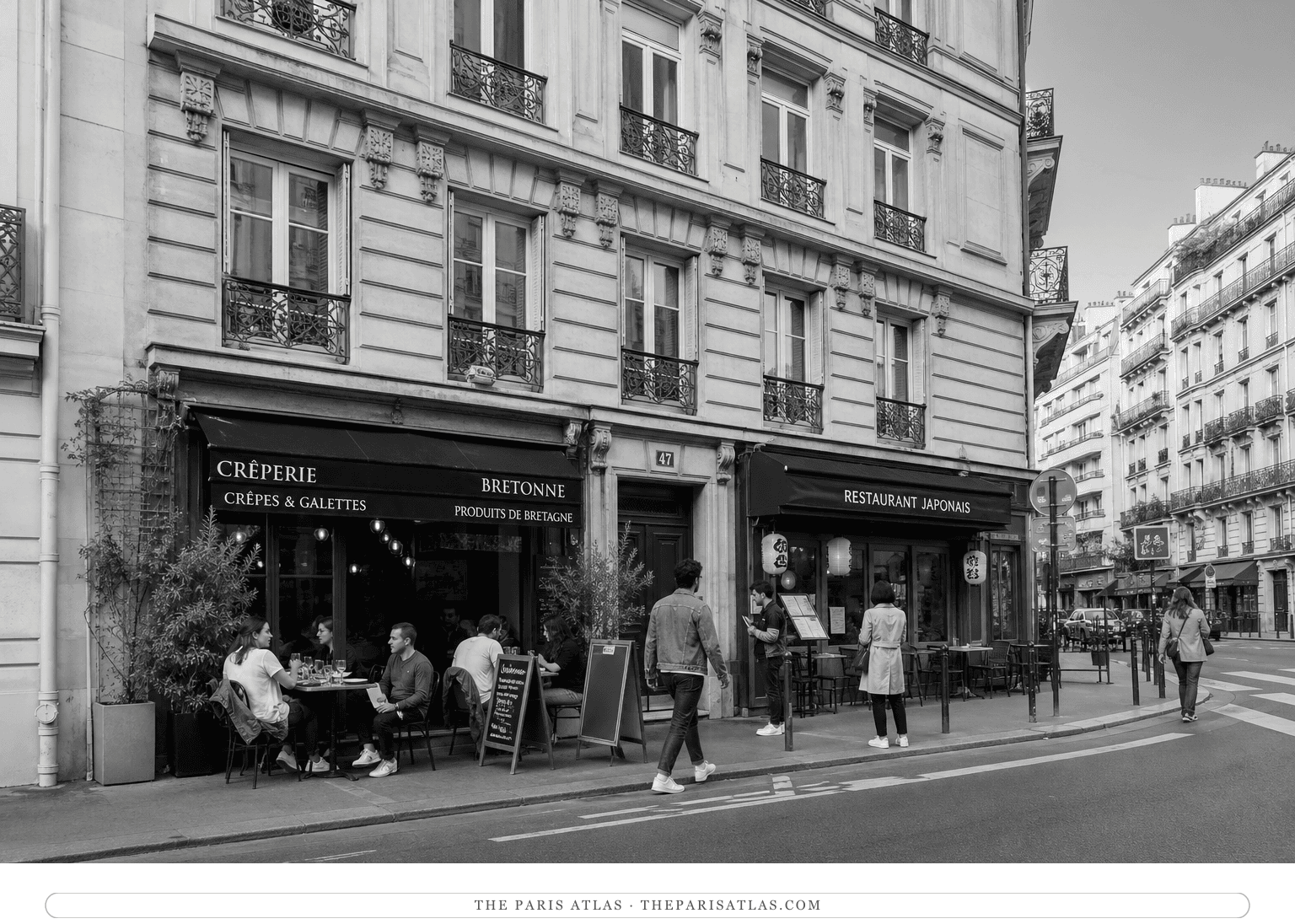
Nothing at number 47 now operates as a public Mourlot workshop. The building and street can be viewed from outside, but the presses, stones, inks and accumulated proofs are dispersed. The address is best understood as a production site whose surviving evidence is the editions themselves rather than a preserved industrial interior.
The printer's contribution is visible in trial proofs, where colours and marks change before the final state. Such sheets challenge the idea that authorship belongs to one spontaneous gesture. Chagall could draw and choose, Sorlier could propose technical solutions, and both could judge the printed result. The edition emerged through conversation with materials and machinery.
Mourlot's workshop also connected fine art to the history of posters and commercial lithography. The same technical tradition capable of producing large runs was redirected toward artist-led experimentation and limited editions. This crossover helped make original prints an important post-war market while giving painters access to specialists whose knowledge could not be reproduced in an ordinary studio.
For Chagall, colour lithography offered a way to revisit motifs without merely repeating paintings. A bouquet, violinist or embracing pair could be redrawn for the stone, simplified, reversed or layered into a different chromatic structure. Repetition became variation across books, independent sheets and exhibition posters, keeping familiar imagery active through changes of medium.
The workshop's disappearance makes museums, catalogues and print rooms essential evidence. A framed final impression shows the result, while proofs and stones reveal decisions that the clean edition can hide. At the address itself, the current building is simply a building on a public street. No operating press or accessible historic interior remains, and visitors should not expect one.
The scale of the collaboration also resists the habit of treating late work as repetition after an artist's supposed peak. Chagall continued learning what transparent inks, overprinting and separate stones could do, and Sorlier's expertise made revision possible. A familiar blue or red could behave differently on absorbent paper than on canvas or glass. The workshop kept experimentation tied to craft through the last decades of a very long career. Seeing an edition as original work rather than a cheaper copy restores both Chagall's decisions and the printers' skilled labour to the history of the address.
The public can walk rue du Montparnasse and view the building exterior; access to current interiors follows their present use, not the former workshop's fame.
Chagall returns to France from the United States and begins working at Mourlot.
The long collaboration with the printer Charles Sorlier produces much of his print output.
Fernand Mourlot's lithography workshop, the printer for much of twentieth-century modern art — Picasso, Matisse, Braque, Miró and Chagall among them.
No. They are original works made for the medium, drawn on the stone. Lithography's flat colour and layered transparency suited his painting unusually well.
After returning from exile in 1948 Chagall worked for decades at the Mourlot lithography studio, principally with the printer Charles Sorlier. Much of his print output began there.
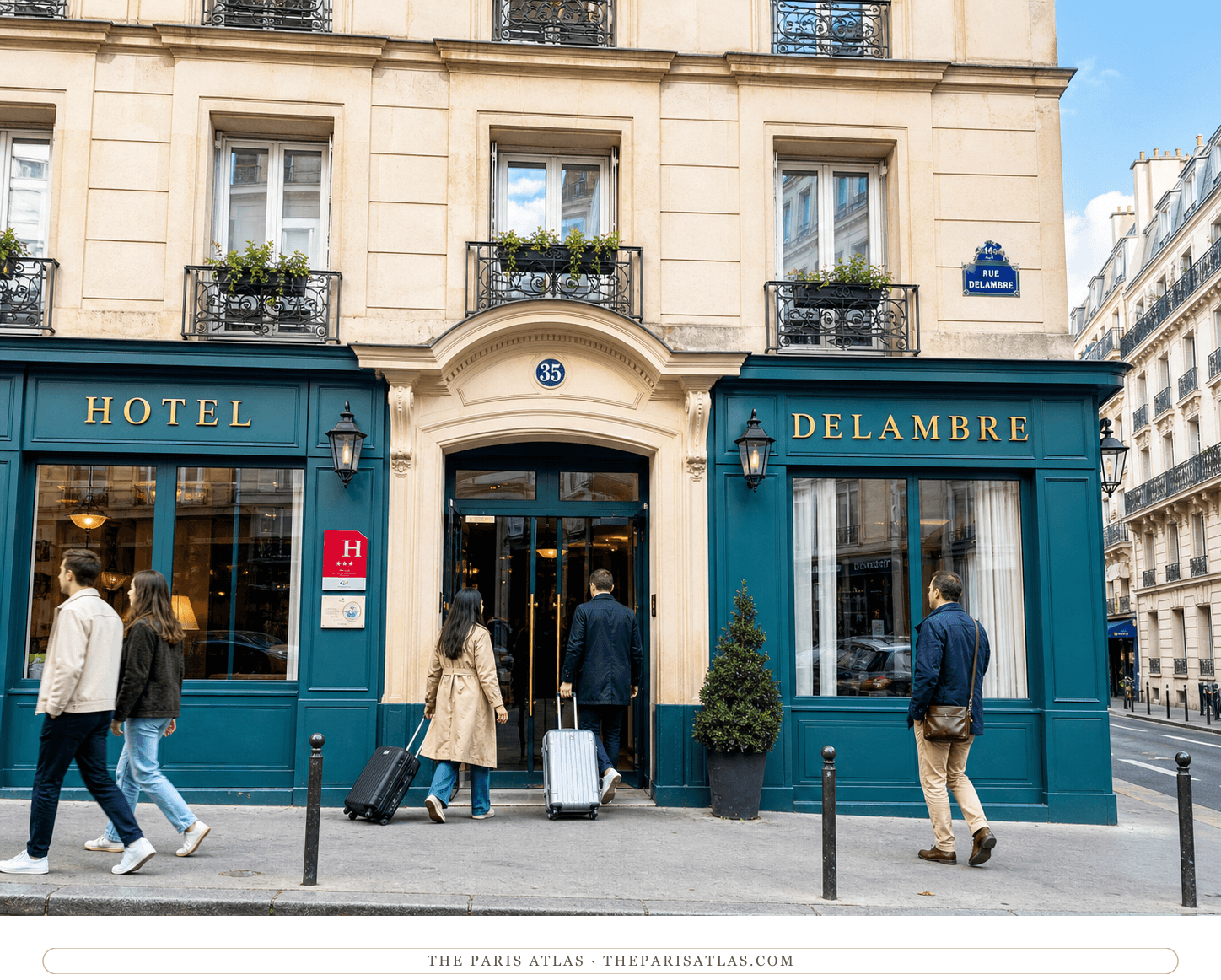
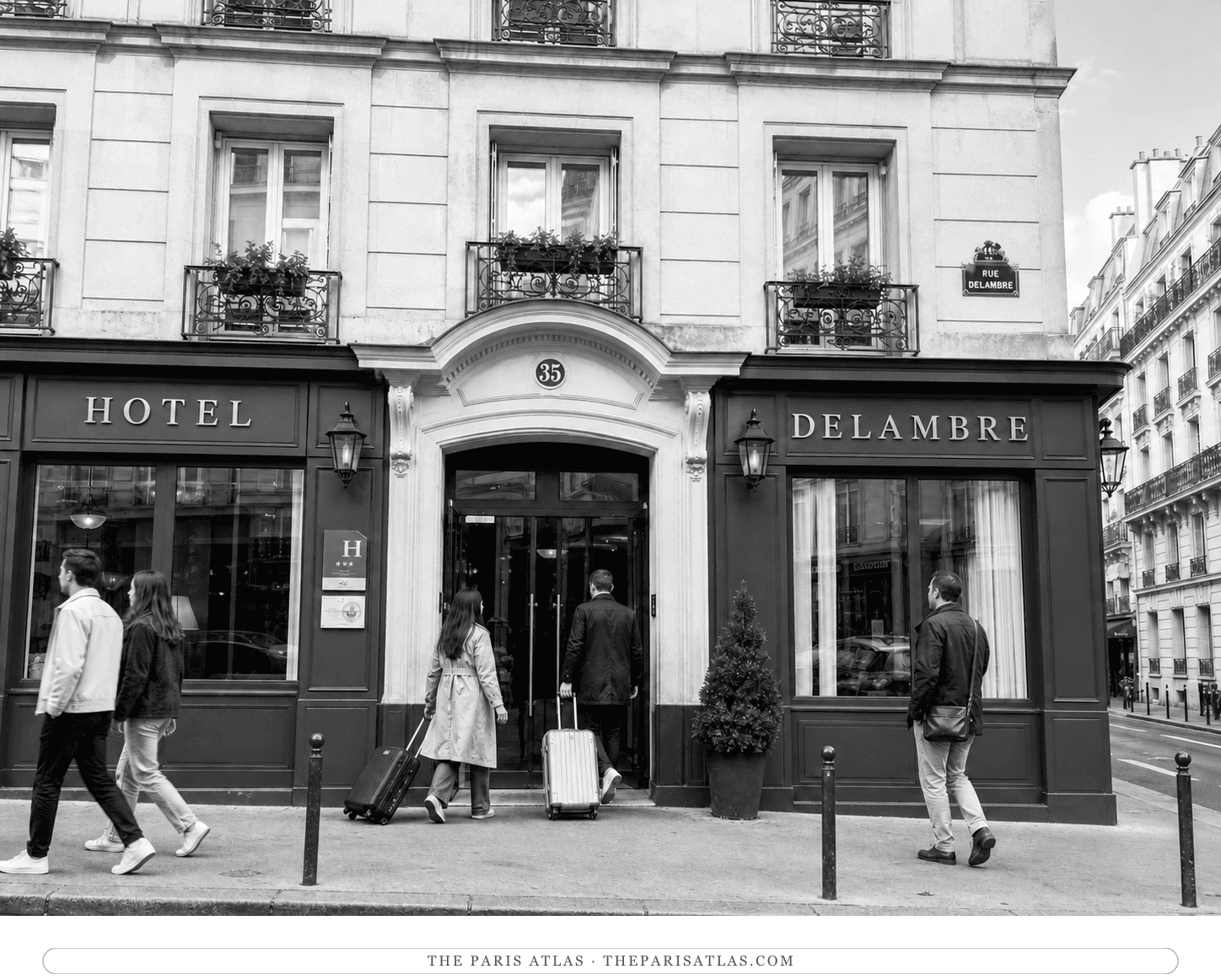
The Montparnasse hotel where Paul Gauguin stayed in 1891 in the weeks before he sailed for Tahiti — still trading, with a plaque inside the entrance recording it.
Visit the place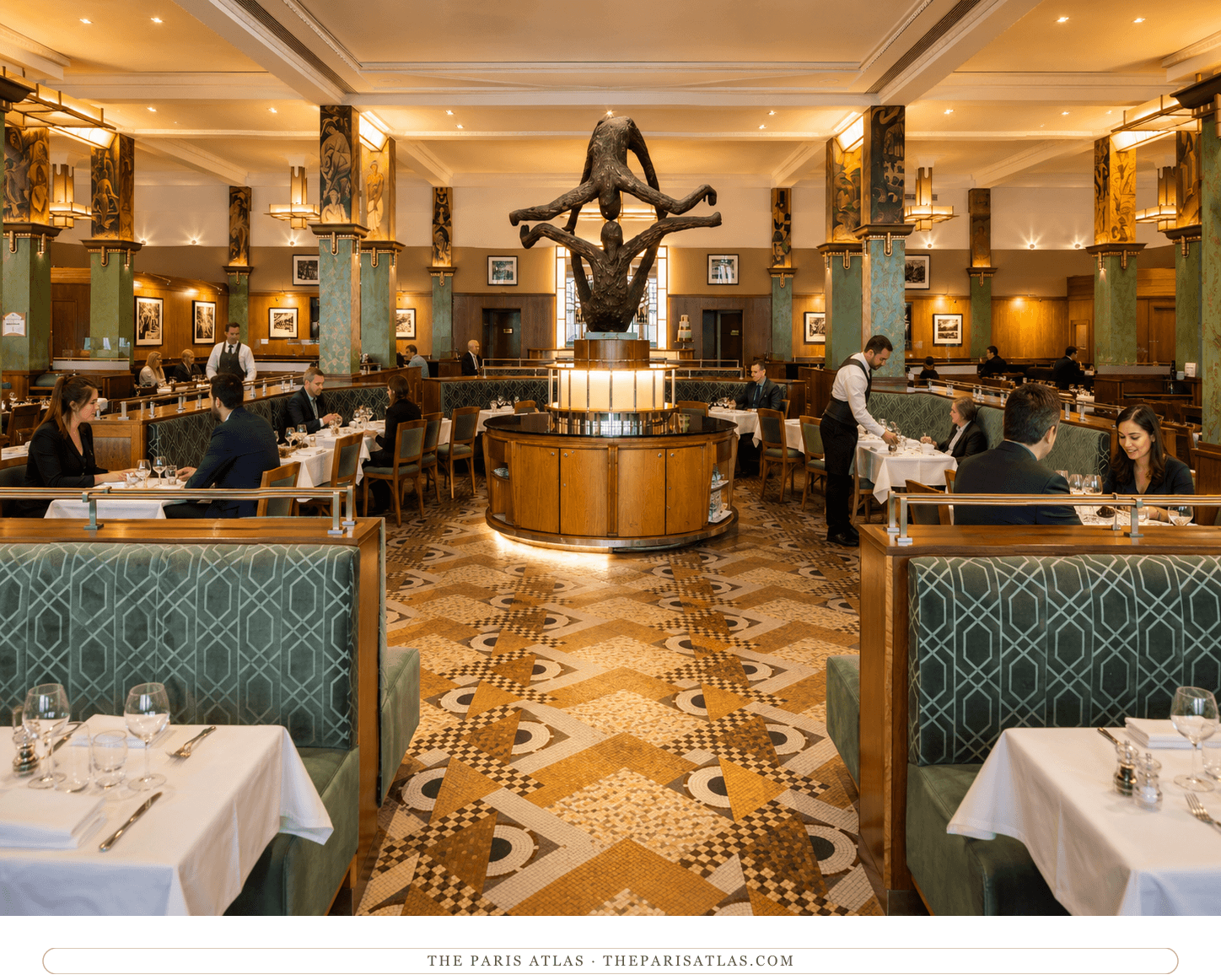
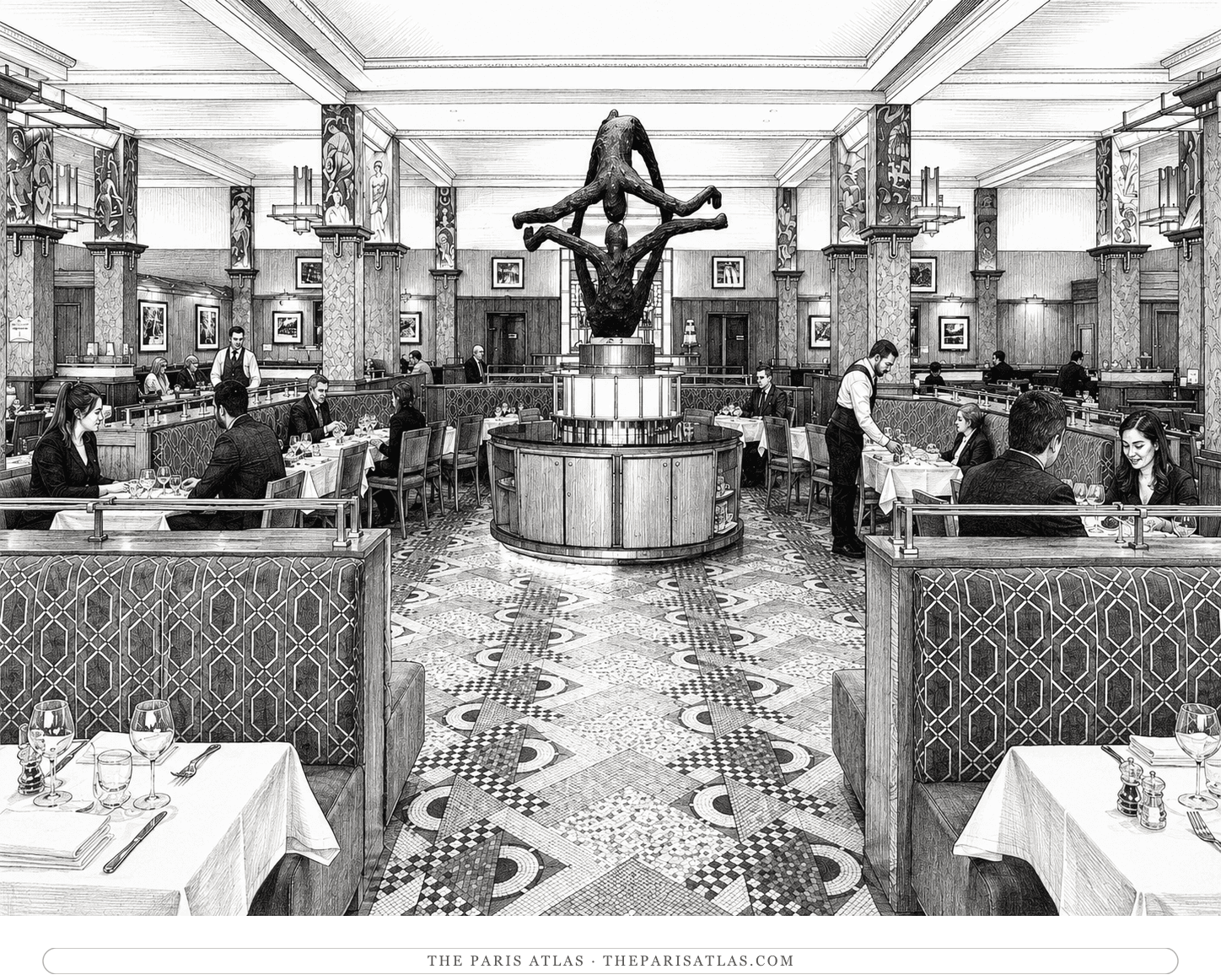
The giant brasserie of the Boulevard du Montparnasse, opened in December 1927 with a party the quarter never forgot — Blaise Cendrars was in the opening-night crowd.
Visit the place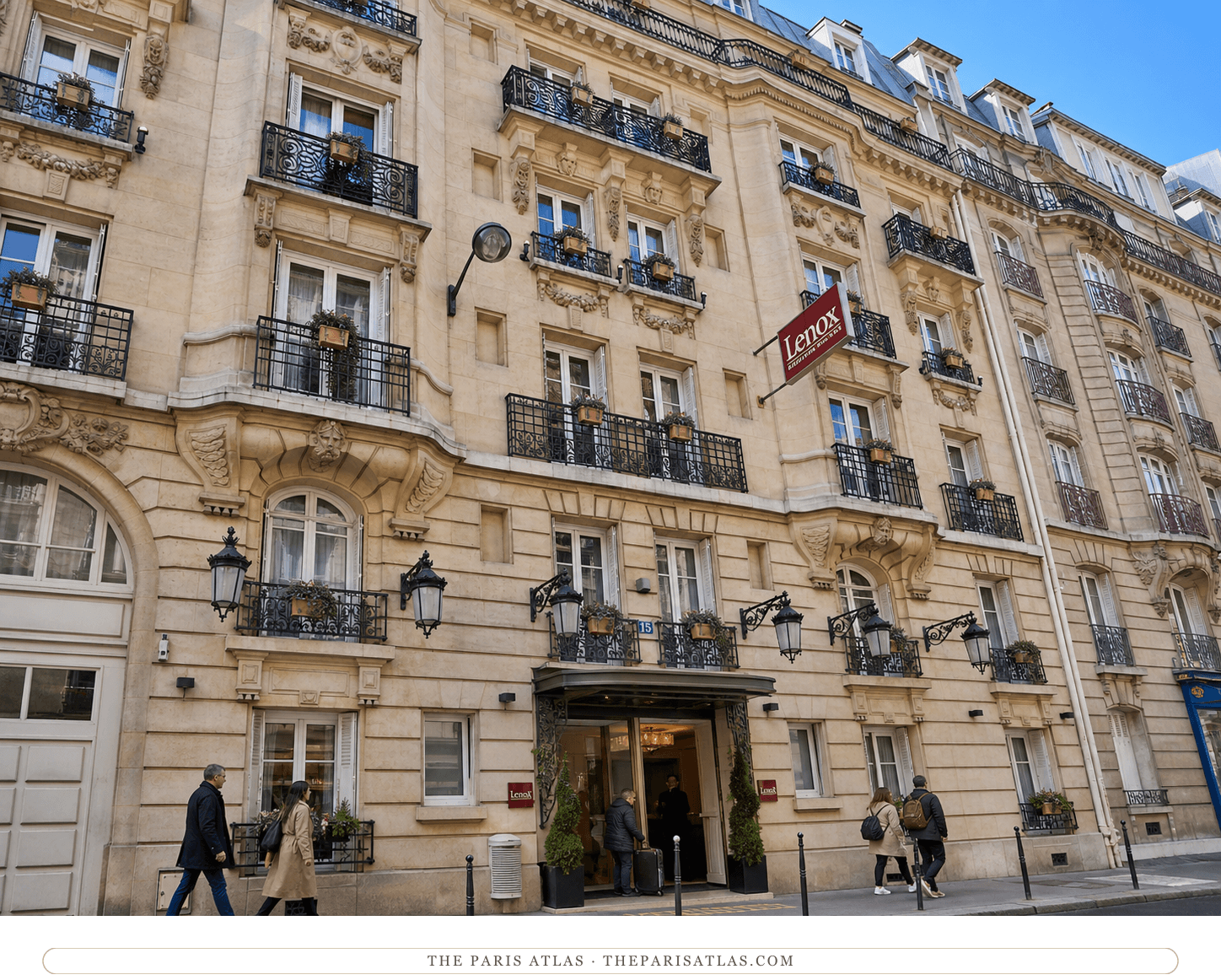
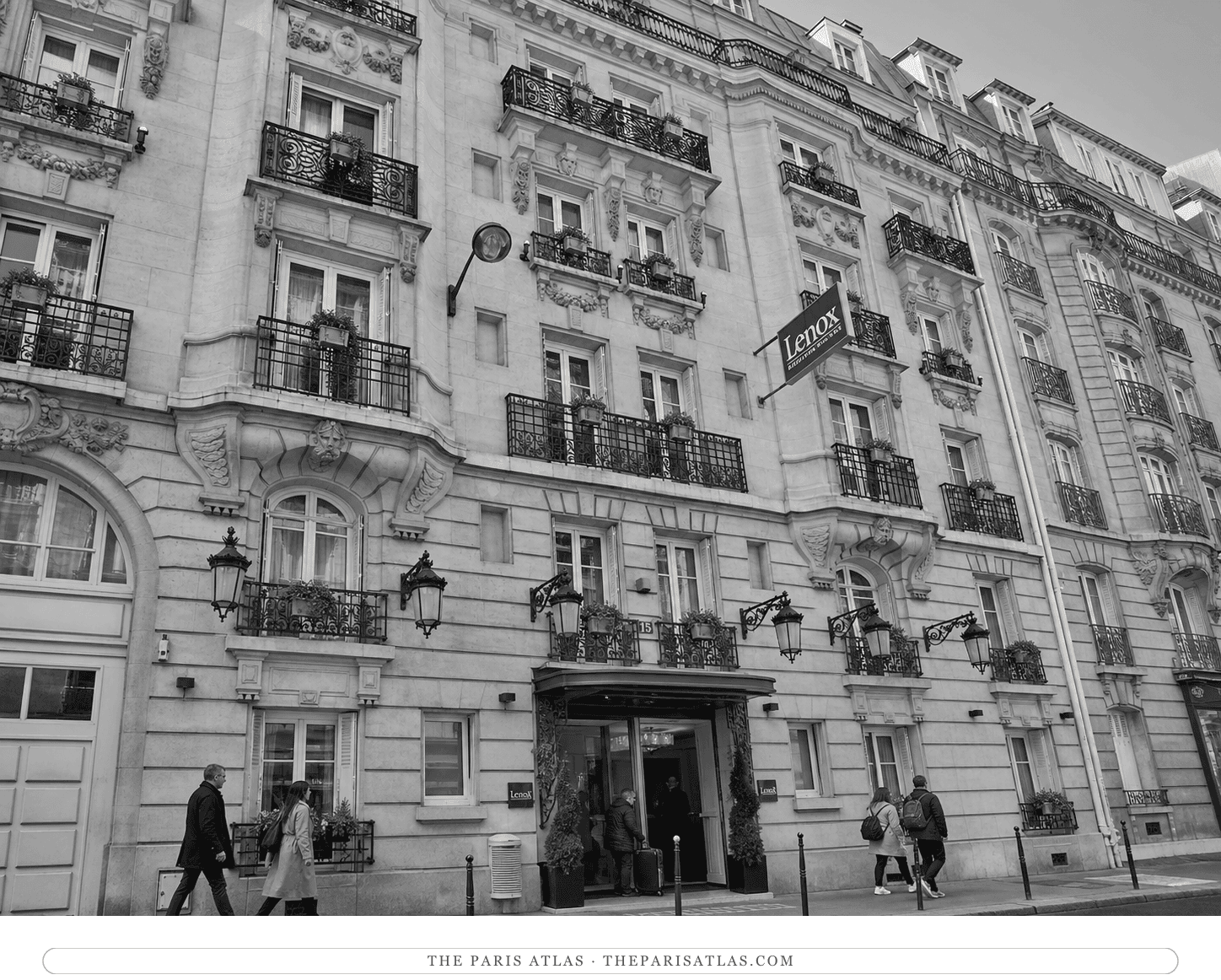
A Montparnasse hotel where Henry Miller and his wife June stayed briefly in 1930, in the unsettled first months of his Paris decade. It still operates at the same address as the Hôtel Lenox Montparnasse.
Visit the place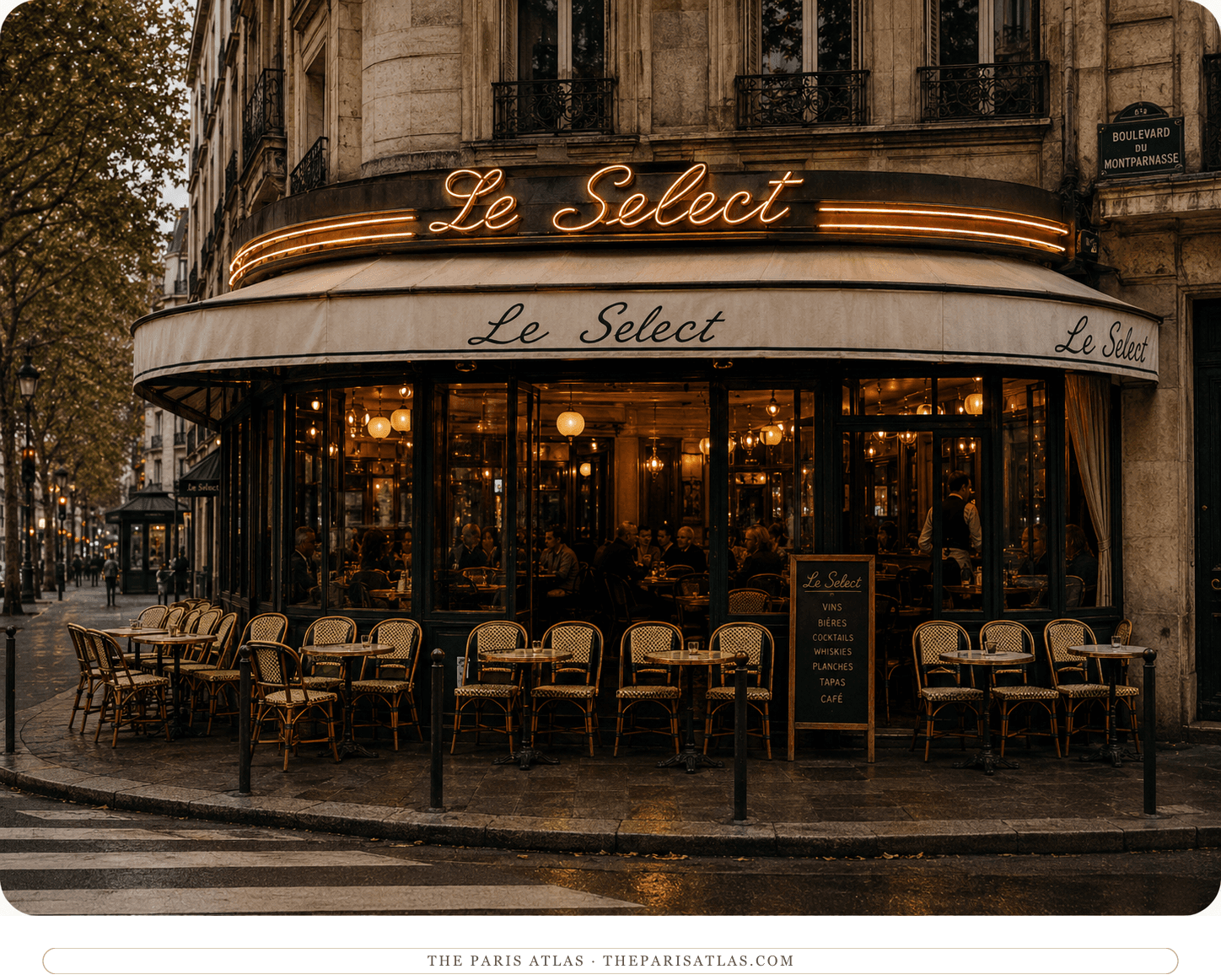
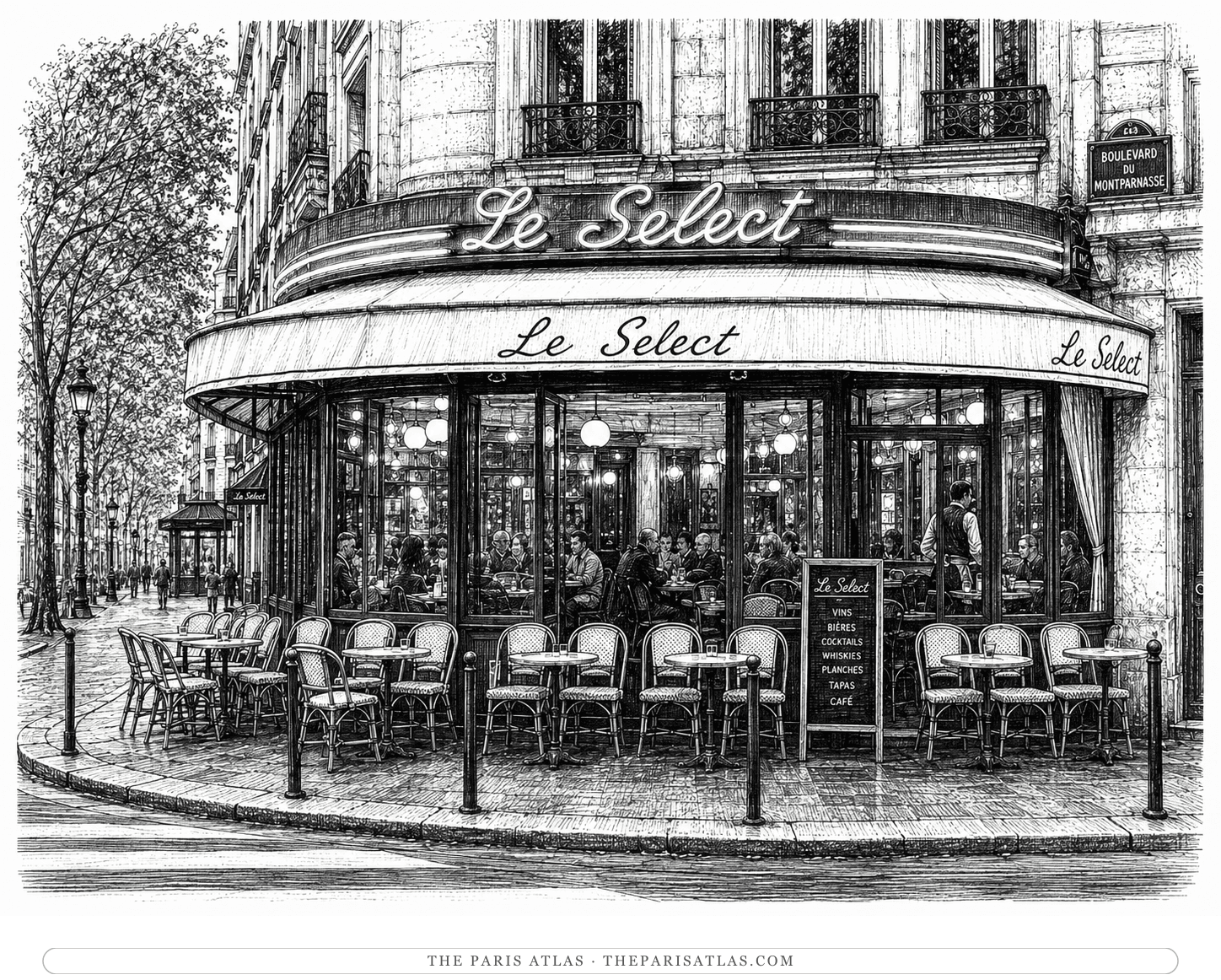
The all-night café of the Vavin crossroads and the closest thing Ernest Hemingway's The Sun Also Rises has to a home address — the crowd always ends up at the Select.
Visit the placeThe sources below include histories, archival materials, scholarly research, and official records that informed this page. They document Atelier Mourlot, 47 rue du Montparnasse, the people connected to it, and its place in Paris.

Contemporary reporting or criticism used to document the historical reception and context of Atelier Mourlot, 47 rue du Montparnasse.

Web source consulted for documented facts and historical context presented on the Atelier Mourlot, 47 rue du Montparnasse page.
Web source consulted for documented facts and historical context presented on the Atelier Mourlot, 47 rue du Montparnasse page.
These references provide the documented foundation for this page's history and context. Claim-level citations remain attached to the specific claims they support.
 Explore more resources
Newsletter
The cafés, studios, and walk-up flats where the work was made — one story from the map in every letter.