
Gold
The same documentary engine, one year earlier, pointed at history instead of the abyss.
Read our take
A young psychiatrist frees the world's most dangerous patient and follows him into the abyss — the monster-novel Henry Miller pressed on everyone.
Moravagine (1926) is the era's great forbidden machine: Raymond la Science, a young psychiatrist, liberates his asylum's prize patient — Moravagine, idiot-heir of the last Hungarian kings, serene incarnation of pure destruction — and follows him out into the world: revolutionary terror in 1905 Russia, flight across America, fever in the Amazon, and home at last to the Great War, where the world catches up with Moravagine's talents. Savage, funny, and genuinely dangerous, it became a cult the moment it appeared; Henry Miller spent decades pressing it on strangers. (Full story below; the ending is behind the accordion.)
Cendrars claimed Moravagine wrote itself through him — a demon he had carried since the Russia years — and the novel keeps that possessed quality: the narrator, a doctor bewitched by his patient's perfect freedom, abandons medicine, morality, and eventually explanation itself to travel in the monster's wake. The itinerary is the author's own upgraded to nightmare — the 1905 Russian revolution's bomb-cells, the Americas, the Orinoco — history rendered as the case file of one magnificent disease. The book's dare is its refusal to condemn: Moravagine is horror as pure vitality, and the narrating 'science' that follows him is implicated to the last page.[1]
Published by Grasset in 1926, the novel became the password of a certain underground taste — surrealists, doctors, deserters — and its greatest missionary was Henry Miller, who ranked Cendrars above every living writer and Moravagine among the books that had marked him for life; the Tropics' cheerful monstrousness is partly this novel's American offspring. Late in life Cendrars appended a postface tracing the demon's biography inside his own. It remains Cendrars's purest strain of black exuberance: the twentieth century diagnosed, in 1926, as a patient who should never have been released — by the man who signed the release.[1]
Raymond la Science, brilliant young alienist, meets the asylum's secret: Moravagine, last idiot-heir of Hungary's kings, locked away since childhood for a murderous crime, serene, gentle-mannered, and absolutely void of what the world calls conscience. Fascinated past professional recovery, Raymond engineers his patient's escape and appoints himself disciple — the man of science studying pure liberated instinct in the field. The field is the early century at its worst: they burrow into the terrorist cells of 1905 Russia, where Moravagine's gifts flower amid bombs and betrayals, then flee across an America of trains, mines, and carnage, and on into the Amazon's fever, where the disciple loses even the illnesses he came with.[1]
The war brings them home: 1914 receives Moravagine like a prodigal — the world has finally organized itself around his one talent — and doctor and monster are swallowed into the machinery of the front, aviation, and madness now indistinguishable from policy. The novel's engine never slackens: episodic, delirious, blackly comic, with the narrator's clinical tone rotting wonderfully as his subject consumes him.[1]
The war outlasts the monster: Moravagine dies in 1917 in an asylum at the front's edge — the world's madness having finally made his own redundant — leaving behind manuscripts, among them his masterwork: the year he spent, by his own account, on Mars, and a final page bequeathing the single word of the Martian language. Raymond survives to publish the file the reader has just finished, doctor turned literary executor to the disease he freed. Cendrars closes the loop in the postface: Moravagine, he confesses, was never entirely a character — the demon's biography and the author's share too many roads. The book ends, in other words, still loose.
Raymond arrives at Waldensee determined to challenge the profession that has just qualified him. In the opening excerpt reproduced by the Centre d'Études Blaise Cendrars, his demand for scientific detachment turns into a sequence of speculative claims about illness and health. Repeated qualifications make his apparent certainty unstable. Before the patient becomes the object of study, the doctor's own language demands scrutiny. The institutional setting therefore supplies no guarantee of a neutral account: we meet Moravagine through someone already eager to overturn the categories with which he is meant to explain him.
In the workshop passage quoted by Vincent Colonna, Cendrars enters his novel as an unnamed man absorbed in marking a wooden propeller. Tools, machinery and places to sleep establish a world of practical activity before Champcommunal finally introduces him by name. The delayed identification makes the author's appearance a small surprise within Raymond's account, rather than an announcement of control over it. Colonna distinguishes this plausible self-portrait from the invented encounter surrounding it. The scene brings the writer inside his fiction without making the fictional meeting a reliable biographical record.
Moravagine stands with the century's great dark creations — pure freedom examined without a net.
1905 Russia to the Western Front, diagnosed as one escalating illness — the century's autobiography before it happened.
The Tropics' cheerful monstrousness learned from these pages — read it and the whole shelf rewires.
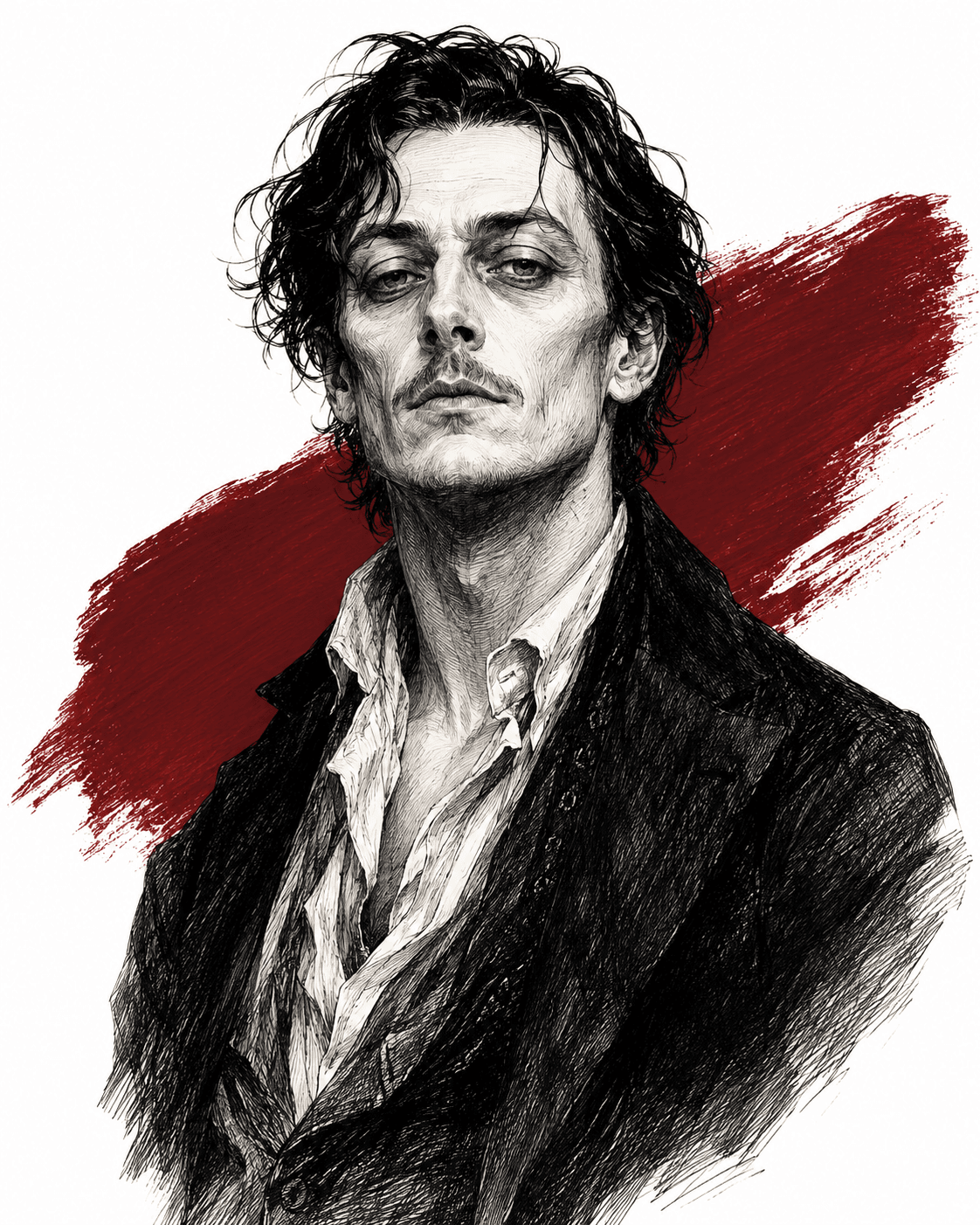
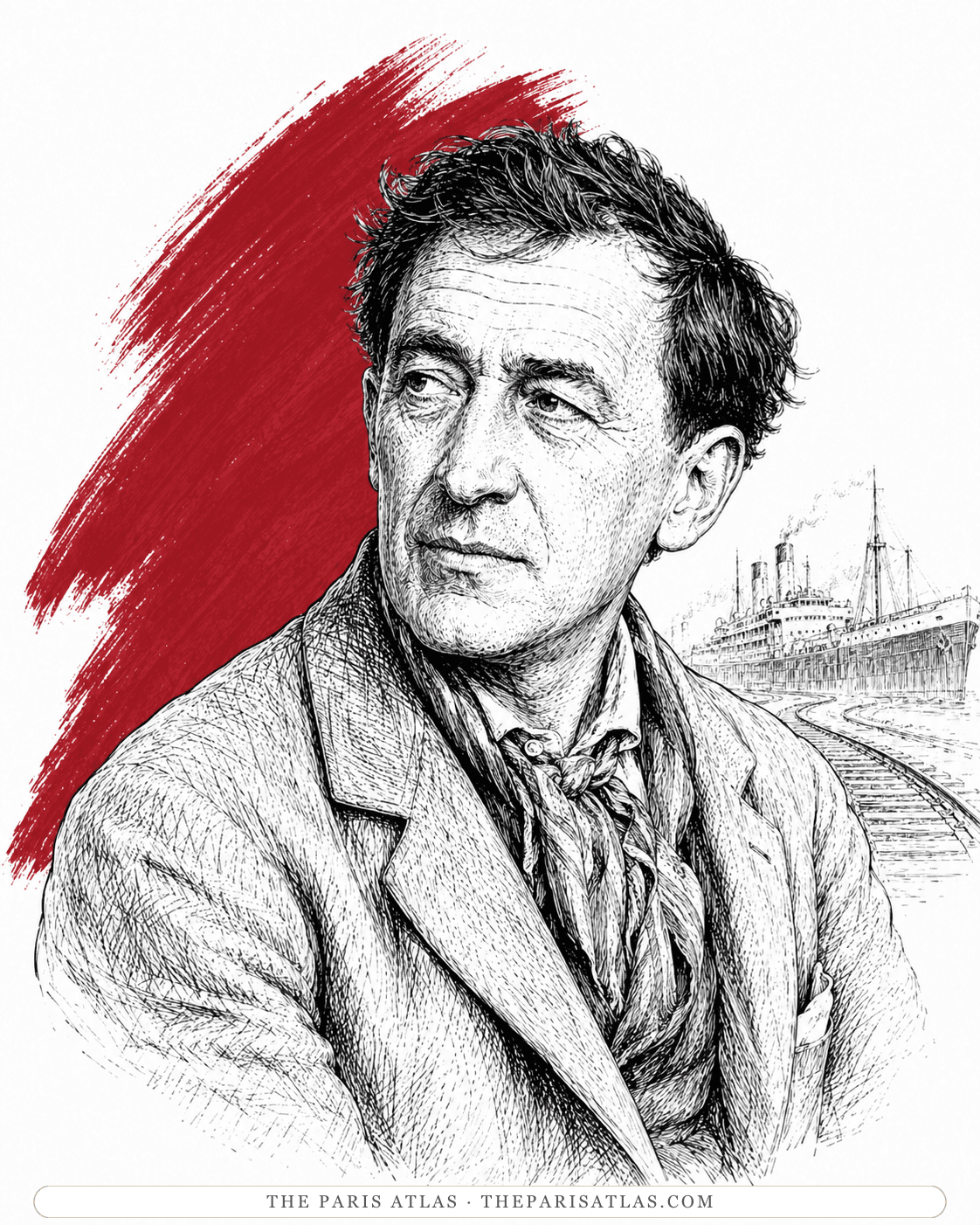
The patient the novel is named for — shut up in a Swiss sanatorium since he was eighteen, and released by the doctor who was supposed to be treating him.

The narrator — a young psychiatrist who breaks his most dangerous patient out of the asylum, gives up medicine, and spends the next thirteen years travelling in his wake.
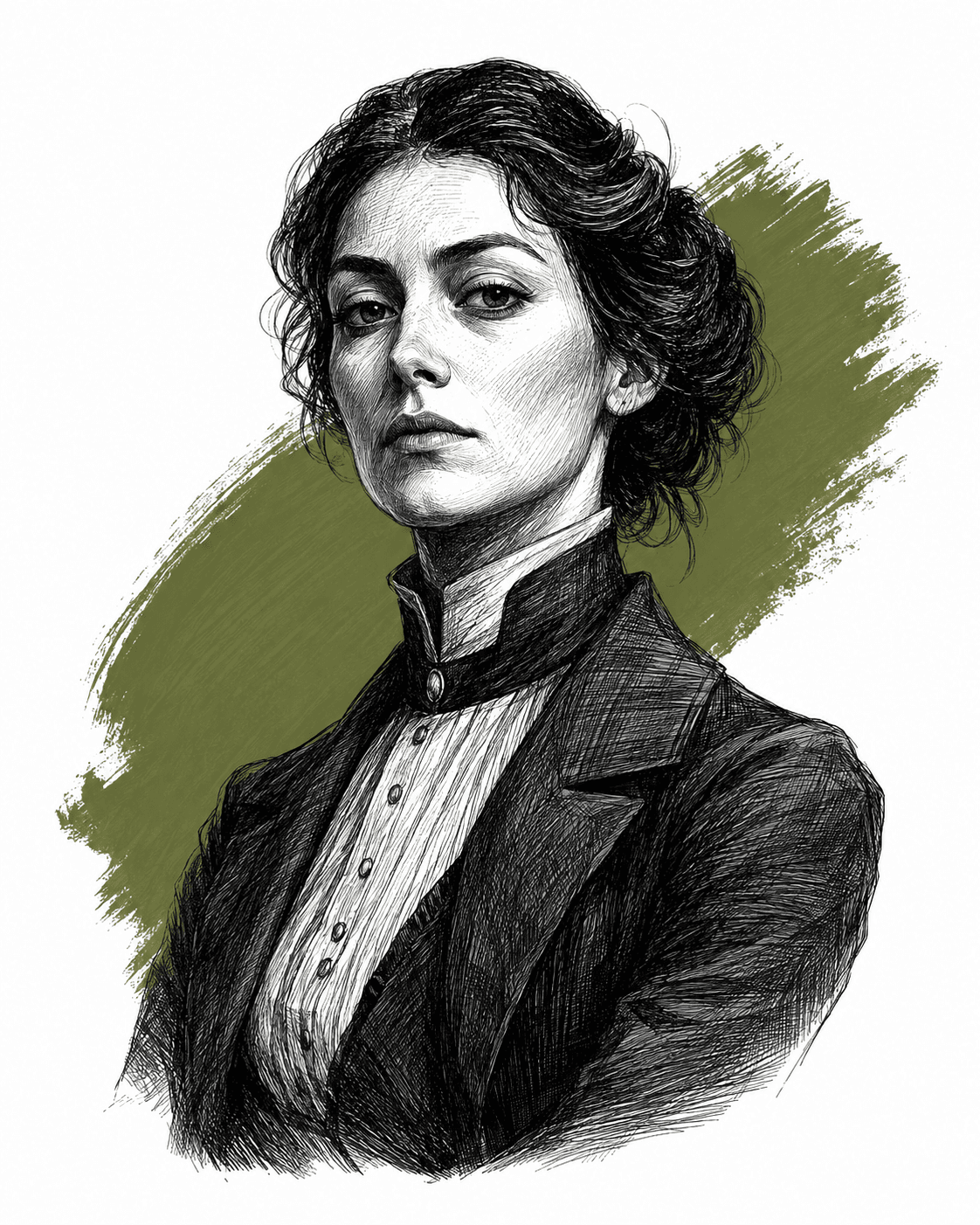
The Lithuanian scholar who runs the revolutionary party's underground press and plans its assassinations to the second — and the only woman in the group.
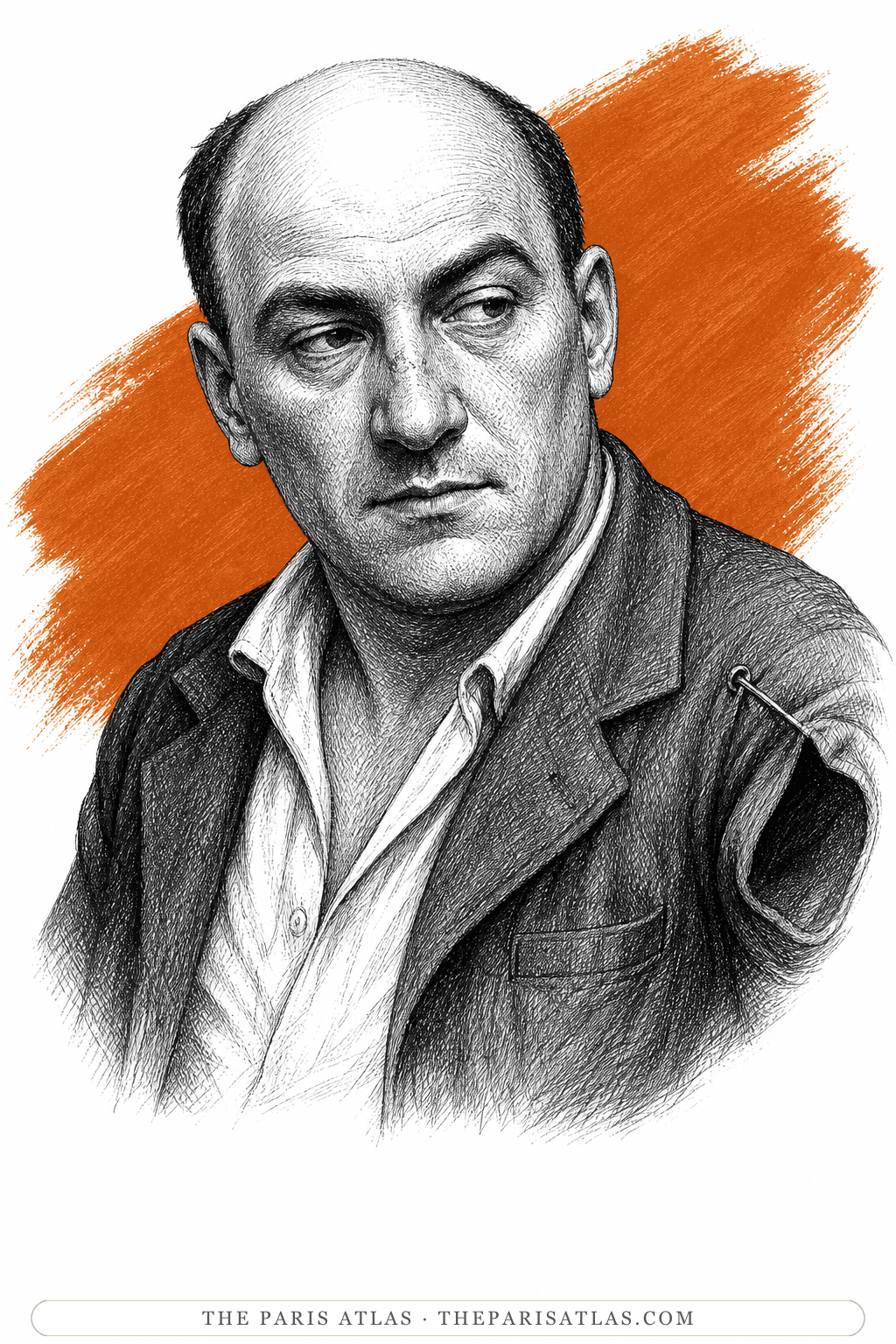
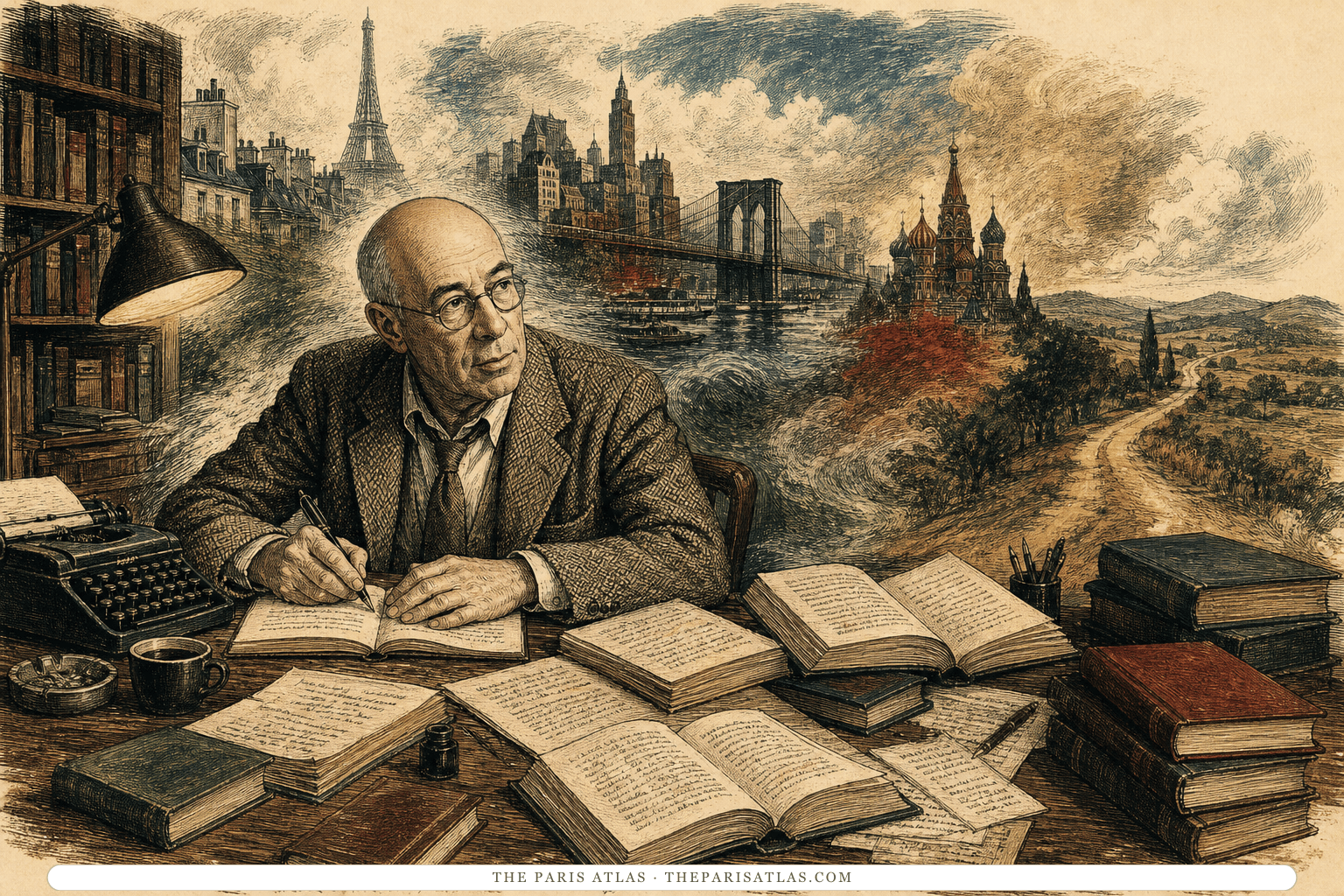
The author, inside his own novel — a mechanic in an aircraft shed at Chartres, a fellow amputee in a hospital at Cannes, and throughout the man holding the narrator's papers.

The Breton guide who attaches himself to Moravagine and the narrator in Wyoming — cook, horse-minder, confidence man, and the only person in the book who is fond of either of them.
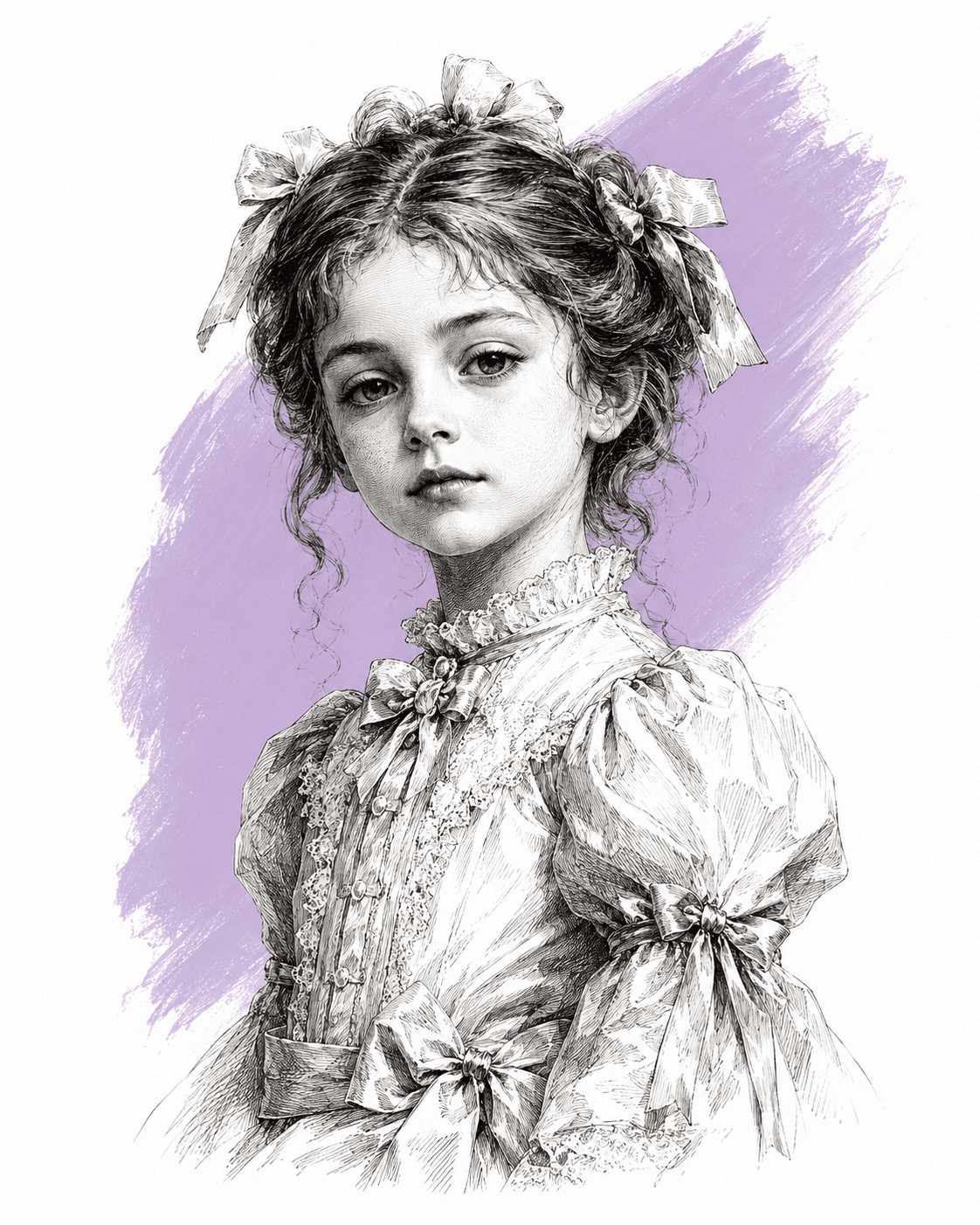
Married to Moravagine in the castle chapel when he was six and she was a small girl in ribbons — the figure at the centre of everything he tells about his childhood.
1926
Grasset publishes Moravagine, which Cendrars claimed had 'written itself through him' — a demon he had carried since his years in Russia.
1926
Savage, funny, and genuinely dangerous, it becomes a cult book at once; Henry Miller would spend decades pressing it on strangers and ranking Cendrars above every living writer.
2004
NYRB Classics publishes Alan Brown’s translation with an introduction by Paul La Farge and Cendrars’s account of writing the novel.

The same documentary engine, one year earlier, pointed at history instead of the abyss.
Read our take
The night this novel maps at full speed, six years before Céline walked it.
Read our take
Miller's debt in action — the liberated monster's American grandchild, laughing.
Read our takeBlaise Cendrars, the Swiss-French adventurer-poet. The novel was published in 1926.
A young psychiatrist frees his asylum's most dangerous patient — Moravagine, a serene incarnation of pure destruction — and follows him across revolutionary Russia, America, and the Amazon, home at last to the Great War.
Savage, funny, and genuinely dangerous, it became a cult book the moment it appeared. Henry Miller spent decades pressing it on strangers.
Cendrars claimed the book "wrote itself through him" — a demon he had carried since his years in Russia — and it draws on that period of his life.
A dark, picaresque modernist novel — part adventure story, part philosophical provocation about freedom and destruction.
Explore authors with a similar voice, perspective, and influence.

The devoted heir — Miller crowned Cendrars above every living writer, and the torrential first-person prose is the family resemblance.
View author
The other voyager at the end of the night — spoken rhythm, black exuberance, and a war wound at the center of everything.
View author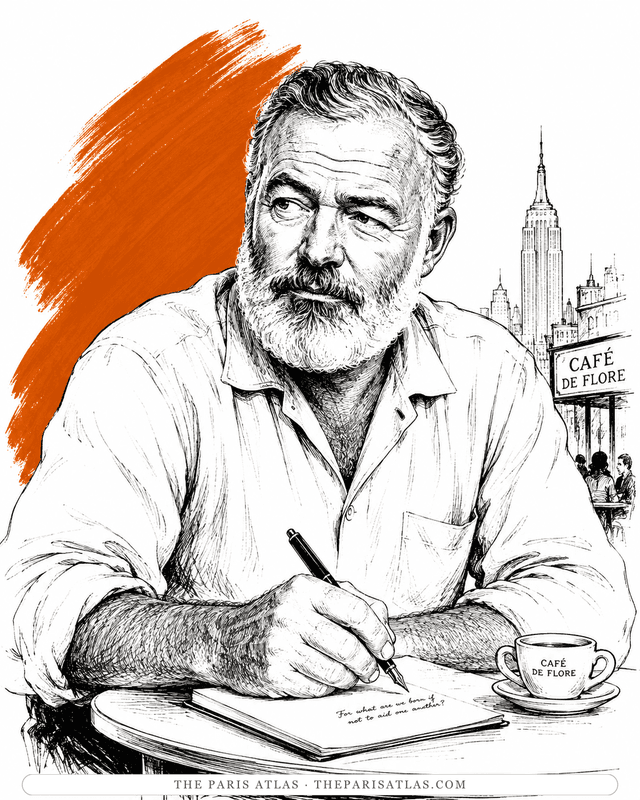
Author of The Sun Also Rises and A Moveable Feast; his pared-down style, developed in 1920s Paris, became the most imitated in American prose.
View authorThe sources below include the primary text, editions, scholarship, archival materials, and other records that informed this page. They document Moravagine, its publication, and its place in literary history.


Close reading of the selected French opening reproduced in the exhibition's Raymond la Science entry. The excerpt contains marked omissions; it is not a complete clinic chapter or medical evidence. Exhibition credits identify the 2017 Pléiade text.
Primary workshop passage quoted on printed p. 137, with Colonna's discussion of partial resemblance and fictional events on pp. 136–137. Relevant pages visually inspected; no full-novel or independent biographical verification claimed.
Used to place Moravagine within Blaise Cendrars's published work and verify its bibliographic context.
Used for independent biographical, archival, or historical context surrounding Blaise Cendrars's career and the period in which Moravagine appeared.

Used to cross-check authorship, chronology, and the work's place in Blaise Cendrars's wider catalogue.
Used to verify Blaise Cendrars's bibliography and place Moravagine within the broader chronology of Blaise Cendrars's career.
The primary text is the baseline reference for every book page. Additional references document publication history, interpretation, and historical context where that evidence is available.
 Explore more resources