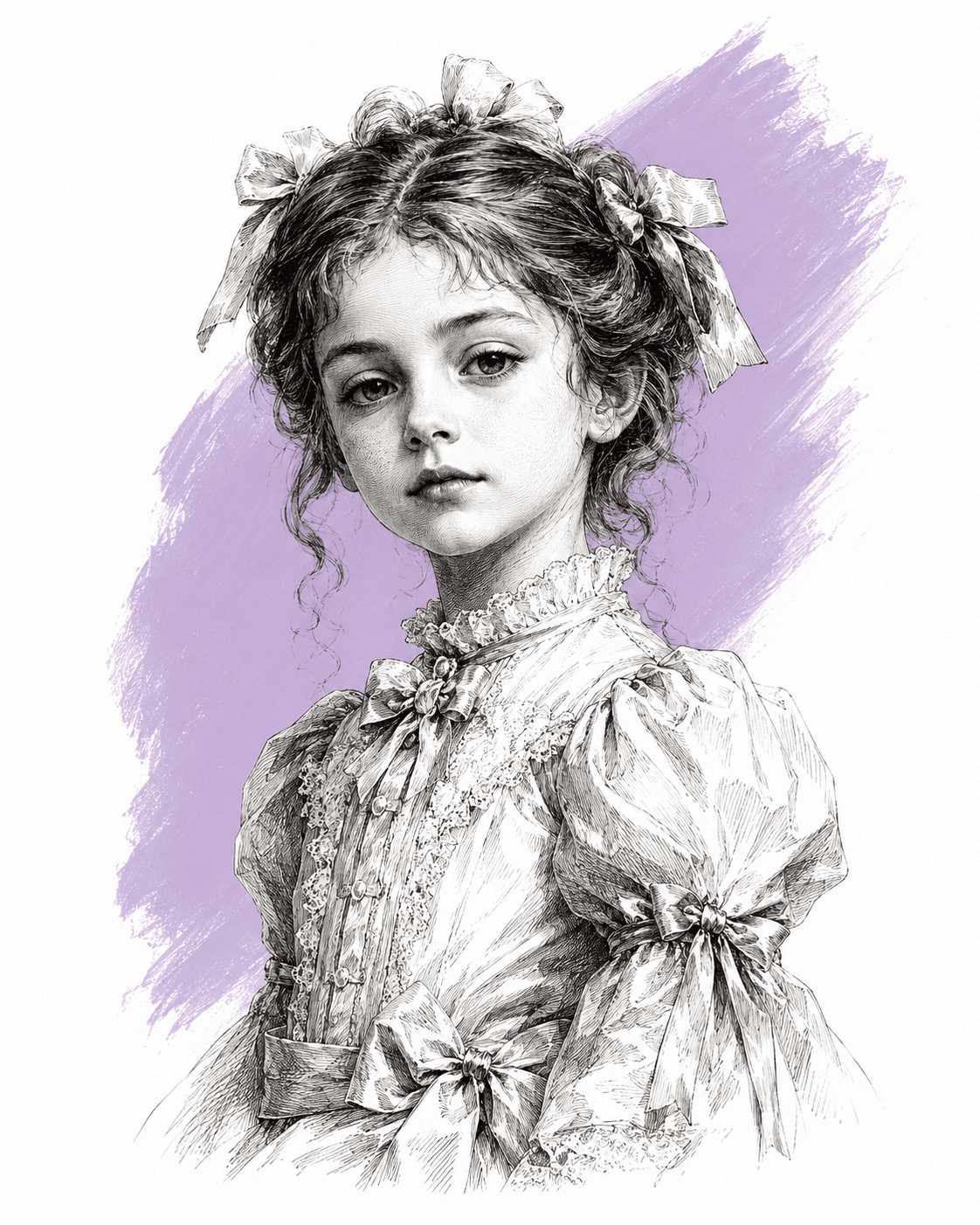
Princess Rita
Married to Moravagine in the castle chapel when he was six and she was a small girl in ribbons — the figure at the centre of everything he tells about his childhood.
The book

At a glance
- A princess married to Moravagine as a child, in the chapel of the castle of Fejervar
- He was six; she was a small girl decked out in ribbons, brought by an old general
- Once a year on the wedding anniversary, then almost weekly the year she moved to a castle nearby
- In the fencing hall at Fejervar, in a riding habit, saying she has been called to Vienna for the winter season
- The chapter on Moravagine's origins and childhood, told entirely in his voice
Who they are in the book
Spoiler-freeRita arrives at the castle of Fejervar in a state carriage with an elderly general, hiding her face behind a bouquet, on the day she and Moravagine are married. They are both children. They kneel on the same cushion under the same veil, joined by ribbons whose ends are held by the maids of honour, and she is driven away again the same evening. After that she comes once a year, on the anniversary.
Everything the reader is told about her comes from Moravagine himself, years later, in the lodge at Waldensee. She reappears without warning after a three-year absence, no longer a child, and runs ahead of him through the corridors while he hobbles behind on his bad leg. They spend afternoons in the empty fencing hall lying face to face on a gymnastics mat without speaking. She plays the instruments in the little salon upstairs, and dances on the lawn in gowns dug out of the wardrobes. Later she takes to visiting on horseback without dismounting.
How Princess Rita Is Portrayed
- The weddingSilver trumpets in the grounds, a hallway of ladies in court dress and officers in full regalia, two children plighting their troth, and a bride who smiles through her tears at the moment of the blessing.
- The eyesWhat he remembers is her eyes above the bouquet. He later cuts the eyes out of every ancestral portrait in the castle gallery, having studied them all and found that none of them have the same liquid depth.
- The visitsOnce a year at first, then almost weekly, on Fridays, the year she moves to a castle nearby, then from the saddle without getting down. She refuses to let him see her undressed, and after he asks, the visits thin out.
- The perfumeCrushed walnuts and watercress, he says, and in the fencing hall he did not so much sit with her as absorb her through the skin.
She tells him she has been called to Vienna for the winter, that she is already invited to balls and parties and that the season promises to be brilliant. He stops hearing her. He throws her down, strangles her, forces his fist into her mouth so that she cannot cry out, and opens her belly with a knife; she lashes his face with her riding crop. He was eighteen, and the year was 1884. He was sent to the fortress at Pressburg, and says that in the first eighteen months there he never once thought of Rita or of her death, and never felt a twinge of remorse.
If you like Moravagine


If you like Blaise Cendrars
Explore authors with a similar voice, perspective, and influence.
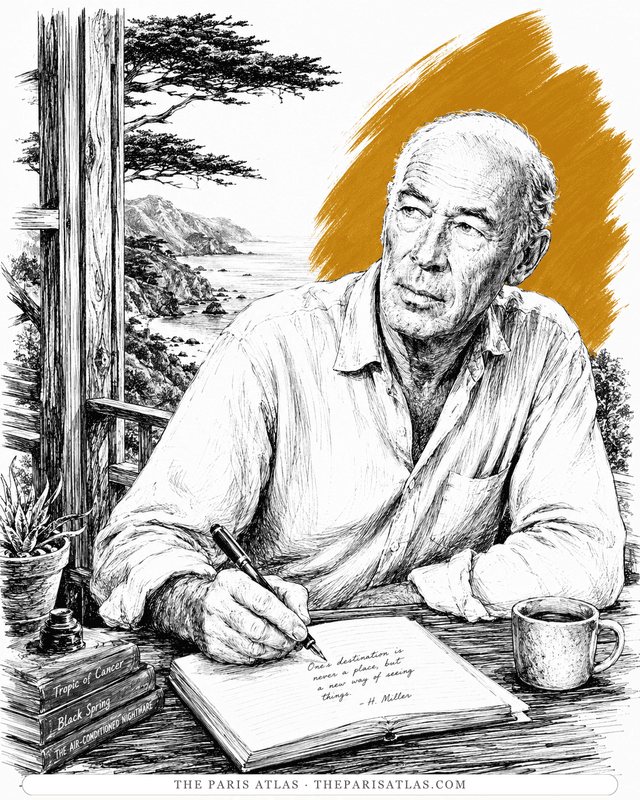
Henry Miller
The devoted heir — Miller crowned Cendrars above every living writer, and the torrential first-person prose is the family resemblance.
View author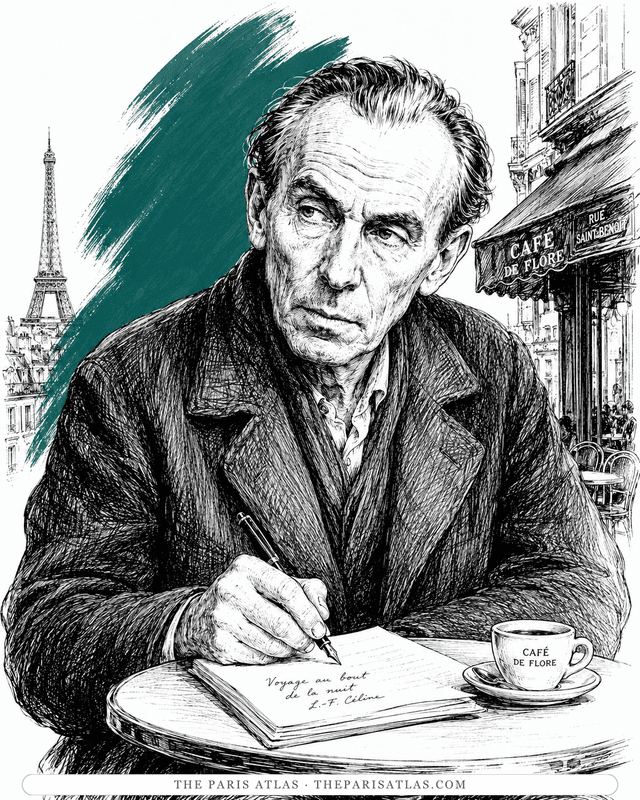
Louis-Ferdinand Céline
The other voyager at the end of the night — spoken rhythm, black exuberance, and a war wound at the center of everything.
View author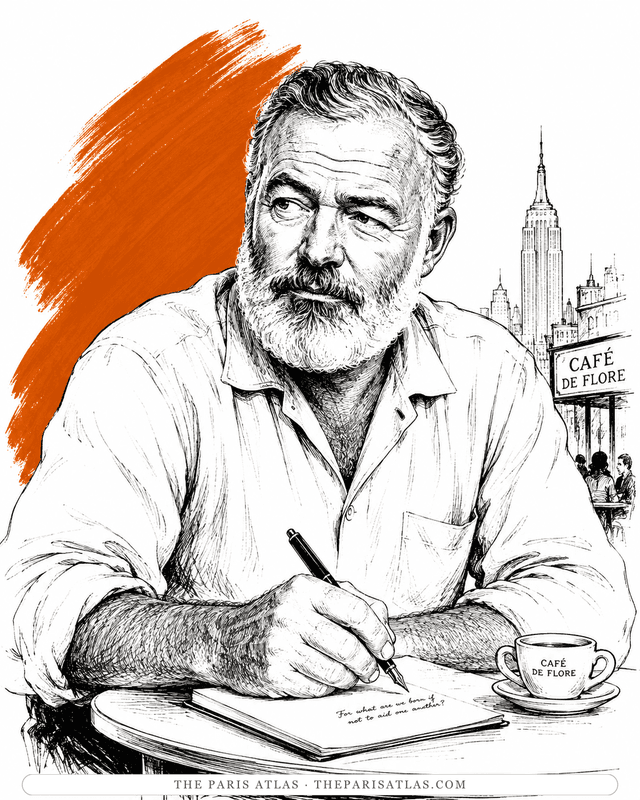
Ernest Hemingway
Author of The Sun Also Rises and A Moveable Feast; his pared-down style, developed in 1920s Paris, became the most imitated in American prose.
View author