
The rise and ruin of General Sutter, told at telegraph speed — the little novel that made Cendrars famous and Hollywood hungry.
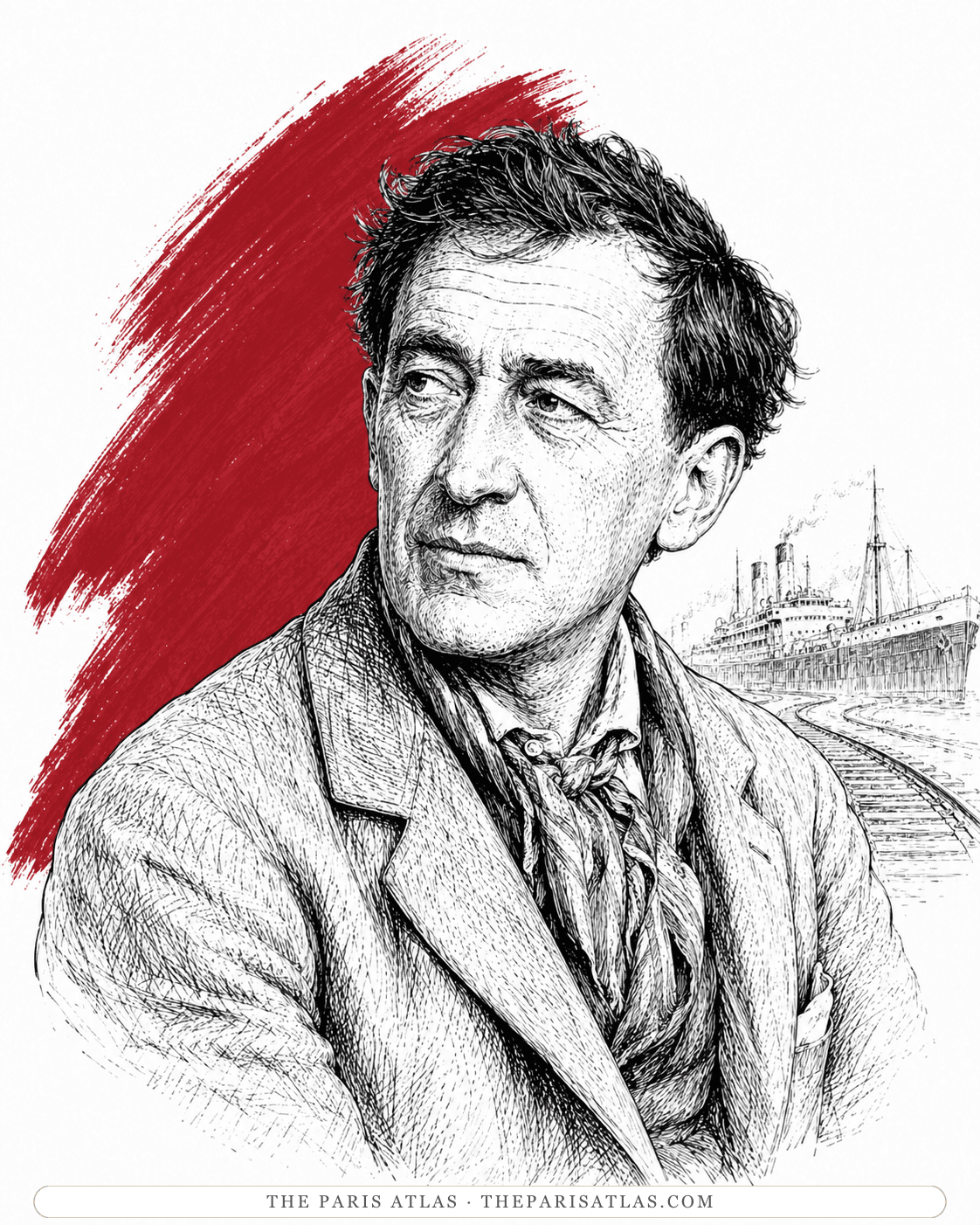
14 Blaise Cendrars titles: 4 novels, 1 story collection, 5 memoirs and travel books, and 4 books of poems. They are listed below by form, earliest first, and every one links to its own page.
Start with Gold, the short 1925 novel that made Cendrars famous, or with The Prose of the Trans-Siberian, the two-meter poem he made with Sonia Delaunay — it takes twenty minutes and is the reason he matters to modern poetry. Moravagine is the wild one. Nothing needs to be read in sequence except the four volumes of the memoir tetralogy, which follow publication order.
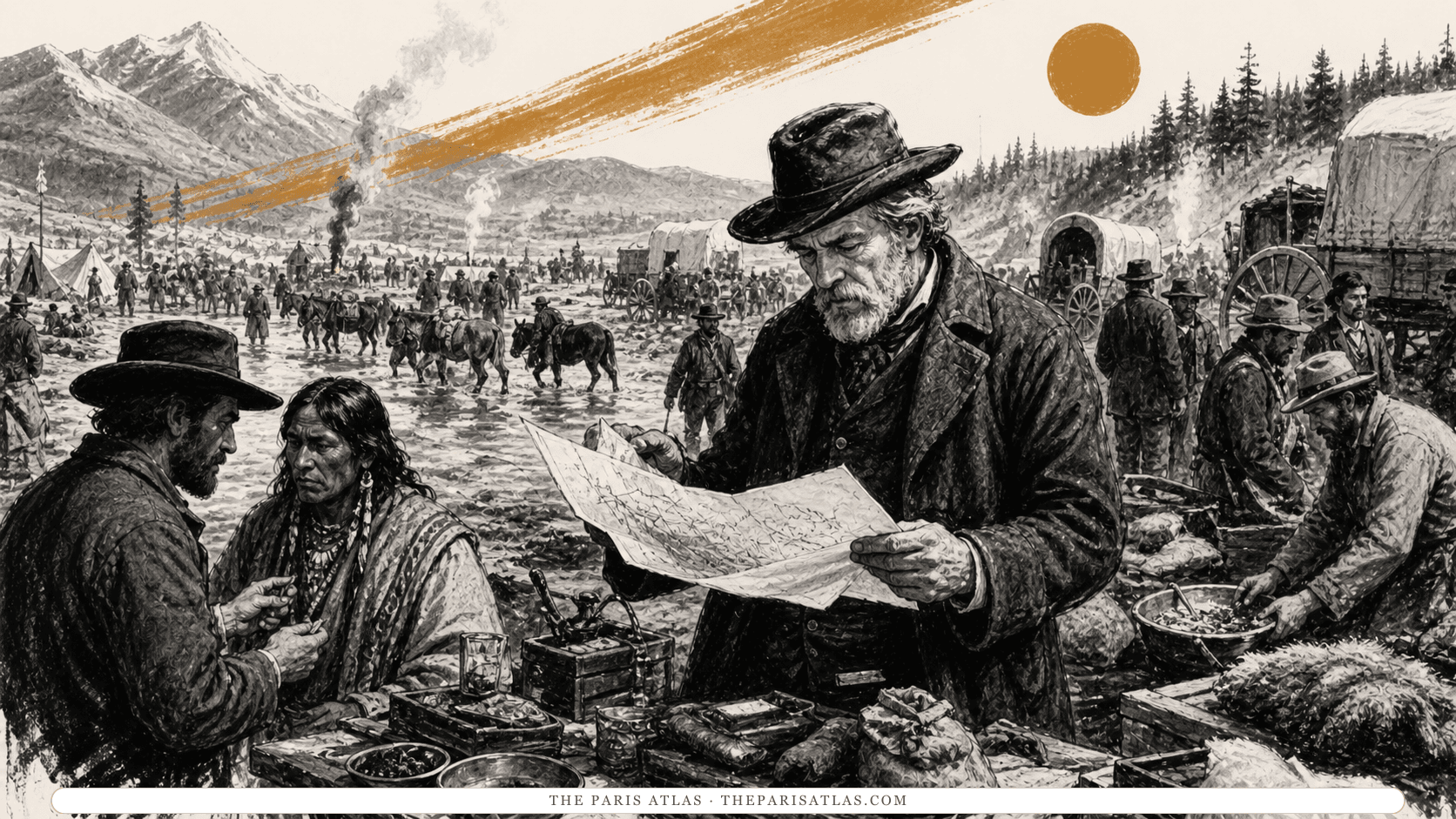
The rise and ruin of General Sutter, told at telegraph speed — the little novel that made Cendrars famous and Hollywood hungry.

A young psychiatrist frees the world's most dangerous patient and follows him into the abyss — the monster-novel Henry Miller pressed on everyone.

A jilted millionaire sails three artists to Antarctica to see what silence does to them — then comes back and buys the whaling trade.

The true case of Jean Galmot — rum fortunes, a Guiana seat in parliament, a prison cell, and a death in Cayenne that started a riot.

The compilation that put African storytelling on Paris shelves in 1921 — creation myths, trickster tales, and the source of a Ballets Suédois landmark.
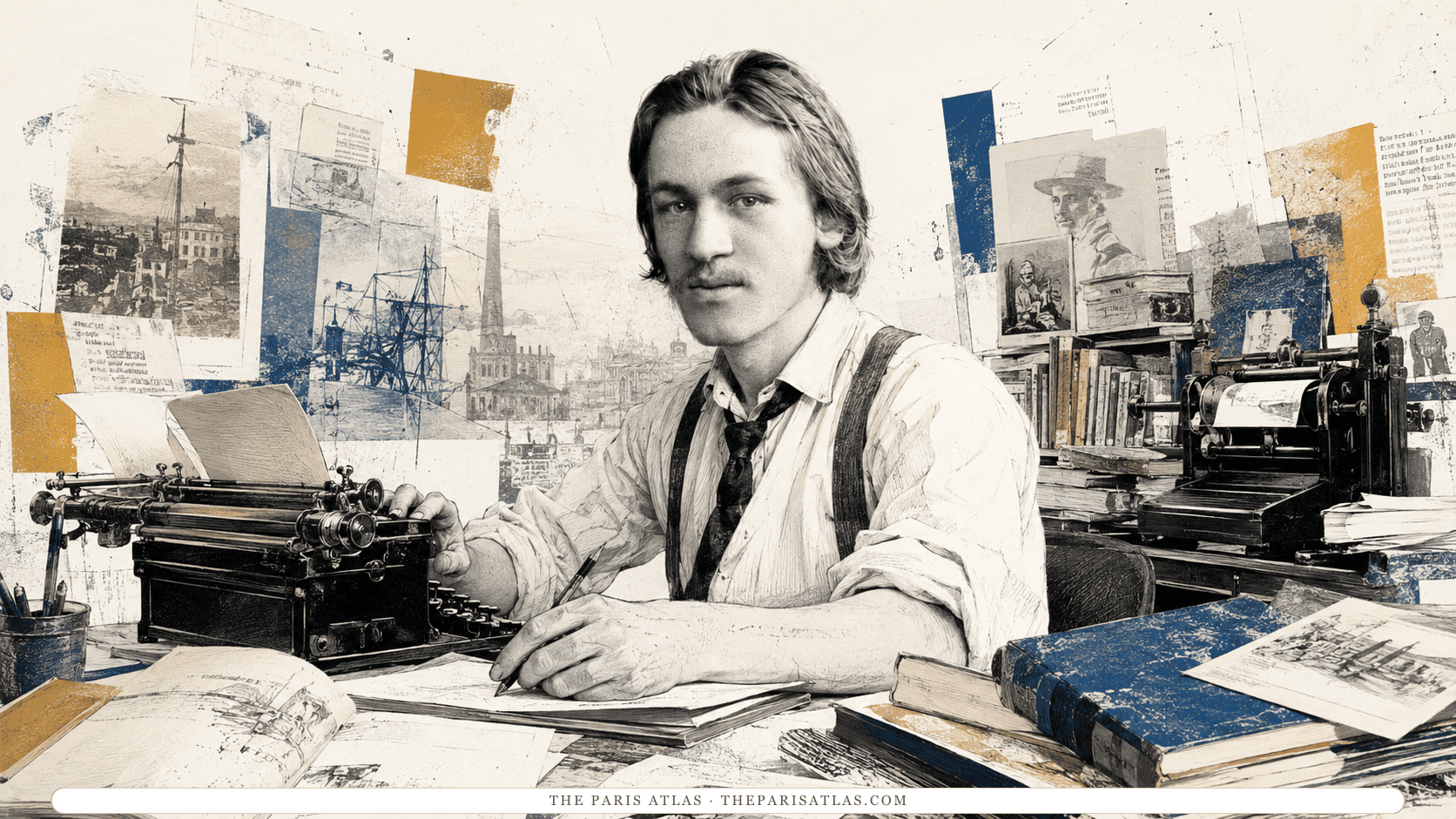

Four pages that end the war literature of glory: the poet-legionnaire's confession, with drawings by Fernand Léger.

The memoir tetralogy opens like a lightning strike: war, gypsies, and the art of being astonished — written after a decade of silence.

Blaise Cendrars's memoir of the Foreign Legion squad he led in the First World War, written thirty years after he lost his right arm in it.

Eleven ports and the sea-word for knocking about the world — with the great Genoa chapter, the tetralogy's buried childhood, at its heart.

The tetralogy ascends: a levitating saint, the Brazilian outback — and, unspoken at the center, a son who fell from the sky.
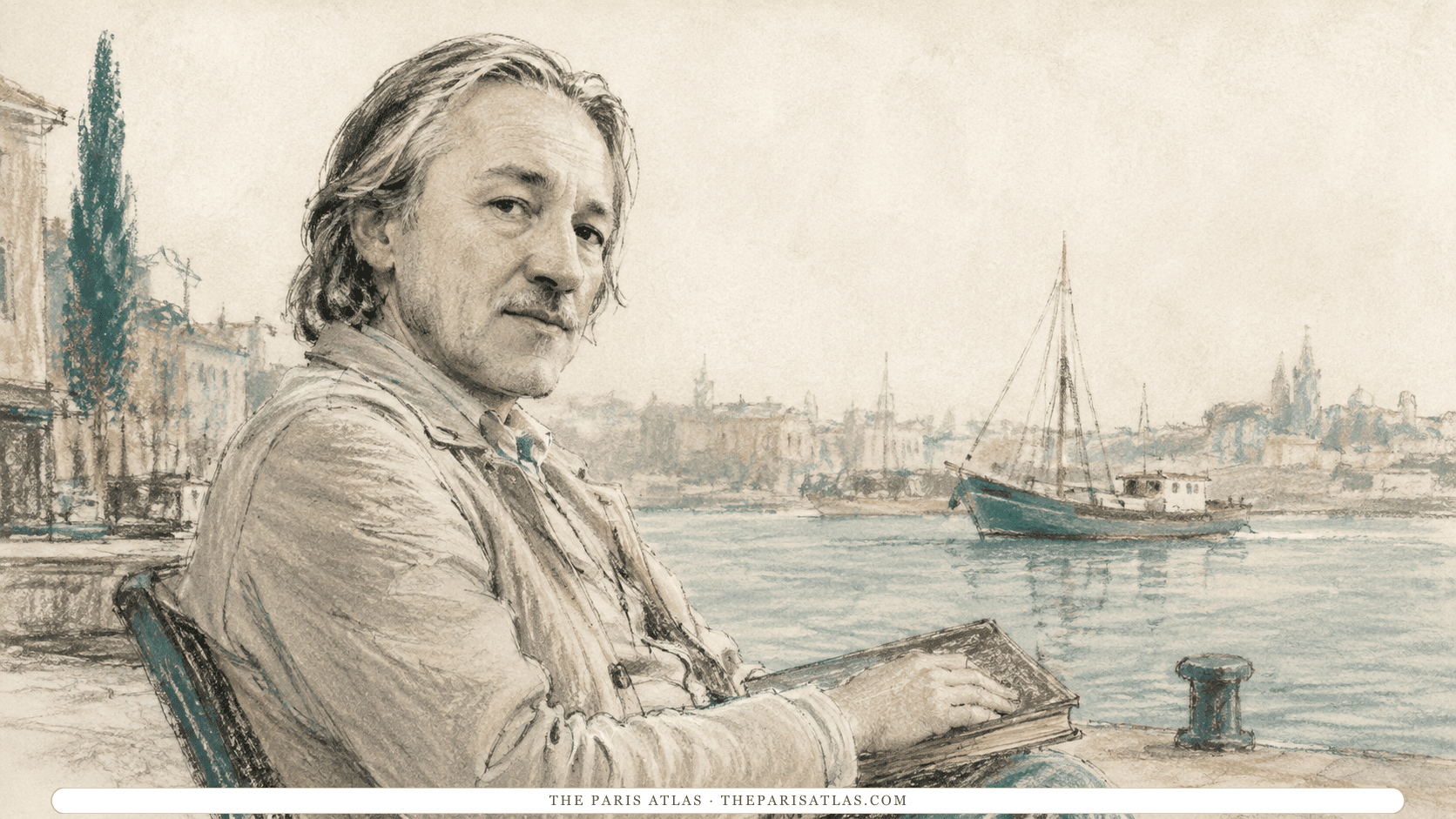

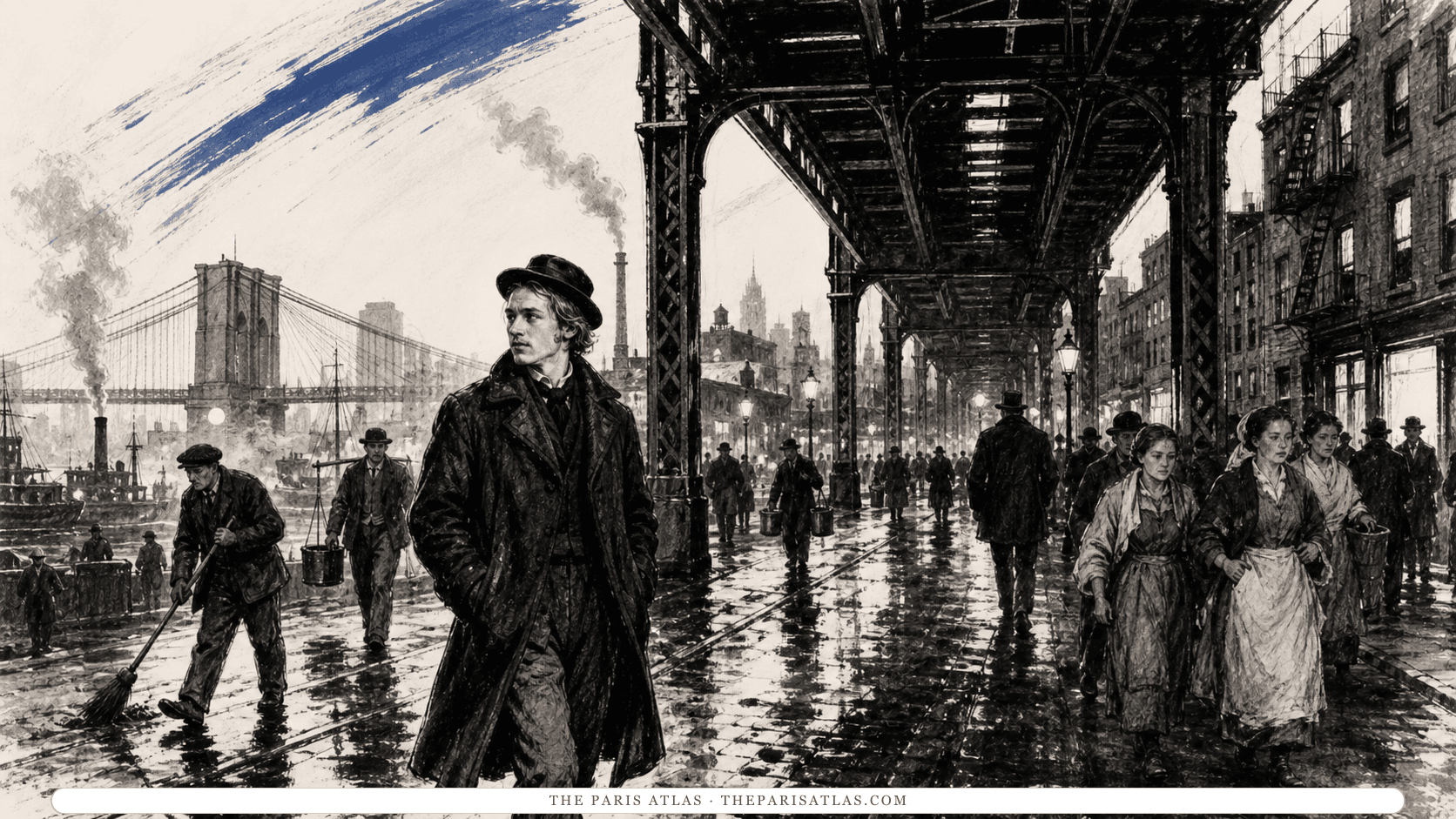
The poem where 'Blaise Cendrars' is born: a starving night in Manhattan, addressed to Christ — and modern French poetry changes course.

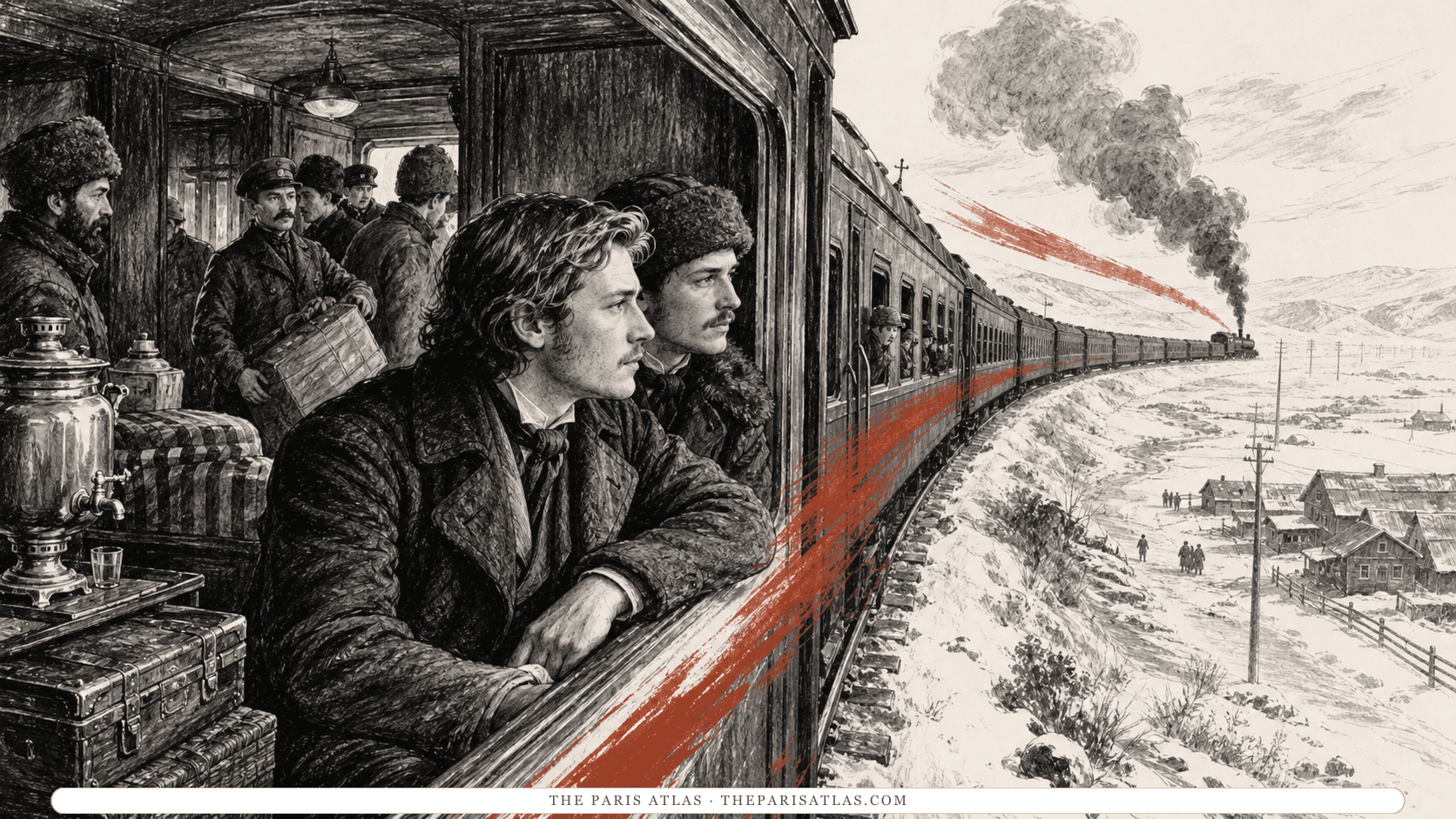
The two-meter poem: a train across Siberia, a girl asking if they're far from Montmartre, and Sonia Delaunay's colors running the whole way down.

Seven uncles scattered to the world's ends, one boy reading their letters — the wander-poem John Dos Passos loved enough to translate.

Poems that stretch to fit the century — nineteen dispatches from the studios of Chagall, Léger, and Delaunay, and the last verse before the novels.

Your progress
The rise and ruin of General Johann August Sutter, told at telegraph speed. His first novel, and the book that made him famous.
The 1913 poem printed as a single two-meter sheet with Sonia Delaunay's colors running the whole way down: a train across Siberia, and a girl asking if they are far from Montmartre.
Written broke and hungry in New York at Easter 1912 — the long prayer-poem that begins the whole career.
The 1918 poem of the seven wandering uncles, each lost to a different corner of the world.
Nineteen dispatches from the studios of Chagall, Léger, and Delaunay — his last verse before the novels.
The demon novel Cendrars claimed wrote itself through him: a doctor frees a homicidal madman and follows him across the world into the Great War.
His strangest and most tender novel, published in two halves — Antarctic ice in the first, a dictation machine and grief in the second.
The true case of Jean Galmot: rum fortunes in Guiana, a seat in parliament, a prison cell, and a death that started a riot.
L'Homme foudroyé opens the tetralogy like a lightning strike: the Great War's guns, the gypsies, and the art of being astonished.
The memoir of the Foreign Legion squad he led in the First World War, written thirty years after he lost his right arm in it.
Eleven ports, with the great Genoa chapter — the tetralogy's buried childhood — at its heart.
Le Lotissement du ciel closes the series by leaving the ground, chasing Saint Joseph of Cupertino, the friar who flew.
Four pages from 1918, with drawings by Fernand Léger — the poet-legionnaire's confession, and the end of the literature of glory.
His 1921 anthology of African oral literature — creation myths, trickster cycles, riddles — compiled for French readers and translated into English in 1927.
Made with Sonia Delaunay as a single folding sheet two meters tall.
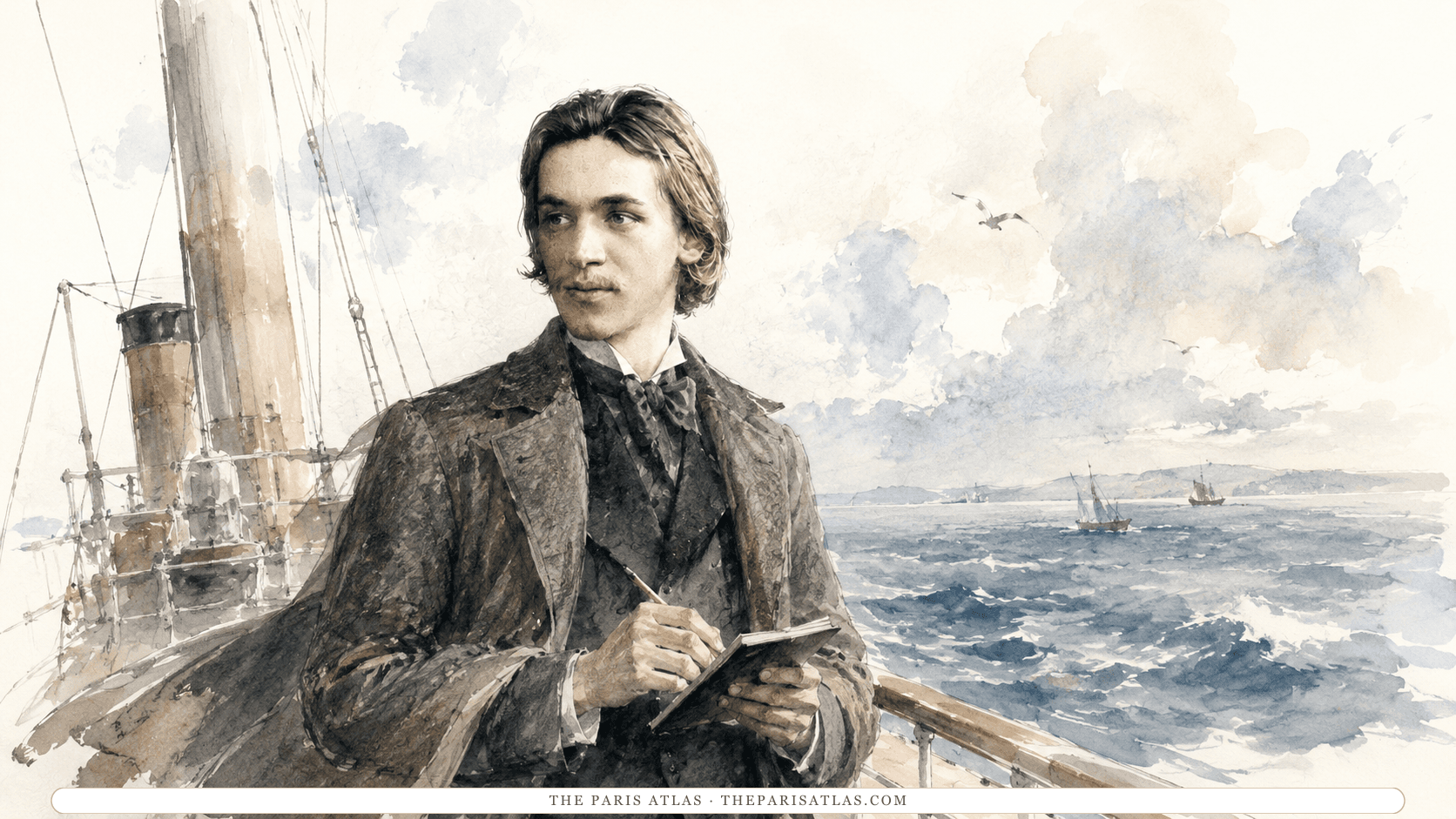
Gold. It is short, fast, and true — the rise and ruin of General Sutter, the Swiss who owned the California land the Gold Rush destroyed — and it made Cendrars famous in 1925. If you want the poetry first, The Prose of the Trans-Siberian takes twenty minutes and is the landmark.
Publication order: The Astonished Man (1945), The Bloody Hand (1946), Bourlinguer (1948), Sky (1949). Each volume stands alone — they are panels rather than chapters — but the order they appeared in is the one Cendrars built.
Swiss by birth. He was born Frédéric-Louis Sauser in La Chaux-de-Fonds, Switzerland, wrote in French, and was naturalized French in 1916, after volunteering for the Foreign Legion in the First World War.
Yes — his right arm, his writing arm, in the First World War, where he served in the French Foreign Legion. He learned to write with his left hand, and the loss runs through the war books: I Have Killed in 1918, and The Bloody Hand, the memoir of his Legion squad, thirty years later.
The Prose of the Trans-Siberian and of Little Jeanne of France (1913), the two-meter poem made with the painter Sonia Delaunay, is the landmark — one of the founding works of modern poetry. Among the novels, Gold was the great success and Moravagine is the one readers argue about.
He compiled it rather than wrote it. The African Saga is the English translation of his Anthologie nègre (1921), an anthology of African oral literature — creation myths, fables, and trickster cycles — gathered for French readers. The stories are traditional; the selection and arrangement are his.

The sources below include bibliographies, archives, publisher records, and scholarship used to verify the Blaise Cendrars catalogue and publication order.


Official record used to verify names, dates, institutional details, or other factual information on this page.
Contemporary reporting or criticism used to document the historical reception and context of Blaise Cendrars books.

Biographical evidence used to verify chronology, relationships, and historical context connected to Blaise Cendrars books.
Biographical evidence used to verify chronology, relationships, and historical context connected to Blaise Cendrars books.
These references document which titles belong in the bibliography and when they appeared. The recommended reading order remains an editorial judgment by The Paris Atlas.
 Explore more resources
Newsletter
We will tell you when this guide adds a book, review, or new reading-order recommendation.