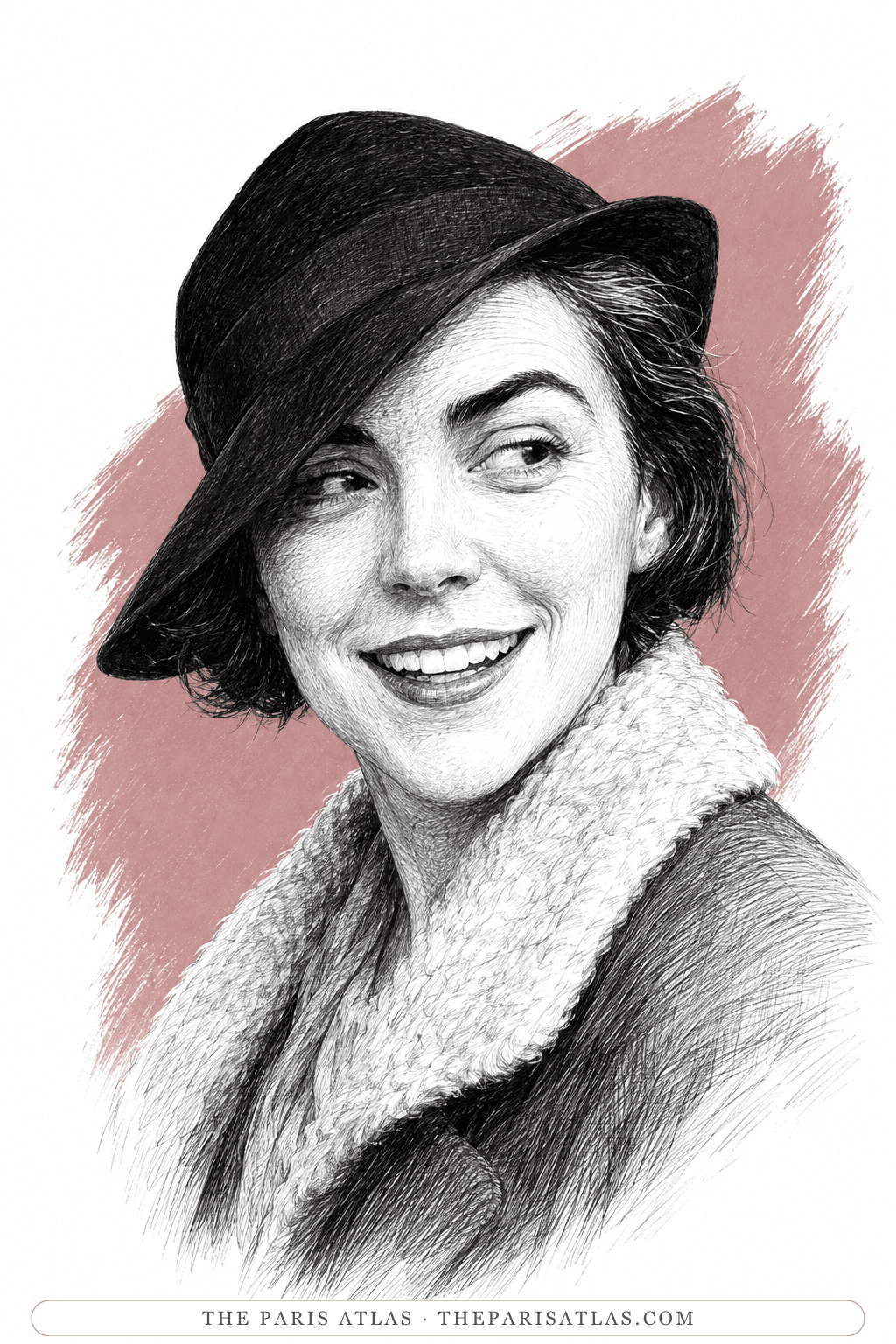
Rosemary Waterlow
Gordon's girl of two years: a commercial artist at the advertising agency he walked out of, small, quick and good-natured, and the only person in the book who never once tells him to get a proper job.
To stay as she is a little longer. Orwell writes that she longed to know the meaning of physical love and also dreaded it, because it would destroy the youthful, sexless world she chose to live in. For two years her answer to Gordon has been the same word: some day.
The book

At a glance
- Commercial artist in the studio at the New Albion Publicity Company; Gordon's girl for two years
- Nearly thirty, a few months younger than Gordon
- Four pounds a week
- A women's hostel in West Kensington; back by eleven
- The youngest of fourteen children; her father a country solicitor
- Small and quick, stiff black hair, a small triangular face, three white hairs on her crown
- The streets and picture galleries; his landlady bars women from the house
Who they are in the book
Spoiler-freeRosemary Waterlow designs fashion plates in the studio at the New Albion Publicity Company, which is where George Orwell has her meet Gordon Comstock, back when he was a clerk on three quid a week and she was a remote figure who eyed him ironically in the corridors. She earns four pounds a week and dresses well on it, which Gordon regards as a mystery. She is a strong, agile girl, not much smaller than he is and only a few months younger, with stiff black hair, a small triangular face full of character and very pronounced eyebrows. She is a spinster of nearly thirty and nobody, including her, thinks of her that way.
She was the youngest of fourteen children of a country solicitor, and she kept the high-spirited, sexless atmosphere of a big family long past the age when most people put it down. With it she absorbed the code of fair play and live-and-let-live. In two years she has never blamed Gordon for not attempting to earn a proper living, which the book presents as the measure of her generosity rather than as indifference. She also refuses to be lectured. When he begins one of his tirades about what all women want, she laughs at him and they have the argument again from the top, as they do every time they meet.
The practical problem is that they have nowhere to be. Mrs Wisbeach will not have women in the house, not even in the hall; Rosemary's hostel in West Kensington has a curfew of eleven and dragons at the door. So they conduct a two-year love affair in the streets, in alleys behind houses, and in picture galleries, and Gordon takes this as further proof that money stands between them. She thinks he is being absurd, tells him so, and goes on adoring him. "WHAT a fool I am," she says. "Because I'm so fond of you."
How Rosemary Waterlow Is Portrayed
- The hatOne of the flat felt hats then coming into fashion, which caricatured a clergyman's shovel hat and was cocked forward at an angle Gordon found difficult to describe and entirely convincing. She wears it again on the Sunday in the country because he once said he liked it.
- Three white hairsThey glitter on her crown among the black ones like silver wires, and it is typical of her, Orwell says, that she has never bothered to pull them out. She still thinks of herself as a very young girl, and so does everybody else.
- How she movesSmall, quick, and stronger than she looks. She picks her way nimbly through the market crowd and the muck underfoot, her steps shorter and faster than his, and walking beside him she has the appearance of some lively little animal frisking along; a squirrel, Orwell suggests. When she squeezes his ribs to make a point it hurts.
- Nearly thirty, and it showsShe still thinks of herself as a very young girl and so does everybody else, but the book keeps correcting that. She is a spinster of nearly thirty, only a few months younger than Gordon, and if you look closely the marks of time are plain on her face. In the open air on the Sunday walk she looks her age. In Chapter 10, under a cold wind and colder lamplight, her small face is full of lines.
- ButtonsShe lifts his tie aside in the street, having divined by some feminine route that there are no buttons on his shirt, and offers to sew them on. She also tells him he might at least take the trouble to shave, and gets the answer that he cannot afford to.
- Paying, and getting round himHe will not let her buy him supper and makes a scene about it. So in the dark, as the bus comes, she pushes half a crown into his hand so that he can pay both fares and not be shamed in public by a woman paying for him. At Paddington she buys twenty Gold Flake at the kiosk, shoves them into his coat pocket and runs for the Underground before he can protest.
- The merry warMan versus Woman, argued from the same opening moves every time they meet: Patient Griselda, Lady Astor, polygamy, Mother Pankhurst, with each of them laughing at the other's absurdities and pressing closer together as they do it.
- In the fieldShe undresses without shame and lies back with her hands behind her head, and then stops him, because he has taken no precautions and she cannot afford a baby. The quarrel that follows is one he starts and turns into a lecture about money. Later, in the dark on the road, she offers to take the risk anyway, out of a generous impulse to reassure him, the book says, rather than because she wants to.
- Going over his headWhen he is out of work she asks to speak to Mr Erskine, the managing director, and extracts a promise that a job will be found for Gordon if he comes back. She was in deadly fear of being sacked for doing it, and does not tell Gordon that part.
- What she will not sayThe one thing she is probably incapable of saying, Orwell writes, is that he ought to go back to the New Albion. He accuses her of thinking it anyway. It takes her two years and his losing the job before she says it out loud.
After the quarrel that ends things she comes to the attic in Lambeth anyway, because she cannot bear to think of him there alone.
If you like Keep the Aspidistra Flying


If you like George Orwell
Explore authors with a similar voice, perspective, and influence.

Henry Miller
The Brooklyn dropout who arrived in Paris broke at thirty-eight and wrote the exuberant, banned books that ended American censorship.
View author
Louis-Ferdinand Céline
The doctor of the Paris slums who wrote the century's blackest, funniest novel — and changed the sound of French prose.
View author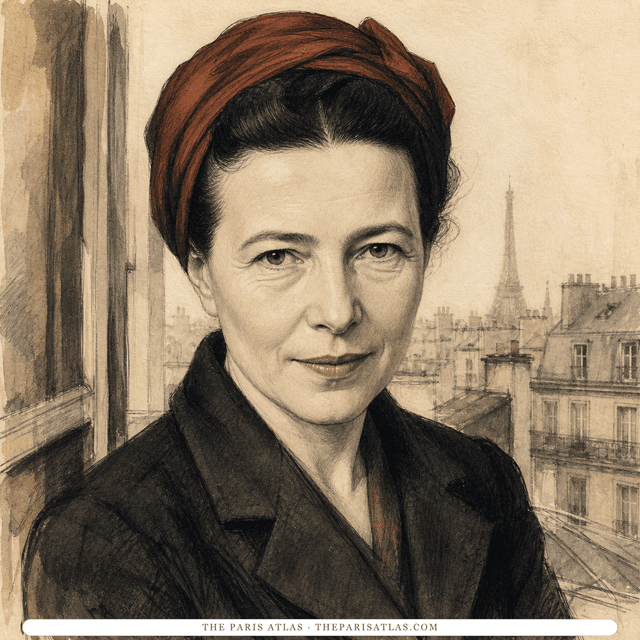
Simone de Beauvoir
French writer and philosopher whose novels, memoirs, and social analysis examined freedom, gender, responsibility, aging, and the material conditions that shape a life.
View author