
In Our Time
The linked-tales form, the small-town silences, the feeling buried under flat speech — Anderson's book is the visible scaffold under Hemingway's first, before the parody announced the apprenticeship over.

Small-town Ohio after dark — the linked stories that taught American fiction to speak plainly, from the writer who sent Hemingway to Paris.
A cycle of linked stories set in a small Ohio town, held together by young George Willard, the newspaper reporter every lonely soul seeks out at night to confess the one truth of their life. Anderson called these people 'grotesques' — ordinary Midwesterners bent by the single idea each had seized and lived by — and wrote them in a bare, spoken American prose that had no real precedent. Published in 1919, it quietly rewired the national literature; the writers who remade the twenties grew up on it.
Anderson was a middle-aged Ohio businessman who had walked out of his own paint company mid-dictation — the famous breakdown-or-liberation of 1912 — and remade himself among Chicago's writers. In a rooming house on Cass Street in 1915-16 he found his form: linked tales of a small town called Winesburg, each centered on one inhabitant whose life has closed around a single truth like a fist. He called them grotesques, and prefaced the book with a theory of how people become them.[1]
B. W. Huebsch published it in 1919, since no established house would risk its bluntness about loneliness and sex. Reviewers split between revelation and filth; the respectable Midwest was scandalized in direct proportion to how accurately it had been described. Through it all moves young George Willard, the newspaper reporter to whom the townspeople confess by night, and whose gathering departure gives the book its shape.[1]
Its influence on this shelf is direct and personal: Anderson befriended the young Hemingway in Chicago, and his letters of introduction — to Stein, to Sylvia Beach — opened literary Paris to the unknown in 1921. Hemingway repaid the debt with a parody novel, one of the era's small cruelties. Faulkner, more graciously, called Anderson the father of his generation of American writing; Winesburg is the paternity evidence.[1]
The book is a town told one soul at a time. Winesburg, Ohio, in the 1890s: main street, railroad depot, the New Willard House hotel — and in story after story, one inhabitant steps forward carrying the single truth or thwarted longing that life has closed around them. Anderson's prologue calls them 'grotesques,' people bent by gripping one truth too hard: Wing Biddlebaum, whose expressive hands destroyed him in a previous life as a teacher; Doctor Reefy, who writes his thoughts on scraps and stuffs them into pill-pockets; Alice Hindman, whose fidelity to a man long gone drives her one rainy night to run naked onto the lawn just to feel something happen.[1]
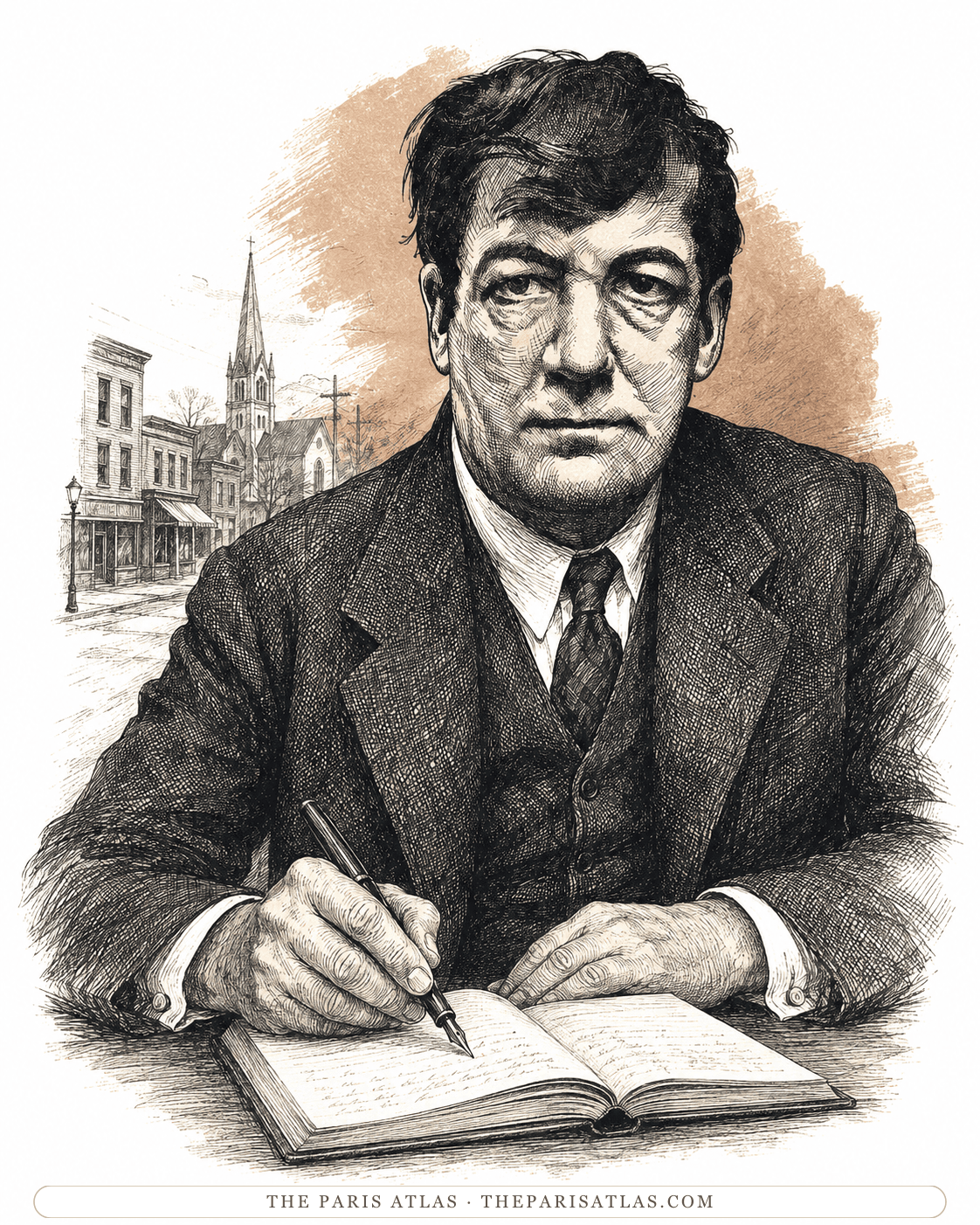
Threading the portraits is George Willard, the young reporter for the Winesburg Eagle, to whom the town's night people bring their confessions — half hoping he will write them down someday, half warning him to escape while he can. His mother Elizabeth, worn out at the hotel, prays fiercely that her son will not be beaten flat the way she was; the schoolteacher Kate Swift and the Reverend Curtis Hartman collide over his soul in the book's strangest double portrait; and through it all George grows, botches an early romance, and begins to feel the pull of the world beyond the depot.[1]
The last movement belongs to George Willard. His mother Elizabeth dies in the room where she spent her defeated life — with the money she had hidden for his escape plastered unfound in the wall. In 'Sophistication,' George and Helen White, the banker's daughter, spend a quiet autumn evening at the deserted fairground and reach together the wordless, adult understanding the whole book has been walking toward — that everyone in Winesburg is alone, and that knowing it together is a kind of love. And in 'Departure,' on an April morning, George boards the westbound train; the conductor has seen a thousand boys leave; and as the town slides away, Winesburg itself becomes for him — in the book's last sentence — a background on which to paint the dreams of his manhood.
The closing image of Hands asks the reader to look at Wing differently from either town. The Pennsylvania men treated his gestures as evidence against him; Winesburg prizes them for the quantity of berries they can pick. Alone with the crumbs, he is measured by neither accusation nor output. The priest and rosary comparisons give a small domestic action the dignity of ritual. Yet the narrator makes this a resemblance, not a report that Wing is praying. That tenderness does not supply the companionship he wants: George has not come, and the hands remain expressive without anyone there to receive their meaning.
Earlier in Sophistication, the grandstand is a place where Helen displays her fashionable escort. Returning after the fair, she and George no longer need an audience. The emptied benches make the day’s crowd present as a memory, letting George exchange his irritation with the townspeople for reverence. Their silence is therefore more than shyness: it offers closeness without another boast or explanation. Even so, companionship does not erase their separateness. Anderson says Helen’s presence both eases and sharpens George’s loneliness, and the playful descent from the hill keeps this moment of maturity from becoming a permanent, solemn pose.
The linked-tales form, the small-town silences, the feeling buried under flat speech — Anderson's book is the visible scaffold under Hemingway's first, before the parody announced the apprenticeship over.
Linked stories that add up to a place rather than a plot — the form In Our Time, and a century of American collections, took straight from this book.
Anderson befriended the unknown Hemingway in Chicago and wrote the letters of introduction — to Gertrude Stein and Sylvia Beach — that opened literary Paris to him in 1921.
Nobody before Anderson wrote ordinary American loneliness in ordinary American words; a hundred years on, the night confessions in these stories still land.
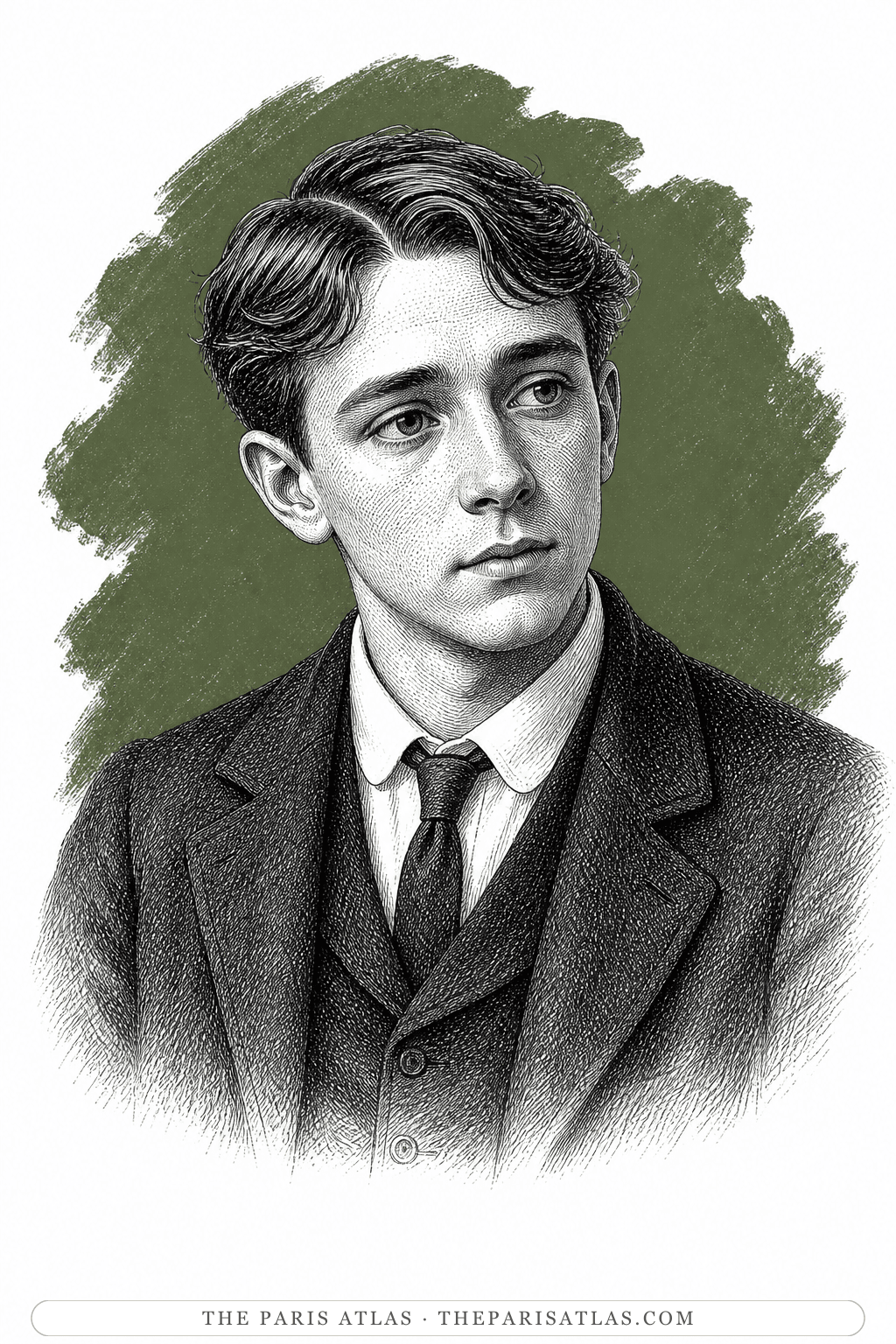
The eighteen-year-old reporter on the town's weekly paper, and the person almost everyone else in the town seeks out after dark.
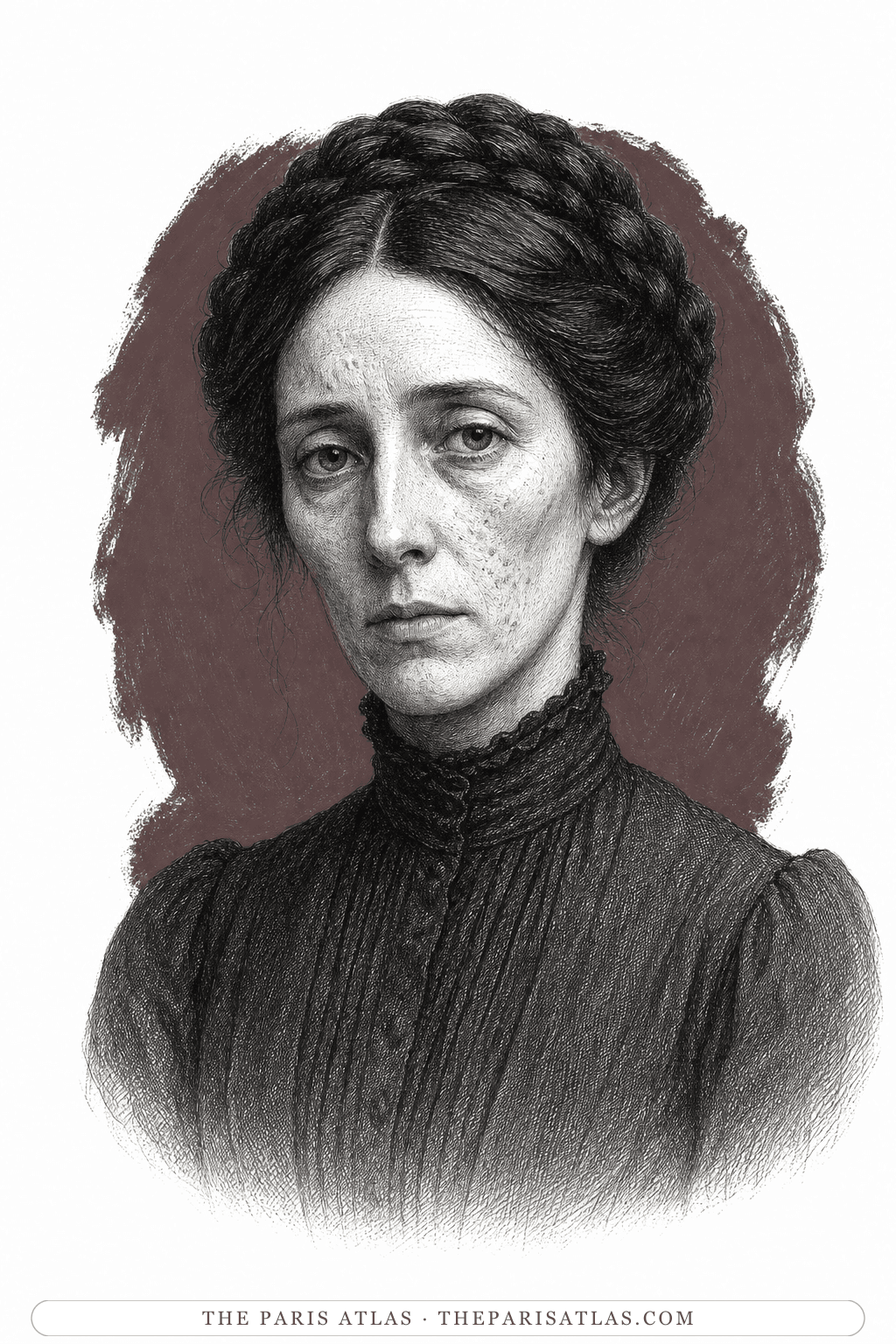
George Willard's mother, worn out at forty-five in the hotel she owns on paper, and set on her son not ending as she did.
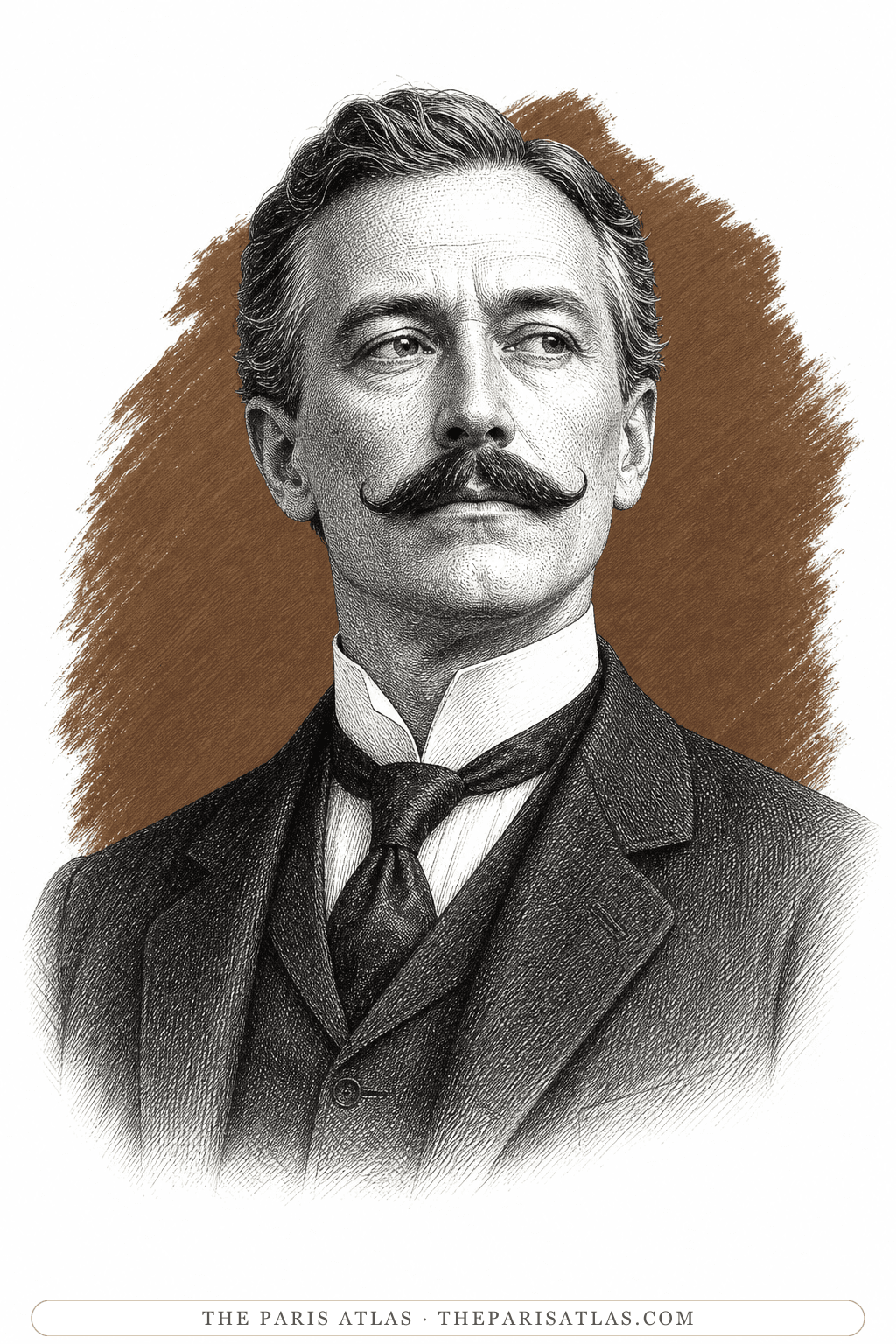
George Willard's father, who keeps the failing hotel his wife owns on paper and is the leading Democrat in a Republican town.
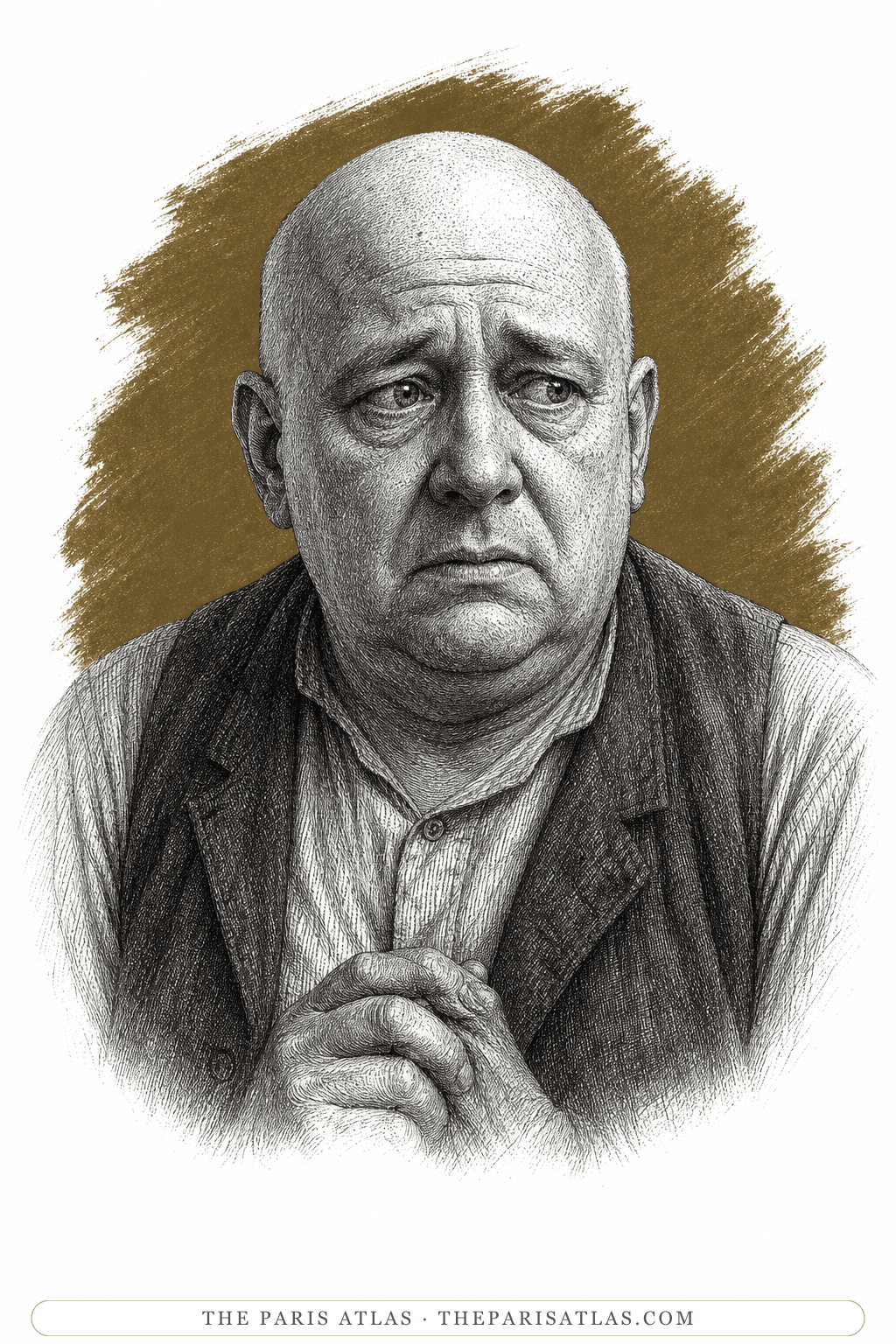
A frightened man living alone at the edge of town, known locally for his restless hands, and driven out of another state twenty years earlier on an accusation about the boys he taught.
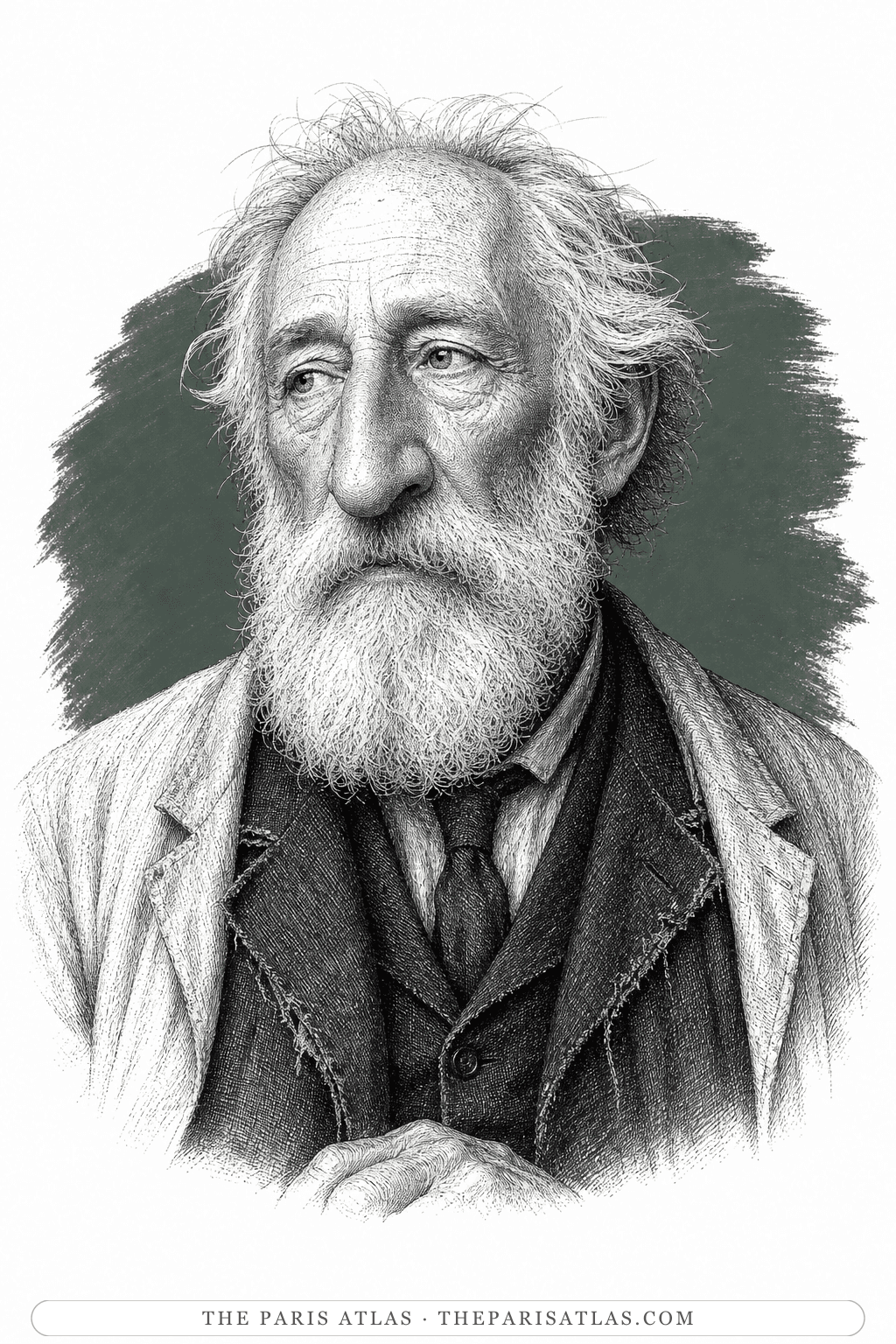
An old country doctor who writes his thoughts on scraps of paper, lets them harden into little balls in his pockets, and throws them away.
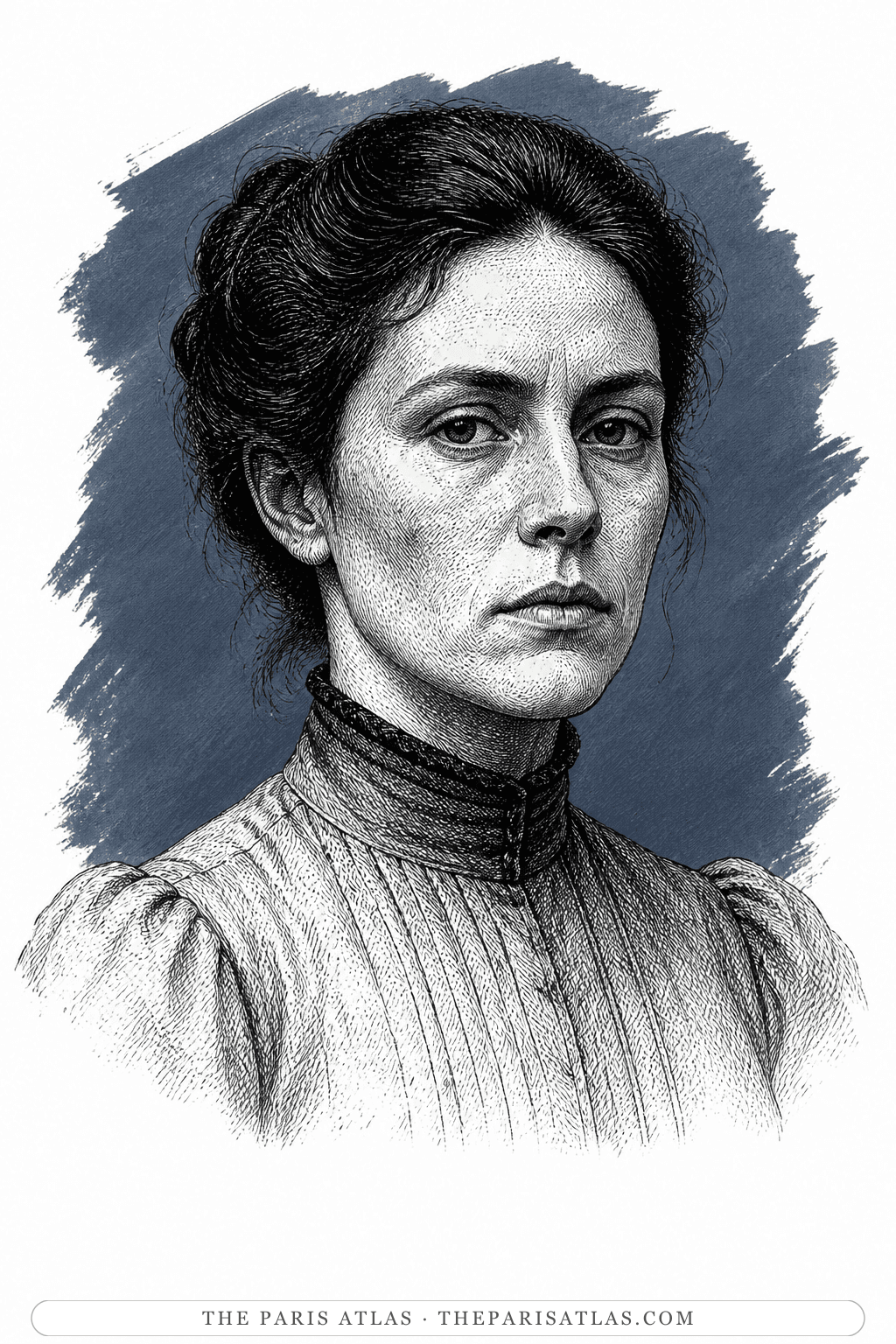
The town schoolteacher, thirty and sharp-tongued, who tries to tell George Willard what becoming a writer will actually require of him.
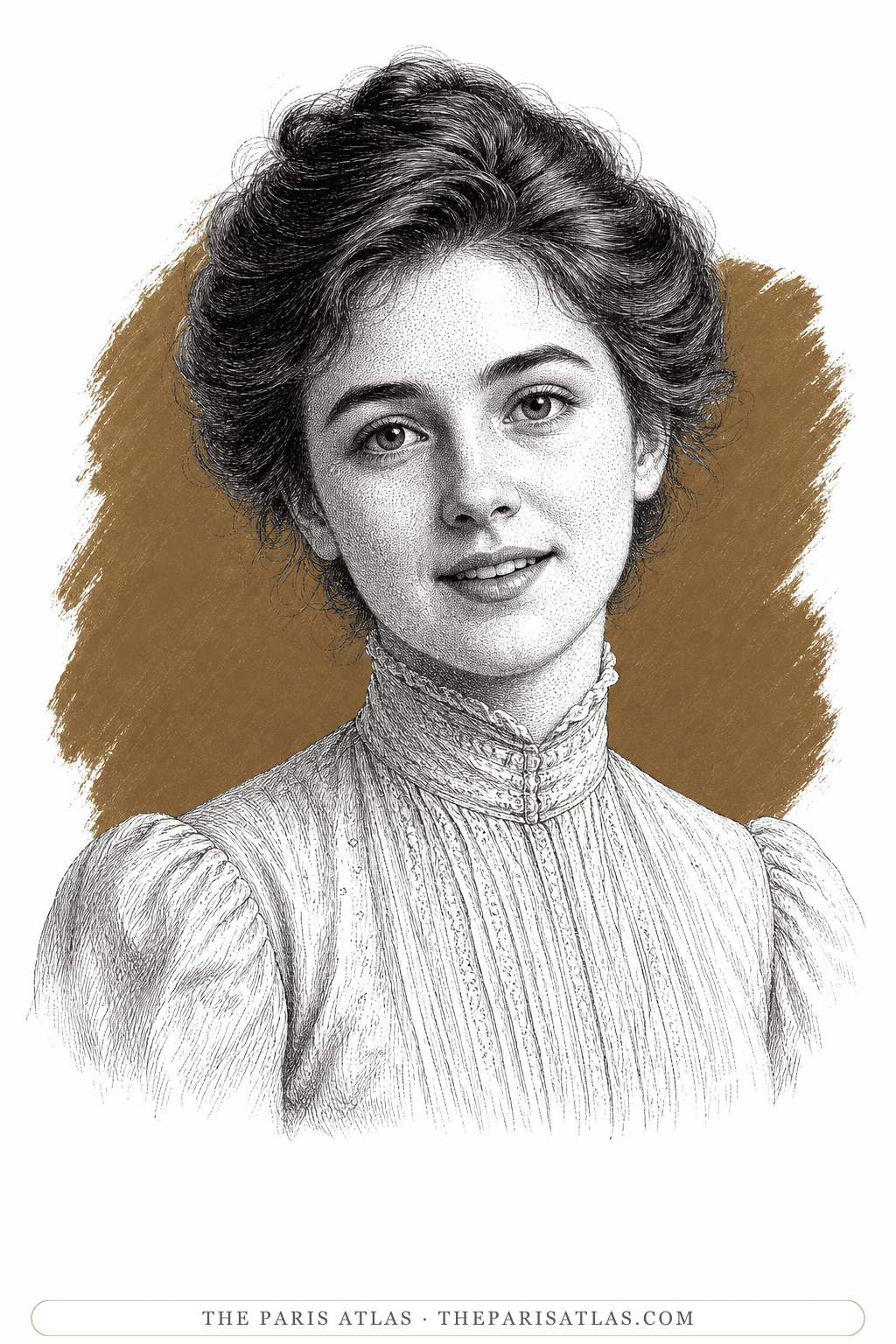
The banker's daughter, home from college for the county fair, and the one person George Willard wants to understand him.
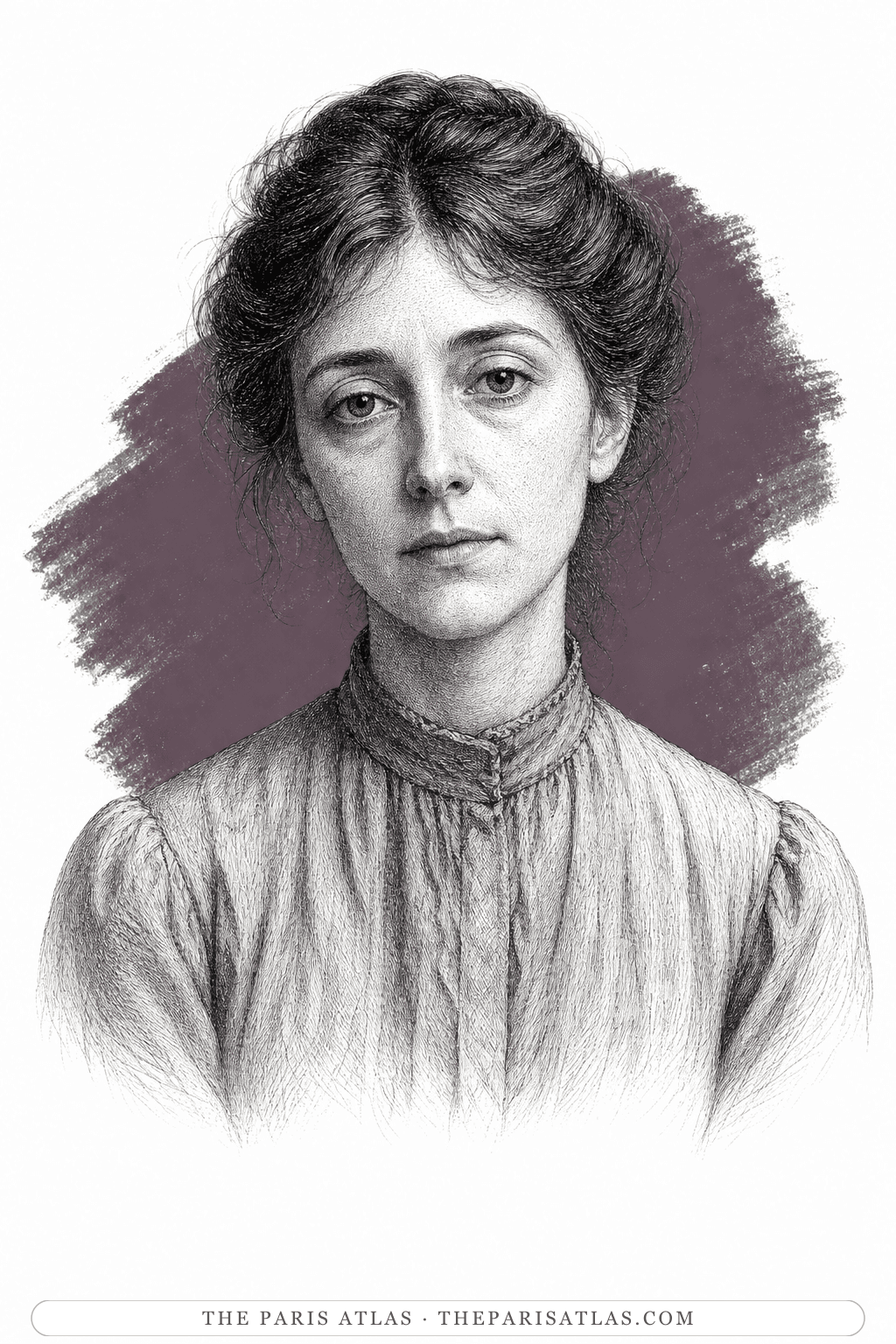
A dry goods clerk who has spent eleven years waiting for a man who went to the city and stopped writing.
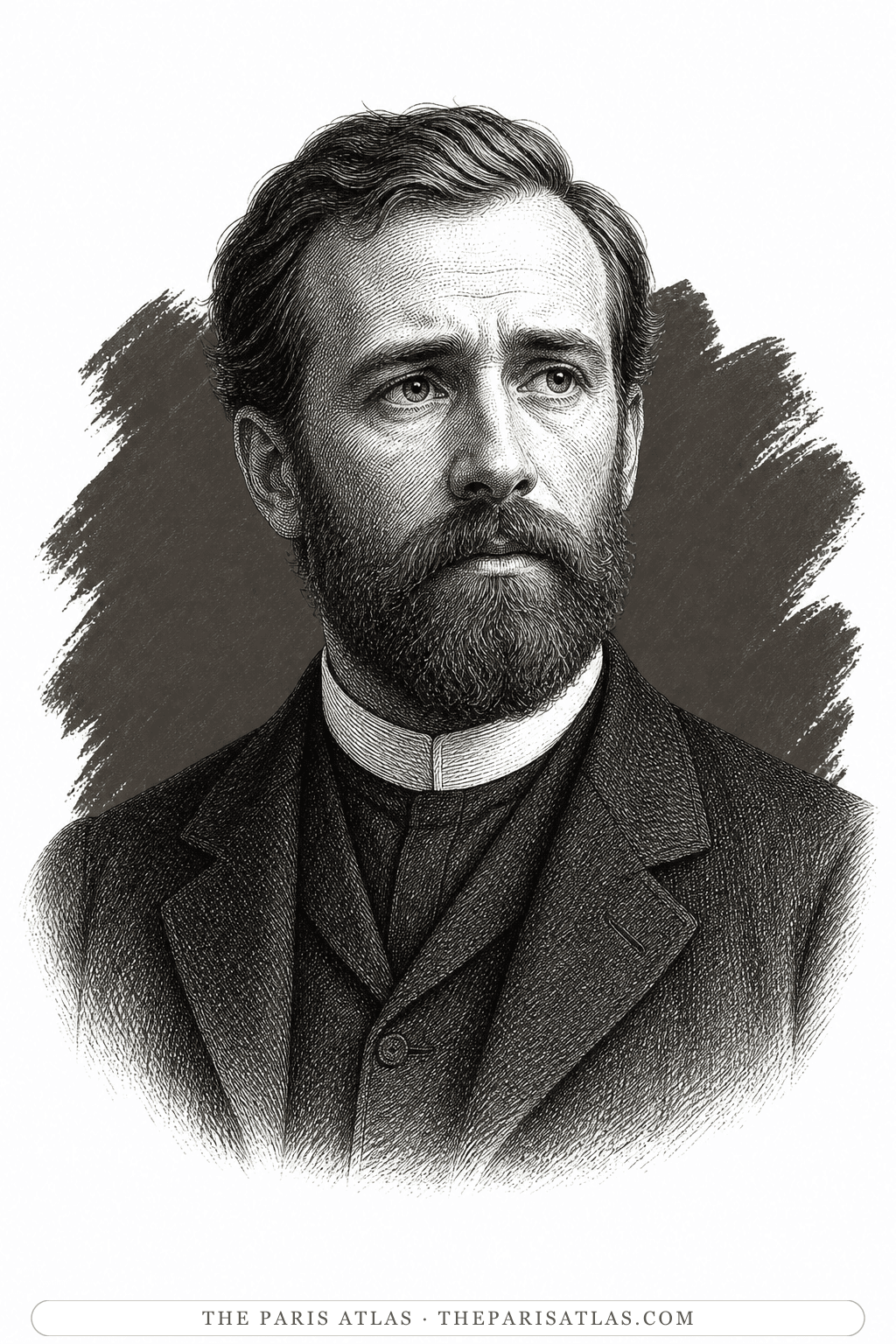
The Presbyterian minister, who broke a hole in the window of his study to watch the schoolteacher next door and then spent a winter unable to stop.

A farm boy who went to New York to become a painter, meant to finish his training in Paris, never got there, and came home to Winesburg alone.
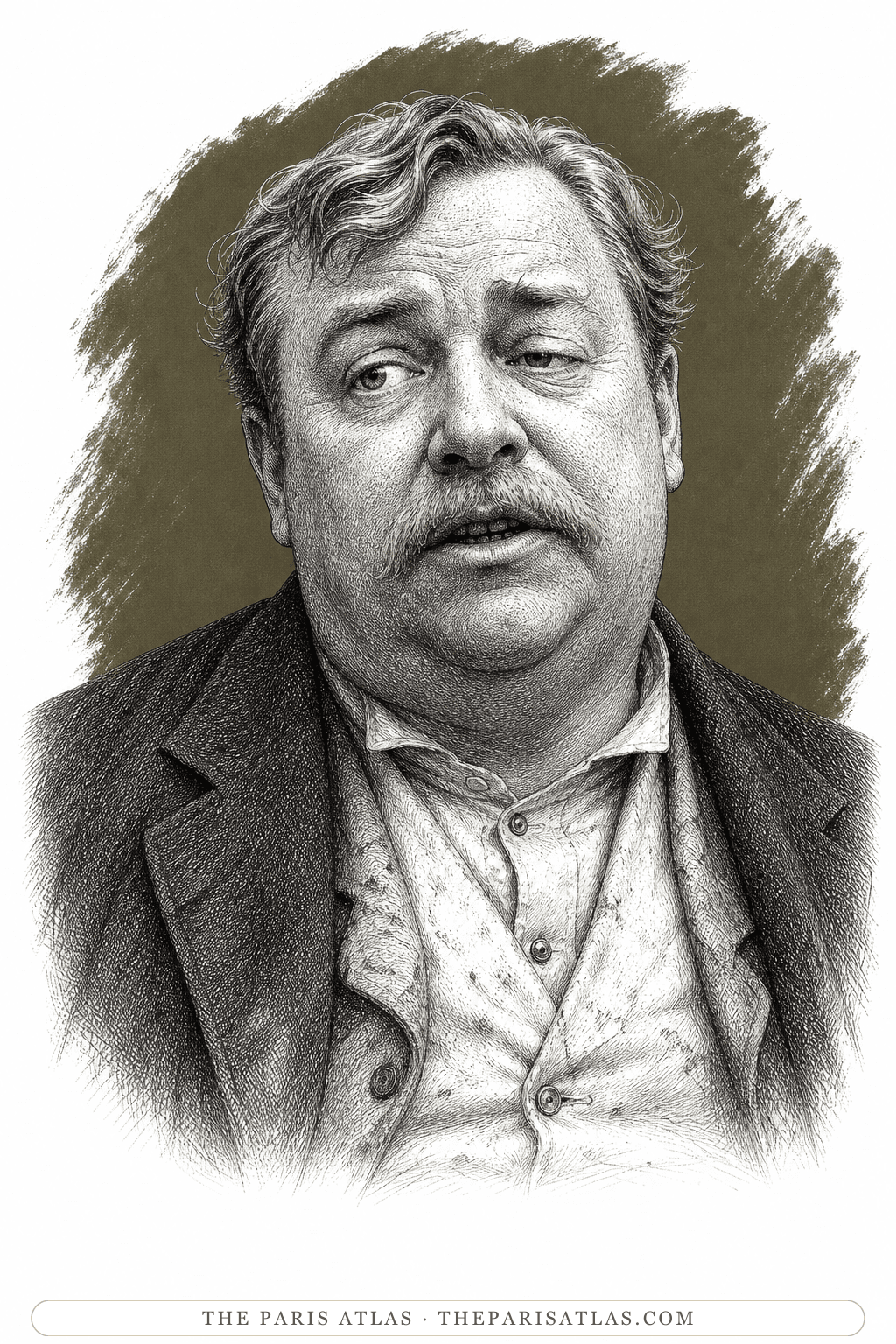
A doctor with almost no patients who seeks George Willard out to tell him long, unverifiable stories about himself, and one idea he wants written down.
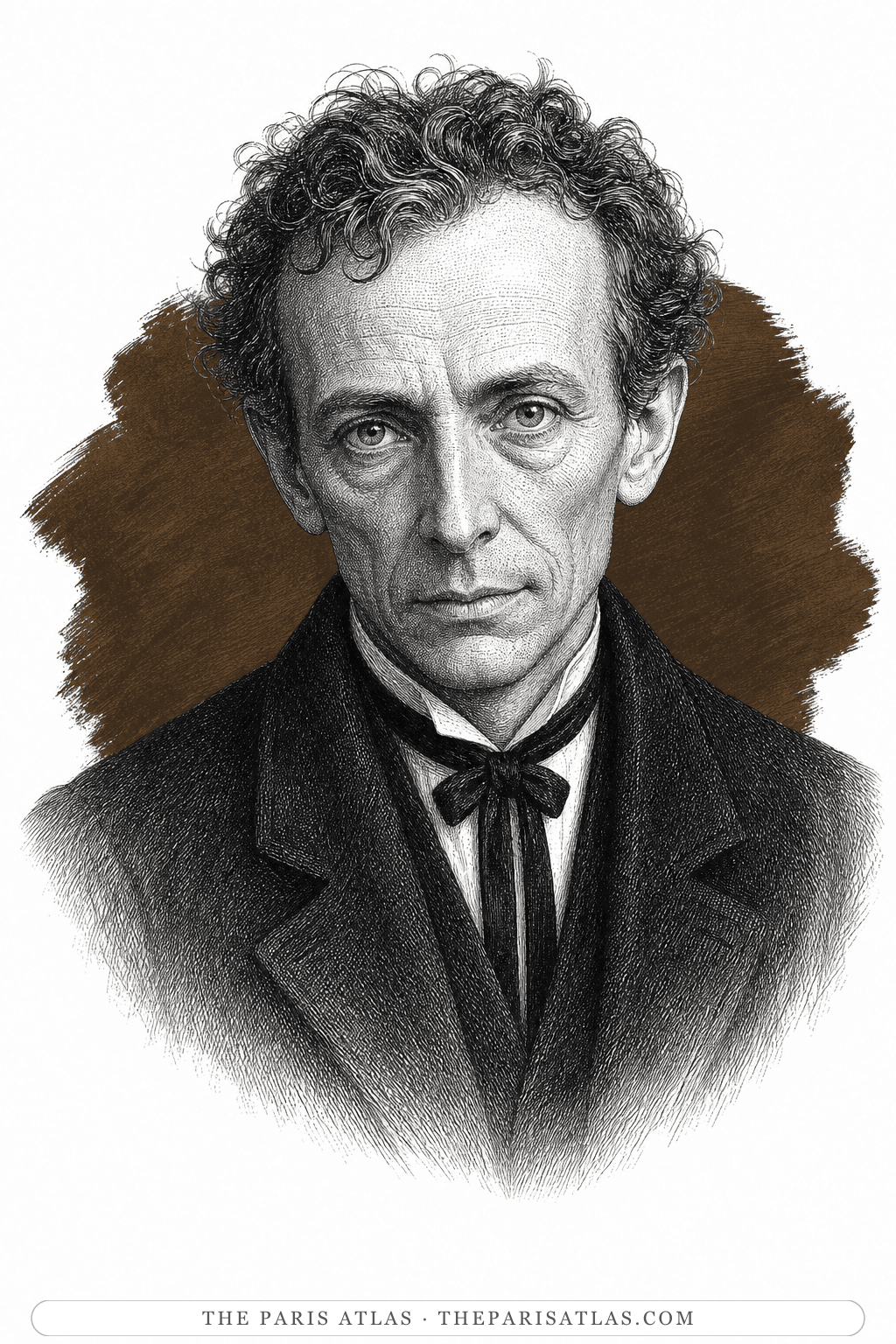
A farmer convinced that God has singled him out, in a four-part sequence set a generation before the rest of the book. He never meets George Willard.
1912
Anderson walks out of his own paint company mid-dictation, the famous breakdown-or-liberation, and remakes himself among Chicago's writers.
1915–1916
In a rooming house on Cass Street he finds his form, writing the linked tales of a small town called Winesburg.
1919
B. W. Huebsch publishes it, no established house willing to risk its bluntness, and reviewers split between revelation and filth.
1921
Anderson's letters of introduction, to Gertrude Stein and Sylvia Beach, open literary Paris to the young Hemingway.
The formal descendant — Hemingway learned the linked-story shape here, then spent The Torrents of Spring denying it.
Read our take
Sherwood Anderson helped the young Ernest Hemingway into literary Paris in 1921 and taught him a good deal about writing plain American sentences. Five years later Hemingway published this book-length spoof of Anderson's manner, partly to get himself out of a publishing contract. Winesburg, Ohio is the work that earned him the debt.
Read our take
Huddleston's memoir catches Anderson on his Paris visits — the hotel in the shadow of the Odéon, the daily walks into the Luxembourg Gardens.
Read our takeSherwood Anderson. It was published in 1919 and is his best-known book.
A cycle of linked stories set in a small Ohio town, held together by young newspaper reporter George Willard, to whom the town's lonely souls come at night to confess the one truth of their lives.
Anderson's word for his characters — ordinary Midwesterners bent out of shape by the single idea each had seized on and lived by.
Its bare, spoken American prose had no real precedent and quietly rewired the national literature. The writers who remade the 1920s, Hemingway among them, grew up on it.
A cycle of linked short stories that can be read together as a single portrait of one town and its inhabitants.
Explore authors with a similar voice, perspective, and influence.
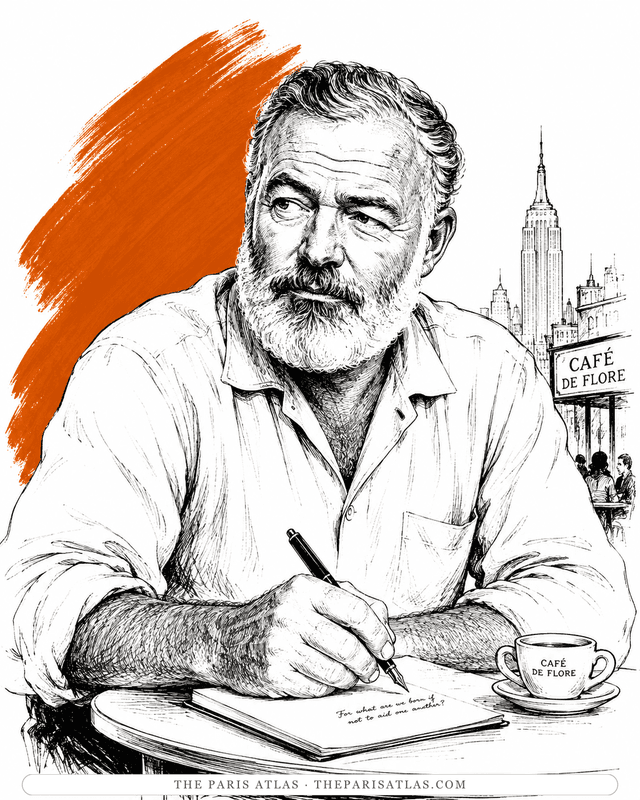
Anderson's letters of introduction sent him to Paris; In Our Time borrowed the Winesburg shape; The Torrents of Spring paid the debt back in parody.
View author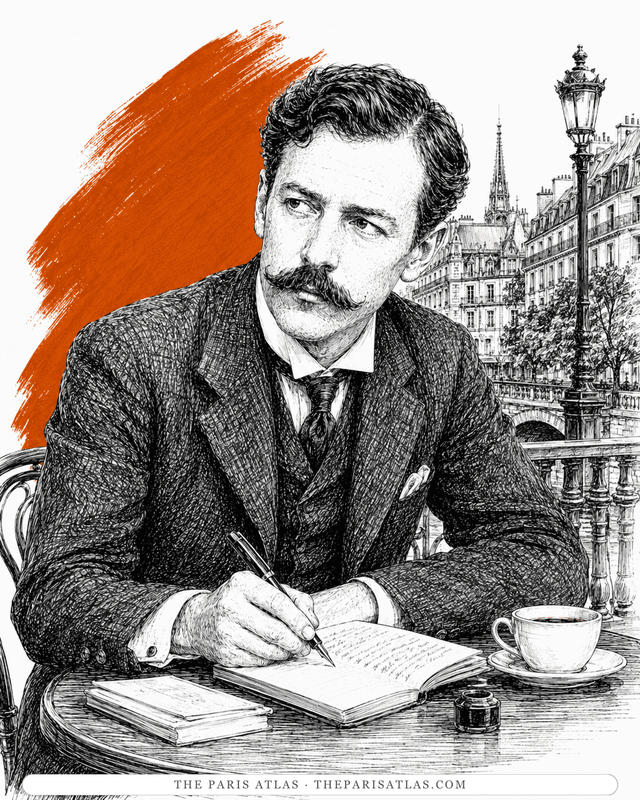
The witness who recorded Anderson's Paris — the hotel by the Odéon, the Luxembourg walks, and the long conversations about America and art.
View author
The Jazz Age's laureate — famous at twenty-three, author of Gatsby at twenty-eight, and owner of the longest posthumous comeback in American letters.
View authorThe sources below include the primary text, editions, scholarship, archival materials, and other records that informed this page. They document Winesburg, Ohio, its publication, and its place in literary history.


Biographical evidence used to verify chronology, relationships, and historical context connected to Winesburg, Ohio.

The Newberry finding aid supplies independent archival context for Anderson’s manuscripts, correspondence, and career.
Used for bibliographic context, edition history, and scholarly interpretation of the 1919 story cycle.
Primary text for the scene readings of Hands and Sophistication beside the illustrations.
The primary text is the baseline reference for every book page. Additional references document publication history, interpretation, and historical context where that evidence is available.
 Explore more resources