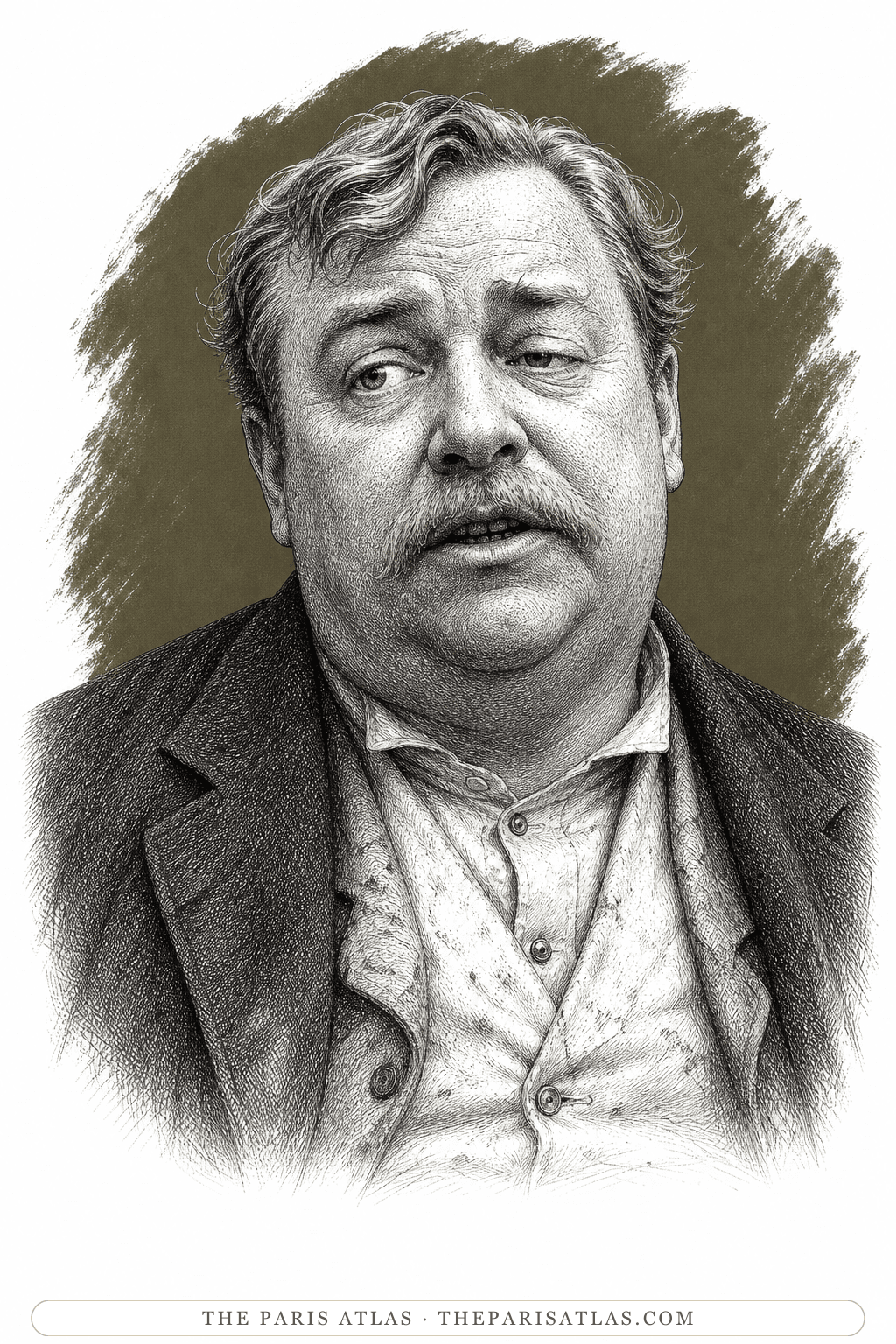
Doctor Parcival
A doctor with almost no patients who seeks George Willard out to tell him long, unverifiable stories about himself, and one idea he wants written down.
For the boy to carry one idea for him, in case the book he says he is writing never gets written. He states it plainly and tells him not to dare forget it: "It is this—that everyone in the world is Christ and they are all crucified."
The book

At a glance
- A doctor, and the subject of 'The Philosopher'
- About five years, since arriving drunk from Chicago
- A room above a shoe-repairing shop at the lower end of Main Street
- Very few, and too poor to pay. He says he does not want any.
- A book, which he says was the object of his coming to Winesburg to live
- A father who died insane in the asylum at Dayton, a mother who took in washing, and a brother who painted railroad stations
Who they are in the book
Spoiler-freeDoctor Parcival is the subject of 'The Philosopher,' a story in Winesburg, Ohio, the 1919 book of linked short stories by the American writer Sherwood Anderson. He is a large man with a drooping mouth under a yellow mustache, black irregular teeth, and a dirty white waistcoat with cheap black cigars sticking out of the pockets. The lid of his left eye twitches, falling and snapping up as though someone were standing inside his head playing with the cord of a window shade.
He came to Winesburg from Chicago about five years ago. He arrived drunk, fought the station baggageman over a trunk, and spent his first night in the village lockup. Then he rented a room over a shoe-repair shop at the lower end of Main Street and put out a sign announcing himself a doctor. He has very few patients and says so cheerfully: "I do not want patients." Where his money comes from he will not say, and he enjoys suggesting that a really smart newspaper reporter would look him up.
The acquaintance with George Willard is entirely of his own making. He waits until the newspaper's editor has slipped off to the saloon for the afternoon, then comes in at the front door, lights a stogie, crosses his legs and talks. The tales begin nowhere and end nowhere. Sometimes the boy is sure they are a pack of lies and sometimes that they contain the very essence of truth.
How Doctor Parcival Is Portrayed
- How he looksLarge, with a drooping mouth under a yellow mustache and black irregular teeth. His dirty white waistcoat has the cheap black cigars known as stogies protruding from the pockets, and the lid of his left eye falls and snaps up on its own.
- The practiceHe has hardly any patients, and those he has are of the poorer sort and unable to pay. He tells George Willard the reason is not that he knows less medicine than anyone in town. It lies, he says, in his character, which has many strange turns.
- How he livesHe sleeps in an office the book calls unspeakably dirty and eats at a lunch room opposite the railroad station, where he puts twenty cents on the counter and tells the owner to feed him whatever he likes for it. "Use up food that you wouldn't otherwise sell." He explains that he is a man of distinction and should not concern himself with what he eats.
- The storiesHe may have been a reporter in a town in Iowa, or Illinois, or, as he lets slip, in Ohio. He may have stolen a great sum of money. He may have had a hand in a Chicago murder in which the body was carried across the sleeping city in a trunk on an express wagon at sunrise. "Perhaps I was one of those men."
- The brotherA railroad painter on the Big Four line, who lived in a box car and came home drunk on pay days in clothes covered with the nasty orange paint the company used on its stations. He laid his money in a pile on the kitchen table and forbade anyone to touch it. Their mother, who took in washing, loved him the better of her two sons. He lay down drunk on the tracks one night and the car he lived in ran over him.
- The asylum at DaytonHis father died insane there, and he went over on a night train in the rain to see the body. The staff, having learned he was a newspaper reporter, treated him like a king, afraid he would write up their negligence. He stood over his father, spread out his hands and blessed him. "Let peace brood over this carcass."
- The morning he refusesA farmer's daughter is thrown from a buggy on Main Street and killed. Someone runs up his stairs to fetch him and he bluntly refuses to come down, and in the excitement the man hurries away without even hearing the refusal. Doctor Parcival spends the day shaking, certain the town will come for him with a rope: "I will be hanged to a lamp-post on Main Street."
If you like Winesburg, Ohio


If you like Sherwood Anderson
Explore authors with a similar voice, perspective, and influence.
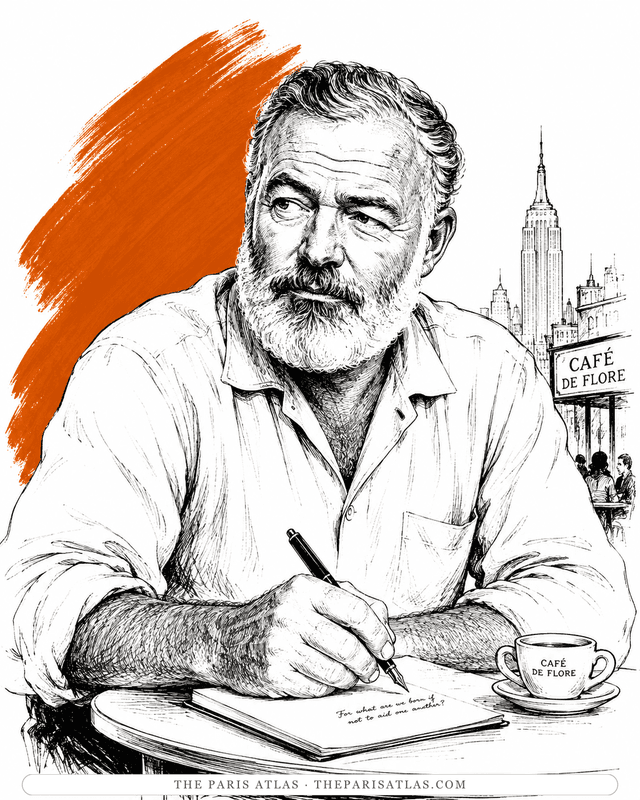
Ernest Hemingway
Anderson's letters of introduction sent him to Paris; In Our Time borrowed the Winesburg shape; The Torrents of Spring paid the debt back in parody.
View author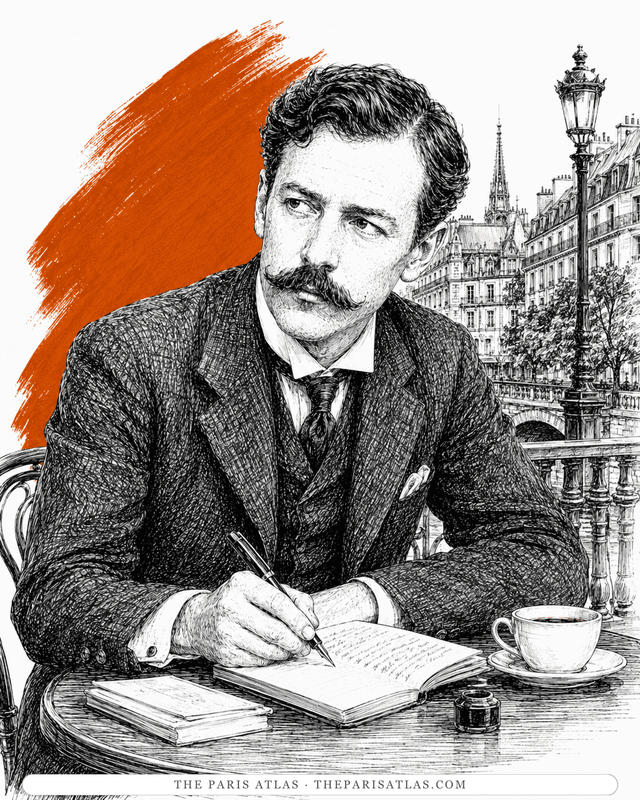
Sisley Huddleston
The witness who recorded Anderson's Paris — the hotel by the Odéon, the Luxembourg walks, and the long conversations about America and art.
View author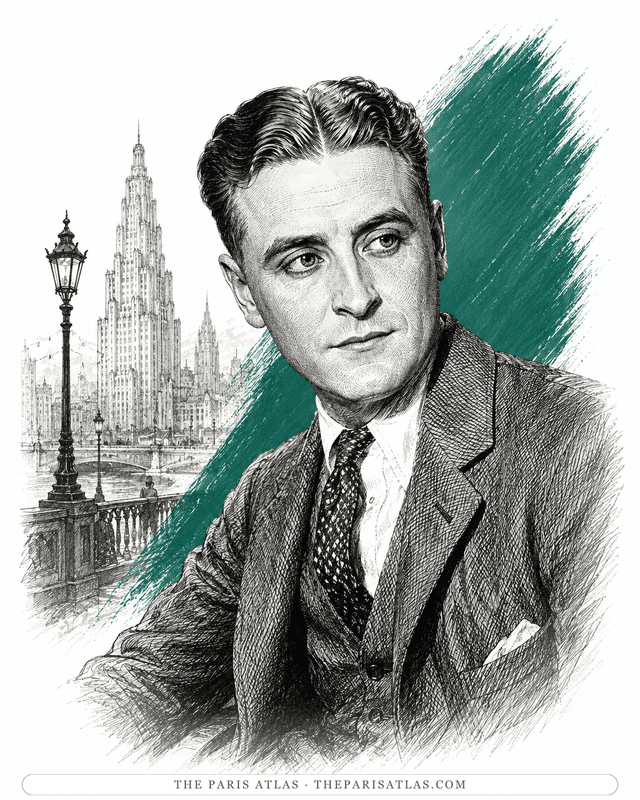
F. Scott Fitzgerald
The Jazz Age's laureate — famous at twenty-three, author of Gatsby at twenty-eight, and owner of the longest posthumous comeback in American letters.
View author