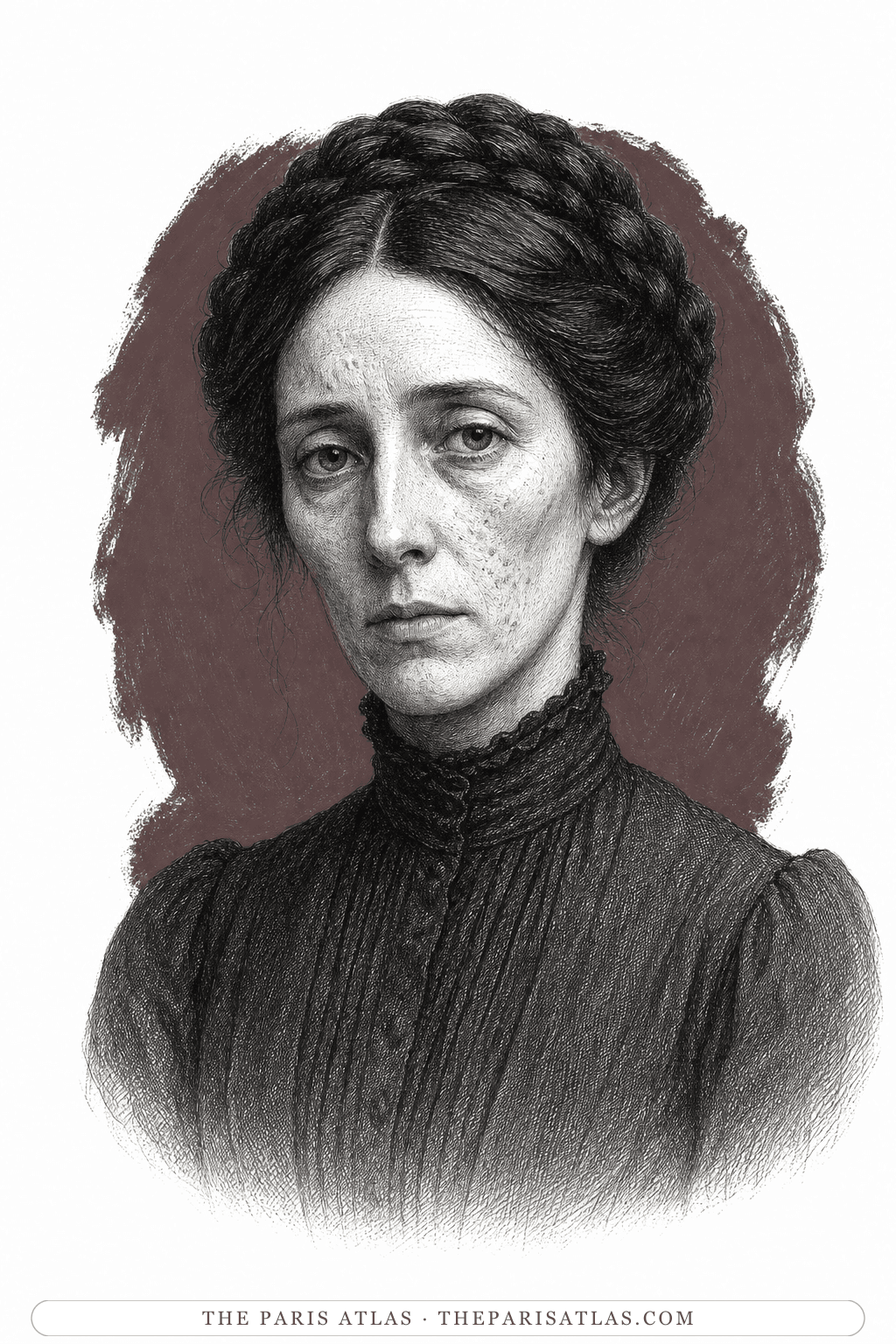
Elizabeth Willard
George Willard's mother, worn out at forty-five in the hotel she owns on paper, and set on her son not ending as she did.
That her son be allowed to say the thing she never said. Kneeling in his room she puts it as a bargain: "I will take any blow that may befall if but this my boy be allowed to express something for us both." Then she adds one condition, almost under her breath, that he not be allowed to become smart and successful either.
The book

At a glance
- The hotel keeper's wife, and the subject of 'Mother' and 'Death'
- Forty-five in 'Mother'; forty-one in the scenes with Doctor Reefy, which happen earlier
- A corner room in the New Willard House, the hotel she inherited from her father
- Tom Willard, once a clerk in her father's hotel and now its proprietor
- Stage-struck, half a dozen lovers, and a reputation in Winesburg she never lost
- An unnamed disease, and long stretches when she cannot leave her chair by the window
Who they are in the book
Spoiler-freeElizabeth Willard is the mother of George Willard, the young reporter who runs through Winesburg, Ohio, the 1919 book of linked short stories by the American writer Sherwood Anderson. She is forty-five, tall and gaunt, her face marked with smallpox scars, and some illness the book never names has taken the strength out of her. She moves through the New Willard House looking at the faded wallpaper and the ragged carpets, and makes the beds herself when she is well enough.
The hotel is hers. Her father left it to her and it still stands recorded in her name at the county courthouse, but it loses custom every year because it is shabby, and she has come to think of herself as shabby too. Her husband, Tom Willard, takes the sight of her in the halls as a reproach and turns around in the street as though the hotel might be following him.
She was not always like this. As a girl she was stage-struck, walked out in loud clothes with the traveling salesmen who stayed at her father's hotel, asked them what the cities were like, and once startled Winesburg by riding a bicycle down Main Street in men's clothing. What she was after, Anderson writes, was a real lover and some hidden wonder in life. She married Tom Willard, then a clerk in the hotel, because he was there and she had decided it was time to marry.
Between her and her son there is a bond that neither of them can get into words. Their evening visits are silent and awkward, and both of them are relieved when they end. Alone in his empty room, though, she kneels by his desk and prays that he will not be beaten flat the way she was.
How Elizabeth Willard Is Portrayed
- How she looksTall and gaunt at forty-five, with smallpox scars on her face and long white hands that droop over the ends of her chair arms. Her hair is still black, in a great braided mass coiled about her head.
- The hotelThe New Willard House came to her from her father and is still in her name at the courthouse. She keeps her own room in an obscure corner and prefers to work among the beds while the guests are out on Main Street selling to the merchants.
- Who she was at twentyRestless and talked about. She paraded the streets with the traveling men who stayed at the hotel, urged them to tell her about the cities they came from, and thought about joining a theatrical company and going out into the world.
- The baker and the grey catFrom her window she used to watch a baker in the alley below throw sticks and broken glass at a cat that kept getting into his shop. One day, watching a long and useless outburst, she put her head down on her hands and wept, and after that she did not look down the alley again. The contest, Anderson writes, seemed to her like a rehearsal of her own life.
- The night with the scissorsOverhearing her husband tell George to wake up and be brisk and smart, she takes a long pair of sewing scissors out of a cloth bag on the wall and decides to kill him. She gets out a box of theatrical make-up left behind by a stranded company, meaning to come down the hotel stairs beautiful and silent, and then the strength goes out of her and she stands weak in the dark.
- The eight hundred dollarsOn the night before her wedding her dying father told her not to marry anyone in Winesburg and gave her eight hundred dollars to leave with. She married anyway, and a week later broke the plaster at the foot of her bed with a stick, hid the tin box in the wall, and had one of the hotel workmen mend it.
- The afternoons with the doctorHalf a dozen times over the years she climbs the worn stairs to Doctor Reefy's office above the dry goods store, ostensibly about her health. They talk instead about their two lives. He is the one friend the book gives her.
Elizabeth Willard dies on a Friday afternoon in March, in the year her son turns eighteen.
The story 'Death' also gives her the one afternoon on which she nearly got what she was after. Telling Doctor Reefy about a wild drive she once took in the rain, she stands up and walks about his office, and he watches the tired woman turn briefly into a girl.
If you like Winesburg, Ohio


If you like Sherwood Anderson
Explore authors with a similar voice, perspective, and influence.
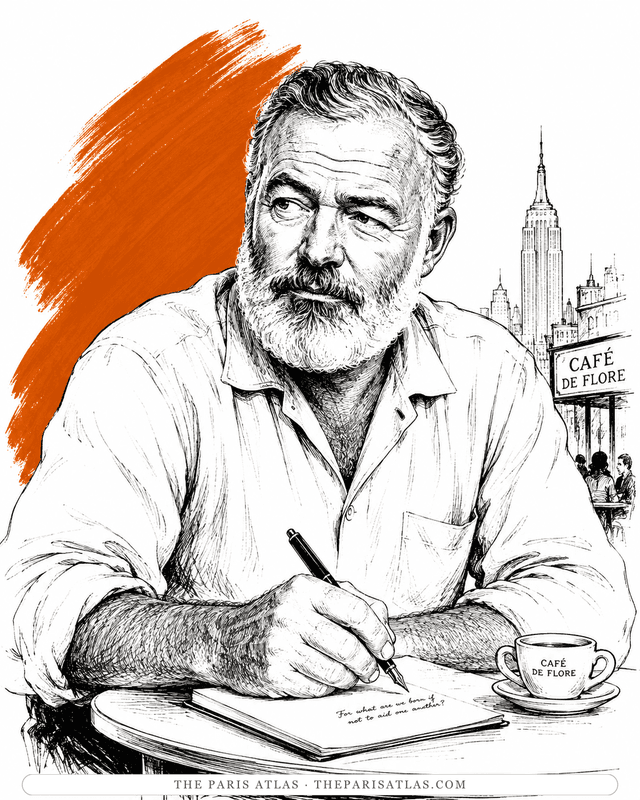
Ernest Hemingway
Anderson's letters of introduction sent him to Paris; In Our Time borrowed the Winesburg shape; The Torrents of Spring paid the debt back in parody.
View author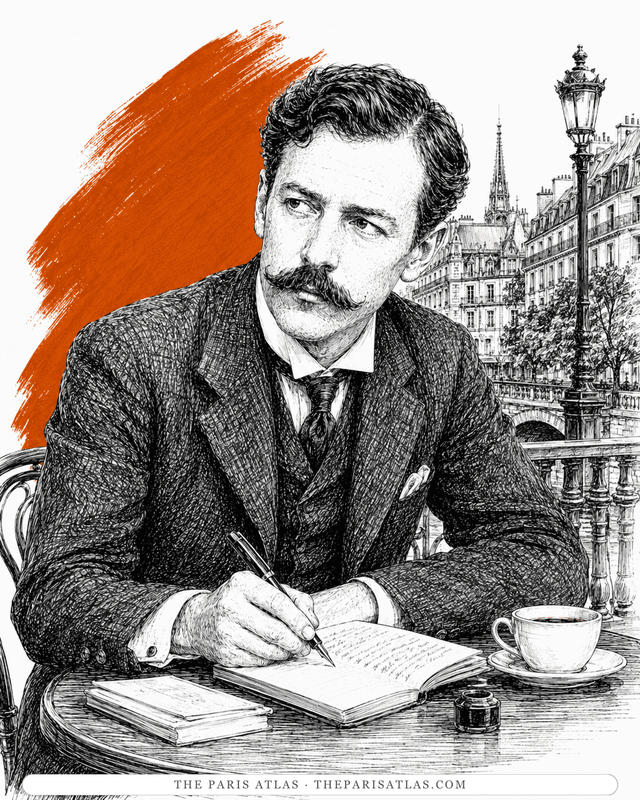
Sisley Huddleston
The witness who recorded Anderson's Paris — the hotel by the Odéon, the Luxembourg walks, and the long conversations about America and art.
View author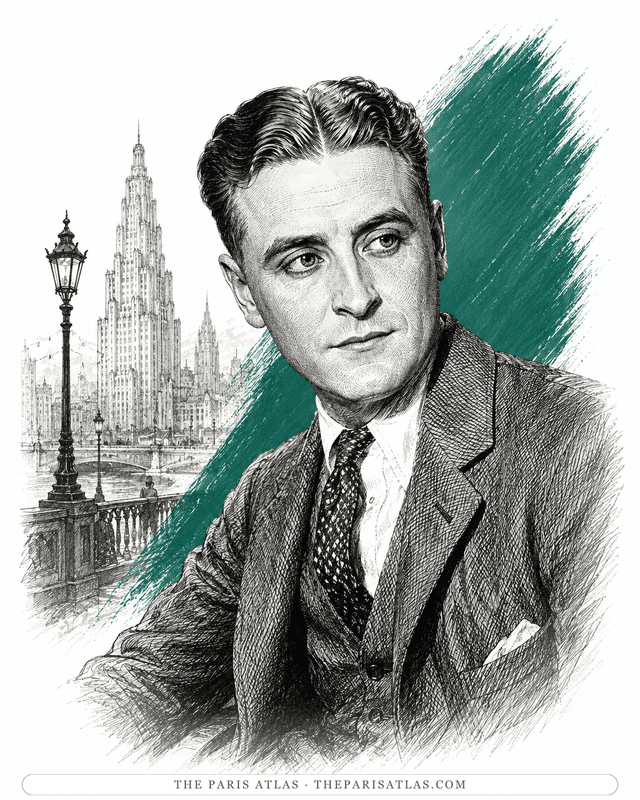
F. Scott Fitzgerald
The Jazz Age's laureate — famous at twenty-three, author of Gatsby at twenty-eight, and owner of the longest posthumous comeback in American letters.
View author