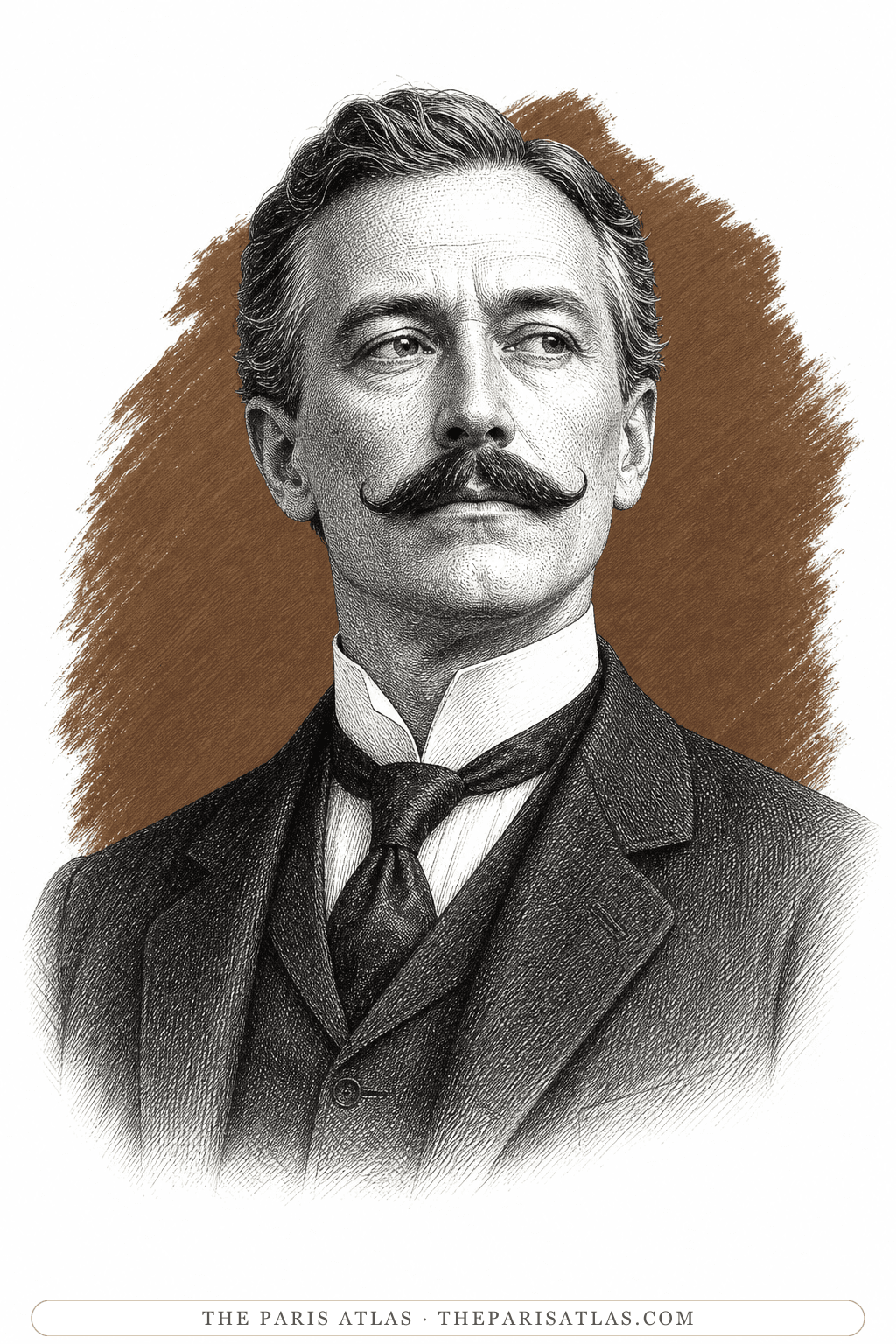
Tom Willard
George Willard's father, who keeps the failing hotel his wife owns on paper and is the leading Democrat in a Republican town.
To be taken for one of the chief men of Winesburg. When a younger party member stands up at a political conference and boasts about his own faithful service, Tom Willard goes white with fury and puts his claim on the record: "I was a Democrat here in Winesburg when it was a crime to be a Democrat." He adds that in the old days they fairly hunted us with guns.
The book

At a glance
- Proprietor of the New Willard House; present in 'Mother,' 'The Thinker,' 'Death' and 'Departure'
- Husband of Elizabeth Willard, father of George Willard
- The leading Democrat in a strongly Republican community
- Congress, and possibly the governorship
- A clerk in the hotel owned by his wife's father
- His son's job on the Winesburg Eagle
Who they are in the book
Spoiler-freeTom Willard is the father of George Willard, the young reporter who runs through Winesburg, Ohio, the 1919 book of linked short stories by the American writer Sherwood Anderson. He keeps the New Willard House, the town's hotel, and goes through the streets looking spruce and businesslike: slender and graceful, square-shouldered, with a quick military step and a black mustache trained to turn sharply up at the ends. The hotel is not his. It came to his wife Elizabeth from her father and still stands recorded in her name at the county courthouse, and he was a clerk there when she married him.
It has been losing money for years and he wants out of it. He calls it a mere ghost of what a hotel should be, and thinks of the old house and the woman in it as things defeated and done for. The marriage is finished in every way except the fact of it. He takes the sight of his wife moving slowly through the halls as a reproach to himself, and in the street he sometimes stops and turns quickly about, as though the hotel and the woman might have followed him out of doors.
What he has instead is village politics. For years he has been the leading Democrat in a strongly Republican community, and he tells himself that one day the tide will turn and the long service will count for something. He dreams of Congress and even of becoming governor. Nothing he has ever done has turned out successfully, and he has always thought of himself as a successful man.
He is ambitious for his son, and it was he who got the boy the job on the town paper. His advice, delivered in the hotel hallway one July evening, is that George should wake up and stop drifting. He does not know that his wife is standing in the dark a few feet away, listening to every word.
How Tom Willard Is Portrayed
- How he carries himselfSlender and graceful, with square shoulders, a quick military step, and a black mustache trained to turn sharply up at the ends. Once he is out of sight of the hotel and in no danger of coming upon his wife, he swaggers and begins to dramatize himself as one of the chief men of the town.
- The hotelThe New Willard House is unprofitable and forever on the edge of failure, and he wishes himself out of it. He began life in it hopefully. It belongs on paper to his wife, who inherited it from her father, and the deed has never moved.
- The marriageHe tries to put his wife out of his mind and cannot manage it. Thinking of her makes him angry and profane. "Damn such a life, damn it!" he sputters aimlessly in the street, at nobody.
- The politicsThe leading Democrat in a strongly Republican town, convinced that some day the tide of things political will turn in his favor and the years of ineffectual service count big in the bestowal of rewards. He dreams of going to Congress and even of becoming governor.
- What he wants for his sonSuccess of an ordinary kind. He secured George the position on the Winesburg Eagle himself and takes the editor's complaints personally. "He says you go along for hours not hearing when you are spoken to and acting like a gawky girl." The idea of the boy becoming a writer is all right with him, so long as he wakes up to do it.
- The argument on the stairsIn the story 'The Thinker' a boy climbing to George's room overhears him in the hotel office defending President McKinley to two traveling salesmen and insisting that a friendship can be worth more than dollars and cents. A grocery salesman who has lived in Cleveland for years tells him flatly, "Your talk is piffle."
- What he does not knowThat his wife has kept eight hundred dollars hidden from him in the bedroom wall since the week they married, and that the hallway speech about waking up sends her straight to a bag on her wall for a long pair of sewing scissors. He goes downstairs laughing and talks to a guest in the office.
Elizabeth Willard dies in March.
In April,
If you like Winesburg, Ohio


If you like Sherwood Anderson
Explore authors with a similar voice, perspective, and influence.

Ernest Hemingway
Anderson's letters of introduction sent him to Paris; In Our Time borrowed the Winesburg shape; The Torrents of Spring paid the debt back in parody.
View author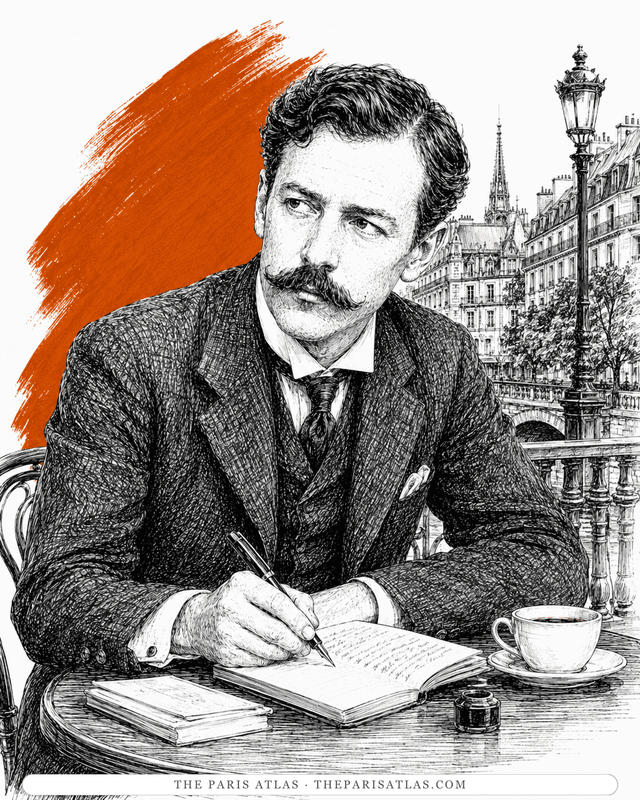
Sisley Huddleston
The witness who recorded Anderson's Paris — the hotel by the Odéon, the Luxembourg walks, and the long conversations about America and art.
View author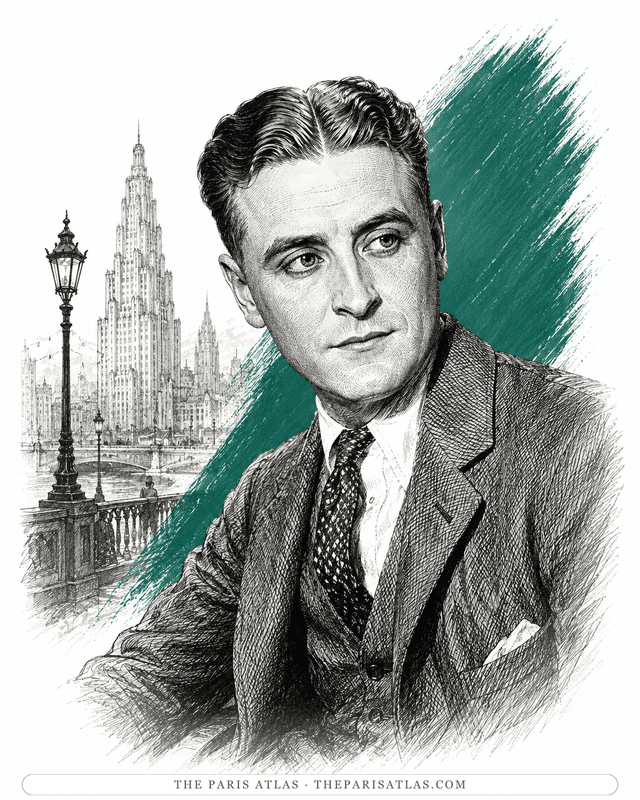
F. Scott Fitzgerald
The Jazz Age's laureate — famous at twenty-three, author of Gatsby at twenty-eight, and owner of the longest posthumous comeback in American letters.
View author