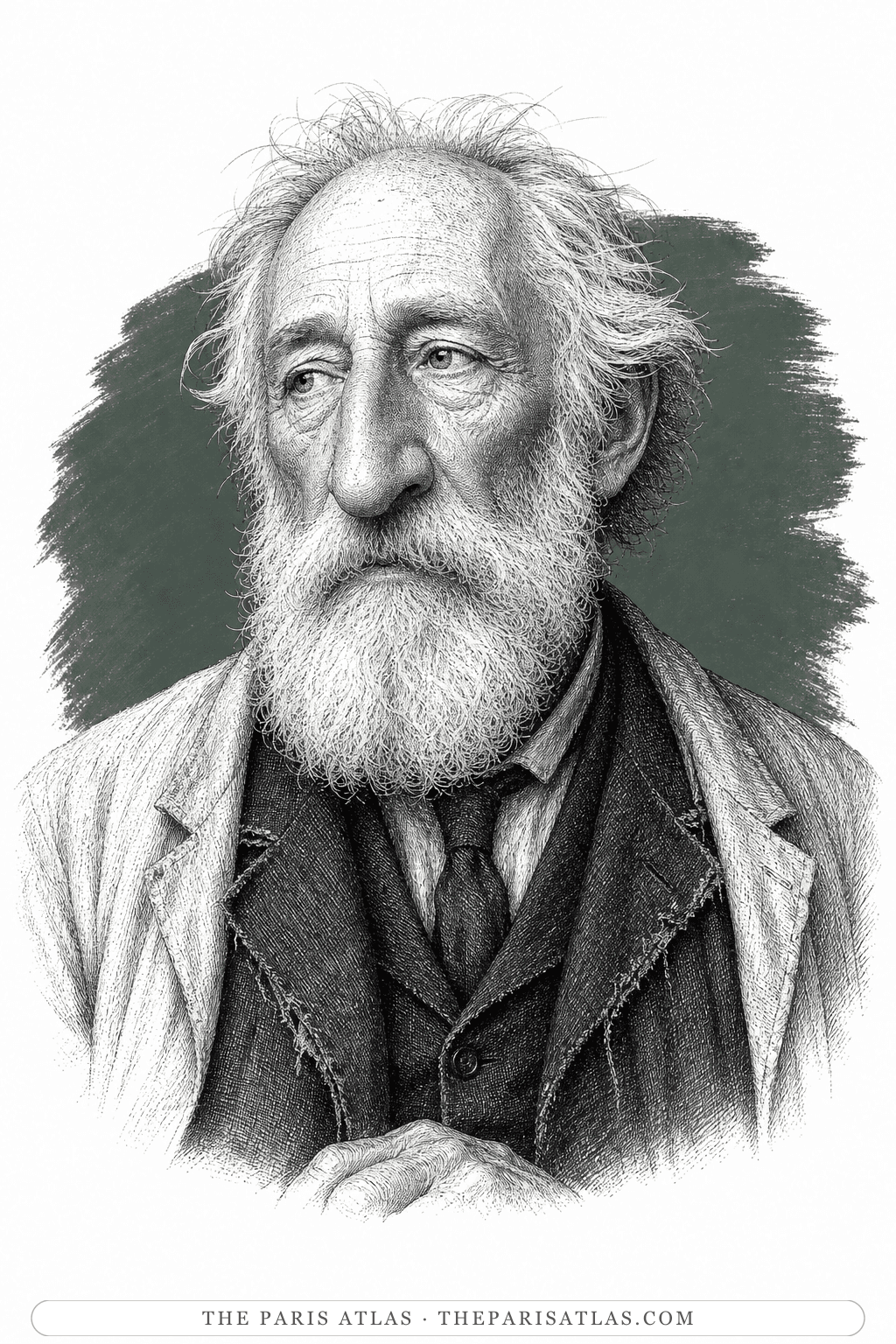
Doctor Reefy
An old country doctor who writes his thoughts on scraps of paper, lets them harden into little balls in his pockets, and throws them away.
Someone to talk to who does not need it explained. He married a frightened girl and read her every scrap of paper in his pockets through one winter, and years later he spends summer afternoons with Elizabeth Willard, the hotel keeper's wife, telling her things he has told nobody.
The book

At a glance
- A country doctor, the subject of 'Paper Pills,' and one of the two people in 'Death'
- Forty-five when he courts his first wife; an old man with a white beard by the end
- The Heffner Block, above the Paris Dry Goods Company store
- Small and shrinking. Like most old-fashioned country practitioners he also pulls teeth.
- John Spaniard, who owns a tree nursery, and later Elizabeth Willard
- Twice — the tall dark girl who died within a year, and a young wife much later
Who they are in the book
Spoiler-freeDoctor Reefy is a Winesburg physician and one of the few people in Winesburg, Ohio, the 1919 book of linked short stories by the American writer Sherwood Anderson, to be given two stories of his own. He is tall and awkward, with a white beard and a huge nose, and knuckles that Anderson compares to clusters of unpainted wooden balls as large as walnuts fastened together by steel rods. He has worn one suit for ten years. His office is as large as a barn, above a dry goods store, and the window beside his chair is covered with cobwebs. He tried once on a hot day in August to open it, found it stuck fast, and then forgot about it.
He writes constantly and keeps none of it. Thoughts, ends of thoughts and beginnings of thoughts go onto scraps of paper and into the pockets of a linen duster, where after a few weeks they have compacted into hard little balls. When the pockets are full he dumps them on the floor, and in a playful mood he throws a handful at John Spaniard, an old nurseryman who is his only friend for ten years. The story called 'Paper Pills' is named for them.
Anderson gives him the book's best-known image. In the frozen orchards around Winesburg the pickers leave behind the few gnarled apples nobody wanted, and those apples look like the doctor's knuckles, and all the sweetness of each one has gathered into a little round place at its side.
How Doctor Reefy Is Portrayed
- The handsEnormous knuckles that look, when the fists are closed, like clusters of unpainted wooden balls as large as walnuts fastened together by steel rods. Anderson uses the image twice, once for the man and once for the apples.
- The paper pillsHe writes on scraps and stuffs them into the pockets of a linen duster until they become hard round balls. In a playful mood he takes out a handful and throws them at John Spaniard, an old nurseryman, calling him a blathering old sentimentalist and shaking with laughter.
- The officeA room the size of a barn in the Heffner Block, above the Paris Dry Goods Company store, up a stairway whose soft boards have hollowed under the feet of everyone who ever climbed them. The dry goods clerks throw their broken shop fittings on a rubbish pile in the hallway outside.
- The one suitFrayed at the sleeves, with little holes at the knees and elbows. He has worn it for ten years, with a linen duster over it in the office.
- The twisted applesThe apples the pickers reject stay on the trees, and their whole sweetness has gathered into one small round place at the side. "Only the few know the sweetness of the twisted apples." It is the line the book is most often quoted for.
- The tall dark girlA young woman with a large farm and a train of suitors came to his office frightened and pregnant, and stayed. They drove into the country together nearly every day for weeks. She married him in the fall and died the following spring, and through the winter he read her all the odds and ends of thoughts on his scraps of paper, then laughed and stuffed them back into his pockets.
- What he says about loveTalking to Elizabeth Willard he tells her not to try to pin it down. "You must not try to make love definite." He is, the book says, almost a poet in his old age.
If you like Winesburg, Ohio


If you like Sherwood Anderson
Explore authors with a similar voice, perspective, and influence.

Ernest Hemingway
Anderson's letters of introduction sent him to Paris; In Our Time borrowed the Winesburg shape; The Torrents of Spring paid the debt back in parody.
View author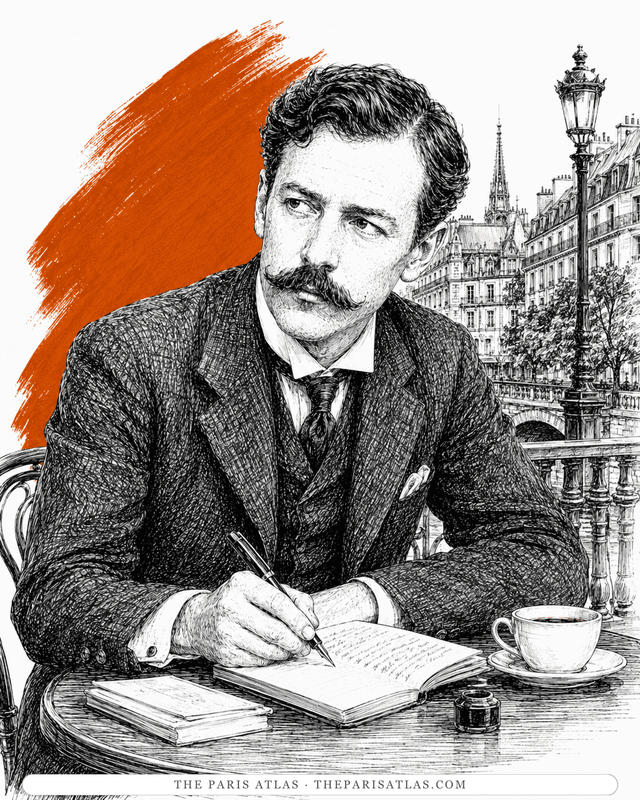
Sisley Huddleston
The witness who recorded Anderson's Paris — the hotel by the Odéon, the Luxembourg walks, and the long conversations about America and art.
View author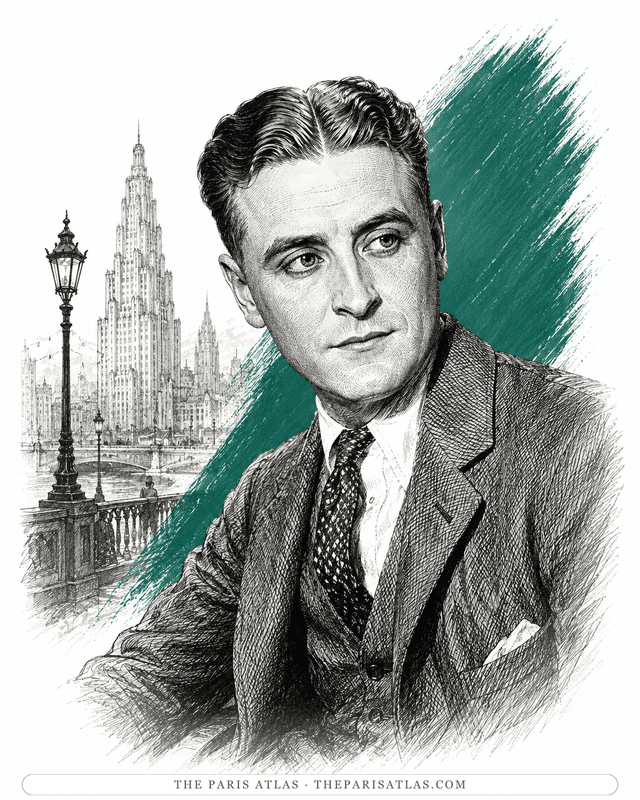
F. Scott Fitzgerald
The Jazz Age's laureate — famous at twenty-three, author of Gatsby at twenty-eight, and owner of the longest posthumous comeback in American letters.
View author