

Discussed in
A Moveable Feast
Hemingway identifies Three Lives as the published Stein book readers could obtain when he first knew her, within his account of her conversation, instruction, and experiments with repetition.

Gertrude Stein's first book — three long stories about three working women, written in the flat repeating sentences that Ernest Hemingway and a generation of American writers learned from.
Three long stories about three working women, all set in a Southern city Gertrude Stein calls Bridgepoint, which is the Baltimore she had lived in as a medical student. Anna Federner is a German housekeeper who runs every household she enters and gives away every dollar she saves. Melanctha Herbert is a young Black woman who spends the story looking for something the book never lets her name; her story is set in a Black community and written in dialect. Lena Mainz is a German servant girl married off by an aunt to a man who wants the marriage no more than she does. Stein began the book in 1905, could not place it with any publisher, and in 1909 paid a New York vanity press $660 to print 500 copies. It is the Stein that other writers actually read.
The book started as a language exercise. Gertrude Stein's brother Leo Stein suggested she translate Gustave Flaubert's Trois contes, three long stories about ordinary people, one of them a servant, as a way of improving her French. She wrote three of her own instead, beginning in 1905 under the title Three Histories. She was living in Paris by then, at 27 rue de Fleurus, and buying the paintings that would make the apartment famous, but the stories go back to Baltimore, where she had spent four years at the Johns Hopkins medical school and kept house with a German housekeeper. Her housekeeper became Anna. Stein put a version of herself into the same story as Anna's employer, Miss Mathilda.
She wrote the middle story, Melanctha, in 1905 and 1906, some of it in Pablo Picasso's studio while he painted her portrait over some ninety sittings. Then came a year of rejections. A friend, Mary Bookstaver, found the Grafton Press of New York, which printed books at their authors' expense; Stein paid $660, and 500 copies left the presses on 30 July 1909. William James, who had taught her psychology at Radcliffe, called it a fine new kind of realism. Almost nobody else noticed.
The people who did notice were writers. Sentences here are short, flat and declarative, and a phrase is brought back and altered slightly instead of being replaced, over and over. That is very close to a description of the prose Ernest Hemingway was writing fifteen years later, in the same city, as a regular caller at Stein's apartment. He acknowledged the book in A Moveable Feast, noting that when he met her these were the stories of hers that anyone could read. Sherwood Anderson, who sent Hemingway to her door, was reading Stein early too, and his own linked stories of a small Ohio town came out ten years after hers.
The Good Anna, the first story. Anna Federner is a small, spare German woman of about forty who keeps house for a series of employers in Bridgepoint. She came over as a teenager with her mother, who died of consumption soon after they landed. She runs whatever house she is in completely: the money, the marketing, the under-servants, the dogs. And she scolds continuously — the girls who work beneath her, the teamsters she catches beating horses, her employers' spending, and three dogs she holds to the same standard of behaviour as the servants. The story tracks her through three households. She leaves the first rather than take orders from the little girl she once looked after; she is happy in the second, keeping house for a bachelor doctor, until he marries; and the third, with the large, careless, picture-buying Miss Mathilda, gives her the happiest years of her life. Alongside all of this runs her friendship with the widowed midwife Mrs. Lehntman, which the story calls the romance in Anna's life. Anna saves every cent and hands it to whoever asks: a friend's failing scheme, a barber who cannot make ends meet, a girl in trouble. Then she grows bitter that none of them has any sense of what is right.
Melanctha, the second story and by far the longest. Melanctha Herbert is a young Black woman in the same city, the daughter of a religious, pale-skinned mother she cannot respect and a father who came to the house rarely and was violent when he did. From about twelve she goes out to the railroad yards, the shipping docks and half-finished buildings, talking to the men who work there and, after dark, to clerks and agents, going almost far enough and then getting away. At sixteen she meets Jane Harden, a woman of twenty-three thrown out of a college and a teaching post for her conduct, and spends two years learning from her. Then she meets Jefferson Campbell, a young doctor attending her dying mother, who believes people should live regular lives and stop chasing excitement. What follows is the argument at the centre of the book: he cannot say what he feels without thinking it through first, she cannot say what she wants at all, and their talk circles the same phrases for a hundred pages. When it ends she attaches herself to Rose Johnson, a blunt, lazy friend she waits on hand and foot, and then to Jem Richards, a reckless man who lives on racing and betting.
The Gentle Lena, the last and shortest. Lena Mainz was brought from a German farming town to Bridgepoint at seventeen by her aunt, Mrs. Haydon, who had a plan for her: service first, then a good husband. Lena's four years in service are the happiest of her life: work in the mornings, afternoons in the park minding a two-year-old, a cook who scolds her for her own good, and other nursemaids who tease her because she is so easy to tease. Then her aunt settles on Herman Kreder, a tailor's son of twenty-eight who has never once disobeyed his parents and does not want a woman anywhere near him. Asked whether she likes him, Lena says she will do whatever her aunt says. Three days before the wedding Herman disappears.
Anna's story ends with an operation. Miss Mathilda goes abroad for good, to a country where Anna would be too lonely to follow, and Anna keeps the little red brick house and takes in boarders, men only. She charges too little, feeds them too well, cannot bring herself to raise anyone's rent, and works herself down until a doctor tells her she cannot go on. She has the operation and dies. The story's last paragraph is a letter from her friend Mrs. Drehten to Miss Mathilda, reporting the death, passing on Anna's hope that Miss Mathilda would take the dogs, and ending: "Miss Annie died easy, Miss Mathilda, and sent you her love."
Melanctha loses everyone in turn. Jeff Campbell writes to end it, comes back once in the spring, and then leaves for good and goes to work in another town. Rose Johnson stands on her own front steps, tells Melanctha she has heard things and can no longer trust her, says she is not to set foot in the house again, and shuts the door. Jem Richards, asked why he wants to know whether she still cares about him, tells her: "Why I ask you that Melanctha, God Almighty, because I just don't give a damn now for you any more Melanctha." She says throughout the story that killing herself would be the best thing she could do, and she never does it. She gets a fever, recovers in hospital, takes a place and works regularly for a while, then falls ill again, is told she has consumption, and is sent to a home for poor consumptives, where she dies.
Lena is married after all. Herman's father fetches him back from New York and the wedding takes place a week late. She moves into her husband's parents' house, stops keeping herself clean, and goes quiet in a way that never lifts. The book's word for what she becomes is lifeless, and it uses it again and again. Herman turns out to want one thing badly, which is to be a father, and for the first time in his life he argues with his mother and gets a house of their own. Lena has three children and then a fourth. "When it was all over Lena had died, too, and nobody knew just how it had happened to her." The German cook who had scolded her for years is the only person who misses her. Herman lives on, alone with his three children, and the book's final sentence describes him as very well content.
Peter’s refusal to walk turns Anna’s authority into physical work. At home she issues orders; outside, the frightened dog makes her carry his considerable weight. The repeated insistence that she takes him the whole way makes the effort harder to overlook. Calling Peter a foolish young man and comparing Anna to a mother gives the comedy a pointed imbalance: the dependent male is indulged while she supplies the strength. Her care exceeds any reward he earns through obedience or usefulness. The scene makes her severity and her generosity inseparable, without making that generosity costless.
The first vigil changes who gets to explain whom. Jefferson begins by treating Melanctha as someone whose intelligence he doubts and a listener for his views. Yet she identifies the gap between his praise of orderly living and his pleasure in Jane Harden’s company. His repeated qualifications about whether Melanctha might have a good mind make recognition feel tentative, not instantaneous. Meanwhile, the quiet interval beside the lamp allows attraction to arrive before he can name it confidently. Her objections test his authority, while his uncertainty keeps the reader from accepting his first judgment as final.
Discussed in
Hemingway identifies Three Lives as the published Stein book readers could obtain when he first knew her, within his account of her conversation, instruction, and experiments with repetition.
Short declarative sentences, plain Anglo-Saxon words, and a habit of returning to a phrase and altering it rather than moving on. That is the method Ernest Hemingway was using fifteen years later, in the city where he was calling on Stein every week. It is the standard account of how that style formed, and this is the book at the start of it.
A housekeeper, a young woman with no money and no protection, and a servant girl married off by her aunt. Nobody in it is a writer, an artist, or rich. Each story follows one woman from childhood to the last page of her life.
It is out of copyright and complete on Project Gutenberg, and it runs under 200 pages in most editions. Anyone who has bounced off Stein's later work should start here.
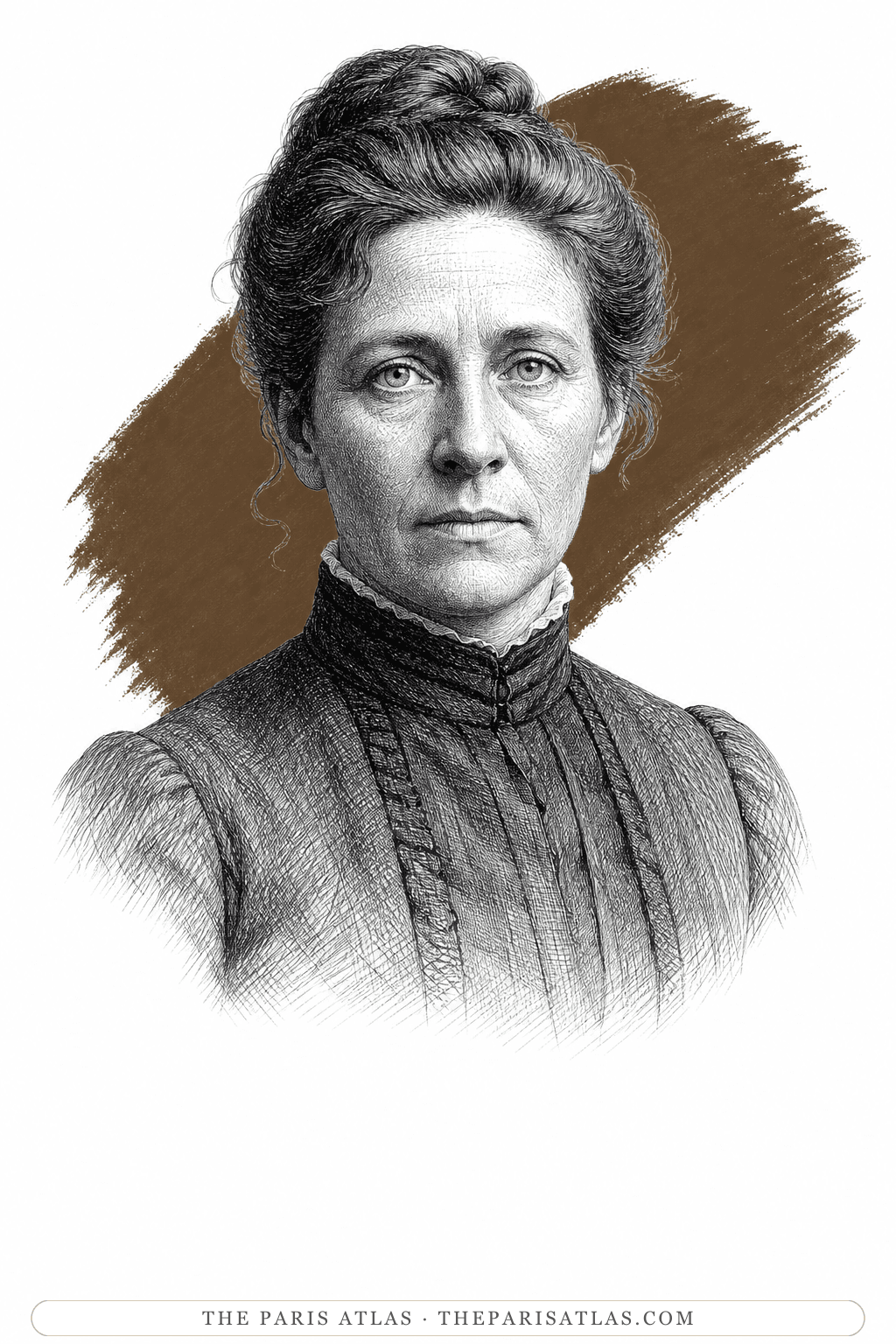
The housekeeper of the first story — a small German woman who runs every household she enters, scolds everyone in it, and gives away every cent she saves.
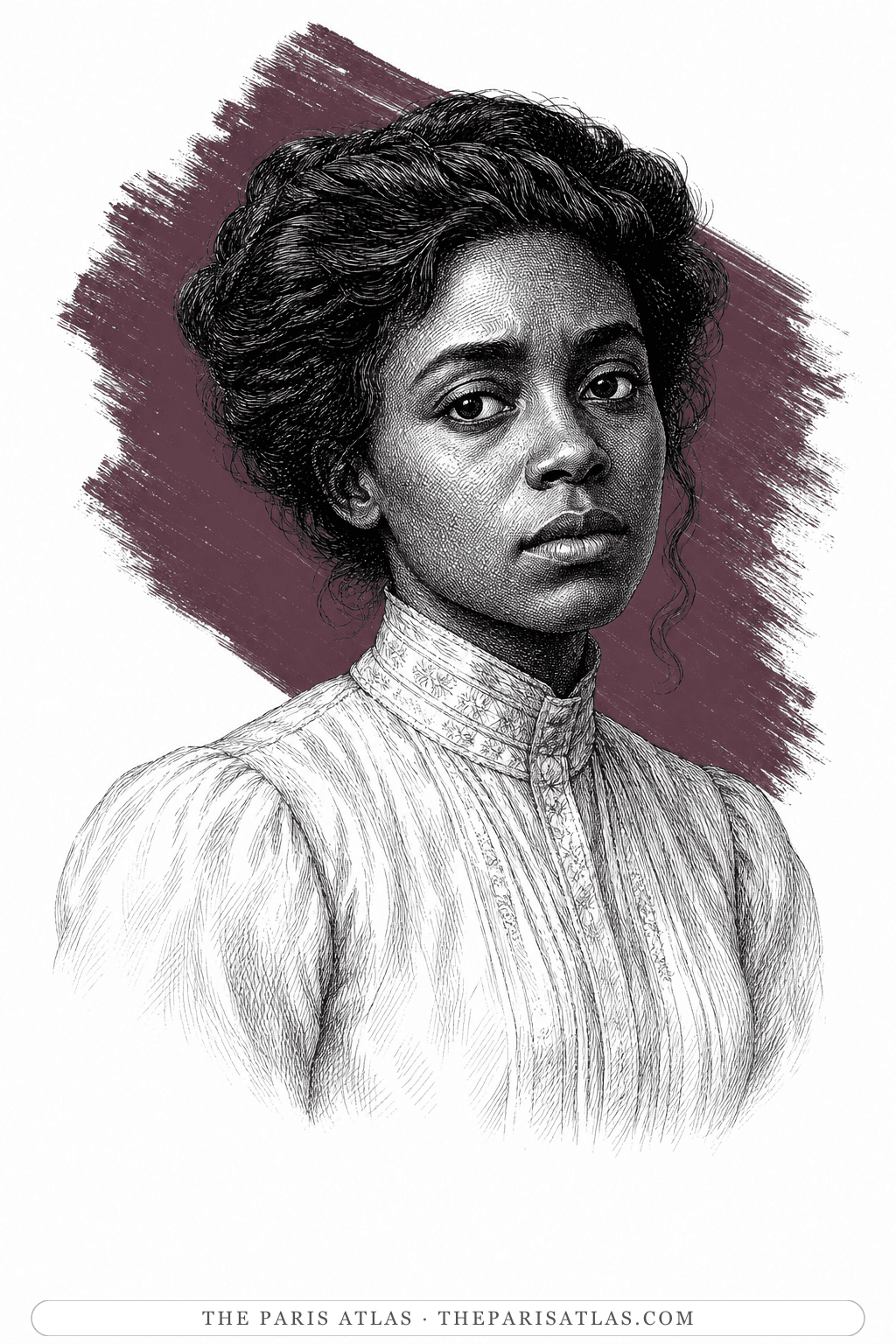
The young woman at the centre of the long middle story — reckless, admired, and looking for something the book never lets her put into words.
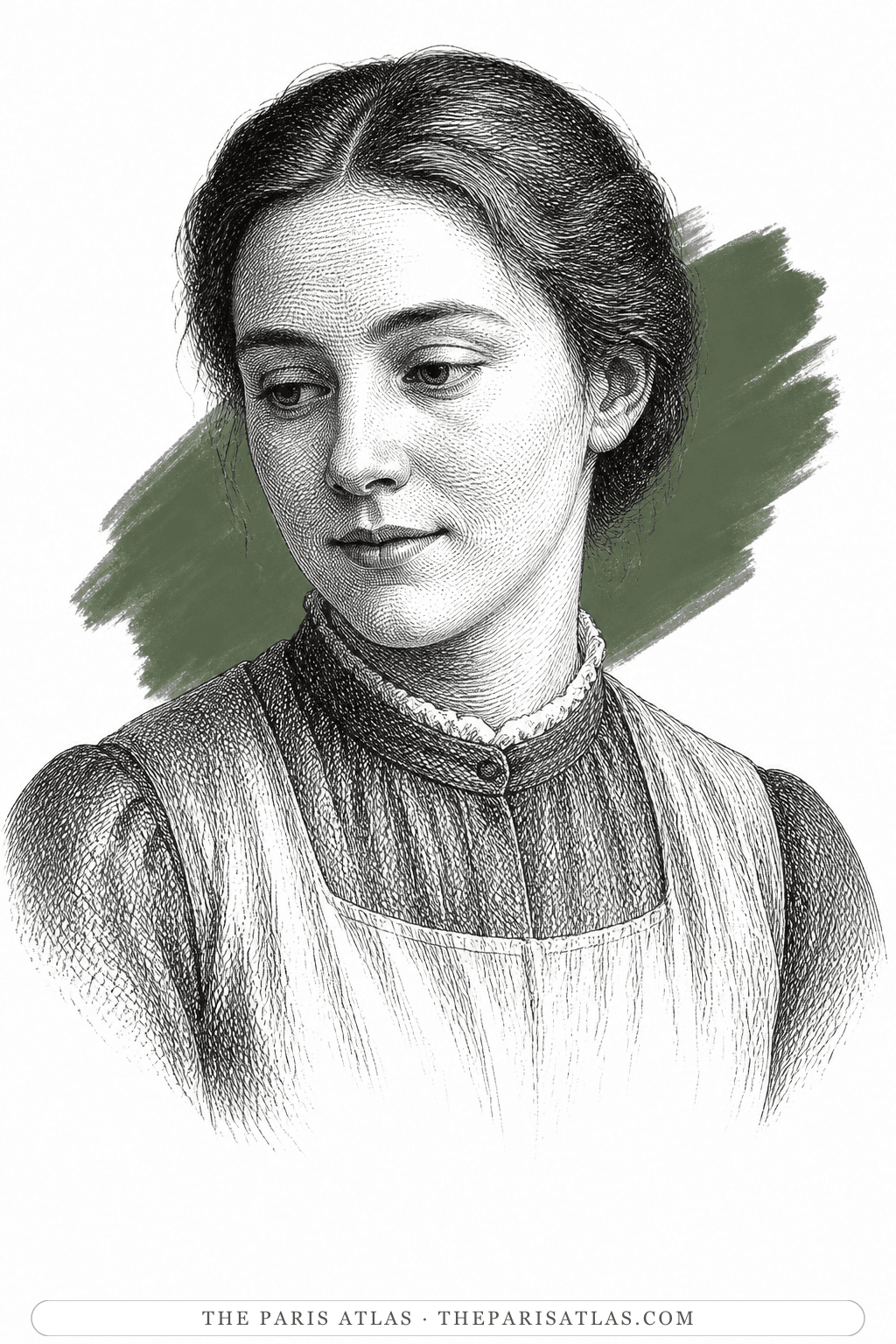
The servant girl of the third story — brought over from Germany at seventeen and married off by an aunt to a man who did not want the wedding either.
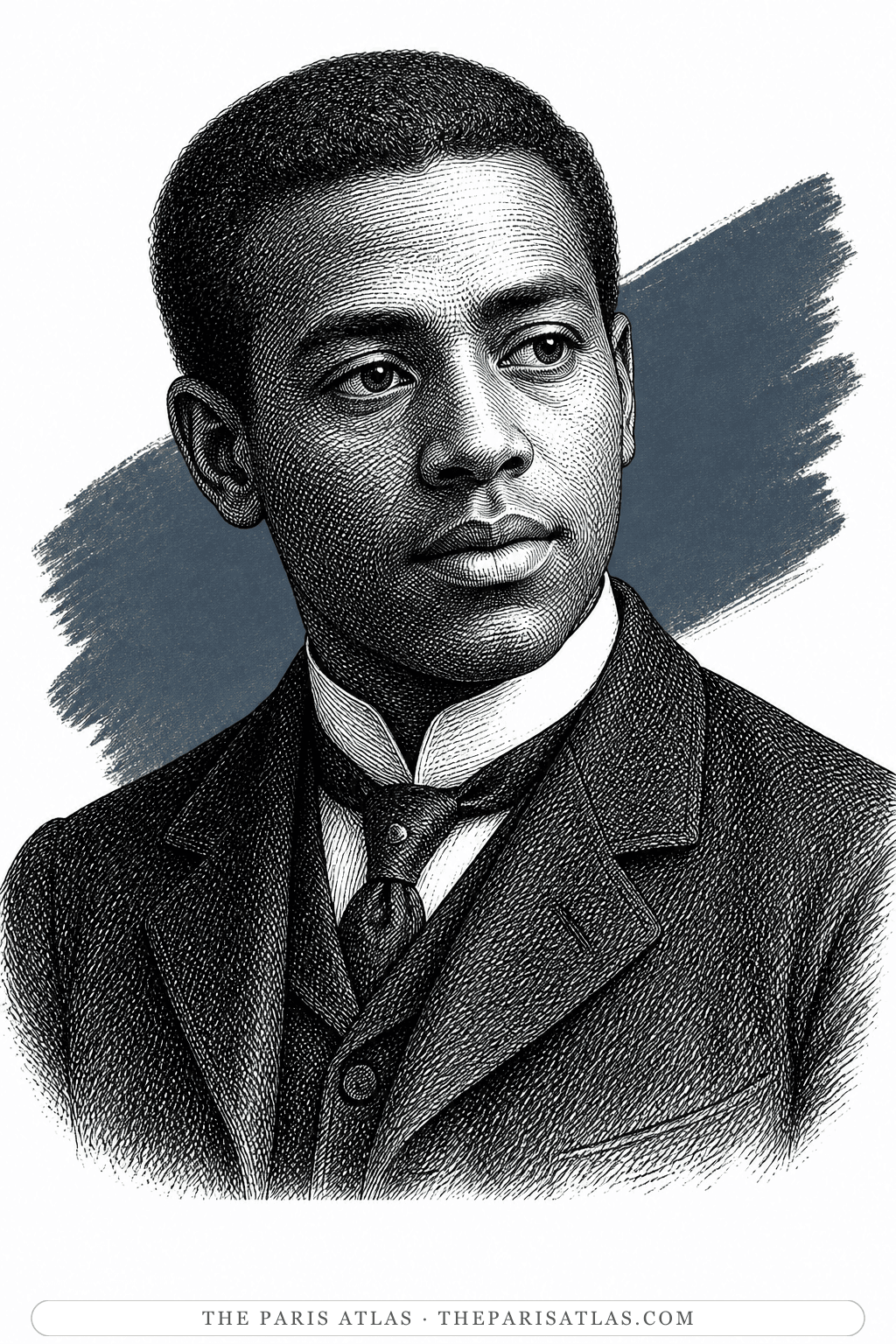
The young doctor in the middle story — good, hard-working, sure of how people should live, and completely unable to say what he feels without thinking it through first.
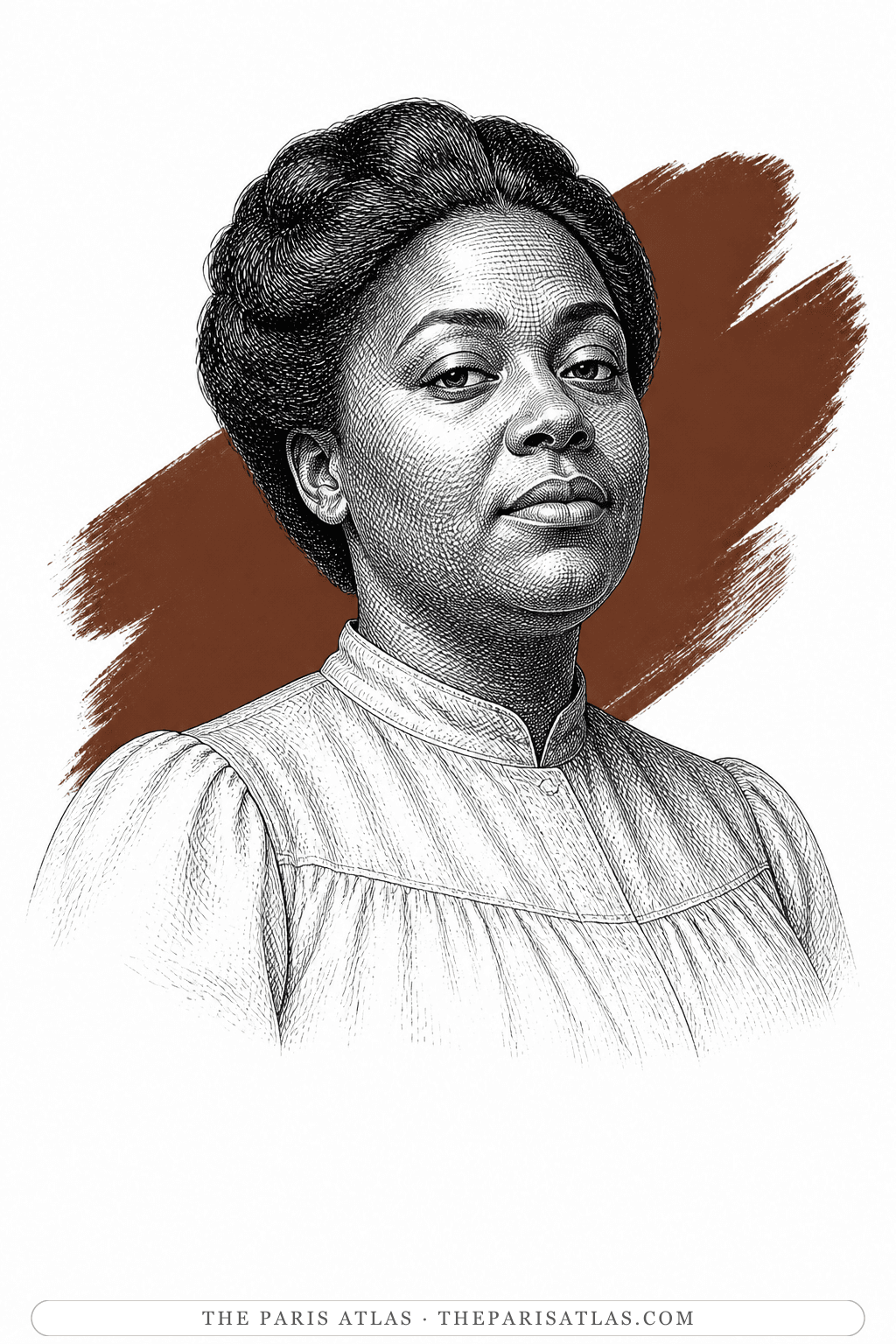
Melanctha's friend, and the first and last person in the middle story — lazy, blunt, certain she is always right, and raised by white people, which she mentions constantly.

The woman who taught Melanctha — thrown out of a college and a teaching post for her conduct, and unforgiving once she is no longer needed.
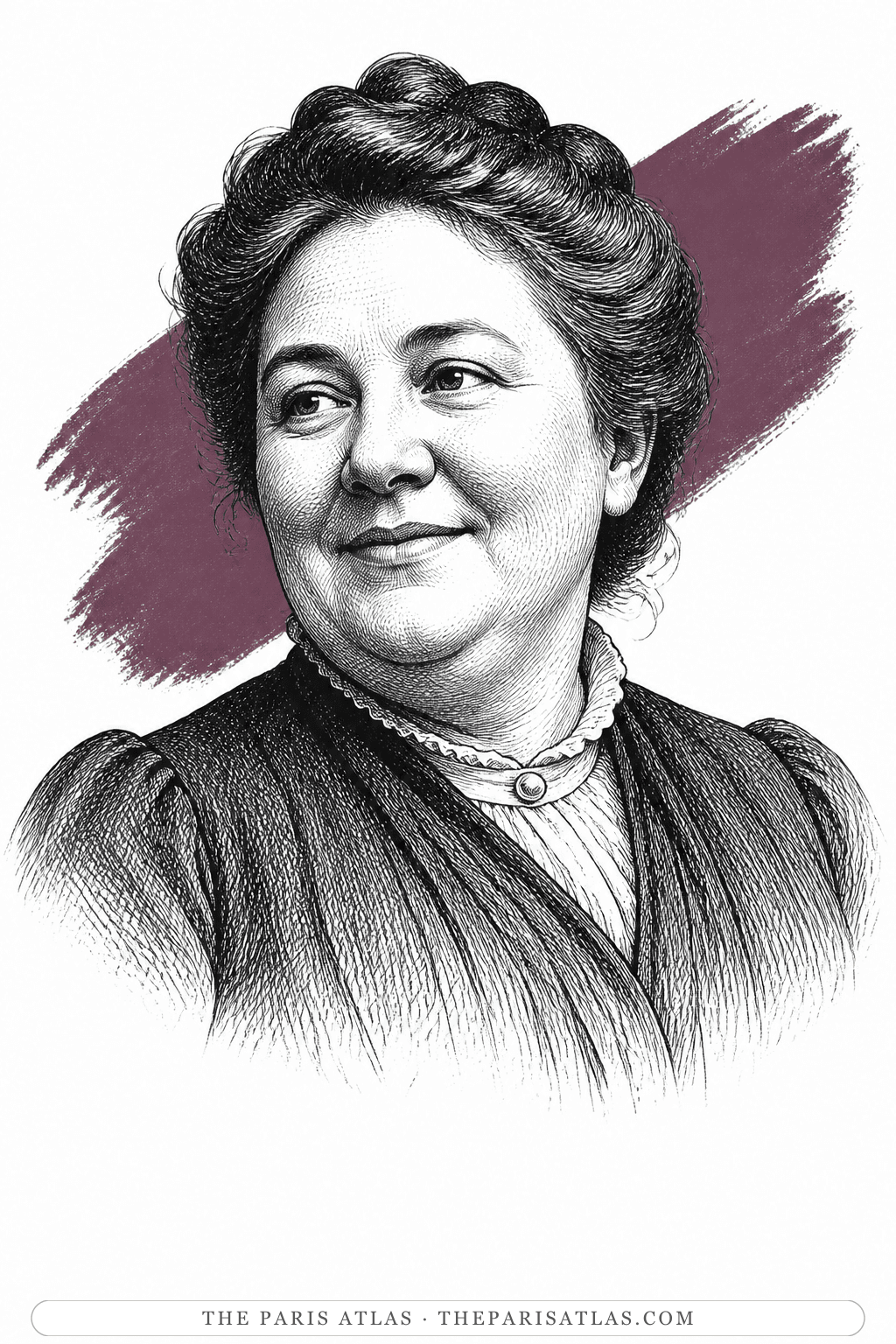
The widowed midwife the first story calls the romance in Anna's life — warm, capable, generous, and entirely unable to be argued with.
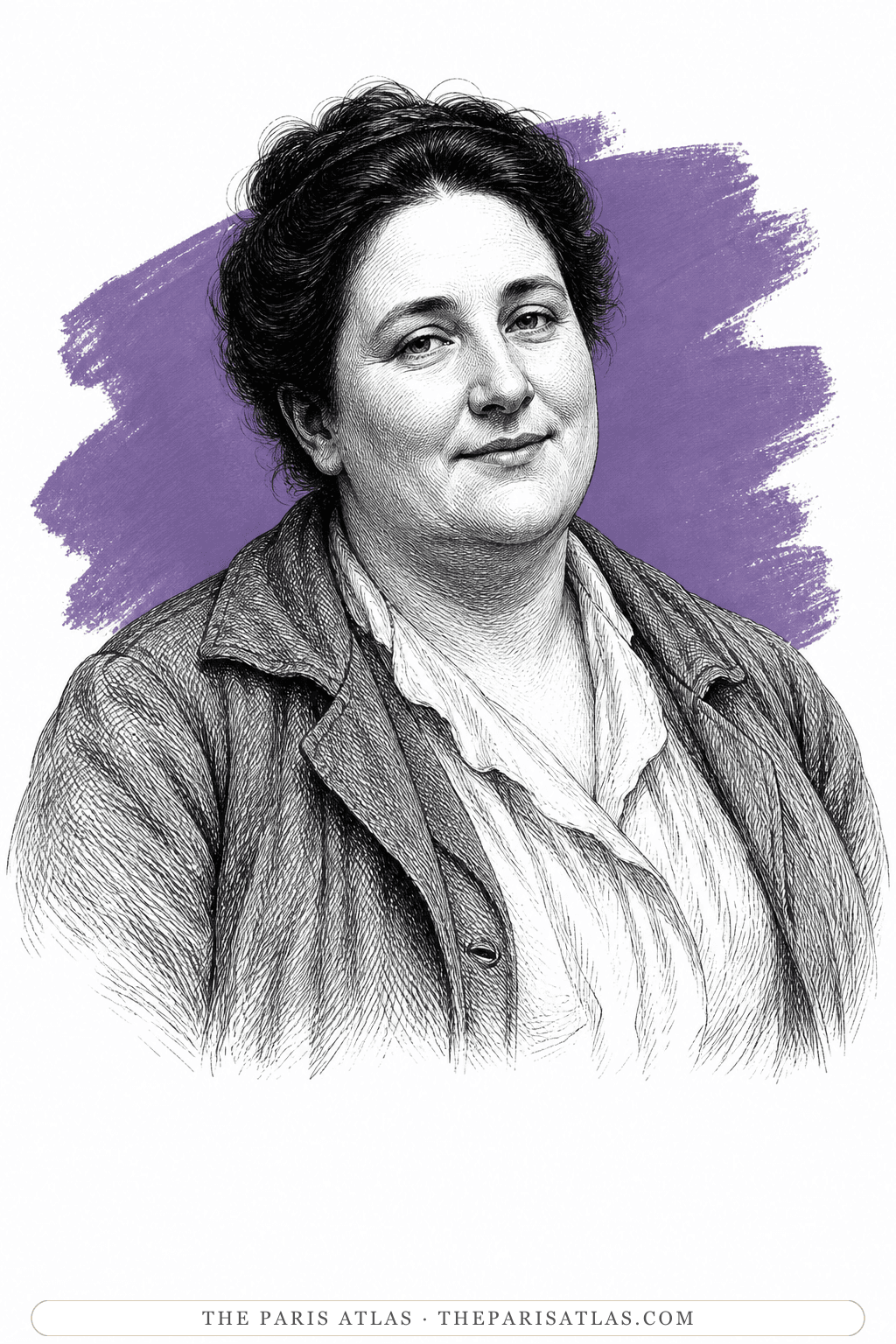
Anna's last and favourite employer — large, cheerful, careless with money, and Gertrude Stein's portrait of herself.
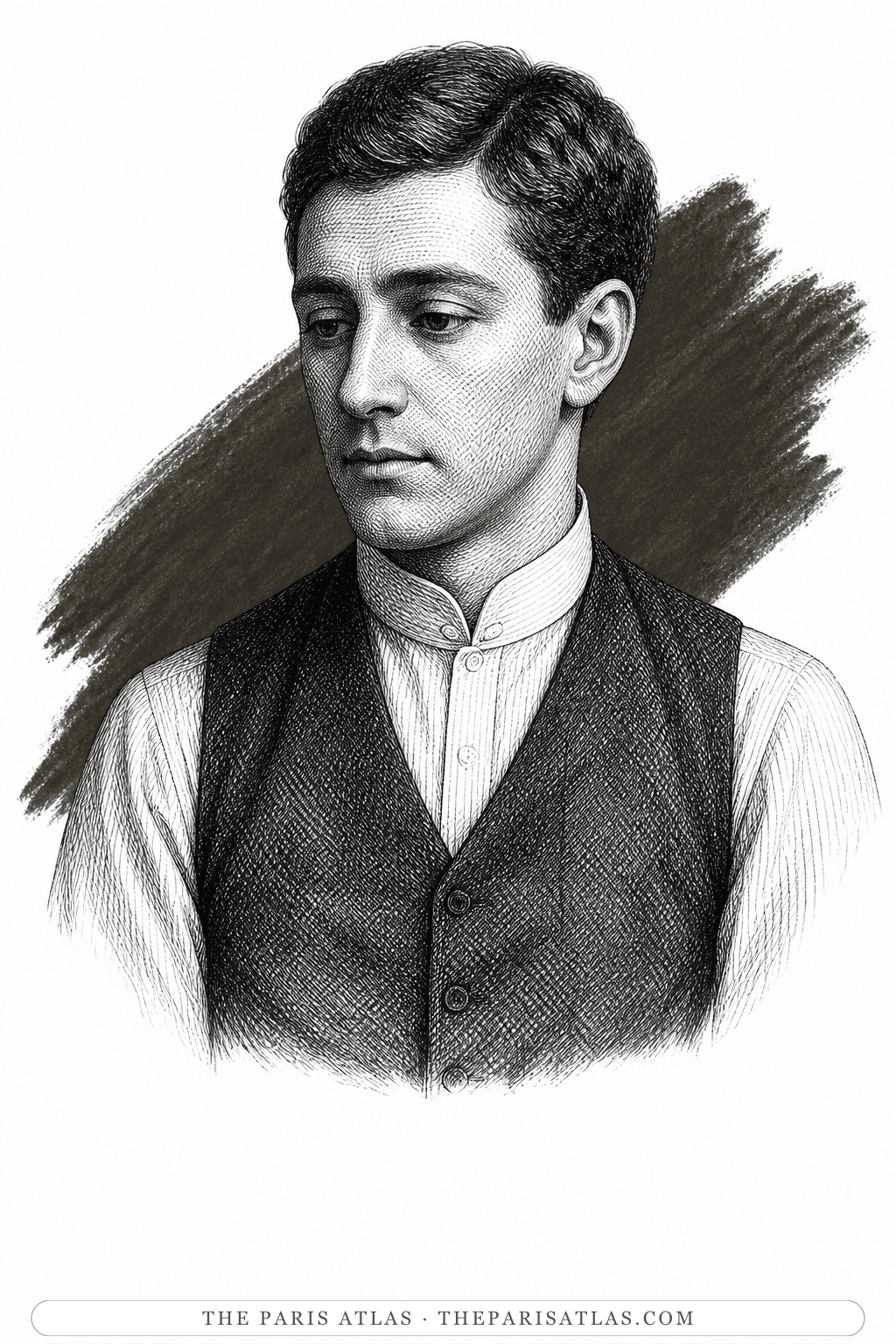
The tailor's son Lena is married to — twenty-eight, obedient to his parents his whole life, and desperate not to have a woman anywhere near him.
Lena's aunt — the woman who brought her from Germany, arranged her marriage, and decided afterwards that she had done very well by her.
1897–1901
Stein studies medicine at Johns Hopkins in Baltimore, where she keeps house with a German housekeeper, Lena Lebender, who becomes the model for Anna. She leaves without finishing the degree.
1905
Encouraged by her brother Leo to translate Flaubert's Trois contes as a French exercise, Stein writes three stories of her own instead, under the title Three Histories.
1905–1906
She writes Melanctha, the longest of the three, partly while sitting for Picasso's portrait of her.
1909
After a year of rejections, the Grafton Press of New York prints the book at Stein's expense for $660. The 500 copies of the first printing leave the presses on 30 July.
1909
William James, who taught Stein psychology at Radcliffe, calls it a fine new kind of realism. Sales are negligible.
1922
A young Ernest Hemingway begins calling at 27 rue de Fleurus with a letter of introduction from Sherwood Anderson. In A Moveable Feast he remembered that these three stories were the writing of hers anyone could read.


Stein's next book, five years later, and the opposite kind of difficulty: short prose poems about objects and food, with no people and no story in them at all.
Read our takeHemingway's memoir of the Paris years, which opens inside Stein's apartment and describes the tutorials she gave him there.
Read our take
Sherwood Anderson's linked stories about one small town, published ten years later. Anderson read Stein early, championed her loudly, and sent the young Hemingway to her with a letter of introduction.
Read our take
Hemingway's first real book of stories, written in Paris while he was calling on Stein. It is the flat sentence a generation on, with the repetition taken out and the plainness kept.
Read our takeGertrude Stein, the American writer and collector who ran the salon at 27 rue de Fleurus in Paris. It was her first published book, and it appeared in 1909.
Three long stories about three working women in an American city: Anna Federner, a German housekeeper; Melanctha Herbert, a young Black woman; and Lena Mainz, a German servant girl married off by her aunt. The stories are separate and share only their setting.
Three long stories, sometimes called novellas, printed in one volume. No character appears in more than one of them. Stein's working title for the book was Three Histories.
Bridgepoint is Stein's invented name for Baltimore, where she spent four years as a medical student at Johns Hopkins before moving to Paris. All three stories are set there.
In effect, yes. After a year of rejections she paid the Grafton Press of New York $660 to print it; 500 copies came off the presses on 30 July 1909.
Because of the sentences. Stein built her paragraphs by restating a line with one small change rather than moving on to a new one, in short flat declarative English, and that method is part of the standard account of how Ernest Hemingway's prose style formed.
Less than Stein's later work, but the repetition is demanding. The first and third stories move at the pace of ordinary fiction; the middle one, Melanctha, runs on long circling conversations that some readers find hypnotic and others give up on.
Explore authors with a similar voice, perspective, and influence.

Her most famous pupil — the tutorials at the rue de Fleurus, the godmother years, and the 'lost generation' epigraph all passed through her studio before the celebrated falling-out.
View author
Her loudest American champion — he wrote the introduction to her Geography and Plays, and it was his letter that first brought Hemingway to her door.
View author
The Brooklyn dropout who arrived in Paris broke at thirty-eight and wrote the exuberant, banned books that ended American censorship.
View authorThe sources below include the primary text, editions, scholarship, archival materials, and other records that informed this page. They document Three Lives, its publication, and its place in literary history.


The primary text represented by this page, used for descriptions of the work’s contents and for any quoted passages shown here.
Used to place Three Lives within Gertrude Stein's published work and verify its bibliographic context.
Used for independent biographical, archival, or historical context surrounding Gertrude Stein's career and the period in which Three Lives appeared.

Used to cross-check authorship, chronology, and the work's place in Gertrude Stein's wider catalogue.
Used to verify Gertrude Stein's bibliography and place Three Lives within the broader chronology of Gertrude Stein's career.
Primary text for the analysis of Anna carrying Peter in The Good Anna, Part II, and the first overnight vigil in Melanctha.
The primary text is the baseline reference for every book page. Additional references document publication history, interpretation, and historical context where that evidence is available.
 Explore more resources