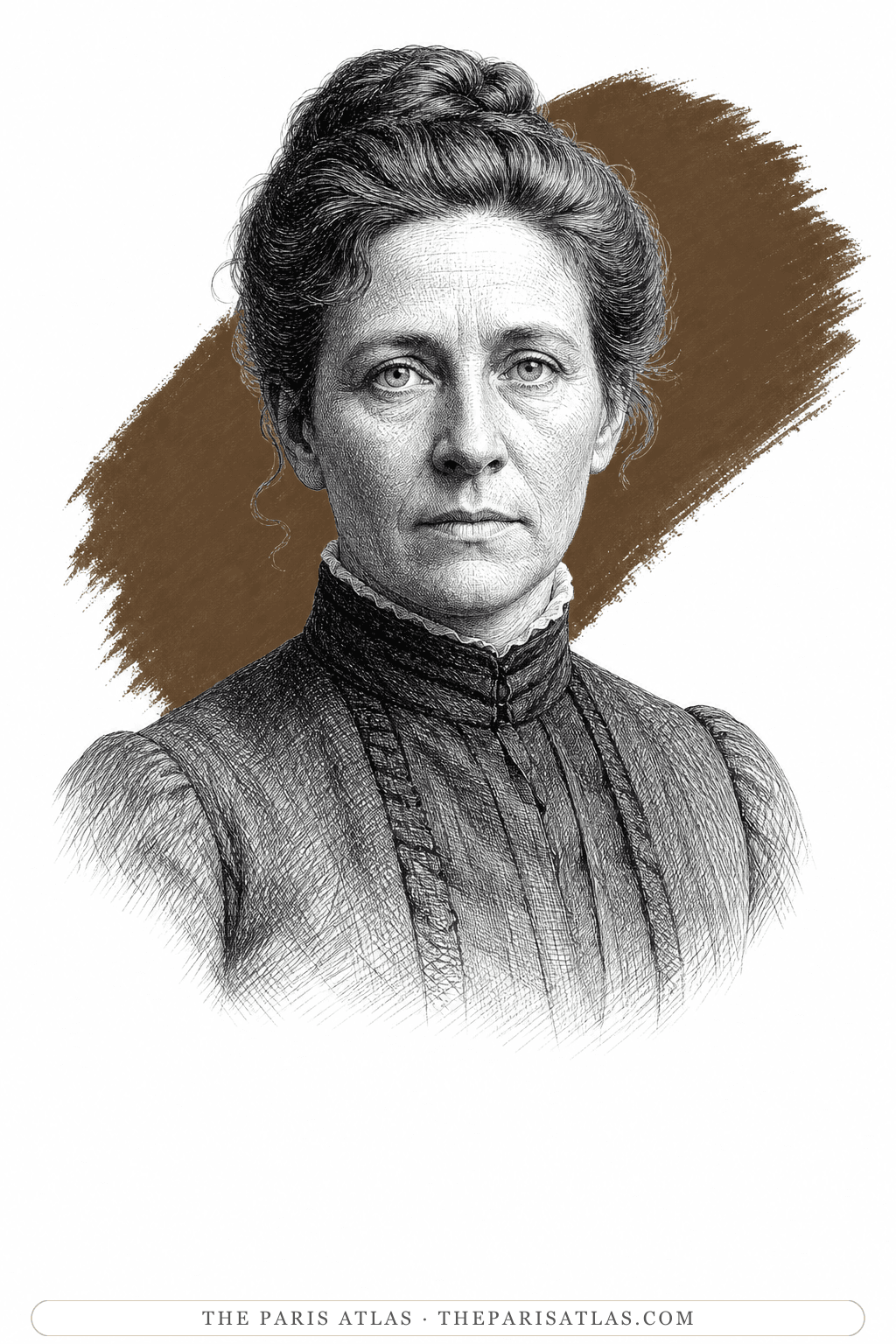
Anna Federner
The housekeeper of the first story — a small German woman who runs every household she enters, scolds everyone in it, and gives away every cent she saves.
To have the people around her do things properly. The story states it outright: "Anna had always a firm old world sense of what was the right way for a girl to do." She applies it to under-servants, employers, friends, dogs and, hardest of all, herself.
The book

At a glance
- Housekeeper and cook in Bridgepoint, the Southern city where all three stories happen
- About forty in the opening pages; twenty-seven at the first real crisis of her life
- Solid lower middle-class south German stock; came over second class with her mother, who died in the South soon after
- Baby, Peter and Rags, an under-servant, every stray she can place, and once a green parrot she never really liked
- Miss Mary Wadsmith, then a bachelor doctor, then Miss Mathilda, then her own boarders
- South German Catholic — she confesses everything except the prices she talks tradesmen down to
- A half-brother in Bridgepoint, a fat baker, who brings her a raisin loaf on his rounds
- Lena Lebender, Gertrude Stein's housekeeper in Baltimore
Who they are in the book
Spoiler-freeAnna Federner is the servant at the centre of The Good Anna, the first of the book's three stories. She is a small, spare German woman of about forty when the story opens, with a worn face and light blue eyes the book describes as always sharp and clear. She came to America as a teenager with her mother, who was already ill with consumption and died soon after they landed in the South. Since then she has spent twenty years in Bridgepoint, Stein's name for Baltimore, keeping house for one employer after another. She runs whatever house she is in completely: the money, the marketing, the under-servants, the dogs and the employer.
What Anna does constantly is scold. She scolds the girls who work under her, the teamsters she catches beating horses, the dogs, her doctor, her employer's spending, and eventually her boarders, and nearly everyone likes being scolded by her. She also gives away everything she saves, to friends and strangers and stray animals alike, and then grows bitter that nobody repays her. The prose keeps returning to the same phrases about her. One of them, "Anna led an arduous and troubled life.", appears three times in the opening pages.
How Anna Federner Is Portrayed
- The scoldingIt runs all day and it is how she shows affection. Servants, dogs, tradesmen, her employer's new purchases, and later a houseful of German boarders all get it, and most of the people on the receiving end are fond of her for it.
- The dogsThree of her own: blind old Baby, a cowardly collie called Peter, and a small jumping thing called Rags. Plus a running supply of strays she keeps until she can place them in homes she has vetted. She holds them to a standard of chastity and discipline, and separates the badly behaved ones when she has to go out.
- Money going outShe saves relentlessly and then hands it over: to a friend's lease she knew could not pay, to a niece's wedding, to a barber who can never make ends meet, to any girl in trouble. She is not repaid, and concludes each time that nobody in the world has any sense of what is right.
- The one open fightTold, through a child sent to relay the order, to bring along a set of blue room dressings she thinks pointless for the summer, Anna stands just inside the door and tells her employer she will leave. The employer faints. Anna wins, the dressings stay behind, and the subject is never raised again.
- Her healthHeadaches that get worse every year, a bad back, and a face the book says stained itself pale yellow, the way it does with working sickly women. She has one operation, recovers, works off the benefit within months, and is never really well again.
- What she will not doAt seventeen she walks out of her first place because her mistress lent her to a friend as a maid, to see the friend home; Anna held herself to be a servant and not a maid. She refuses to sit down during long conversations with an employer. And she will not take a place in a household headed by a woman she once looked after as a child.
- The fortune tellerUnable to decide about a new position, she lets Mrs. Lehntman take her to a medium, who tells her to go ahead. The details of the prediction match the house she visits that evening, so she takes the job. Then she confesses it to her priest and does penance, because a fortune teller is the one thing she cannot talk herself out of.
Anna's story ends the way it was always going to. Miss Mathilda goes abroad for good, and Anna, too tired for another household under someone else's rules, keeps the little red brick house they lived in and takes in boarders, men only. She charges too little, cooks too well, and cannot bring herself to raise the rent on anyone, so she never lays a cent by. Her old dog Baby dies first. Then Anna's own health gives out, and a doctor tells her she cannot go on. She has the operation and dies on the table. The last paragraph of the story is a letter from her friend Mrs. Drehten to Miss Mathilda:
The original was Lena Lebender, the German housekeeper who worked for Stein in Baltimore while she was at the Johns Hopkins medical school. Stein left Baltimore for Paris in 1903 and wrote the story a few years later at 27 rue de Fleurus, by which point she was buying Cézannes and Picassos with her brother Leo. The employer Anna adores, Miss Mathilda, is Stein's own portrait of herself, down to the etchings bought on the way home.
If you like Three Lives


If you like Gertrude Stein
Explore authors with a similar voice, perspective, and influence.
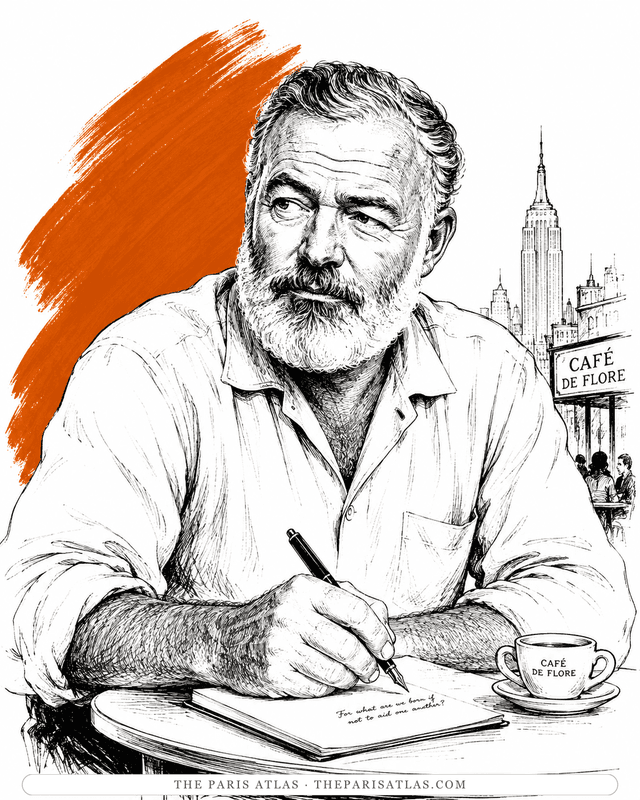
Ernest Hemingway
Her most famous pupil — the tutorials at the rue de Fleurus, the godmother years, and the 'lost generation' epigraph all passed through her studio before the celebrated falling-out.
View author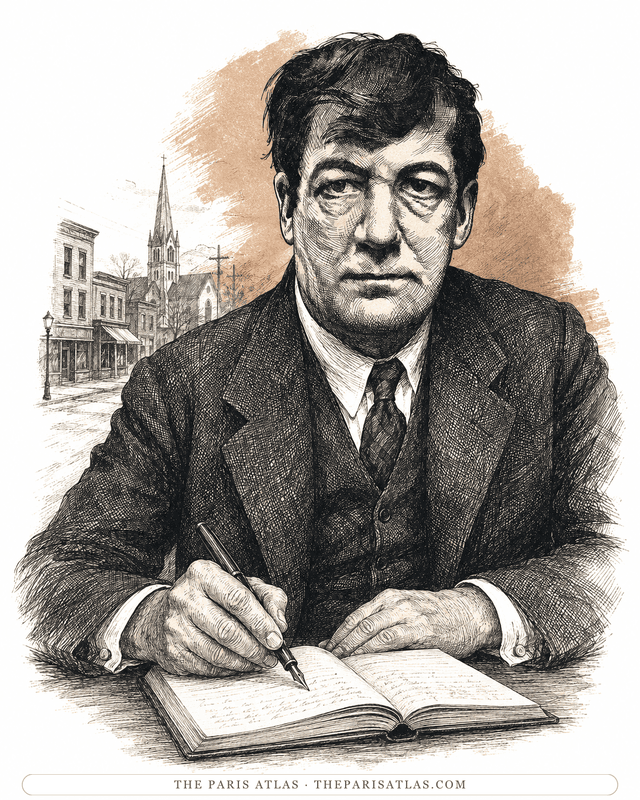
Sherwood Anderson
Her loudest American champion — he wrote the introduction to her Geography and Plays, and it was his letter that first brought Hemingway to her door.
View author
Henry Miller
The Brooklyn dropout who arrived in Paris broke at thirty-eight and wrote the exuberant, banned books that ended American censorship.
View author