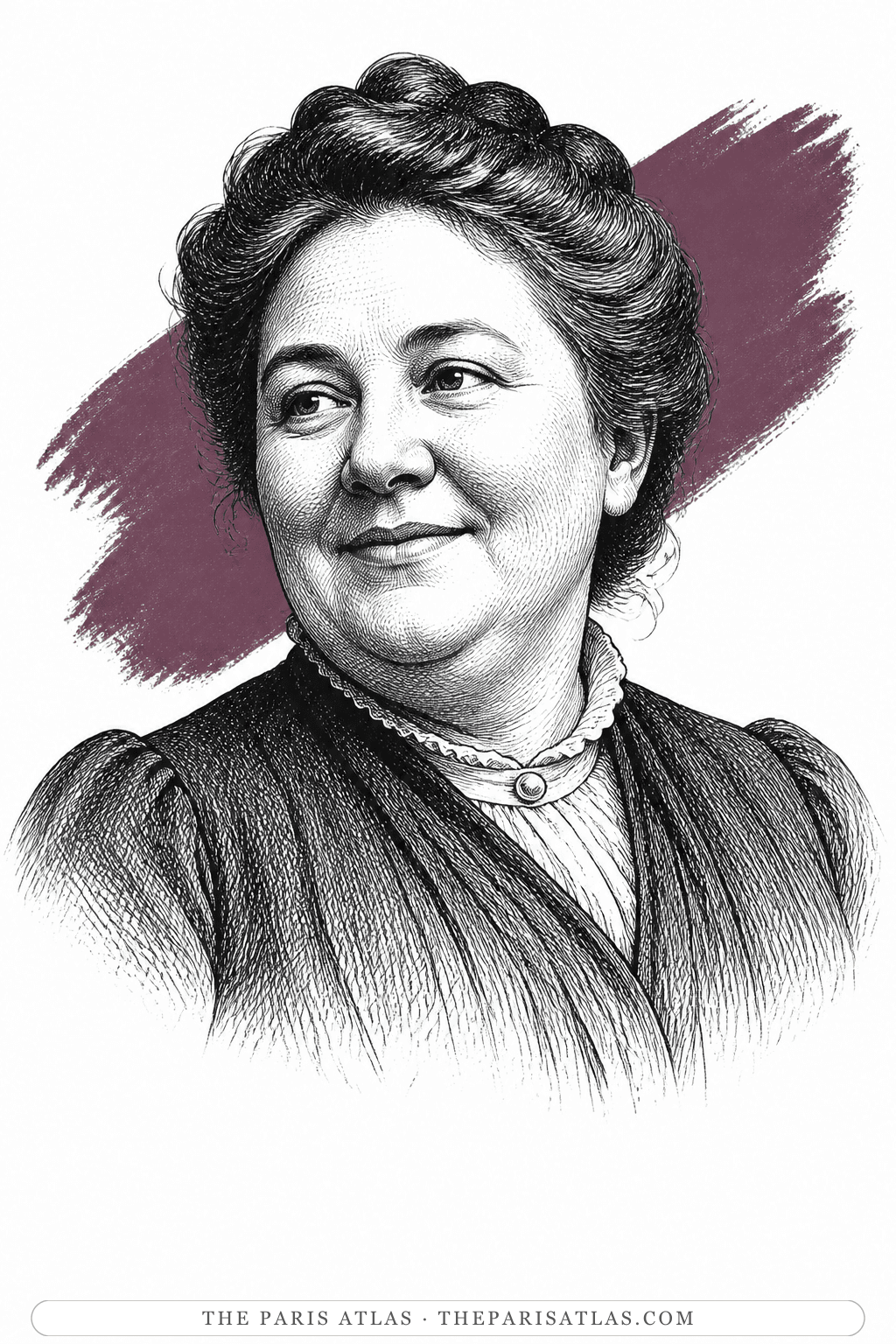
Mrs. Lehntman
The widowed midwife the first story calls the romance in Anna's life — warm, capable, generous, and entirely unable to be argued with.
To take in whoever needs taking in, without ever working out how it will be paid for. She adopts a baby nobody asked her to keep and signs a year's lease on a large house without discussing it, and both times she explains afterwards, warmly, how well it is all going to go.
The book

At a glance
- Widowed midwife in Bridgepoint; Anna Federner's closest friend
- A plump, well-rounded figure, clear olive skin, bright dark eyes and crisp black curling hair — later greying, and gone a little flabby
- Julia and Willie, both left largely to themselves, plus the adopted Johnny
- Delivering babies, and taking in girls in trouble until they can go home or back to work
- The savings for the big house, and a note for a later loan that is never called in
Who they are in the book
Spoiler-freeMrs. Lehntman is a widowed midwife in The Good Anna and the person the story calls the romance in Anna's life. That is the book's own word, and it does not mean an affair. It means the one attachment Anna had that was not service, not duty and not paid for. The story states it flatly, in the sentence "Mrs. Lehntman was the romance in Anna's life.", and then comes back to it every time the friendship is tested.
She is good-looking, warm, capable and completely disorganised. The story's own word for her is diffuse. Her work is delivering babies, and what she likes best is taking in unmarried girls in trouble, keeping them in her house until they can go home, and letting them repay her slowly. She also spends money she does not have, and Anna's savings go into every scheme she starts.
How Mrs. Lehntman Is Portrayed
- The unhearing mindThe book's account of how she wins every argument: she could listen and not hear, answer and not decide, do exactly what she was asked, and leave everything precisely as it was before.
- The adopted babyAnna arrives one Sunday afternoon and finds a baby asleep in a basket in the kitchen. Mrs. Lehntman has taken the child of a girl who did not want him. She explains it pleasantly, offers iced tea, and Anna walks out without drinking it and slams the door hard enough to shake the house.
- The big houseShe signs a year's lease on a large house without telling Anna, then announces it as done and invites Anna to furnish it however she likes. Anna pays for all of it, and says out loud that it cannot work. It does not.
- What she gave AnnaThe first present was a black-and-tan puppy called Baby, who stayed with Anna for the rest of the dog's life and was, years later, the only one left who could remember the early days.
- The mysterious doctorA man Anna never meets comes into Mrs. Lehntman's life and is never explained. He and Mrs. Lehntman end up in trouble that the story declines to name; both come out of it safely; Anna does not see her for several years.
- The rule about friendshipStein breaks off the friendship to explain it: "In friendship, power always has its downward curve." Once Anna has lost a single argument, she can never be certain of winning another, and Mrs. Lehntman never has to worry about her again.
- AfterwardsThey repair the friendship and it is not the same. There were too many things between them that had never been explained or forgiven, and the book says they were never able to touch one another nearly again.
The friendship survives, in a reduced form, and Anna's feeling for it does not. Mrs. Lehntman leaves the man who caused the trouble, gives up the big house, and slowly builds her practice back; she begins talking about repaying Anna, and never gets far with it. She and Anna see each other rarely after that. Anna's real friend by the end is Mrs. Drehten, a worn brewer's wife with seven children, whose only offer is company. It is Mrs. Drehten, not Mrs. Lehntman, who goes with Anna to the hospital at the end, and Mrs. Drehten who writes to tell Miss Mathilda that she had died.
If you like Three Lives


If you like Gertrude Stein
Explore authors with a similar voice, perspective, and influence.
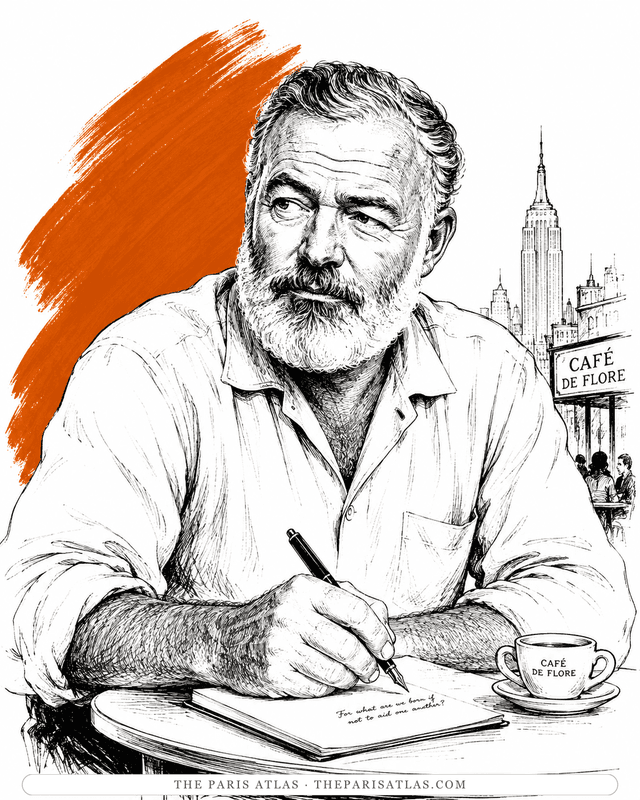
Ernest Hemingway
Her most famous pupil — the tutorials at the rue de Fleurus, the godmother years, and the 'lost generation' epigraph all passed through her studio before the celebrated falling-out.
View author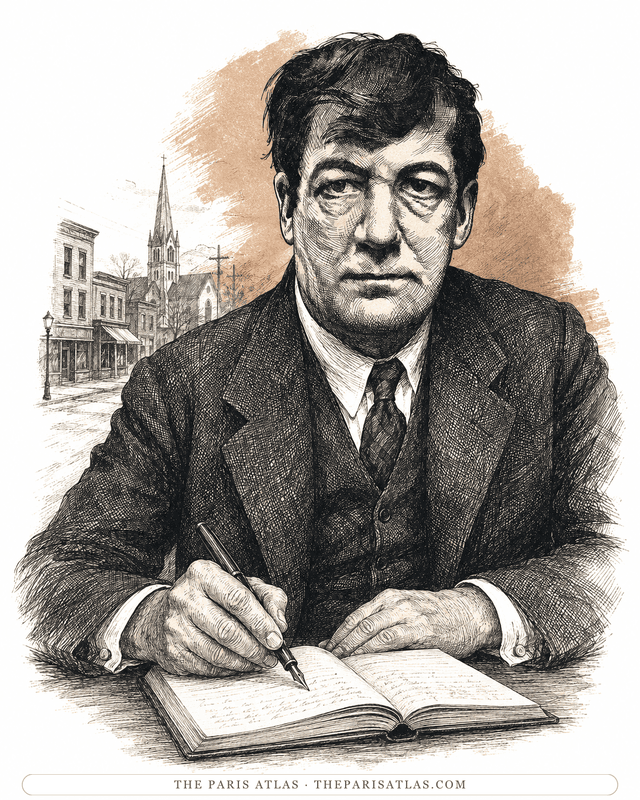
Sherwood Anderson
Her loudest American champion — he wrote the introduction to her Geography and Plays, and it was his letter that first brought Hemingway to her door.
View author
Henry Miller
The Brooklyn dropout who arrived in Paris broke at thirty-eight and wrote the exuberant, banned books that ended American censorship.
View author