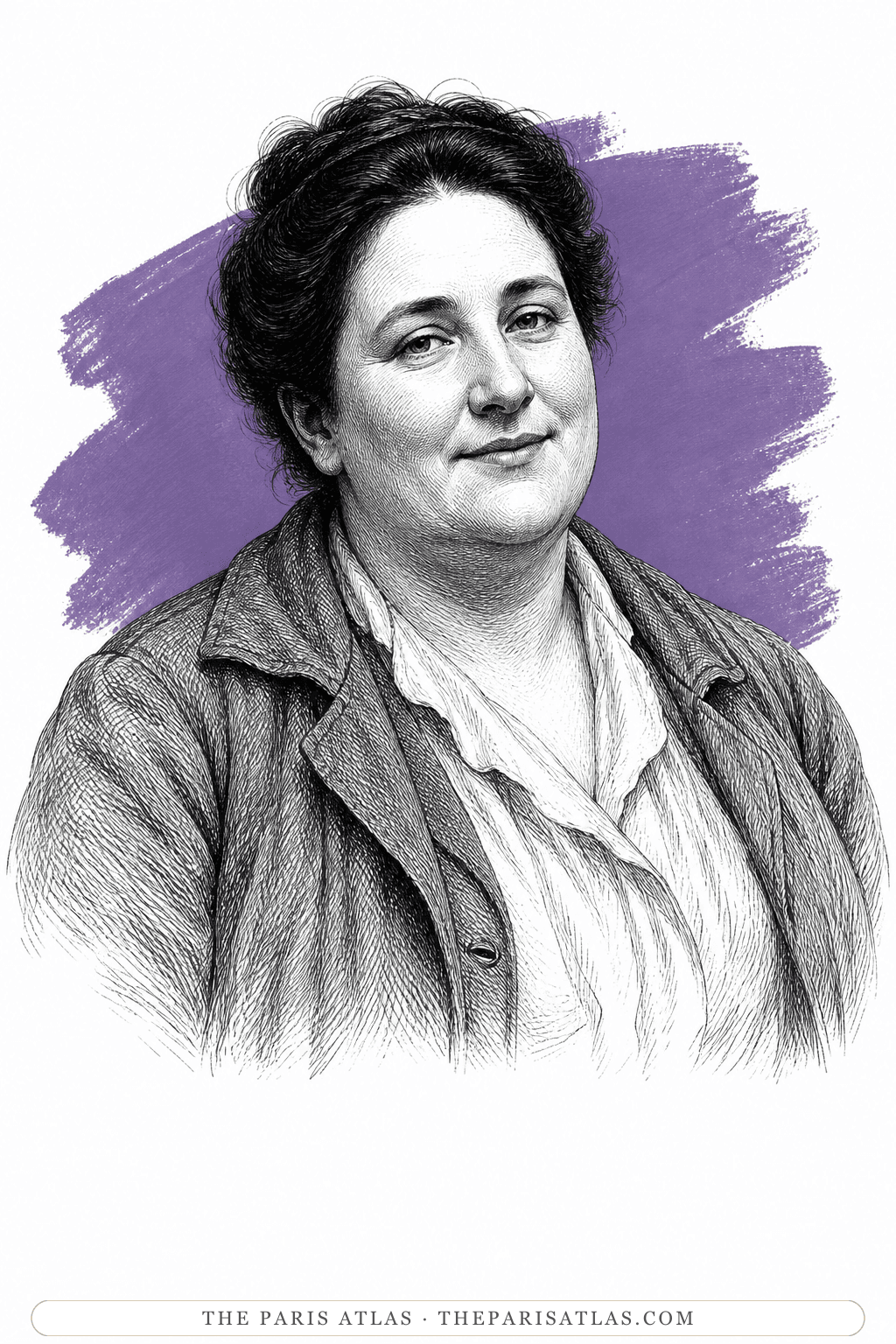
Miss Mathilda
Anna's last and favourite employer — large, cheerful, careless with money, and Gertrude Stein's portrait of herself.
To be looked after and otherwise left alone. She will hand Anna the whole running of her household, and the only things she resents are the moments when the arrangement costs her something: a hot supper refused after a long walk, a dress she is not allowed to wear out to dinner.
The book

At a glance
- Anna Federner's third and last employer, in a small red brick house in Bridgepoint
- Large, cheerful, lazy and faint hearted — happy to have everything done for her and annoyed when she cannot have exactly what she wants
- Porcelain, etchings, sometimes an oil painting, and almost never a dress for herself
- Across the ocean every summer, for several months at a time
- A new country, far enough away that Anna would be too lonesome to follow
- Gertrude Stein — the author, writing herself in · 1874–1946 · Allegheny, Pennsylvania
Who they are in the book
Spoiler-freeMiss Mathilda is the employer Anna Federner keeps house for in the first story, and Gertrude Stein wrote a version of herself into the part. She is large, cheerful, lazy and, in the book's phrase, faint hearted: she cannot bear to scold anybody, she comes home with a bit of porcelain or a new etching and sometimes an oil painting under her arm, she wears her old clothes until Anna physically blocks the front door, and she hands over every other decision in her life.
The arrangement gives Anna the happiest years she ever has, and the story says so directly. It also ends the story, because Miss Mathilda travels constantly, changes homes often, and eventually goes abroad for good, to a country where Anna could not live.
How Miss Mathilda Is Portrayed
- The name as a weaponThe book opens on it: the tradesmen of Bridgepoint learned to dread the sound of the name Miss Mathilda, because with it Anna always conquered. Even the fixed-price shops found they could come down a little.
- The picturesShe buys porcelain, etchings and the occasional oil painting, is scolded for it, and answers that if Anna did not save the money she could not buy them at all. Anna is pleased with the answer until she hears the price.
- The scolding she could not doAsked to discipline a servant Anna cannot manage, she puts it off for weeks, finally goes down to the kitchen, gets through about four sentences, and backs out of the room groaning.
- The closed doorShe loves long country walks with friends and dreads coming back, because the whole hungry party has to stand shivering on the step while she works out whether Anna is at home and what mood she is in.
- The dressAnna plants herself in front of the outside door and refuses to let her go out to dinner in what she has on. Miss Mathilda gives in, except on the days she can get out fast enough not to be seen.
- The partingOn the last day neither of them can look at the other. Anna cannot settle to any work and goes in and out of the rooms, scolding a little. The last thing Miss Mathilda hears, from the white stone steps, is Anna telling the dog Peter to say goodbye and be sure to remember her.
Miss Mathilda goes abroad for good and the two of them simply have to part; both spend the last year pretending it will not happen. Anna stays on in the little red brick house, takes in boarders, keeps all of Miss Mathilda's things in order and scolds anyone who scratches her table, and goes on believing that one year or another Miss Mathilda will come back and need her again. She does not. The story's last page is a letter to her, telling her Anna is dead and asking whether she will take the dogs when she returns to America.
The original is Stein herself. Stein spent four years in Baltimore at the Johns Hopkins medical school, left without finishing the degree, and kept house there with a German housekeeper who became Anna. She joined her brother Leo in Paris in 1903, the far-off country Anna could not have followed her to. By the time the book was printed in 1909 she was at 27 rue de Fleurus with Alice B. Toklas, and the walls that Miss Mathilda's stray etchings anticipate were hung with Cézanne, Matisse and Picasso.
If you like Three Lives


If you like Gertrude Stein
Explore authors with a similar voice, perspective, and influence.
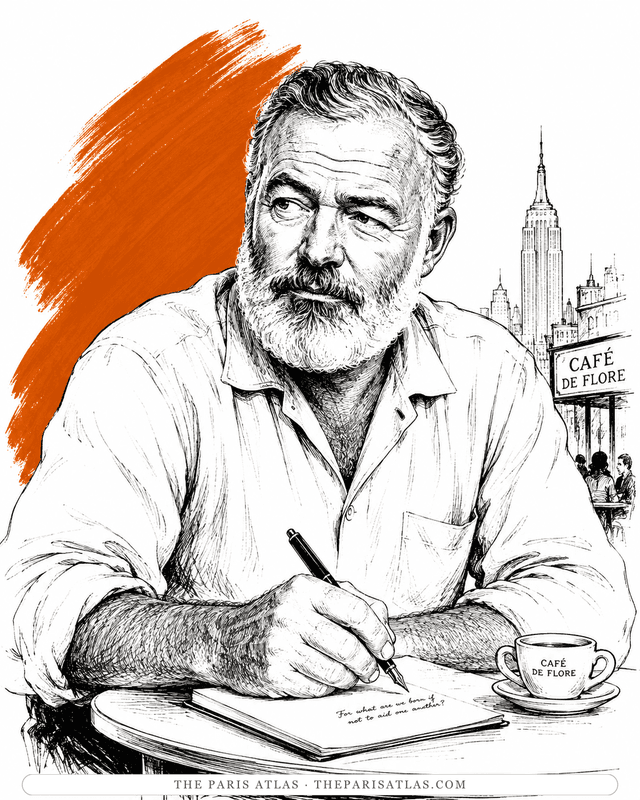
Ernest Hemingway
Her most famous pupil — the tutorials at the rue de Fleurus, the godmother years, and the 'lost generation' epigraph all passed through her studio before the celebrated falling-out.
View author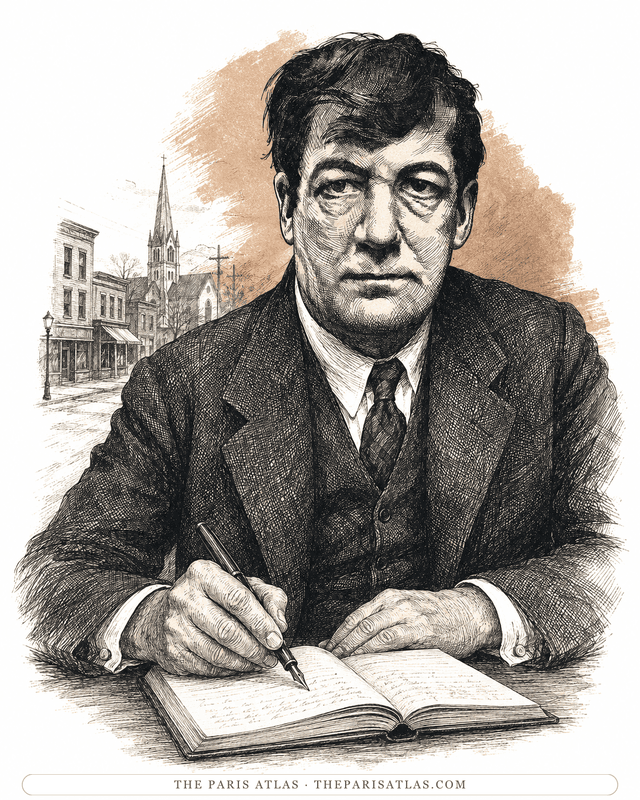
Sherwood Anderson
Her loudest American champion — he wrote the introduction to her Geography and Plays, and it was his letter that first brought Hemingway to her door.
View author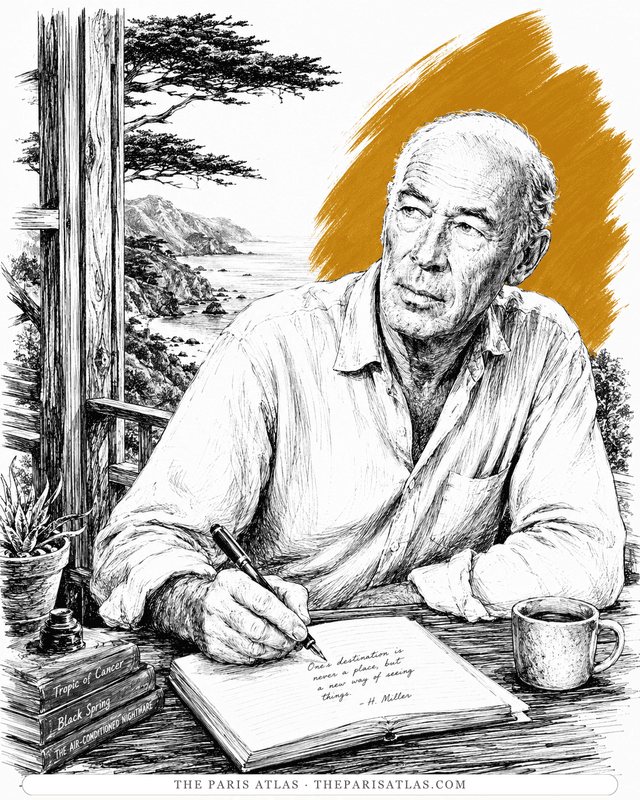
Henry Miller
The Brooklyn dropout who arrived in Paris broke at thirty-eight and wrote the exuberant, banned books that ended American censorship.
View author