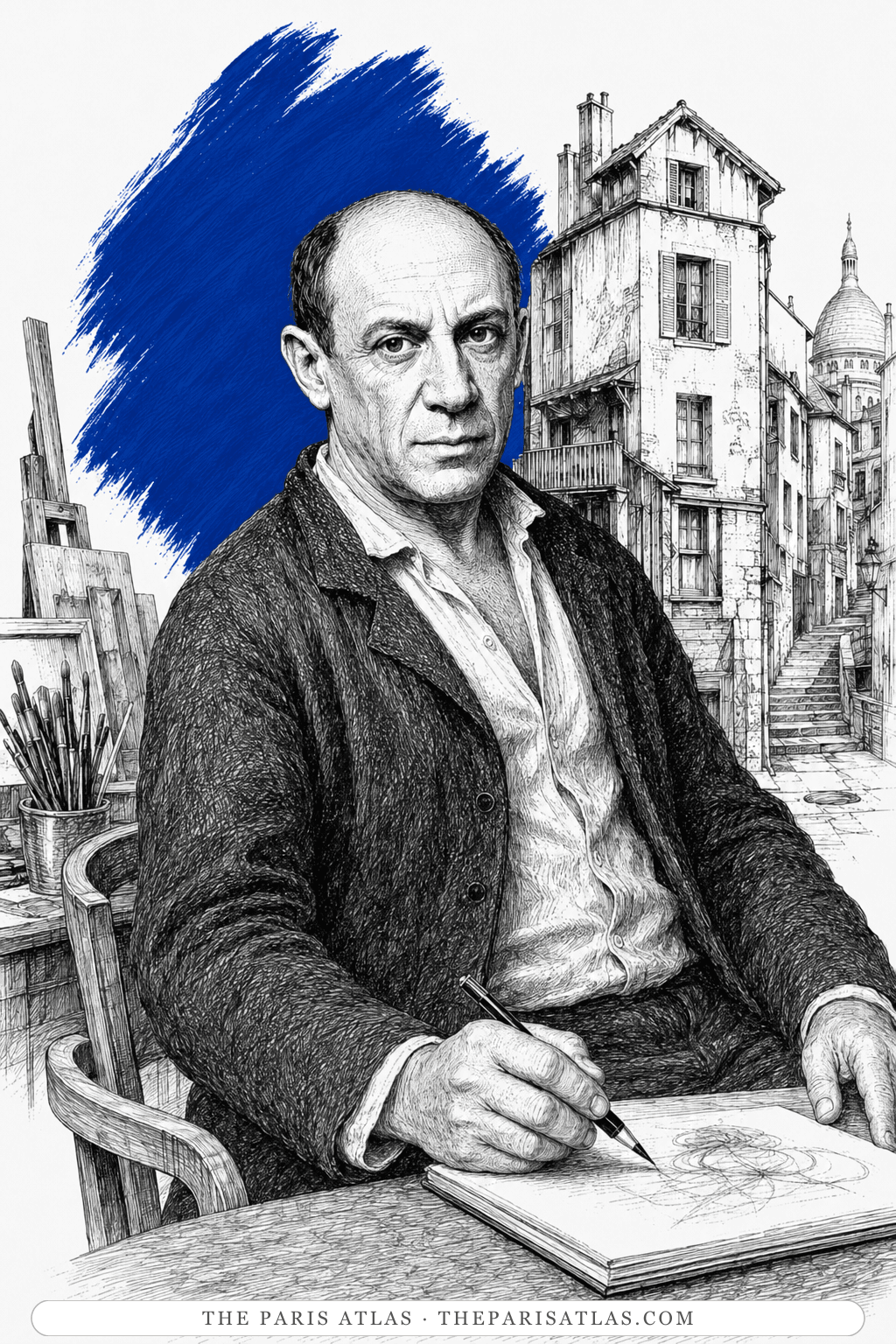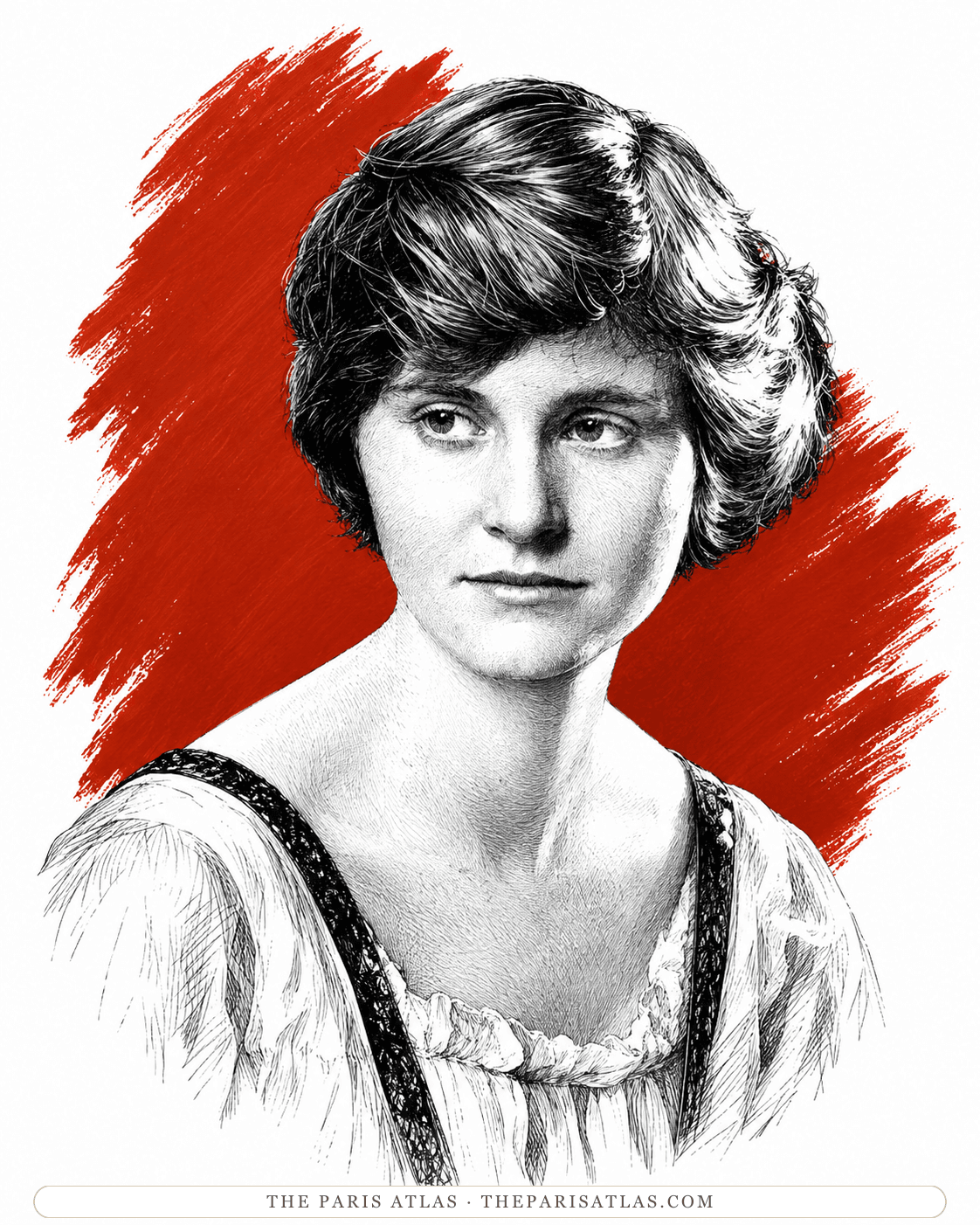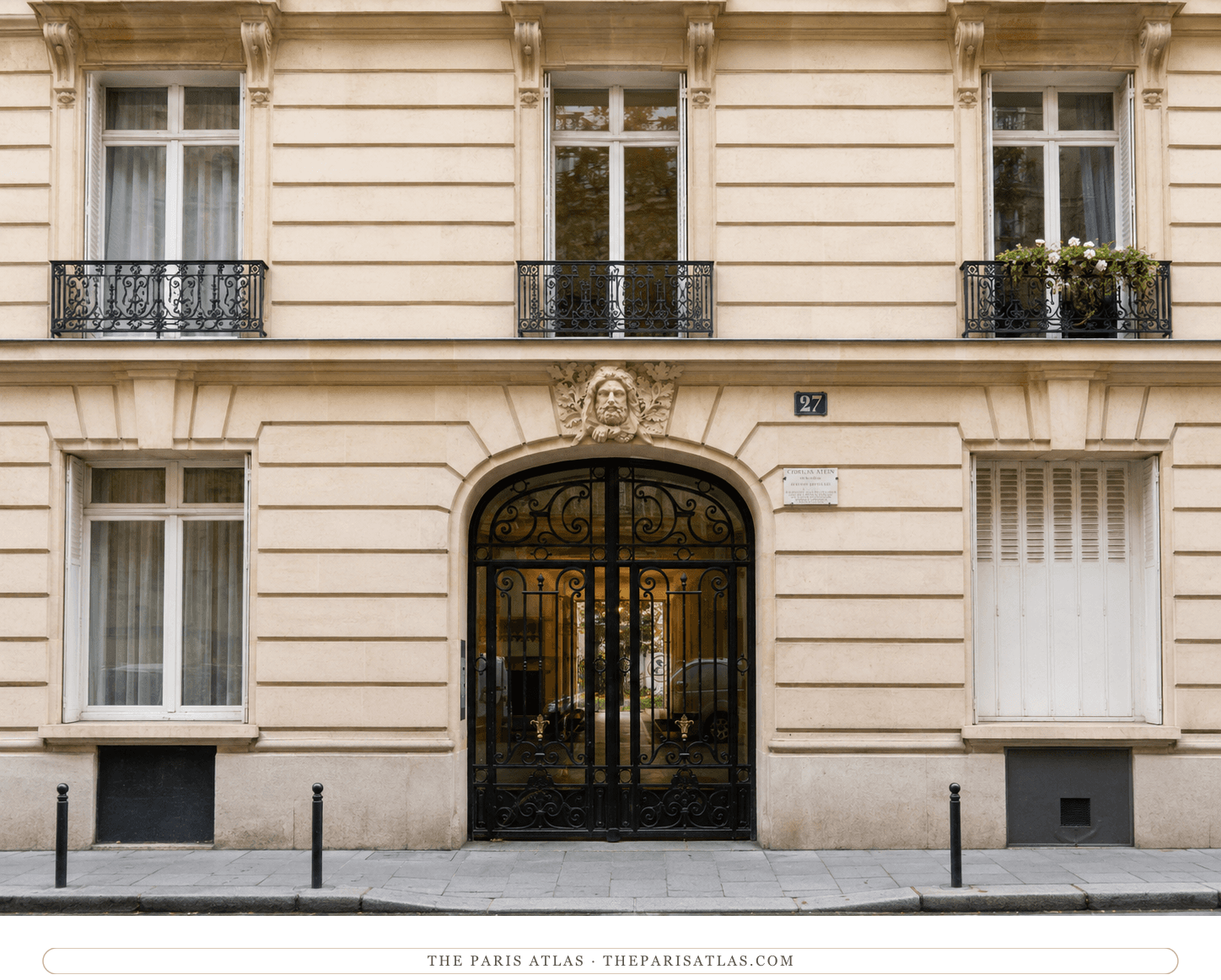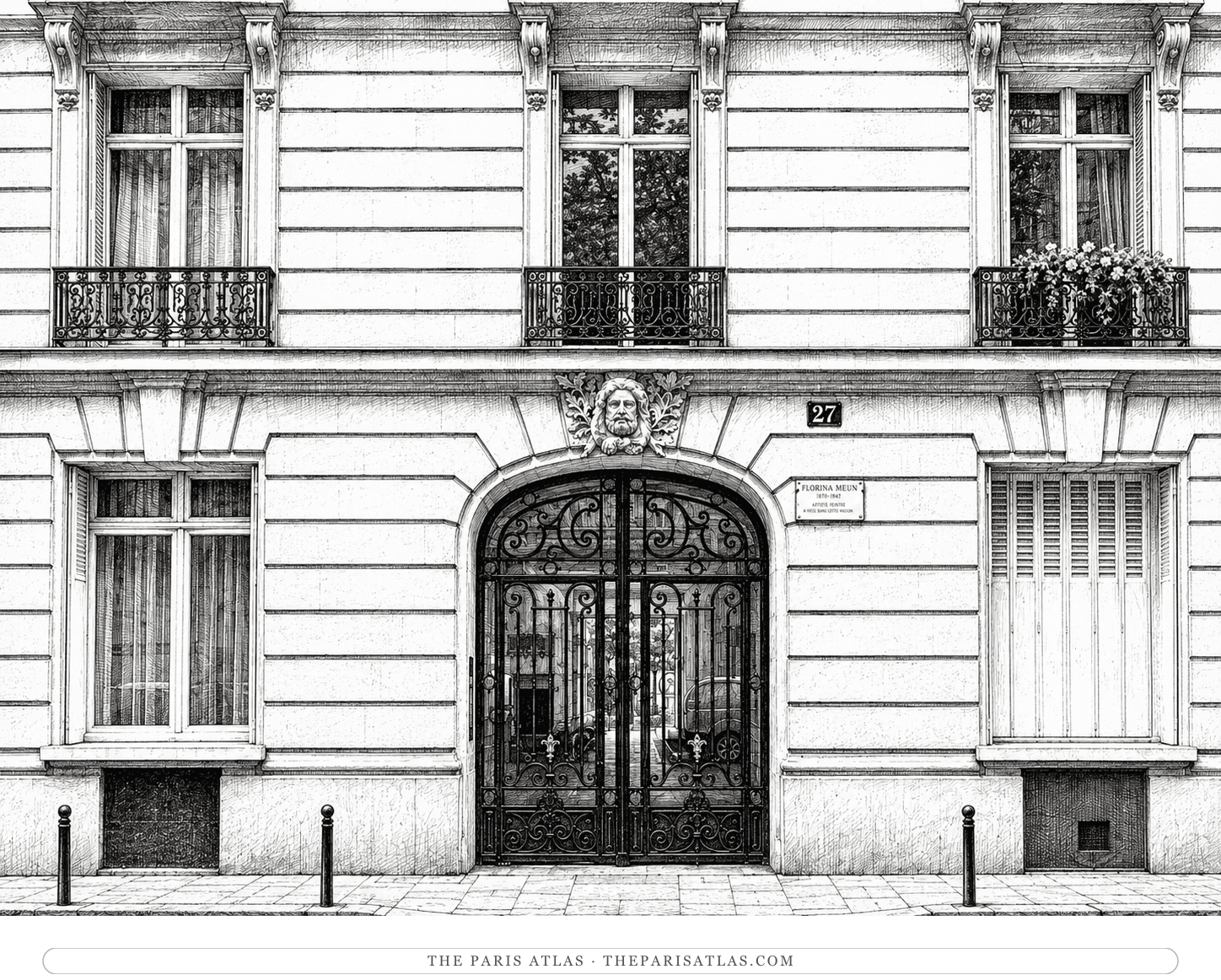
Alice B. Toklas was the American-born salon host, publisher, and memoirist who spent six decades at the center of literary Paris — Gertrude Stein's partner from 1907 until Stein's death, and the co-proprietor of the salon at 27 rue de Fleurus through which Picasso, Matisse, and the young Hemingway all passed. Born Alice Babette Toklas in San Francisco on 30 April 1877, she left the city of the 1906 earthquake for Paris and met Stein on her first day there — 8 September 1907, at the Michael Steins' apartment on the rue Madame. By her own account she heard a bell ring, her private signal that she was in the presence of genius; it rang, she said, on only three occasions in her life: for Gertrude Stein, for Pablo Picasso, and for Alfred North Whitehead.
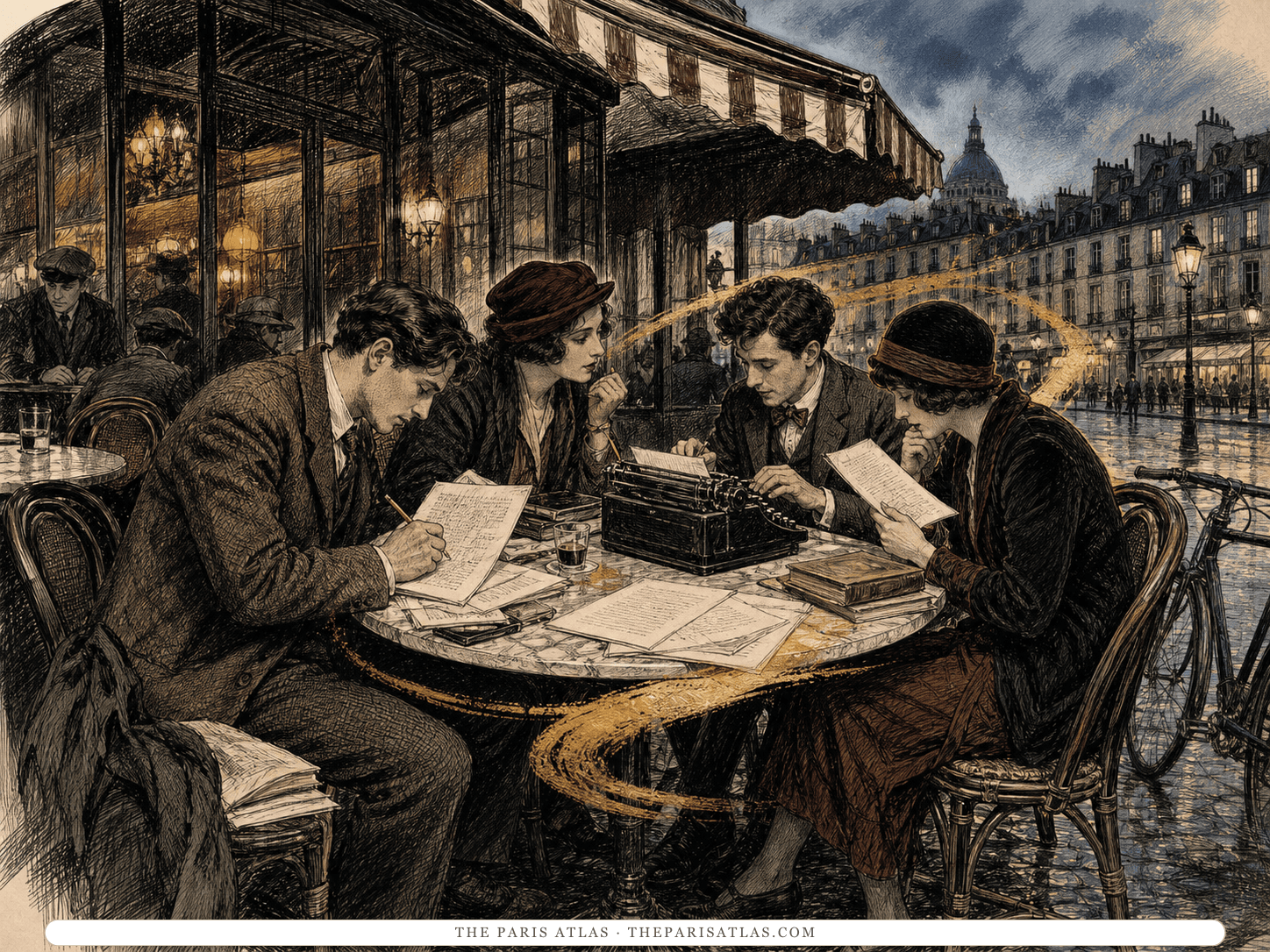
By 1910 she had joined the household at 27 rue de Fleurus, and the most durable partnership in modern letters took its working shape: Stein wrote at night, and Toklas ran everything else — the kitchen, the callers, the calendar, and the typing of manuscripts as formidable as the thousand-page The Making of Americans. At the Saturday salons the division of labor became a piece of theater the memoirs never tire of describing: Stein sat with the geniuses, and Toklas sat with their wives — pouring tea, taking measure, and missing nothing.
She was also, briefly, the couple's publisher. When no house would take Stein's backlog, Toklas founded the Plain Edition in 1930 — financed by the quiet sale of a Picasso off the atelier wall — and saw five of Stein's books through the Paris printers herself. The problem the imprint existed to solve then dissolved overnight: in 1933 Stein pulled off the era's best ventriloquist act, writing her own story in her companion's voice, and The Autobiography of Alice B. Toklas — Stein's book, despite a title that still confuses readers — became a bestseller that made the quiet woman with the tea tray more famous than most of the geniuses in the room.
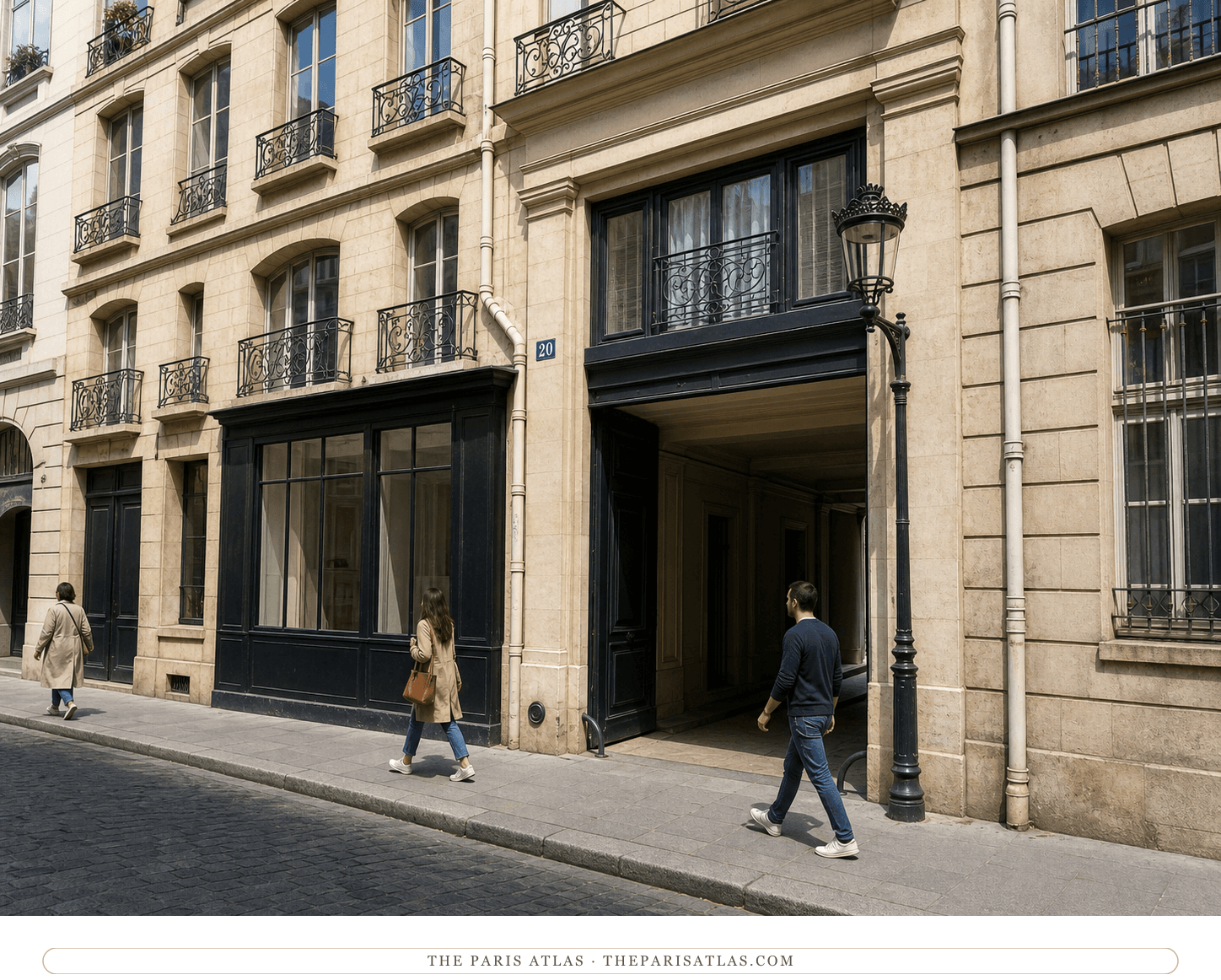
The two moved to the rue Christine in 1938 and sat out the Occupation in the countryside, improbably undisturbed. Stein's death in July 1946 left Toklas the flat, the paintings, and thirty years of unfinished business: she spent the next two decades shepherding Stein's unpublished work into print, and only then wrote her own. The Alice B. Toklas Cook Book (1954) is the century's most famous cookbook-memoir — recipes braided with the salon's dead, plus the notorious 'Haschich Fudge,' a recipe contributed by the painter Brion Gysin and forever misattributed to her hostess's own kitchen. What Is Remembered followed in 1963, plainer and sadder, and ends — like everything she made — at Gertrude.
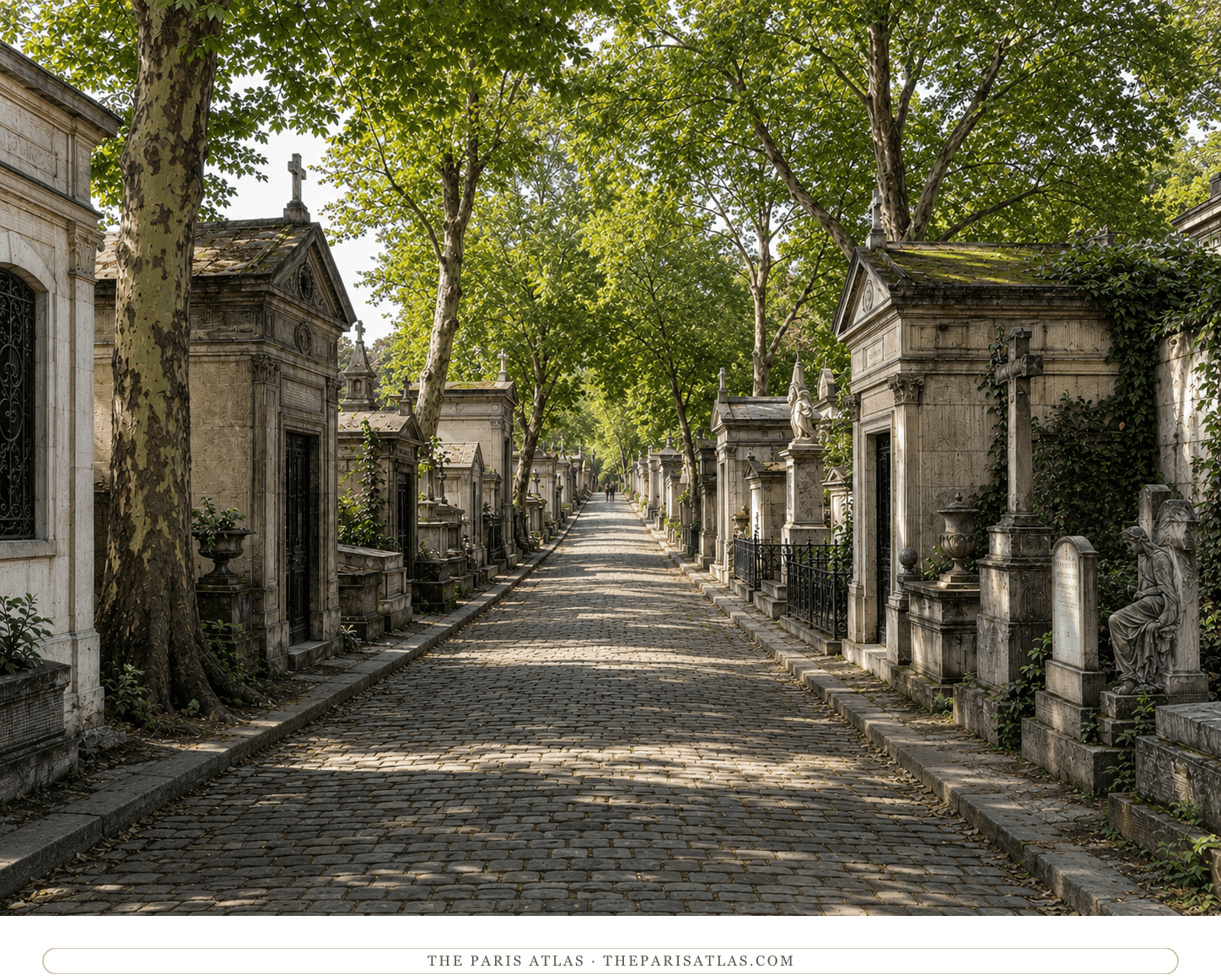
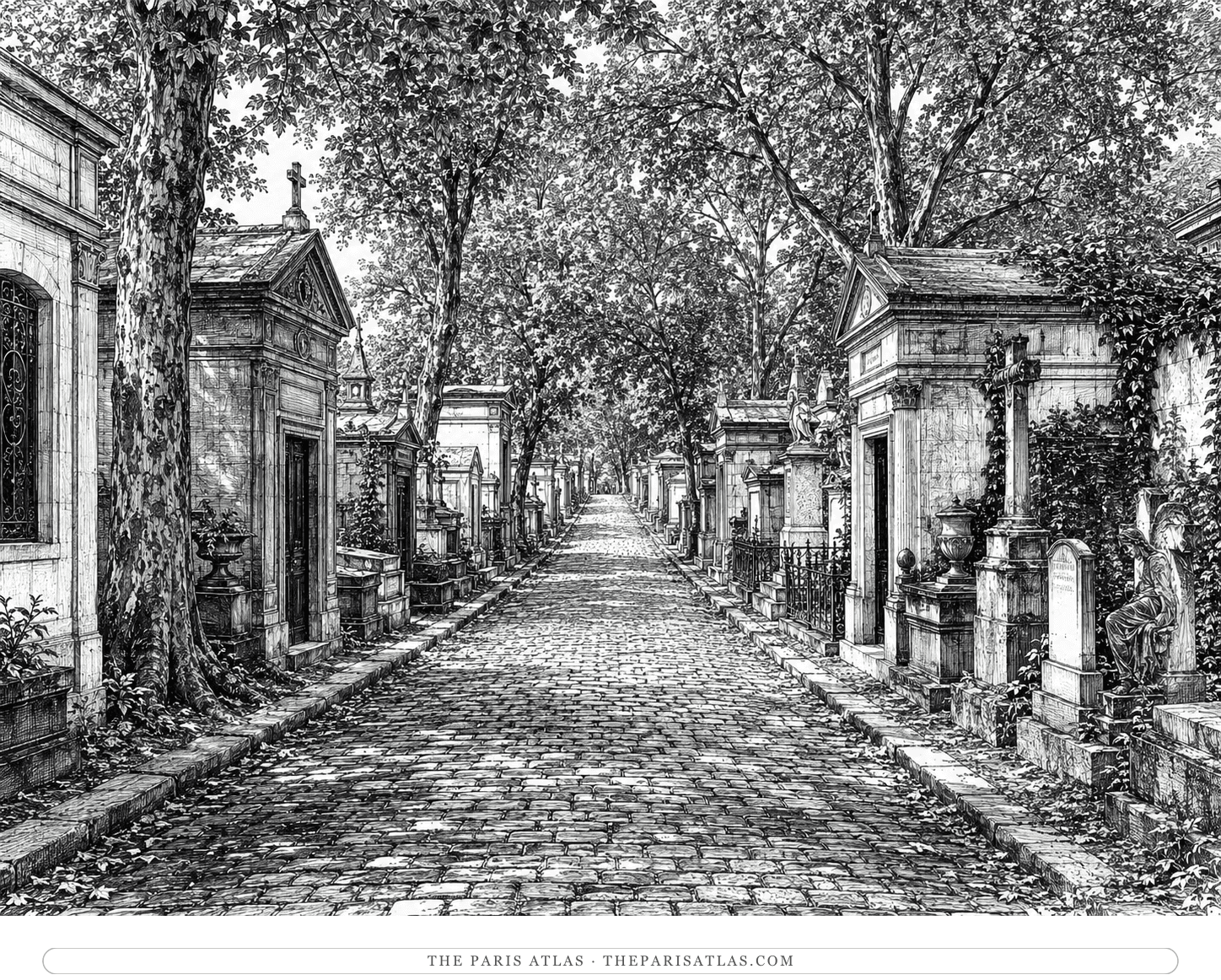
The last years were hard in ways the mythology tends to skip: the Stein heirs had the pictures removed from the rue Christine walls to a bank vault while she wintered in Rome, and in 1964 she was evicted from the flat itself; she had converted to Catholicism in 1957, reportedly asking her priest whether heaven would let her see Gertrude again. She died in Paris on 7 March 1967, a month short of ninety, and is buried with Stein at Père Lachaise — her name engraved on the back of the headstone.