
What Is Remembered
The memoir stops where these letters start — read them as one book in two tenses.
Read our take
The twenty-one years the memoir refused to write — the widowhood, in her own mail.
Toklas outlived Stein by twenty-one years and wrote no memoir of them; her letters did it for her. Collected by Edward Burns and published in 1973, six years after her death, they run from July 1946 to the end: shepherding Stein's unpublished books into print, writing the Cook Book, fencing with collaborators, losing the pictures to the heirs and the flat to eviction, converting to Catholicism, and holding the salon's memory alone. Chatty, shrewd, and unfailingly sharp about everyone — they are the third Toklas book, assembled from envelopes.
When Stein died in July 1946 she left the art, the flat, and the unpublished manuscripts in Toklas's keeping, and the letters collected here are the record of that keeping: a two-decade campaign, run from a writing table in the rue Christine, to get every last Stein manuscript into print — conducted alongside the business of simply surviving as the salon's remaining half. The correspondence tracks the making of the Cook Book and its notorious fudge, the uneasy Aromas and Flavors collaboration, the friends of the old life aging out of it, and the long legal siege by the Stein heirs that stripped the paintings from the walls and, in 1964, took the flat itself.
Edward Burns collected the letters in 1973, with an introduction by Gilbert Harrison; the title comes from the task the whole volume documents — staying on, alone, in the city and the story. As writing, the letters are the missing Toklas book: the dryness of What Is Remembered warmed by intimacy, gossip with perfect pitch, grief managed by syntax. As history, they are the primary source for the era's long epilogue — what happened to the household of 27 rue de Fleurus after the century moved out.
The arc is the epilogue of the salon, told to its surviving friends: the first stunned letters of the summer of 1946; the publishing campaign that put Stein's backlog into print volume by volume; the unexpected late career — a cookbook, its scandalous fudge, a second collection with an annotator she tolerated; and the slow constriction of money, health, and rooms, down to the eviction from the rue Christine and the final years in borrowed quarters, faith newly acquired and loyalty never once revised.
Read together, the letters answer the question What Is Remembered raised by stopping: this is what the remaining years contained — work, mostly, all of it in one name's service.
Keeping Stein's work alive also meant deciding how other people should describe it. In his review, Virgil Thomson follows Toklas's encouragement of some biographers and resistance to others: devotion becomes an argument over who may tell the story. Yet the letters themselves reach us through another act of selection. Thomson objects to cuts that are not marked and to missing context. His criticism suggests a useful distinction: the collection offers a vivid speaking presence, but not an unfiltered archive. The reader encounters both Toklas's effort to preserve a legacy and an editor's construction of her own.
In the 1946 letters quoted by Janet Flanner, Toklas first describes herself as alone, then includes Basket in the household that will remain. The change matters: the poodle cannot replace Stein, but his presence lets her speak of a shared future. Staying becomes something they will do together. Meanwhile, the letters carry that small household outward to absent friends. Their form complicates the title's solitude: bereavement persists within companionship and correspondence, rather than requiring an end to either.
Every other book on this shelf ends before 1946; this one is what came after, from the person left holding it.
No publisher, no persona — the sharpest tongue of the rue de Fleurus, writing to people she trusted.
Two decades spent publishing a dead partner's backlog — the least mythologized great love story of the century, in receipts.
1946
Gertrude Stein dies in July, leaving the art, the flat, and the unpublished manuscripts in Toklas's keeping; the letters begin here.
1964
After a long legal siege by the Stein heirs that stripped the paintings from the walls, Toklas is evicted from the flat on the rue Christine.
1967
Toklas dies, twenty-one years after Stein and having written no memoir of them.
1973
Edward Burns collects the letters, with an introduction by Gilbert Harrison, and Liveright publishes them.

The memoir stops where these letters start — read them as one book in two tenses.
Read our take
The letters record the cookbook being written, fudge scandal and all.
Read our take
Beach and Toklas both kept the era's memory into the fifties — the two survivors' books answer each other.
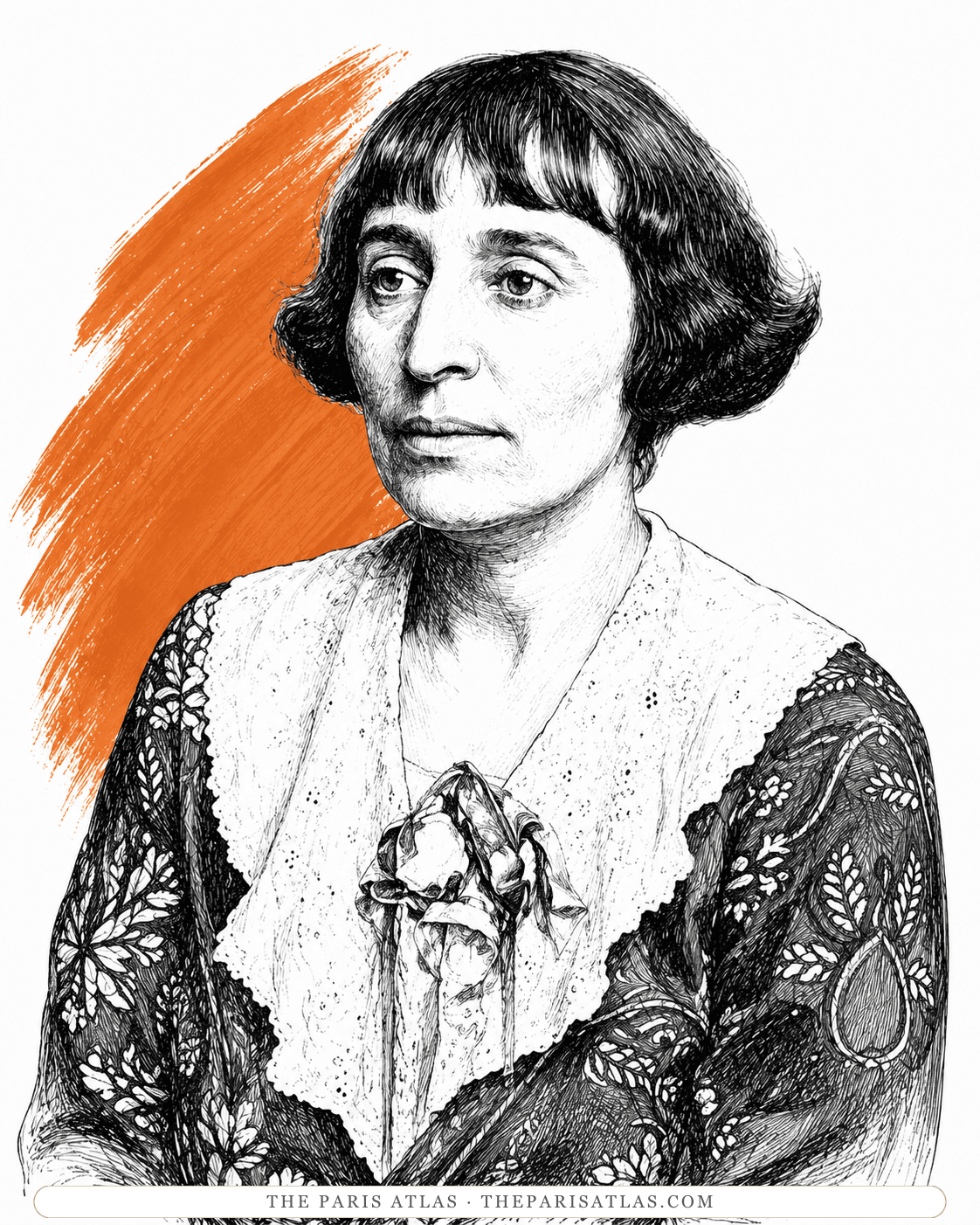
Read our takeAlice B. Toklas. The letters were collected by Edward Burns and published in 1973, six years after her death.
Toklas's letters from July 1946 to the end of her life — shepherding Stein's unpublished books into print, writing the Cook Book, losing the pictures to the heirs and the flat to eviction, and holding the salon's memory alone.
It is the memoir's missing half: What Is Remembered stops at Stein's death in 1946, and these letters begin there — the two books interlock like halves of a hinge.
From the task the whole volume documents — staying on, alone, in the city and the story after Stein's death.
The long epilogue of the salon: the campaign to publish Stein's backlog, the making of the Cook Book and its notorious fudge, her conversion to Catholicism, and the legal siege that stripped the paintings and, in 1964, took the flat.
Explore authors with a similar voice, perspective, and influence.

The other half of the household — Stein borrowed her voice for the era's most famous 'autobiography'; Toklas's own books are the correction of record.
View author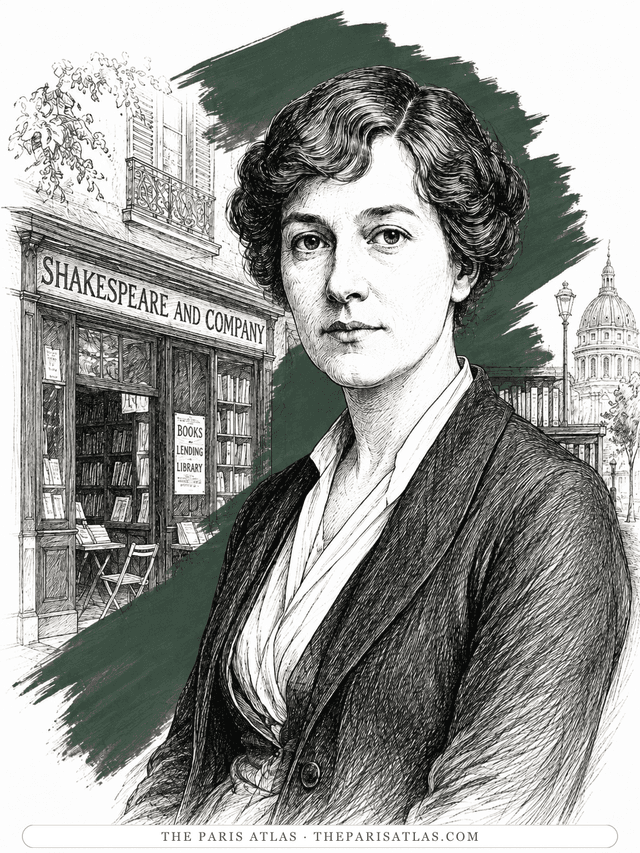
The era's other great keeper-of-the-room — both women ran the institutions the geniuses depended on, and both wrote their memoirs late, without knives.
View author
Author of The Sun Also Rises and A Moveable Feast; his pared-down style, developed in 1920s Paris, became the most imitated in American prose.
View authorThe sources below include the primary text, editions, scholarship, archival materials, and other records that informed this page. They document Staying On Alone: Letters of Alice B. Toklas, its publication, and its place in literary history.


The primary text represented by this page, used for descriptions of the work’s contents and for any quoted passages shown here.

For the attributed reading of stewardship and editorial mediation; not independent verification of every biographical judgment in the review.
For the second section's quoted primary evidence.
Used to place Staying On Alone: Letters of Alice B. Toklas within Alice B. Toklas's published work and verify its bibliographic context.
Used for independent biographical, archival, or historical context surrounding Alice B. Toklas's career and the period in which Staying On Alone: Letters of Alice B. Toklas appeared.
Used to cross-check authorship, chronology, and the work's place in Alice B. Toklas's wider catalogue.
Used to verify Alice B. Toklas's bibliography and place Staying On Alone: Letters of Alice B. Toklas within the broader chronology of Alice B. Toklas's career.
The primary text is the baseline reference for every book page. Additional references document publication history, interpretation, and historical context where that evidence is available.
 Explore more resources