
The Alice B. Toklas Cook Book
The same memory, served earlier as recipes — the two books cover one life in different courses.
Read our take
Her actual autobiography — brisk, dry, and stopped dead at 1946: the title says exactly what the book is, and what it declines to be.
Thirty years after Stein ventriloquized her in The Autobiography of Alice B. Toklas, Toklas answered with her own version — a slim, dry, sharply-remembered memoir published in 1963, when she was eighty-five. It runs from a San Francisco childhood through the 1906 earthquake, the 1907 arrival in Paris, and four decades at the center of the salon — and then stops, abruptly and deliberately, at Stein's death in 1946. The twenty-one years she lived past that sentence go unwritten: what is remembered, the title warns, is what mattered.
The book had thirty years of pressure behind it. In 1933 Stein had written the century's best-selling act of ventriloquism, telling her own story in Toklas's borrowed voice; readers had wanted the real Toklas ever since. She held out until her mid-eighties, and the memoir she finally produced is the ventriloquist act reversed and corrected — the same rooms and the same geniuses, but measured now by the woman who poured the tea, with a dryness the borrowed voice never quite caught. The bell that rang for genius, the wives she was seated with, the verdicts on forty years of visitors: it is all delivered in a prose of total economy, a page where others spent a chapter.
Its famous feature is its ending. The narrative reaches July 1946 — Stein on the operating table, the last exchange of questions ('What is the answer?… In that case, what is the question?') — and simply stops, with two decades of the author's own life still to run. Reviewers have read the abruptness as failure of stamina; readers of the whole shelf usually read it as the book's one structural statement: the life, as far as its owner was concerned, had one subject, and the memoir honors the arithmetic. It was published four years before her death — the last word of the household of 27 rue de Fleurus, in the voice the household's most famous book had borrowed.
The march is chronological and swift: a comfortable San Francisco girlhood, serious piano studies, the 1906 earthquake shaking the old life loose, and the 1907 arrival in Paris where — on her first day — she meets Gertrude Stein and hears her private bell for genius. From there the memoir keeps the salon's calendar: the rue de Fleurus Saturdays, Picasso and the painters, the ambulance Ford of the war years, the twenties pilgrims from Hemingway onward, the thirties triumph of the American tour, and the improbable quiet of the Occupation in the countryside.
The material overlaps Stein's Autobiography scene for scene, which is the point: this is the witness reclaiming her own testimony, shorter and sharper, with the wives given their due and several geniuses cut down a size. And then 1946, the hospital, the two last questions — and white space where the rest of a life would go.
The Times Square announcement turns Stein's arrival into a public event, yet Toklas's memoir approaches it through a companion noticing a sign. Kirkus's contemporary review places this moment among the lecture stops and social calls, which helps distinguish celebrity from the practical experience of accompanying it. Stein supplies the name that attracts attention; Toklas supplies the observer who decides what deserves remembering. The scene can therefore be read as a small shift in authority: the famous writer is the subject of the display, while her companion controls the account that brings it to the reader. Accompanying someone does not mean surrendering one's perspective.
In the roadside episode quoted by Janet Flanner, Toklas interrupts a patrol's questioning to protect a Picasso portrait. The exchange abruptly changes from inspection to permission to proceed. Her concern for the object becomes an intervention in the encounter, not merely background devotion to Stein. The scene's compact dialogue produces its surprise without explaining the patrol's motives; it is a remembered anecdote, not evidence that artistic reputation generally ensured wartime safety.
The century's most borrowed voice, returned — the salon's scenes replayed by the person who actually stood in them.
A page where others spend a chapter; the dryness is a flavor no one else on this shelf has.
What the book leaves out — her own two last decades — says more about the marriage than any chapter could.
1933
Stein ventriloquizes her in The Autobiography of Alice B. Toklas — the century's best-selling memoir, and the act this book will answer.
1946
Stein dies in July; the memoir Toklas later writes stops dead here, refusing the twenty-one years still to come.
1963
At eighty-five, Toklas publishes her own version with Holt, Rinehart and Winston — the borrowed voice returned to its owner, drier and faster, four years before her death.
The same memory, served earlier as recipes — the two books cover one life in different courses.
Read our take
The letters fill in exactly the years this memoir refuses to write.
Read our take
Stein's Paris-made portrait of their shared domestic world, from the other end of the household.
Read our takeAlice B. Toklas. Her own autobiography was published in 1963, when she was eighty-five.
Her life from a San Francisco childhood through the 1906 earthquake, the 1907 arrival in Paris, and four decades at the center of Gertrude Stein's salon — told in a prose of total economy.
It is the answer to it: thirty years after Stein ventriloquized her, Toklas replayed the same rooms and geniuses in her own drier voice, with the wives given their due and several geniuses cut down a size.
It stops abruptly at Stein's death in 1946, leaving the twenty-one years Toklas lived past that unwritten — the book's one structural statement, that the life had a single subject.
Toklas's account of the private bell she said rang inside her only for true genius — for Stein, Picasso, and Whitehead — testimony quoted on many of our Stein pages.
Explore authors with a similar voice, perspective, and influence.
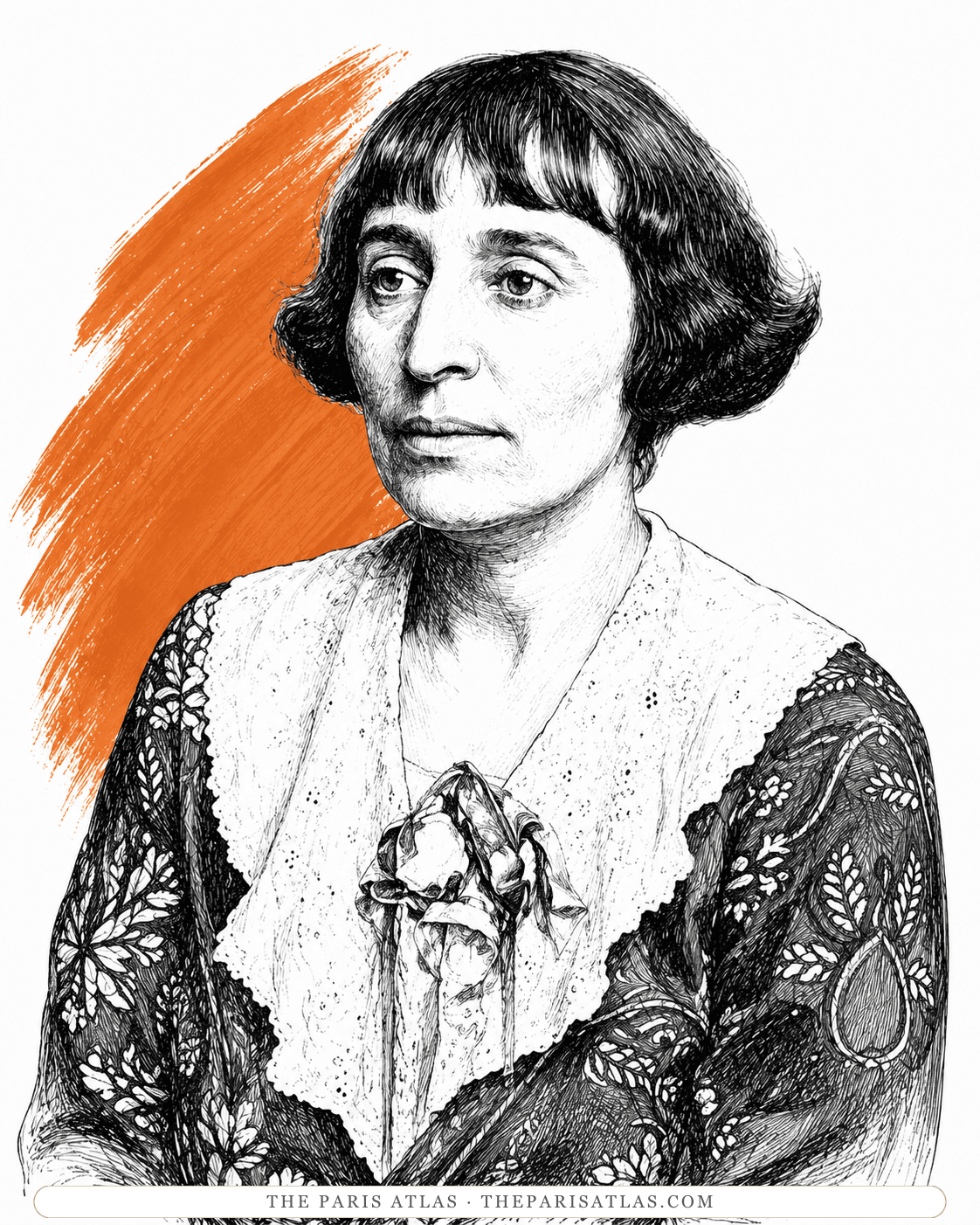
The other half of the household — Stein borrowed her voice for the era's most famous 'autobiography'; Toklas's own books are the correction of record.
View author
The era's other great keeper-of-the-room — both women ran the institutions the geniuses depended on, and both wrote their memoirs late, without knives.
View author
Author of The Sun Also Rises and A Moveable Feast; his pared-down style, developed in 1920s Paris, became the most imitated in American prose.
View authorThe sources below include the primary text, editions, scholarship, archival materials, and other records that informed this page. They document What Is Remembered, its publication, and its place in literary history.


A contemporary review, not a verbatim memoir excerpt or a full-book reading.
Primary excerpt within a review; automated transcription, not edition collation.

Used to place What Is Remembered within Alice B. Toklas's published work and verify its bibliographic context.
Used for independent biographical, archival, or historical context surrounding Alice B. Toklas's career and the period in which What Is Remembered appeared.
The Beinecke finding aid documents the uncorrected proofs of What Is Remembered and Toklas's surviving writings.
The Jewish Women's Archive encyclopedia supplies independent biographical context for Toklas's authorship and life with Stein.
The primary text is the baseline reference for every book page. Additional references document publication history, interpretation, and historical context where that evidence is available.
 Explore more resources