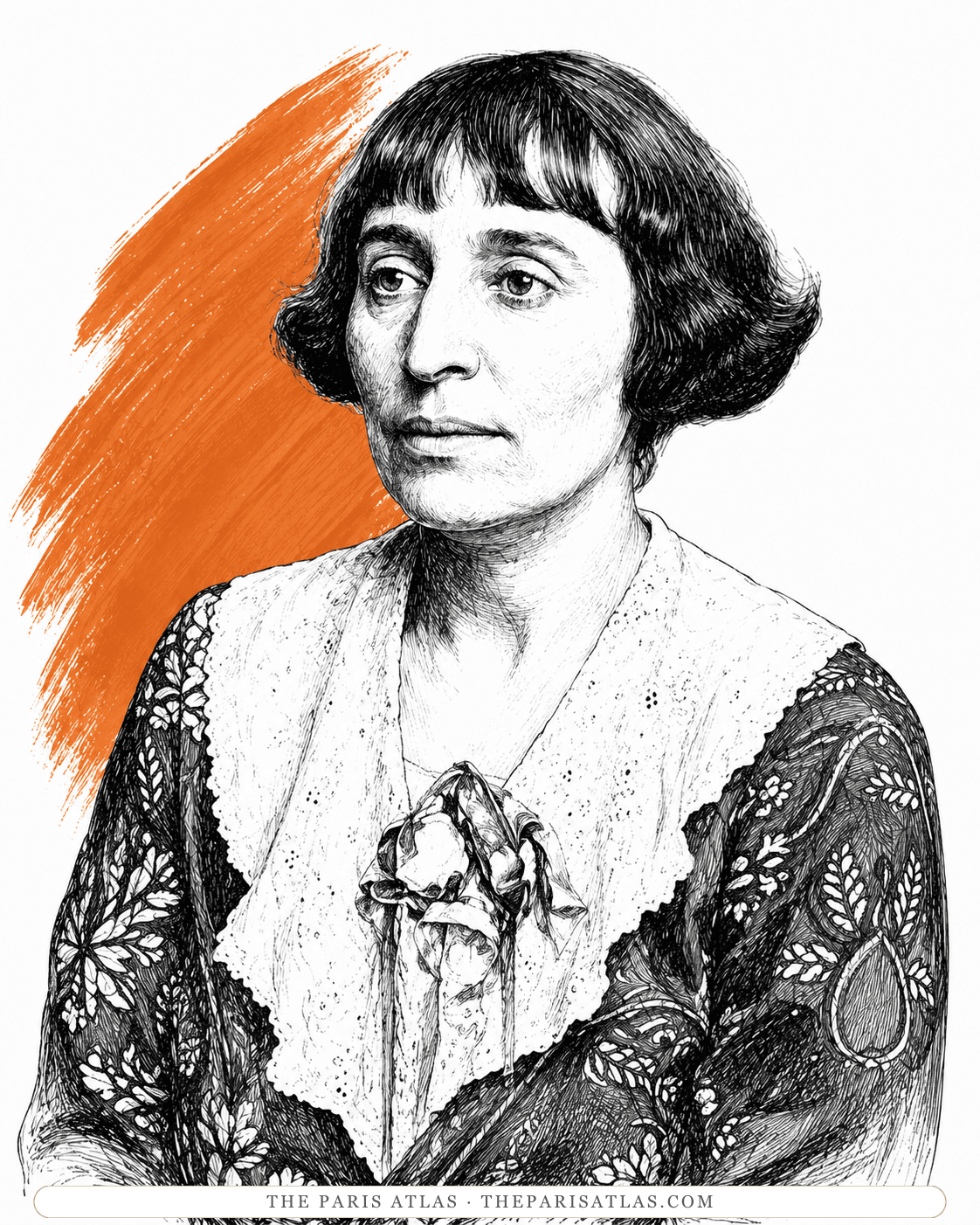

The Alice B. Toklas Cook Book
The original — memoir-rich where this is kitchen-practical.
Read our take
The sequel the Cook Book's success demanded — her recipes, annotated for American kitchens by the century's least likely collaborator.
Four years after the Cook Book made her famous, Harper wanted more, and the result is the odd couple of the shelf: two hundred of Toklas's recipes, printed as she wrote them, with an introduction and running commentary by Poppy Cannon — the American food editor celebrated for The Can-Opener Cook Book — translating them for U.S. markets and substituting where the ingredients ran French. Old-world exactness annotated by new-world convenience: the collaboration is the book's flavor, for better and for argument.
The 1954 Cook Book had made Toklas, at seventy-seven, an improbable bestselling author, and the sequel followed the market: a second collection, published by Harper in 1958, drawn from her files of recipes past and present. This time the memoir element thinned and the collaboration thickened — Poppy Cannon, the food editor famous for championing speed, cans, and the American supermarket, supplied the introduction and a running commentary that adapts Toklas's methods for U.S. kitchens, suggesting substitutions where the called-for ingredient lived only in a Paris market.
The pairing is the story: the era's most exacting home cook — a woman who measured by tradition and market-day — annotated by the apostle of convenience food. Read charitably, Cannon's notes are a bridge, and the reason American cooks could actually use the book; read loyally, they are a running argument printed in the margins of a purist's life work. Either way the volume completes the kitchen shelf of the rue Christine years, and its title is quietly true to the whole Toklas project: the past supplying the recipes, the present doing what it can with them.
The shape is a working cookbook rather than a memoir: some two hundred recipes from Toklas's files, French technique and market-day exactness intact, arranged for the table rather than the timeline. Around them runs the second voice — Cannon's commentary, translating, substituting, and encouraging, the tone of a television demonstrator escorting readers through a cathedral.
The interest for non-cooks is the dialogue itself: two philosophies of the kitchen, printed on the same pages, politely disagreeing about what food is for.
Cannon's introduction, quoted in Chloe Alice Chappe's study of Toklas, gives the recipe collection a life beyond the kitchen. Recipes accumulated before Toklas began cooking, and their container survived the Occupation. Yet survival is not perfect recollection: a dish can remain in the box after its personal history has been forgotten. That distinction complicates the title's promise of recovering the past. The written instructions preserve something usable without restoring every person or occasion attached to it. Sorting these papers can therefore be read as an encounter with both continuity and loss, rather than a complete reconstruction of an earlier life.
Convenience looks different when the cook's working conditions enter the picture. In a publisher interview, novelist Lori Roy describes Cannon's introduction as an account of women losing nearby family and neighborhood support while facing greater expectations. Technology promises relief, but more equipment does not necessarily mean less work. Read through Roy's account, the book's adjustments for contemporary kitchens answer a social problem as well as a culinary one. The reader must make a meal under conditions the recipe alone cannot control. This shifts the question from whether a shortcut betrays tradition to what support makes the continued practice of cooking possible.
Old-world exactness versus can-opener modernity, printed on the same page — no other book on the shelf stages the fifties this neatly.
Less memoir than the Cook Book but more usable — the annotations exist so an American kitchen can actually cook the rue Christine's table.
With the Cook Book and the letters, it rounds out the astonishing fact of a debut author in her late seventies.
1954
The Alice B. Toklas Cook Book makes her, at seventy-seven, an improbable bestselling author.
1958
Harper publishes the sequel its success demanded — two hundred recipes annotated for American kitchens by Poppy Cannon of The Can-Opener Cook Book — with Toklas eighty-one.
1996
Lyons Press reissues the cookbook, returning Toklas’s recipes and Cannon’s annotations to print.
The original — memoir-rich where this is kitchen-practical.
Read our take
The letters record this collaboration from Toklas's side of the writing table.
Read our take
Alice B. Toklas, with an introduction and running commentary by the American food editor Poppy Cannon. Harper published it in 1958.
A second collection of some two hundred of Toklas's recipes, printed as she wrote them, with Cannon's notes adapting them for American kitchens and substituting where ingredients ran French.
It is the sequel the Cook Book's success demanded — less memoir, more working cookbook, commissioned four years after the first book made her a bestselling author at seventy-seven.
The American food editor celebrated for The Can-Opener Cook Book — the apostle of convenience food, an unlikely annotator for the era's most exacting home cook.
It stages two philosophies of the kitchen on the same pages — old-world exactness annotated by can-opener modernity — politely disagreeing about what food is for.
Explore authors with a similar voice, perspective, and influence.
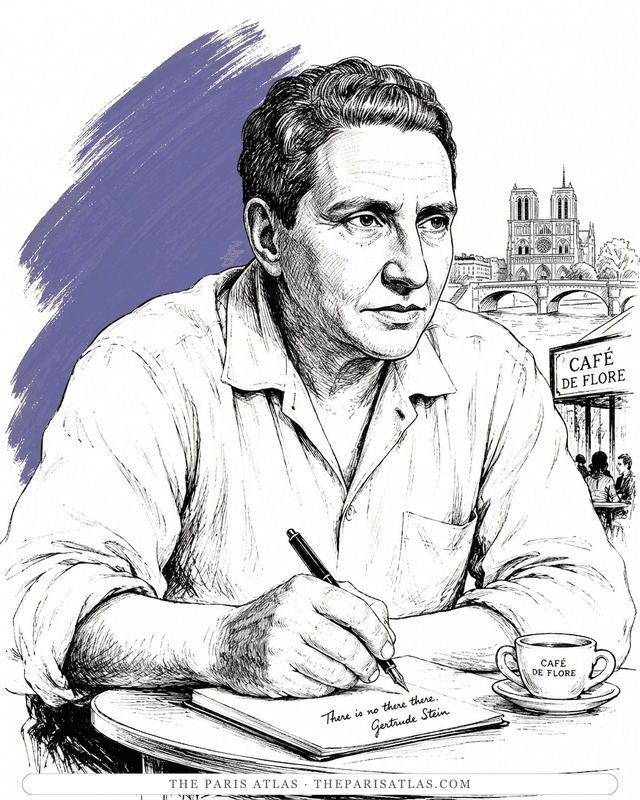
The other half of the household — Stein borrowed her voice for the era's most famous 'autobiography'; Toklas's own books are the correction of record.
View author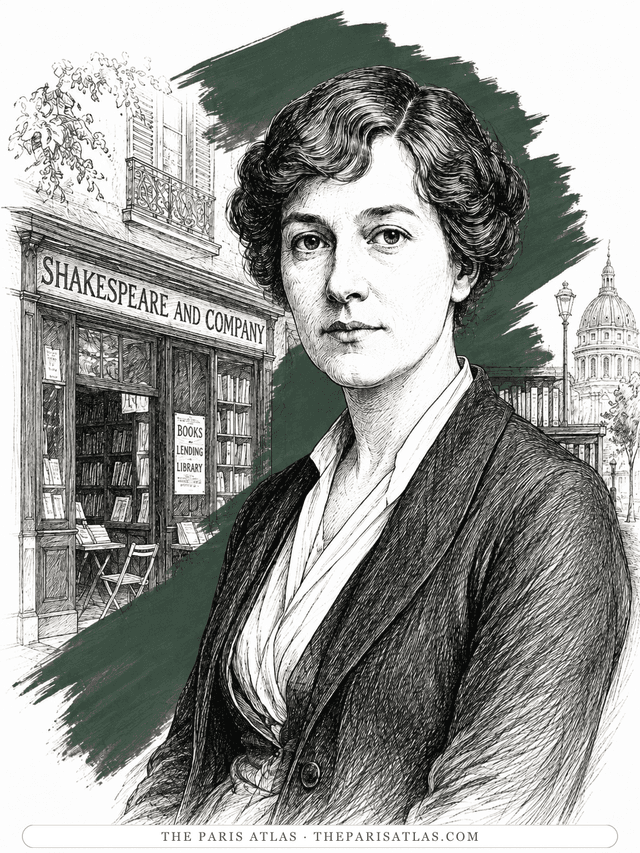
The era's other great keeper-of-the-room — both women ran the institutions the geniuses depended on, and both wrote their memoirs late, without knives.
View author
Author of The Sun Also Rises and A Moveable Feast; his pared-down style, developed in 1920s Paris, became the most imitated in American prose.
View authorThe sources below include the primary text, editions, scholarship, archival materials, and other records that informed this page. They document Aromas and Flavors of Past and Present, its publication, and its place in literary history.
Cannon's introduction as quoted in Chappe's study, p. 6; accessed through the indexed reproduction, not a newly collated cookbook edition.

Roy's account of reading Cannon's introduction, in the publisher's interview; the interpretation is explicitly attributed.
Used to place Aromas and Flavors of Past and Present within Alice B. Toklas's published work and verify its bibliographic context.
Used for independent biographical, archival, or historical context surrounding Alice B. Toklas's career and the period in which Aromas and Flavors of Past and Present appeared.
Used to cross-check authorship, chronology, and the work's place in Alice B. Toklas's wider catalogue.
Used to verify Alice B. Toklas's bibliography and place Aromas and Flavors of Past and Present within the broader chronology of Alice B. Toklas's career.
Web source consulted for documented facts and historical context presented on the Aromas and Flavors of Past and Present page.
The primary text is the baseline reference for every book page. Additional references document publication history, interpretation, and historical context where that evidence is available.
 Explore more resources