On display here
Gertrude Stein
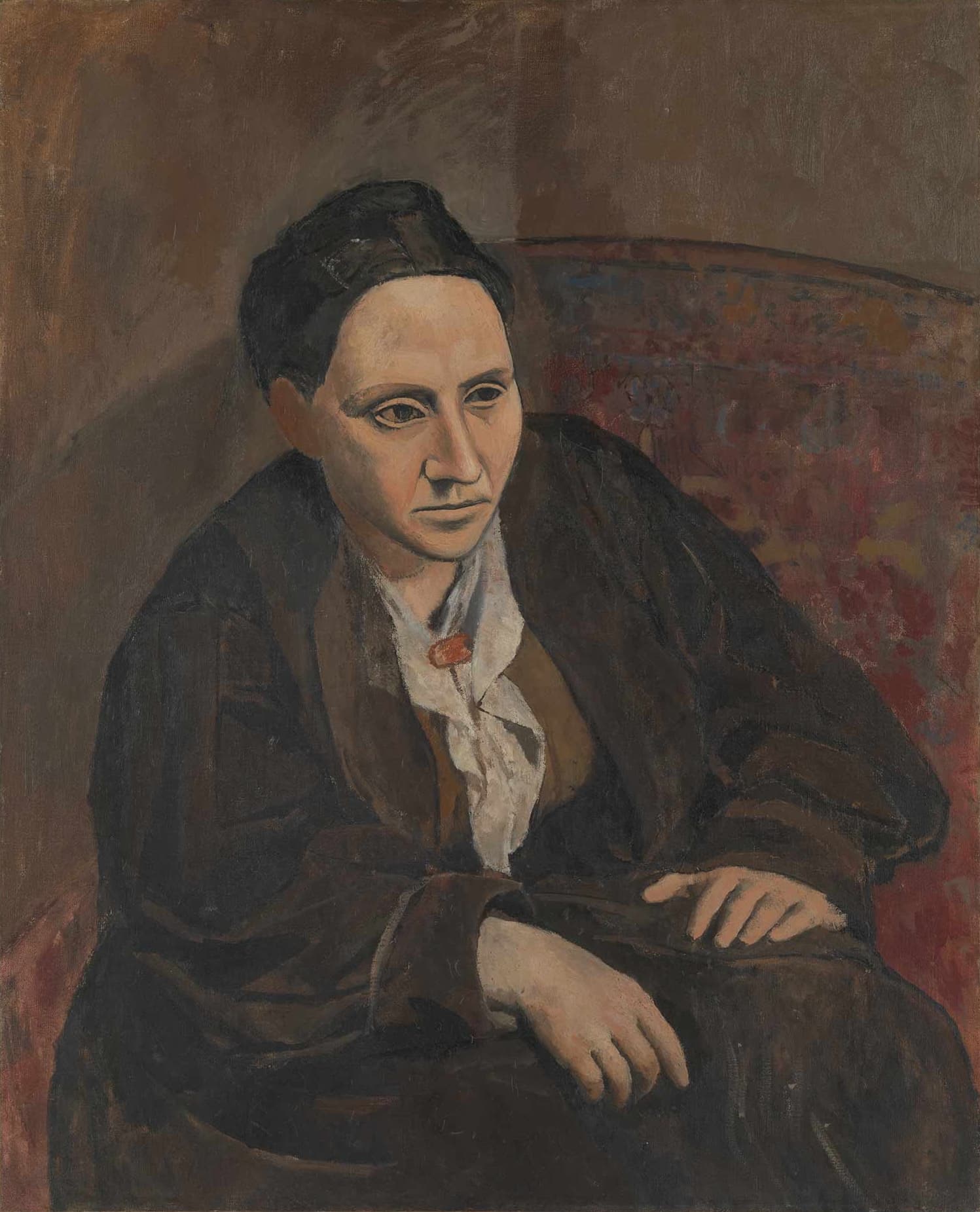
Hung above the fireplace of the atelier from its completion until Stein and Toklas left for the rue Christine — the presiding image of the Saturday salons.
Gertrude Stein's apartment and salon — the drawing room of modernism, where Ernest Hemingway was instructed, encouraged, and eventually indicted as part of a lost generation.
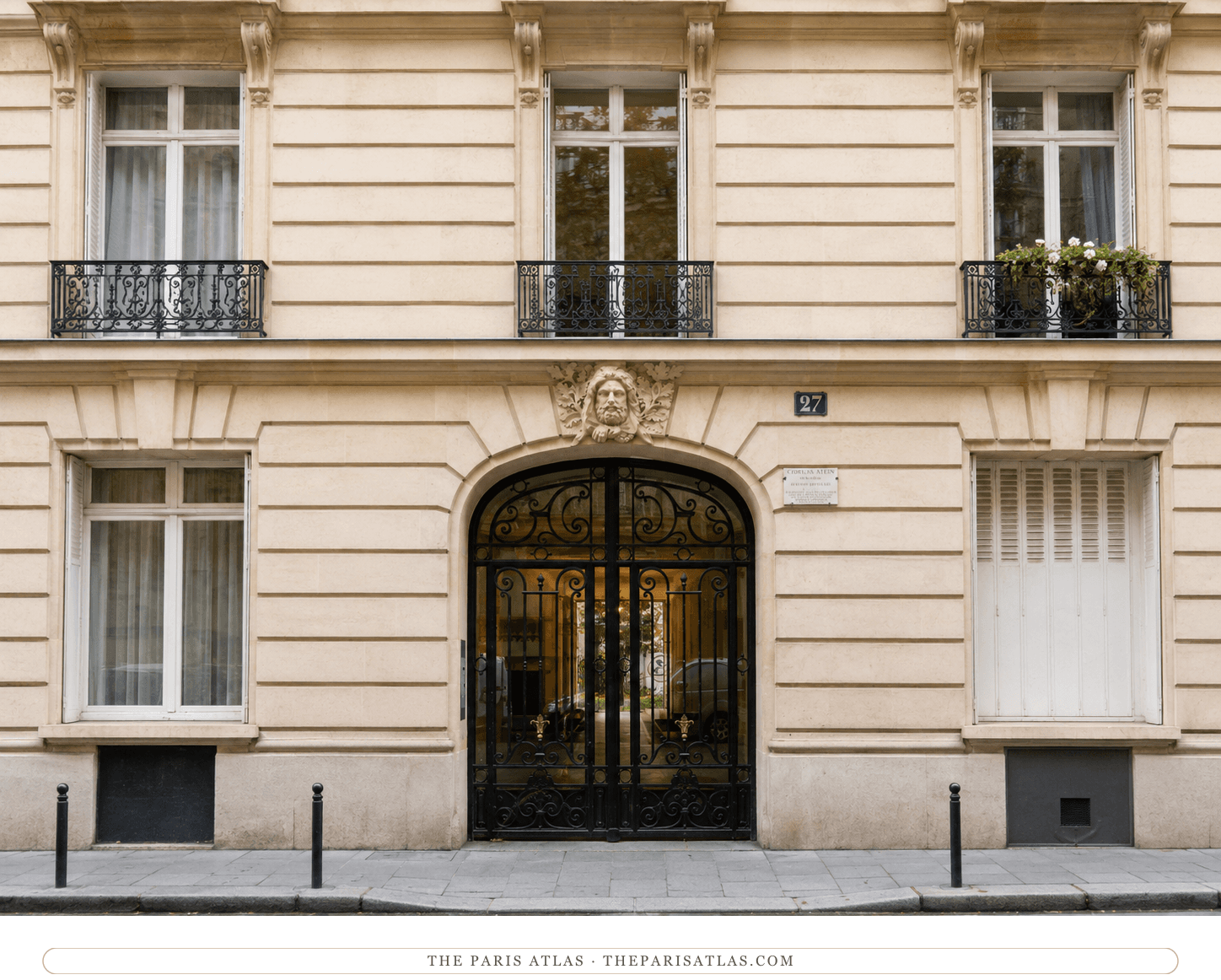
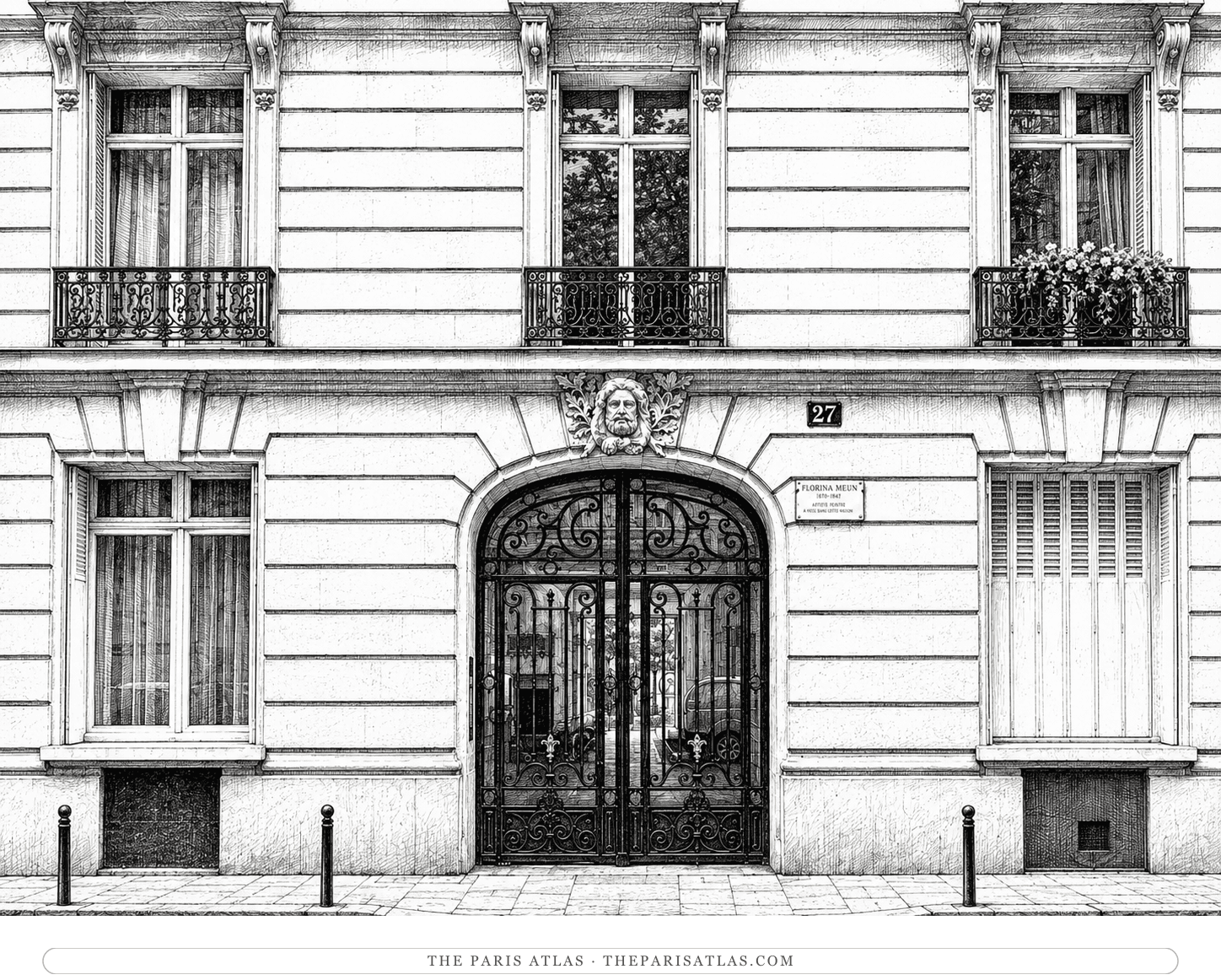
Gertrude Stein moved into the flat and adjoining atelier at 27 rue de Fleurus in 1903 with her brother Leo, and together they papered its walls with the twentieth century before the twentieth century knew what it looked like: Cézannes bought when they were affordable, Matisses bought when they were scandalous, and Picassos bought when Picasso was unknown. Alice B. Toklas arrived in 1910, Leo left in 1913, and the Saturday evenings — part salon, part tribunal — became the most consequential room in modern art.
Hemingway arrived in March 1922 carrying a letter of introduction from Sherwood Anderson, and the studio became his graduate school. Stein read his early work, told him to cut and compress, taught him about rhythm and repetition, and dispensed judgments he transcribed for the rest of his life — including, fatefully, the garage owner's phrase she aimed at his generation: une génération perdue. He put it at the front of The Sun Also Rises; she never quite got the credit back.
The friendship curdled the way apprenticeships do, and by the time Hemingway wrote A Moveable Feast the portrait of the rue de Fleurus had acquired its knives — repayment, in cruelty, for a debt he elsewhere admits is real. Stein and Toklas left for the rue Christine in 1938, before the war. The building stands, private and plaqued, around the corner from the Luxembourg; the paintings that hung in the atelier are now scattered across the museums of the world, worth more than the whole street.
Gertrude and Leo Stein take the flat and atelier; the collecting begins with Cézanne.
Stein crosses Paris to Picasso's Bateau-Lavoir studio for the portrait's eighty or ninety sittings; finished, it comes home to preside over the atelier as the Saturday salons take their form.
Alice B. Toklas moves in; Leo departs three years later, splitting the collection.
Hemingway presents his letter of introduction in March; the instruction of A Moveable Feast begins.
The 'lost generation' remark has already traveled from this room to the epigraph of Hemingway's The Sun Also Rises.
Stein and Toklas move to 5 rue Christine; the era of the rue de Fleurus ends.
Private apartments; the plaque beside the door is the only exhibit left on site.
On display here
Hung above the fireplace of the atelier from its completion until Stein and Toklas left for the rue Christine — the presiding image of the Saturday salons.

Recalled in the memoir
Gertrude Stein's apartment and salon, where Hemingway was instructed, encouraged, and eventually told he belonged to a lost generation.

Recalled in the memoir
Stein's book returns repeatedly to the home and salon she shared with Toklas at 27 rue de Fleurus.
Lived here · 1910–1938
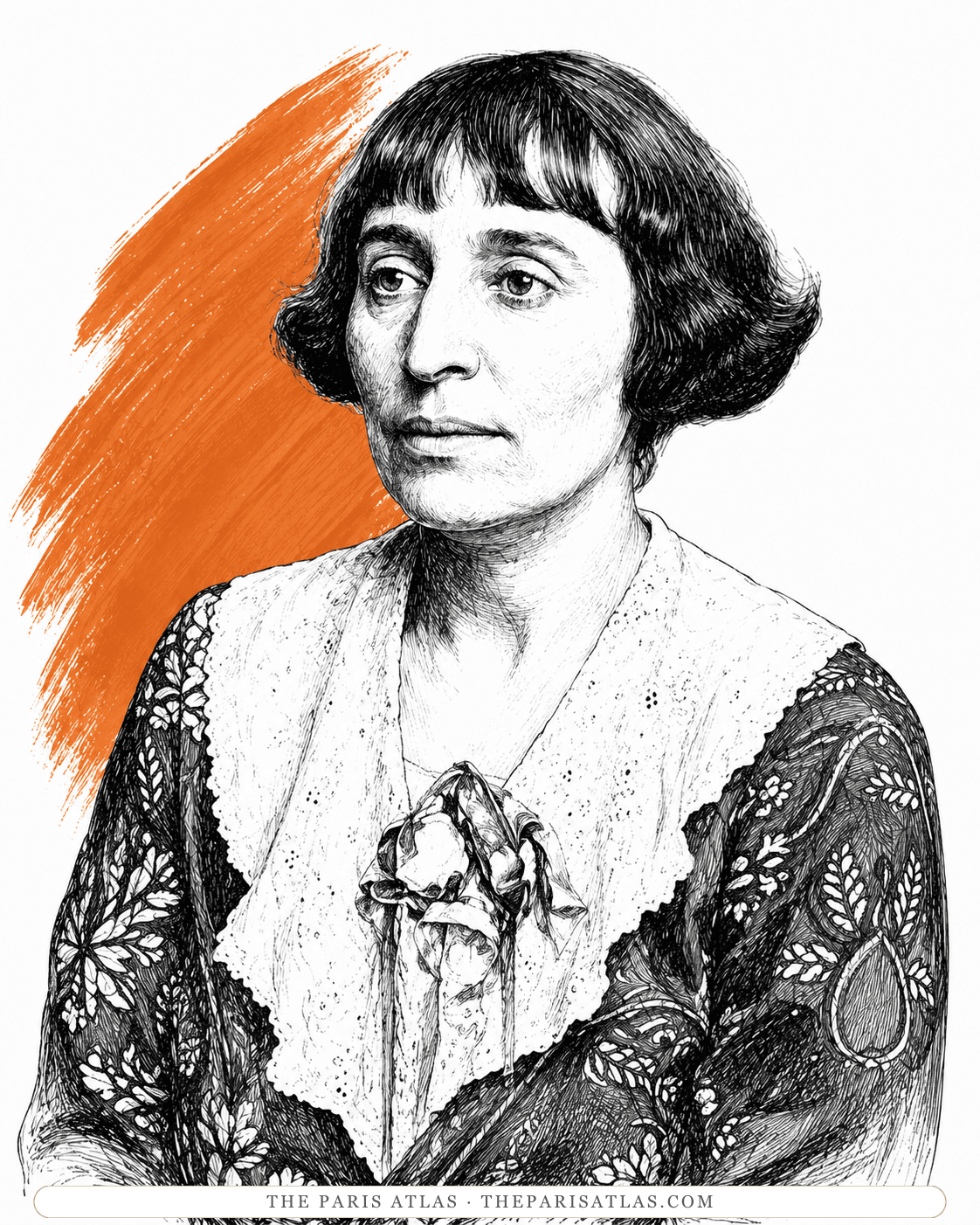
Toklas joined the Stein household in 1910 and ran it — the kitchen, the callers, and the typescripts, including the thousand pages of The Making of Americans — until she and Stein moved to the rue Christine in 1938.
Hosted gatherings here · 1910–1938
Co-host of the Saturday salons by fixed division of labor: Stein sat with the geniuses while Toklas entertained their wives — pouring tea, taking measure, and missing nothing.
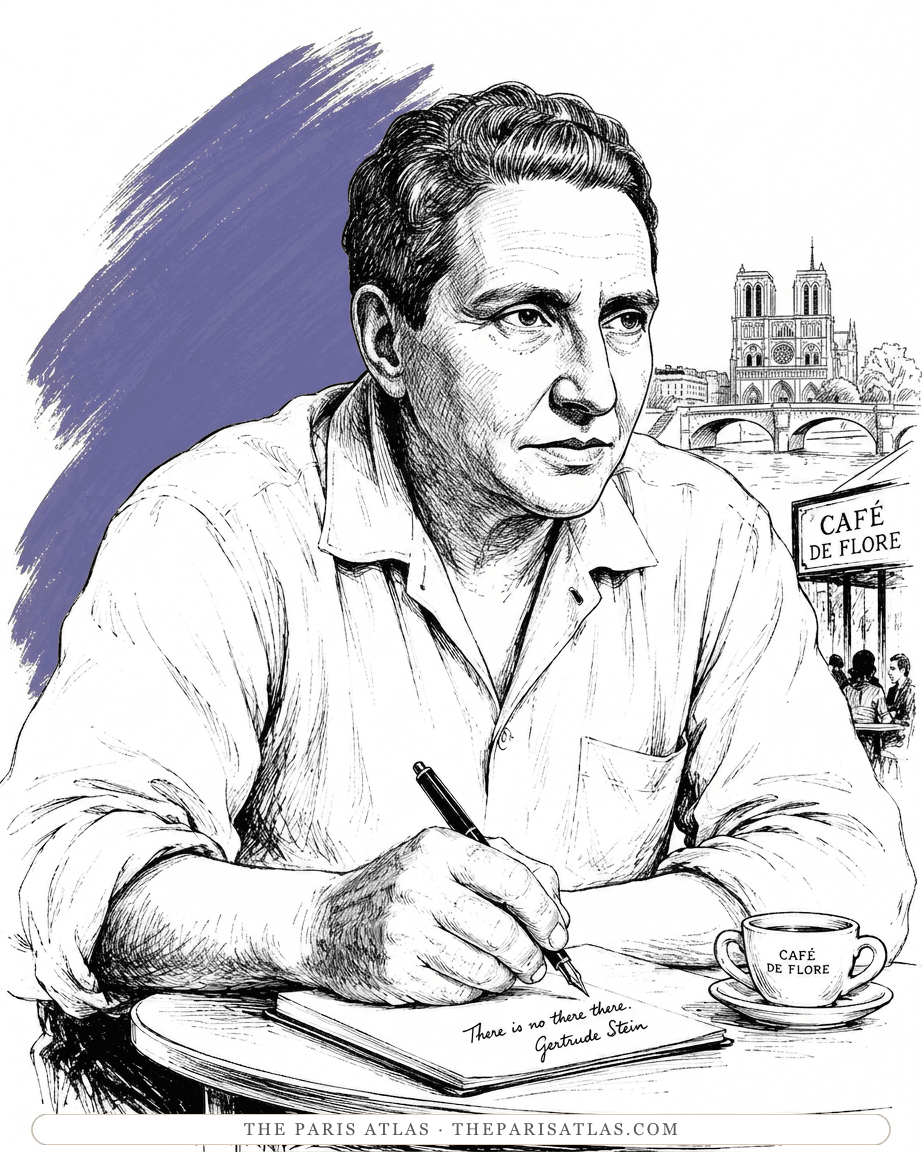
Hosted gatherings here · 1903–1938
Gertrude Stein's Saturday-evening salon — Picasso, Matisse, and later the young expatriate writers, including Hemingway, who received both encouragement and the era's most quoted put-down here.
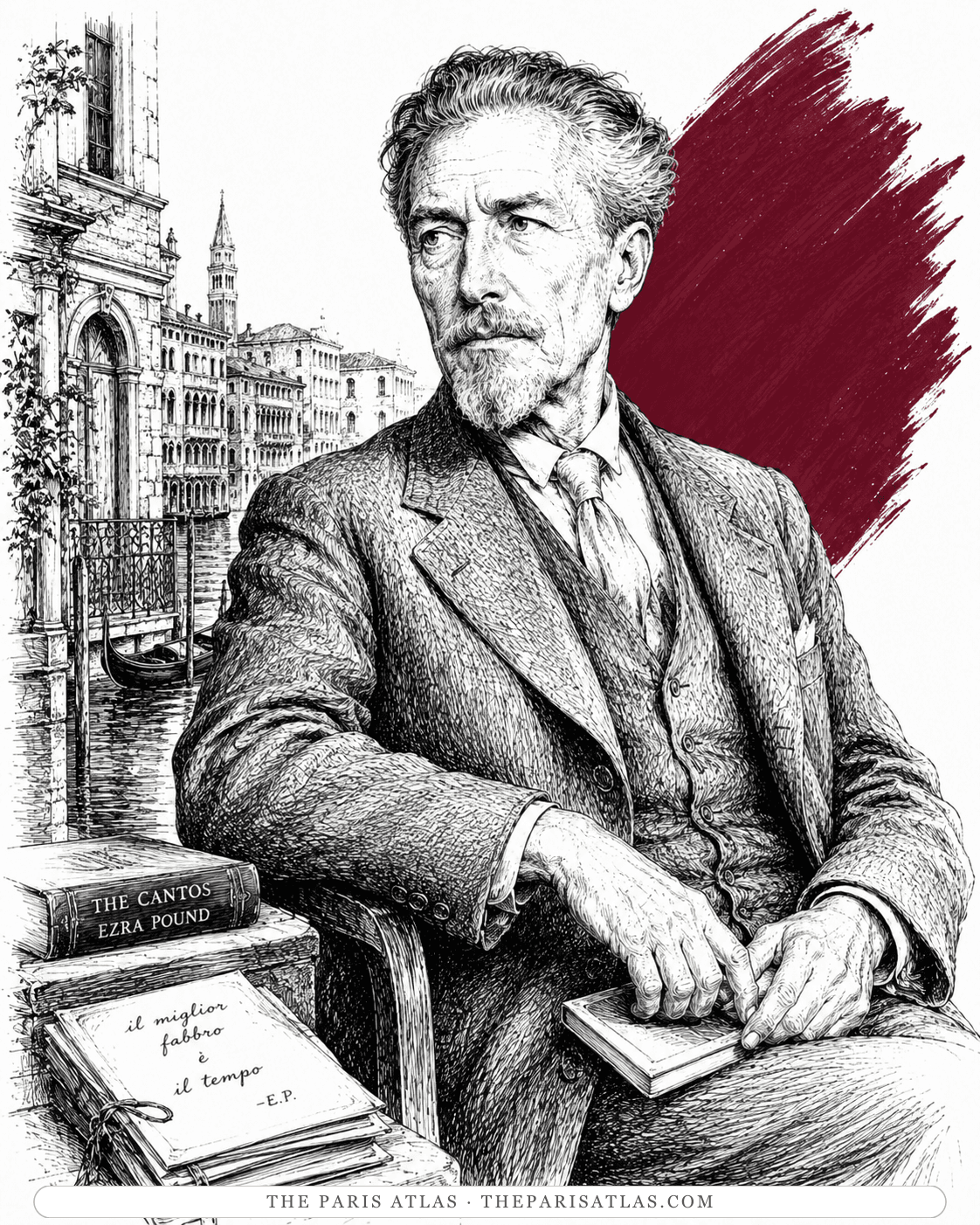
Frequented by · 1921–1924
A guest at Stein's Saturday evenings — remembered in the Autobiography of Alice B. Toklas as the visitor who broke the salon's little armchair.

Frequented by · 1922
A regular at Stein's salon from his first spring in Paris — instructed, encouraged, and eventually told he belonged to a lost generation.

Frequented by · 1925
Gertrude Stein and Alice B. Toklas's salon on the rue de Fleurus, which Fitzgerald attended as part of the expatriate literary circle around Stein — the group she named the Lost Generation.
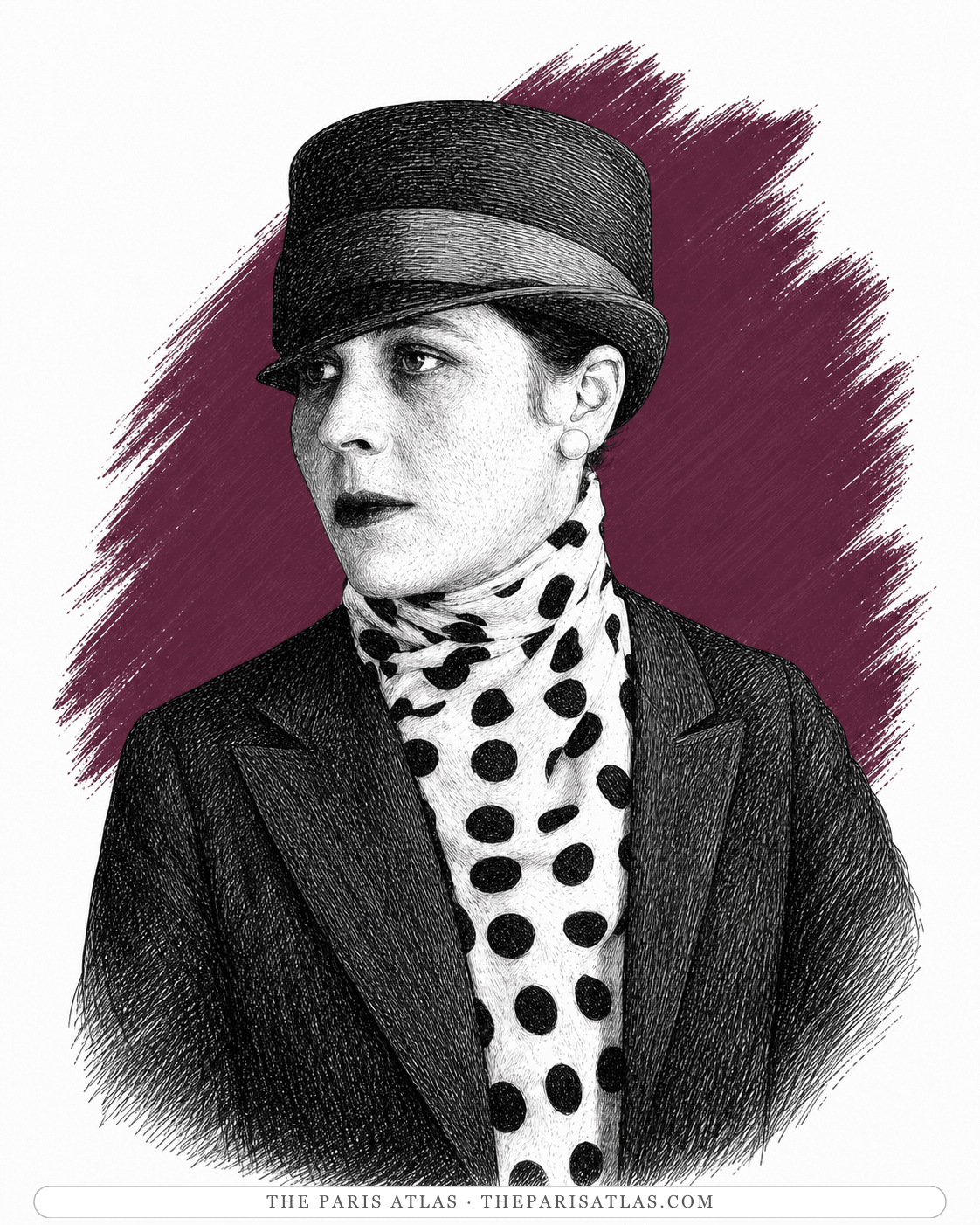
Frequented by
The Peggy Guggenheim Collection's biography places Barnes in Gertrude Stein's artistic circle, which centred on the Saturday salon at 27 rue de Fleurus. No particular dated visit is documented, so this is recorded as an association rather than a definite event.
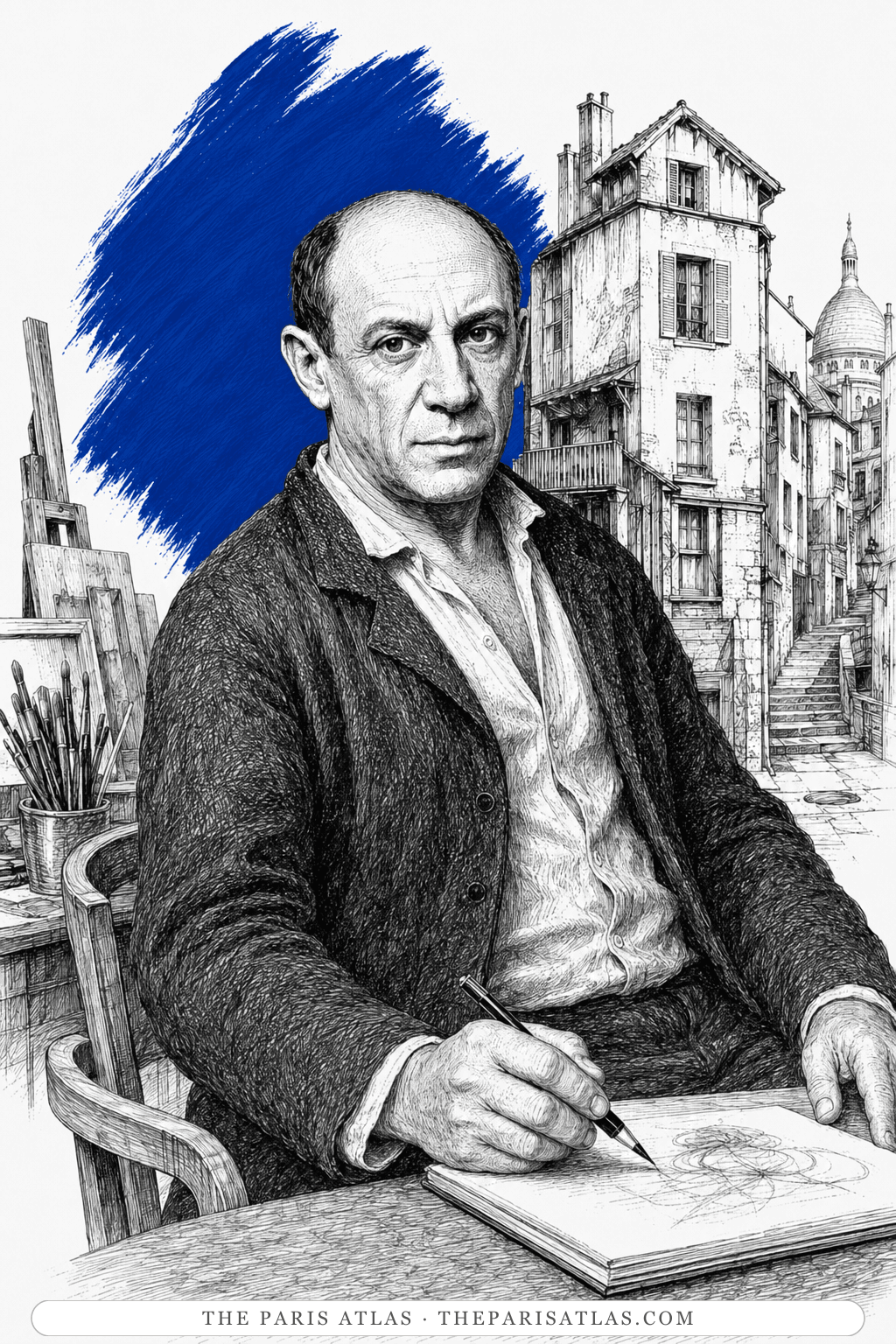
A notable regular of the Saturday salons, whose paintings papered the atelier's walls before the writers arrived.
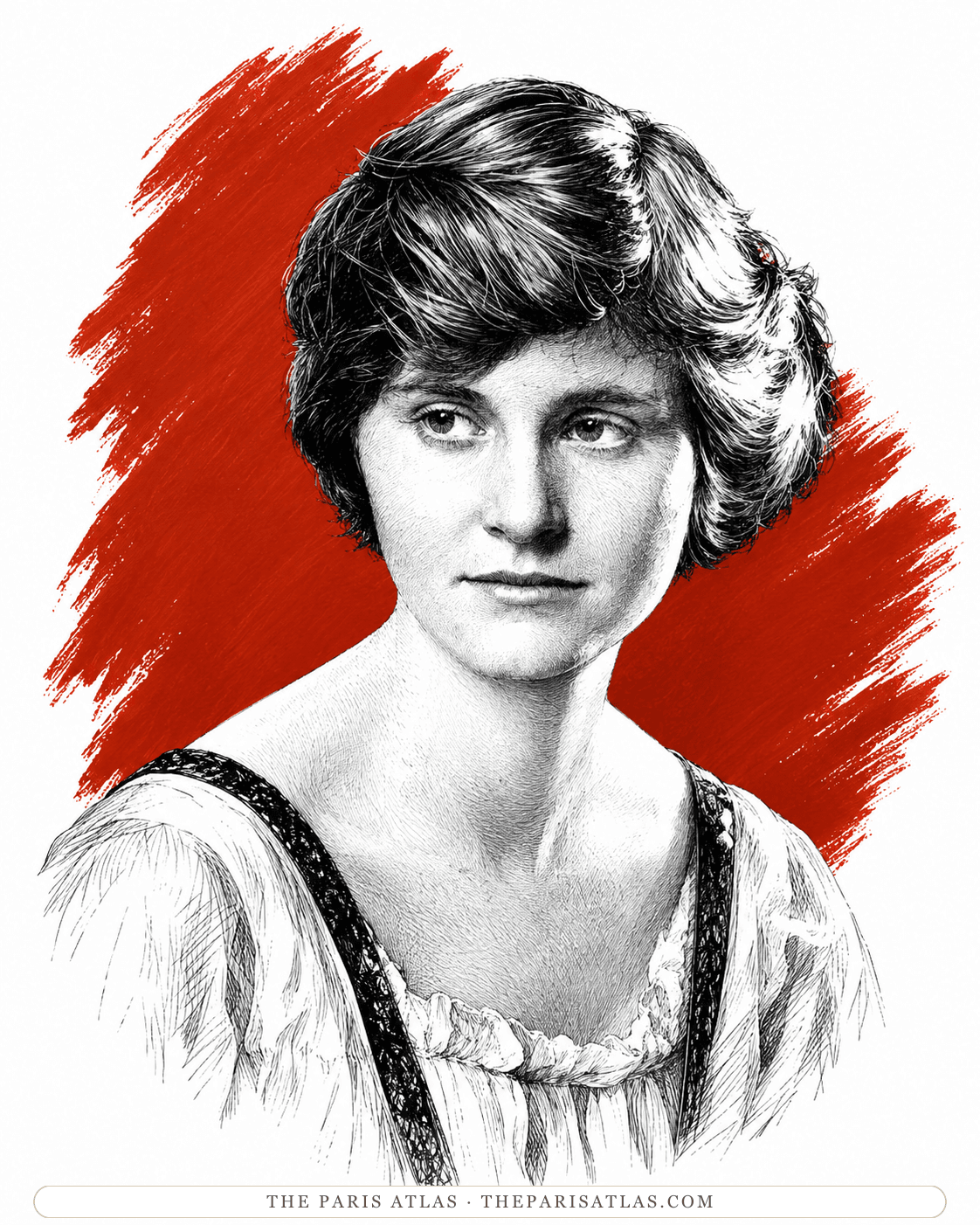
Hadley came to the rue de Fleurus salon with Hemingway from their first Paris spring, and Stein and Toklas called at the Hemingways' flat in turn to read the early manuscripts — and stood as godmothers when Bumby was born.
Literary generation · c. 1921–1929
The writers remade by war and expatriate Paris — Hemingway, Fitzgerald, Stein, Pound, and the rooms, presses, and bookshops that turned their encounters into literature.
Enter the movementArt movement · 1907–1914
The Paris movement that broke the single viewpoint and rebuilt painting from fragments — Picasso and Braque's private experiment, seen early on Gertrude Stein's walls.
Enter the movementArt movement · c. 1918–1930
The postwar swing back to classical calm — Picasso's monumental figures, a shaken Europe's appetite for order, and the tendency Jean Cocteau's essays gave a name.
Enter the movement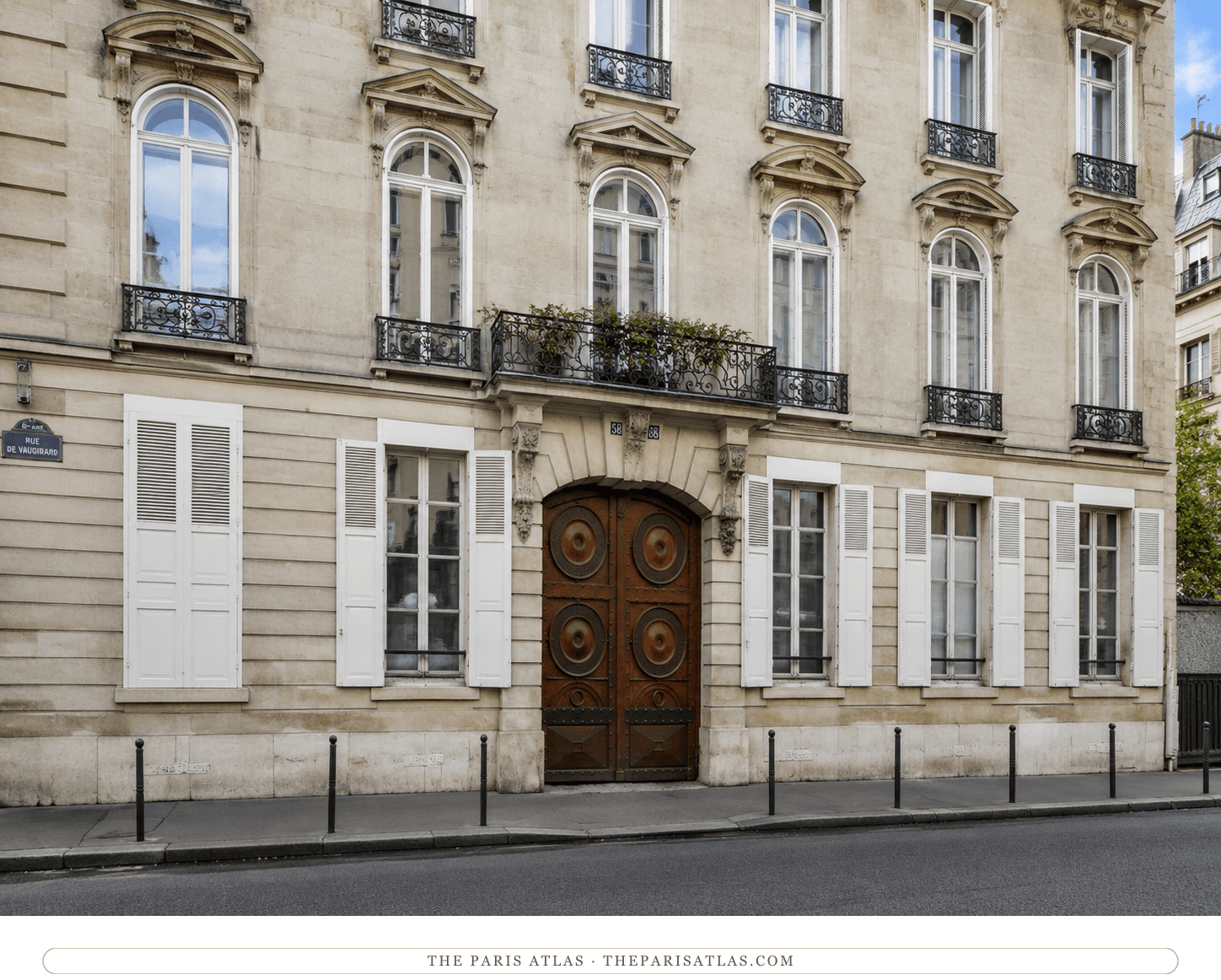
F. Scott and Zelda Fitzgerald's Left Bank apartment in the summer of 1928, facing the Luxembourg Gardens — the address of Zelda's ballet discipline and Scott's stalled novel.
Visit the place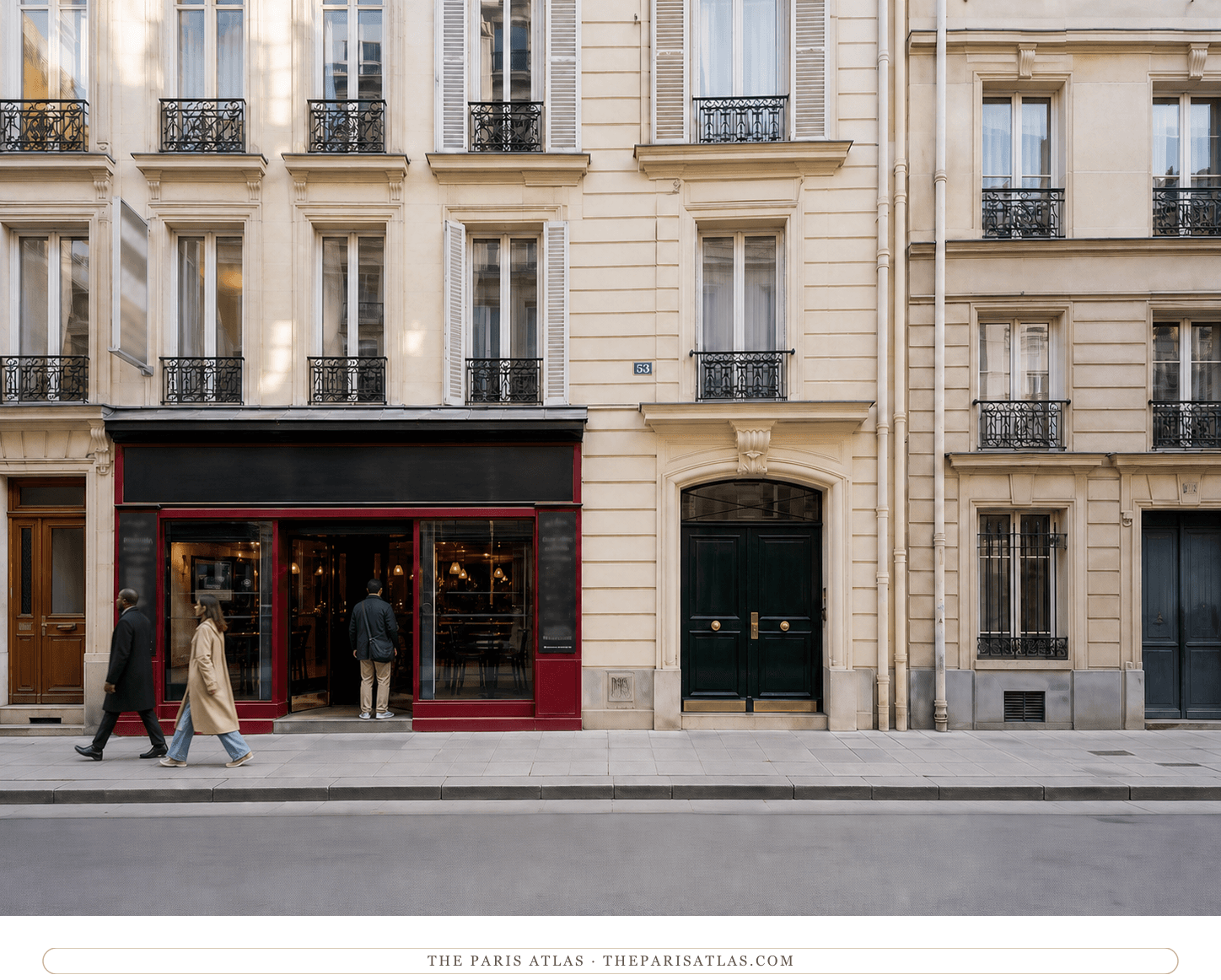
Where Paul Cézanne was living in 1870 with Hortense Fiquet — a relationship he concealed from his father for years, because the allowance he lived on depended on him being single.
Visit the place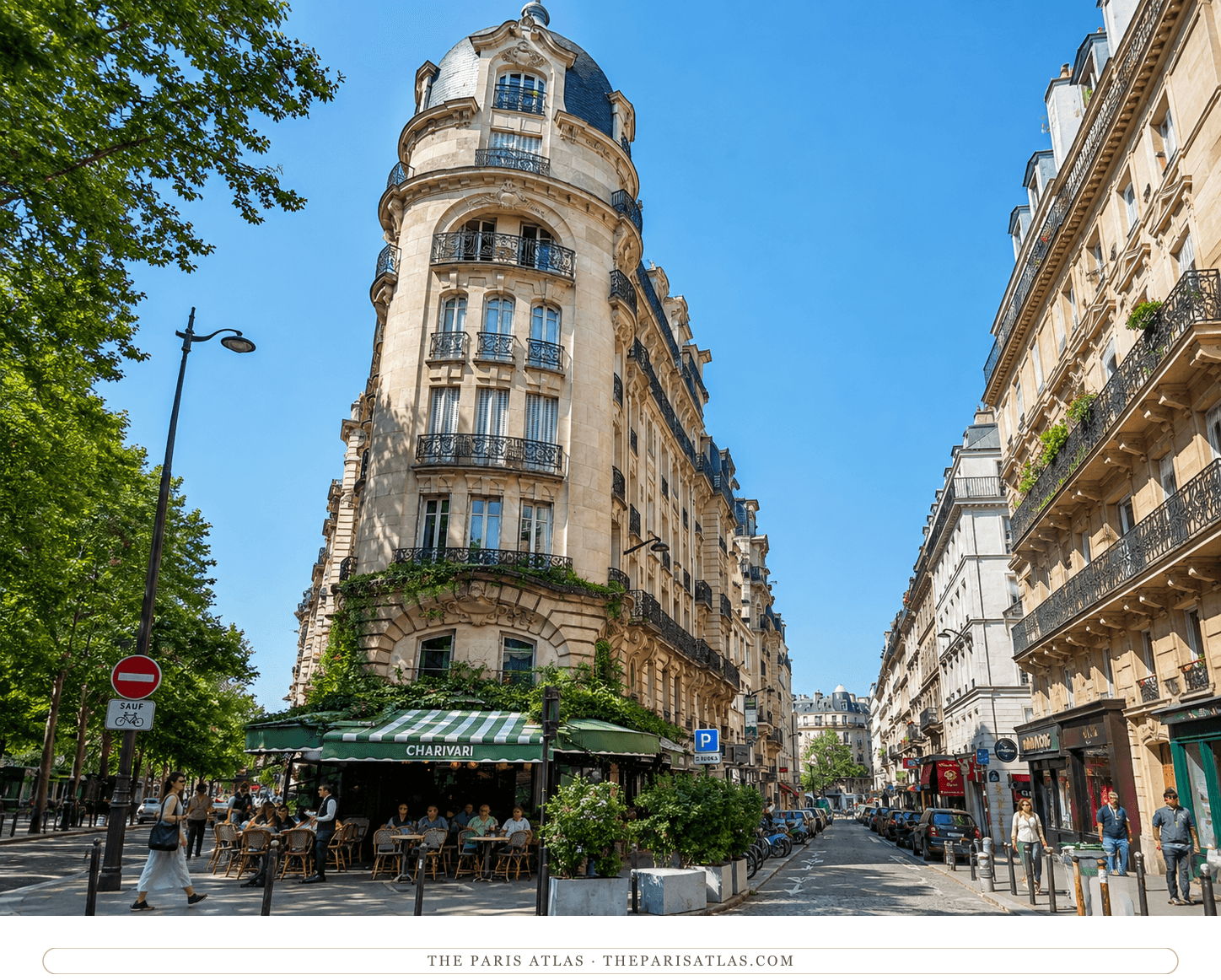
The quarter that took the painters from Montmartre around 1910 and the American writers a decade later, built around four cafés on one crossroads.
Visit the place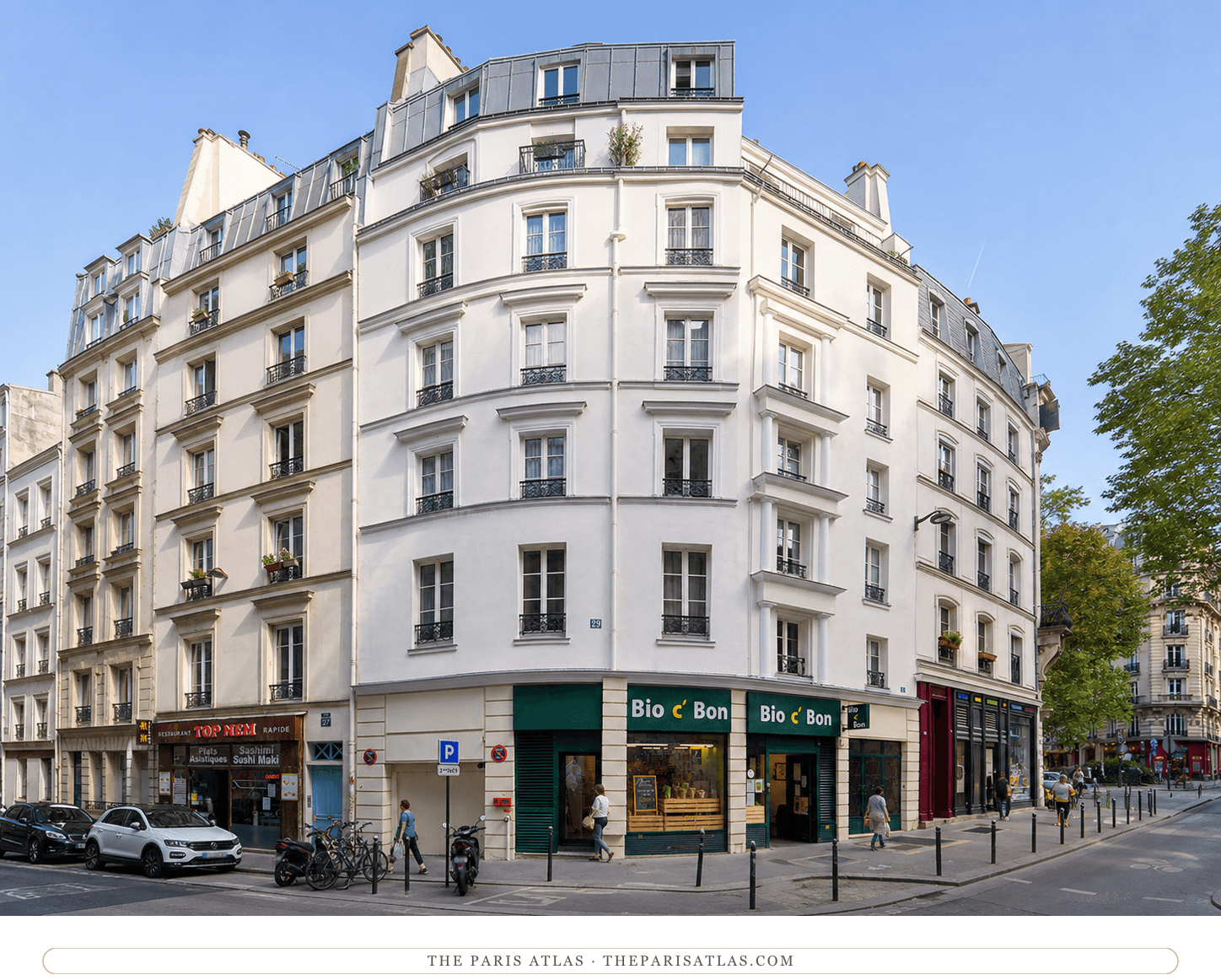
The address of Chez les Vikings, a Scandinavian tavern in Montparnasse where Henry Miller and Anaïs Nin met regularly in the early 1930s. Miller headed a letter of 4 March 1932 from its tables. The café is gone; the buildings remain.
Visit the placeThe sources below include histories, archival materials, scholarly research, and official records that informed this page. They document 27 Rue de Fleurus, the people connected to it, and its place in Paris.


First-person evidence and historical context used in preparing the 27 Rue de Fleurus page.
First-person evidence and historical context used in preparing the 27 Rue de Fleurus page.

Official record used to verify names, dates, institutional details, or other factual information on this page.
Map data used to verify addresses, geographic coordinates, and the placement associated with 27 Rue de Fleurus.
These references provide the documented foundation for this page's history and context. Claim-level citations remain attached to the specific claims they support.
 Explore more resources
Newsletter
The cafés, studios, and walk-up flats where the work was made — one story from the map in every letter.